


Words: Richard Edwards | Photos: Alex Schultz
Published 15 February 2026
The Xpeng G6 is the fastest-charging electric SUV you can get right now. Is it the bargain of the decade? We drove the $72,990 Performance to find out.
The car industry moves incredibly quickly at the moment. In late November we drove the Xpeng G6 on the streets of Guangzhou, China. Just a few weeks after we arrived back, with the brand yet to even open a dealership in New Zealand (they still technically haven’t, head to their website for up to date details), we got a call asking if we would like the first G6 to land in New Zealand delivered to our door on Christmas Eve. Sure.
Specifically the AWD Performance model. And the first number you need to know isn’t the 0–100 time or the range. It’s the price. At $72,990, this top-spec, all-wheel-drive rocketship is over $30,000 cheaper than a Tesla Model Y Performance. Let that sink in for a moment. You could buy the G6 and park a BYD Atto 1 in the garage next to it for the price of the American rival.
Robot Face, jelly bean silhouette
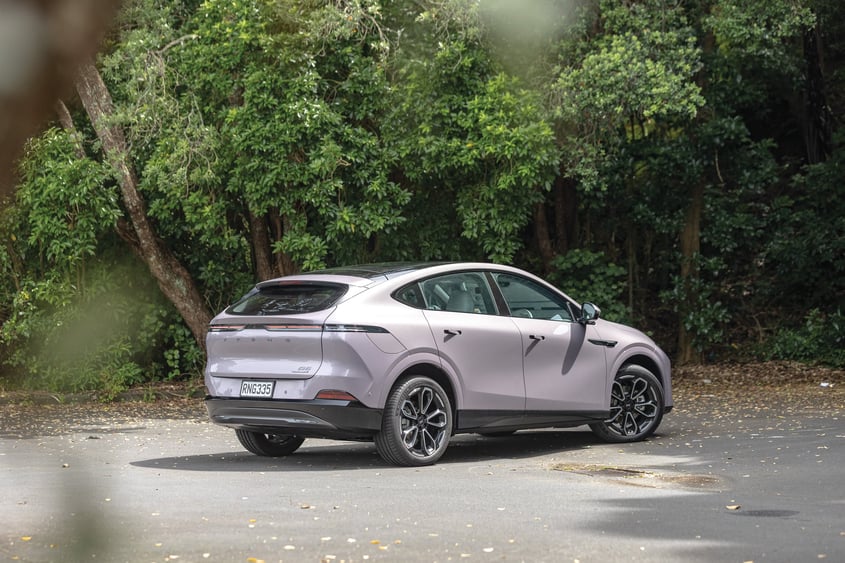
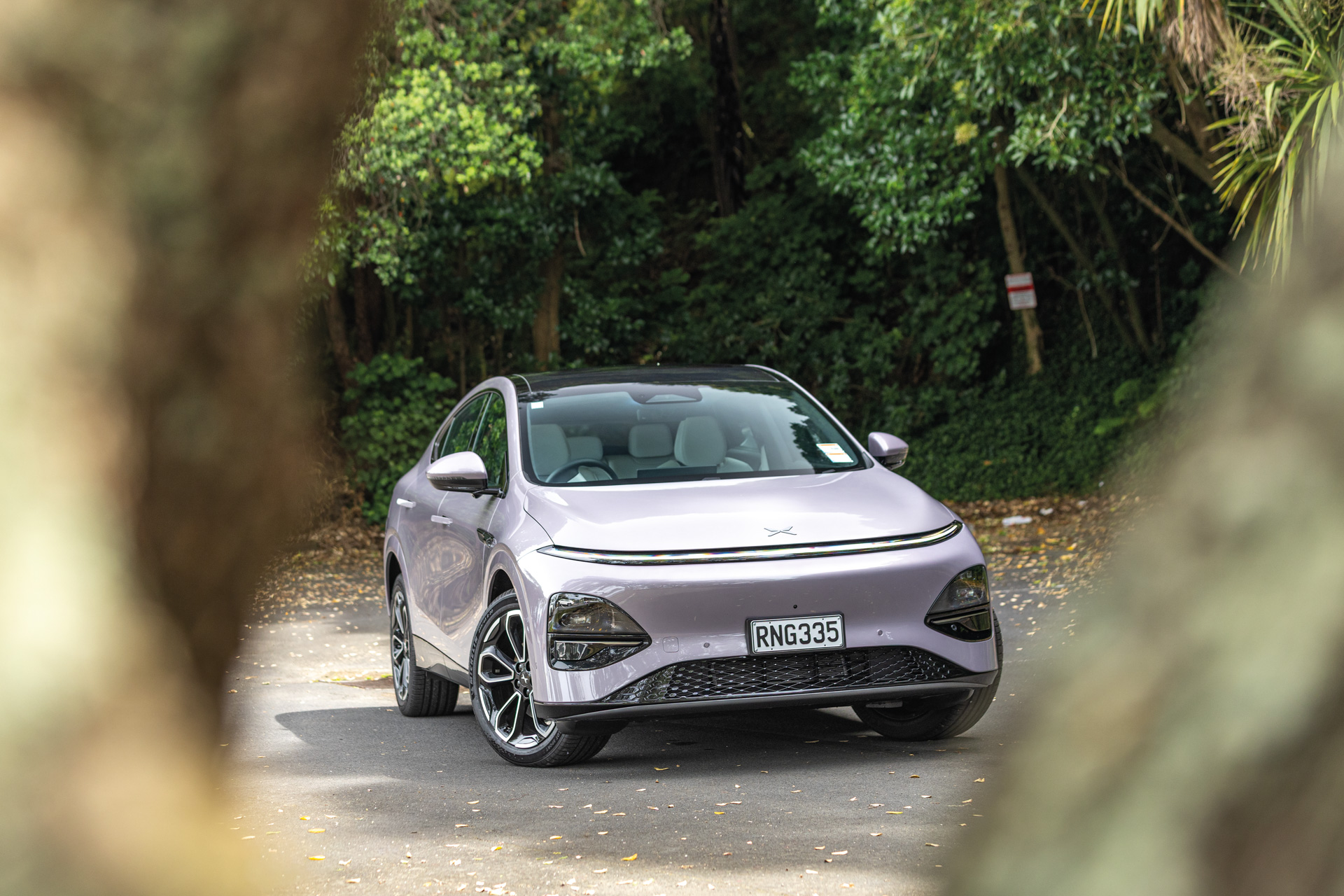
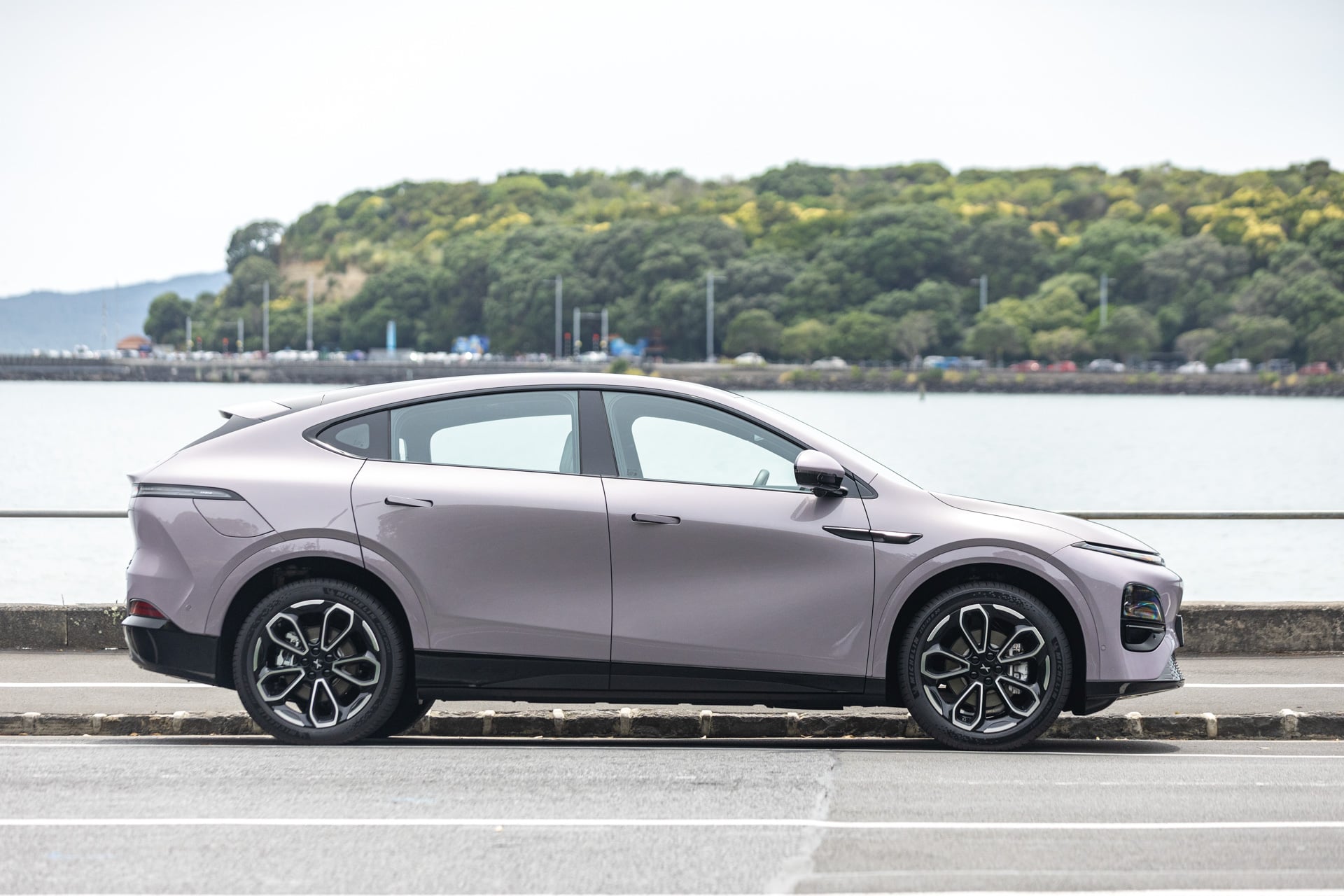
Styling is subjective, which is fortunate for the G6, because it’s not exactly going to win a beauty contest even in a segment with some unusual faces already on offer. The design language is what Xpeng calls “Robot Face”, characterised by a full-width LED light bar and separate headlight clusters housed in black intakes. It’s distinct, tech-forward, and unmistakably EV, but it lacks the aggression you might expect from a Performance model.
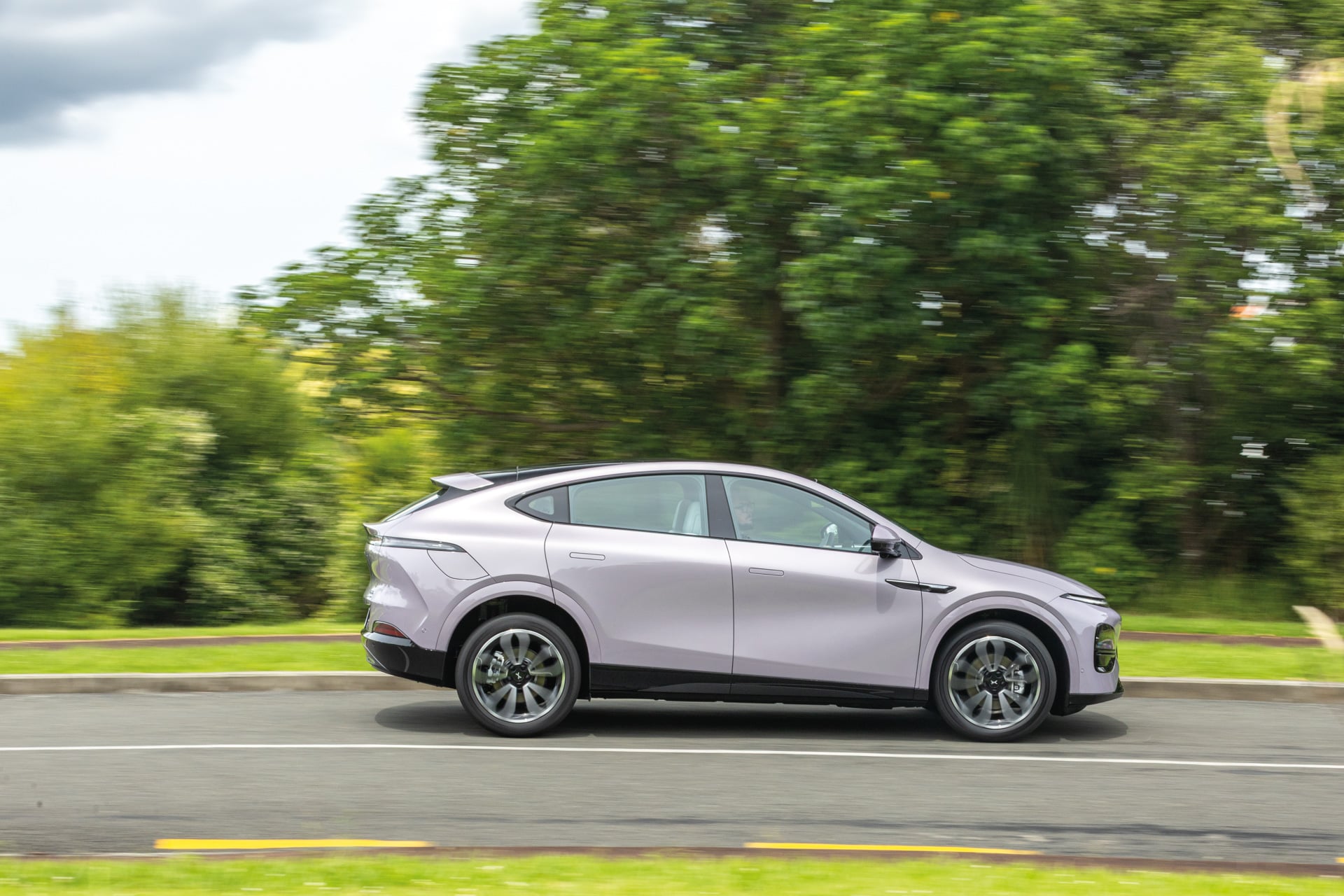
The silhouette is essentially a ‘blobject’, a smooth coupe-SUV shape designed to cheat the wind rather than seduce the eye. With a drag coefficient of just 0.248 Cd, it’s incredibly slippery, which pays dividends for open-road range. However, parked next to the sharp, tailored lines of the recently launched Zeekr 7X, the G6 is starting to look a little soft and, dare I say it, dated. To be clear, it is. New Zealand is a couple of years behind Australia on Xpeng, though luckily that means we are getting updated tech before them.
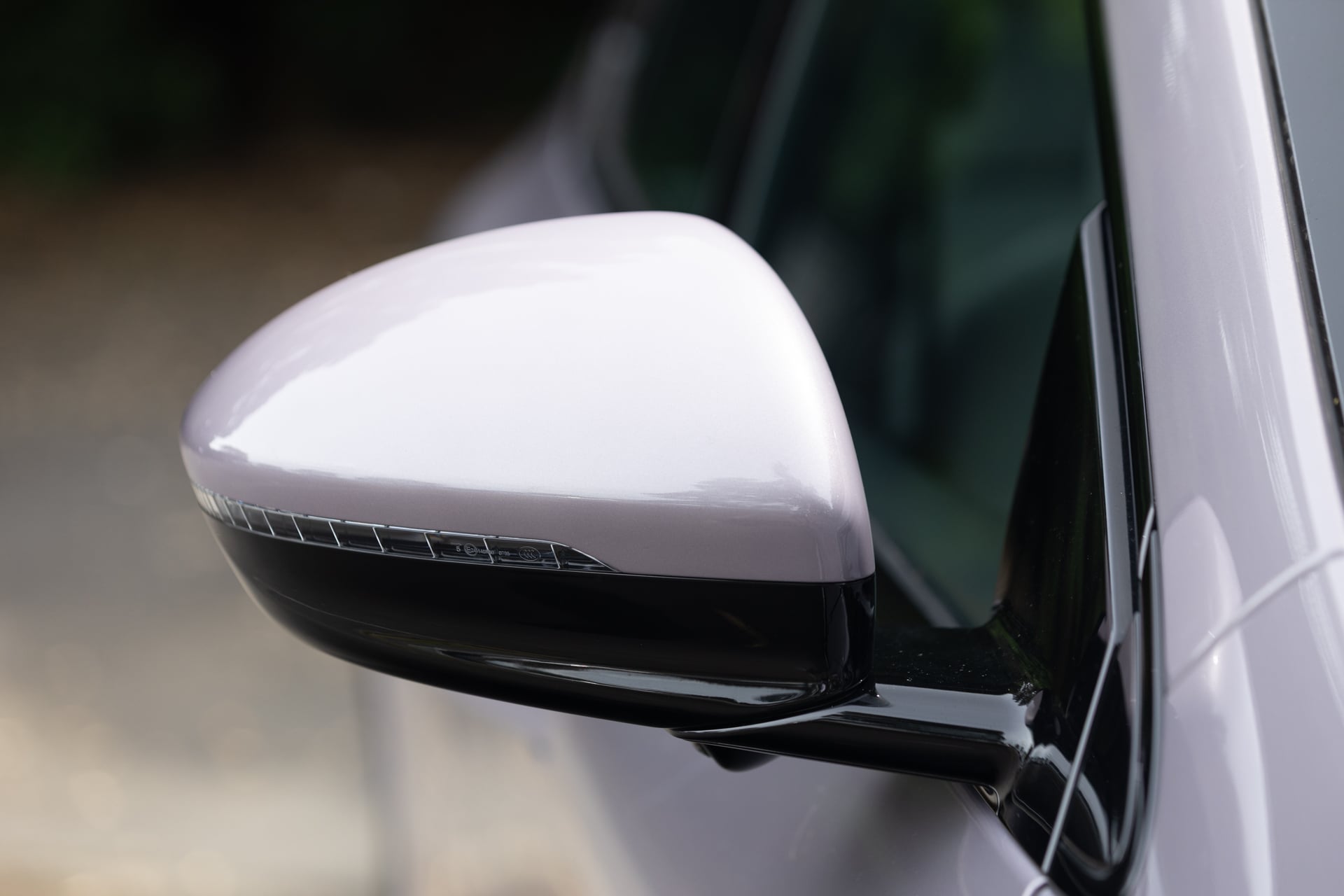
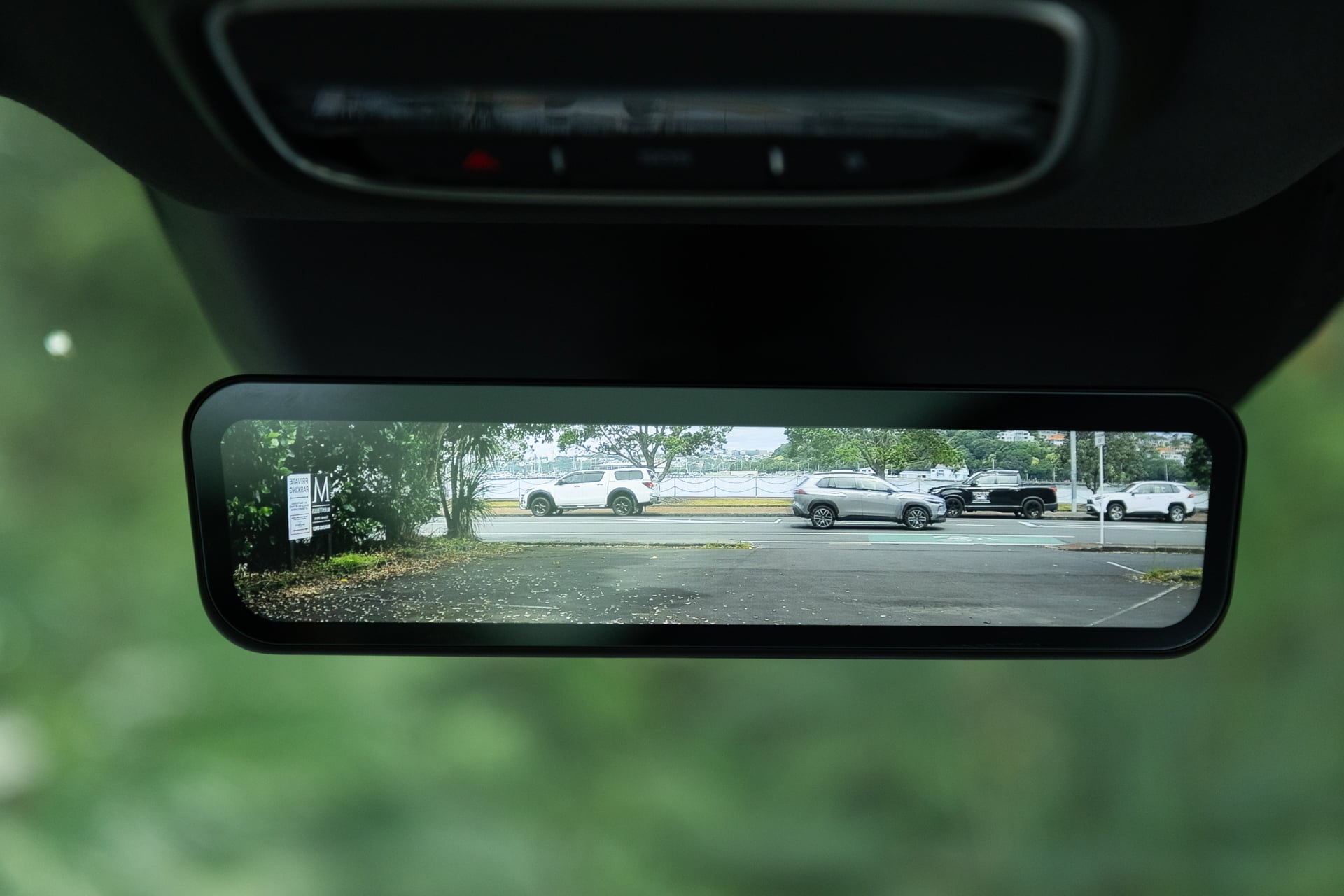
There are also a couple of omissions that hint at cost cutting, or perhaps just quirks of the domestic Chinese market. First, there is no factory privacy glass. In the harsh New Zealand sun, the cabin feels like a fishbowl, and you’ll be booking an appointment with your local tint shop the day you pick it up. Second, pop the bonnet and you’ll find nothing. Just a plastic cover. In a ground-up EV platform, the lack of a frunk for cable storage is a head-scratcher, especially when the Tesla it aims to dethrone offers a massive one.
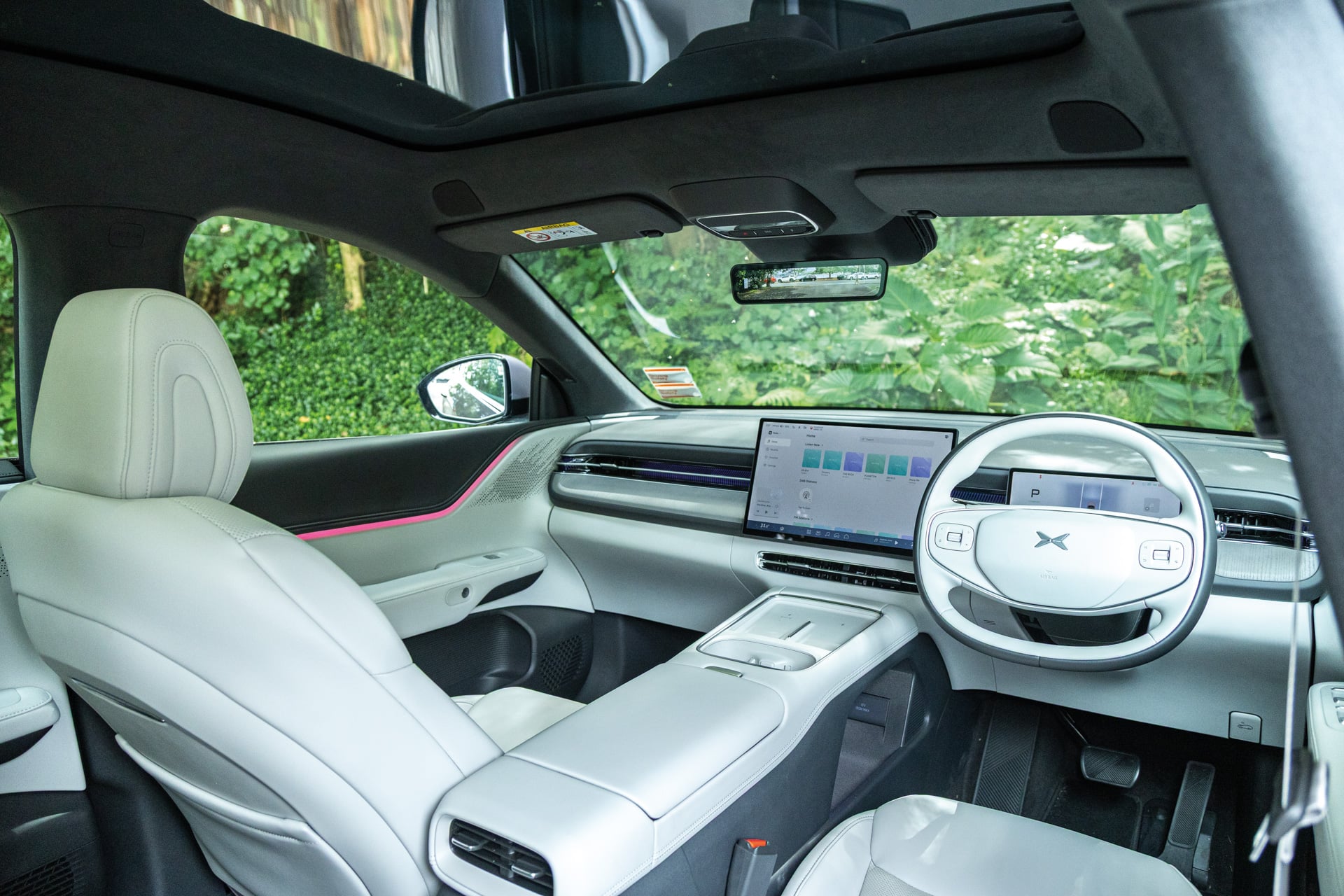
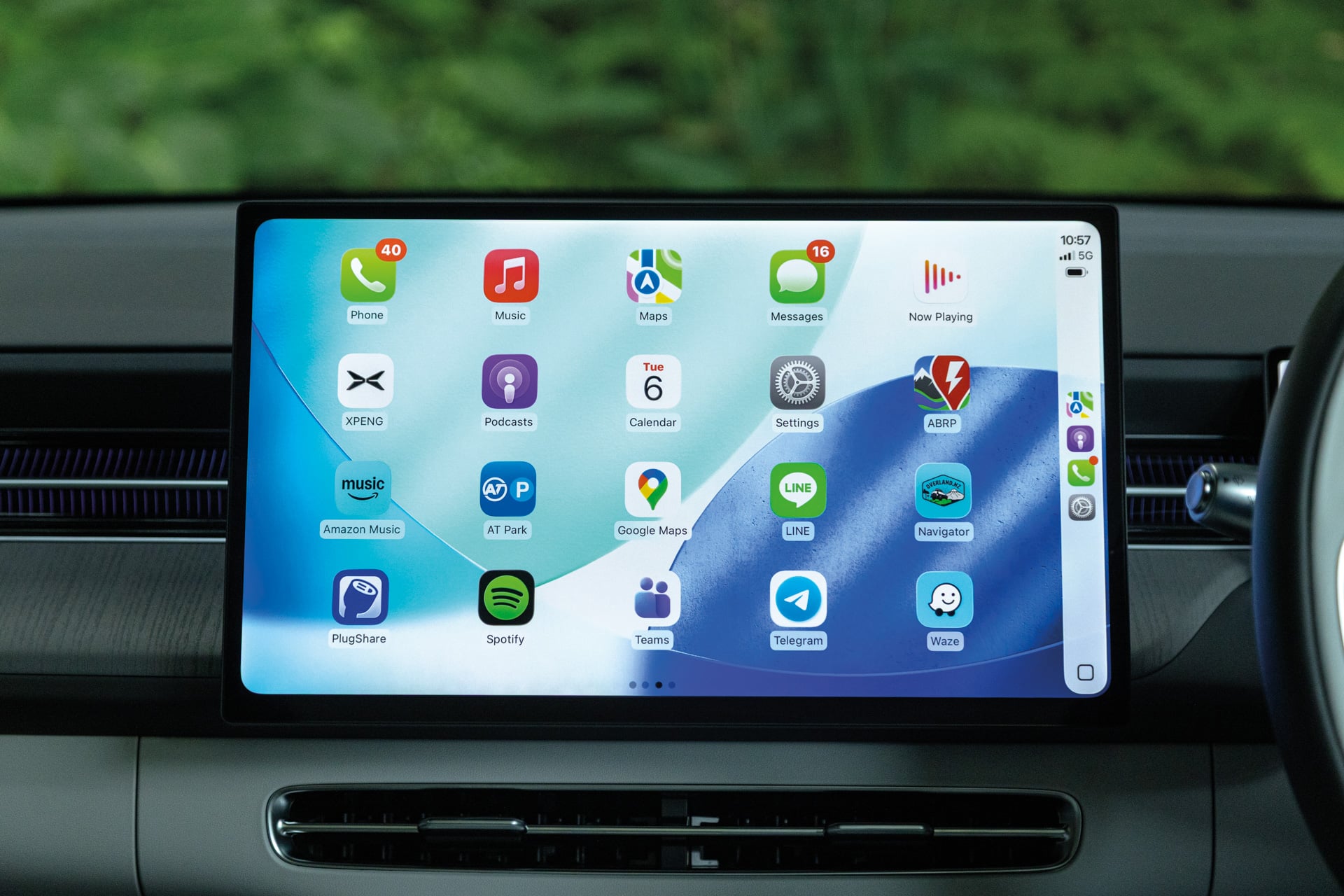
Slip inside, and the G6 makes a compelling case for itself. The cabin is an exercise in minimalism, dominated by a massive 14.96-inch central touchscreen and a crisp 10.2-inch driver display. That second screen is a crucial win over the Y. Having your speed, navigation and power usage directly in your eyeline feels far more natural than glancing at the centre console.
Tech-filled lounge inside
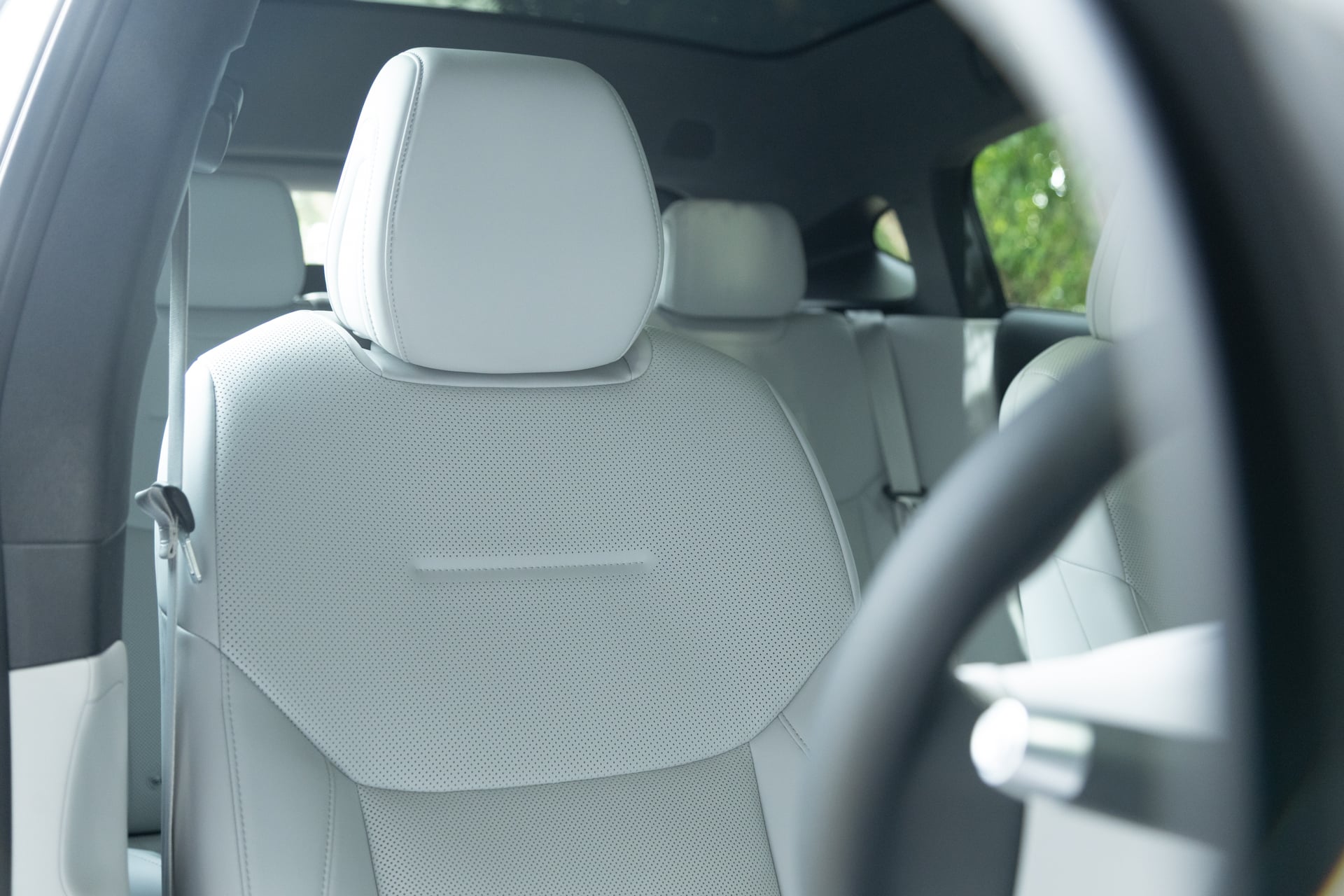
Material quality is generally good, with Nappa leather seats that are both heated and ventilated, a godsend for sticky summers and damp winters. The seats themselves are wide and comfortable, designed more for long-haul cruising than holding you in place on a track day. The driving position is commanding, offering excellent visibility over the sloping bonnet.
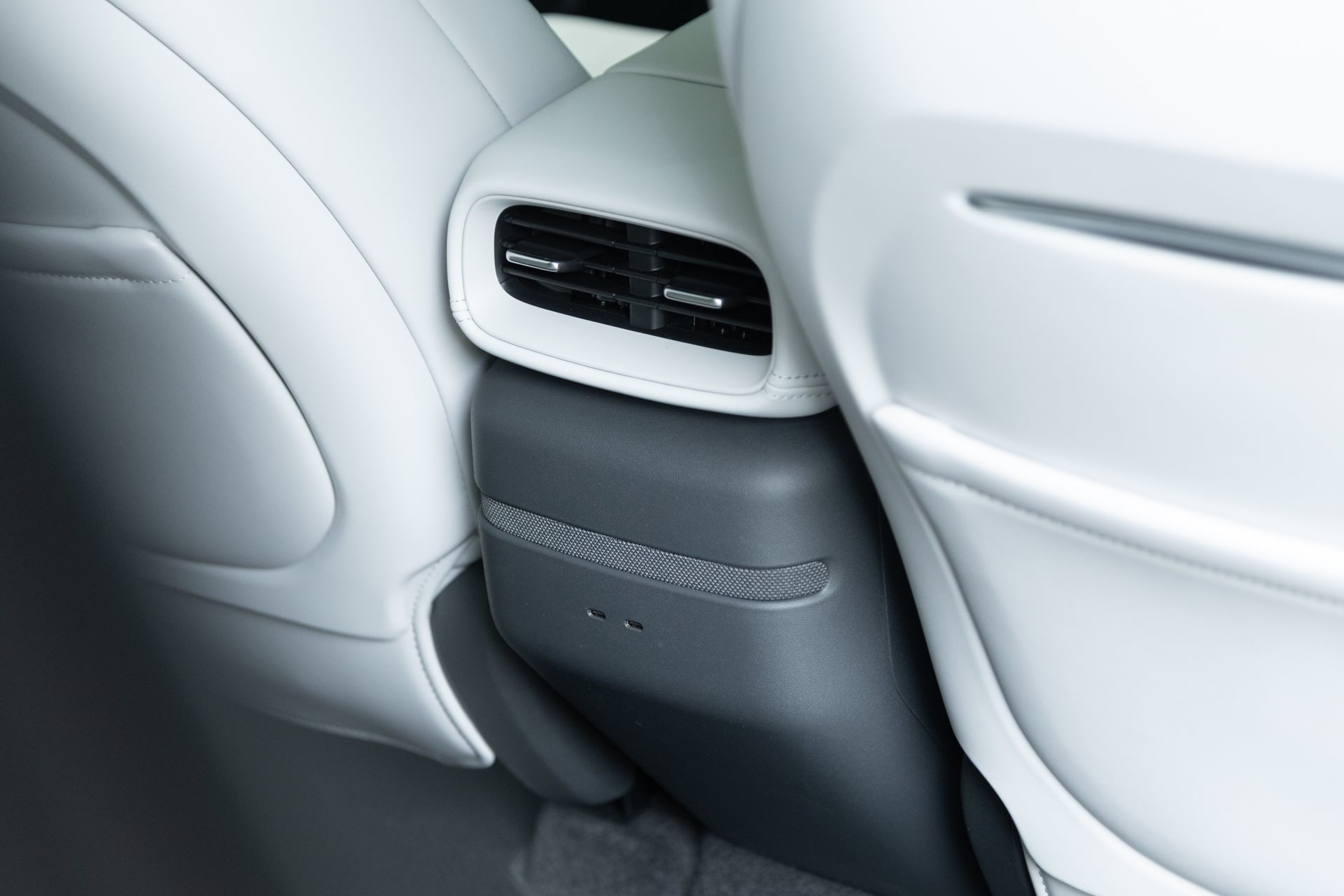
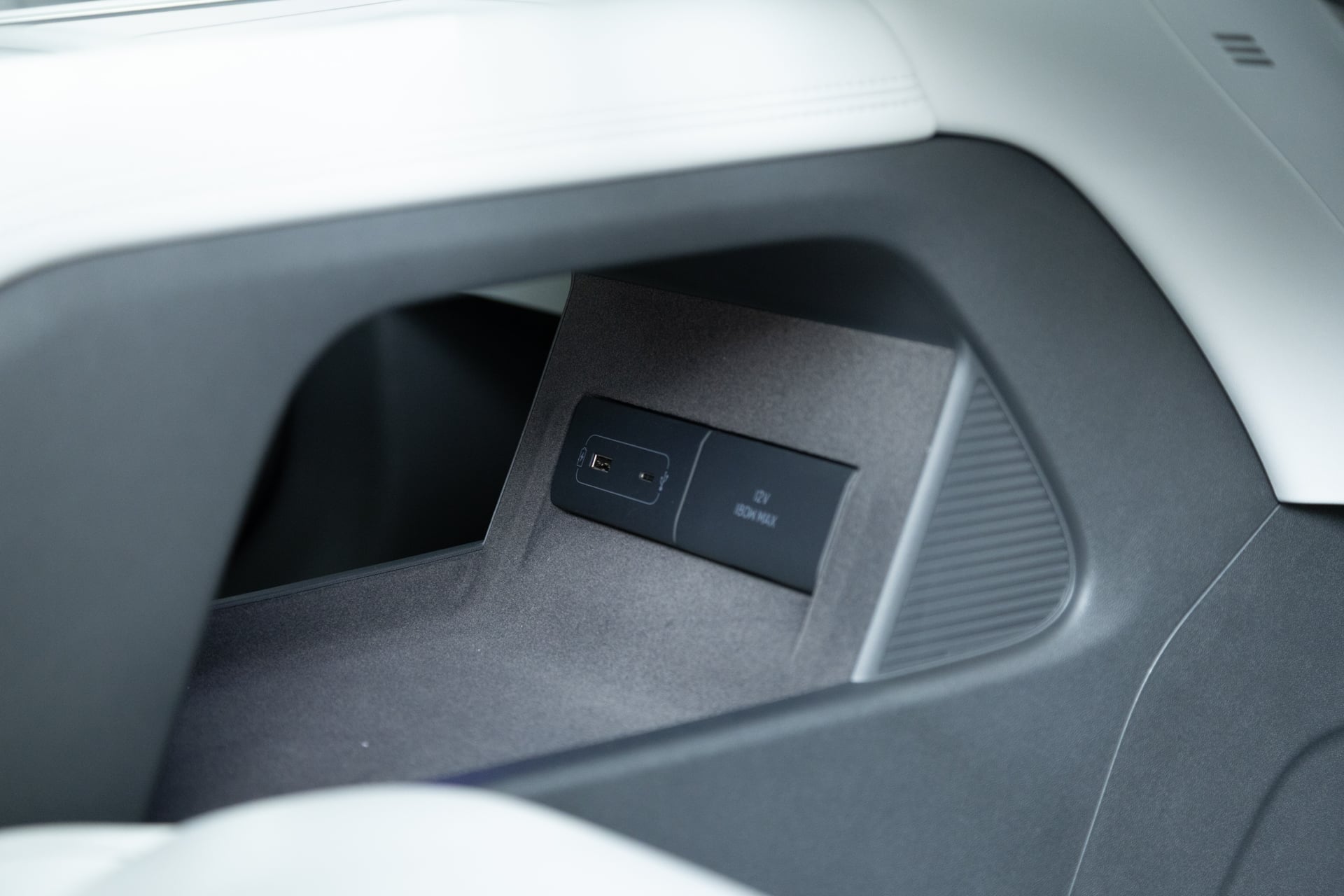
However, the minimalism may have gone a step too far for some. There is no glovebox. None. You get a decent centre console bin and door pockets, but the lack of a traditional storage cubby for the manual and a packet of Minties is a strange omission.
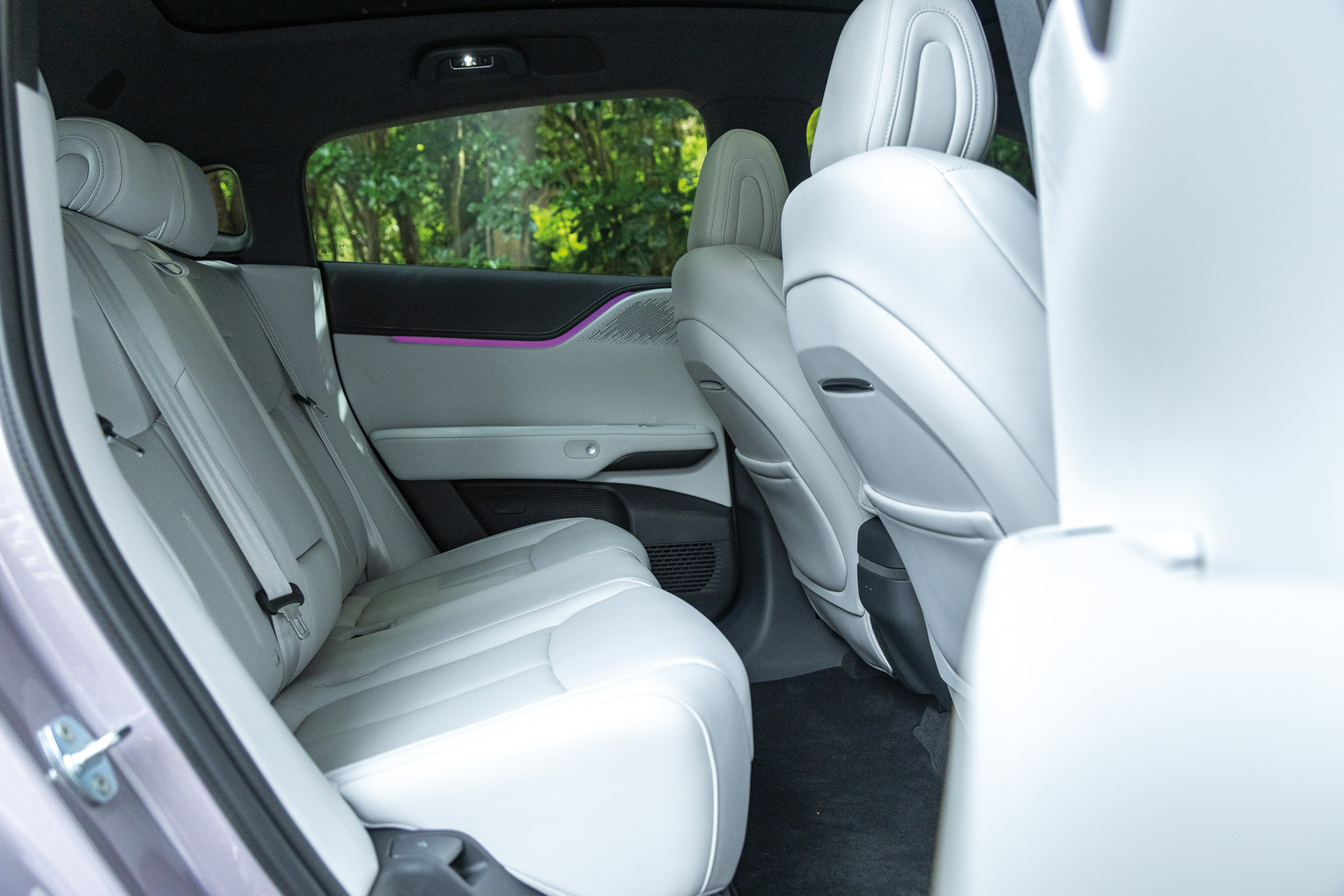
On the tech front, the G6 is powered by a Qualcomm Snapdragon 8155 chip, and it shows. The user interface is snappy, responsive, and arguably easier to navigate than the menus in a BYD. The “Hello Xpeng” voice assistant is also one of the better systems we’ve used. It can distinguish between driver and passenger commands and handle multi-layered requests without the robotic “I didn’t quite catch that” responses we’re used to.
Audio duties are handled by an 18-speaker Xopera 2.0 system boasting 960 watts of power. It’s genuinely impressive, with deep bass and clear staging that will keep audiophiles happy. It’s another area where the G6 feels like a luxury car disguised by a budget price tag.
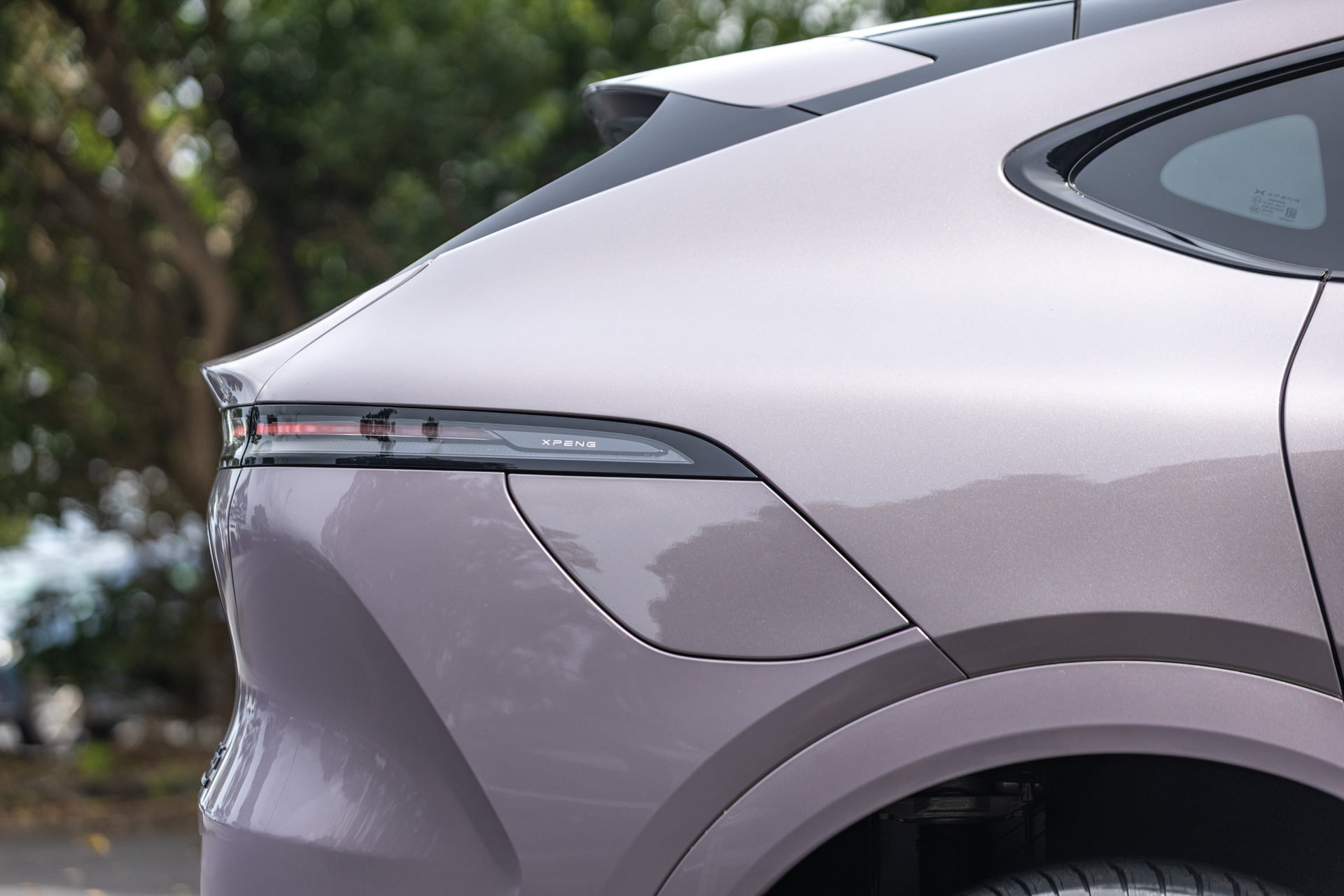
It charges how fast?
This is the headline act. Like some Hyundai, Kia and Zeekr product, the Xpeng G6 runs on an 800-volt architecture. In simple terms, this allows for drastically faster charging speeds and better efficiency.
The brochure rates the G6 Performance’s maximum DC charging speed at a staggering 451kW. Finding a charger in New Zealand that can actually deliver that much juice is a challenge in itself, but we plugged into a 300kW hypercharger to put it to the test, and the results were jaw-dropping.
With 300kW on offer, we saw a sustained peak of 295kW. More importantly, the charging curve is incredibly flat. We went from 10 percent to 80 percent charge in just 12 minutes. We did see a dive just short of 50 percent, but after discussion with a technician it appears that it was likely charger-related rather than the car.
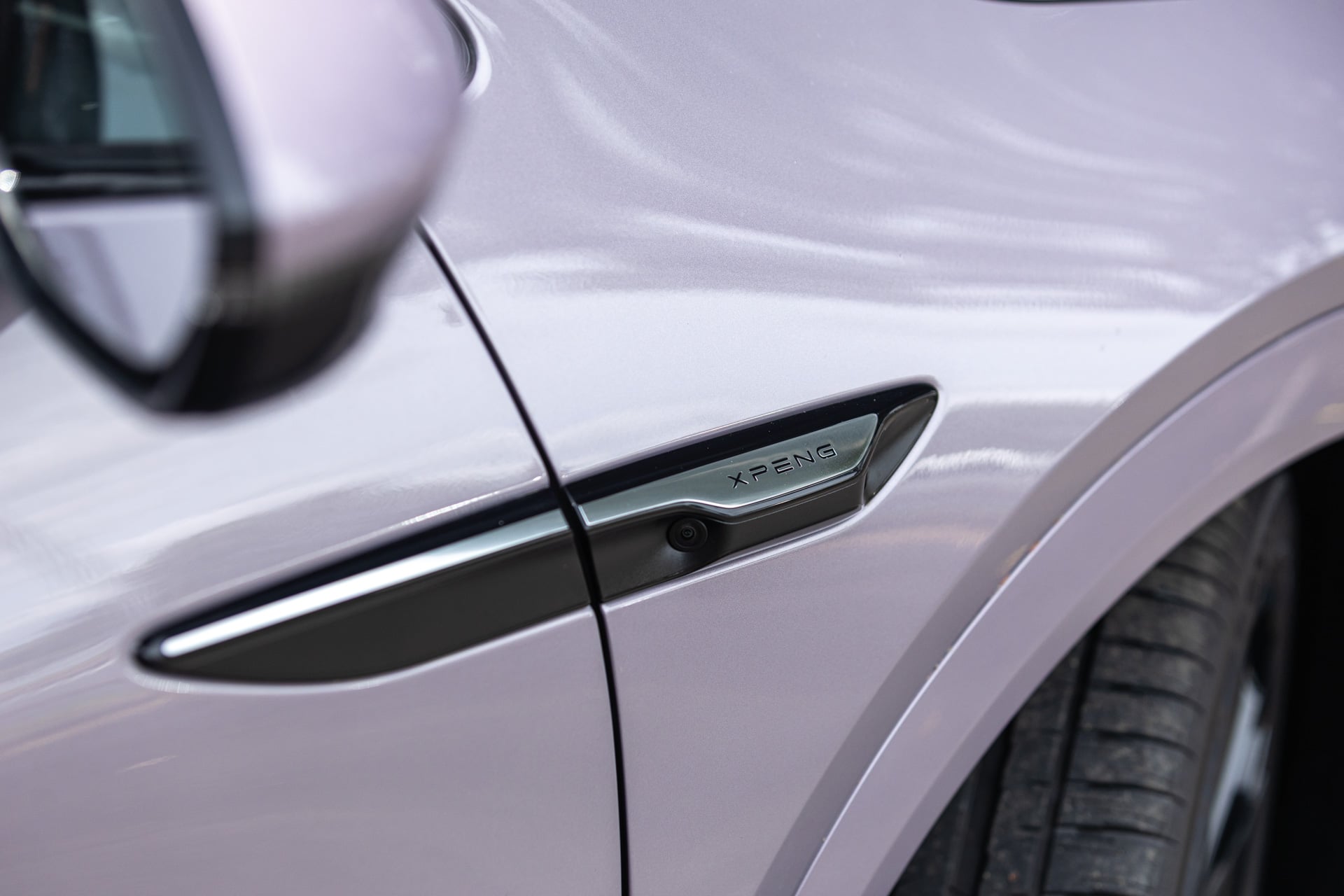
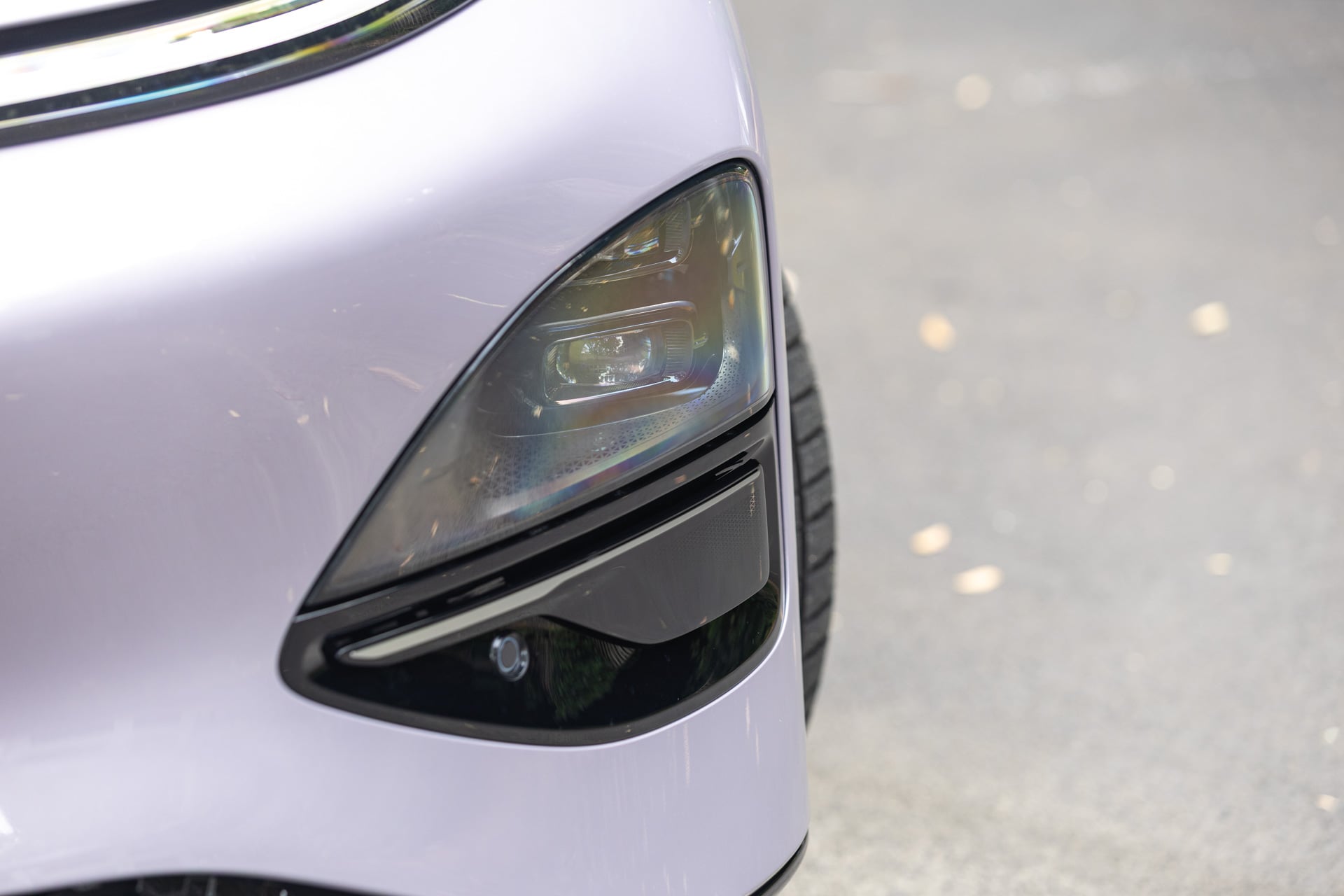
To put that in perspective, you pull in with 50km of range remaining. You plug in, walk into the servo, order a flat white and a pie, and by the time you’ve blown on your steak and cheese, your car has added 400km of range. It fundamentally changes the EV ownership experience. The stop to charge becomes a stop for a break, effectively killing range anxiety for long-distance touring.
Efficiency is another area where the G6 pulls a rabbit out of the hat. While the official spec sheet quotes a rather thirsty 18.4kWh/100km, our real-world testing painted a much rosier picture. We frequently saw consumption dip into the 16-17kWh/100km range during mixed driving, an impressive feat for a dual-motor SUV carrying this much weight.
Driven sensibly, you could genuinely nudge close to that 500km mark on a single charge.
Compliant performance
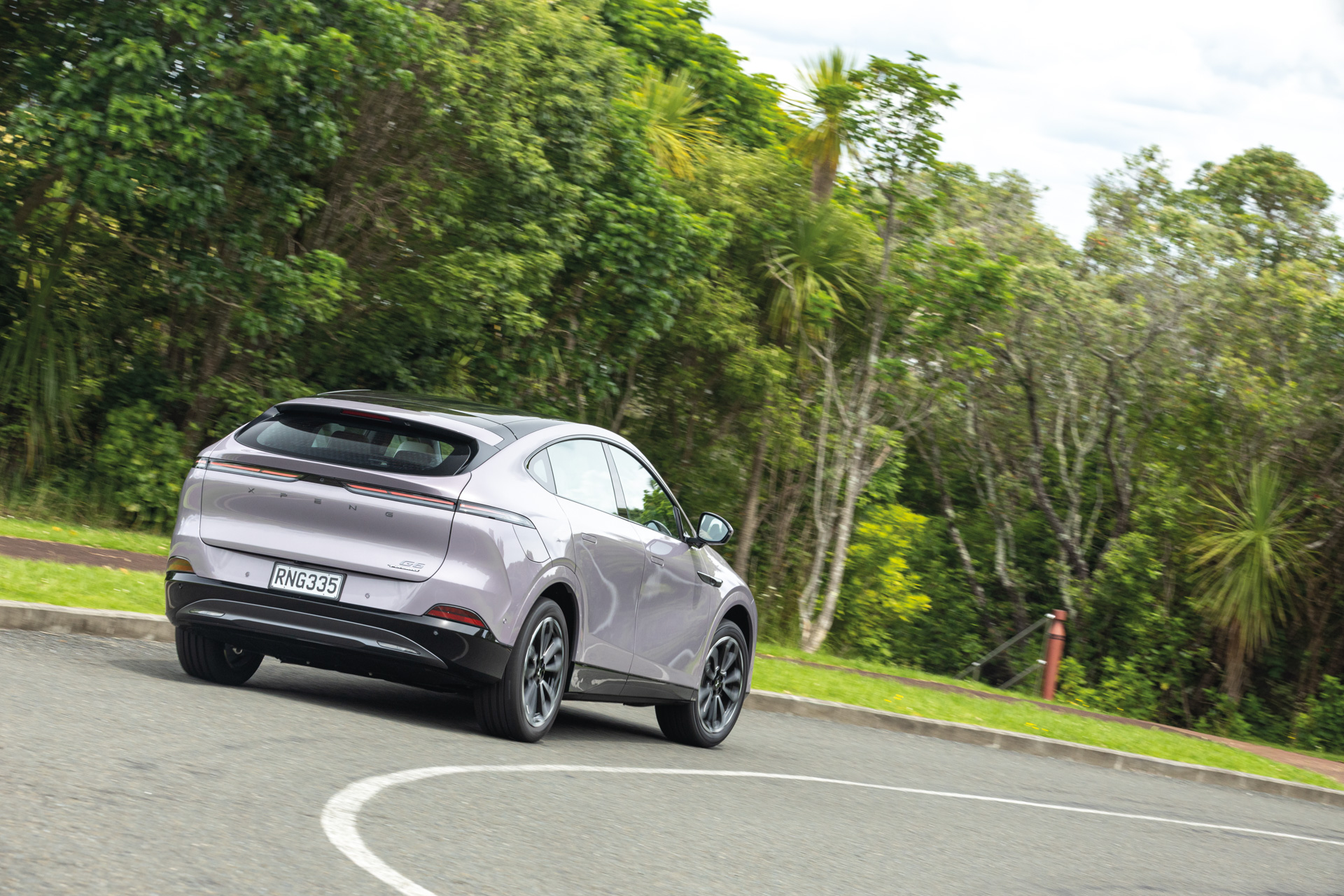
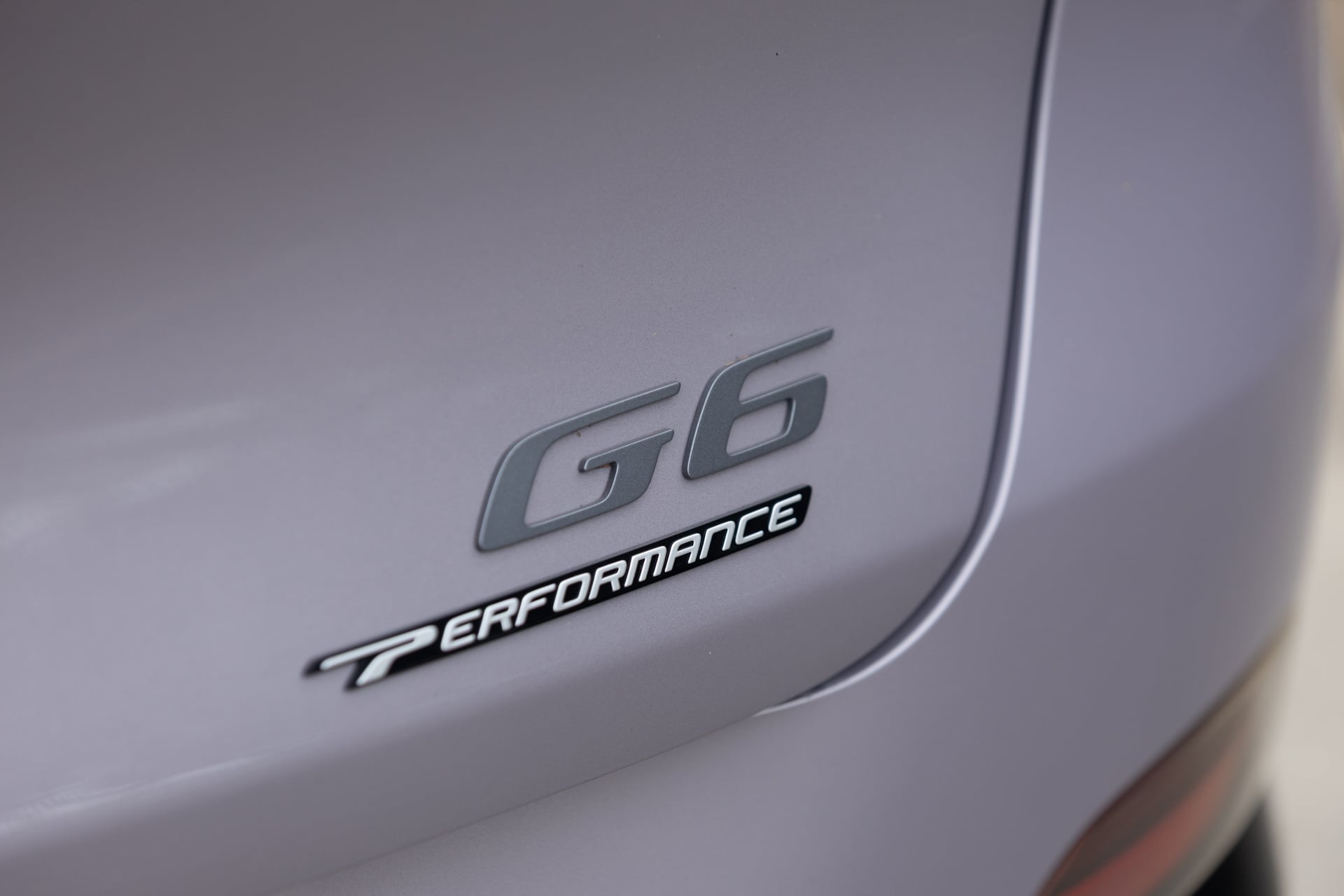
So it charges like a demon, but how does it drive? The specs are undeniably potent. Dual motors deliver 358kW of power and 660Nm of torque. Stomp on the throttle and the G6 dispatches the 0–100km/h sprint in 4.1 seconds. Technically that is slow for the segment, over half a second behind the Model Y Performance, but it is still hilariously fast. Overtaking on passing lanes along SH1 is accomplished with a mere extension of the right foot. But, and it’s a big but, this is not a sports car.
Unlike the Model Y Performance, which is sprung stiffly, the G6 is tuned for compliance. The suspension is soft, soaking up the corrugations and imperfections of New Zealand’s chip-seal roads with grace. It floats over bumps that would send a shockwave through others.
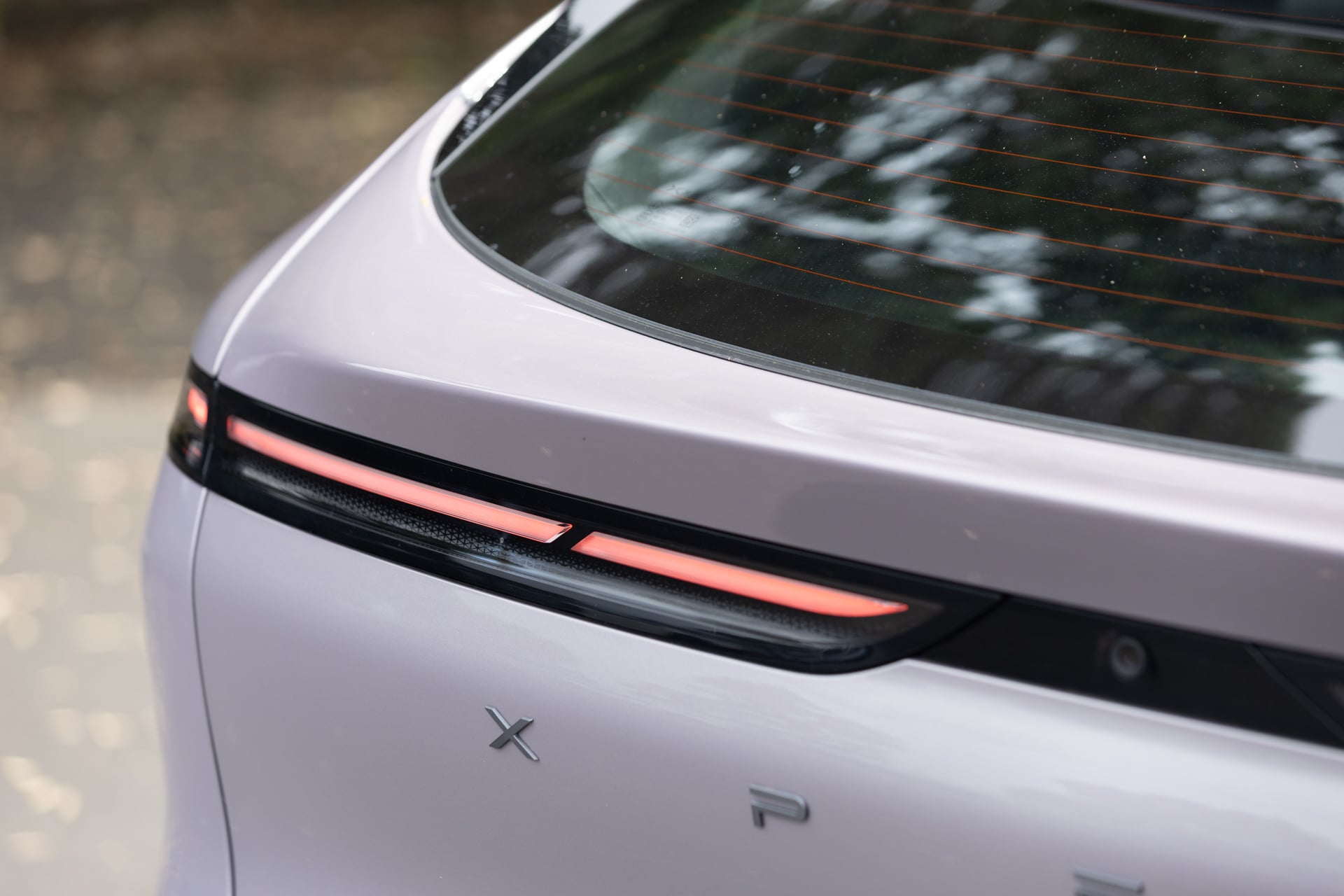
The downside of this comfort bias is body roll. Pitch the G6 into a corner with enthusiasm and you’ll feel the weight shifting. It doesn’t shrink around you like a Porsche Macan EV or even a Kia EV6 GT. The steering is light and accurate but low on feel. It goes exactly where you point it, but it doesn’t communicate what the front wheels are doing.
For 95 percent of Kiwi drivers, this tune is spot on. We spend far more time commuting and navigating potholed urban streets than carving up twisty roads. As a daily driver, the G6 is infinitely more liveable than its harder-edged rivals.
The tech suite
We can’t talk about a Chinese EV without mentioning ADAS. The G6 runs XPILOT 2.5, powered by an NVIDIA Orin-X chip. The visualisation on the dashboard is Tesla-like, rendering trucks, cones, cyclists and pedestrians in real time.
During our test, the phantom braking that plagues many radar-based systems was largely absent. The adaptive cruise control is smooth, and the active lane change feature works well on the motorway. It does see a lot of cones that aren’t there, though, and the lane keep warning needs to be switched off.
Considering Xpeng is one of the leading developers of self-drive technology, as we covered in the last issue, we expect these niggles to be tuned out quickly, or for the system to be replaced by its more advanced self-driving tech in short order.
Verdict
The Xpeng G6 AWD Performance is a disruptor, not necessarily for its outright performance or technology, but for its value equation.
It isn’t a perfect car. The styling is anonymous, the lack of a frunk is annoying, and the omission of privacy glass is a pain. It also feels slightly less premium inside than the Zeekr 7X, which wraps its tech in a more traditional luxury veneer.
But then you look at the price tag. $72,990. For that money, you’re getting sportscar-level acceleration, the fastest charging speeds on the market, and a well-equipped, comfortable family SUV that handles Kiwi roads with ease.
And you can have it for less. The current range starts with a RWD Long Range from $63,990 and tops out at $75,490 for a Black Edition of the Performance. Rumoured is an entry-level G6 is due late in the first quarter with a five at the start of the price.
If you can get past the badge snobbery and the blob styling, the G6 is arguably the most rational, usable performance EV on sale today. It solves the biggest problem with EVs, charging time, while saving you enough money to install a solar system on your roof at home. And that, in our books, makes it a winner.
Xpeng G6 AWD Performance
$72,990 / 18.4kWh/100km / 0g/km
0-100 km/h 4.1s
Motor output 358kW
Max torque 660Nm
Battery 80.0kWh
Range 510km
Drivetrain Single-speed auto / AWD
Front suspension Wishbones / swaybar
Rear suspension Multilink / swaybar
Turning circle 11.6m (2.3 turns)
Front brakes Ventilated discs
Rear brakes Discs
Stability systems ABS, ESP, TV
Safety AEB, ACC, BSM, LDW, RCTA, ALK, AHB
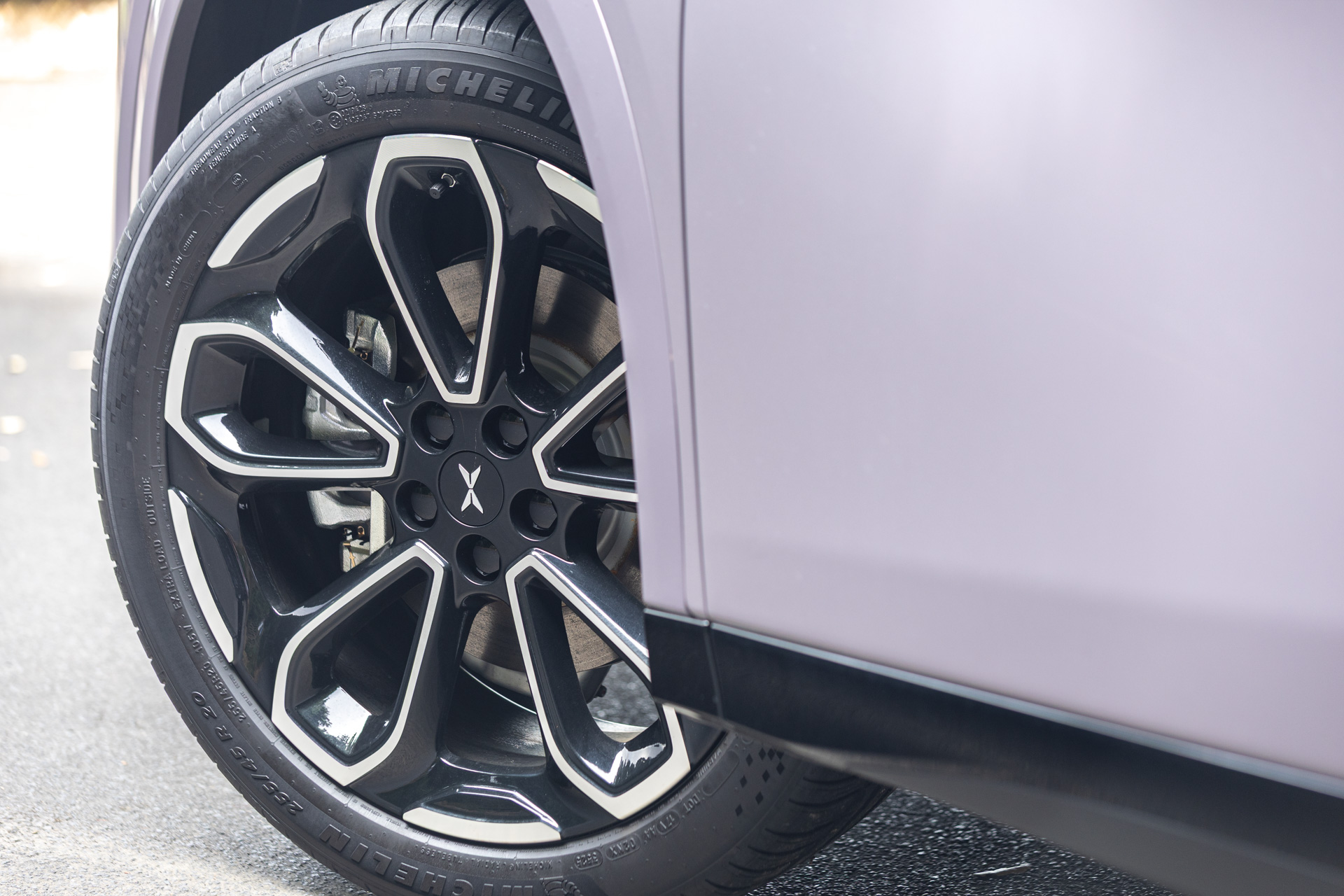
Tyre size f/r-255/45R20
Wheelbase 2890mm
L/W/H 4753 / 1920 / 1650mm
Track f-1633mm r-1649mm
Luggage capacity 571-1374L
Tow rating 750kg (1500kg braked)
Service intervals 2yrs/20,000km
Warranty 5yrs / 120,000 km
ANCAP rating ★★★★★ (2024)
Weight (claimed) 2120kg
