🚗 What Do Different Car Styles Mean?
Words: Henry Williams
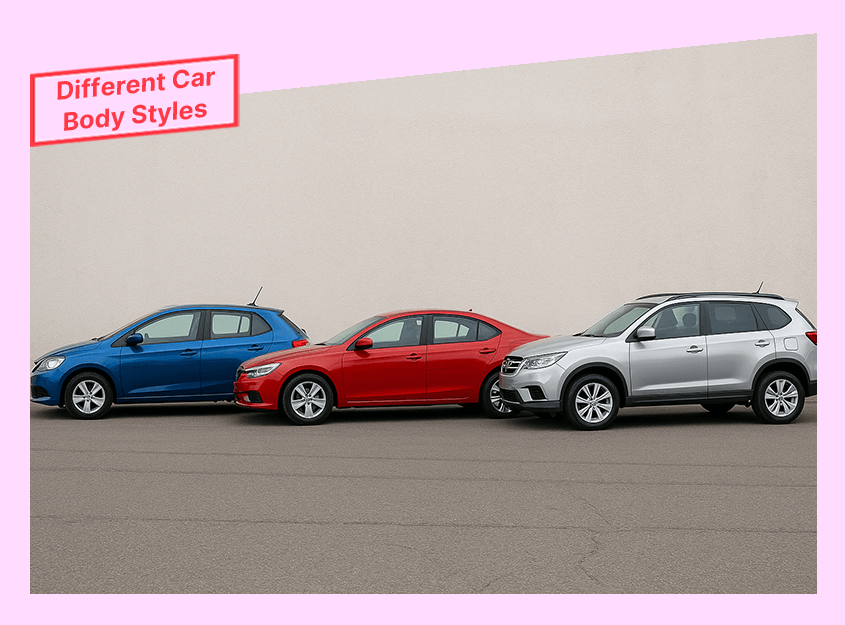
When shopping for a new vehicle, it’s easy to get overwhelmed by the sea of terminology: sedan, coupe, SUV, hatchback, crossover, and more. But each car style isn’t just a label, it reflects design choices, performance characteristics, and lifestyle fit. Understanding what these car styles mean can help you make the right choice for your driving needs and preferences.
🚙 SUV (Sport Utility Vehicle)
What it means:
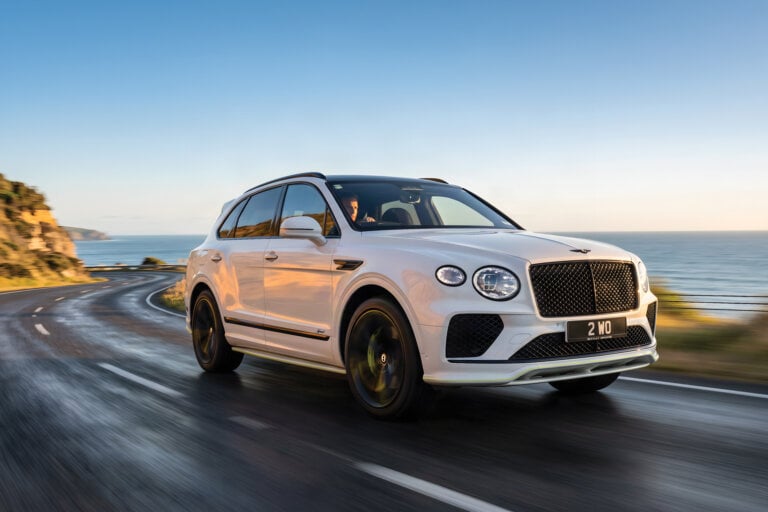
SUVs are larger, taller vehicles designed for a mix of on-road and off-road driving. They typically offer higher ground clearance, more interior space, and optional all-wheel or four-wheel drive.
Best for:
Families, adventurers, and those who value cargo space and a commanding view of the road.
Popular examples: Toyota RAV4, Ford Everest, Mazda CX-5
🚘 Sedan
What it means:
A sedan is a four-door car with a traditional trunk and a separate compartment for passengers. It’s known for comfort, fuel efficiency, and refined road manners.
Best for:
Daily commuters, small families, or anyone looking for a reliable and smooth ride.
Popular examples: Honda Accord, Toyota Camry, BMW 3 Series
🚗 Hatchback
What it means:
Hatchbacks are typically smaller cars with a rear door that swings upward, giving access to a shared cargo and passenger space. Think of it as a practical, compact solution.
Best for:
Urban dwellers, students, and first-time car buyers needing versatility in tight spaces.
Popular examples: Volkswagen Golf, Ford Focus, Toyota Yaris
🚐 MPV (Multi-Purpose Vehicle) or Minivan
What it means:
Designed with maximum interior space in mind, MPVs offer flexible seating and often sliding doors for easy access. They are built to move people efficiently.
Best for:
Large families, rideshare drivers, or group transport.
Popular examples: Honda Odyssey, Kia Carnival, Toyota Estima
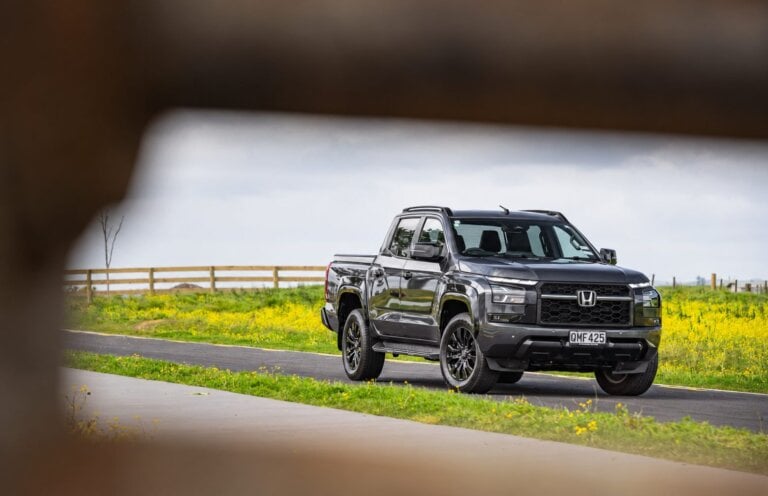
What it means:
Popular in New Zealand and Australia, a ute is a utility vehicle with a cabin (single or double) and a rear tray. It blends the practicality of a pickup with everyday usability.
Best for:
Tradies, outdoor enthusiasts, and rural drivers who need to haul equipment or gear.
Popular examples: Ford Ranger, Toyota Hilux, Mitsubishi Triton
🏎️ Coupe
What it means:
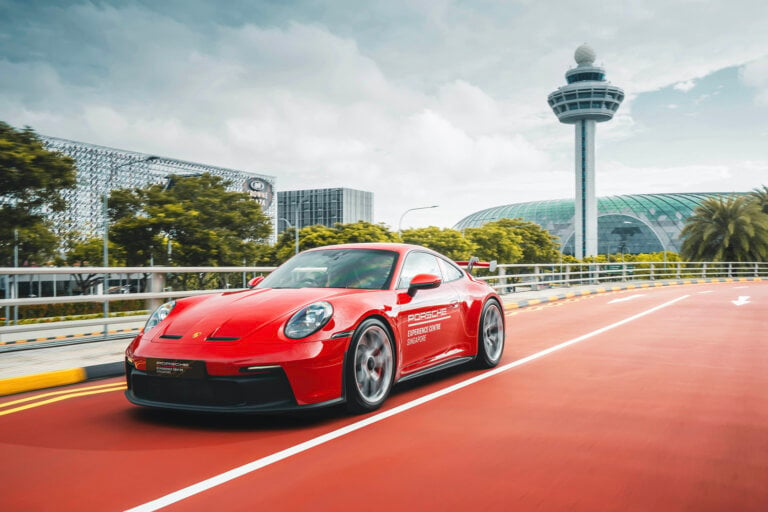
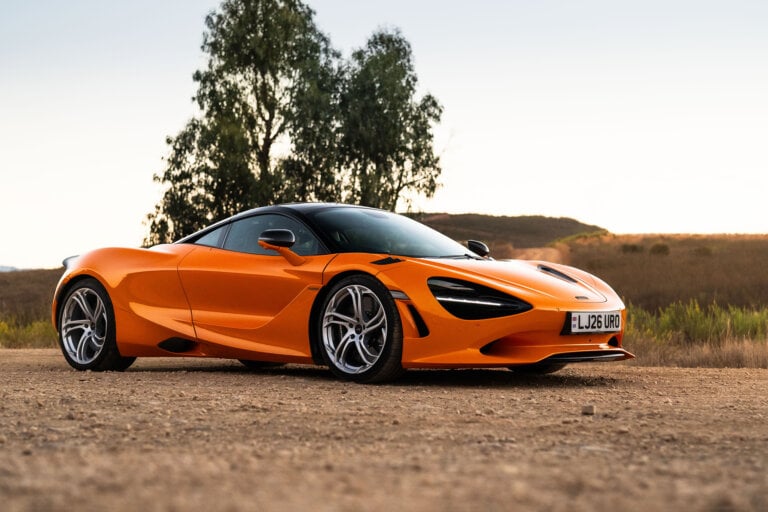
Coupes are usually two-door cars with a sporty profile. They prioritize style and performance over practicality, often with tighter rear seats.
Best for:
Driving enthusiasts or those looking for a bold, stylish statement.
Popular examples: Audi A5, BMW 2 Series, Ford Mustang
🚘 Convertible
What it means:
A convertible features a retractable roof, letting you switch between open-air freedom and enclosed comfort. They come in both soft-top and hardtop varieties.
Best for:
Weekend drivers, coastal cruisers, and lovers of the sun and wind.
Popular examples: Mazda MX-5, Mini Convertible, Porsche 911 Cabriolet
🚙 Crossover
What it means:
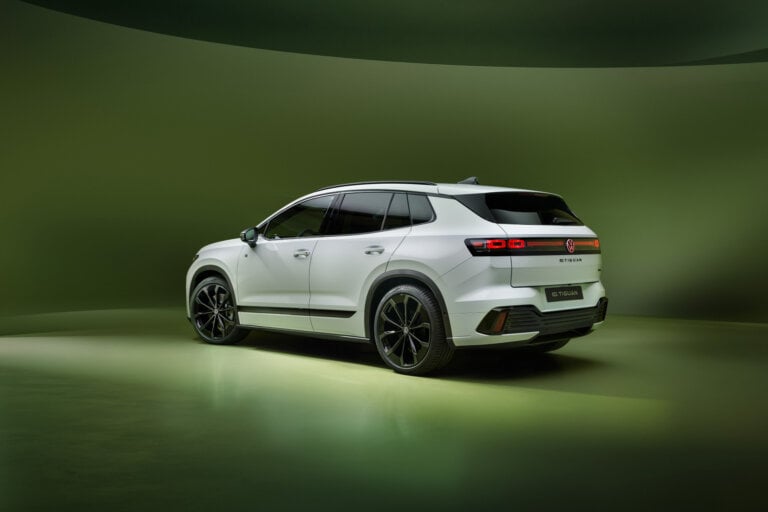
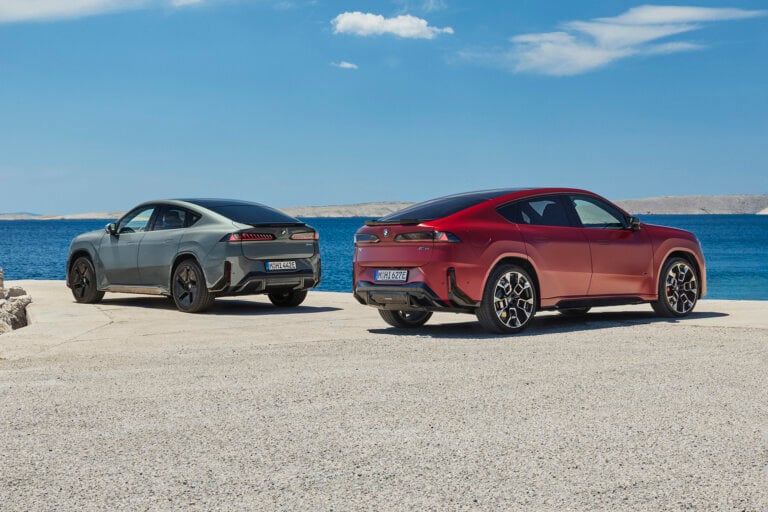
A crossover blends features of an SUV and a car. Built on a car platform, it offers SUV-like height and cargo space with smoother handling.
Best for:
Drivers who want SUV looks and space without sacrificing ride comfort and efficiency.
Popular examples: Nissan Qashqai, Hyundai Kona, Subaru XV
Final Thoughts
Choosing the right car style is about more than looks — it’s about matching your vehicle to your lifestyle. Whether you’re hauling timber to the job site, loading up surfboards for the weekend, or simply heading to the office, there’s a car body style that fits you perfectly.
Top Tip: Always test-drive a few different styles to see what feels right behind the wheel!
Check out all the cars for sale on Auto Trader!