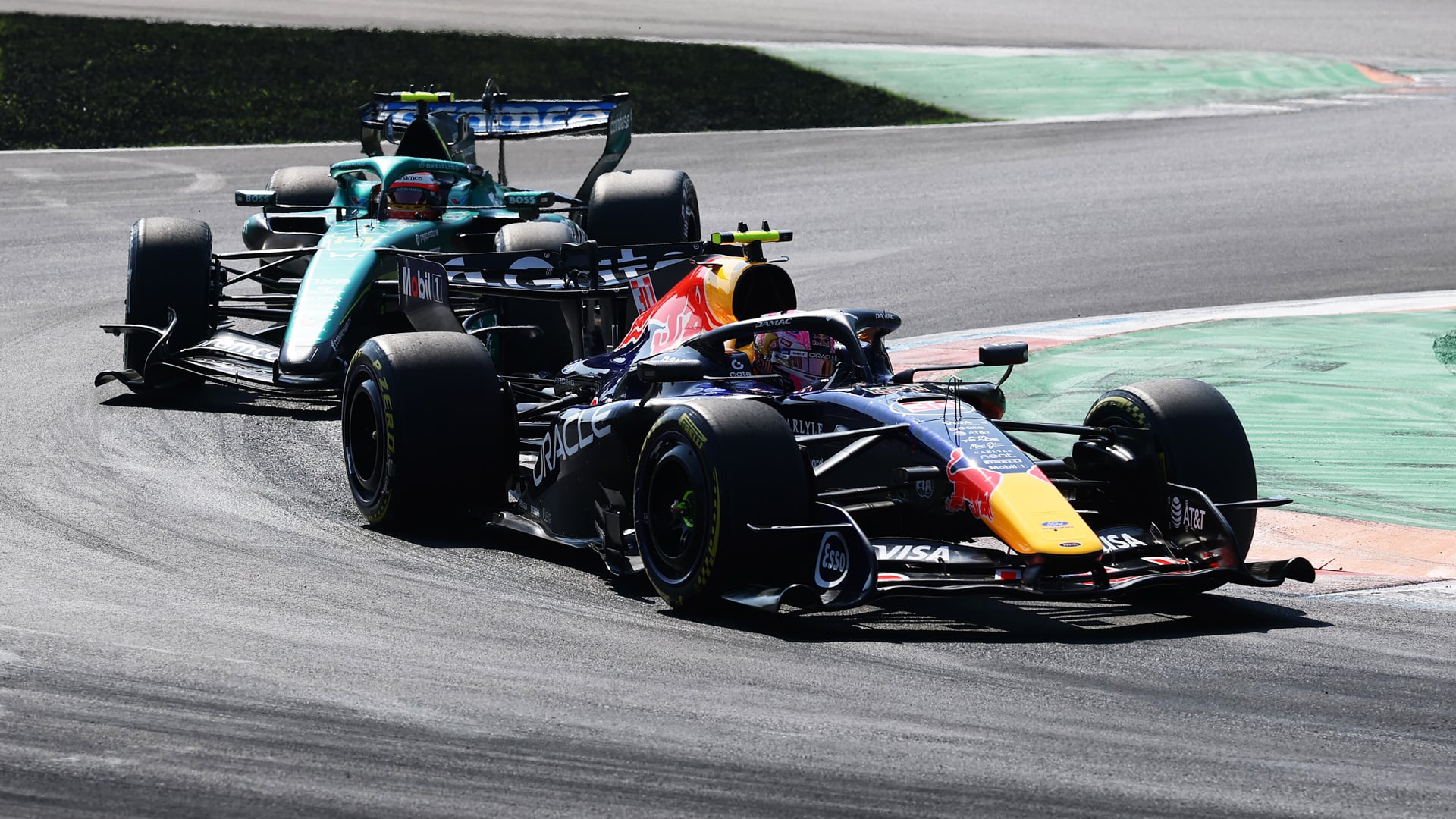
F1 plans shorter grands prix as petrol power increases
Words: Kyle Cassidy
Formula 1 grands prix will become shorter in 2027, with the F1 Commission approving a reduction in race distance to accommodate changes to the sport’s power units.
The standard distance will drop from 305km to 290km, a cut of roughly five per cent that the FIA says will typically remove two or three laps.
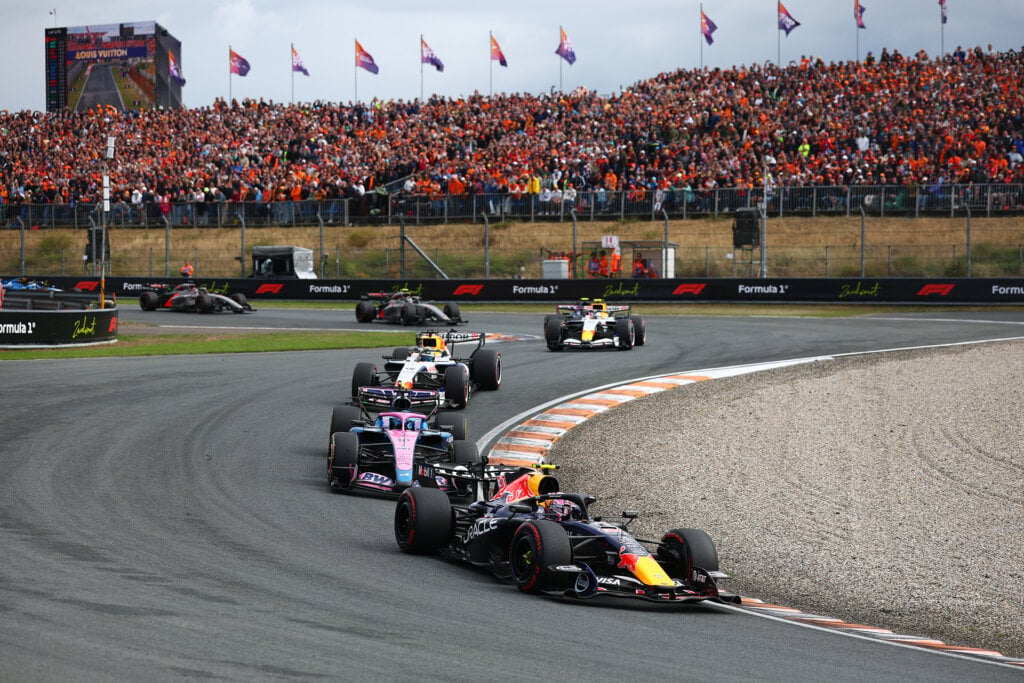
The reason is fuel use. F1 is shifting more of the powertrain’s output back towards the internal combustion engine, with increased fuel flow helping deliver more power. Shortening the races will allow that change without requiring larger fuel tanks.
For 2027, maximum combustion-engine output will rise from 400kW to 420kW, supported by a five per cent increase in fuel flow. A further step planned for 2028 will lift output to 450kW, with fuel flow increasing by 13 per cent.
At the same time, electrical output from the MGU-K motor-generator will be reduced. The changes move the power units towards a 60/40 split between combustion and electric power by 2028.
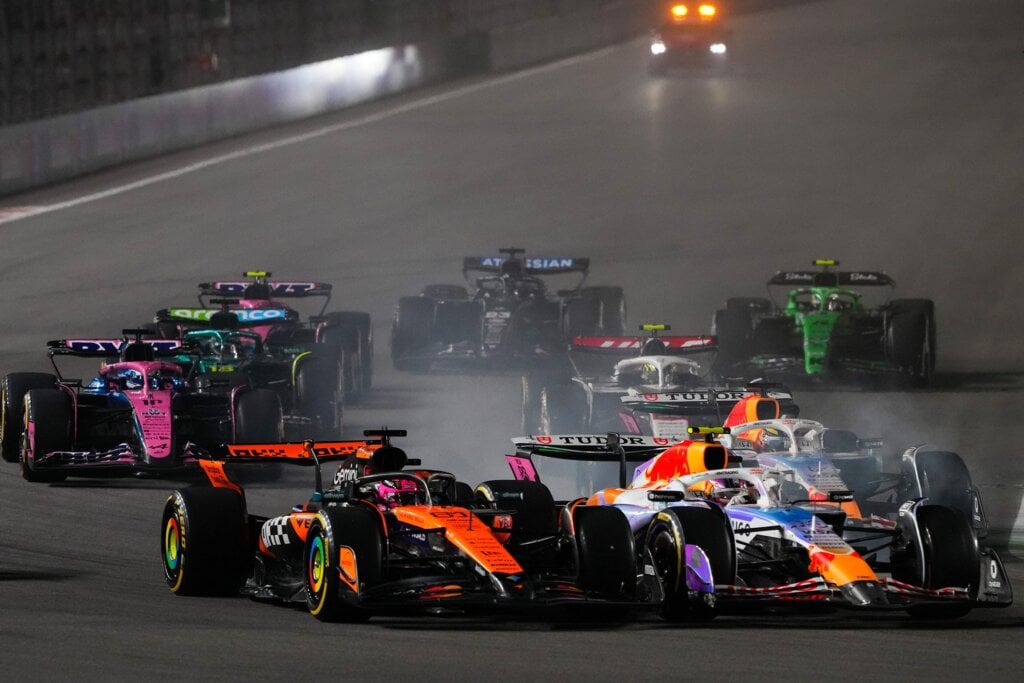
“In line with the refinements to the Power Unit regulations to be introduced in 2027 on fuel flow, a reduction in the total race distance from 305km to 290km was approved, corresponding to a reduction of two or three laps,” the FIA said following Monday’s F1 Commission meeting.
The commission also agreed to change how much time is available to complete a disrupted grand prix.
Under the existing arrangement, drivers can race for a maximum of two hours within a three-hour window that includes stoppages. The revised approach retains the two-hour racing limit but removes the fixed three-hour elapsed-time restriction.
Instead, a hard finishing time will determine when racing activity must end. That could provide more scope to resume a race after rain or another lengthy interruption, although the supplied statement does not explain how the finishing deadline will be set.
“These changes were introduced to ensure that the spectators have the best possible chance to enjoy a full race if disruptions occur,” the FIA said.
Free practice will also gain some flexibility, with greater scope to extend sessions when running is interrupted.
The result is a shorter scheduled grand prix distance, but potentially more opportunity to complete it when weather or stoppages disrupt the programme.