Kiwi drivers favour buttons as survey highlights touchscreen distraction
Words: Kyle Cassidy
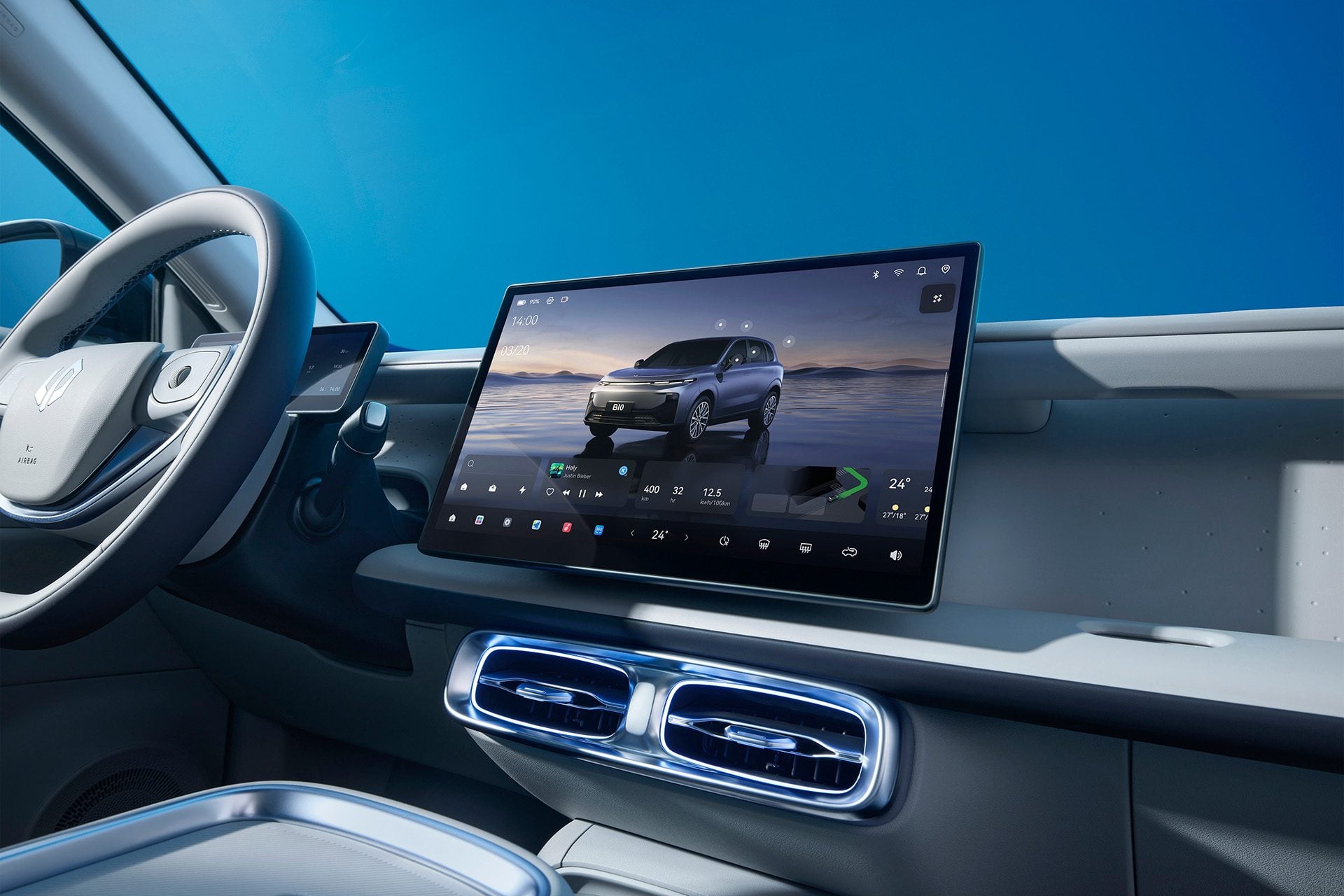
Physical buttons and knobs still have plenty of fans behind the wheel, with a New Zealand survey finding drivers overwhelmingly preferred them to touchscreens.
The AutoSense poll of 476 New Zealanders found 49 per cent considered physical controls the easiest to use while driving, compared with just six per cent who chose touchscreens. Around one in five preferred a combination of both. It didn’t seem that voice control was an option for respondents.
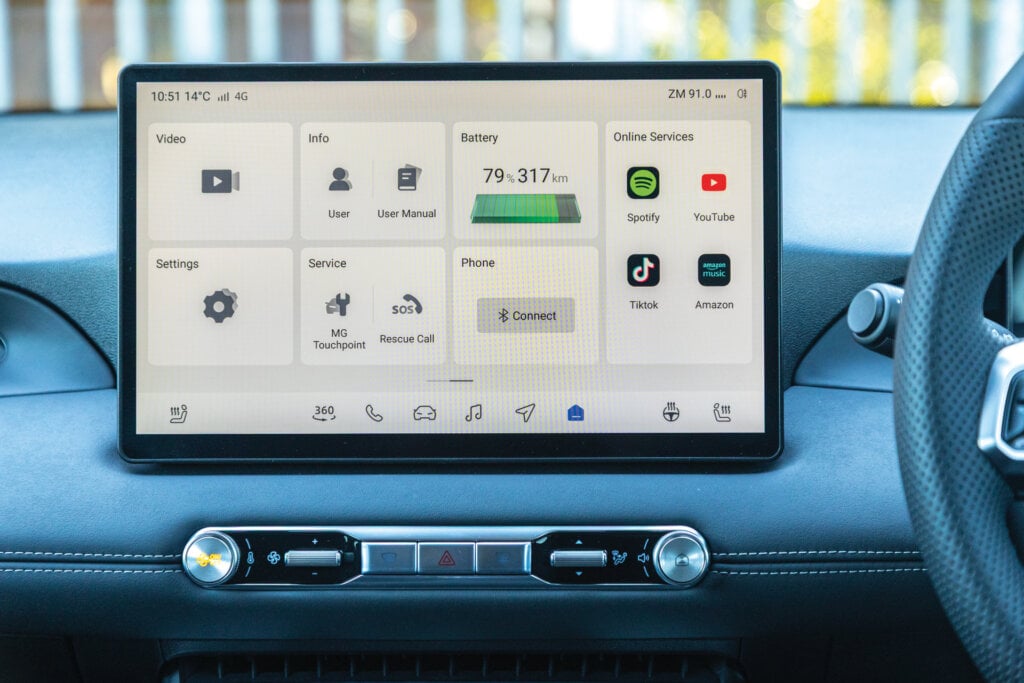
Among respondents whose vehicles had touchscreens, 93 per cent said they had experienced distraction while using them. Almost one in four, or 22.9 per cent, said this happened frequently, while 48.5 per cent reported occasional distraction.
The findings reflect respondents’ experiences rather than measured crash risk.
More functions, more glances
AutoSense chief executive Charles Dawson says increasingly screen-heavy cabins can require drivers to spend more time looking away from the road to complete everyday tasks.
“A knob or button gives you tactile feedback. Once you know where it is, you can often make an adjustment without taking your eyes off the road,” Dawson says.
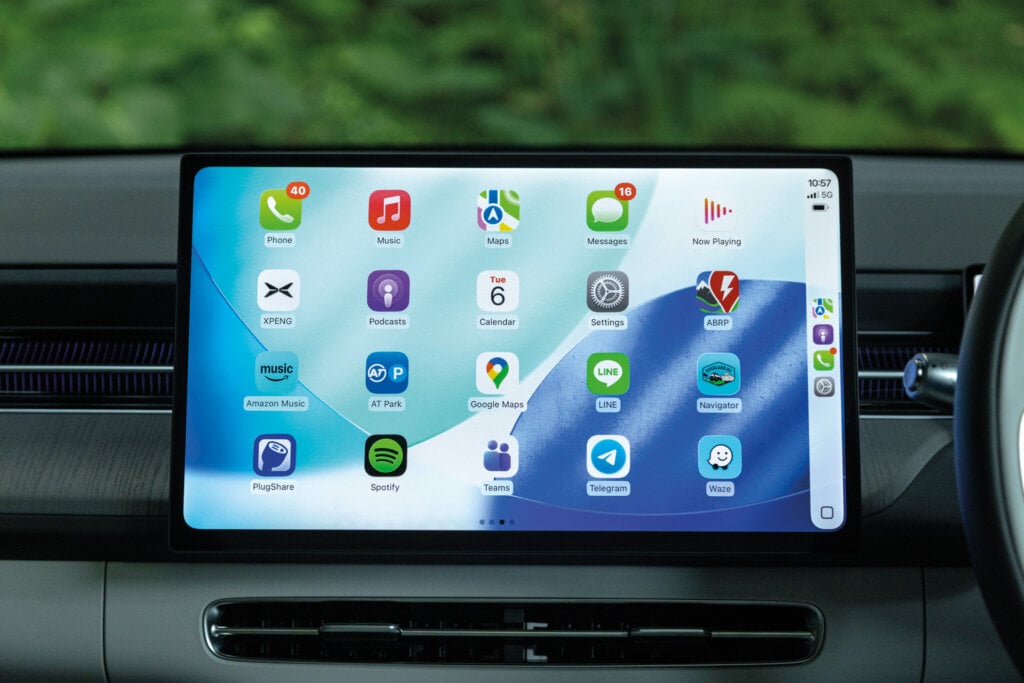
“With a touchscreen, you may need to find the right menu, see where your finger is landing and check the vehicle has responded. None of those glances may feel particularly dangerous on its own, but they add up.”
Almost 61 per cent of those surveyed identified at least one screen, device or vehicle interface as a common source of distraction. Examples included adjusting controls, checking navigation, receiving work alerts and taking hands-free calls.
For commercial drivers, the competing demands can extend to dispatch systems, work tablets and incoming job notifications.
“Distraction doesn’t always look like somebody scrolling on their phone. It can be repeated, very short glances between the road and a screen, navigation prompt or work alert.”
Fleet systems come under scrutiny
AutoSense says repeated short glances, described as attention sharing, can be difficult for drivers to recognise as a problem.
The company highlights Guardian Generation 3, developed by Seeing Machines, as one system designed to identify this behaviour. It uses camera-based gaze tracking to assess where a driver is looking, rather than relying mainly on head position, and provides an in-cab warning when its distraction criteria are met.
Recorded events can also help fleet operators examine whether their own procedures are taking drivers’ attention away from the road.
AutoSense says some New Zealand operators have changed the timing and delivery of dispatch messages and job notifications after monitoring showed they were repeatedly drawing drivers’ eyes towards screens.
“It isn’t always a case of blaming the driver. If the way work is being delivered is repeatedly pulling a driver’s eyes from the road, the operator has an opportunity and a responsibility to redesign that process.”
Dawson says the same principle applies to both vehicle controls and equipment installed for work.
“Technology can improve safety, but only when it is designed around how people actually drive. Whether it’s the controls built into a car or the systems an employer asks a driver to use, keeping eyes on the road has to come first.”