Suzuki plans modular EVs and hybrids to take on Chinese rivals
Words: Kyle Cassidy
Suzuki is planning a major overhaul of how it develops and builds cars, with modular electric and hybrid powertrains, lighter construction and much shorter development times at the centre of a new 10-year strategy.
The aim is to respond to growing competition from Chinese manufacturers, particularly in markets such as India and South America. Suzuki intends to develop a family of components that can be combined to suit different models and markets, rather than engineering each powertrain separately.
That approach will cover fully electric cars, hybrids and models with larger batteries offering plug-in or range-extender capability.
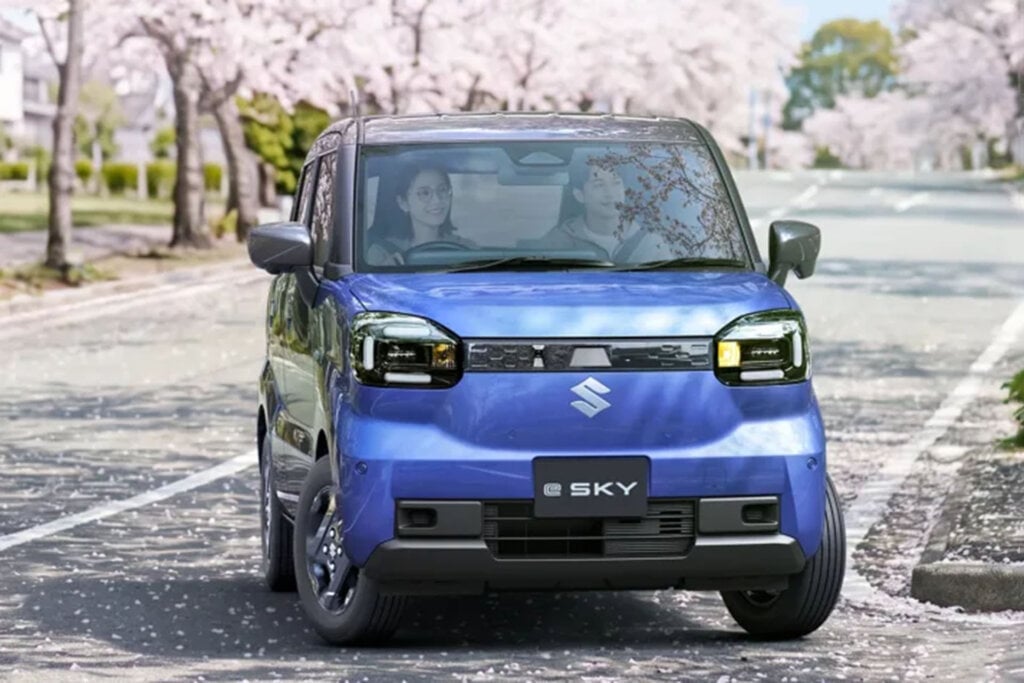
The foundation is an integrated electric front axle, packaging the motor, inverter and transmission together. Suzuki plans two versions: approximately 70kW for city cars and 130kW for larger small and medium-sized models.
The technology will first appear in the eSky electric city car.
For hybrid applications, Suzuki will add a small petrol engine that acts as a generator. Unlike a system where both the engine and electric motor can drive the wheels, this arrangement will leave propulsion entirely to the electric motor. The petrol engine’s job will be to supply electrical energy, following a similar principle to Nissan’s e-Power system.
Fitting a larger battery would then allow substantially more electric-only driving, creating a plug-in hybrid or range-extender configuration without changing the core electric axle hardware.
Suzuki also plans electric rear axles with motors producing around 10kW or 30kW. These could provide all-wheel drive across the different powertrain layouts, depending on the model.
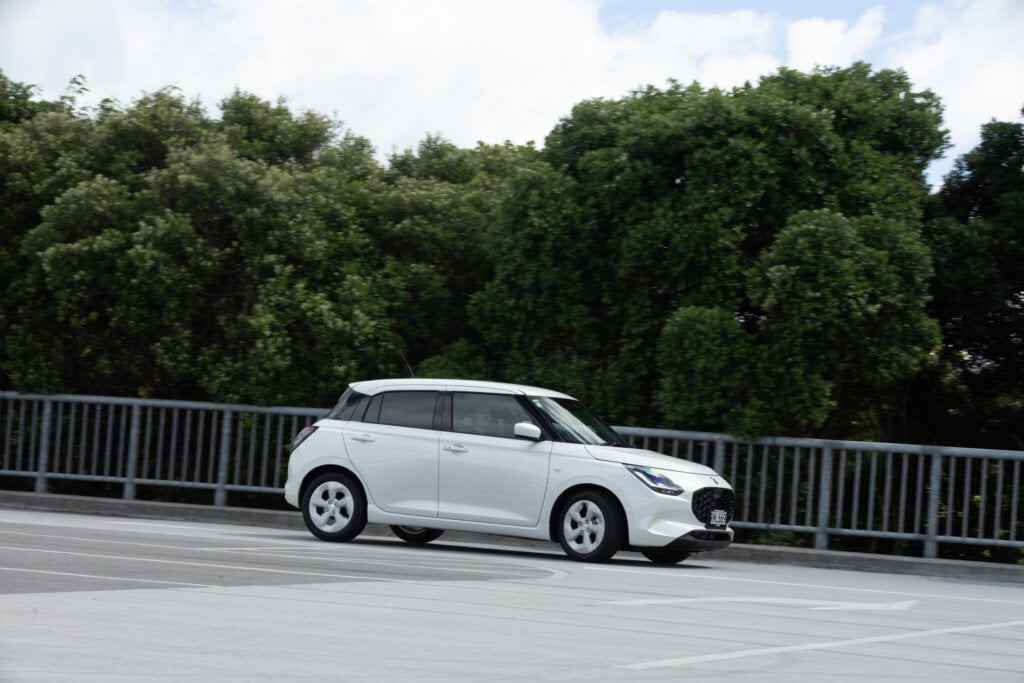
Keeping weight down is another priority. Suzuki’s Swift already weighs around 950kg despite its mild-hybrid system, and the company wants to build on that experience with new manufacturing methods and platforms designed around the modular hardware.
Suzuki expects additional safety equipment to add around 80kg to its cars over the next few years, but aims to remove more than 100kg through other changes. Its ‘Right is Light’ philosophy will extend to interior materials and plastics, with simpler manufacturing and easier recycling also part of the brief.
The company is targeting a 24-month development cycle for future models, compared with the five or six years it currently takes. Shared powertrain components and earlier planning for regional requirements are intended to help achieve that reduction.
India will receive particular attention, with Suzuki identifying it as its greatest growth opportunity.
The mechanical changes will be accompanied by a new centralised digital architecture and modular software. Suzuki expects this to make new features easier to integrate, reduce development costs and allow its electronic systems to evolve as quickly as the vehicles themselves.