Volvo’s first electric car turns 50
Words: Kyle Cassidy
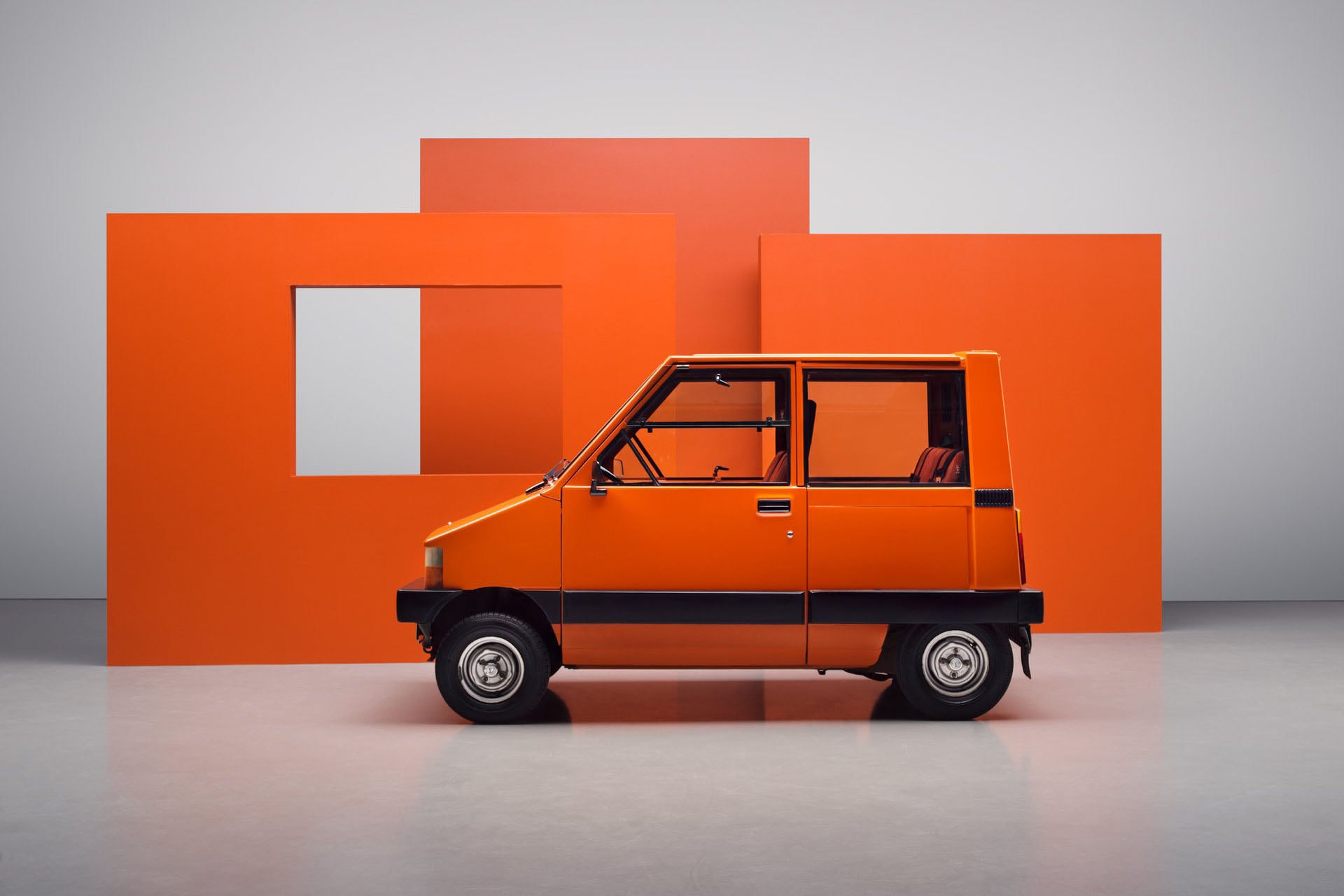
Volvo is marking 50 years since its first electric prototype, a small orange hatchback that needed ten hours on charge to travel around 50km.
Unveiled in November 1976, the four-seat Elbil offered an early look at the Swedish manufacturer’s electric ambitions. Half a century later, Volvo is revisiting the project alongside its new EX60 SUV, which has a claimed range of up to 810km.
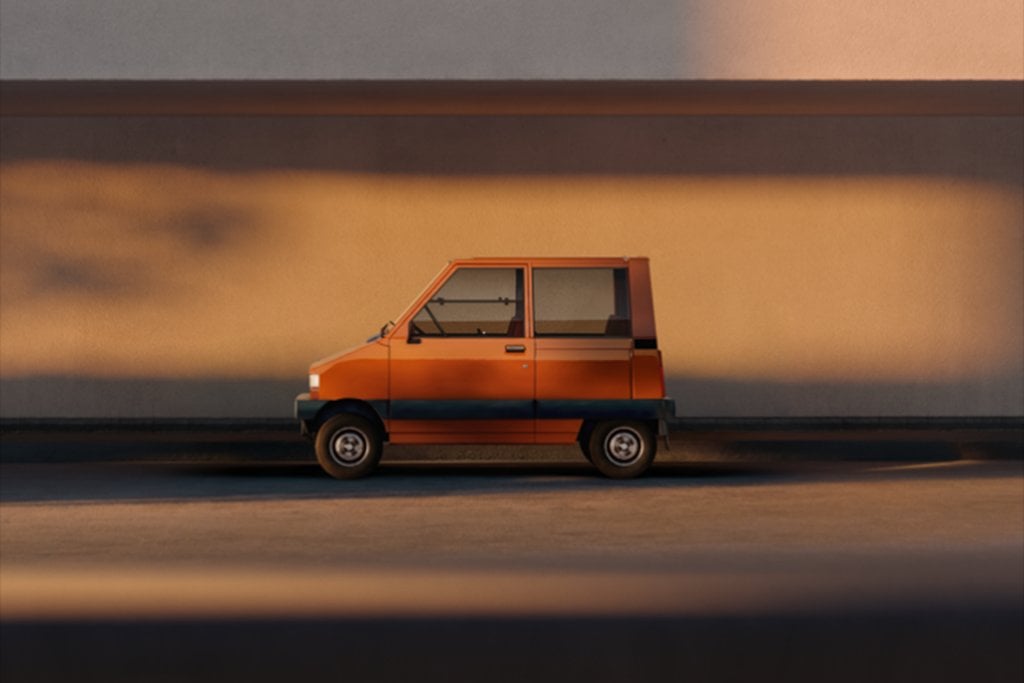
Only two Elbil prototypes were built. Alongside the orange passenger car was a butter-yellow delivery vehicle with two seats and a sliding door.

Part-funded by the Swedish state, the delivery version was developed for employees of Televerket, Sweden’s former state-owned telecommunications authority, to make short trips around Gothenburg without producing exhaust emissions.
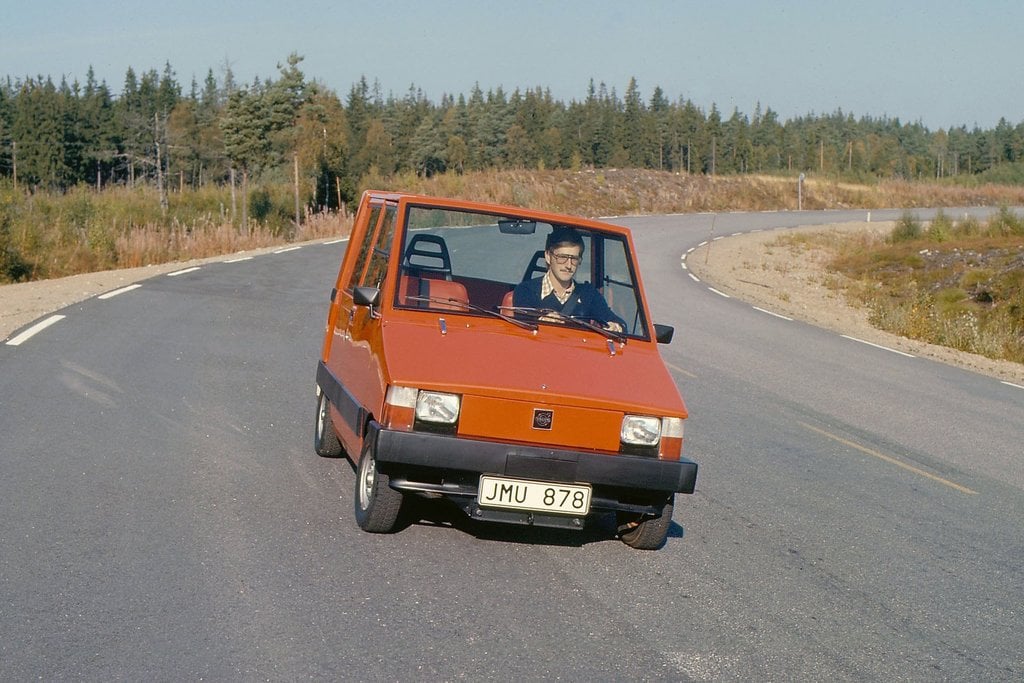
The mechanical package was modest. Twelve six-volt lead-acid batteries supplied a 9.5kW electric motor integrated with the rear axle. A specially developed stepless transmission helped the rear-wheel-drive prototype reach about 70km/h.
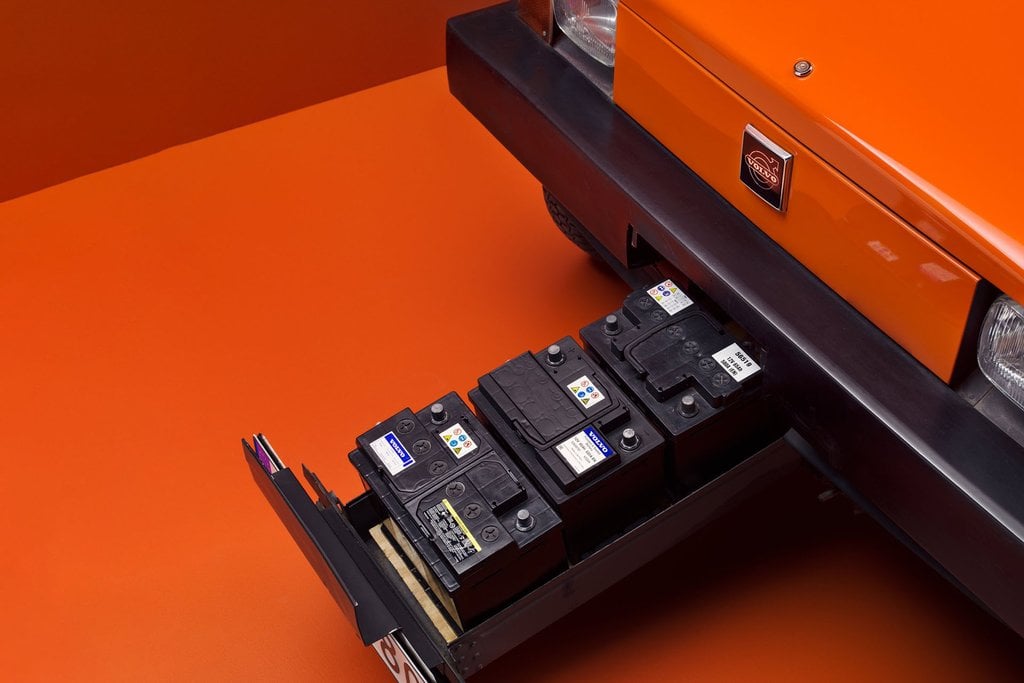
There was some clever thinking beneath the boxy bodywork, too. Glass-fibre-reinforced plastic was used for the bonnet and tailgate, while aluminium doors and roof panels helped contain kerb weight to 1200kg.
Every seat had a three-point safety belt, and the bright orange paint was intended to make the passenger version easier to spot.
The EX60 illustrates how substantially the technology has changed. Its range-topping P12 AWD version combines two electric motors producing 500kW with a 117kWh lithium-ion battery. Volvo quotes 0–100km/h in 3.9 seconds and a top speed of 180km/h.
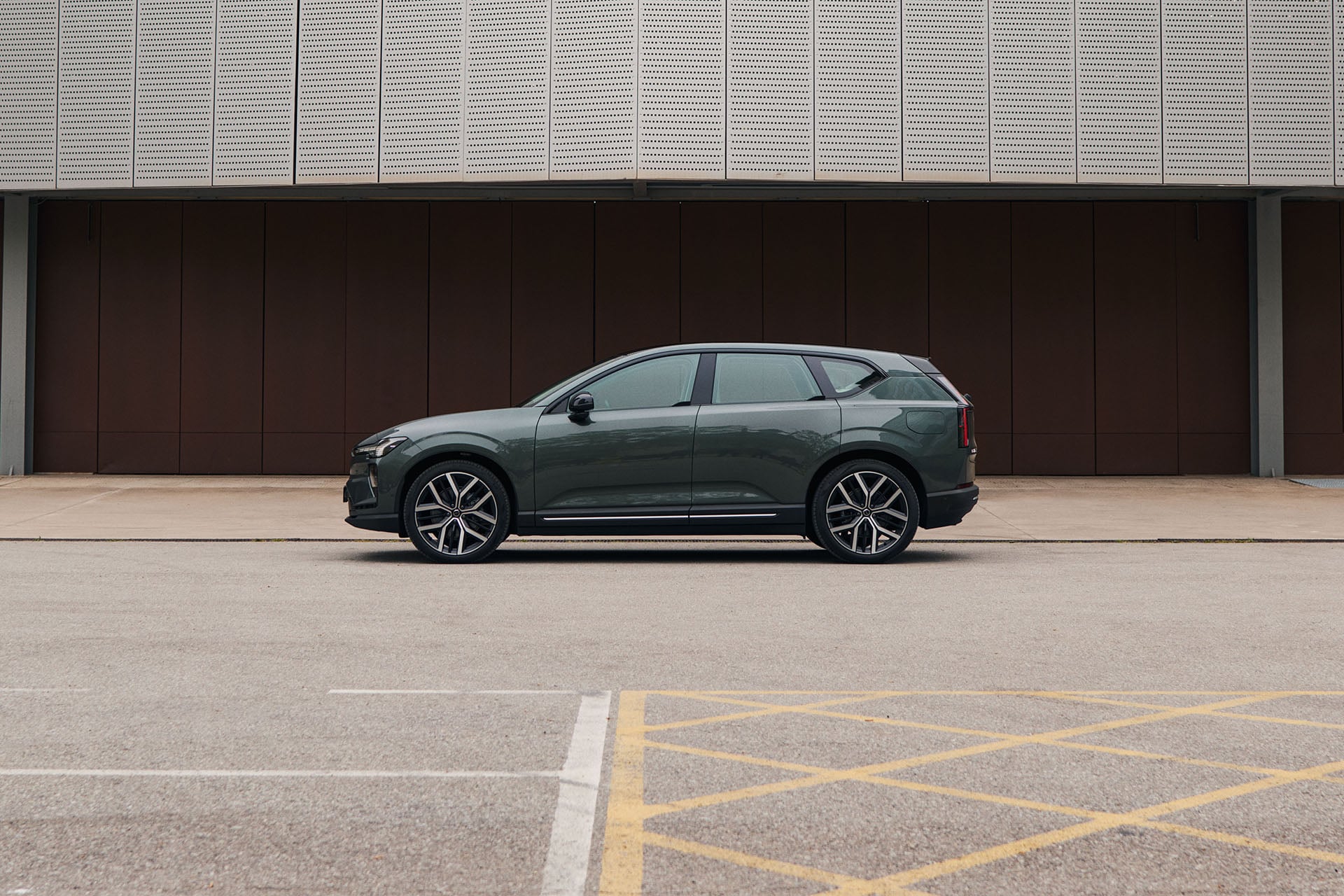
Its preliminary WLTP range of up to 810km is accompanied by considerably shorter charging stops. Volvo says the EX60 can add up to 340km of range in ten minutes when connected to a suitable 400kW DC charger.
The P12 itself supports peak DC charging of 370kW, with a claimed 10–80 per cent recharge taking 19 minutes under suitable conditions.
Weight-saving techniques have evolved as well. The EX60 is the first Volvo built on the company’s SPA3 electric vehicle architecture, incorporating the battery into the body structure and using large cast components to reduce the number of individual parts.
Safety equipment has progressed beyond the Elbil’s three-point belts. The EX60 introduces Volvo’s multi-adaptive front safety belts, which tailor restraint forces to different occupants and collision conditions, alongside a safety cage reinforced with boron steel.
For all the progress, the original Elbil remains a reminder that electric cars were on Volvo’s drawing board long before they became a familiar sight on the road.