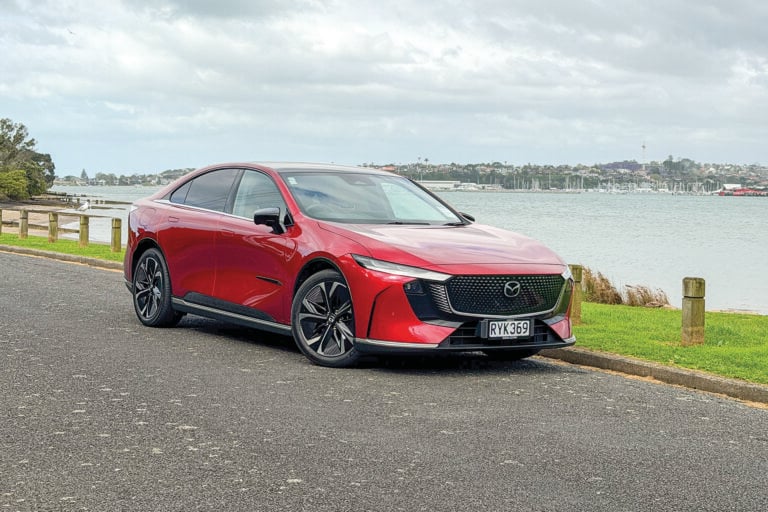
Car Loan or Mortgage Top-Up? What You Need to Know
Words: Henry Williams
When it comes to managing debt, many New Zealanders look for ways to simplify their finances and reduce their monthly outgoings. One strategy that often comes up is consolidating debts, such as car loans, into a mortgage. While this might seem like a good idea at first glance, it’s not always the best financial decision. In this guide, we’ll explore why you shouldn’t put your car loan on your mortgage, and what alternatives you might consider instead.
What it means to put a Car Loan on your Mortgage
Before we get into why it might not be a good idea, let’s quickly explain what it means to put a car loan on your mortgage. A car loan is usually a short-term loan (1–6 years) with a fixed rate, secured against the vehicle. A mortgage, on the other hand, is a long-term loan (typically 20–30 years) used to buy a home and is secured against the property. Consolidating a car loan into your mortgage means increasing your home loan to pay off the car, giving you one monthly payment and potentially a lower interest rate – but it comes with important trade-offs.
Why You Shouldn’t Put Your Car Loan on Your Mortgage
1. You’ll Pay More Interest Over Time
One of the main reasons not to put your car loan on your mortgage is that you’ll likely end up paying more interest over the life of the loan.
Car loans typically have shorter terms (1-6 years) compared to mortgages (20-30 years). While the interest rate on a mortgage might be lower than that of a car loan, the longer term means you’ll be paying interest for a much longer period.
Mortgages use compound interest, which means you’re not just paying interest on the principal amount but also on the accumulated interest. Over a long period, this can significantly increase the total amount of interest you pay.
2. You’re Extending the Life of Your Debt
If you roll your car loan into your mortgage, you’re stretching out the repayment period from just a few years to potentially 20 or 30 years. That means you could still be paying for your car long after it’s gone or stopped working.
Cars Lose Value Quickly Cars lose value as soon as you drive them off the lot – often 20–30% in the first year alone. Every year after that, they keep depreciating. So by the time you’ve finished paying off your mortgage, your car could be worth very little – or nothing at all.
2. You’re Putting Your Home at Risk
Your mortgage is secured by your home. If you can’t keep up with payments, the bank could repossess it. By adding your car loan to your mortgage, you’re essentially tying your house to your car debt.
The Risk Is Greater If times get tough and you fall behind on payments, you could lose your home – not just your car. Losing a car is inconvenient, but losing your home is life-changing.
The Impact Goes Beyond Money Losing your home affects your whole life. It can damage your credit score, make it harder to get another home, and put major stress on your finances and family. It’s a serious risk to consider.
3. You May Lose Financial Flexibility
Keeping your car loan separate from your mortgage gives you more control. For example, if you get a bonus or extra income, you could pay off your car loan faster and save on interest.
Less Control Over Repayments If the loan is part of your mortgage, you might not be able to repay it early without penalties. Even if you can, your payments go toward the overall mortgage, not just the car portion – so you don’t see the same benefit.
Harder to Refinance When it’s time to refinance your mortgage, a bigger loan balance (including the car) could make it harder to get a good deal – or to get approved at all.
4. You May Not Actually Save Money
Lower monthly payments sound great, but stretching out your car loan over 20+ years means you’ll probably pay a lot more in interest overall.
Small Payments, Big Cost You’re paying less each month, but because it takes so much longer to pay off, you end up paying more in total. That defeats the purpose of trying to save money.
Missed Opportunities The money you save on monthly payments could be used in smarter ways – like saving for retirement, building an emergency fund, or paying off higher-interest debt.
5. It Can Make Your Finances More Complicated
Combining your car loan with your mortgage can create confusion – especially when it comes to tracking your debt or making financial decisions later.
Harder to Manage With separate loans, it’s easy to see what you owe on your car and your home. Once they’re combined, it’s harder to tell how much is left on the car, which can make budgeting more difficult.
Temptation to Borrow More A bigger mortgage might make it tempting to borrow even more money later. This can lead to more debt and more financial stress in the long run.
Making the Right Choice for Your Car Finance
Consolidating your car loan into your mortgage might lower your monthly payments, but it often leads to higher interest costs, longer debt, and increased risk – especially to your home. It can also reduce your financial flexibility and make managing your debt more complicated. Instead, consider options like refinancing your car loan, making extra repayments, or saving up to pay in cash. The best approach is to weigh the long-term impact and choose what aligns with your financial goals. If in doubt, speak with a financial adviser to make a well-informed decision.
Next Steps
Thinking about rolling your car loan into your mortgage? Make sure you understand what’s involved before committing. Start by Comparing Loan Options and rates with 100% transparency and confidence. Auto Trader partners with Simplify.co.nz to offer you easy access to competitive, personalised car finance options – all in one seamless car buying experience.