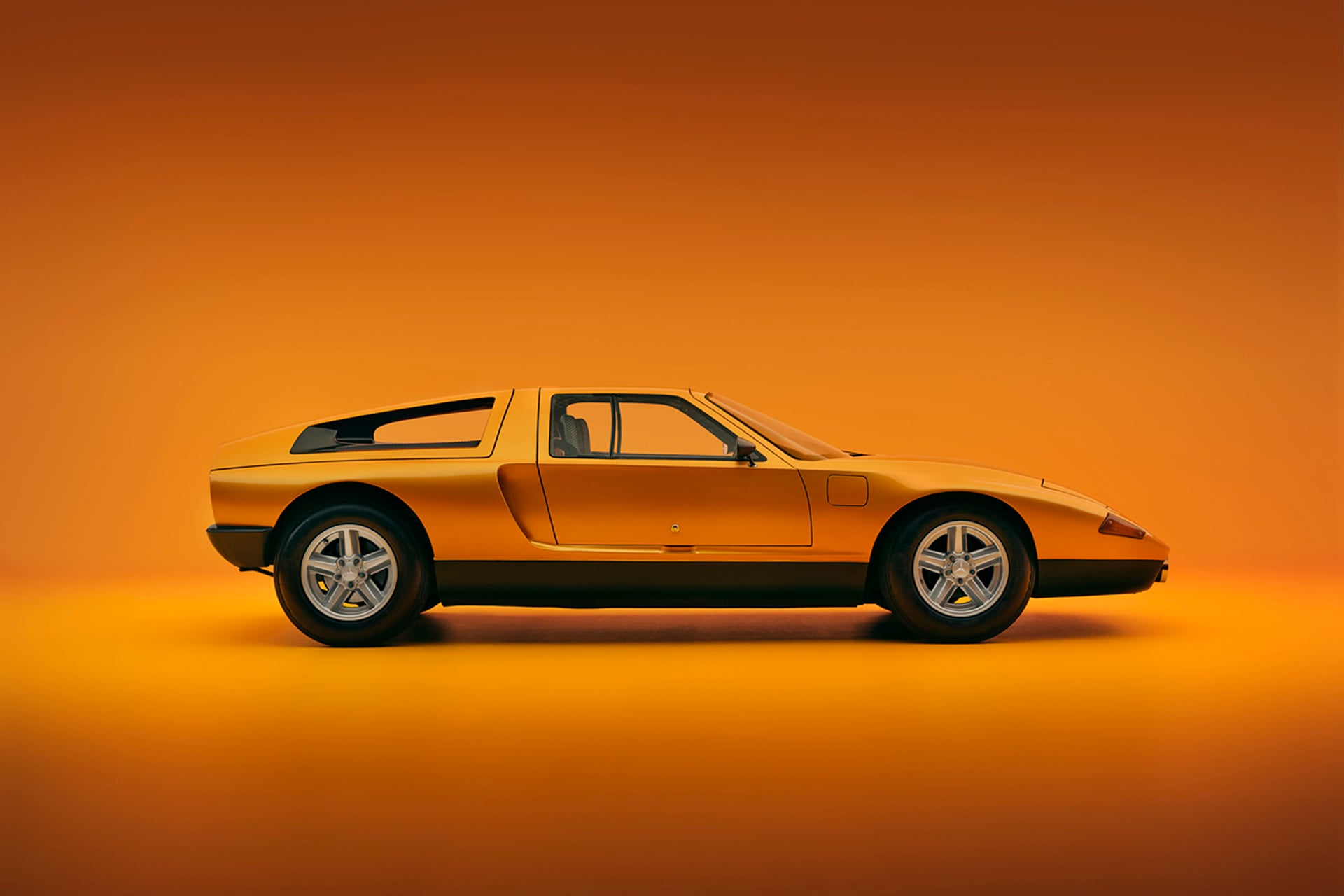
Mercedes-Benz to sell a C 111 for the first time
Words: Kyle Cassidy
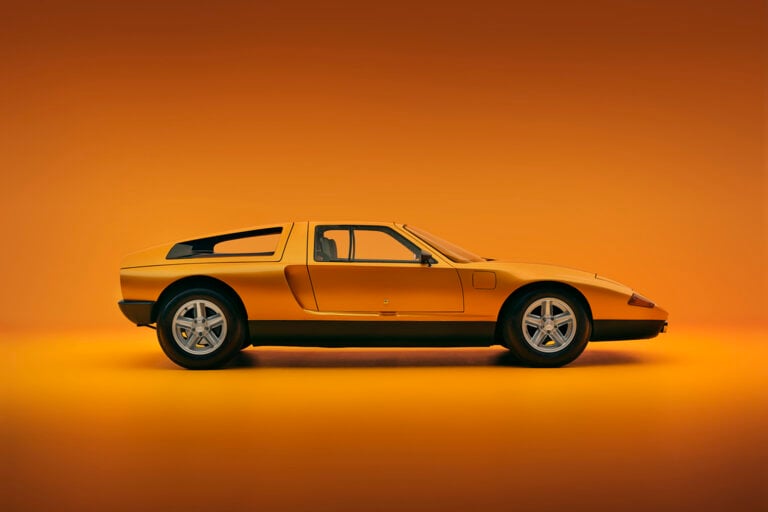
Mercedes-Benz is finally letting someone buy a C 111, more than half a century after its rotary-powered experimental supercar first appeared.
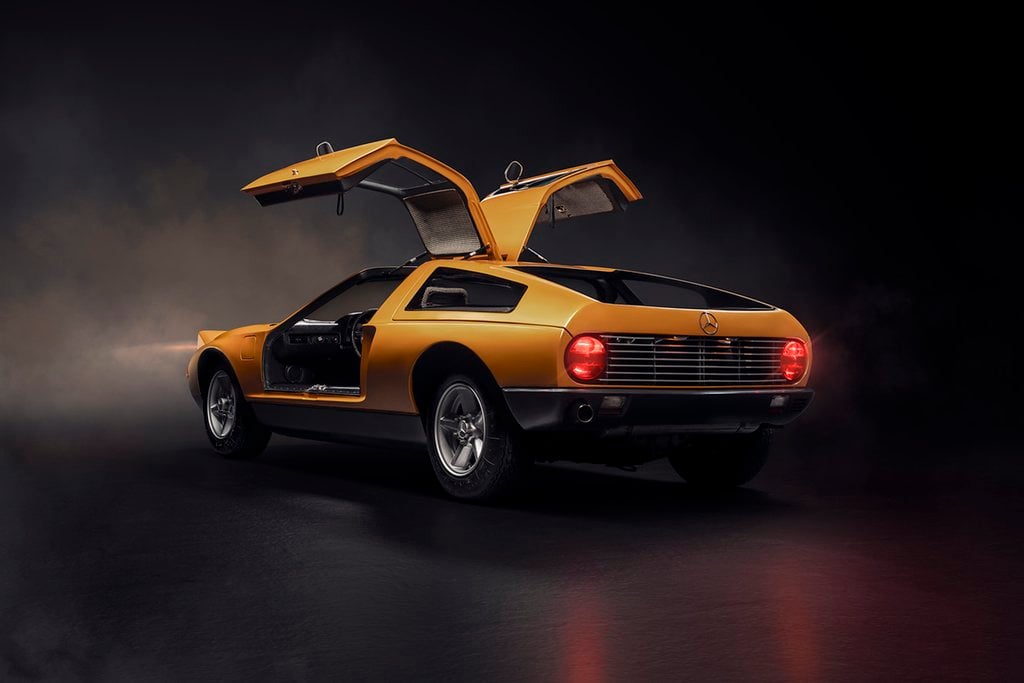
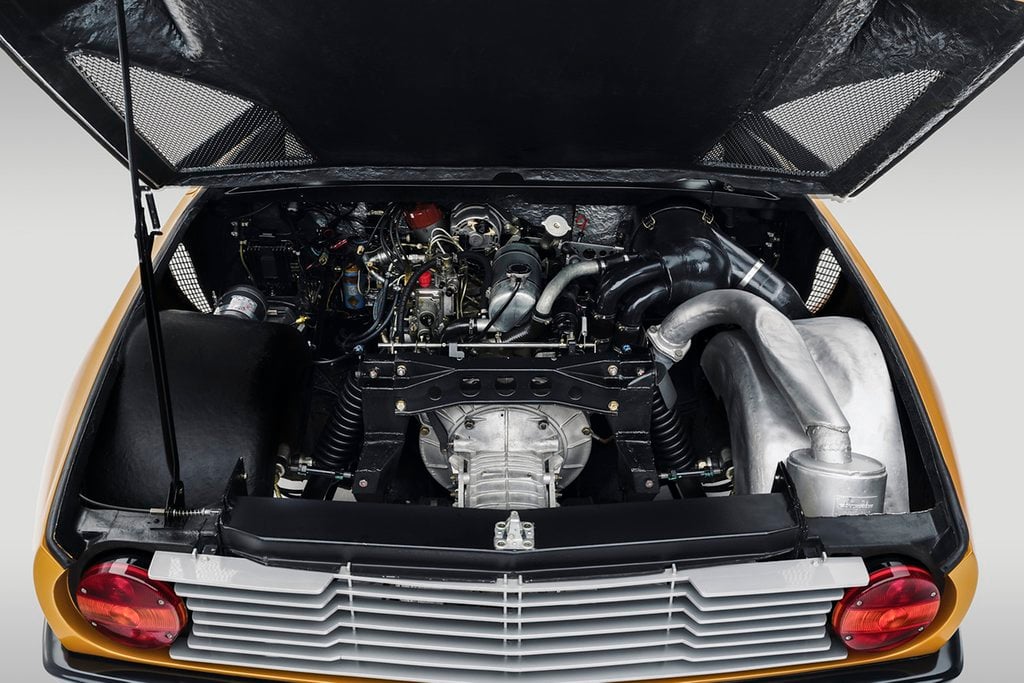
The company will auction a driveable C 111-II through RM Sotheby’s at the Palais du Louvre in Paris on February 3, 2027, during Rétromobile. Known internally as Car 33, it retains an original 2.4-litre four-rotor Wankel engine.
This won’t be the start of a clear-out. Mercedes has contractually committed not to sell another C 111 for at least 25 years, making the auction a particularly unusual opportunity to buy directly from its collection.
Just 17 C 111 prototypes were built, and Mercedes still holds 13 examples across the various versions. None has previously left the company’s ownership. According to Mercedes, would-be customers once sent blank cheques to Stuttgart in the hope of securing one.
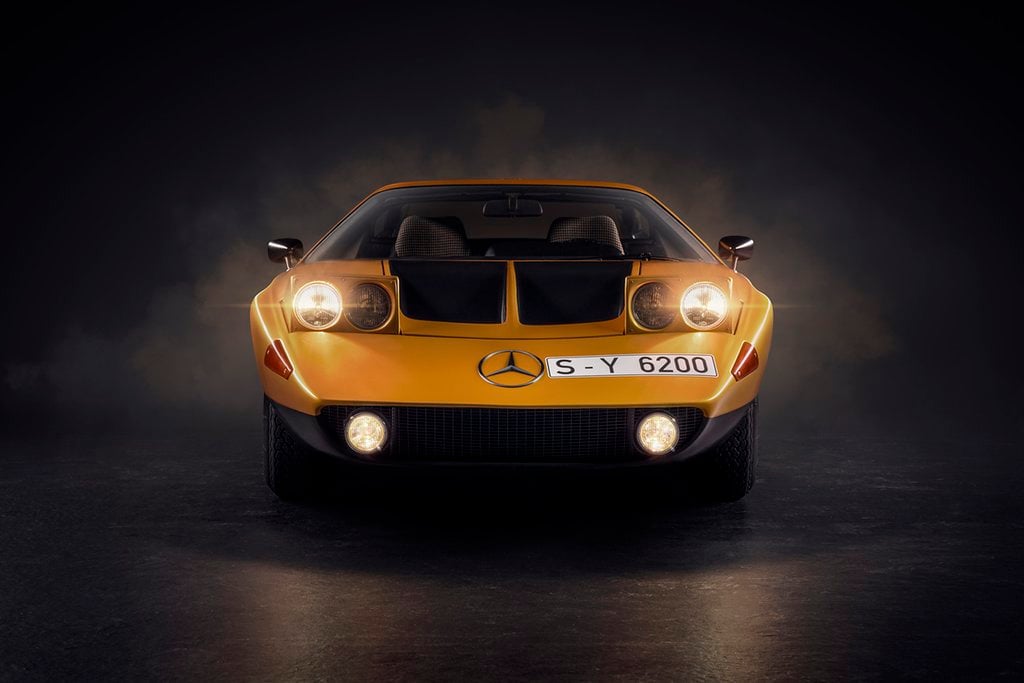
Car 33 was the third C 111-II built, with construction beginning in March 1970. Its four-rotor engine was installed that August, producing 257kW. With a weight of 1240kg, the C 111-II was capable of up to 300km/h, while Mercedes claimed a 0–100km/h time of 4.8 seconds.
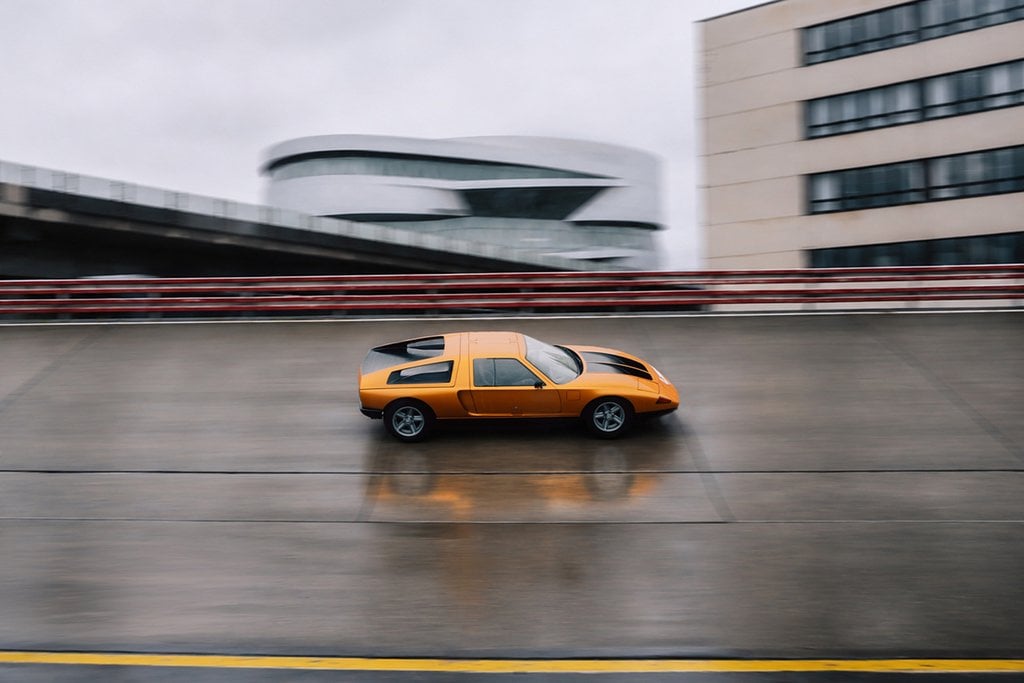
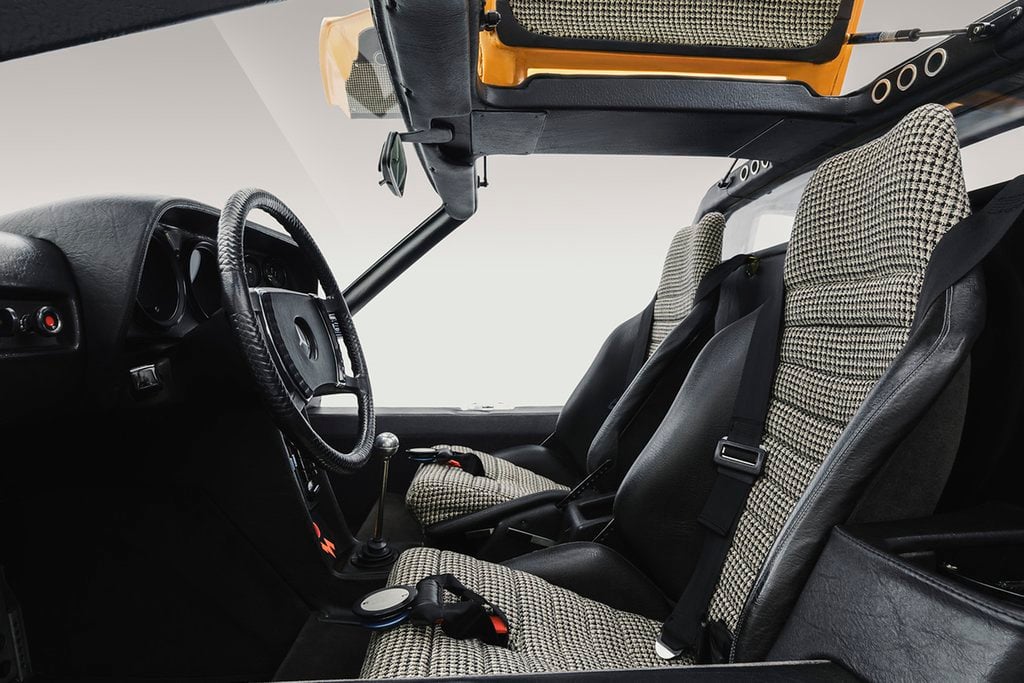
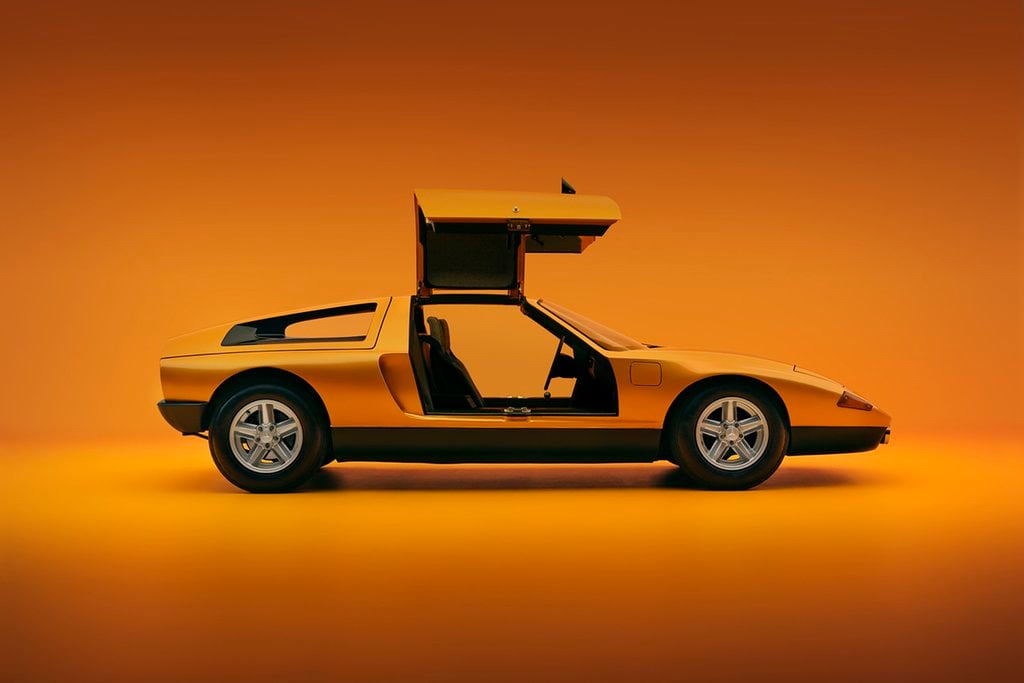
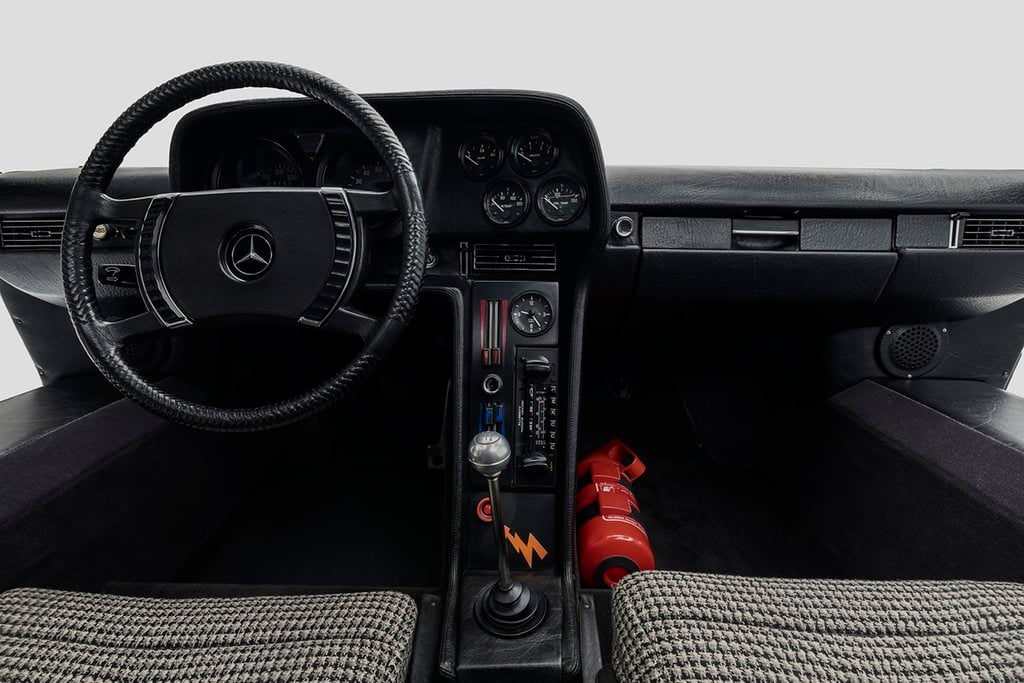
Those were serious numbers for 1970, wrapped in a wedge-shaped body with gullwing doors and a mid-mounted engine. The interior is equally distinctive, with grey-and-white houndstooth sports seats, a four-spoke steering wheel and a vertically mounted Becker Europa radio.
This example did proper development work, including testing at Hockenheim and trials involving the fuel system’s two side tanks. It also tested anti-lock braking technology, although its ABS function is no longer active.
Car 33 later appeared in the first German edition of Playboy in 1972 and joined Mercedes’ vehicle collection in 1975. Since the Stuttgart museum opened in 2006, it has been displayed in the Fascination Design section.
Mercedes-Benz Classic restored it to running order in 2024, overhauling the powertrain while preserving the exterior and interior patina. An engine-bay fire-extinguishing system was also fitted. It subsequently appeared at the Pebble Beach Concours d’Elegance, and its odometer showed 24,766km when photographed in October 2026.
The C 111 programme began in 1969 as both a potential production supercar and a test bed for new technology. Tighter emissions requirements, high production costs and the 1973 oil crisis ultimately ended its showroom prospects. Later diesel- and V8-powered versions instead became record-breaking machines.
Proceeds from Car 33’s sale will support the Mercedes-Benz Museum 2.0 project, including new exhibition experiences and a digital twin of the Stuttgart museum.
Developed with The Classic Car Trust and its Roarington platform, the virtual museum is intended to give visitors worldwide interactive access to the collection. The first results are due in 2027.