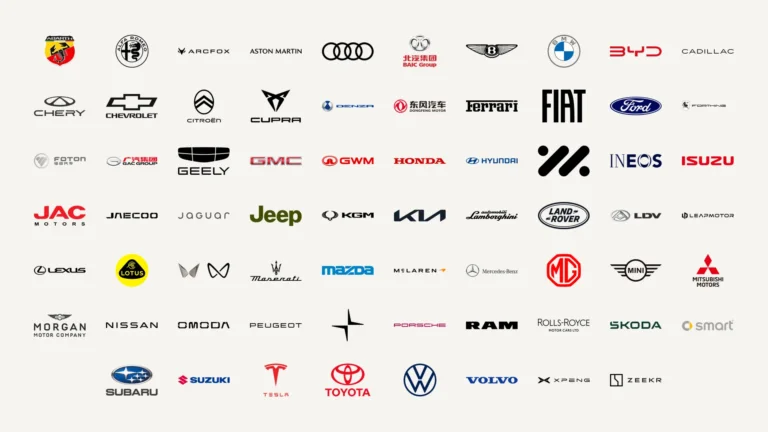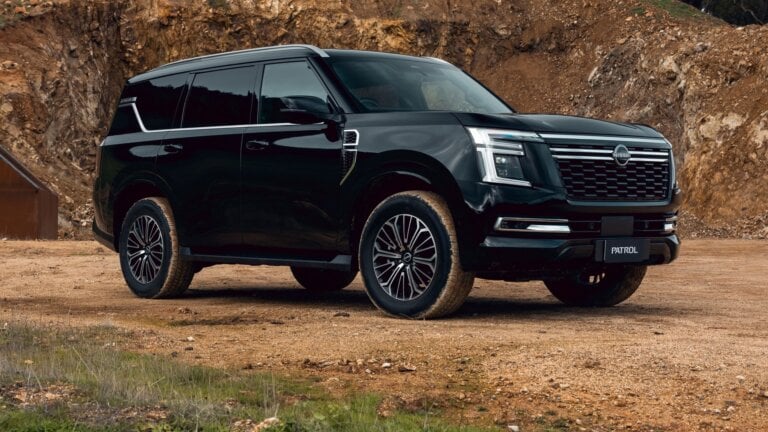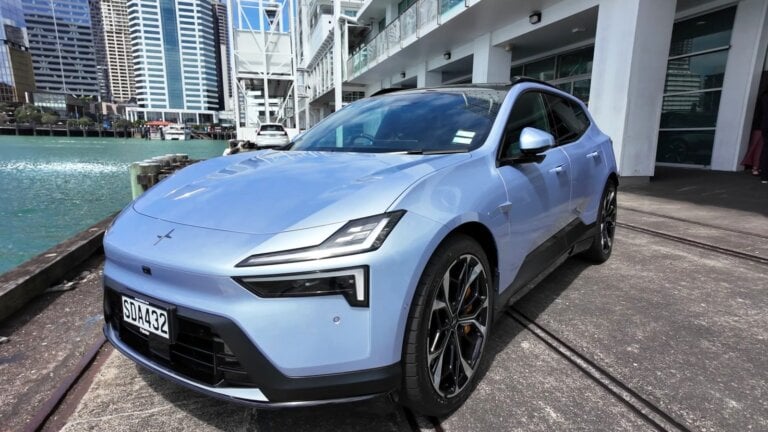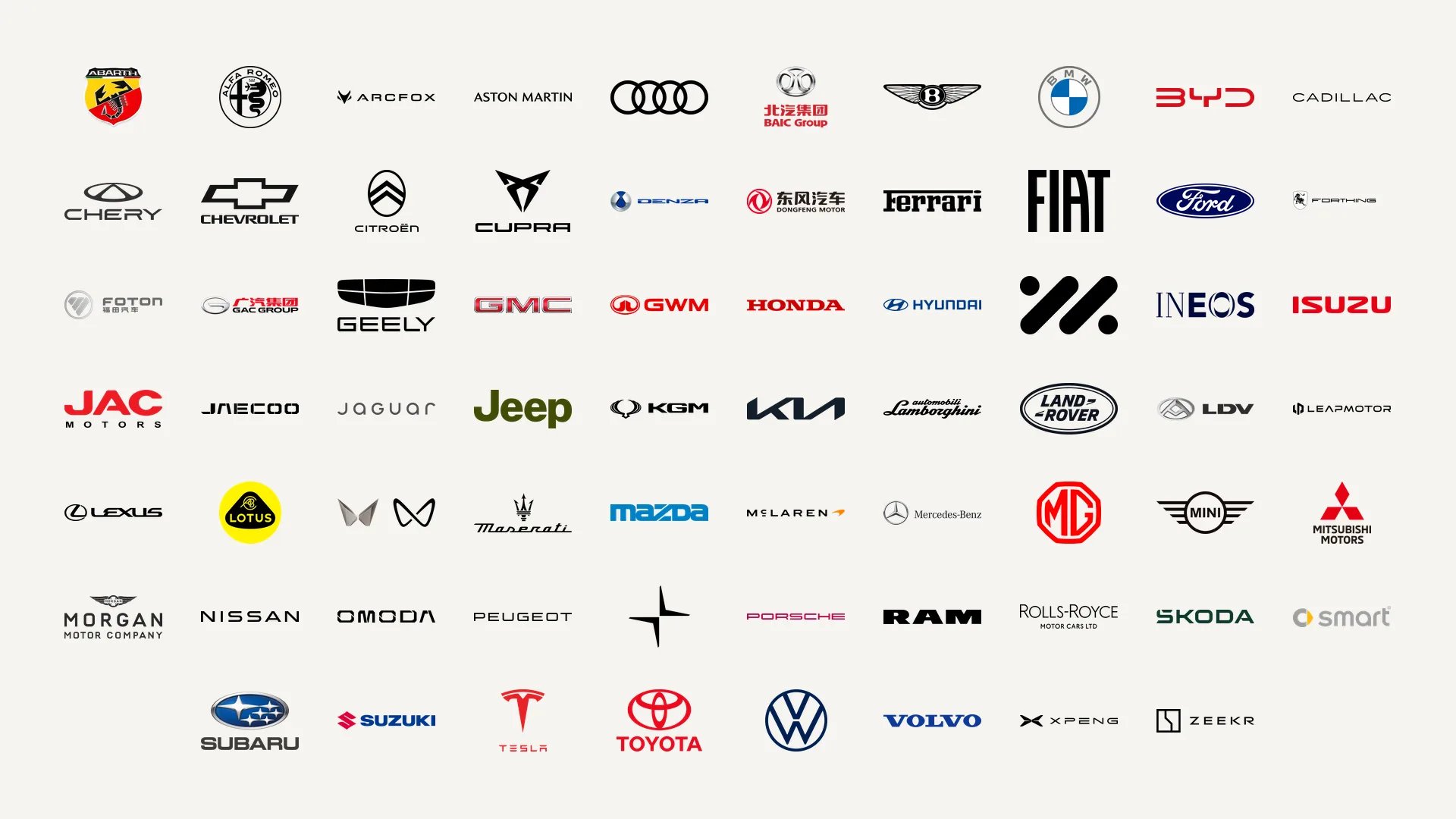
Australia has 67 car brands and its dealers want a halt. We have 68
Words: Richard Edwards
Australia’s car dealers have decided there are too many car brands, and they would like their government to stop any more arriving.
The Australian Automotive Dealer Association (AADA) says new car retail across the Tasman has reached crisis point, with the September quarter delivering the industry’s first quarterly loss since the global financial crisis.
AADA chief executive James Voortman says the result is a clear warning that the commercial footing the industry stands on is becoming unsustainable. He says brands are arriving so quickly that it’s having serious consequences for both Australian buyers and businesses.
The AADA says the number of brands on sale in Australia has grown from 39 in 2021 to 67 this year. It wants a pause on further brands entering the market, and suggests a capped licensing regime after that.
“There are simply too many manufacturers operating in this market,” Voortman says.
He says other countries are trying to slow the pace of change and limit the number of brands, while Australia is letting new ones in without restriction.
The AADA doesn’t say which countries it has in mind, and none of the major car markets limits the number of brands as such. Several have raised barriers to cars built in China instead. Mexico increased its tariff on cars from countries without a trade agreement, China included, from 20% to 50% on 1 January this year. The European Union has added manufacturer-specific duties of up to 35.3% on Chinese-built EVs, Brazil has raised its EV import tariff to 35%, and the United States charges a cumulative 125% on Chinese EVs. Canada has moved the other way, dropping its 100% surtax in March in favour of a quota that lets 49,000 Chinese EVs in each year at 6.1%.
The release doesn’t mention China either. But most of the 28 brands launched in Australia over the past five years are Chinese, and the AADA’s own forecast has Chinese-made vehicles taking 58% of the Australian new car market by 2035. It’s hard to read the call for a pause as aimed anywhere else.
For comparison, the NZ Autocar new car price list currently covers 68 brands and 1,231 models, in a market around a tenth the size of Australia’s.
Voortman says dealers face intense competition, constant pressure from manufacturers to take more stock, and rising costs, and that they are often left to wear the financial fallout from decisions made further up the supply chain.
He says pushing excess stock onto dealers is creating a race to the bottom, with heavy discounting eroding margins and devaluing cars while dealers carry the cost of financing what is unsold.
Voortman says strong headline sales figures can hide real financial trouble at the dealerships achieving them, and that dealers can’t go on soaking up higher costs, thinner margins and more stock risk forever.
The AADA presents the brand surge as a consumer problem too. It warns of rapid depreciation, slow parts supply, longer repair times and cars left orphaned when brands pull out.
Alongside the pause on new brands, its ten-point plan asks the government to fast-track unfair trading protections for franchised dealers, rework who carries liability under Australian consumer law, and create a cheaper, faster merger approval process for small and family-owned dealership sales. New entrants would be held back until the protections are in place.
Suppliers are asked to freeze price increases for at least 12 months and to cut fees or give rebates.
Manufacturers have the longest list. They are asked to set up dealer councils, agree realistic sales targets, and let dealers turn down excess stock without losing incentives. The AADA also wants them to fund interest support and buybacks for aged stock, compensate dealers when price cuts reduce the value of cars already on the lot, and fully fund manufacturer-directed discounting. It also wants them to put off showroom upgrades and corporate identity changes, and to allow more flexibility around multi-franchising.
Voortman says Australians benefit from choice and competition, but manufacturers’ growth plans need to match what the market can support. He says dealers put money into local jobs, apprenticeships, training, and the servicing and warranty work drivers depend on, and that governments, manufacturers and suppliers all have an interest in keeping the dealer network alive.