BMW to add a compact EV in 2028, considers SUV above X7
Words: Kyle Cassidy
BMW has confirmed a new compact electric car will arrive in 2028, with the model expected to become an electric counterpart to the next-generation 1 Series.
At the other end of the range, the German manufacturer is evaluating a larger SUV to sit above the X7, as it reshapes its line-up around demand in different regions.
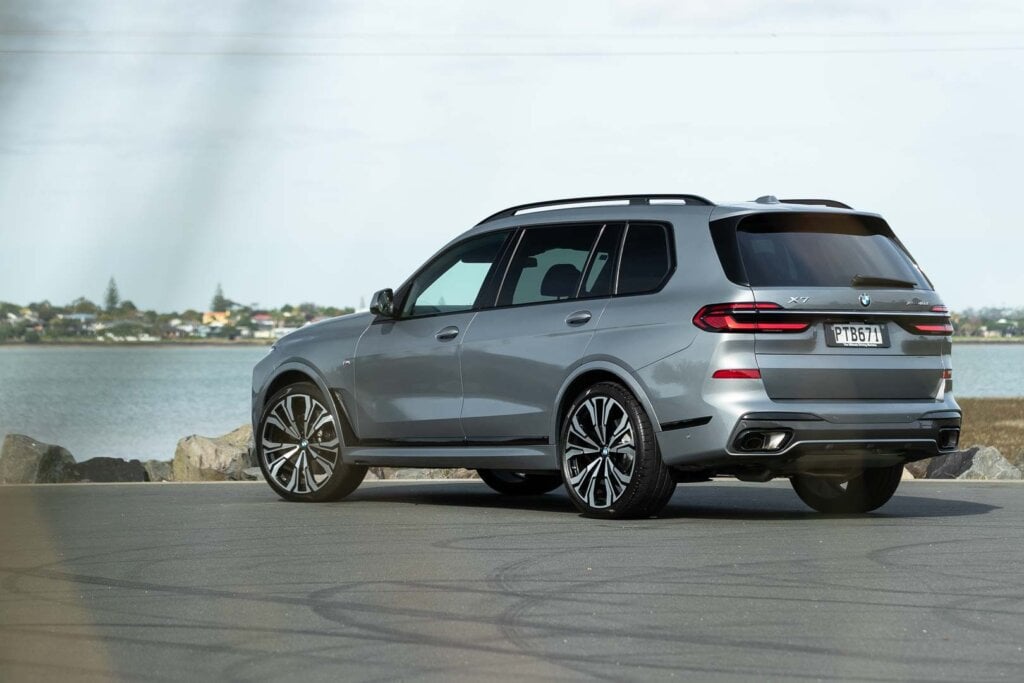
Announced at BMW’s Capital Markets Day, the compact EV will primarily target Europe, where the company is renewing its focus on the high-volume entry-level segment.
BMW hasn’t confirmed the model’s name, but reports suggest that it is on track to launch alongside the fifth-generation 1 Series in 2028.
The electric hatchback is expected to use the Neue Klasse platform shared with the new iX3 and i3. That would bring rear-wheel drive back to entry-level versions of the electric 1 Series.
The EV, referred to as the ‘i1’, is expected to sit alongside a combustion-engined 1 Series. The two would share a styling direction while using different underlying technology, mirroring BMW’s approach with the electric i3 and combustion-powered 3 Series.
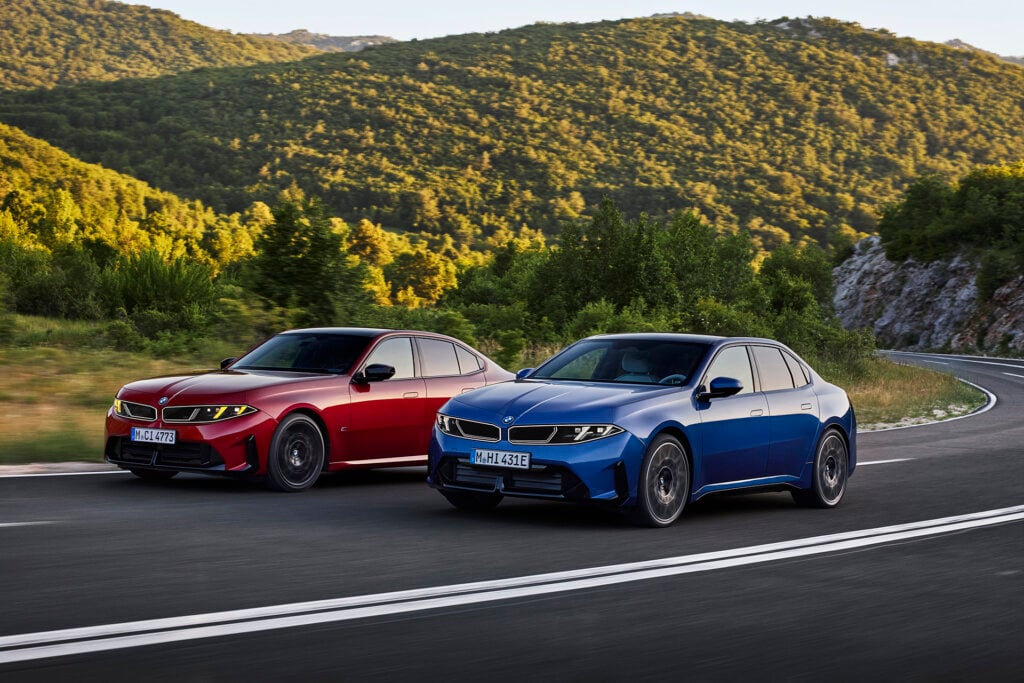
The compact model forms part of a broader move to tailor BMW’s range and powertrain choices more closely to individual markets.
For Europe, that means greater emphasis on smaller cars. In the United States, BMW plans to shift more SUV production locally and is investigating a new flagship above the X7 to cater for demand for large SUVs.
Such a model could carry the X8 badge, although neither the name nor production approval has been confirmed.
In China, BMW intends to build more Neue Klasse models locally, while restricting imports to its highest-margin vehicles. It will also increase locally sourced content, particularly technology.
The regional approach will bring a leaner overall range, with fewer variants and some less profitable models dropped. One confirmed casualty is the 2 Series Active Tourer, which won’t receive a replacement.
BMW also plans to establish Alpina as a standalone brand positioned between BMW and Rolls-Royce, giving the group another rung on its luxury ladder.
Behind the product changes is a drive to improve profitability, with BMW targeting an operating margin of 8–10 per cent by early 2027.
Its plans include wider use of artificial intelligence to accelerate vehicle development and improve manufacturing efficiency, a new agency sales model, and a 20 per cent reduction in the number of divisions and associated management roles by mid-2027.