Europe moves closer to easing 2035 combustion car rules
Words: Kyle Cassidy
Combustion engines could have a longer future in Europe after the European Parliament’s Environment Committee backed plans to soften emissions targets for new cars from 2035.
The committee voted on 4 November to support an 87.5 per cent reduction in fleet-wide CO₂ emissions against the 2021 baseline, replacing the current requirement for a 100 per cent cut. That would give manufacturers more room to keep selling cars with combustion engines.
However, the vote doesn’t change the law yet. The full European Parliament is expected to vote on its negotiating position in December, with the final rules still requiring agreement with EU governments.
The proposal also goes further than the European Commission’s earlier plan to lower the 2035 reduction target to 90 per cent.
Crucially, these percentages refer to average emissions across manufacturers’ new vehicle fleets. An 87.5 per cent reduction target doesn’t translate directly into a fixed allowance for petrol or diesel car sales.
Alongside the softer target, manufacturers would use credits for low-carbon steel produced in the EU to compensate for emissions equivalent to up to 7.5 per cent of the 2021 reference target, bringing the combined requirement to 95 per cent.
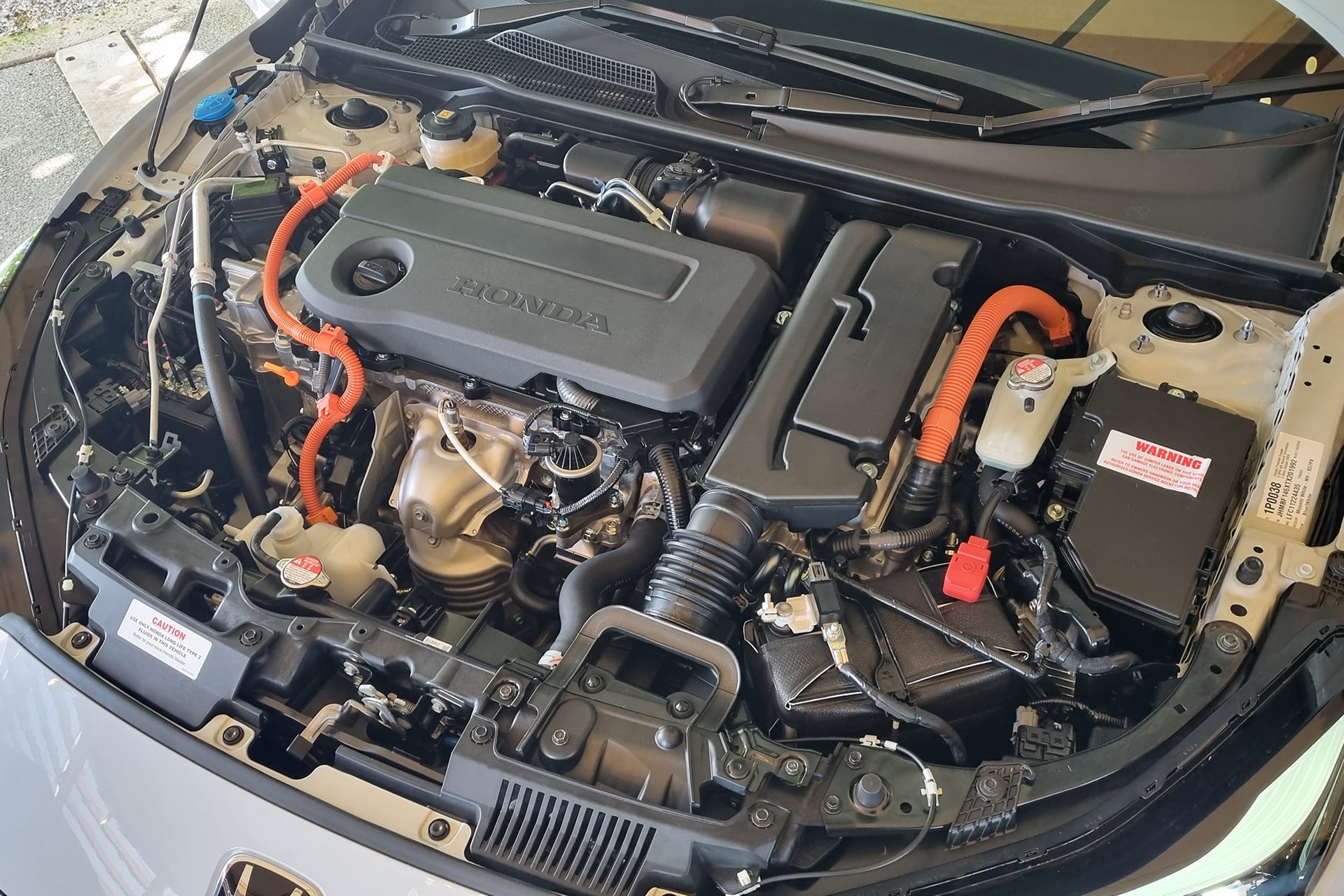
Another significant change would allow cars running exclusively on qualifying renewable and low-carbon fuels, including eligible biofuels, to be classified as zero-emission vehicles under the rules.
Called “vehicles running exclusively on eligible fuels”, or VEEFs, these would still have combustion engines. Their proposed classification would recognise the fuels they use, rather than mean they produce no exhaust emissions.
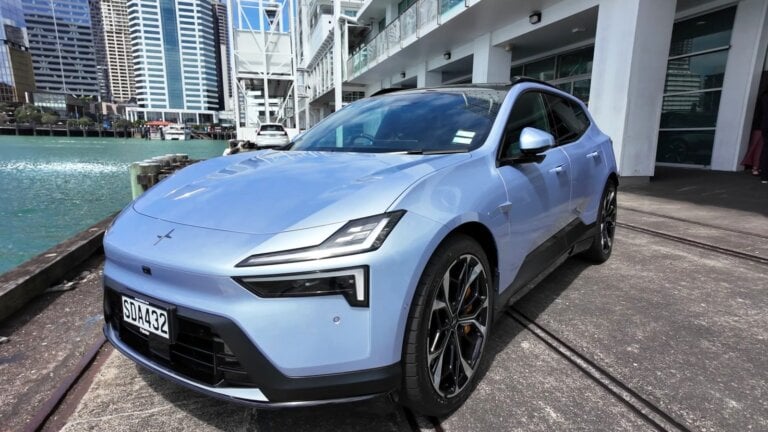
Small electric cars would also get a helping hand through a system of ‘super-credits’.
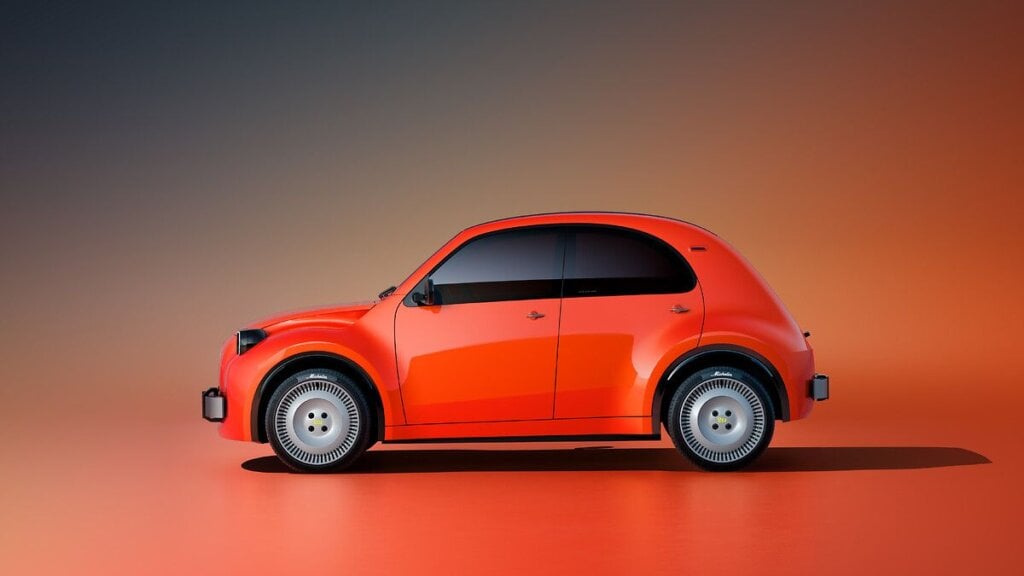
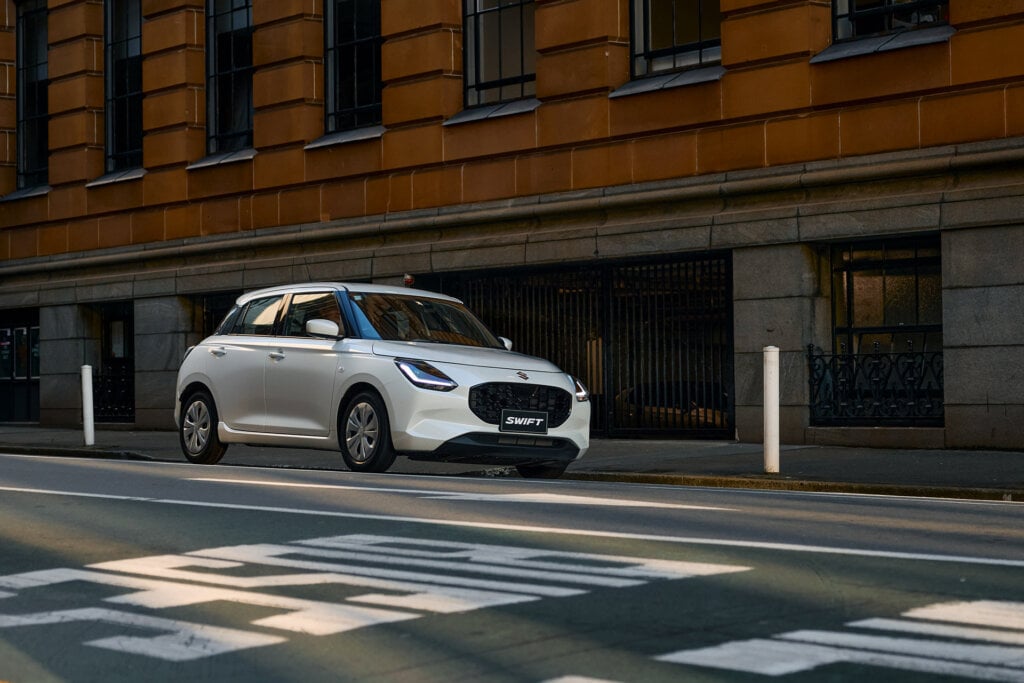
An EU-built EV measuring no more than 4.2 metres long would count as 1.4 vehicles when calculating a manufacturer’s average emissions. Highly efficient electric cars built in the EU would count as 1.2 vehicles, subject to energy consumption requirements.
That would reward manufacturers for building smaller, more efficient EVs locally, while also giving them extra flexibility to sell combustion models.
The European Automobile Manufacturers’ Association, ACEA, cautiously welcomed the committee’s approach, but said the concessions didn’t go far enough.
“For passenger cars this remains too limited in scope and duration to adequately address the industry’s concerns.”
Toyota has been reporting as describing the vote as a “welcome step”, while calling for further flexibility.
Vans would receive an even larger adjustment. The committee wants their 2030 emissions reduction target lowered to 35 per cent, compared with 50 per cent under the existing rules and 40 per cent in the Commission’s proposal. The 2035 requirement would fall from a 100 per cent reduction to 80 per cent.
The changes form part of a wider effort to support Europe’s automotive industry as it faces pressure from cheaper Chinese competitors. The broader package also seeks to strengthen European battery production and reduce regulatory burdens.