Mercedes CEO worries the European car industry could collapse
Words/Images NZ Autocar
Only a few years ago, Mercedes-Benz was going all-in on EVs in Europe. In 2021, it projected that by 2030 it would stop selling ICE cars, at least in some markets.
Now, like many others, the situation has changed and the company has done a U-turn. Mercedes boss, Ola Källenius, is now saying that without ICE vehicles, the local automotive industry could “collapse”.
He warned that if the EU’s sales ban on ICE cars remains for 2035, Europe’s automotive industry may not survive.
“We need a reality check. Of course, we have to decarbonise but it has to be done in a technology-neutral way. We must not lose sight of our economy.”
The Mercedes boss is also the president of the European Automobile Manufacturers’ Association (ACEA). He predicts customers will rush to buy ICE-powered cars ahead of the deadline, which is now less than 10 years away. And that certainly won’t help to mitigate climate change.
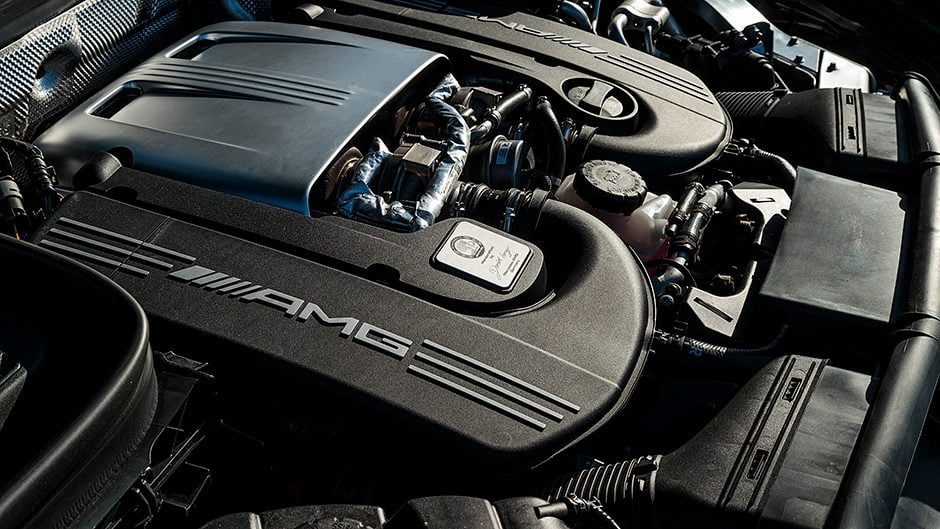
Electric vehicles are nowhere near the 100 percent market share the EU so desires. So far this year, EVs accounted for 18 percent of total sales in EU and UK. ACEA data also shows that plug-in hybrids represented only 8.7 percent of total deliveries. Traditional hybrids made up 35 percent, but that figure includes mild hybrids. And these are simply more fuel efficient ICE powered vehicles.
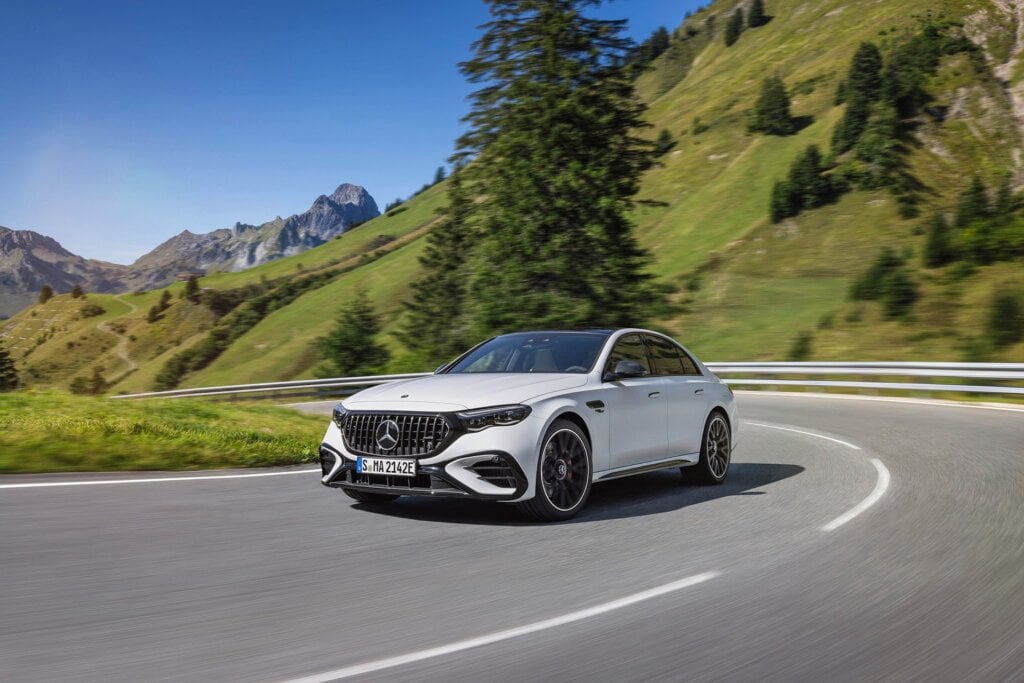
The EU’s 2035 ban is not yet hard and fast legislation but is scheduled for review in the coming months. In March the European Commission (EC), the EU’s executive arm, reaffirmed its commitment to 0g/km CO₂ emissions for new cars sold from the middle of the next decade. At the time, the EC said it may even impose an earlier date for the ban.
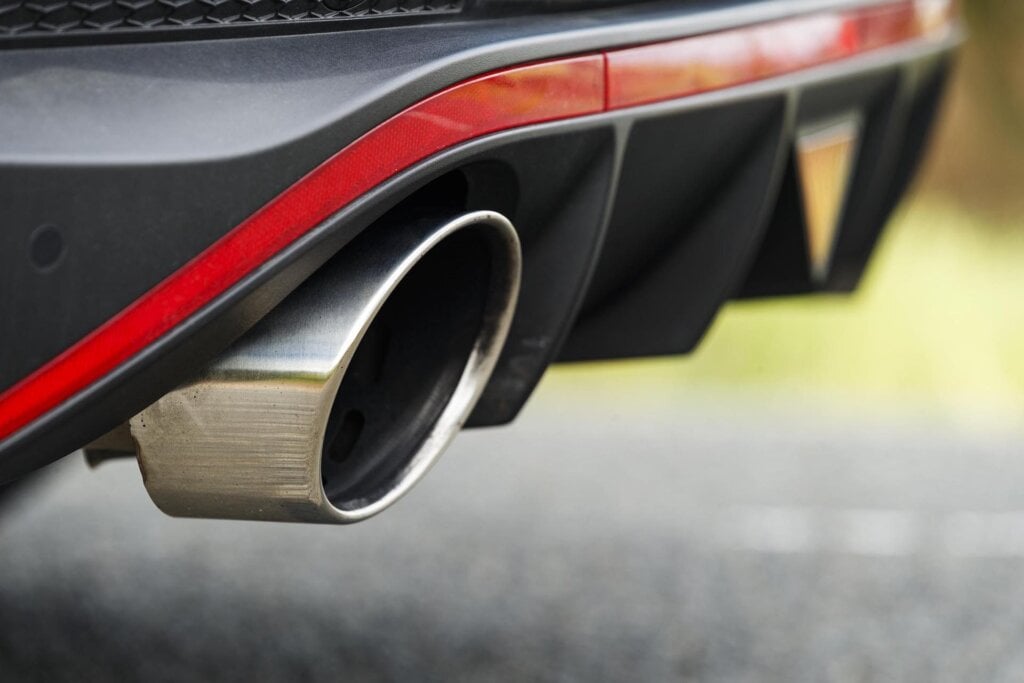
While Mercedes is worried for European car makers in general, it has every right to be concerned for its own business. EV sales accounted for 8.4 percent of its global shipments in the first half of this year, down from almost 10 per cent a year ago. Even when including PHEVs, electrified models comprised just one-fifth of its total deliveries in the first six months of the year.
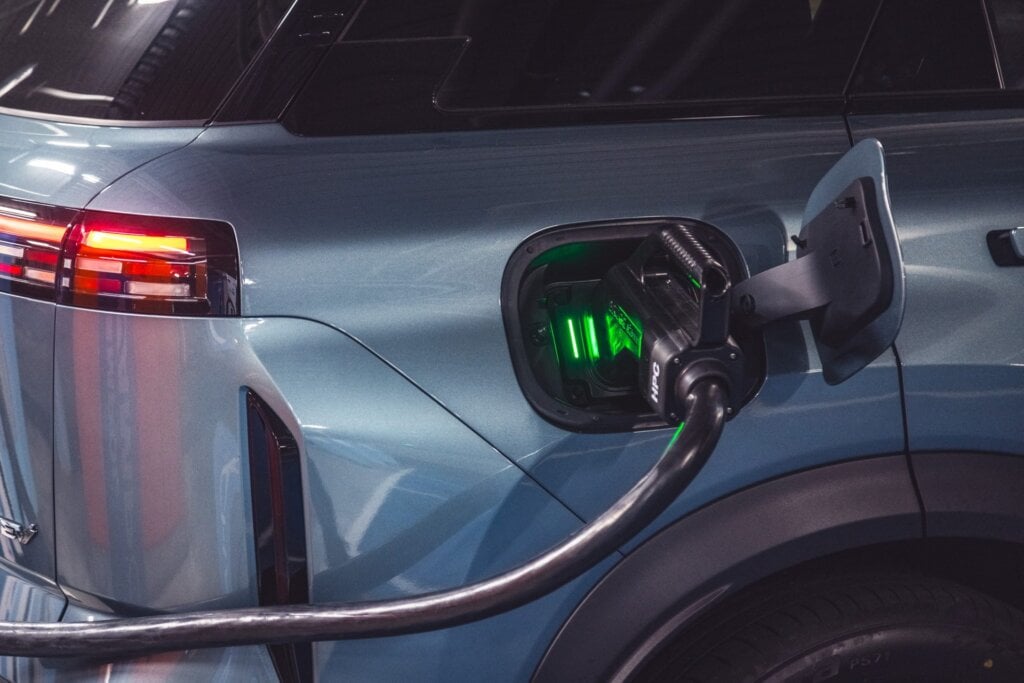
Given strong opposition the EU is facing from car makers, there is hope the ban could be eased slightly. A sensible compromise may be to let new plug-in hybrids and possibly full hybrids continue to sell beyond 2034.