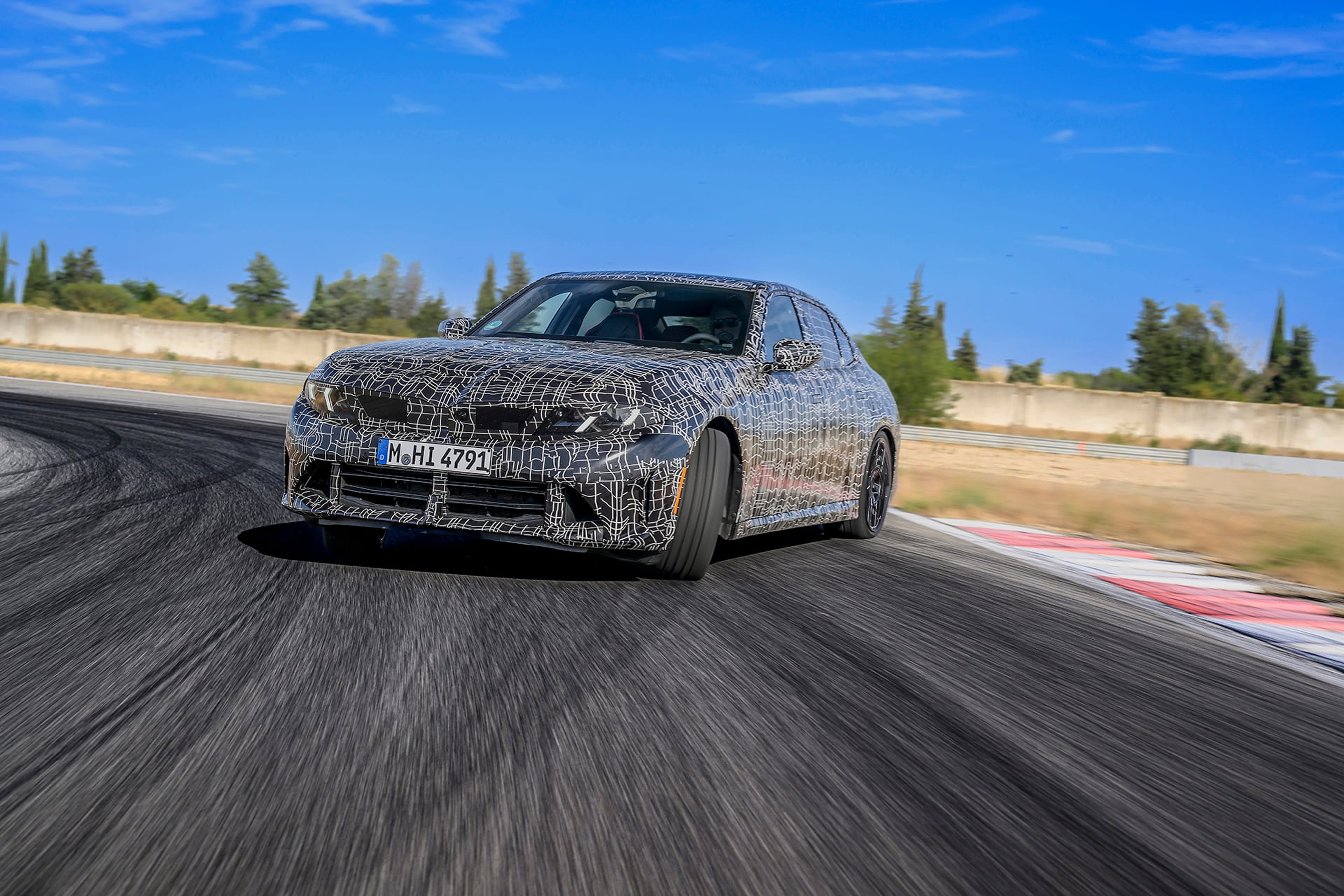
New BMW 3 Series enters final testing with 326kW M350 flagship
Words: Kyle Cassidy
BMW’s next-generation 3 Series is completing its final development programme, with four- and six-cylinder mild-hybrid engines confirmed alongside the fully electric i3.
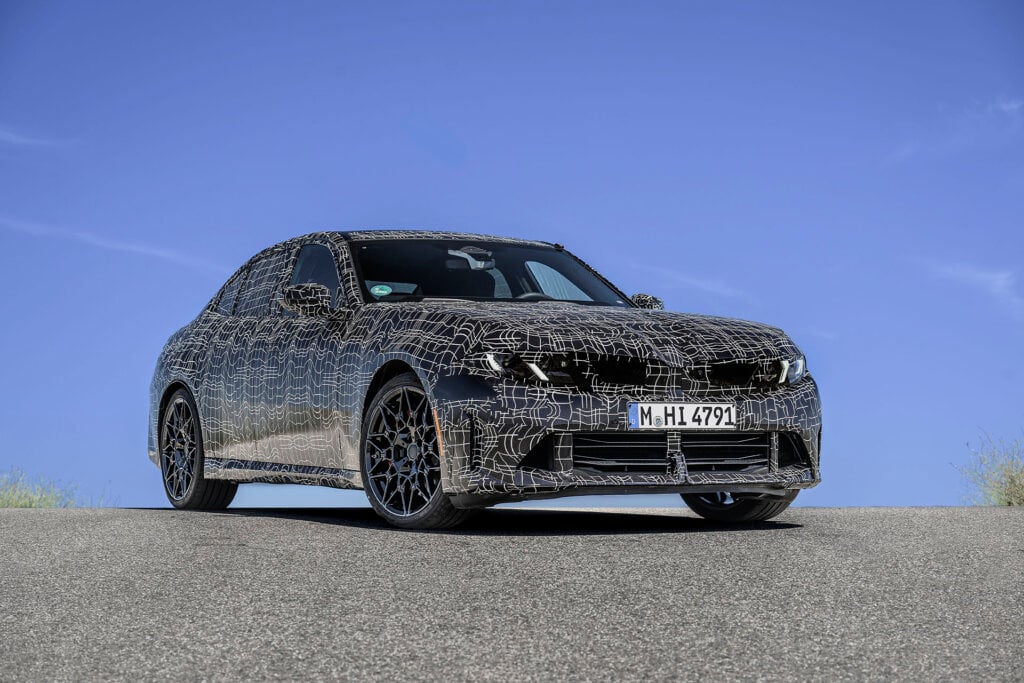
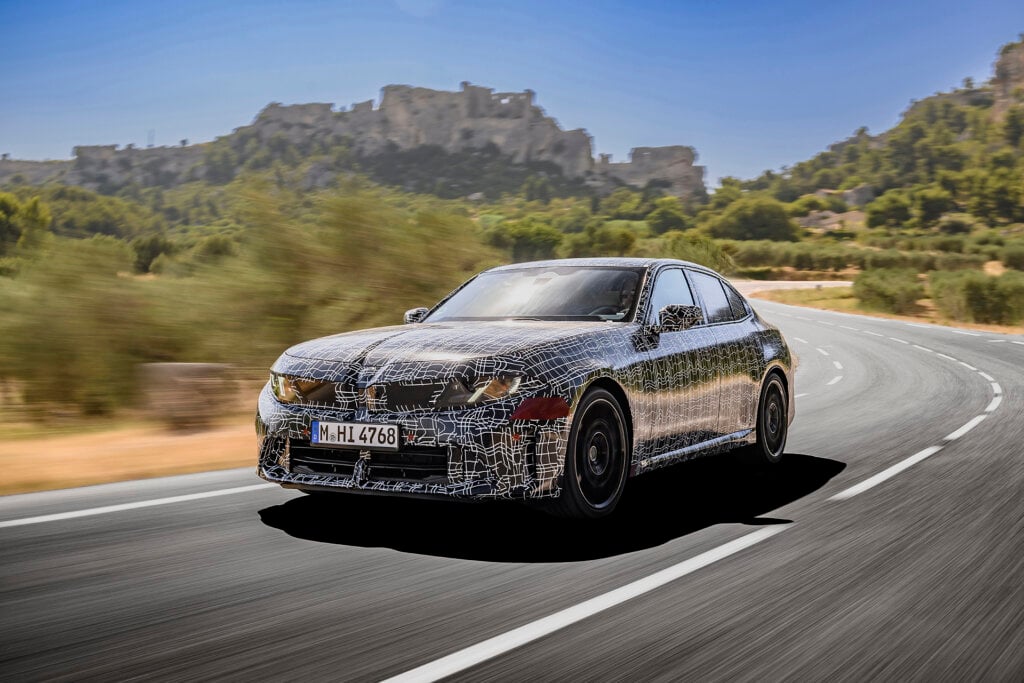
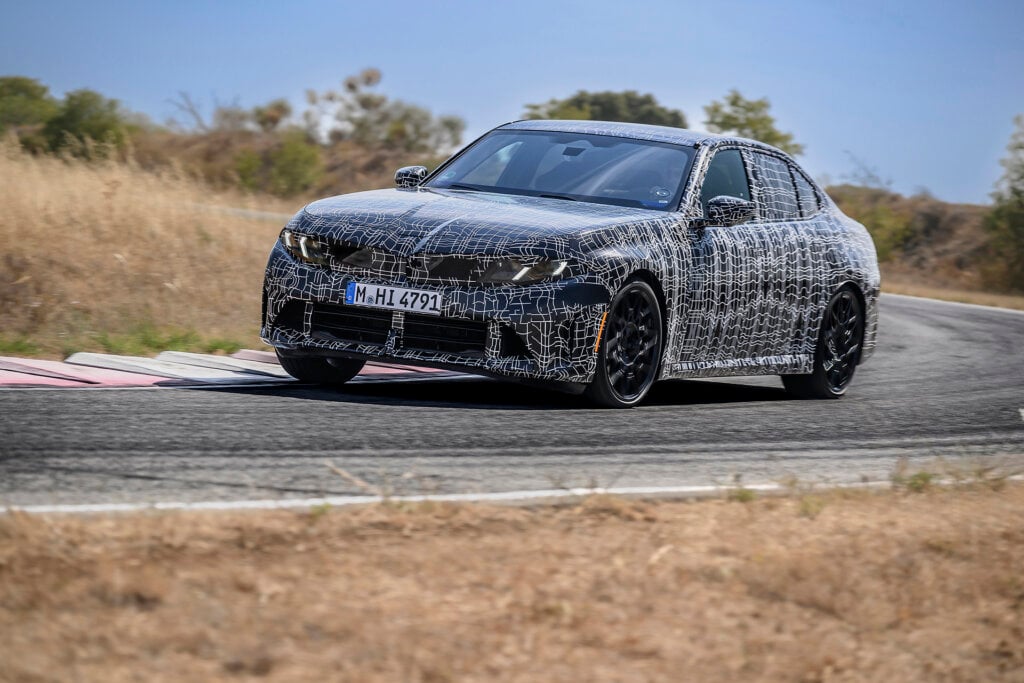
Camouflaged prototypes are undergoing high-speed, handling and ride testing at BMW’s Miramas proving ground in southern France. The programme follows previous development work in the snow and ice of Arjeplog, Sweden, and around the Nürburgring.
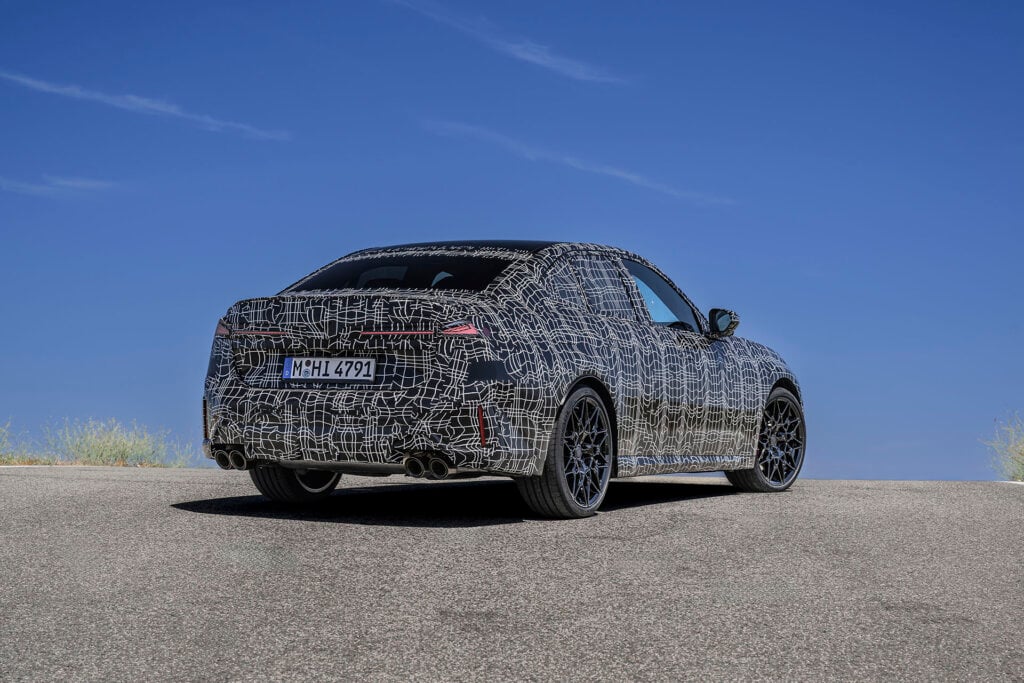
Production of the combustion-engined range is scheduled to begin during the second half of 2026. BMW has yet to confirm New Zealand availability, pricing or the local model line-up.
Although it will sit alongside the electric i3, the combustion-engined 3 Series uses a separate vehicle architecture and driving dynamics system. Both versions will share BMW’s Neue Klasse design language, however, with a fresh interpretation of the four-eyed front end, short overhangs and a longer wheelbase.
The cabins will also feature BMW Panoramic iDrive and Operating System X.
M350 gains drift mode
Sitting at the top of the combustion range will be the BMW M350 xDrive, powered by a 3.0-litre turbocharged inline six with 48-volt mild-hybrid assistance.
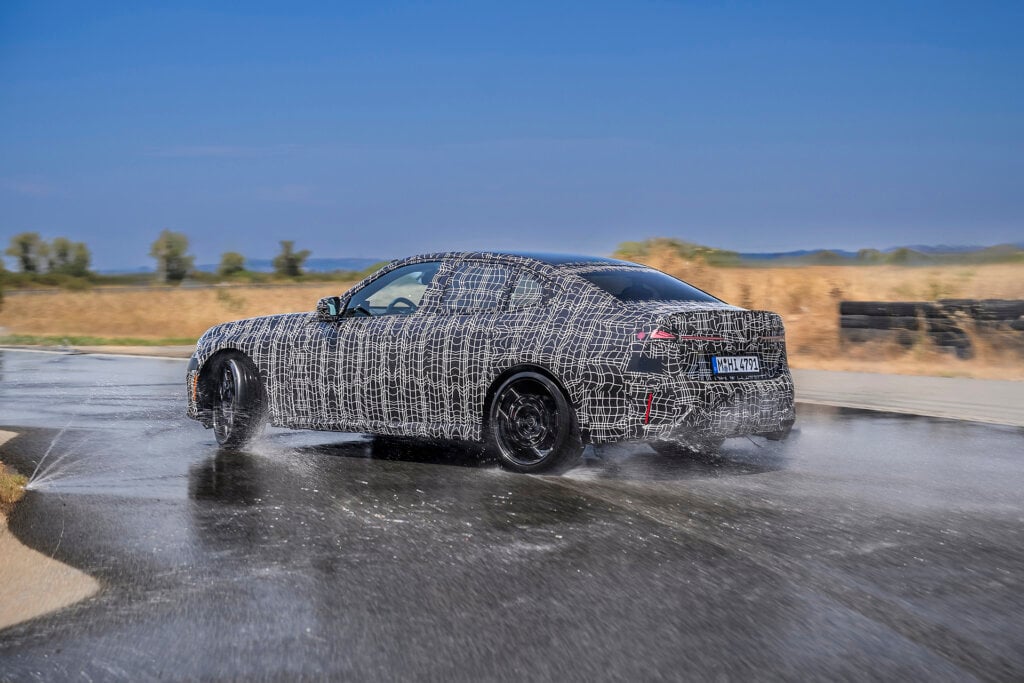
The powertrain produces a combined 326kW and 580Nm, sent through an eight-speed Steptronic transmission and xDrive all-wheel drive. BMW claims the M350 will reach 100km/h in 4.1 seconds before hitting an electronically limited top speed of 250km/h.
Standard equipment includes adaptive M suspension, an M Sport differential and variable sport steering. The body also receives additional torsional and vertical stiffening, along with model-specific chassis tuning.
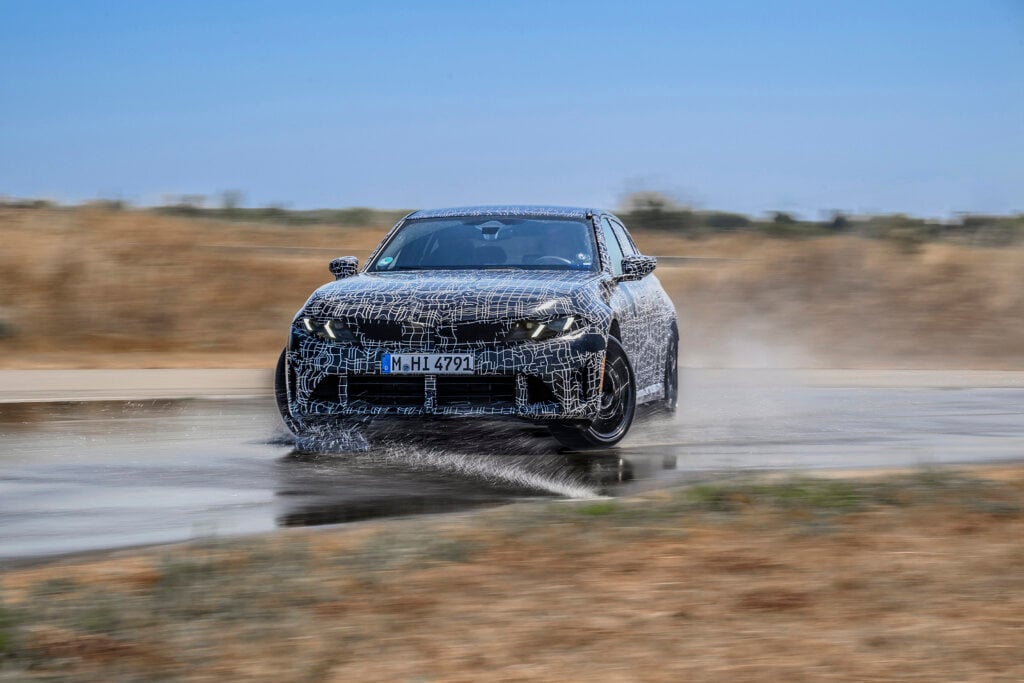
More unusually, the M350 will become the first M Performance version of the 3 Series to offer BMW’s new Drift Moment function.
Activated through the central display, Drift Moment directs the engine’s drive entirely to the rear wheels. With the stability control switched off, it is intended to give the all-wheel-drive sedan the ability to behave more like a rear-drive M car.
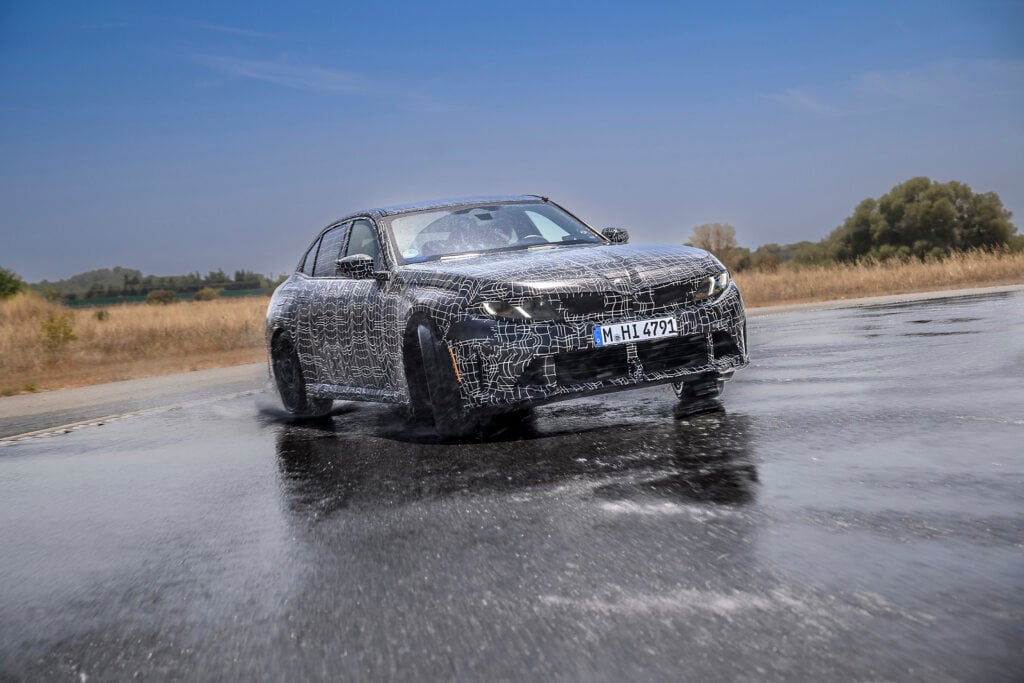
The feature will become available during 2027. BMW says cars delivered before its introduction will receive it through a remote software update.
Chassis changes for sharper handling
The new 3 Series retains a double-joint spring-strut front suspension and five-link rear arrangement. Its longer wheelbase and wider front and rear tracks are intended to improve stability and handling, while high-preload anti-roll bar mounts provide greater roll control.
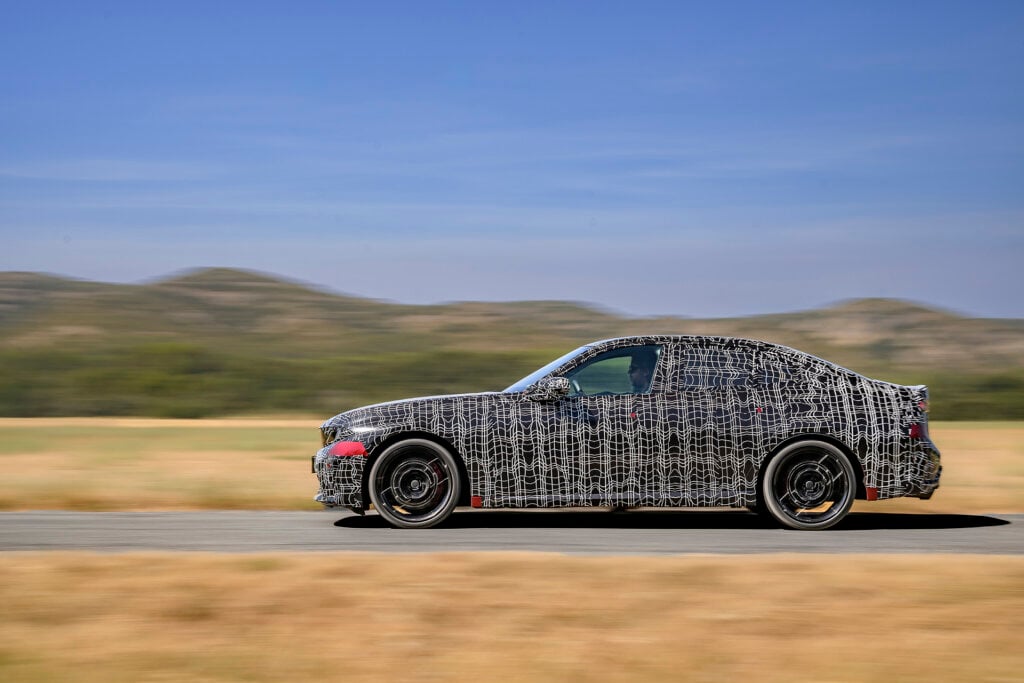
New lift-related dampers will be standard, with adaptive suspension and adaptive M suspension available further up the range. Optional 20-inch sports tyres will measure 245/35 at the front and 275/30 at the rear.
BMW has also revised the steering ratio and upgraded the integrated braking system. A new electronics and software architecture brings the various chassis, steering, braking and powertrain functions together through what BMW calls its Driving Stack.
Four-cylinder variants will also use 48-volt mild-hybrid assistance, although BMW has yet to release their outputs or performance figures.