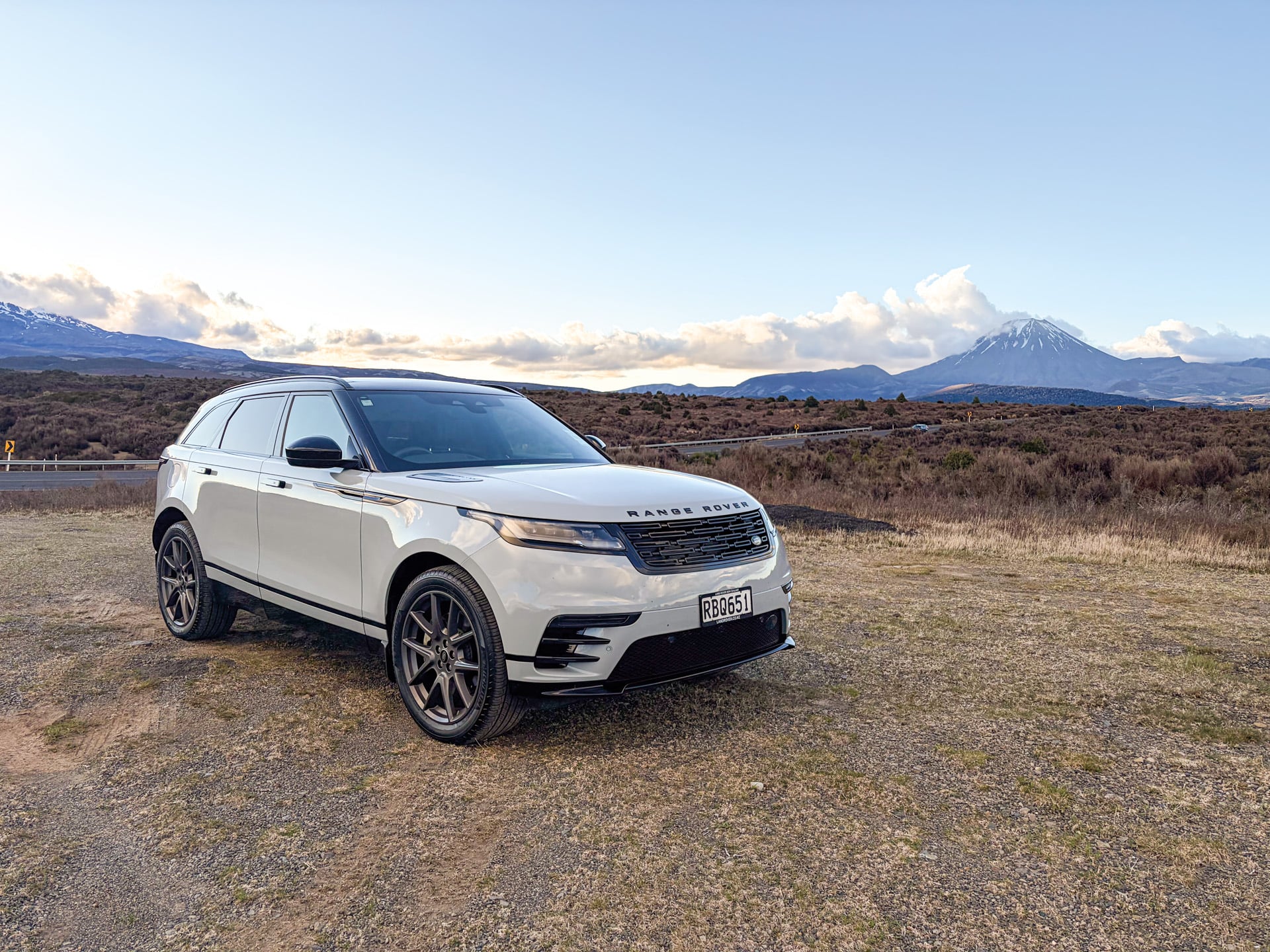
Range Rover Evoque and Velar to be axed as brand moves more upmarket
Words: Kyle Cassidy
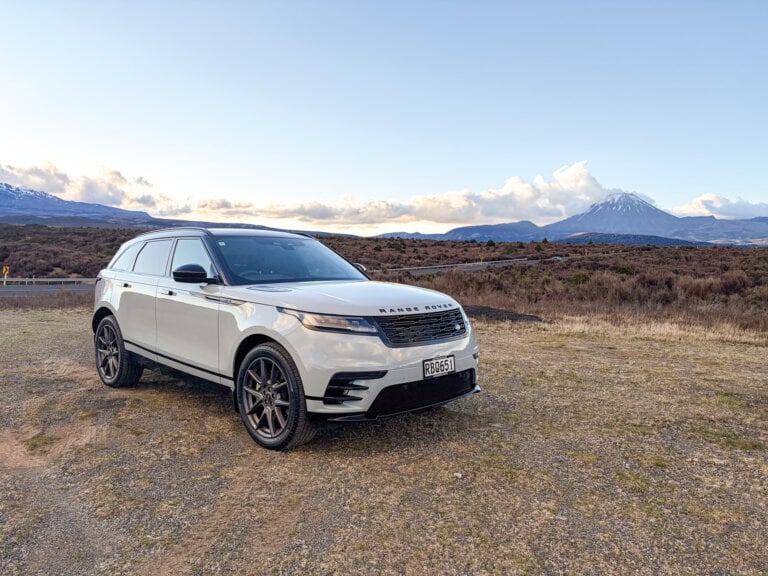
Range Rover is preparing to drop the Evoque and Velar without direct replacements, leaving a smaller, more expensive line-up centred on its flagship SUV, Range Rover Sport and upcoming GT.
Range Rover boss Martin Limpert told British publication Autocar that both outgoing models will remain in production throughout 2027, but neither has a successor under development. Production is expected to end later this decade.
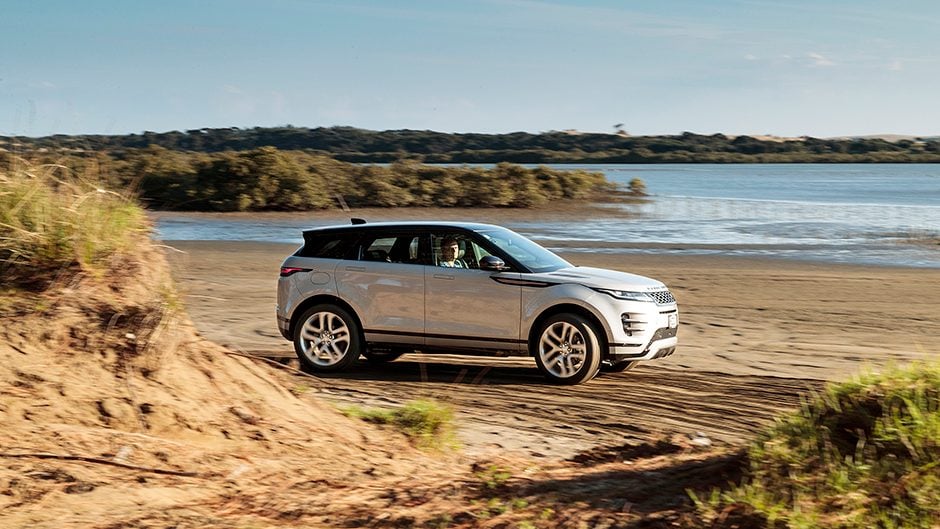
The decision reflects JLR’s move to establish Range Rover, Defender and Discovery as separate brands. With Range Rover concentrating on luxury buyers, smaller and more affordable models will increasingly become the responsibility of Defender and Discovery.
That includes the forthcoming Defender Sport, which will share its electric-first EMA architecture and Halewood production line with the Range Rover GT.
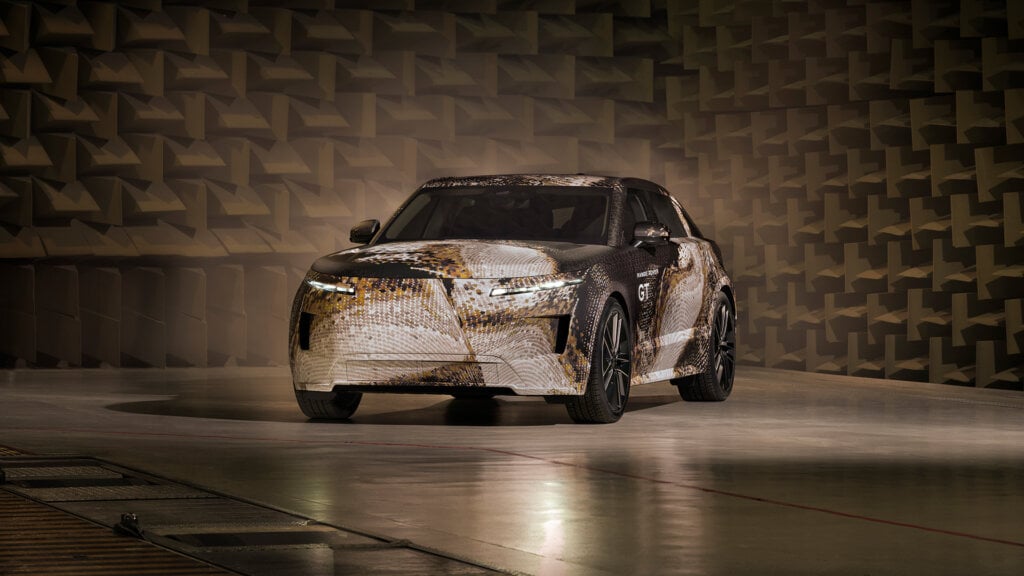
The GT is scheduled for launch at the start of 2027. It will take a more road-focused, saloon-style approach than existing Range Rovers, while retaining the off-road capability associated with the name.
Autocar reports an expected British starting price of around £100,000 for the electric version. Hybrids are due to follow, potentially bringing the entry price closer to £90,000 and placing the GT alongside the Range Rover Sport.
Limpert stressed that the GT was conceived as a new offering rather than a Velar replacement. More than 80 per cent of interest has reportedly come from customers outside JLR’s existing brands, with retailers and investors responding positively to its positioning.
Halewood is undergoing a £500 million redevelopment for electric vehicle production. Discovery Sport production is due to finish in December to make room for the GT, while the Evoque is likely to depart before the Defender Sport arrives around a year later.
The change marks a departure from the volume ambitions the Evoque helped inspire. It exceeded 100,000 annual sales several times during the mid-2010s, whereas JLR’s total sales last year were just over 400,000. The focus has shifted towards vehicles offering greater profit potential.
Elsewhere, Limpert said there was no immediate need for a facelift of the Range Rover or Range Rover Sport, despite both approaching five years on sale. Customers wanted the new electric versions to retain the appearance of their combustion-powered counterparts.
Subtle updates will continue, although future changes could create more visual separation between the two models.
Diesel will remain available, and the Land Rover badge will continue on future Range Rovers as a marker of off-road capability.
JLR also expects a quicker succession of new electric models now that its EMA, MLA and Jaguar-specific JEA platforms have been developed. Engineering director Matt Becker said the differing demands of Jaguar and Range Rover ruled out extensive component sharing.