View all
12 more images
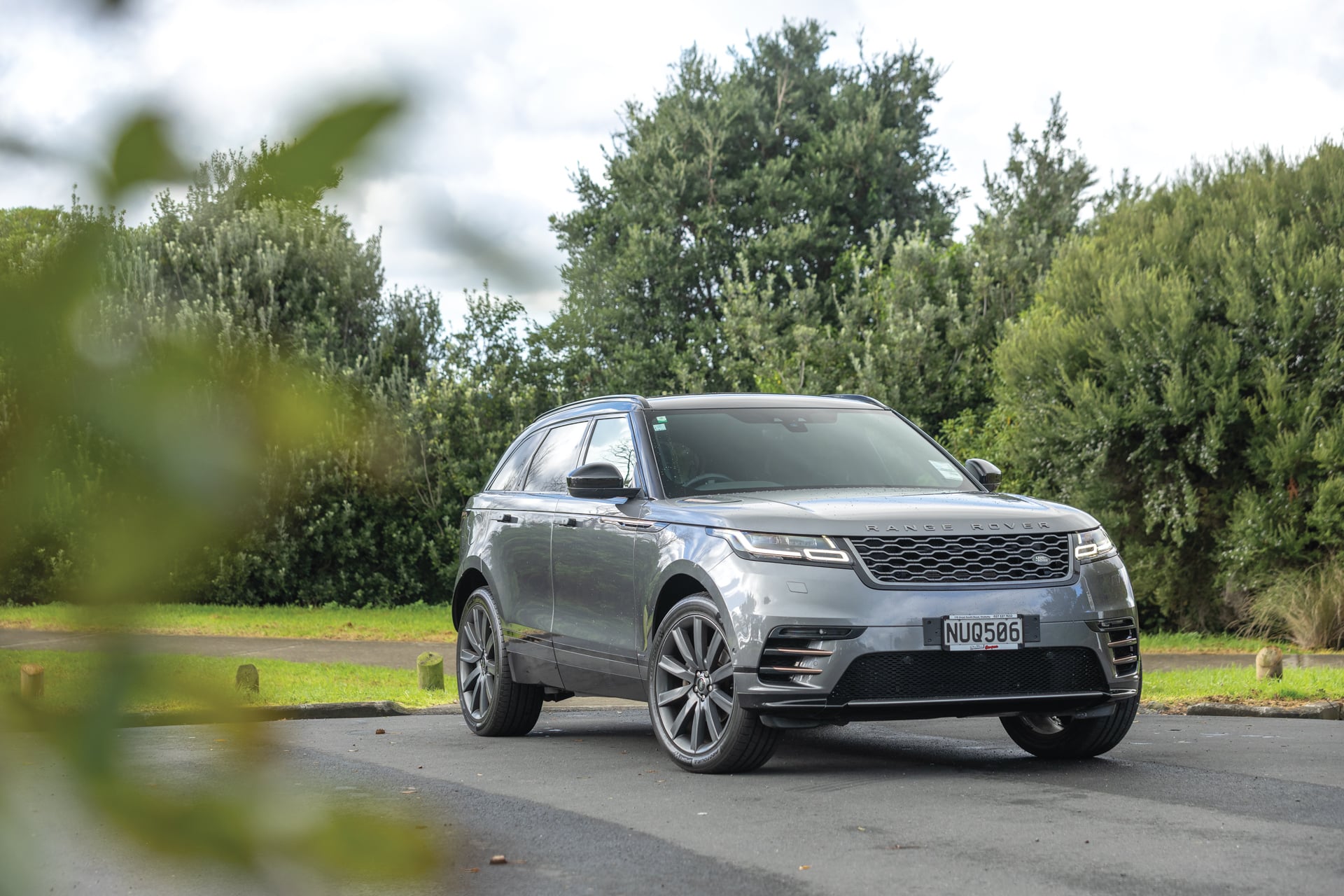
2017-2020 Range Rover Velar – ReView
Words: Richard Edwards | Photos: Alex Schultz
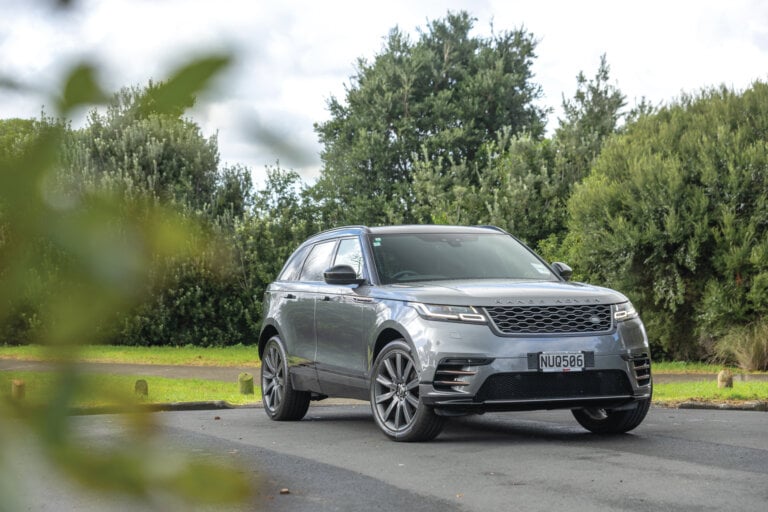
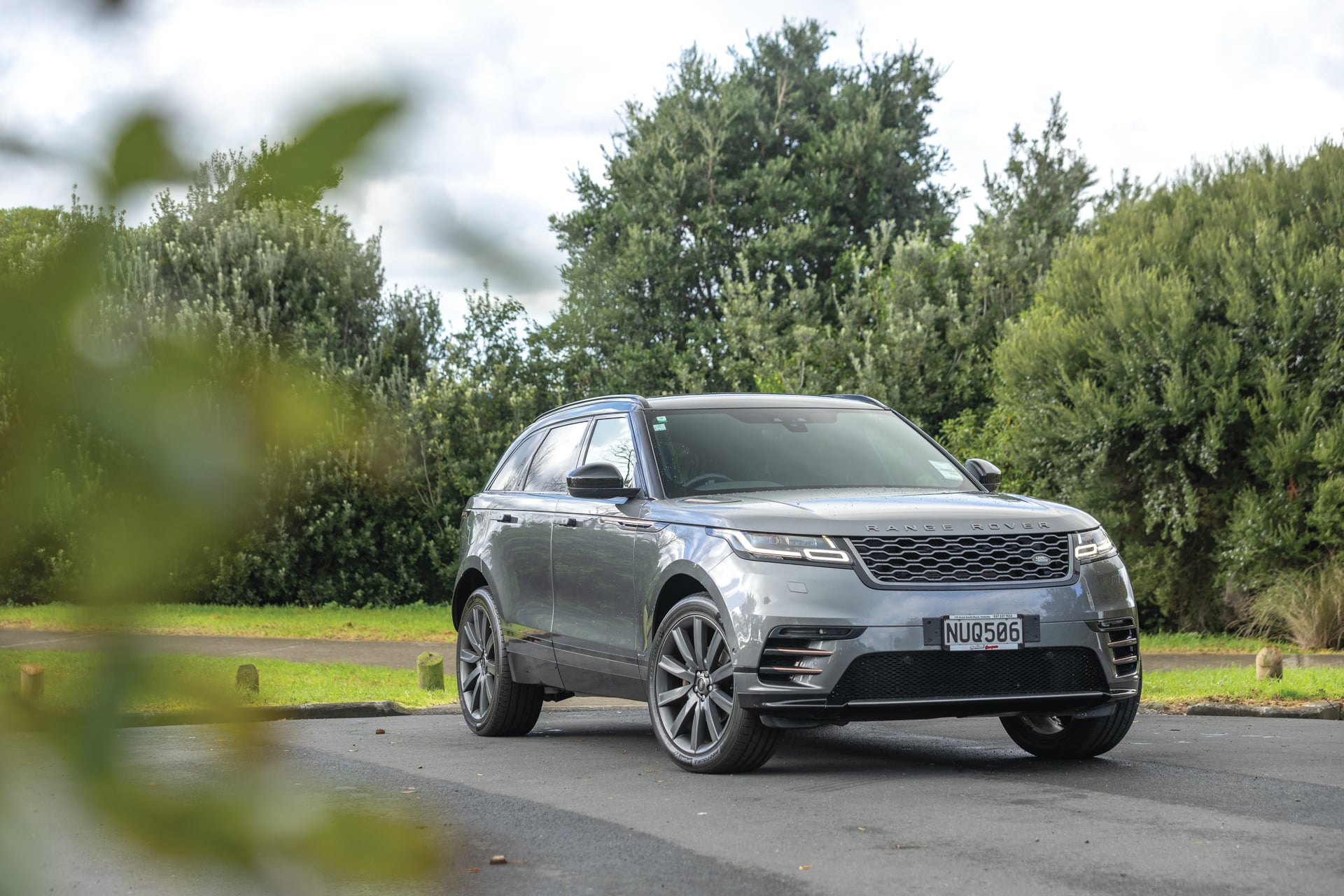
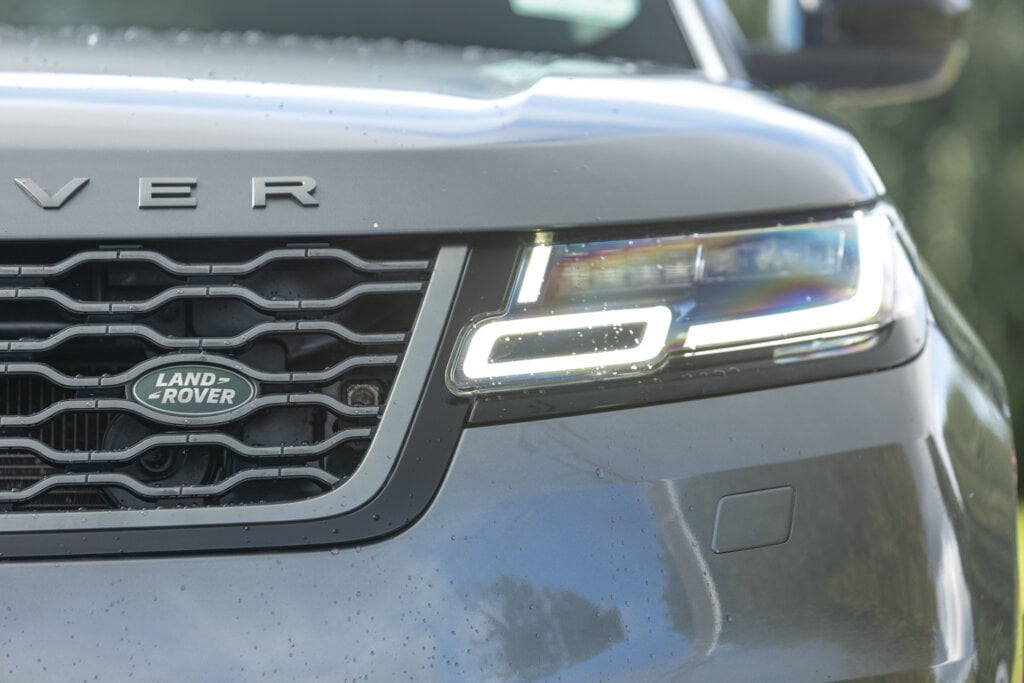
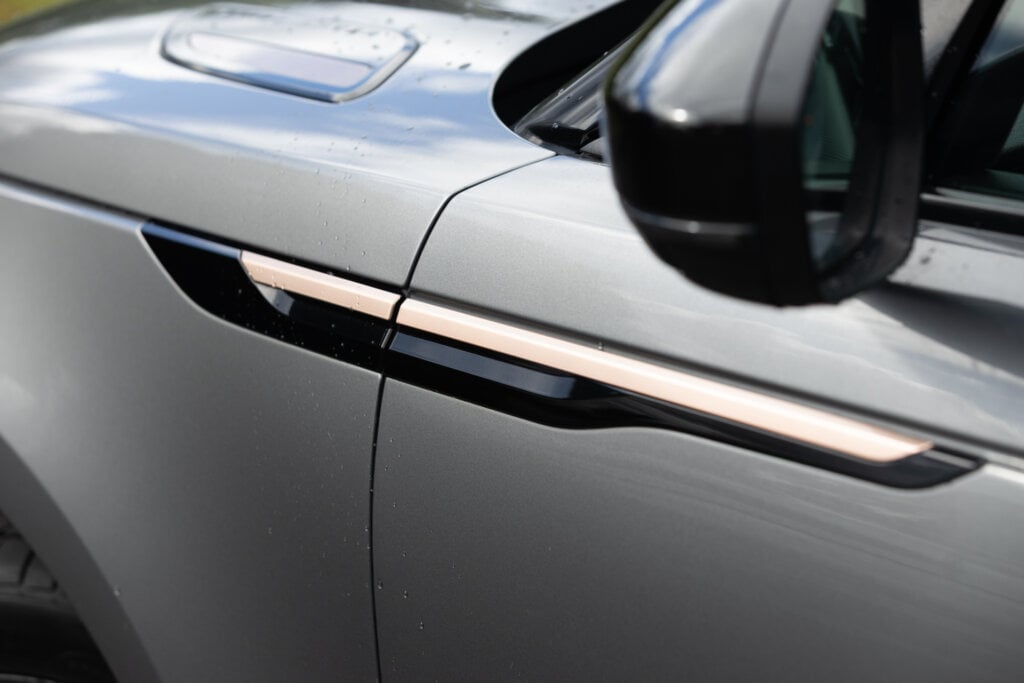
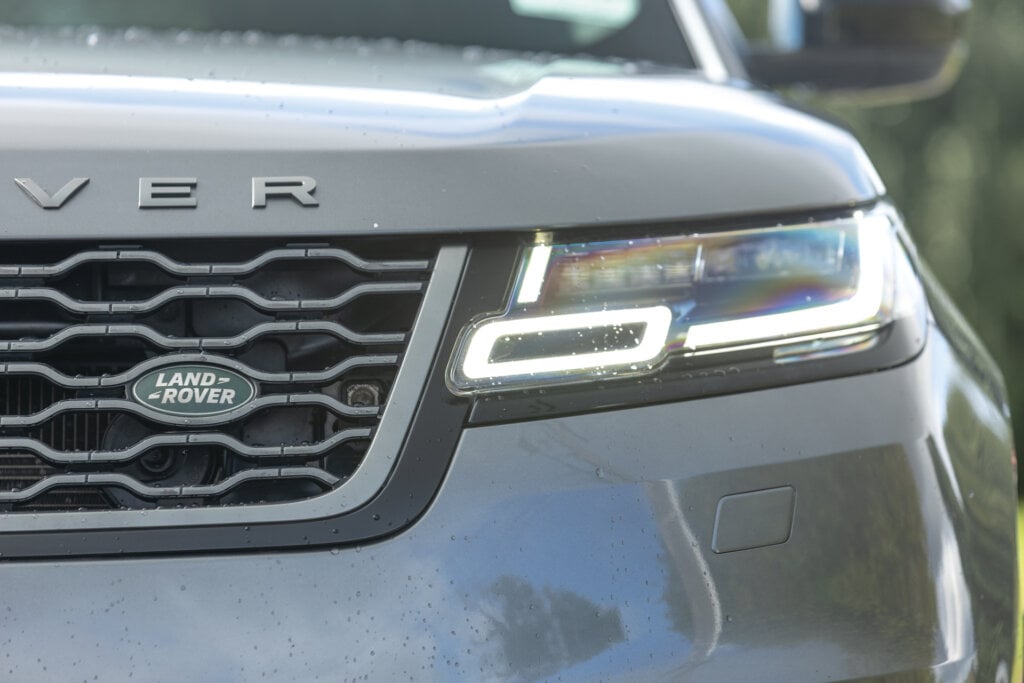
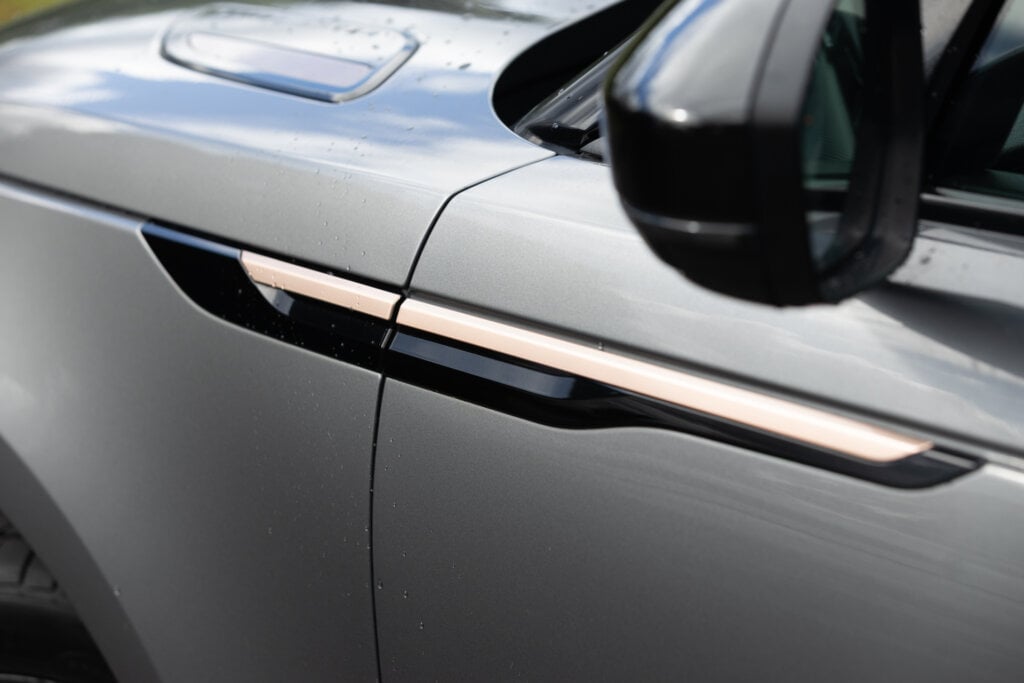
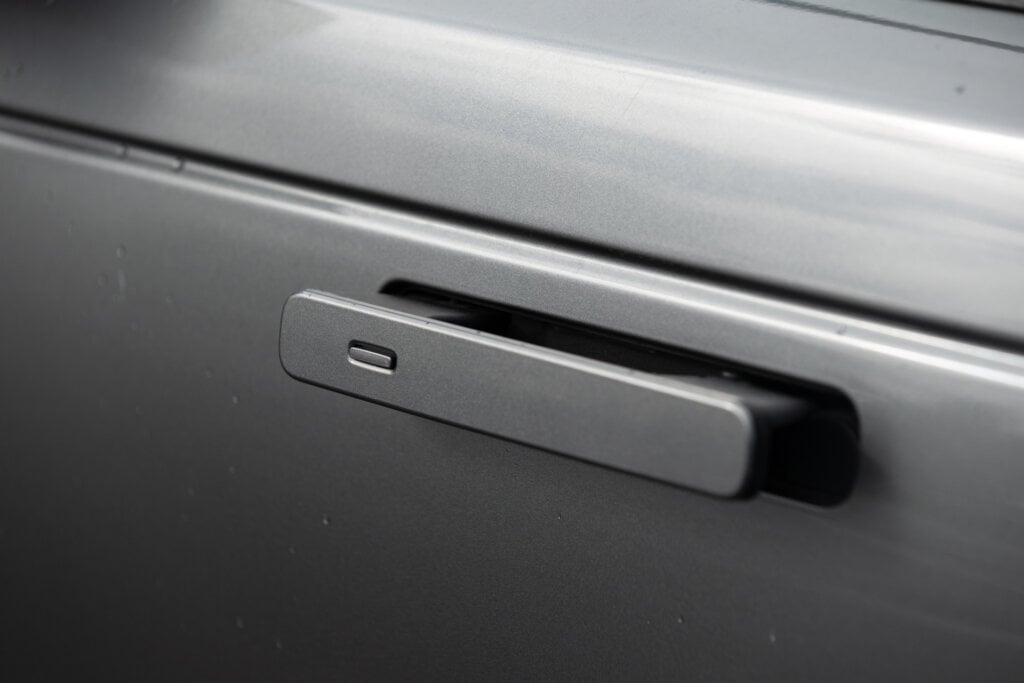
The Velar arrived in New Zealand in late 2017 to fill a gap between the Evoque and the Range Rover Sport that Land Rover had decided existed. It sold on looks. The pop-out door handles, low roof and twin-screen cabin were new for the brand and the design won a World Car award in 2018.
Cars that cost $110,000 to $150,000 new are now listed at $35,000 to $50,000, and UK imports have joined the NZ-new stock. The two groups are quite different cars underneath, which matters more here than with most used Range Rovers.
What was sold here
Launch cars were the 3.0-litre V6s, the D300 twin-turbo diesel (221kW/700Nm) and the P380 supercharged petrol (280kW/450Nm), priced identically. The 2.0-litre Ingenium four-cylinders followed: the P250 petrol (184kW/365Nm) and D240 twin-turbo diesel (177kW/500Nm). Trims ran Velar, S, SE and HSE, with R-Dynamic styling packs adding $5000 on top. All are all-wheel drive with ZF eight-speed autos.
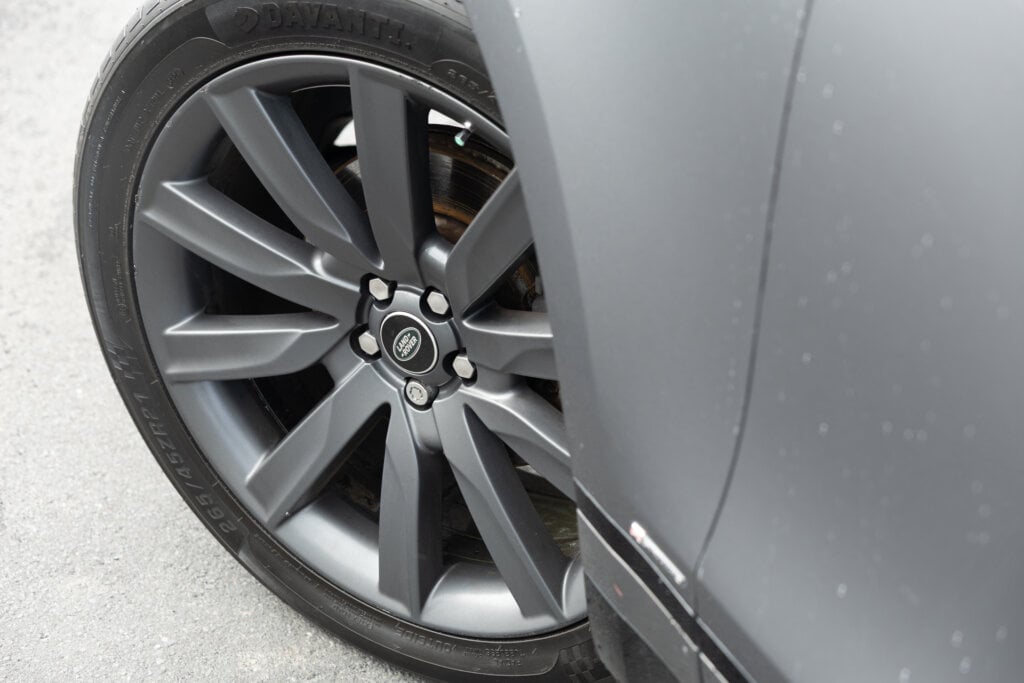
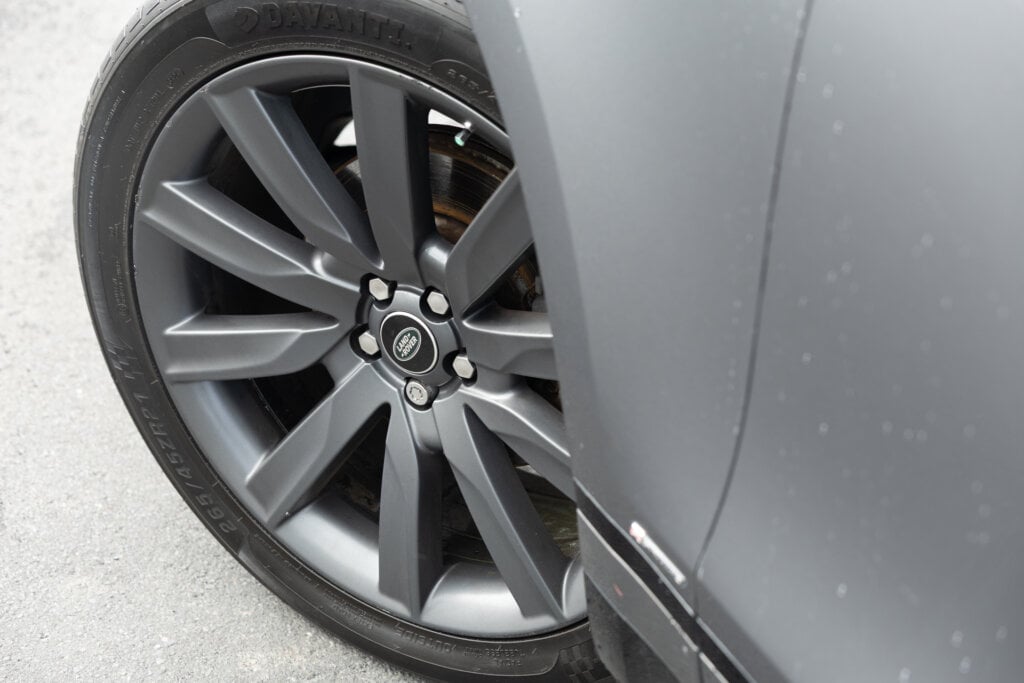
The UK’s big seller was the D180, a single-turbo 2.0 diesel with 132kW and 430Nm that was never sold new here. UK cars also tend to be lower spec. Many sit on coil springs rather than the air suspension NZ SE and HSE cars got as standard, with smaller wheels and fewer options.
We drove the D300 R-Dynamic SE in late 2017. “People will buy Velar for the look; most think it very smart indeed, and are equally impressed with the interior.”
Driving
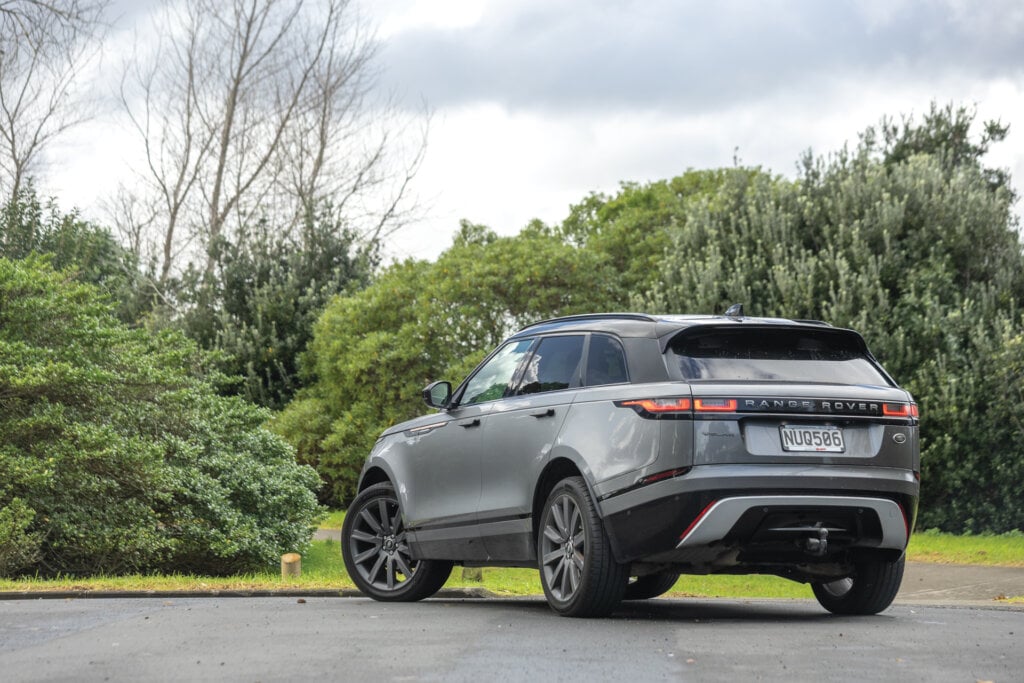
The V6 diesel is the pick. “The 3.0-litre diesel has a reasonable response from idle and by 1500rpm it is up and pumping, with huge pull through the mid-range,” we wrote at the time. On air springs it was “turning determinedly, holding on superbly yet riding with real grace.”
We found the P250 petrol “quite potent” and quiet, though the four-cylinder lacks the V6’s character and averaged around 10L/100km on test. The D180 has 132kW moving two tonnes, so it is adequate rather than quick. Our line about the Velar generally applies most to this one: “it’s for long straight roads where you just want a quiet relaxing drive.”
Interior and practicality
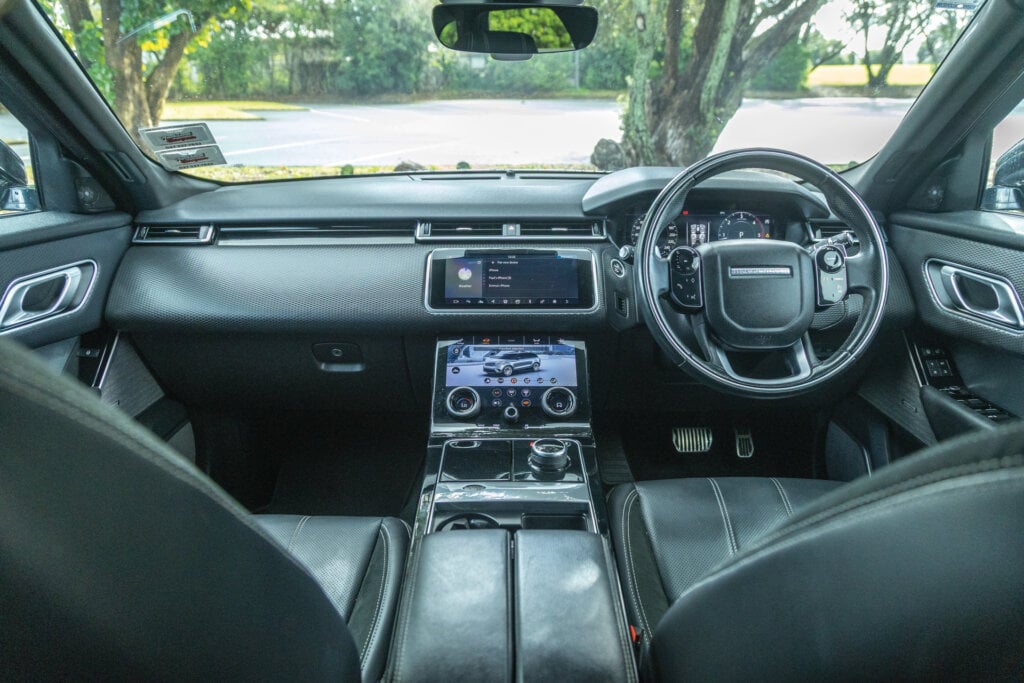
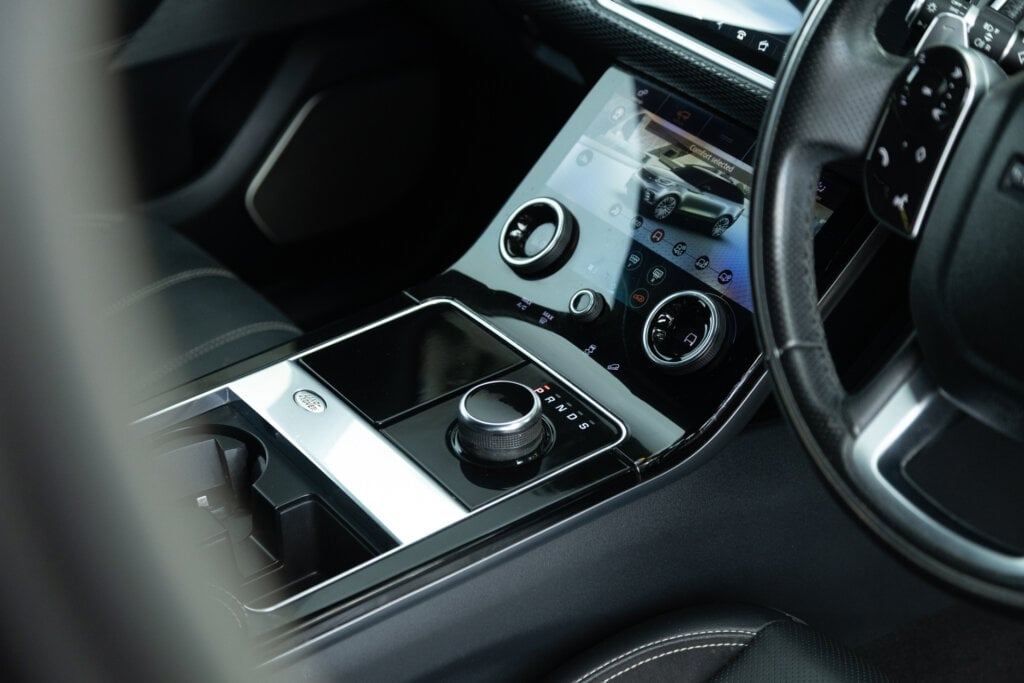
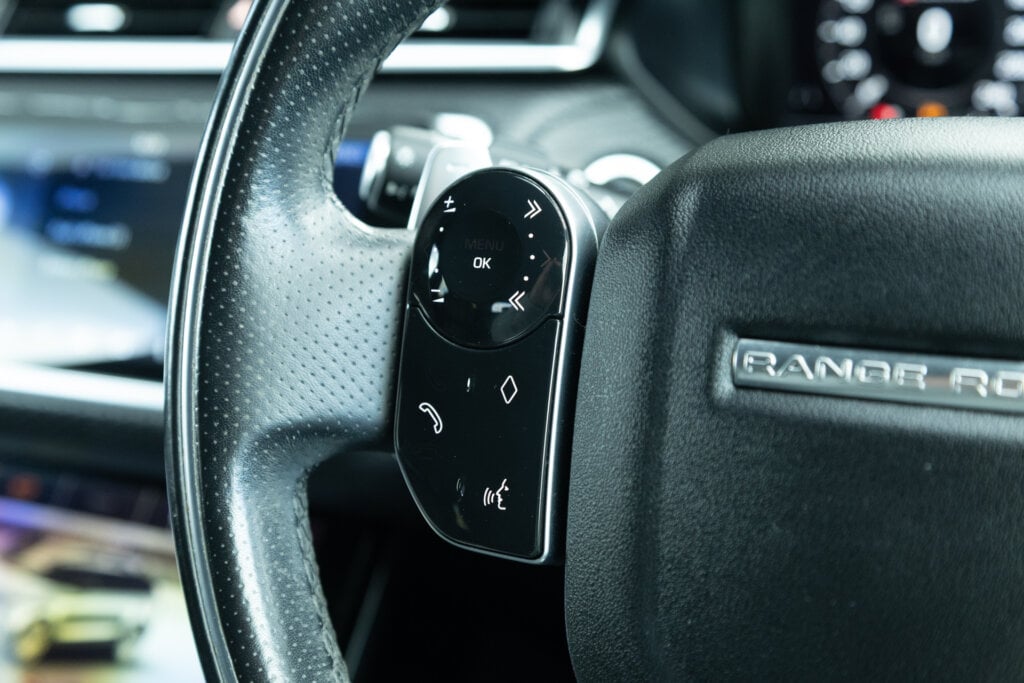
The Touch Pro Duo twin-screen setup still looks good, but we called it “a love-hate system” that needs “two or three taps” for basic jobs. The screens are also prone to freezes and slow boots, so test every function on a cold start.
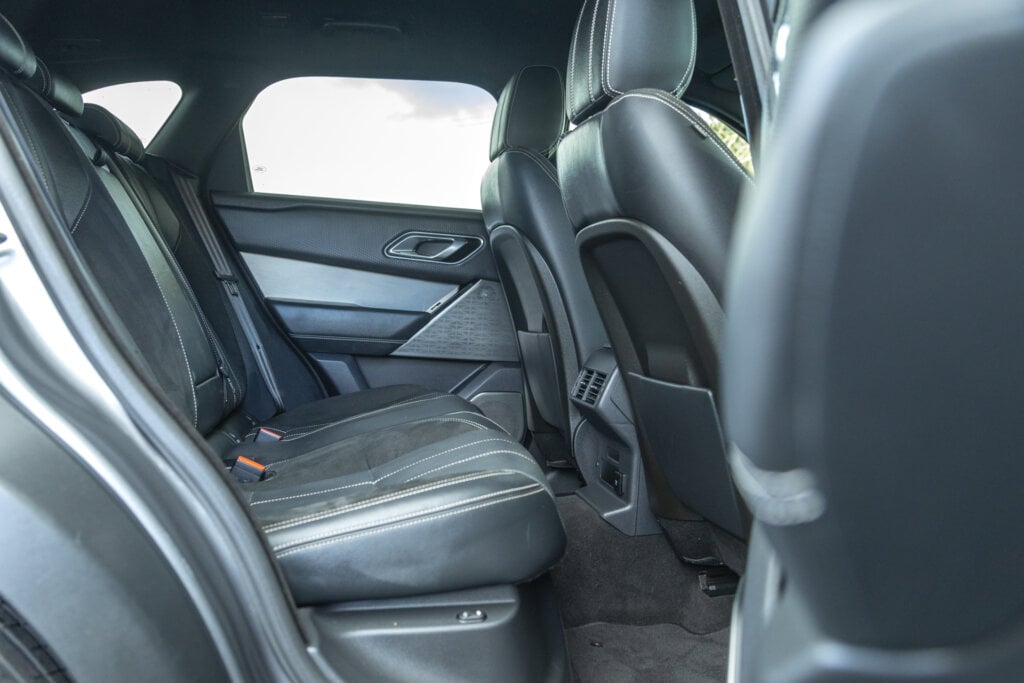
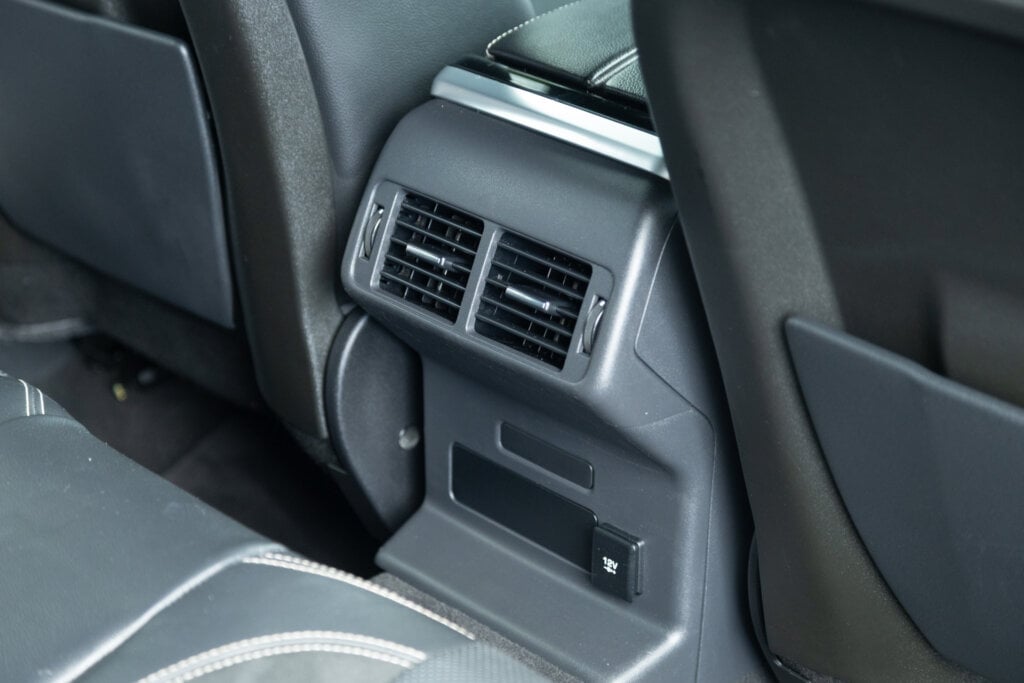
We noted “the interior is rather tight for what’s a substantially sized vehicle,” particularly rear headroom. The boot is a reasonable 558 litres but shallow, and rear visibility is poor.
Reliability and what to watch for
What Car? ranks the Velar mid-pack among family SUVs for reliability in its owner survey, with Land Rover 26th of 30 brands. Fifteen UK recalls have been issued over the model’s life.
The 2.0 Ingenium diesel needs the most attention. Early examples suffered timing chain stretch (listen for a rattle on cold start), oil dilution from interrupted DPF regenerations, and DPF blockages on cars that only did short trips. Check the oil level isn’t above the maximum mark, ask for evidence of regular oil changes, and take it for a proper motorway run.
2018 cars were recalled for fuel rail leaks and an HVAC linkage that could fog the windscreen, and later water pump pulley and turbo oil feed pipe recalls. A Land Rover dealer can check by VIN.
Electrical faults are common across all years including infotainment freezes, reversing camera faults, warning lights that come and go, and the pop-out door handles sticking in cold or dirty conditions. Air suspension compressors and height sensors on air-sprung cars are a known cost once past 100,000km.
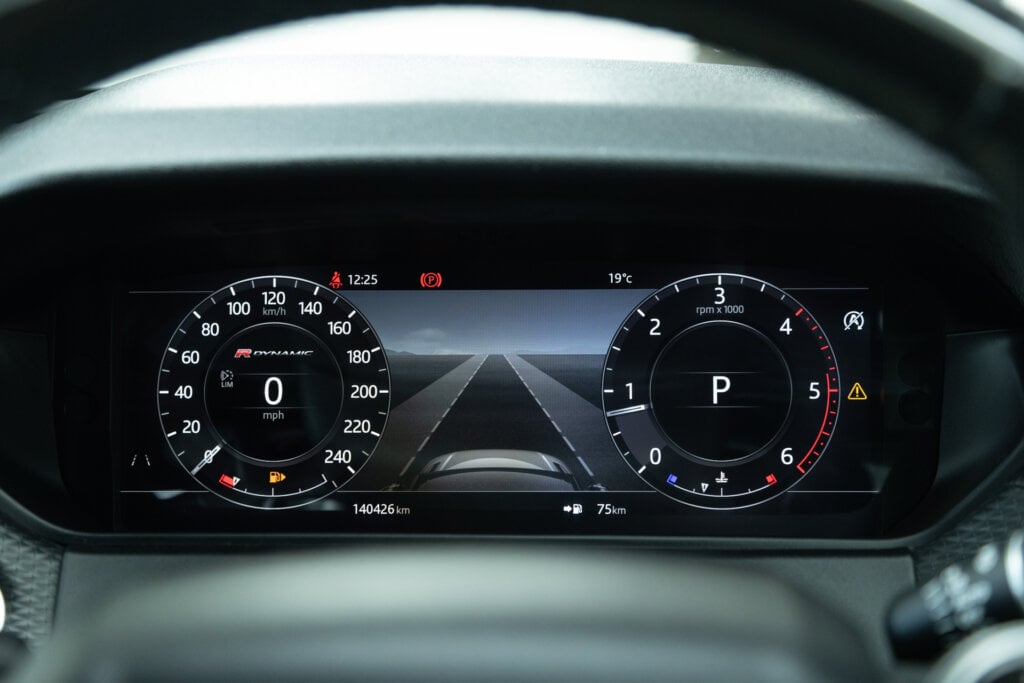
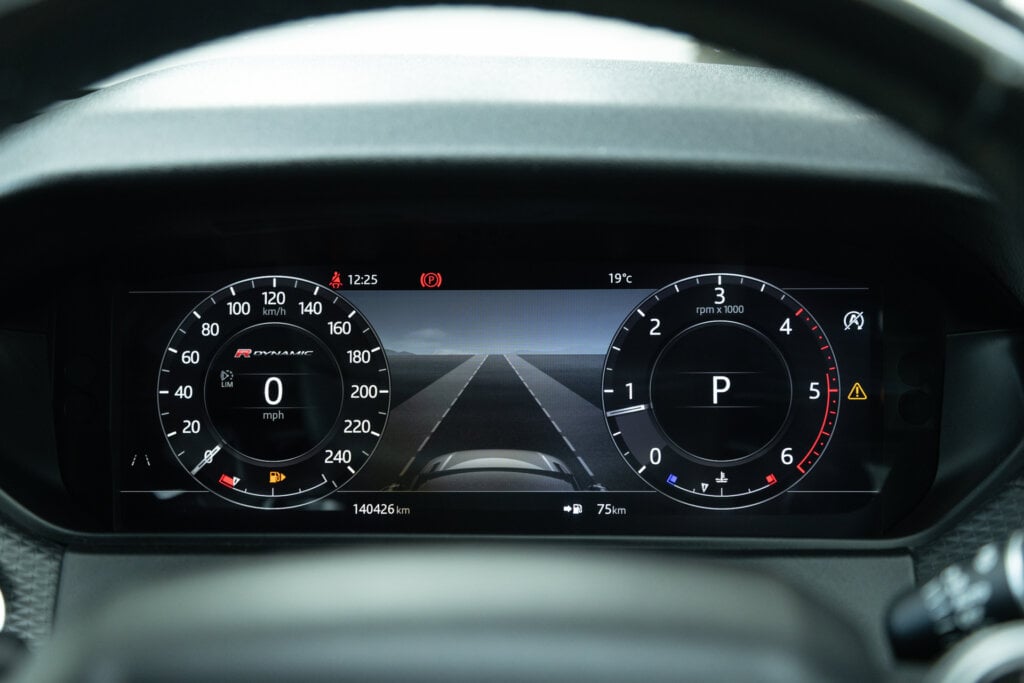
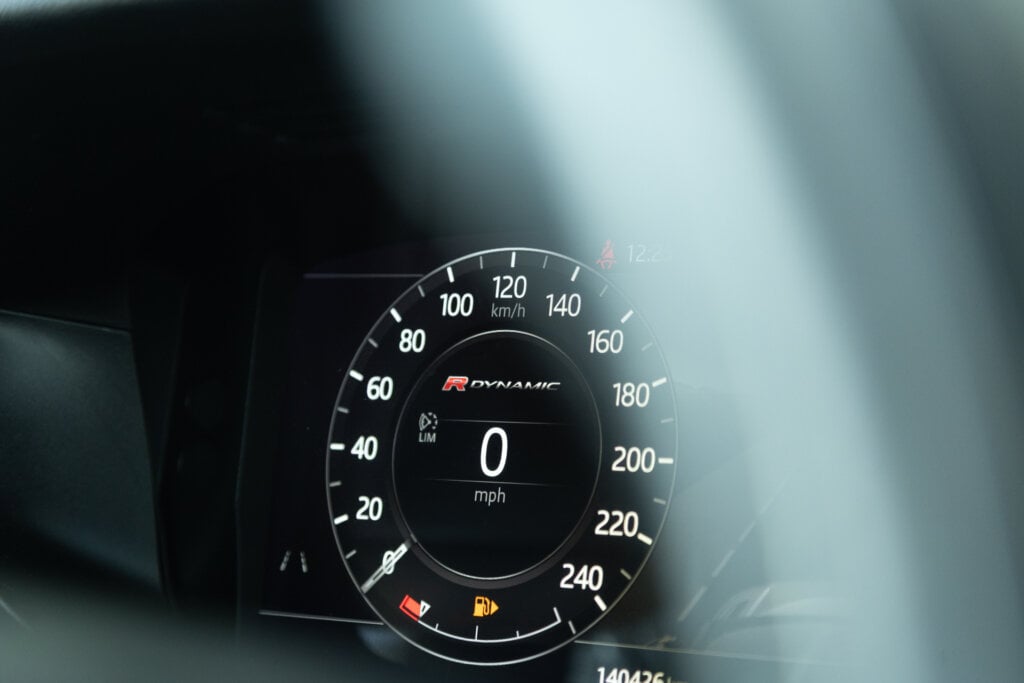
For UK imports, buyers should pull the free MoT history off the UK government website using the old registration, which shows mileage at every test and advisories. Look underneath for salt corrosion on subframes and brake lines. Confirm the compliance shop converted the instrument cluster to km/h properly, and don’t expect the InControl connected services to work.
NZ-new cars should come with a Land Rover NZ dealer service history, which is worth paying extra for.
Pricing
AutoTrader listings in October 2026:
2017 SD6/D300 R-Dynamic HSE, 87,000 to 100,000km: $40,000 to $45,000
2018 P250 R-Dynamic S, 80,000km: $44,000
2018 P250 R-Dynamic SE, 126,000km: $50,000
2018 P380 R-Dynamic SE, 99,000km: $50,000
2018 2.0 diesel UK import, 109,000 to 119,000km: $35,000 to $45,000
2019 D240 R-Dynamic SE, 77,000km: $45,000
2021 D300 R-Dynamic SE, 134,000km: $50,000
A low-spec UK D180 and an NZ-new V6 HSE can be $10,000 apart at similar mileage.
Verdict
The sweet spot is an NZ-new D300 or D240 SE on air suspension with a full dealer history, in the $42,000 to $48,000 range. The V6 diesel is the better car to drive and the four-cylinder diesel’s known issues mostly show up on neglected examples.
A UK D180 at $35,000 can be a good buy with a clean MoT history, proof of oil changes and money set aside for the infotainment or a door handle. Pay for a Land Rover specialist inspection either way.
Thanks to Auckland European. Find more of their cars at www.aucklandeuropean.co.nz
Search for a used Range Rover Velar on autotrader here