View all
9 more images
2026 Polestar 5 Performance Review
Words: Kyle Cassidy | Photos: Alex Schultz
Polestar enters the upper echelons of the performance saloon segment with its all-electric 5. It looks the part, but does it have the substance to back it up?
The 5 is Polestar’s new flagship, a big, fast electric saloon with performance credentials as eye-opening as its price. It looks sensational too, but selling a big battery-powered four-door in New Zealand has so far proved to be hard work. There are a few alternatives out there, yet buyers still find plenty of reasons to stick with an SUV or a big car with a rowdy combustion engine. Polestar is an all-electric brand, so it’s batteries or bust.
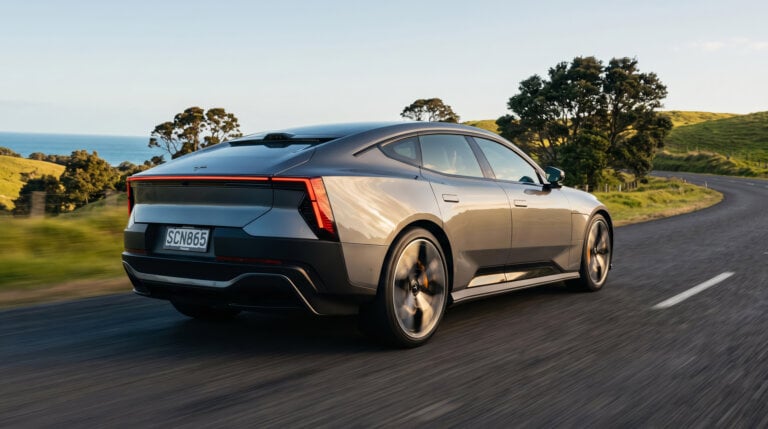
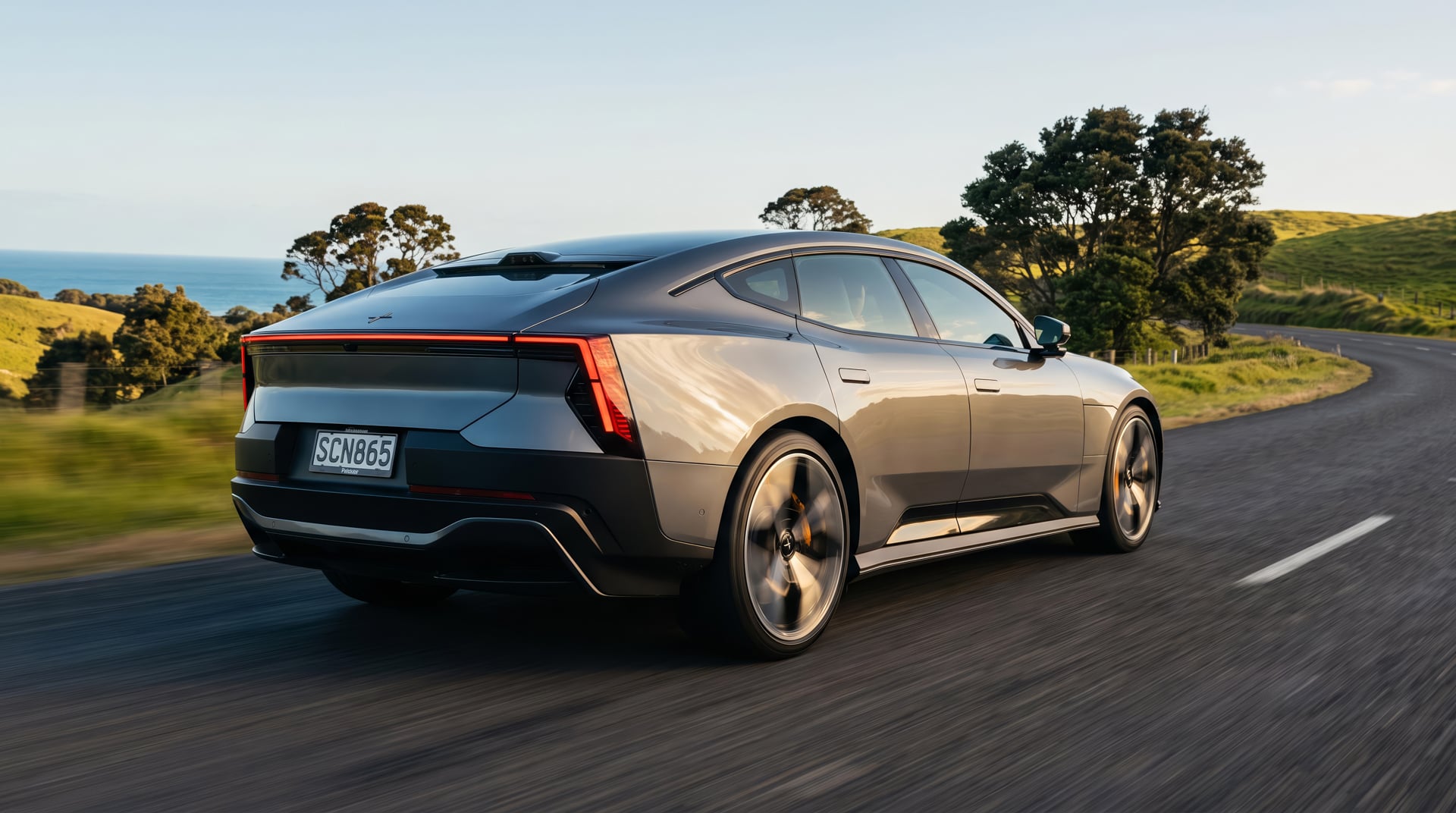
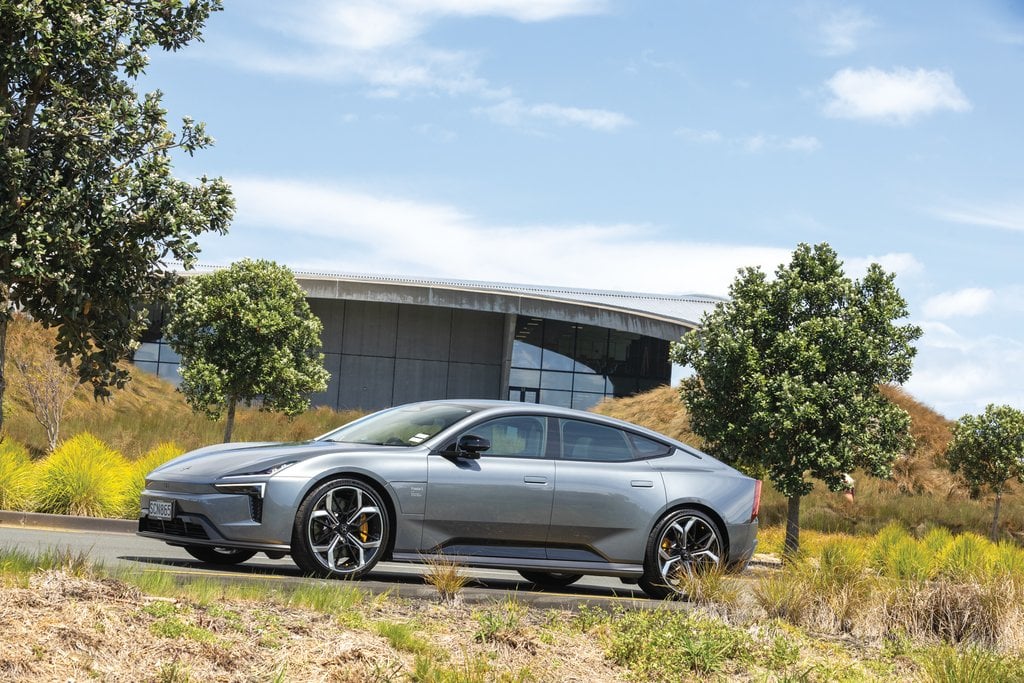
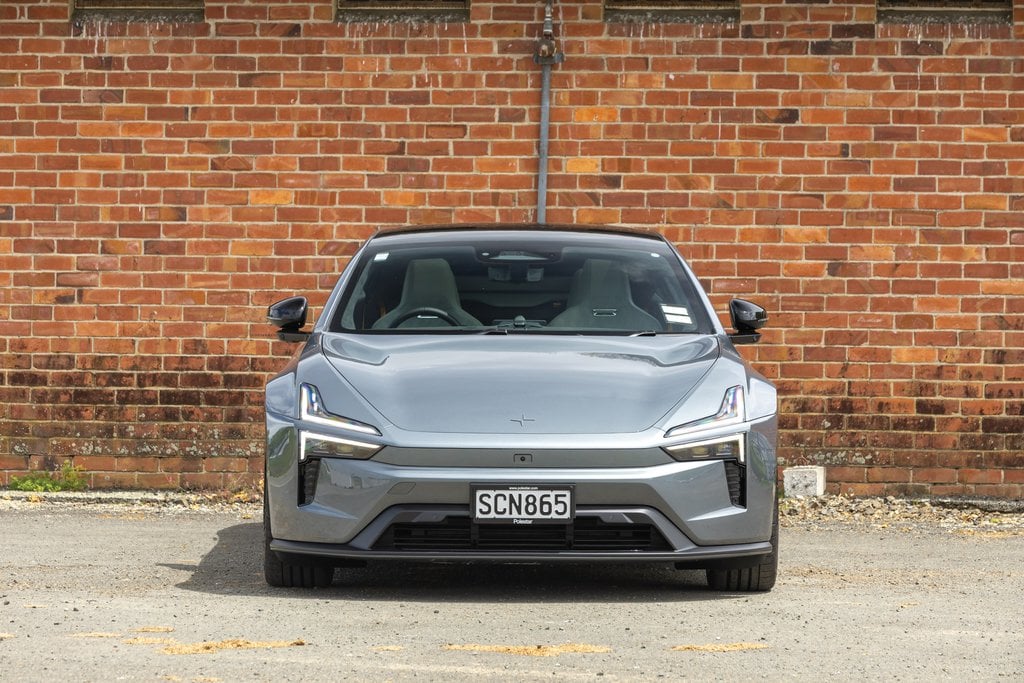
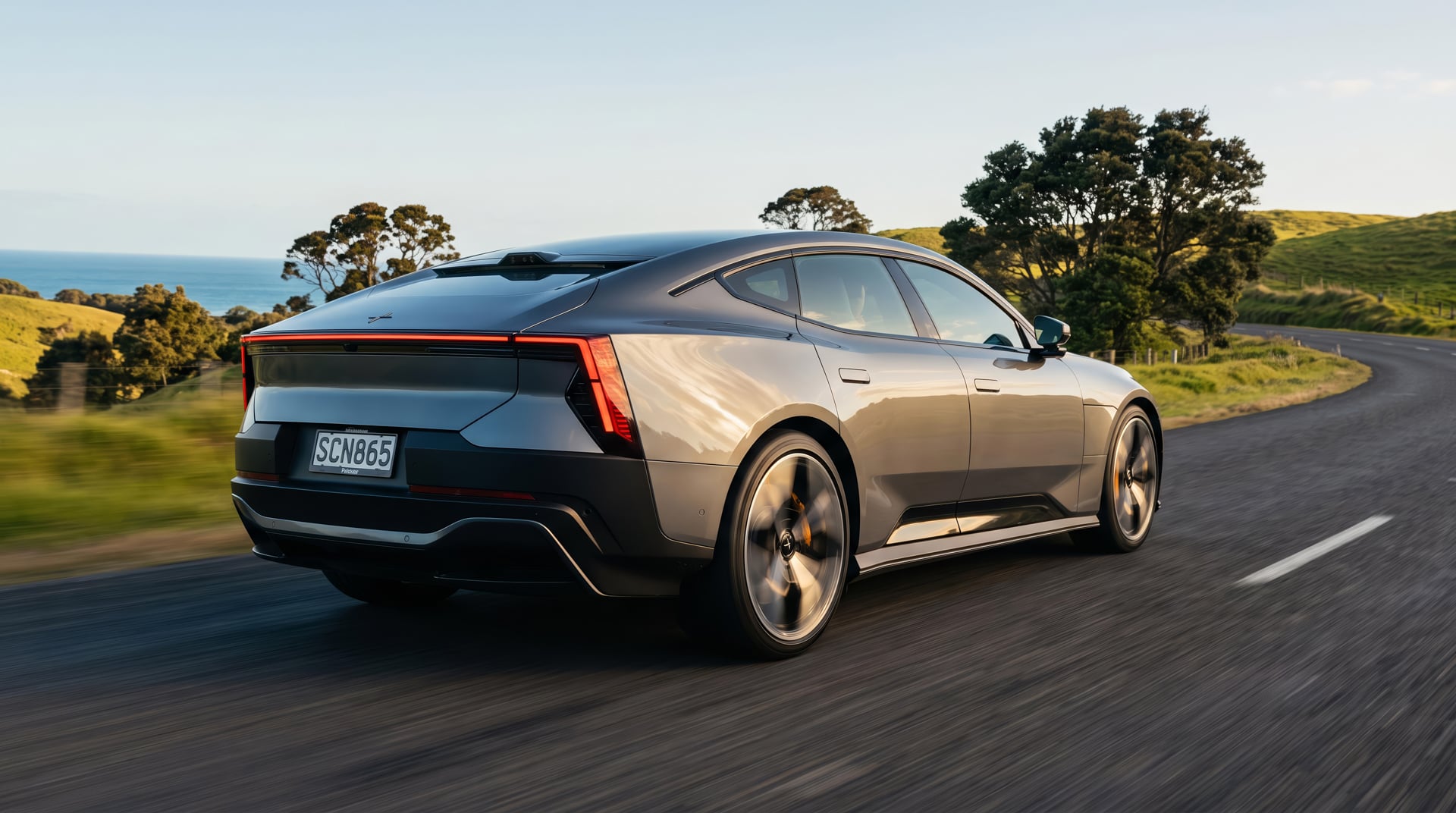
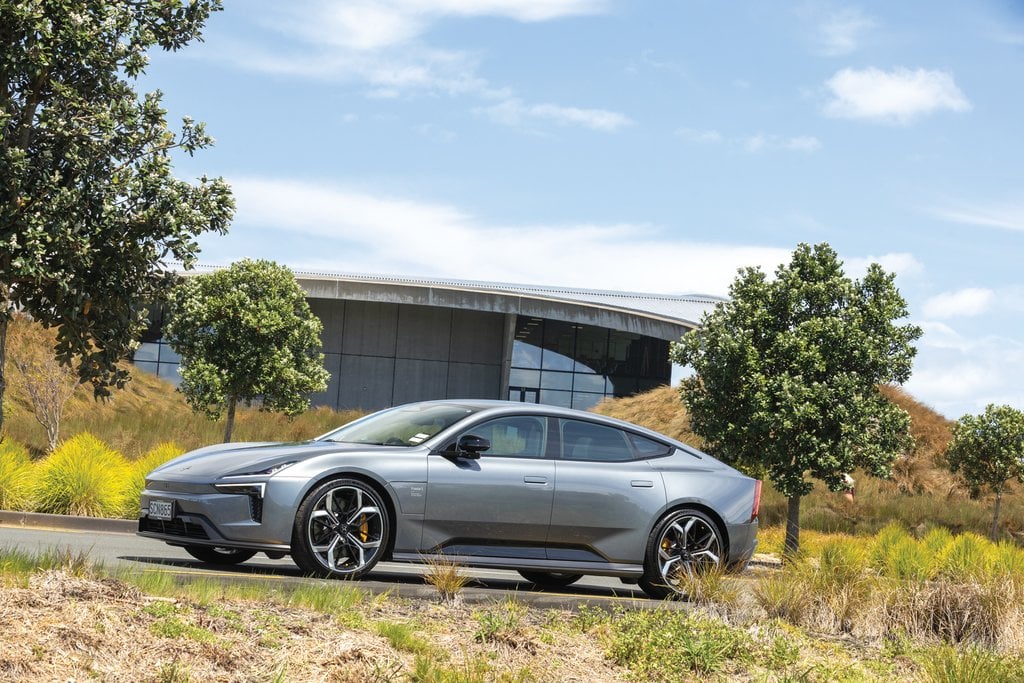
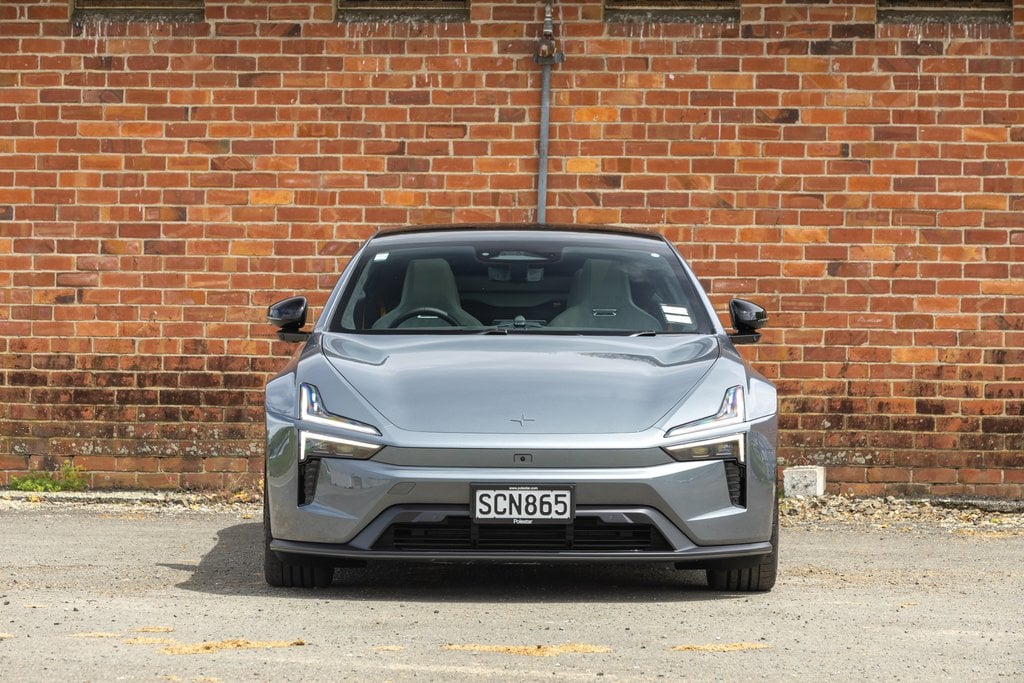
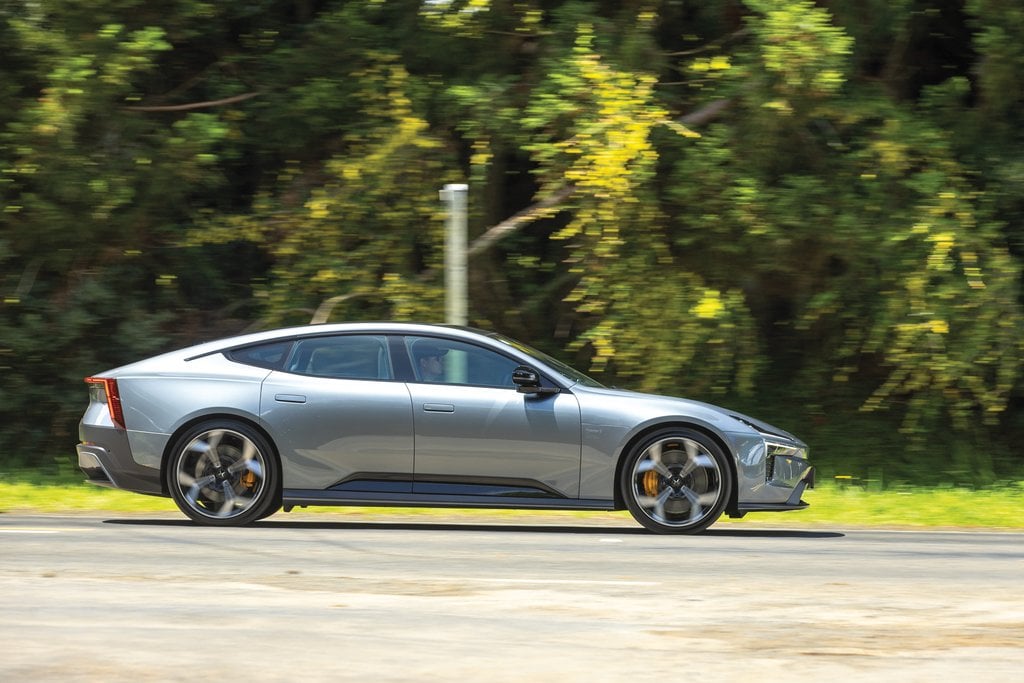
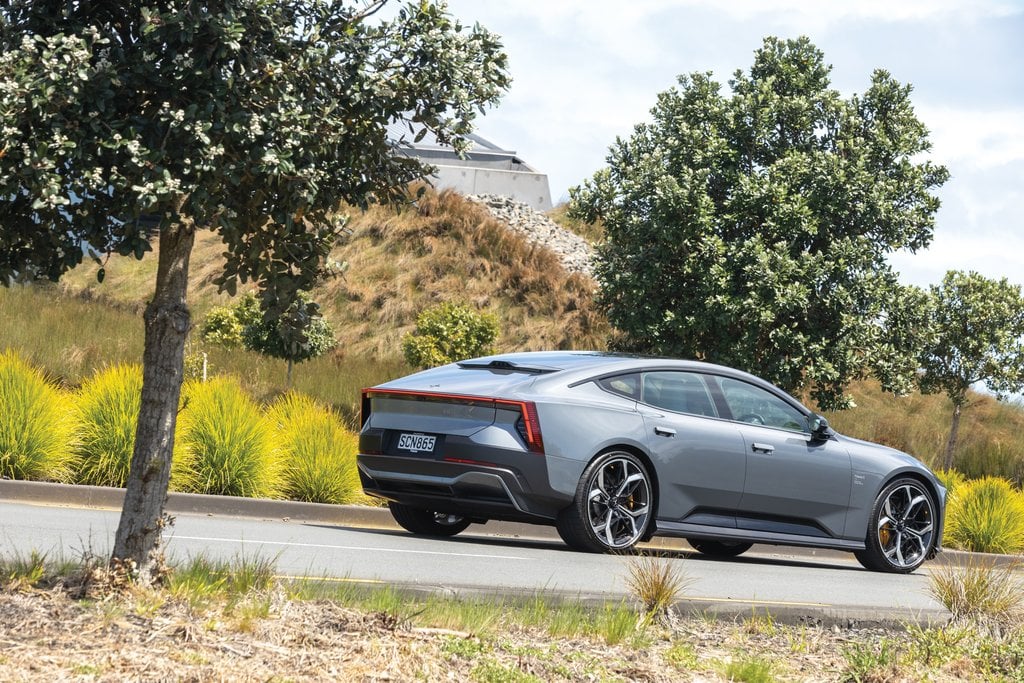
The 5 is therefore fishing in a small pond of prospects. Our Performance model carried an as-tested price of $292,900, putting it into rarefied territory. It certainly makes the right first impression. Long, low and lean, the proportions look ready for action. It channels some of that eighties supercar wedginess that just looks right.
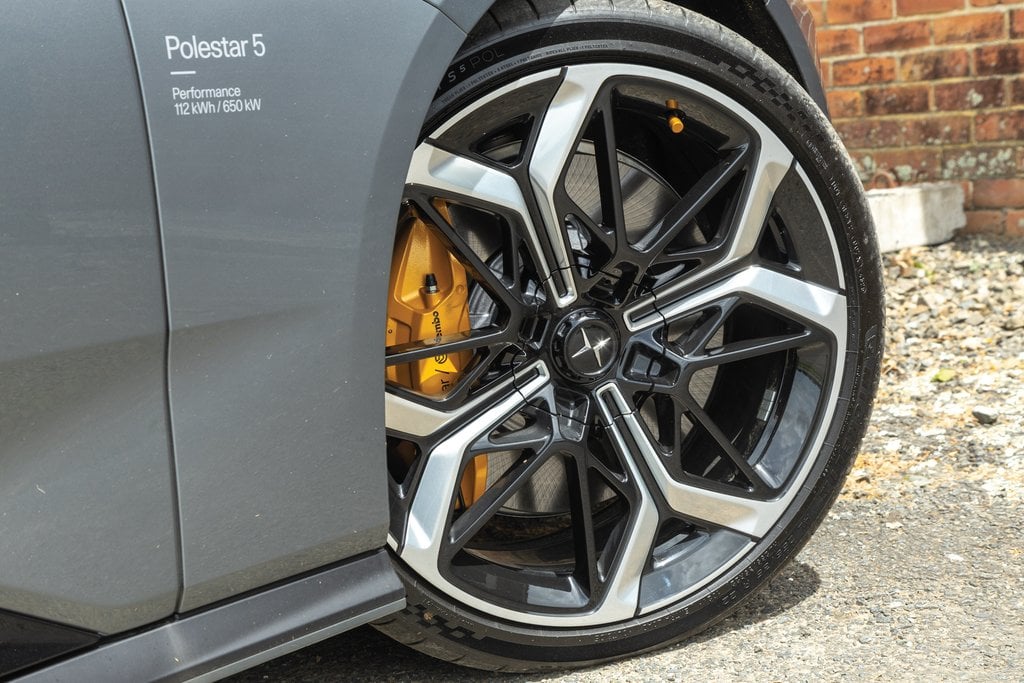
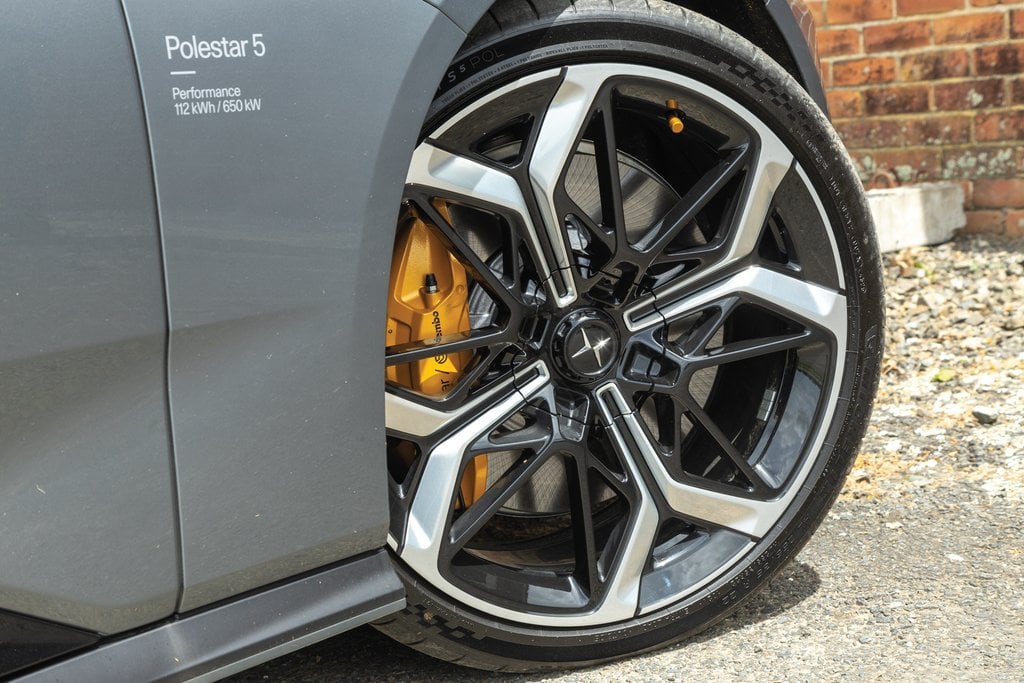
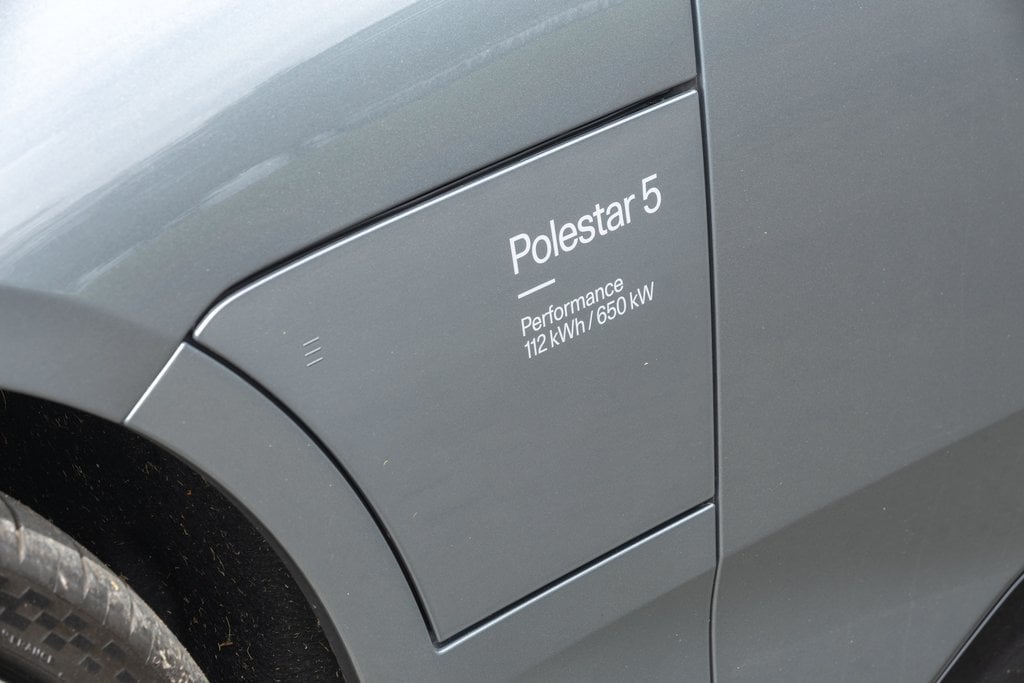
The lettering on its flanks reminds you that this is the Performance, with a 112kWh battery and 650kW. HSV used to advertise its numbers too, although 474kW was where it ended. And the Polestar does it without burning any hydrocarbons. So there is no shortage of power, but how does it all come together?
Big numbers
New Zealand buyers have two models to consider. The local configurator lists the Dual motor at $239,900 and the Performance at $269,900. That puts it up against the Taycan 4S, with a mere 440kW, while another fast electric alternative is the Lotus Emeya, sporting 675kW.
The Dual motor model produces 550kW and 812Nm, reaches 100km/h in a claimed 3.9 seconds and has a quoted WLTP range target of 678km. The Performance raises output to 650kW and torque to 1015Nm. Yes, this has a four-figure torque count. The sprint drops to 3.2 seconds, while the current WLTP range target falls to 558km. Both are limited to 250km/h if you’re keen. The faster model adds MagneRide adaptive dampers in place of the Dual motor’s passive suspension, with 21-inch Performance wheels rather than 20-inch Aeros.
The battery is a substantial 112kWh NMC unit, and the electrical architecture runs at 800 volts. Peak DC charging is 350kW, with Polestar quoting 22 minutes for 10–80 per cent with a preconditioned battery and an appropriate charger. AC charging tops out at 11kW, with a full charge taking approximately 11 hours.
While it isn’t the fastest-charging car in town, it has the capability to support its grand-touring brief, provided the right charger is available and operating at its potential.
Launch Editions include the Pilot and Climate packs plus a head-up display. The Performance also gains Swedish gold detailing and MicroSuede headlining. Leather, alternative paint finishes and larger wheels provide further opportunities to exercise the wallet.
Underneath is Polestar’s own bonded aluminium architecture, developed specifically for this car. It is a serious investment in the low-slung GT idea, although the finished machine still weighs around 2500kg. At 5087mm long, with a 3054mm wheelbase, it has the dimensions of a substantial luxury machine.
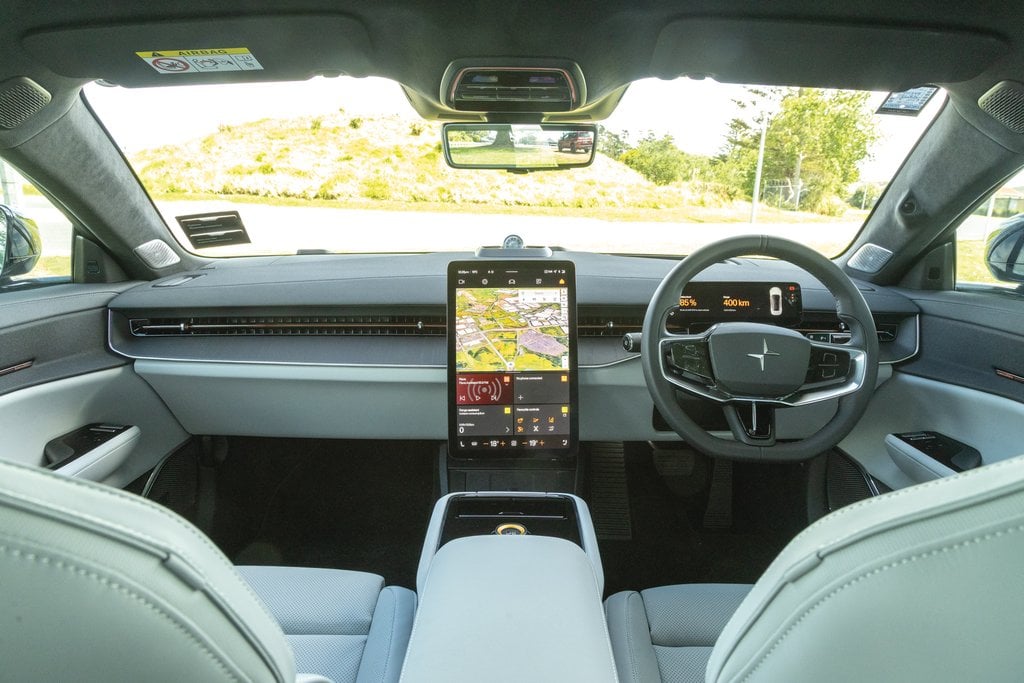
A room with a view
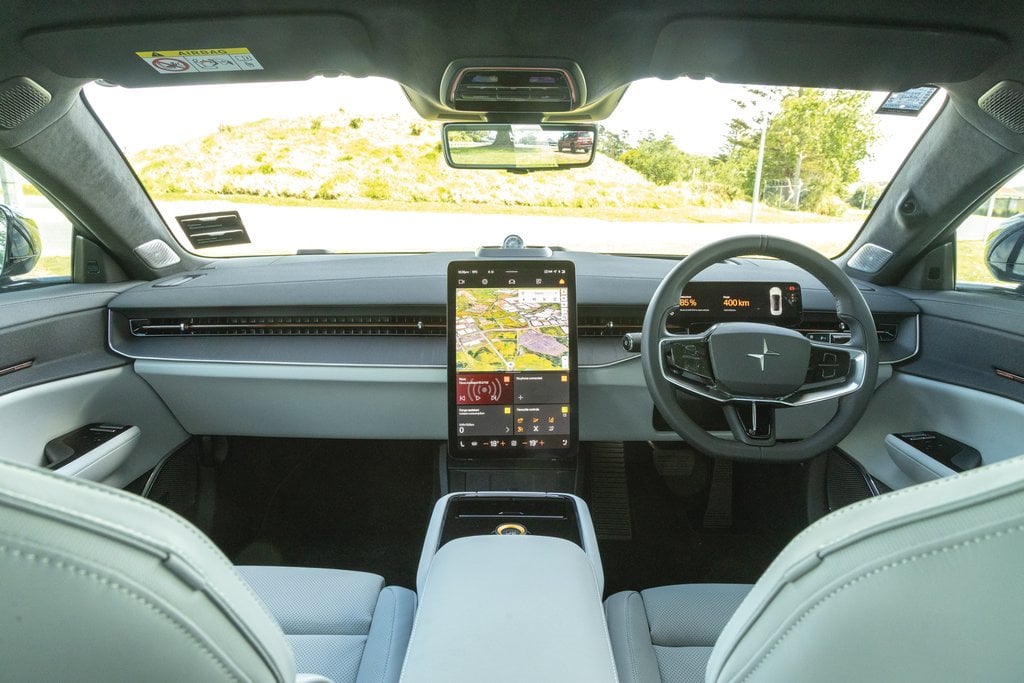
While not as impressive as the outside, the cabin is a unique space. The mix of textiles and other trim finishes feels contemporary, and the pale upholstery looks particularly good. Whether it remains so inviting after years of everyday use is another question.
Some shiny black plastic on the centre console reflects more than we’d like. Above it, the enormous panoramic roof gives the cabin an airy feel, but there is no blind or switchable opaque setting to block the glare. Some suitably poncy designer sunglasses are a must under New Zealand’s harsh rays.
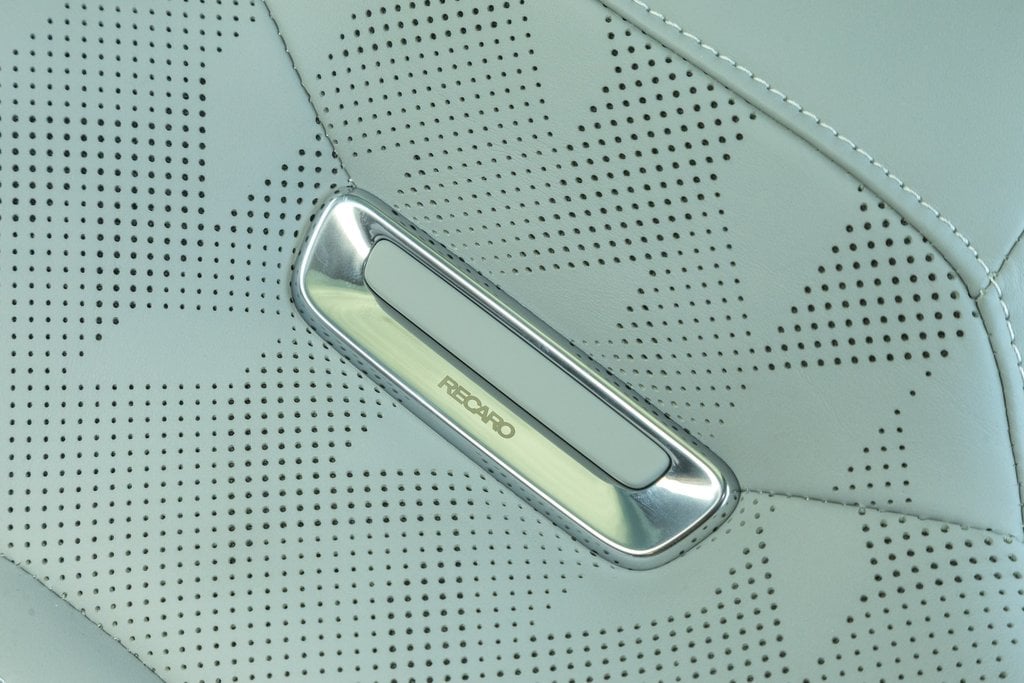
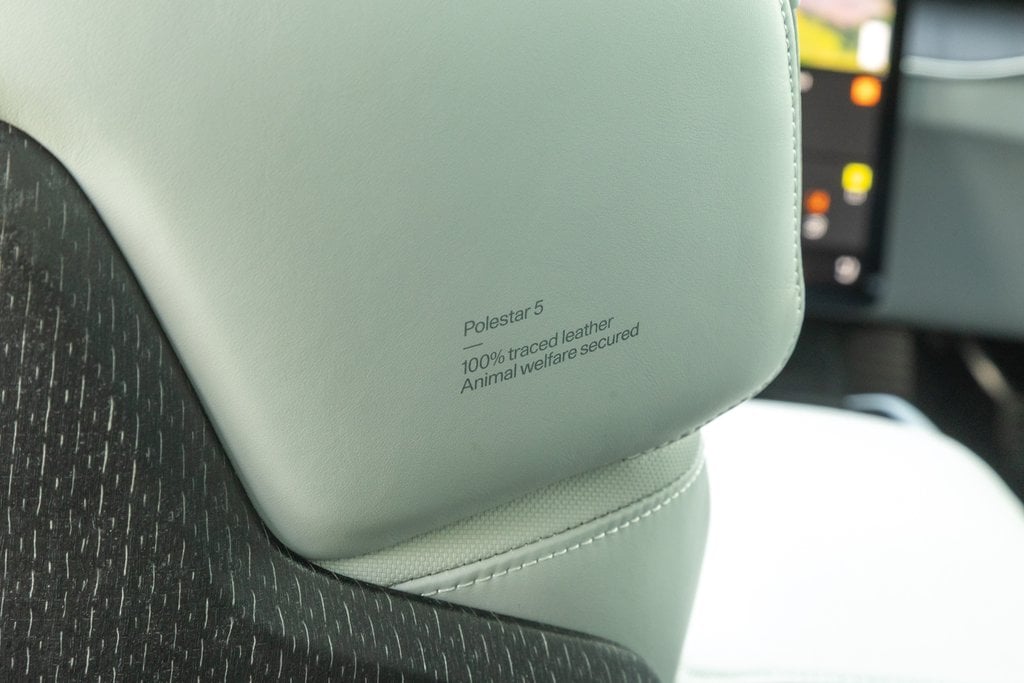
The Recaro seats look the part and hold you securely. Getting in and out doesn’t require any gymnastics, either. But they are very firm. After a couple of hours, I was doing some squirming. A touch more cushioning would suit the GT brief.
Adjusting them is a fiddly process, as one controller handles several functions. Accessing something like lumbar support involves another selection rather than simply finding a separate switch. You sit low, yet the battery beneath the floor means your feet don’t drop as far into the footwell as expected, so your legs stretch forward rather than down.
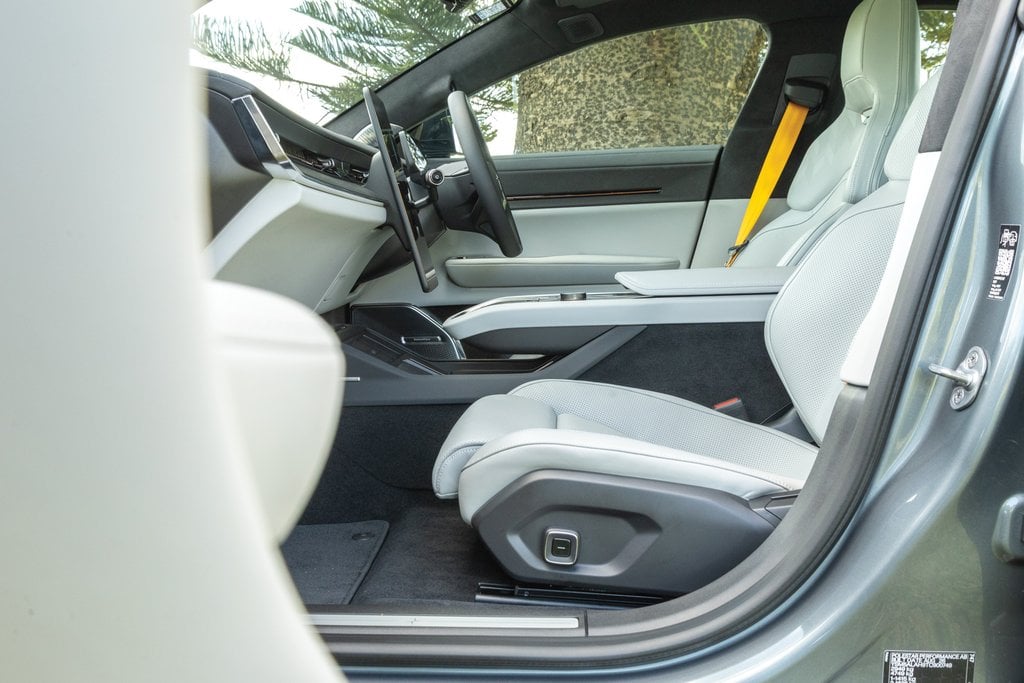
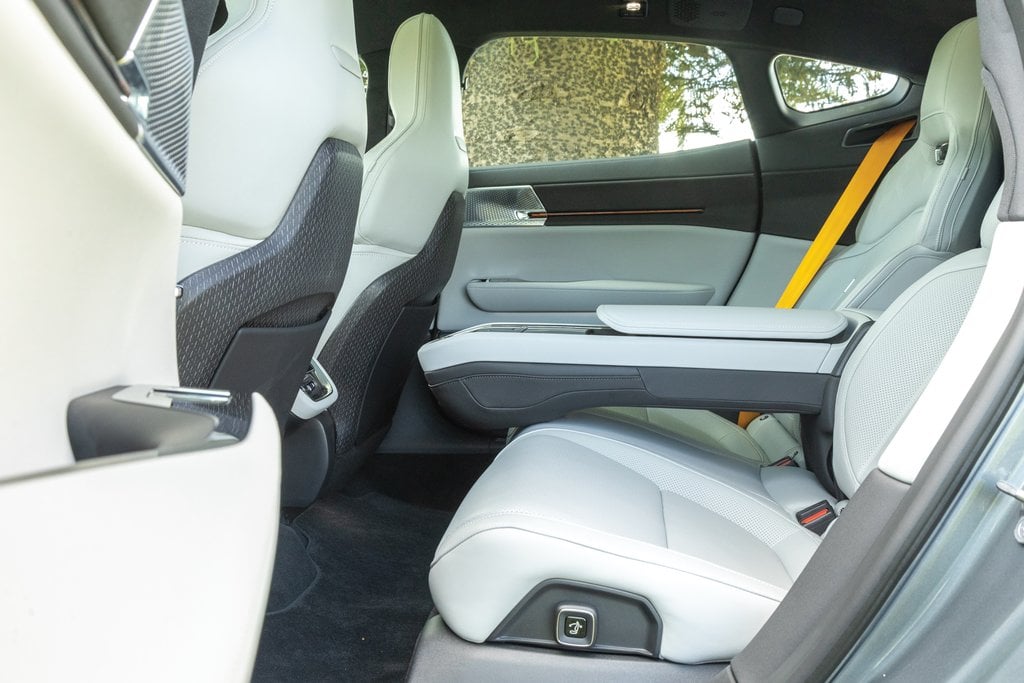
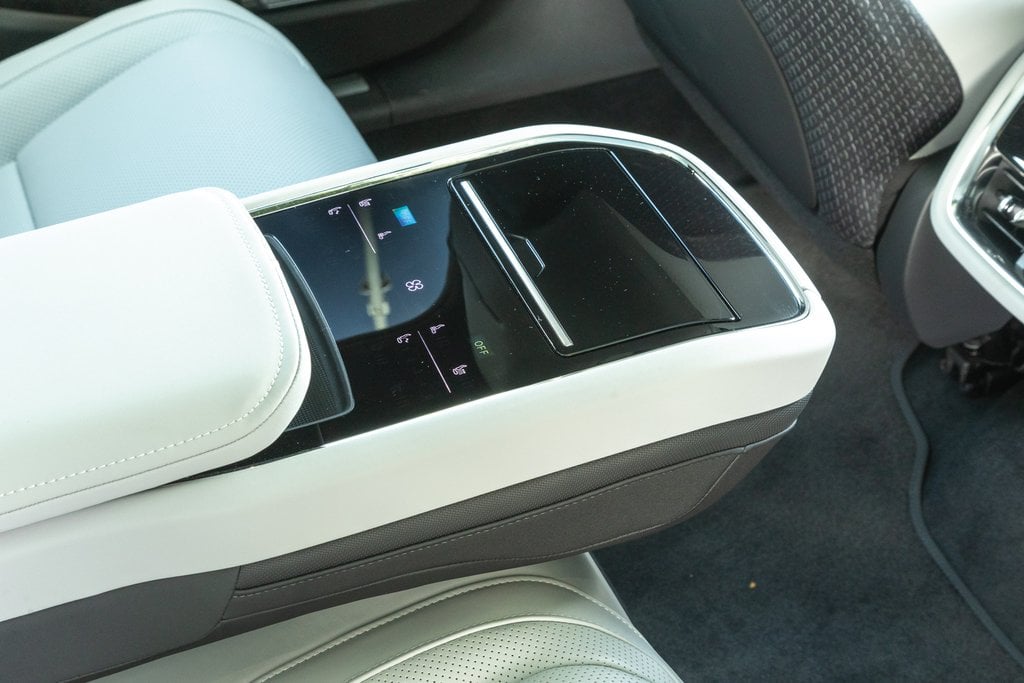
Although the low roofline requires some thoughtful negotiating when entering, the legroom in the rear is decent. The back is effectively arranged for two, with a centre position available for an occasional short journey. The two rear pews are much like those up front, in both style and firmness.
The rear luggage compartment offers a relatively small 365 litres, including underfloor space, with another 62 litres in the nose. The tailgate suggests that the Polestar 5 is quite practical, but its usefulness is limited by the relatively tight aperture. Yes, you’ll fit your luggage for the weekend, but this isn’t an airport runner.
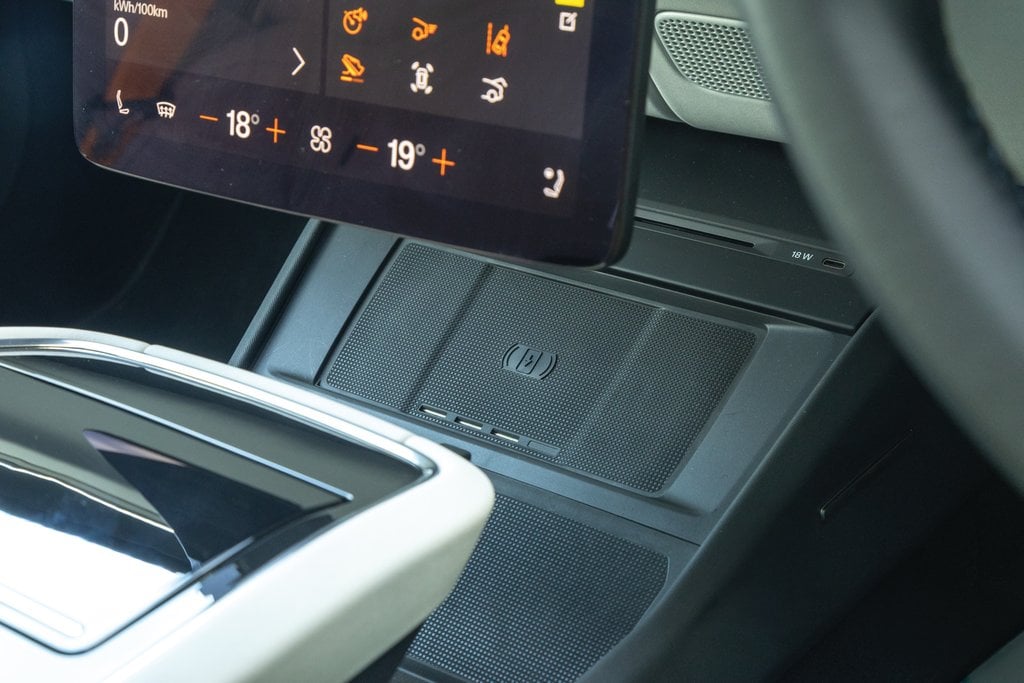
Screens and lack thereof
All operations live in the central touchscreen. That’s a surprise. The display is sharp, responds promptly and generally gets you where you want in two taps, occasionally three. The integration of Google adds useful functionality, and the available shortcuts make everyday operation manageable once you’ve learnt the layout. Still, having to visit a menu to adjust the steering column or mirrors is too elaborate.
The steering-wheel buttons aren’t permanently labelled, which seems strange at first. But touch them and the driver’s display explains what they do. That screen in front can carry an immersive map or take a more minimal approach to reduce distraction, with the head-up display providing yet another information source.
As with the Polestar 4, there is no rear windscreen here, so a rear-facing camera supplies the view in the mirror. It takes some adjustment, and severely restricted over-the-shoulder visibility means you become reliant on the cameras when pulling out of some carparks.
The assistance systems are generally well behaved, though some need refining. The speed warning is quick to pipe up, while lane keeping can become bothersome on country roads. Fortunately, unwanted alerts can be silenced quickly. The adaptive cruise and lane centring are happier on motorways. However, asserting your authority over the steering assistance can disengage the cruise completely. And then suddenly the car is slowing, leaving you to work out why.
More GT than sports car
The Performance delivers its claimed 3.2-second 0–100km/h sprint effortlessly. There is something missing from the occasion, however. We reckon a more enthusiastic launch, one that really pins your head against the seat, would add to the drama. But then Polestar does say this is a GT car.
Out of the bends, it simply rockets. The weight isn’t such an issue under acceleration; there is enough power to make two and a half tonnes seem lithe. But the mass does start to tell.
The Polestar turns in with reasonable enthusiasm for something this long and settles itself quickly. It doesn’t lack for grip; the front has good bite, and the stability systems work away discreetly to keep your cornering capers tidy.
However, it isn’t particularly nimble. When you start asking for rapid changes of direction, the size becomes more evident. Pushing it along harder doesn’t help either. It’s better to curb your enthusiasm slightly. Keep the inputs smooth and it’s a capable, very rapid travelling companion. Like a GT, then.
The feedback from the steering is reasonable, although more initial weight just off centre might help the cause. It does eventually load up once you’re deep in the bend. Of the Light, Standard and Firm settings, Light is obviously breezier, but the difference between the other two isn’t especially pronounced.
This isn’t a German car, so the drive settings are refreshingly limited. Power delivery moves between Range and Performance, while suspension choices are Standard, Nimble and Firm. The latter isn’t brutally stiff. It tightens the responses a little, although rougher roads, taken a little too quickly, expose a need for more compliance and travel. On those surfaces, the sensible response is to ease back.
Generally, though, it rides well and travels quietly. The odd intermittent squeak from the dashboard and rear-seat area was disappointing at this price, but the overall refinement levels are pleasing.
The brakes are less convincing when exploiting the performance. While the pedal feel is good, without an awkward transition from regeneration, the overall stopping power doesn’t seem quite equal to the acceleration. You have to lean into them, and the heat quickly builds with repeated enthusiastic use.
Compared with a Porsche Taycan, the Polestar is competent and quick but doesn’t deliver quite the same connection or dynamism when you really press on.
Going the distance
On collection, with the battery at 100 per cent, the range display showed 450km, but the consumption readout helped explain it. Energy use sat in the mid-20s (kWh/100km) and could move into the high-20s when using all of those 650kW. So getting closer to the Performance’s quoted 558km WLTP figure will require considerable restraint.
The brake regen is easy to tailor. Switch one-pedal driving off and the car coasts freely; Low adds progressive slowing, while Standard brings a stronger response as you lift. Each setting is well tuned.
The Polestar 5’s practical limits are more obvious around town. The turning circle is large, the low-profile tyres leave those expensive-looking rims exposed, and speed humps or awkward driveways require some care.
Taking the leap
Buying the 5 requires commitment, especially at the test car’s price. There are more familiar badges competing for that money, and an SUV would make daily life easier.
Yet the Polestar looks sensational and offers something different. View it as a rapid, quiet GT and there is plenty to like. It does offer a sense of occasion. Polestar calls it a pure performance GT, and if you keep that in mind, its overall driving character won’t disappoint.
Polestar 5 Performance
$269,900 / 21.2kWh/100km / 0g/km
0-100 km/h 3.17s
80-120 km/h 1.85s (51m)
100-0 km/h 35.98m
Speedo error 98 at an indicated 100km/h
Ambient cabin noise 73.3dB@100km/h
Motor output 650k
Max torque 1015Nm
Battery 112.0kWh
Range 558km
Drivetrain Single-speed auto / e-AWD
Front suspension Mac strut / swaybar
Rear suspension Multilink / swaybar
Turning circle 12.3m (2.2 turns)
Front brakes Ventilated discs
Rear brakes Ventilated discs
Stability systems ABS, ESP, TV
Safety AEB, ACC, BSM, LDW, RCTA, ALK, AHB
Tyre size f-255/40R21 r-295/35R21
Wheelbase 3054mm
L/W/H 5087 / 1979 / 1419mm
Track f-1704mm r-1672mm
Luggage capacity f-62 r-365-1128L
Tow rating 750kg (1800kg braked)
Service intervals 24 months / 30,000km
Warranty 3yrs
ANCAP rating Not rated
Weight (claimed) 2500kg