View all
7 more images
2026 GWM Tank 500 Vanta diesel Review
Words: Andrew Sluys | Photos: Alex Schultz
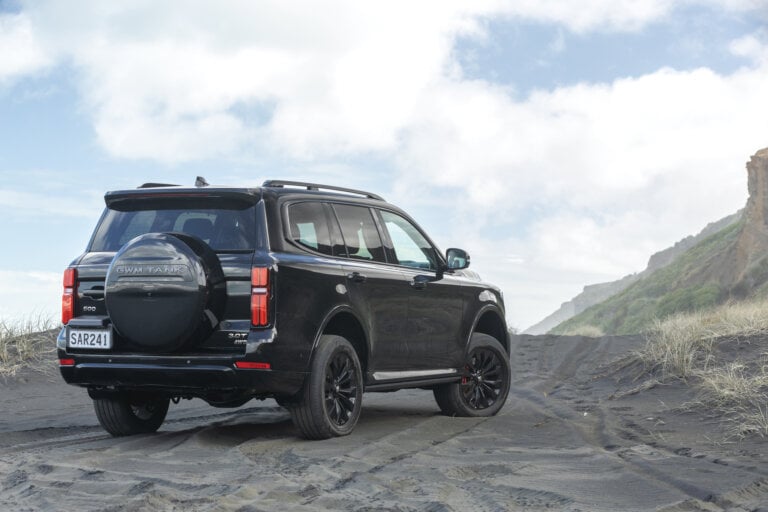
GWM has expanded its local Tank 500 range with the new Vanta, bringing the biggest change since the model’s local introduction: a turbo-diesel engine. This puts it on more of an even footing with rivals from the legacy brands, while retaining the Tank 500’s impressive value proposition and competitive pricing.
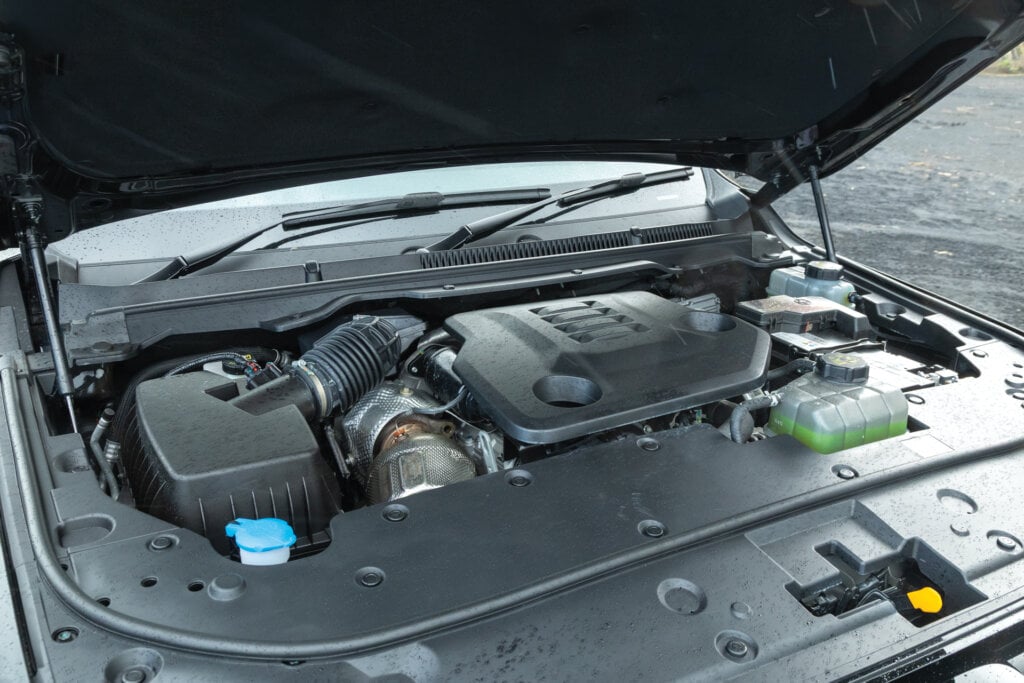
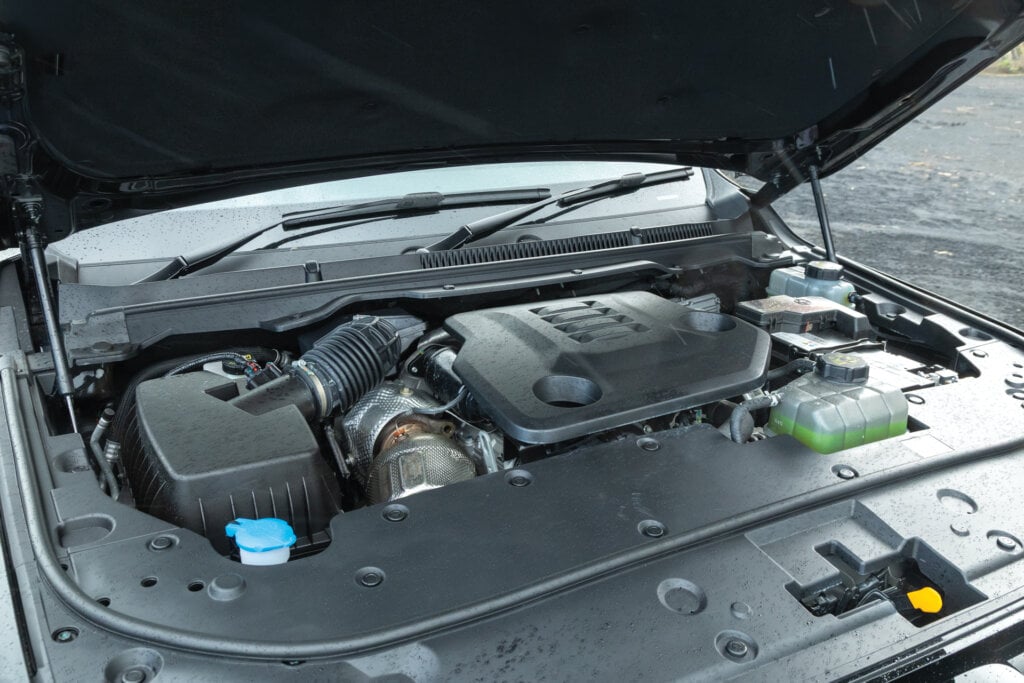
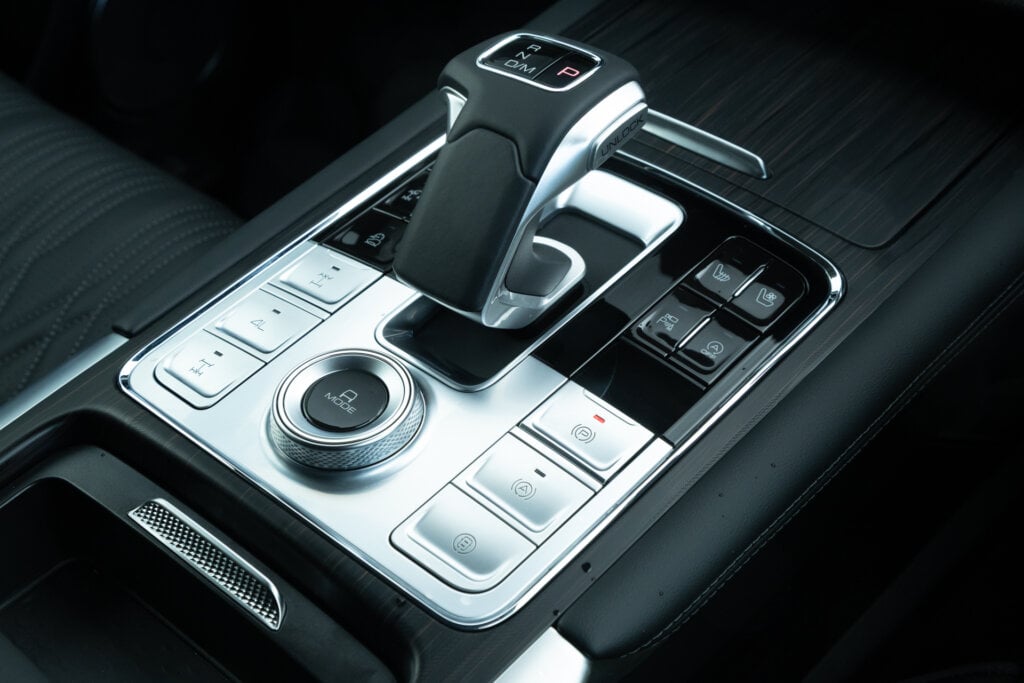
While the new diesel isn’t as powerful as the petrol-powered variants already offered in New Zealand, it’s got no shortage of grunt. The 3.0-litre four-cylinder produces 170kW and 620Nm and is paired with a nine-speed automatic transmission. It features part-time four-wheel drive and a low-range transfer case, with front and rear locking differentials rounding out the impressive drivetrain specifications.
The revised Tank 500 line-up consists of three models. The entry point is still the Ultra HEV at $77,990, with this Vanta slotting in above it at $79,990. That puts it alongside the Ultra PHEV, giving buyers a choice between diesel and plug-in power for the same bottom line.
While $80,000 is a fair chunk of change whichever way you look at it, comparing the Tank 500 with its rivals reveals the value. The Ford Everest is a good benchmark, with the entry-level model starting at $68,990 locally. It misses out on a lot of equipment the Tank gets as standard, but it’s the cheapest diesel-powered SUV with proper off-road chops in New Zealand.
A closer comparison would be the Toyota Land Cruiser Prado, which starts at $83,990. But again, its specification doesn’t match the Tank’s. On paper, the Toyota Land Cruiser 300 feels like the closest comparison, but its $146,990 entry price is almost double that of the Tank 500, so it doesn’t feel like a fair fight either.
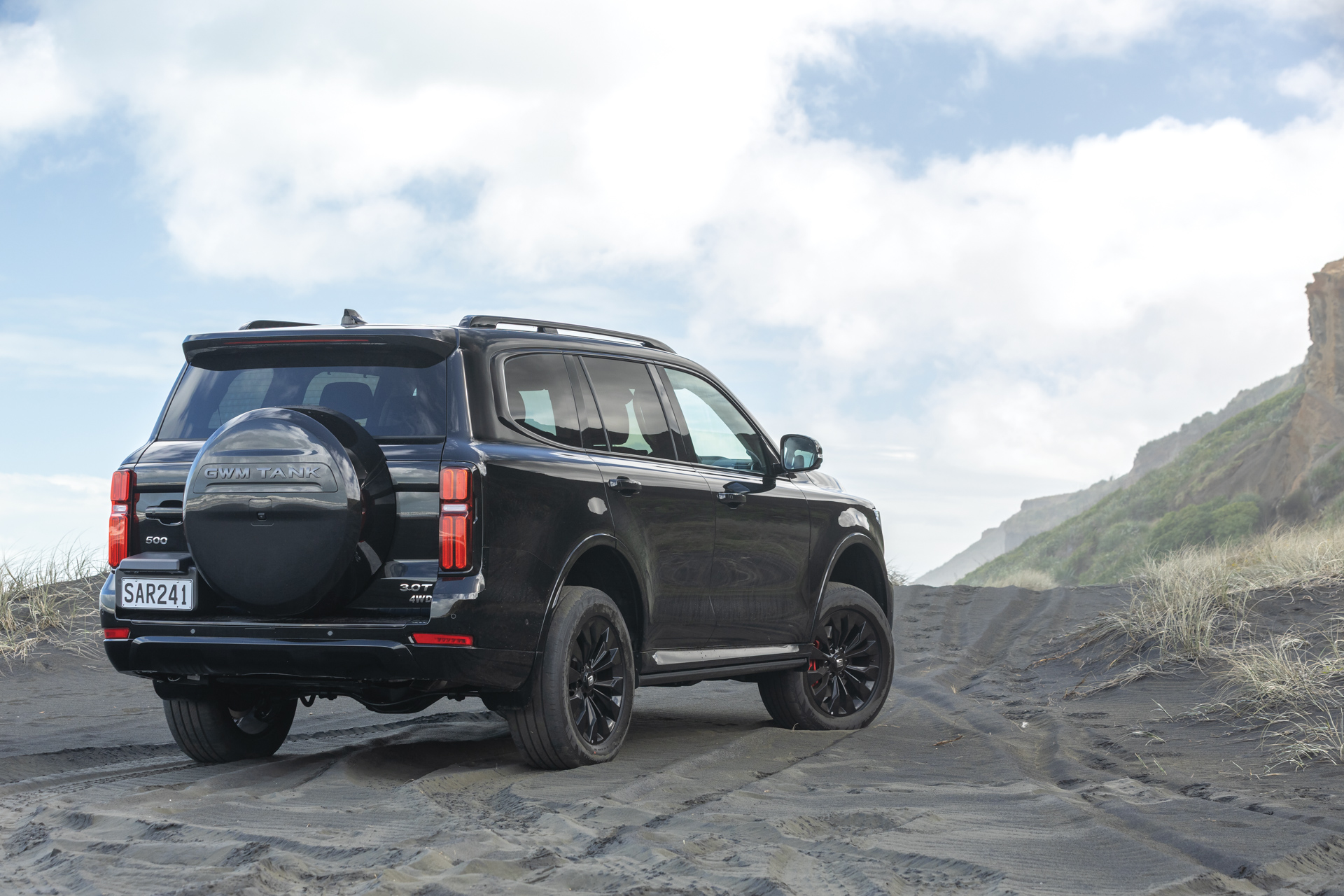
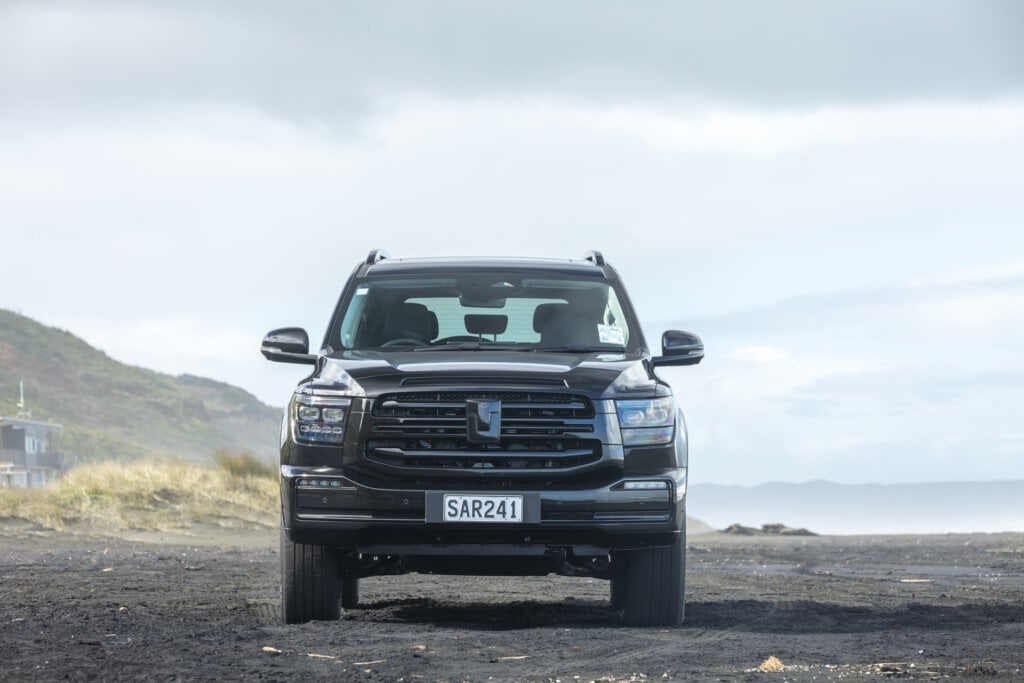
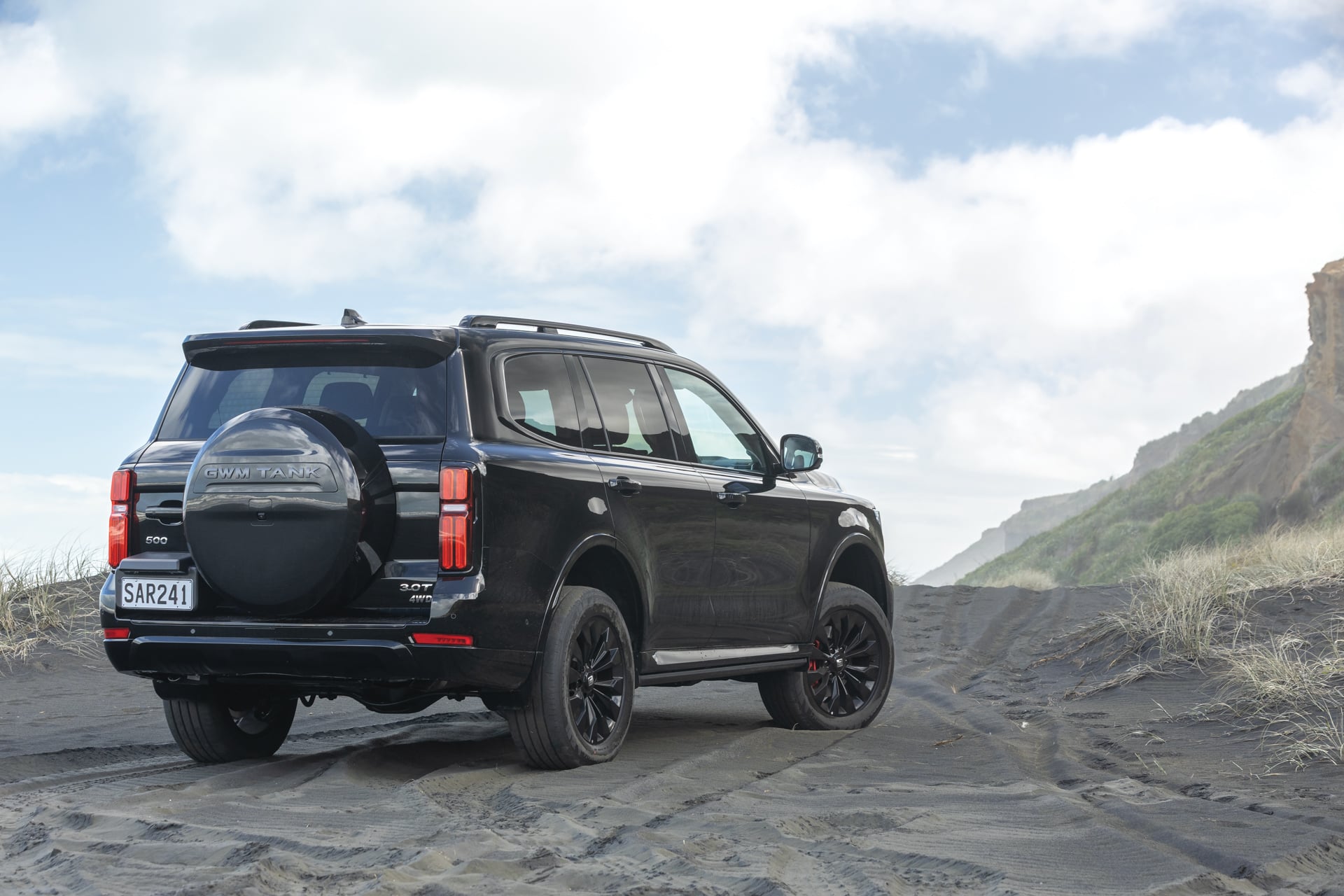
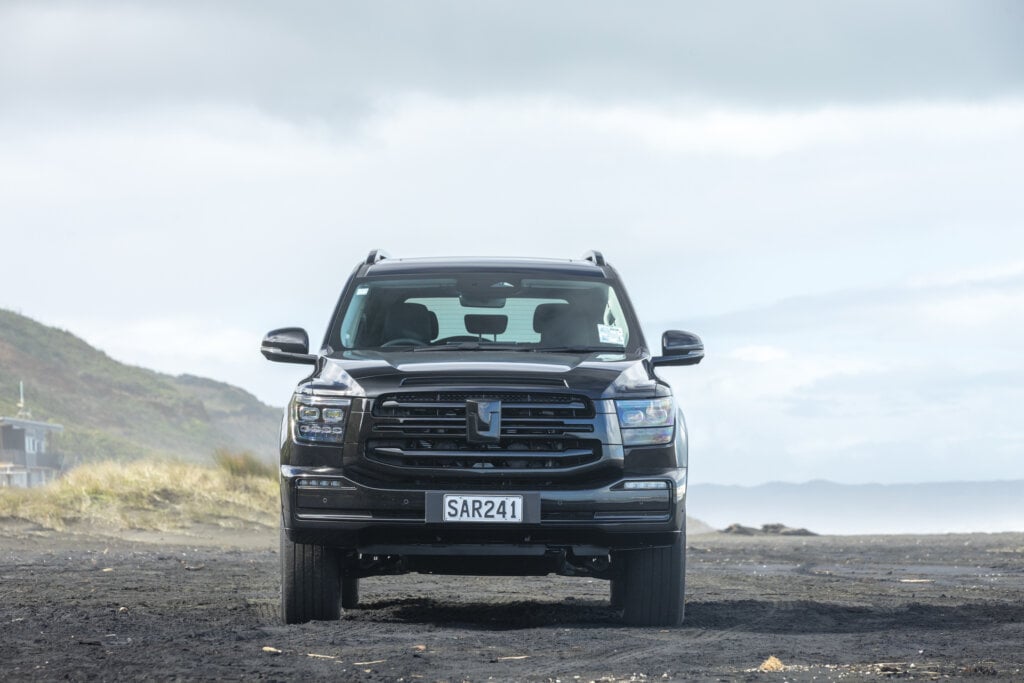
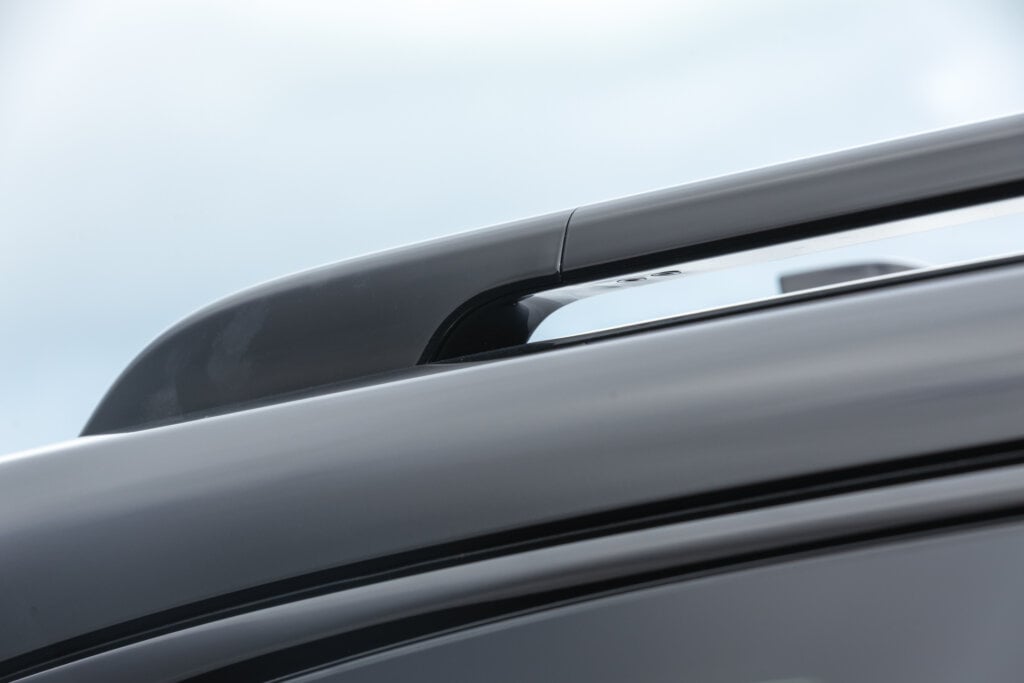
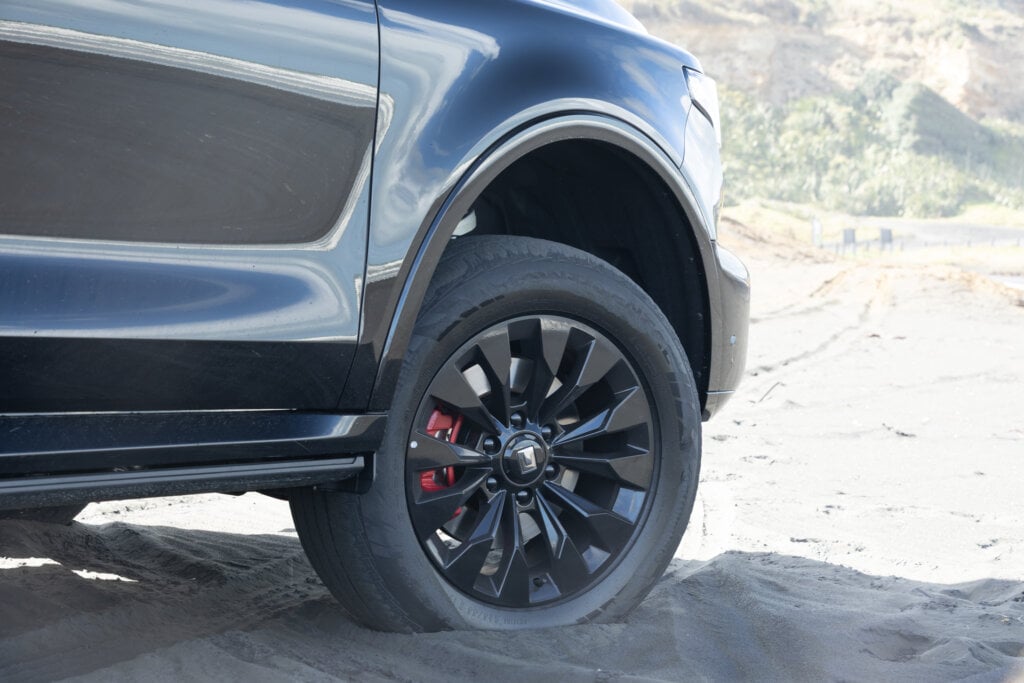
As with the other Tank 500 variants, the specification of this new Vanta is impressive, to say the least. Outside, you get 19-inch alloy wheels, red brake calipers and a blacked-out front grille. There are black roof rails on top and folding side steps that extend when the doors open. At the rear, a full-size spare wheel is attached to the side-hinged tailgate.
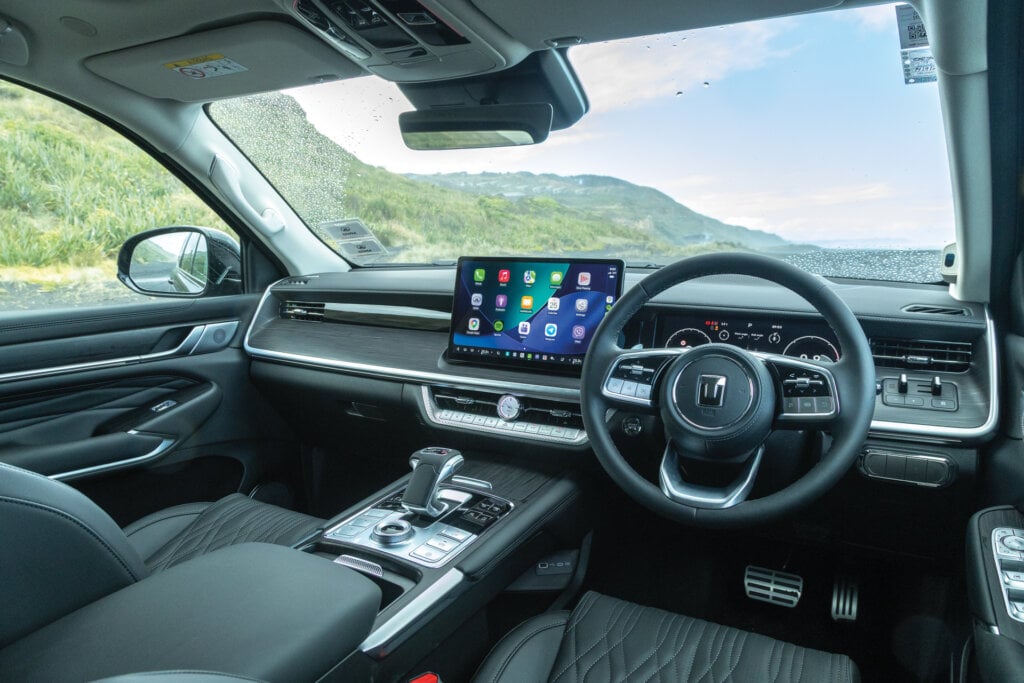
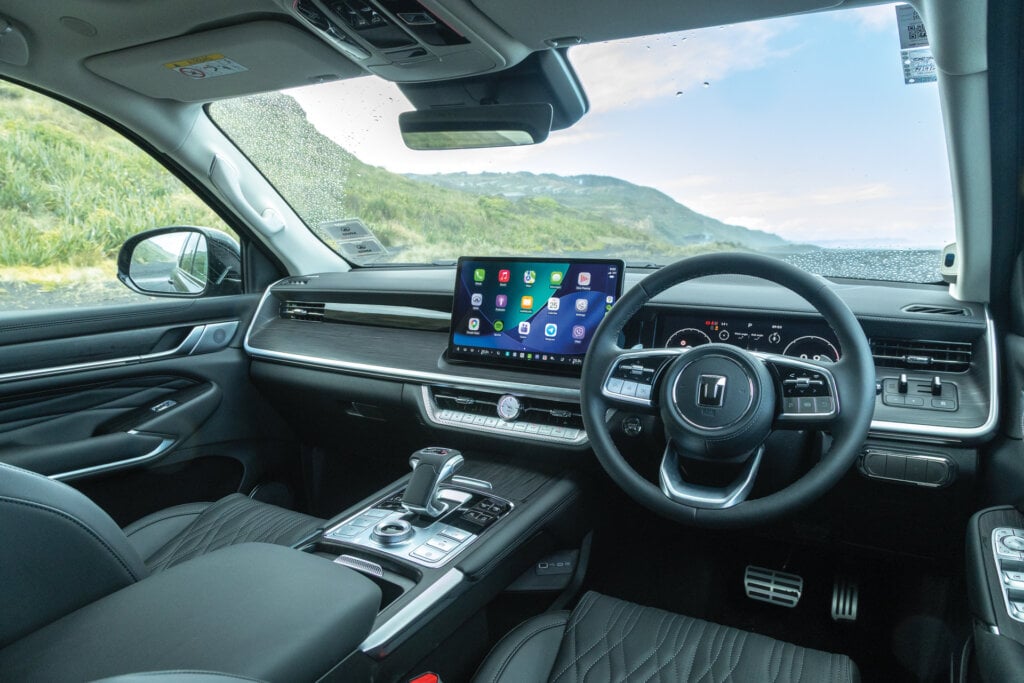
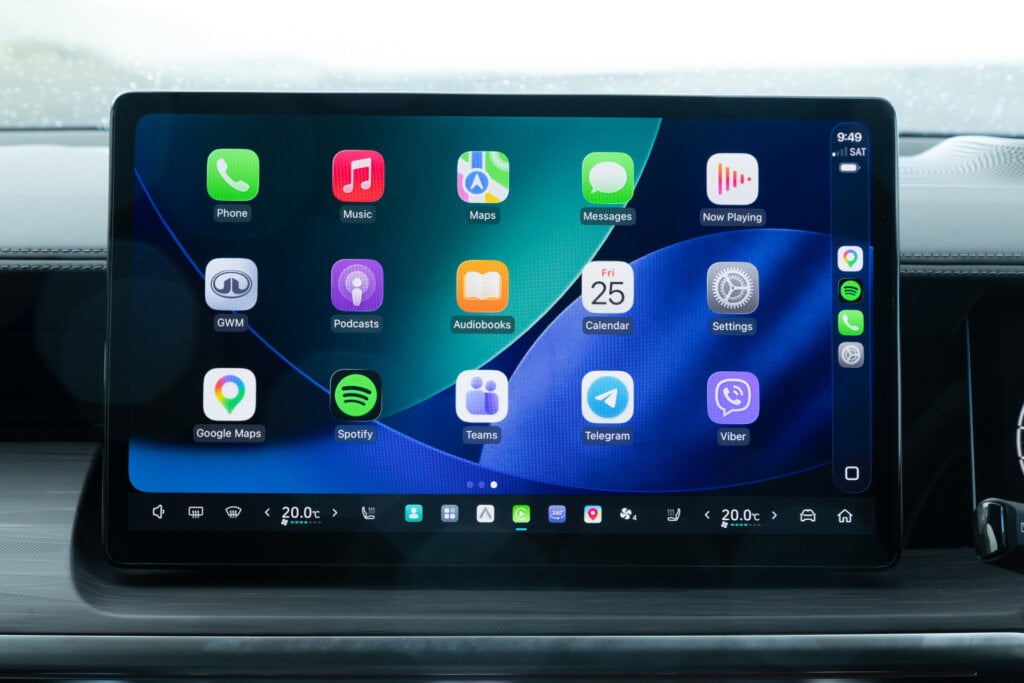
Inside, the level of luxury is seriously impressive. On the tech front, there’s a 14.6-inch infotainment display with wireless Apple CarPlay and Android Auto. Behind the multifunction steering wheel is a 12.3-inch digital cluster, while a head-up display is also included. Beneath the infotainment screen is a row of physical climate-control buttons, with a wireless phone charger below. There’s also a ten-speaker sound system.
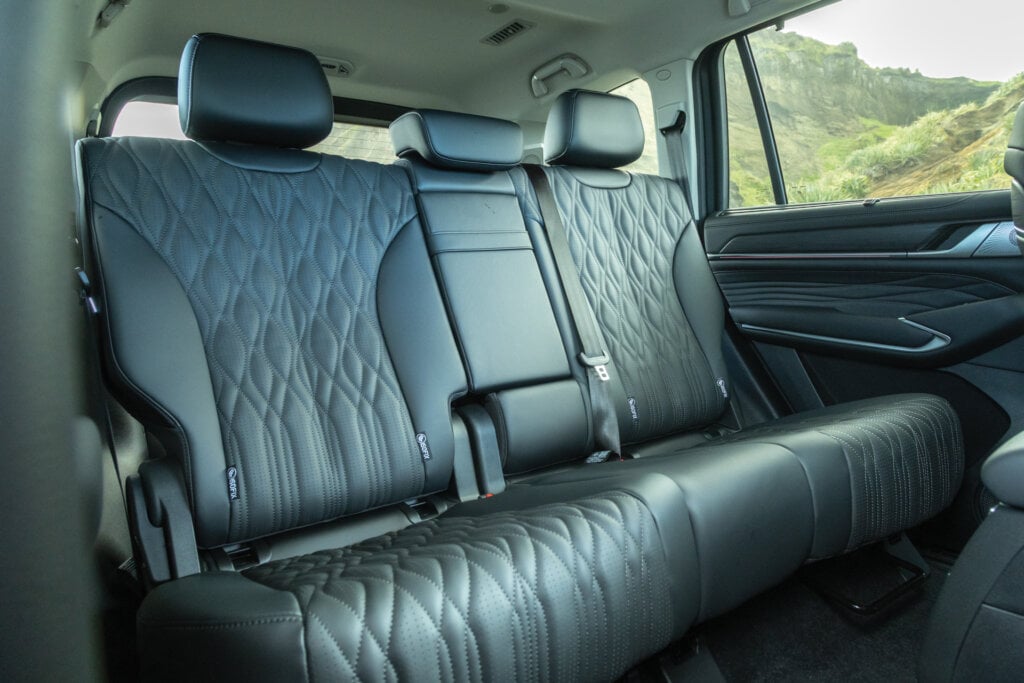
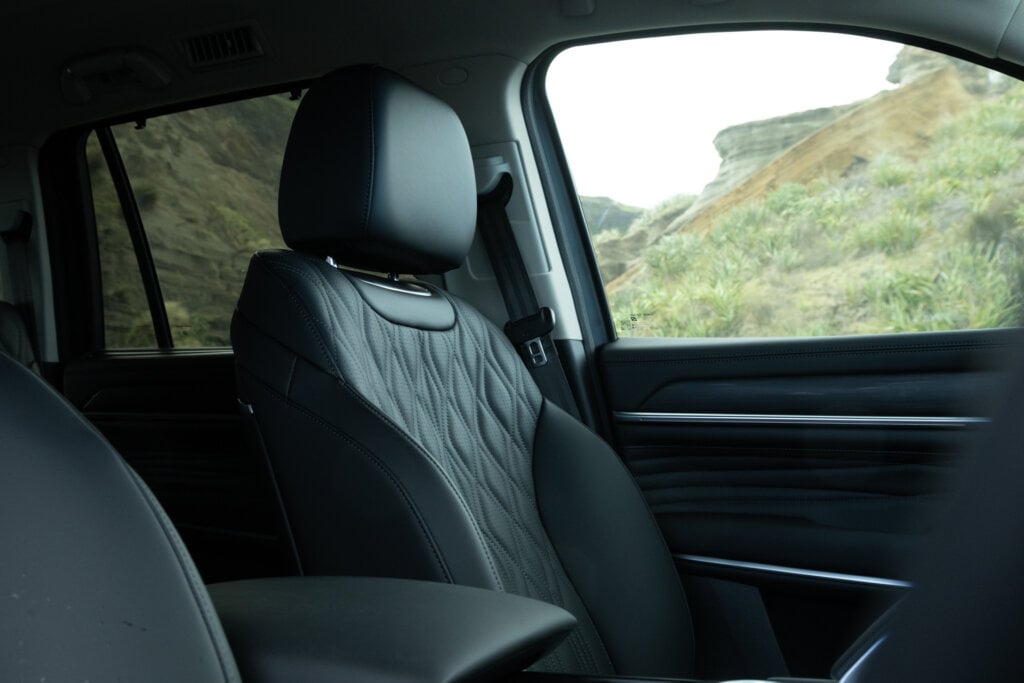
The Nappa leather-accented front seats feature power adjustment, heating, ventilation and massage functions. The outer second-row seats also get ventilation.
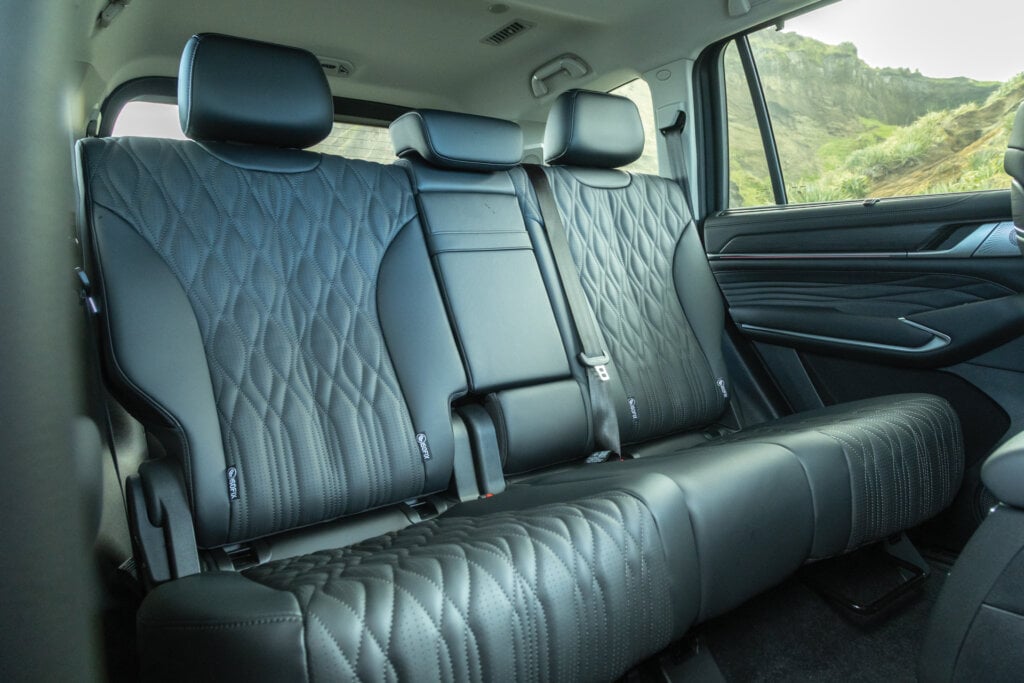
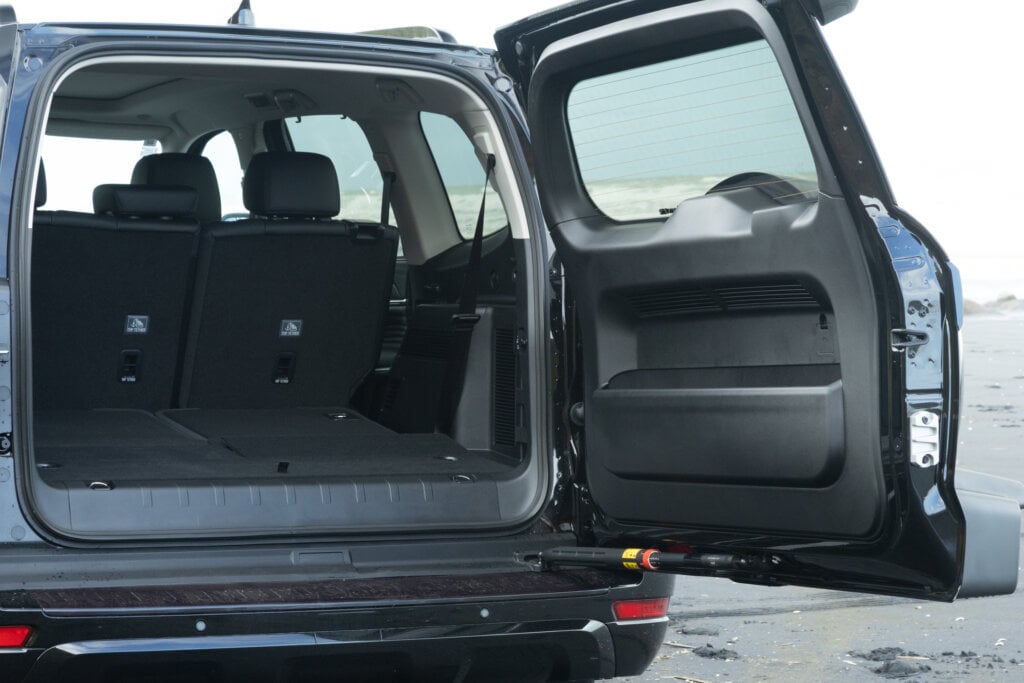
The Tank 500 Vanta is offered exclusively as a seven-seater, with leather upholstery extending to the third row. Luggage capacity is 89 litres with all three rows in place, 795 litres with the third row folded and 1489 litres with both rear rows folded.
With hybrid, plug-in hybrid and now diesel power on offer, Tank 500 buyers have plenty of choice. And while the petrol-powered variants pack plenty of power, I’ve found their engines feel a little stressed when producing those big figures. This new diesel, on the other hand, feels far more at home in a Tank weighing over 2.7 tonnes.
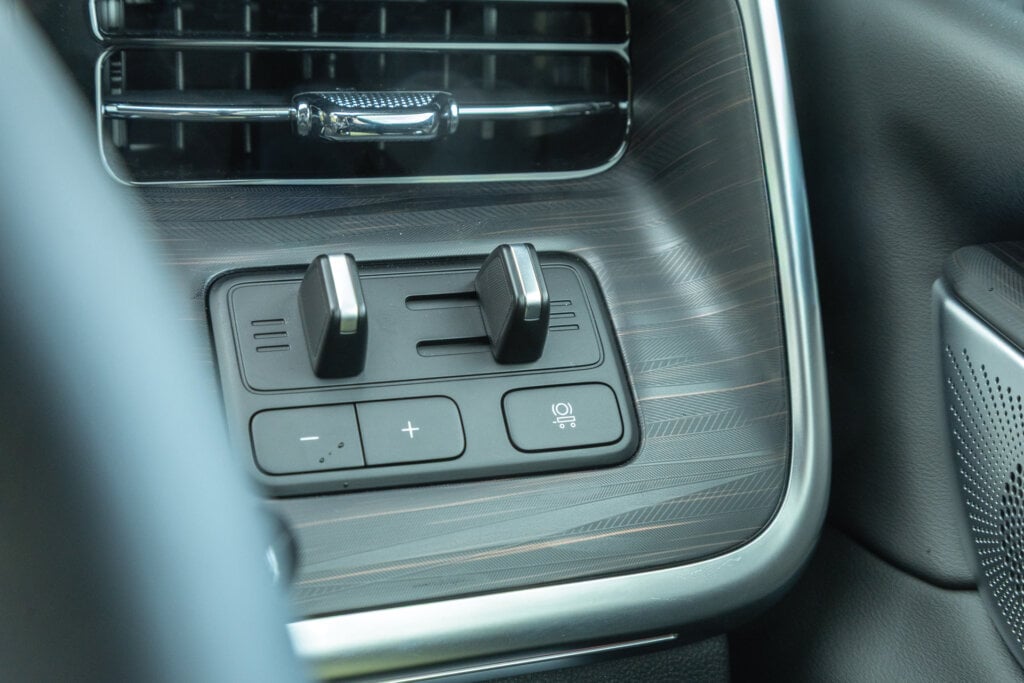
During my time with it, the engine sat comfortably in the 2000–2500rpm range, only exceeding this when overtaking. It’s nowhere near as quick as those petrol versions, but it doesn’t need to be. These big SUVs are more about comfort and drivability than all-out performance.
Towing is arguably the biggest reason for bringing this diesel variant to our market. While the HEV and PHEV Tank 500s can tow three tonnes, the diesel ups that to the ute standard of 3.5 tonnes with a braked trailer. As well as carrying a higher tow rating, the broad spread of torque offered by the 3.0-litre engine should go a long way towards improving fuel economy when towing at capacity.
Speaking of fuel economy, GWM claims a combined figure of 7.1L/100km for the diesel Tank, though the WLTP figure is 8.2. This is higher than the HEV and PHEV figures, but still reasonable given the Tank’s stature.
The Tank 500 has always been an interesting offering with its petrol powertrains, but the introduction of this diesel changes that. It now feels like a true rival in the large SUV segment and could hold its own off-road against the Everest and Prado. Whether it would go as far off the beaten track as the Land Cruiser 300 is another argument, but I wouldn’t bet against the Tank.
Alongside the new Cannon Alpha Vanta, which has just arrived with the same engine, GWM now has a proper diesel-powered line-up to take on Toyota and Ford. While it might take time to sway customers from these legacy brands, the value proposition and GWM’s seven-year warranty might be enough to start turning the tide in the local market.
GWM Tank 500 Vanta diesel
$79,990 / 8.2L/100km / 216g/km
0-100 km/h 10.6s
Engine 2994cc IL4 / TDI
Max power 170kW@3200rpm
Max torque 620Nm@1400-2400rpm
Drivetrain 9-speed auto, switchable 4×4
Weight (claimed) 2705kg