View all
6 more images
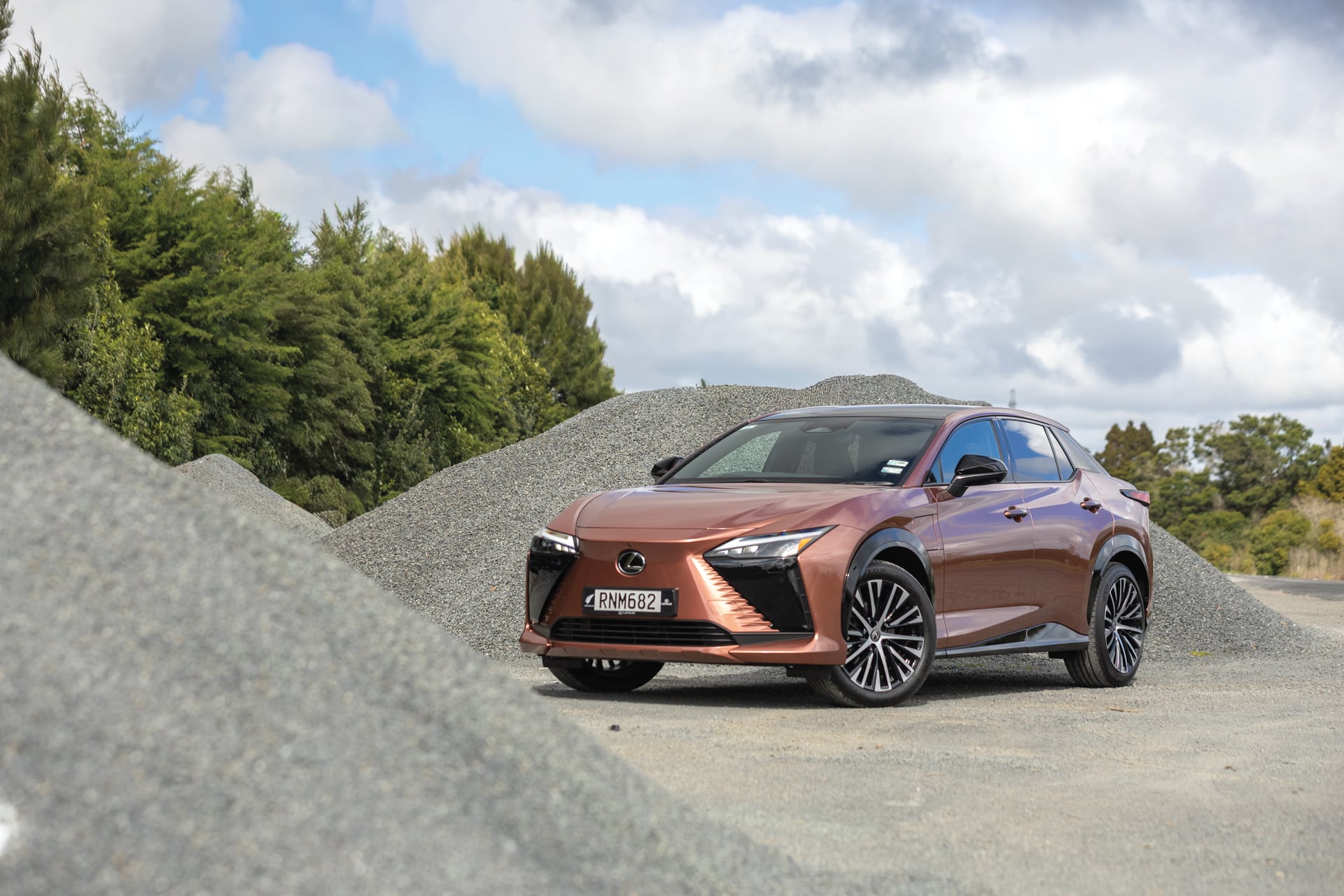
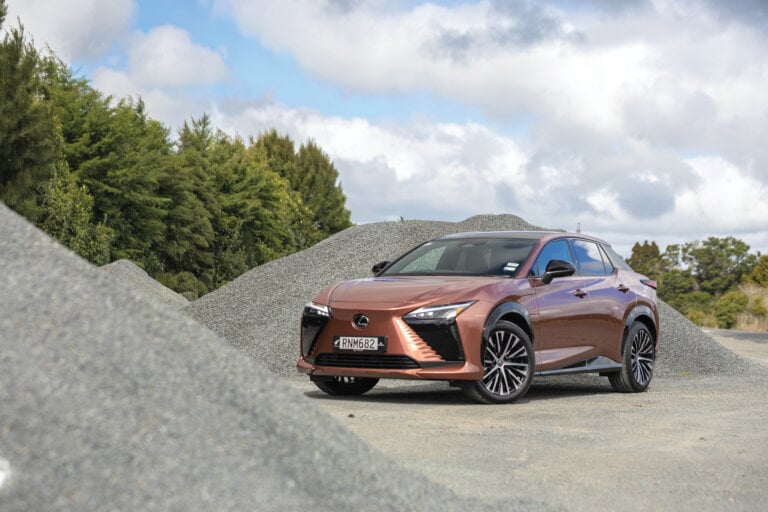
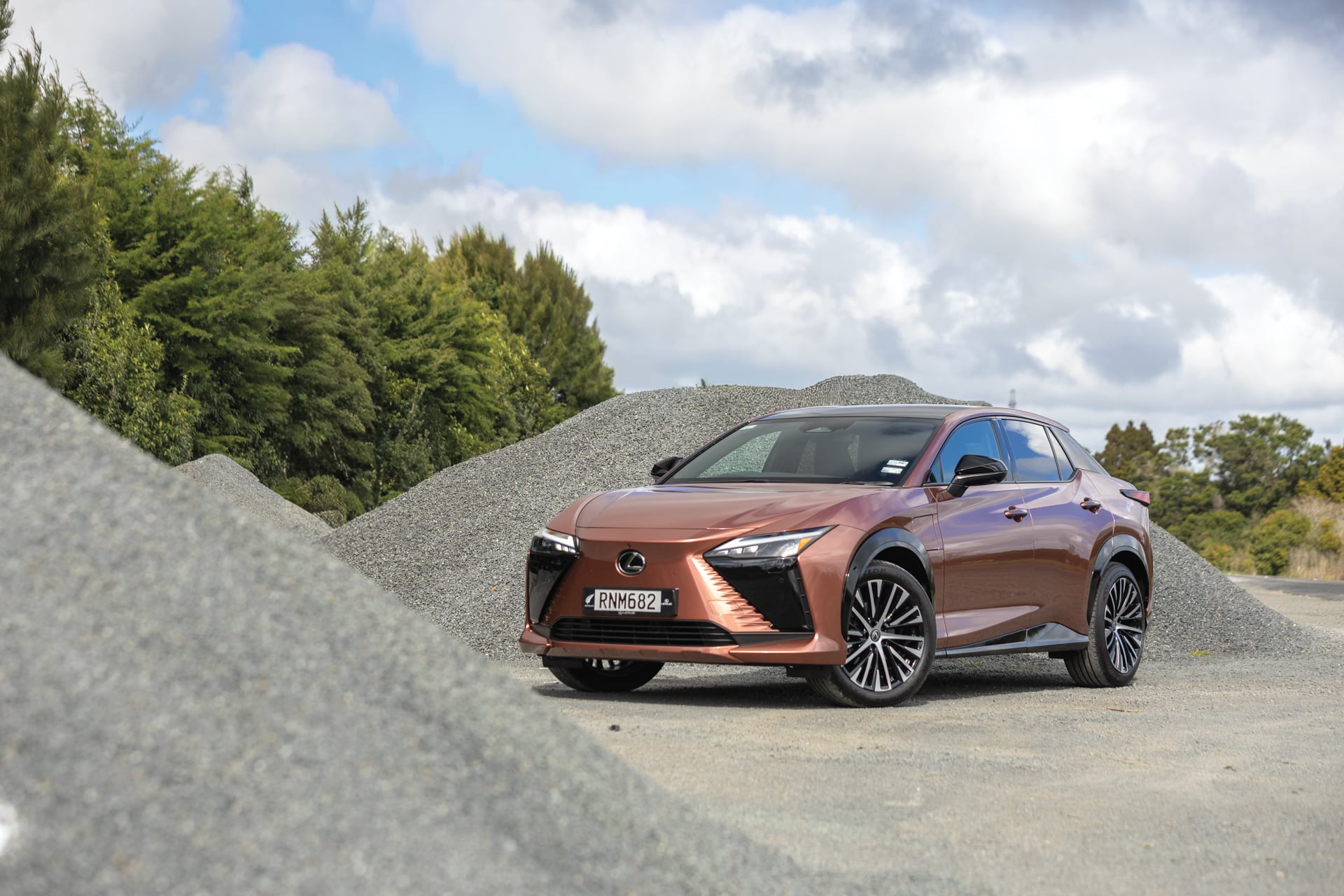
2026 Lexus RZ 500e Dynamic Review
Words: Andrew Sluys | Photos: Alex Schultz
Lexus adds steer-by-wire technology to its thoroughly revised electric RZ range. But is it worth the extra outlay?
Toyota New Zealand recently announced that Gazoo Racing (GR) is now a brand in its own right. It forms part of a wider family tree that includes Daihatsu and Century in other markets. In New Zealand, the tree has fewer branches, with just three brands, Toyota, Lexus and now GR, representing Toyota’s business aspirations.
While Toyota represents mobility and GR is about performance, the Lexus assignment is more obscure. “Discover” is apparently what Lexus represents in the new family tree. While this might seem more appropriate for a Land Cruiser or Hilux, it’s about challenging the way we traditionally see luxury. It’s easy to dismiss this as marketing jargon, but in the case of the new Lexus RZ, we can kind of see what they mean.
Two and a half options
Lexus technically offers just two variants of the RZ here. The 500e Dynamic represents the entry point at $109,900, while the 550e F Sport is the flagship, priced from $134,900.
Between those two sits the 500e Dynamic Steer-by-Wire, starting at $119,900. It uses the same dual-motor system as the regular 500e Dynamic, with an identical output of 280kW. The 74.7kWh battery is also shared, providing a driving range of 460km (WLTP).
As you’ve probably guessed, the biggest difference between the two 500e Dynamic models lies in the name. In New Zealand, you’ll have to fork out an extra $10,000 for the RZ’s steer-by-wire system.
Driving by wire
While Toyota has famously been conservative on the EV front, choosing instead to focus on hybrid and hydrogen development, the RZ feels like a serious effort. Despite sitting on Toyota’s e-TNGA platform, which is used by every EV in the wider family, the RZ is the first to get this steer-by-wire system.
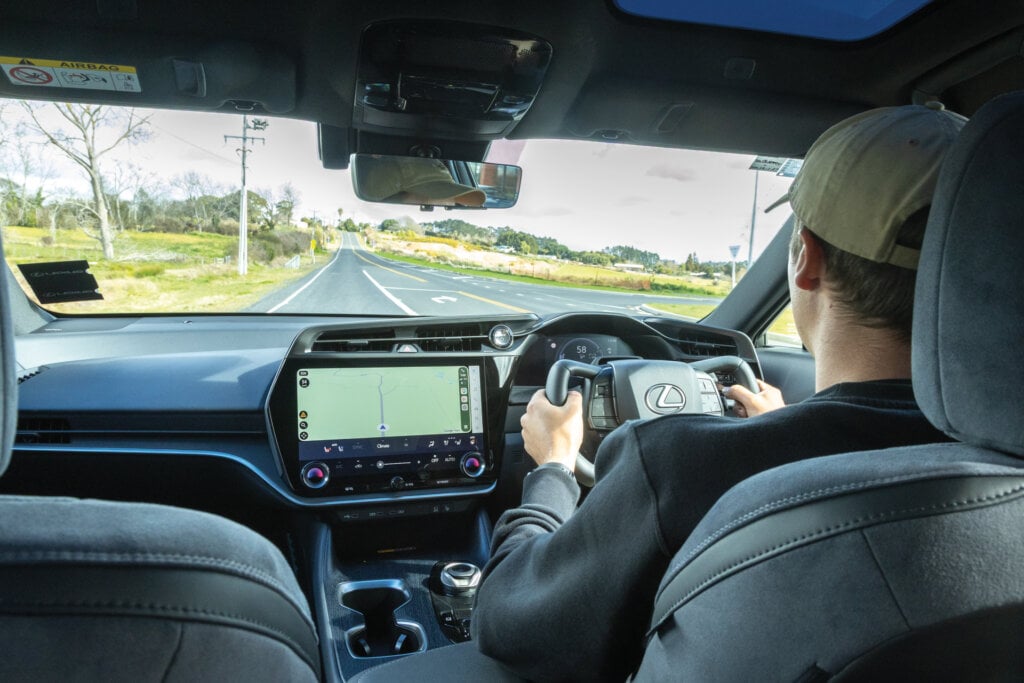
As the name suggests, there’s no mechanical connection between the steering wheel and the front wheels. Instead, signals travel through wires. Think of it as something of a driving simulator within a car.
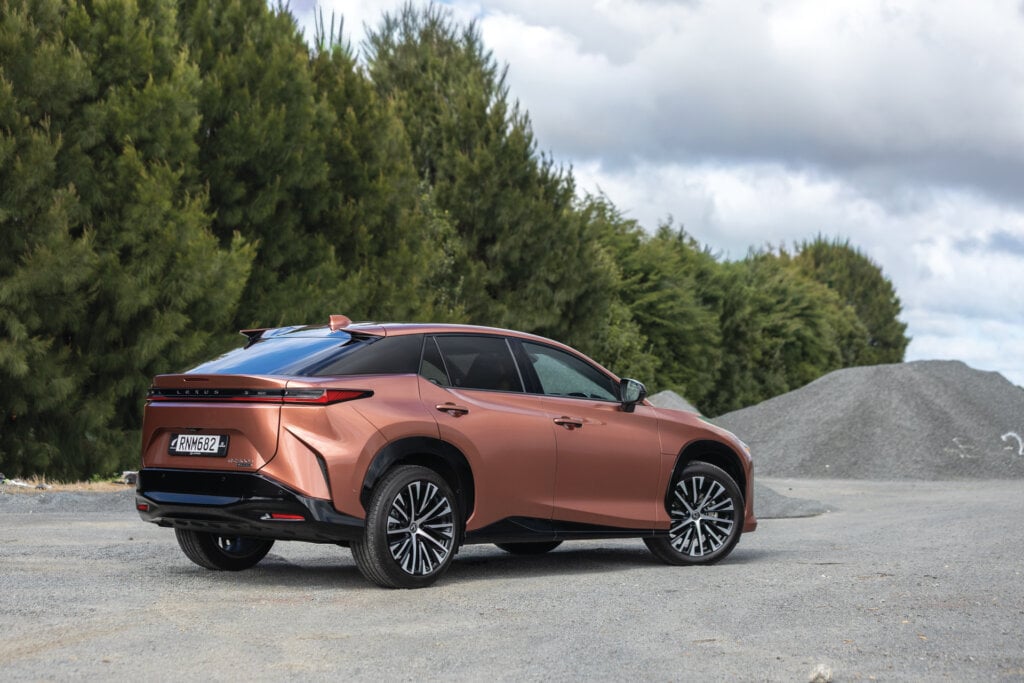
Obviously, this raises questions about safety when there’s no physical piece of metal connecting the helm to the wheels. Toyota has addressed this through a “triple redundancy” system comprising three separate computers. If the primary 400-volt power supply fails, the system switches to the vehicle’s 12-volt supply. If that also fails, there’s a separate emergency lithium battery pack purely for backup.
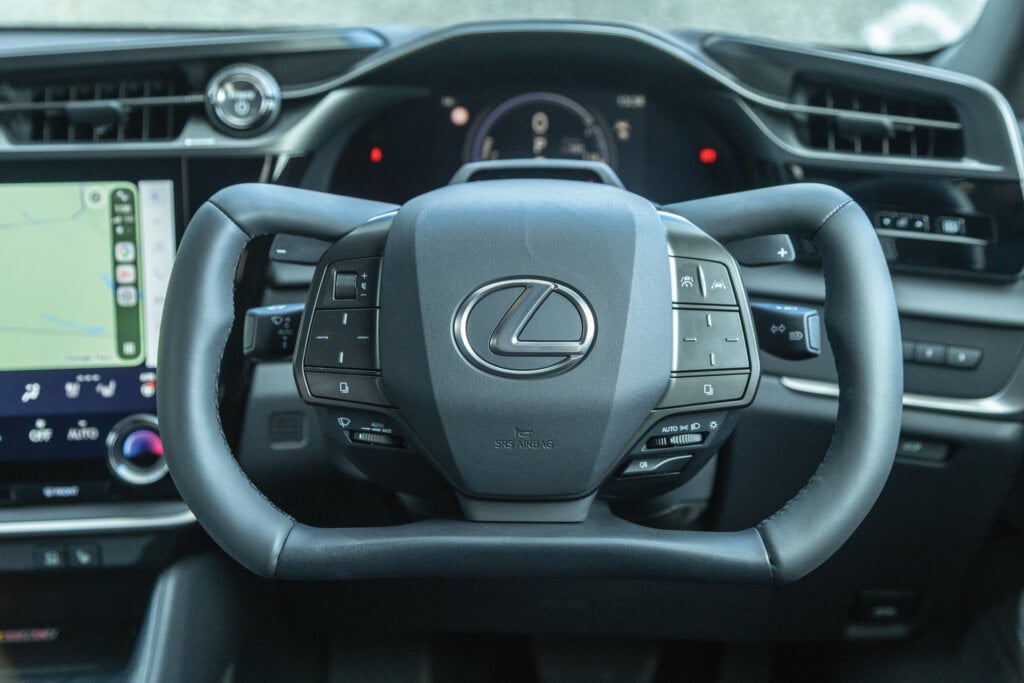
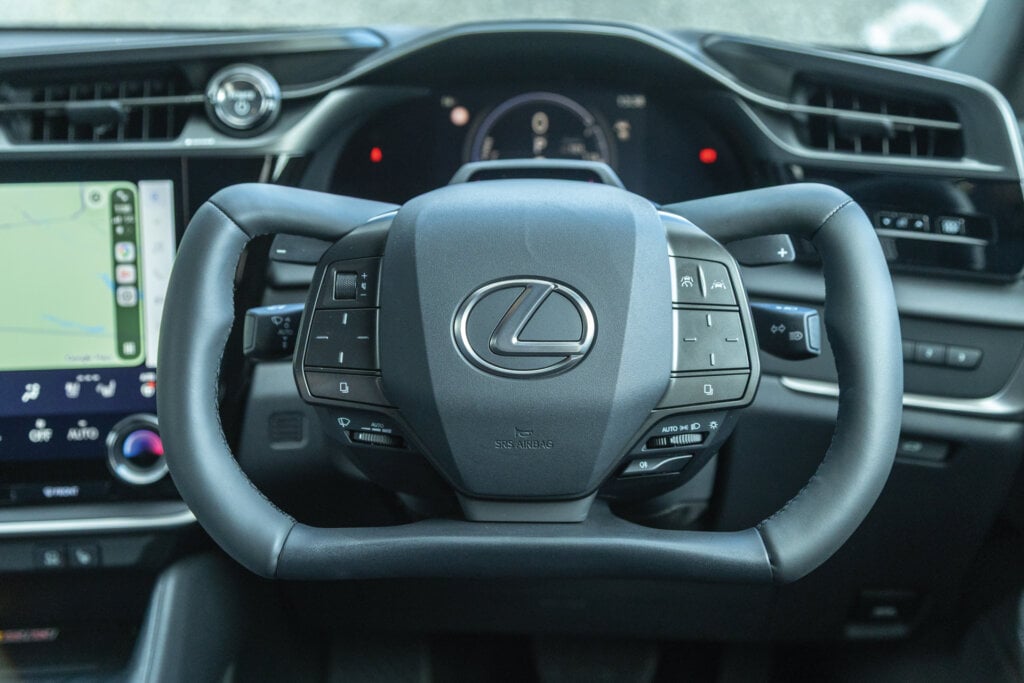
While the internals of a steering system might not mean much to most people, the fact this RZ trades a traditional steering wheel for a yoke is far more noticeable.
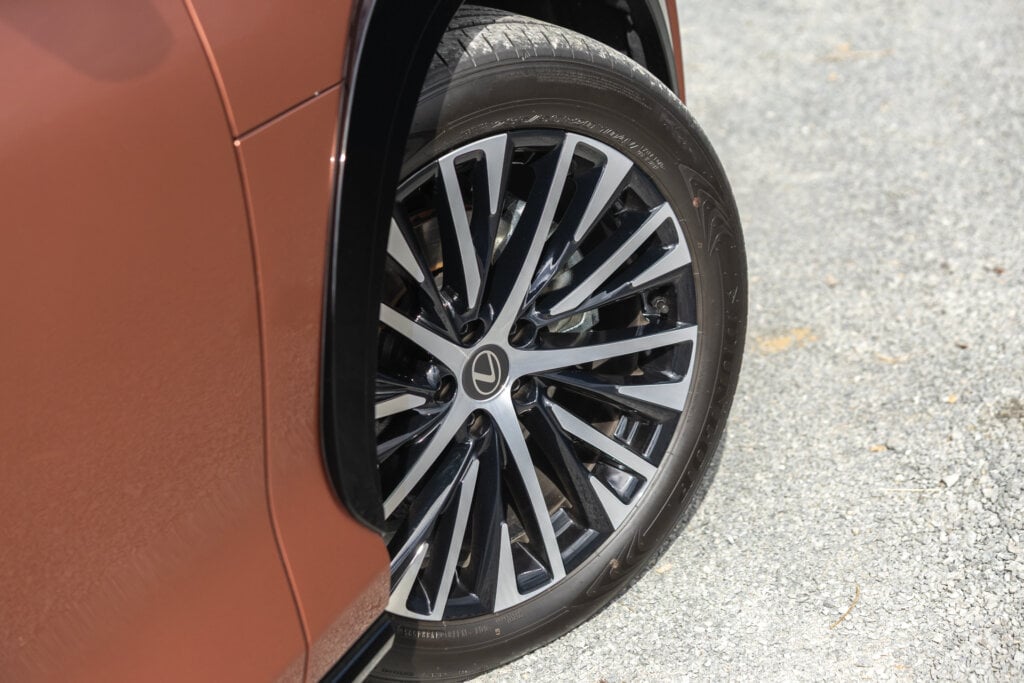
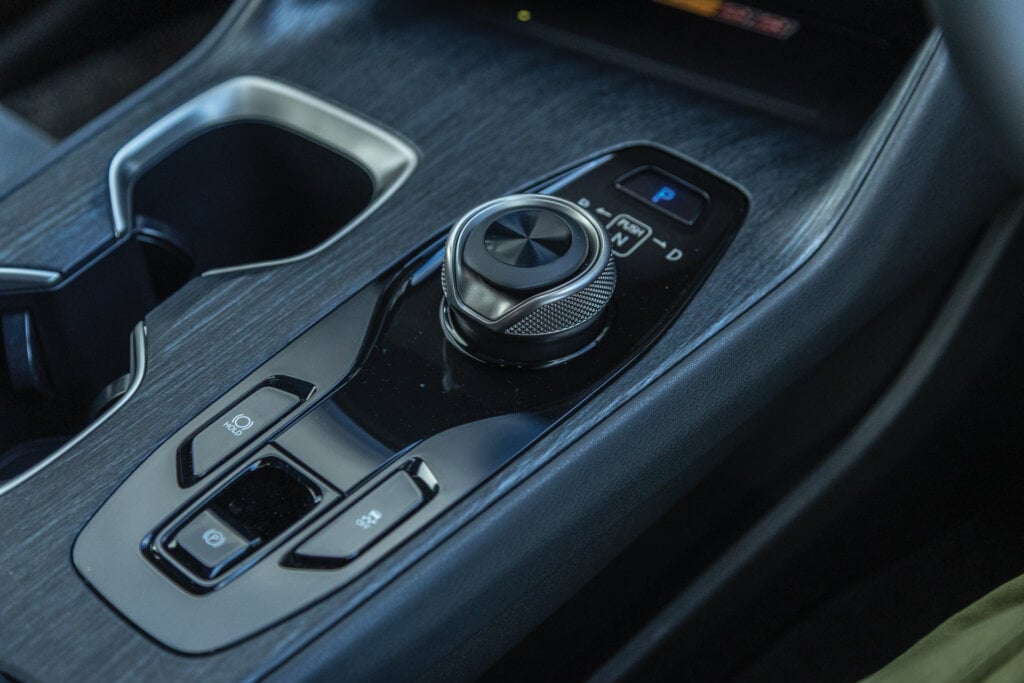
Where a normal steering system has between 900 and 1080 degrees of rotation from lock to lock, the RZ limits this to just 400 degrees. The idea is that drivers should never need to take their hands off either side of the yoke.
It’s probably the least linear steering system I’ve encountered, but that’s by design. At low speeds, the ratio is very quick, reducing how far drivers need to turn the yoke to manoeuvre in tight spaces. At higher speeds, the ratio slows significantly, making lane changes feel more in line with a traditional steering system.
Considering how big a part steering plays in the driving experience, there’s no overstating how artificial this RZ feels on the road. Before you write it off as another boring EV, though, I’d argue the opposite: it makes for a far more engaging experience.
With 280kW on tap, the RZ is no slouch, reaching 100km/h from a standstill in 4.6 seconds. Pair that with steering reminiscent of an open-wheel racer and you get a distinctly gamified driving experience.
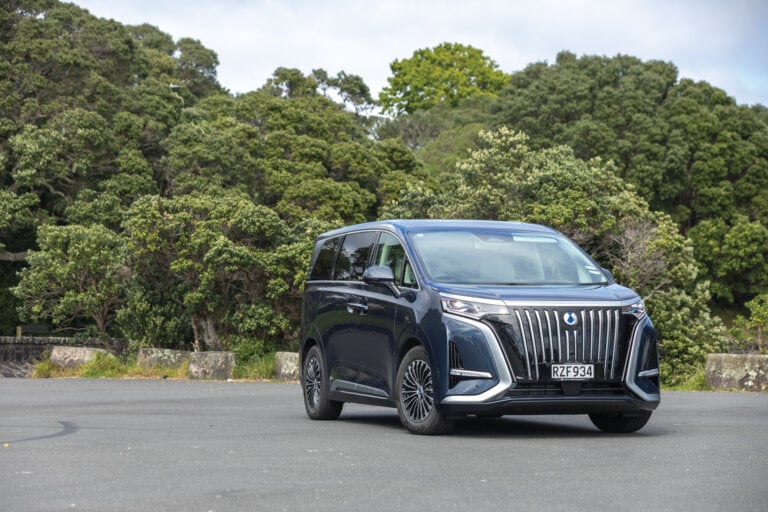
The RZ is one of the first mass-production vehicles to use steer-by-wire, although it isn’t the first in New Zealand. The Farizon electric van also uses a similar set-up.
A one-trick pony?
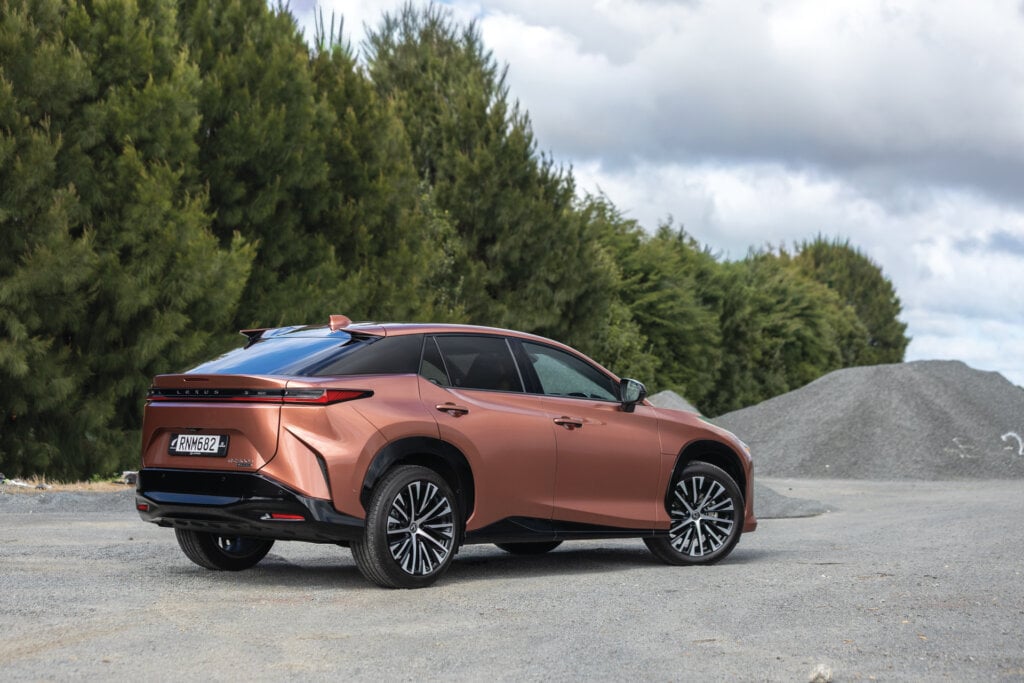
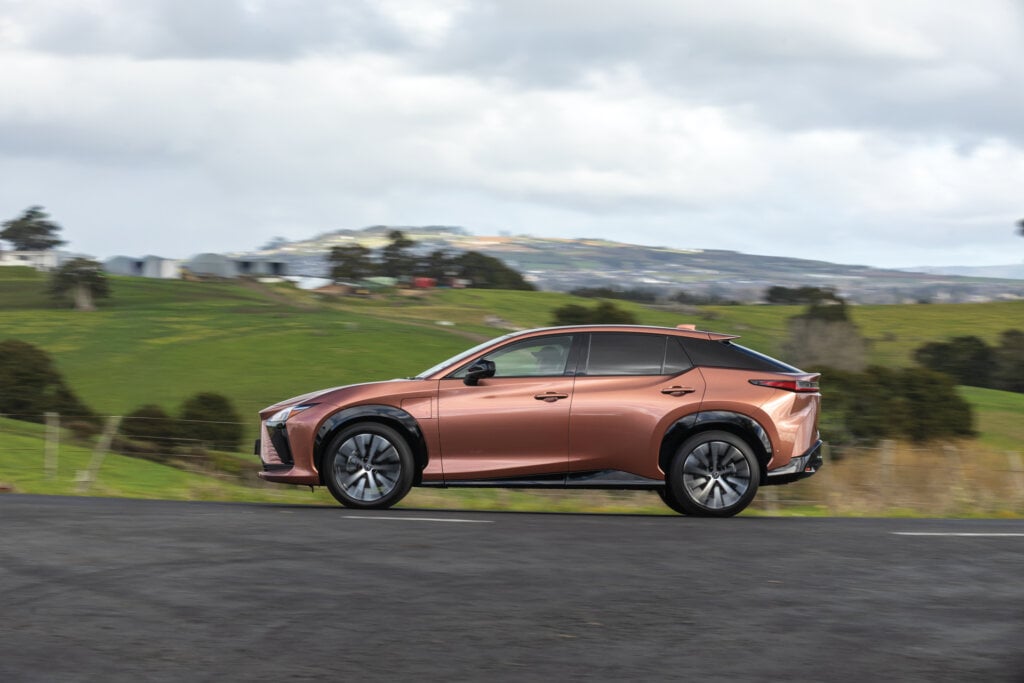
It’s interesting that Toyota has fitted one of its most radical driving innovations to a Lexus EV, because beyond the yoke, the RZ is quite unremarkable. Not in a bad way: it’s a very nice vehicle, with the impeccable Japanese build quality we’ve come to expect from Lexus. But the steering system feels a little out of place.
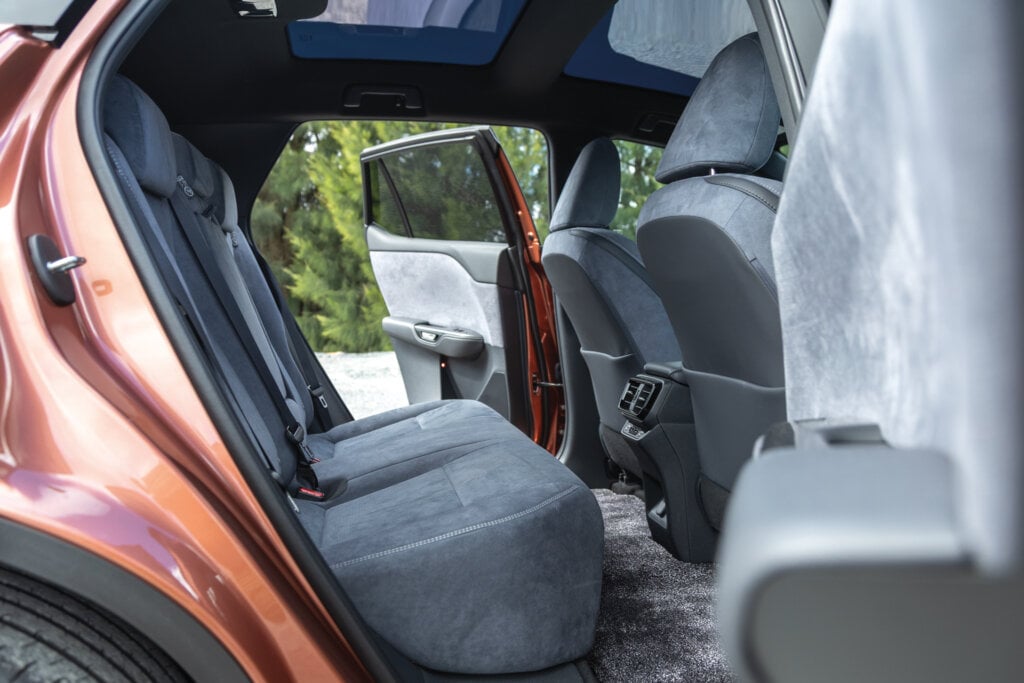
Inside, it gets Ultrasuede upholstery and power-adjustable front seats with heating and ventilation. The outer rear seats are also heated.
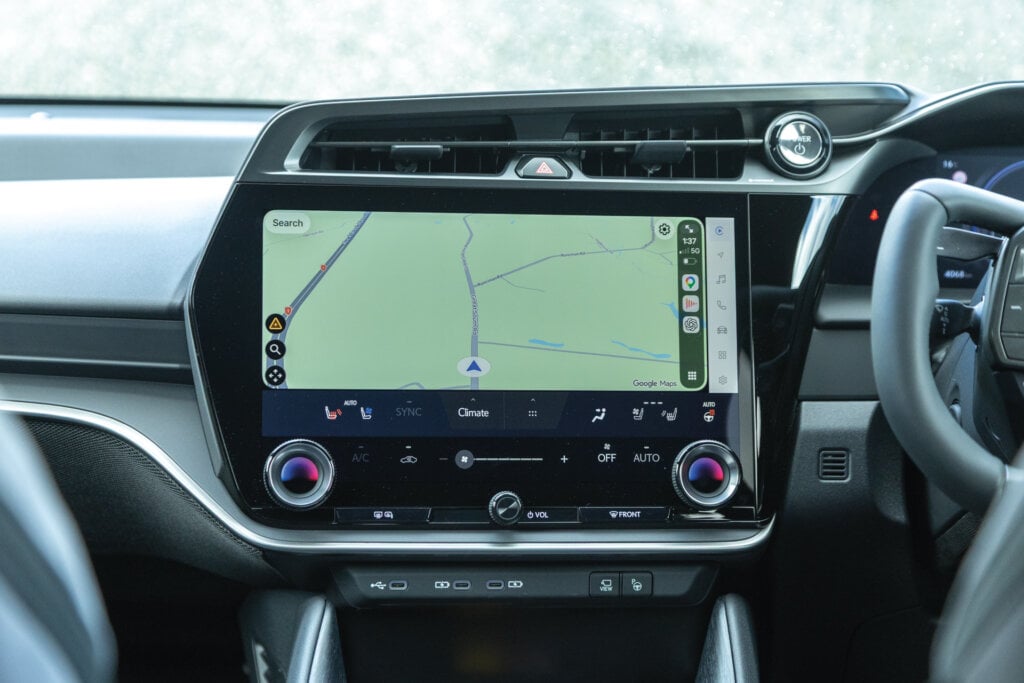
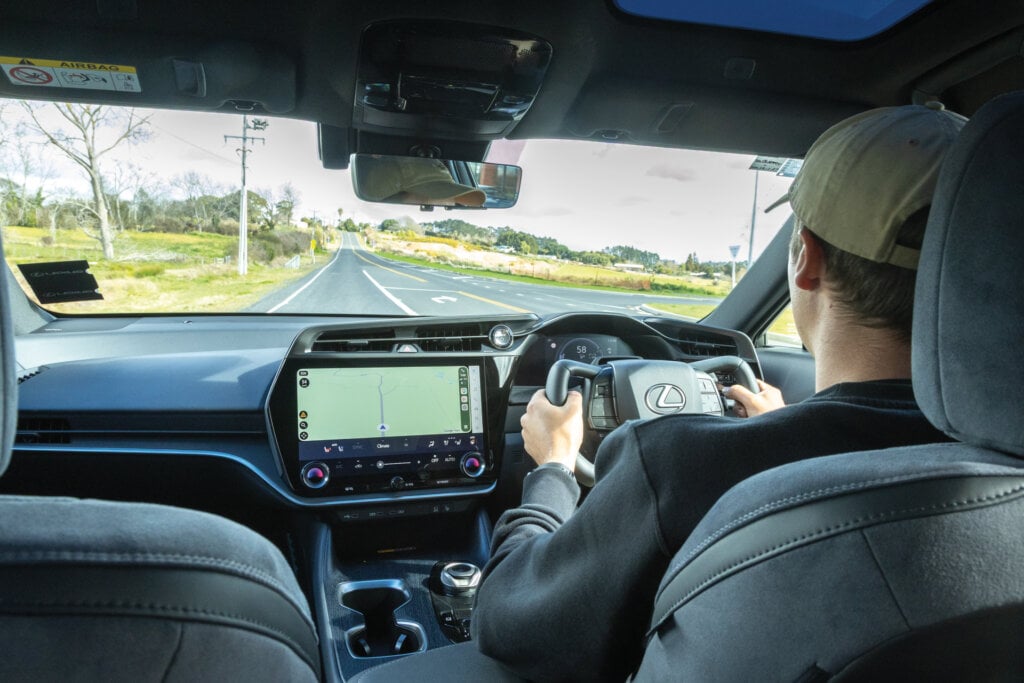
A 14-inch infotainment screen sits in the centre of the dash, offering wireless Apple CarPlay and Android Auto connectivity. While a conventional steering wheel’s rim can obscure the instrument display, the RZ’s small 7.0-inch cluster has an unobstructed view.
As with most modern EVs, physical buttons are almost non-existent. The tactile climate dials are probably the most user-friendly controls in the cabin. A handful of touch panels on the yoke are intuitively arranged but still don’t feel like an adequate replacement for proper buttons. There’s also a 13-speaker Mark Levinson sound system with an 8-inch subwoofer, plus a wireless phone charger.
An interesting offering
The RZ 500e Dynamic Steer-by-Wire is an interesting addition to Lexus’ New Zealand range. At $120,000, though, I’m not sure it will tempt the brand’s older buyers, particularly with that $10,000 premium for the steering system. It’s fun, but it feels like a novelty.
New Zealand’s sub-$100,000 EV market is already crowded with Chinese newcomers offering impressive levels of luxury for the money. Lexus’ main selling point will be the peace of mind that comes with a Toyota product. Since that’s also available in the entry-level 500e Dynamic, I don’t see much benefit in spending more.
Lexus RZ 500e Dynamic
$119,900 / 18kWh/100km / 0g/km
0-100 km/h 4.6s
Motor output 280kW
Max torque 572Nm
Battery 74.69kWh
Range 460km
Drivetrain Single-speed auto / e-AWD
Front suspension Mac strut / swaybar
Rear suspension Wishbones / swaybar
Turning circle 11.2m
Front brakes Ventilated discs (328mm)
Rear brakes Ventilated discs (317mm)
Stability systems ABS, ESP
Safety AEB, ACC, BSM, LDW, RCTA, ALK, AHB
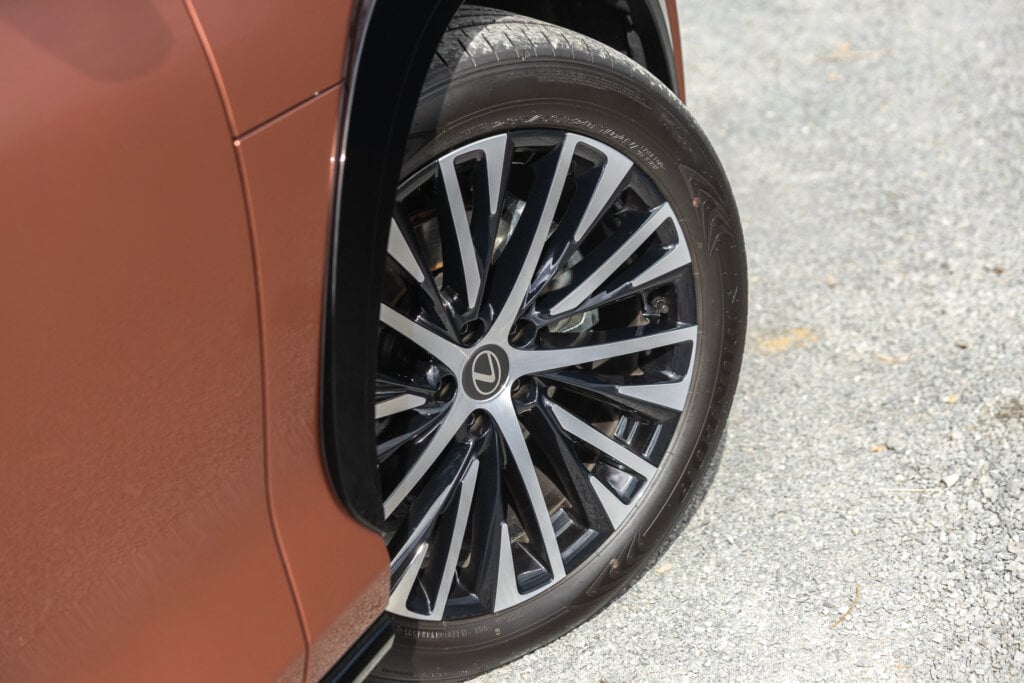
Tyre size f-235/50R20 r-255/45R20
Wheelbase 2850mm
L/W/H 4805 / 1895 / 1635mm
Track f-1610mm r-1620m
Luggage capacity 522L
Tow rating 750kg (1500kg Braked)
Service intervals 12 months / 15,000km
Scheduled servicing 4yrs / unlimited km
Warranty 4yrs / unlimited km
ANCAP rating ★★★★★ (2023)
Weight (claimed) 2199kg