View all
20 more images
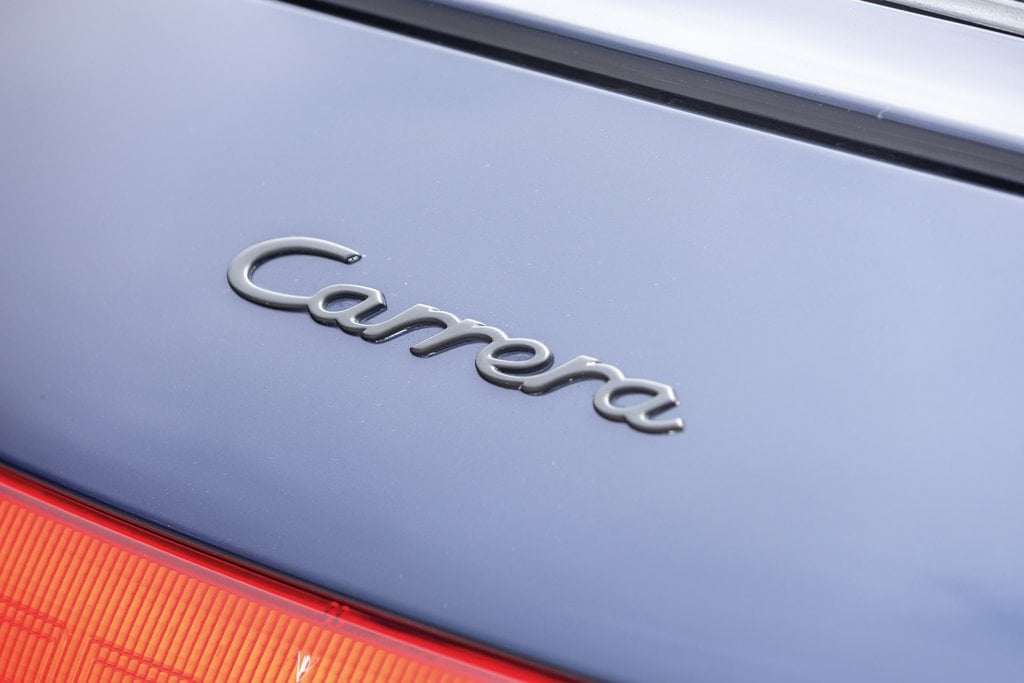
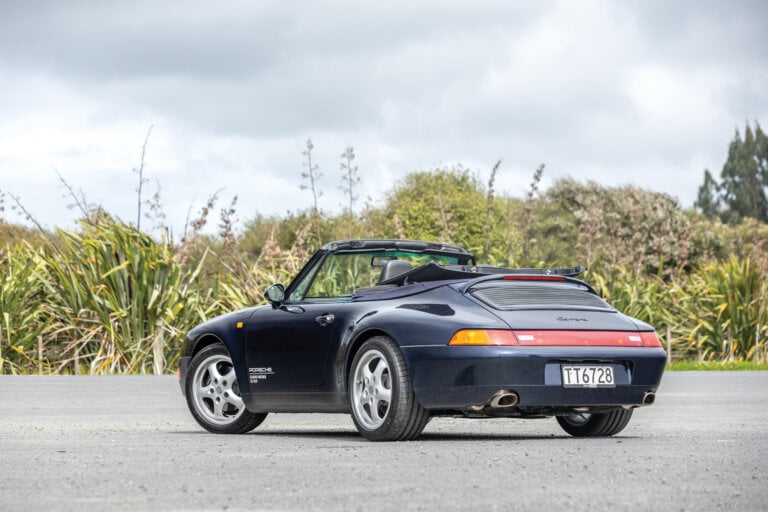
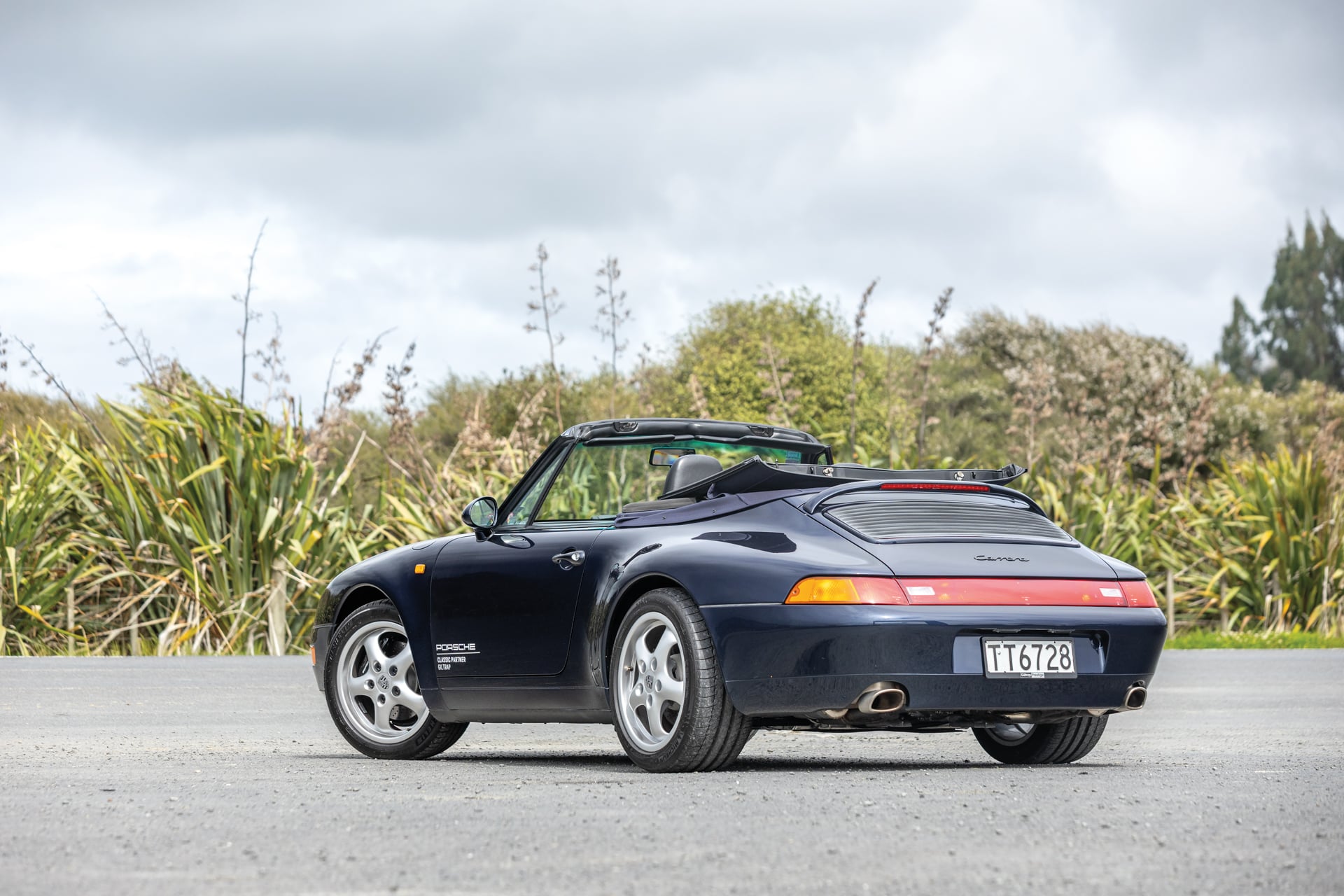
1995 Porsche 911 Carrera Cabriolet Review
Words: Alex Schultz | Photos: Alex Schultz
The 993 was the last 911 that didn’t require you to check its coolant level. We soak up a few rays and enjoy a few bends in a topless Carrera.
The Porsche Type 993 is known as the last air-cooled 911. It gets the enthusiasts excited today, but when it appeared in 1993, Porsche was more concerned with hooking new customers than designing a future collectable. That’s because the company was in a spot of bother. Sales were on a downward trend, the weak US dollar hurt the export business and building several largely unrelated model lines was expensive. Alongside the 964-generation 911 sat the four-cylinder 968, descended from the 944, and the V8-powered 928 grand tourer. Both transaxle model lines were nearing the end of their lives.
There was hope in the Boxster concept unveiled in Detroit in January 1993, but its production version was still three years away. Porsche needed a new 911 to hold the line until then. Wendelin Wiedeking’s management team was also pushing to reduce manufacturing costs, making the 993 part of a much wider effort to restore the business.
That responsibility fell to the fourth-generation 911, unveiled at Frankfurt in September 1993.
A more civilised 911
The 964 had already brought major modernisation: power steering, ABS, coil springs and the option of all-wheel drive. With its classic upright headlights and familiar shape, it was still connected to the original car.
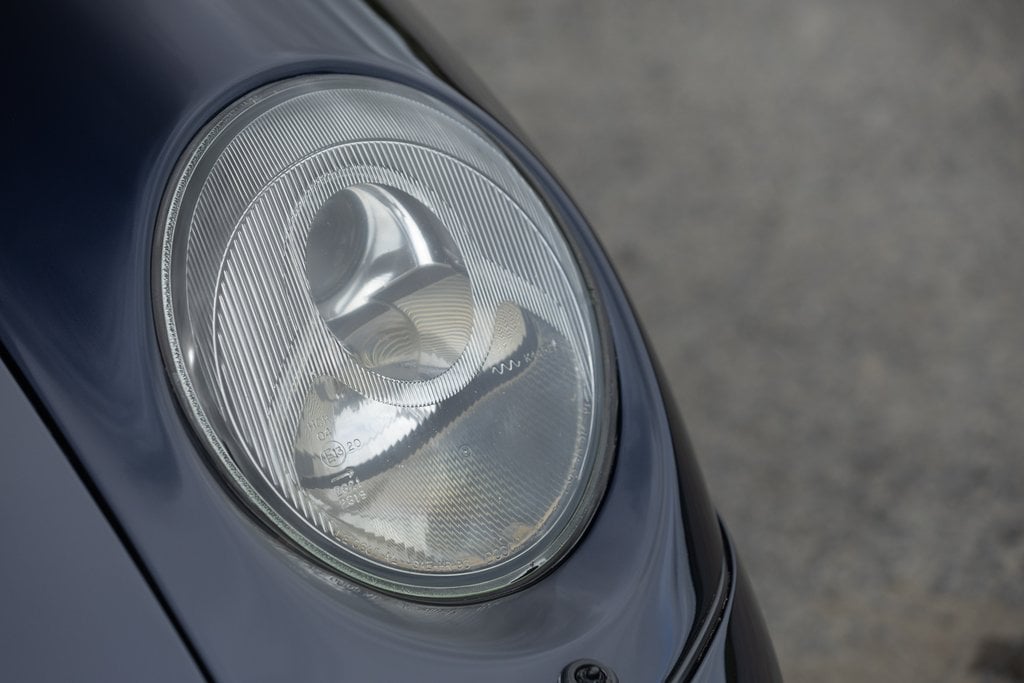
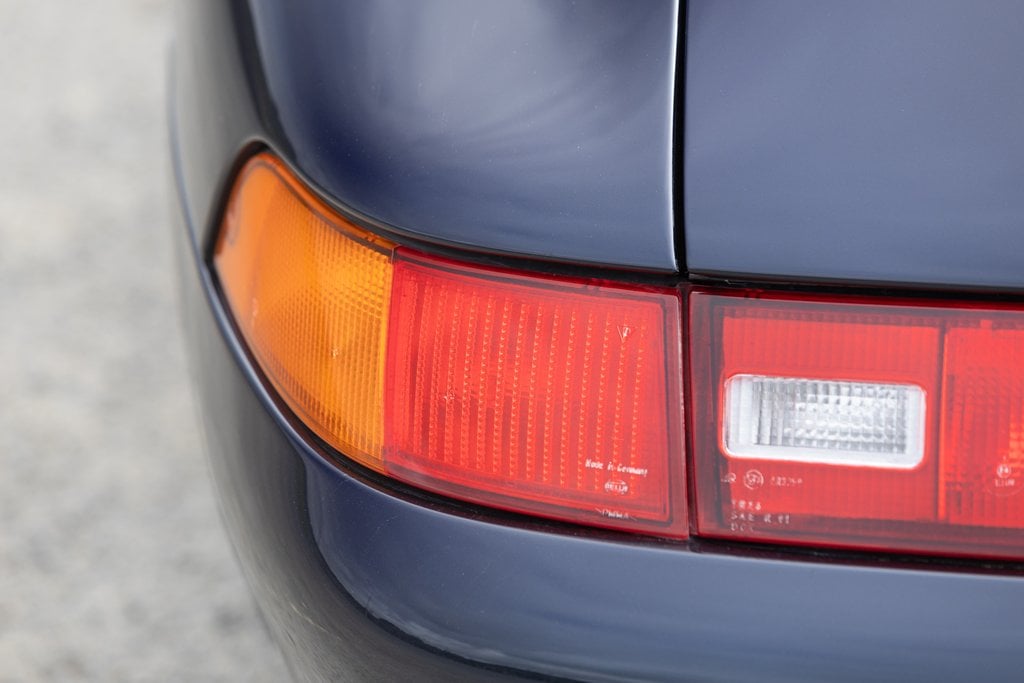
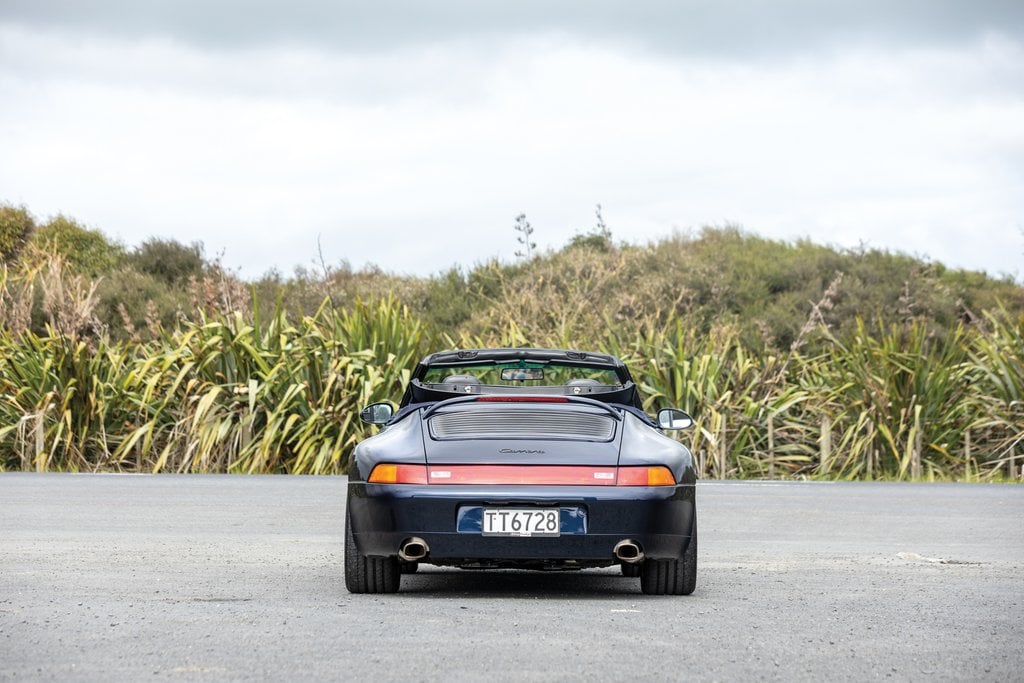
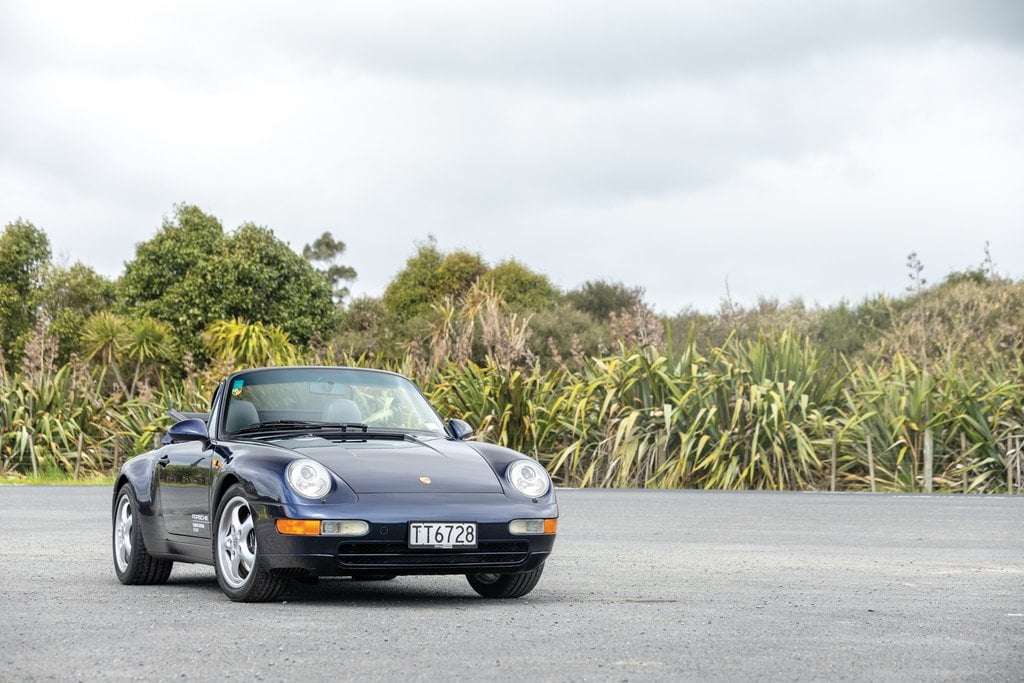
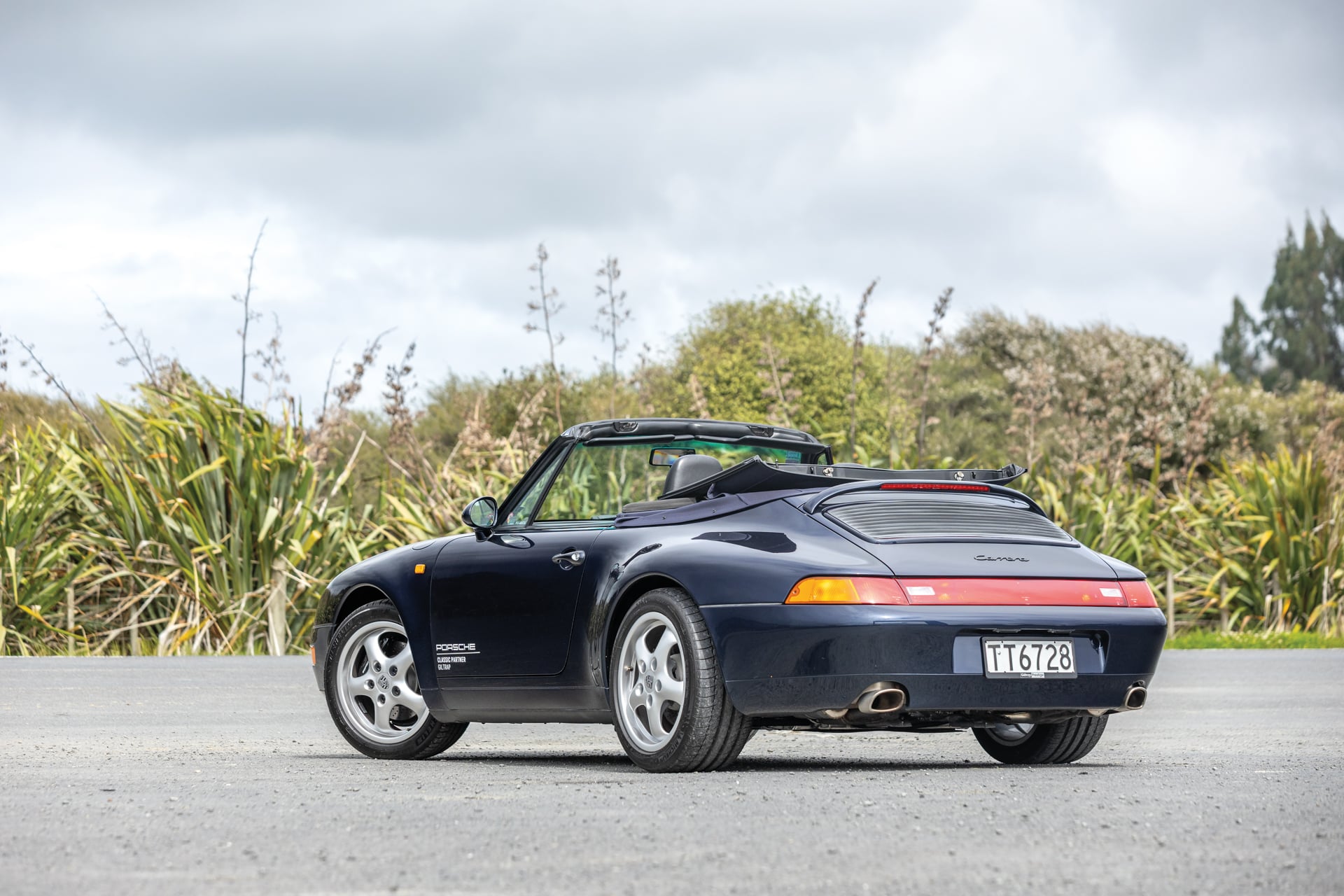
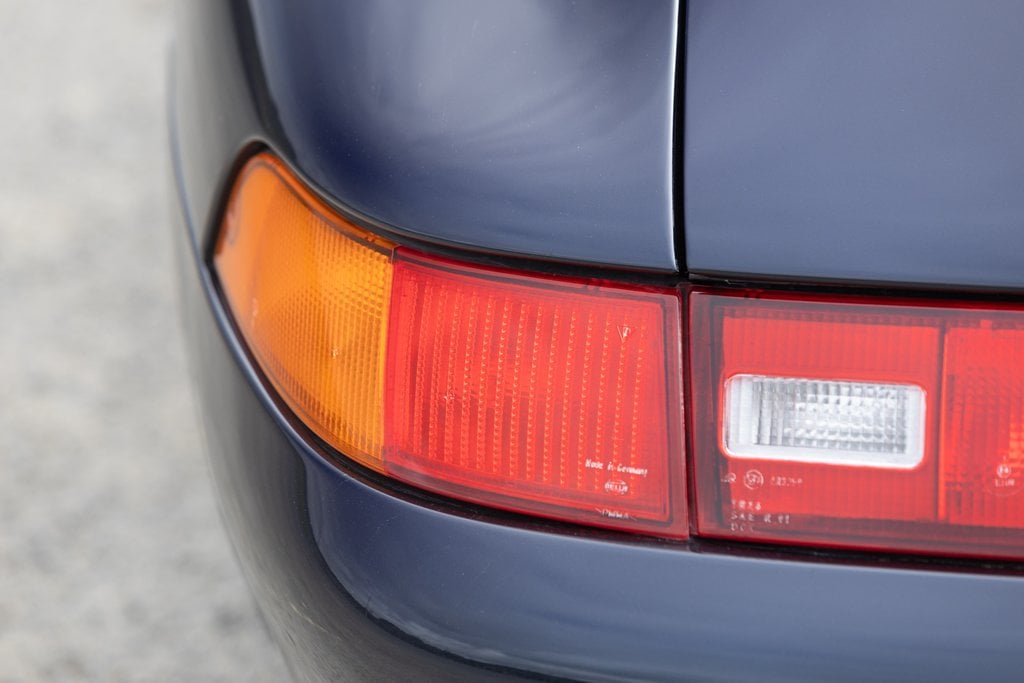
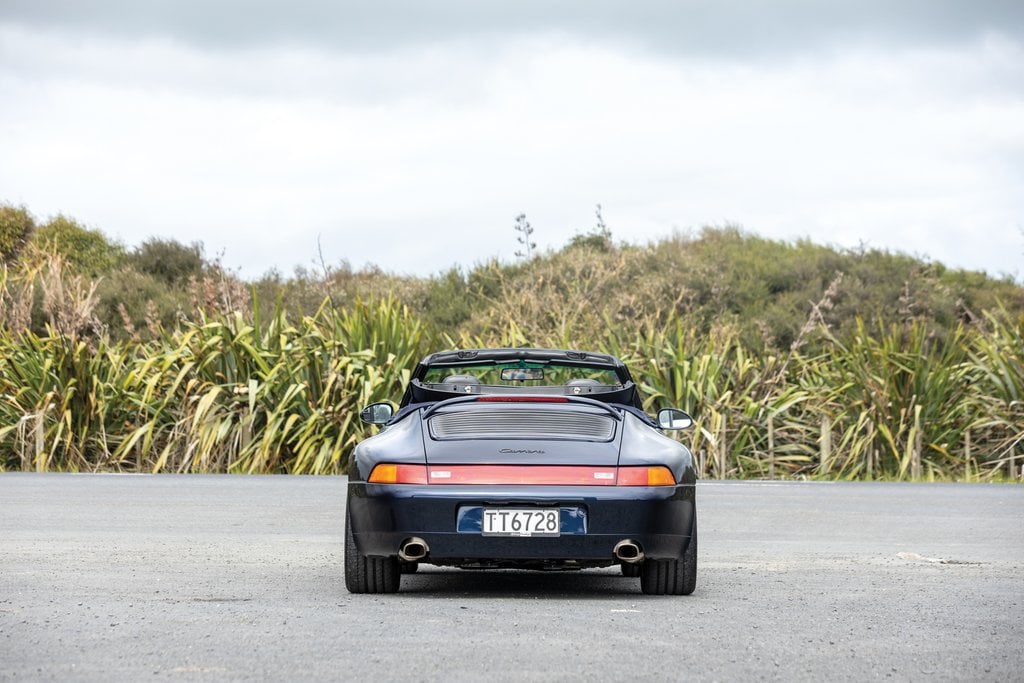
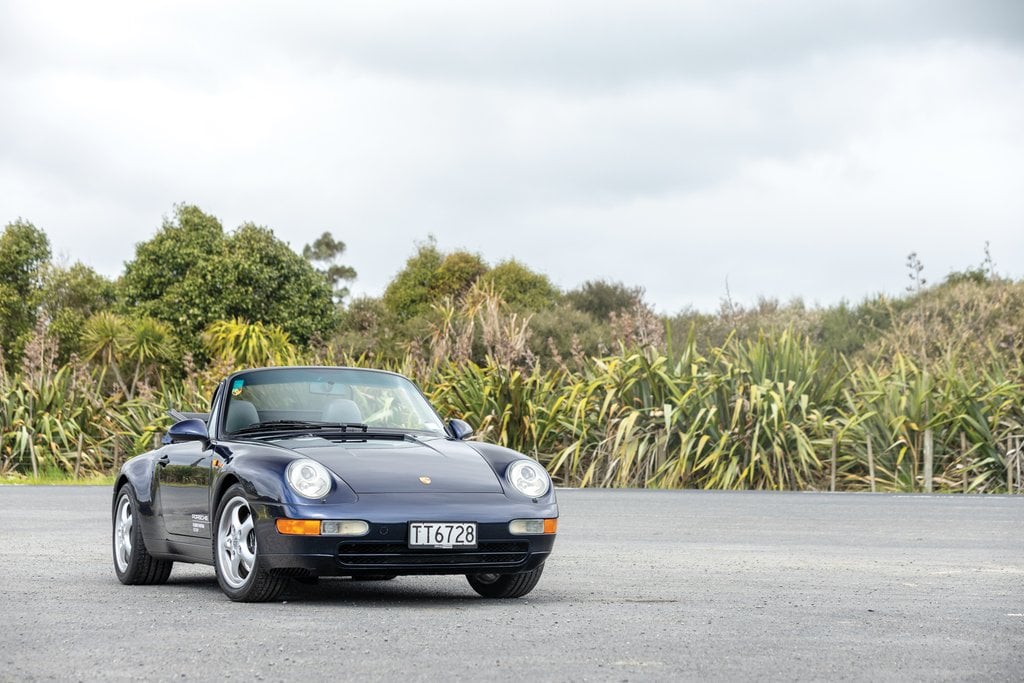
Working under design chief Harm Lagaaij, Tony Hatter helped give the 993 a more contemporary form. Flatter front wings accommodated reclined ellipsoidal headlights, the bumpers flowed more naturally into the body, and broader rear quarters gave it a planted stance. The roofline and doors preserved the family resemblance, while much of the surrounding bodywork changed.
The more significant change was hidden beneath those rear wings. The 964’s semi-trailing-arm rear suspension gave way to an aluminium multi-link arrangement, developed from work on the abandoned 989 four-door project.
Porsche called the chassis philosophy LSA: lightweight, stable and agile. The new geometry controlled wheel movement more precisely, reduced squat and improved stability during acceleration and cornering. It also isolated more road noise and vibration. The 993 offered more forgiving responses and better ride comfort, making the rear-engined formula easier to enjoy over a long journey.
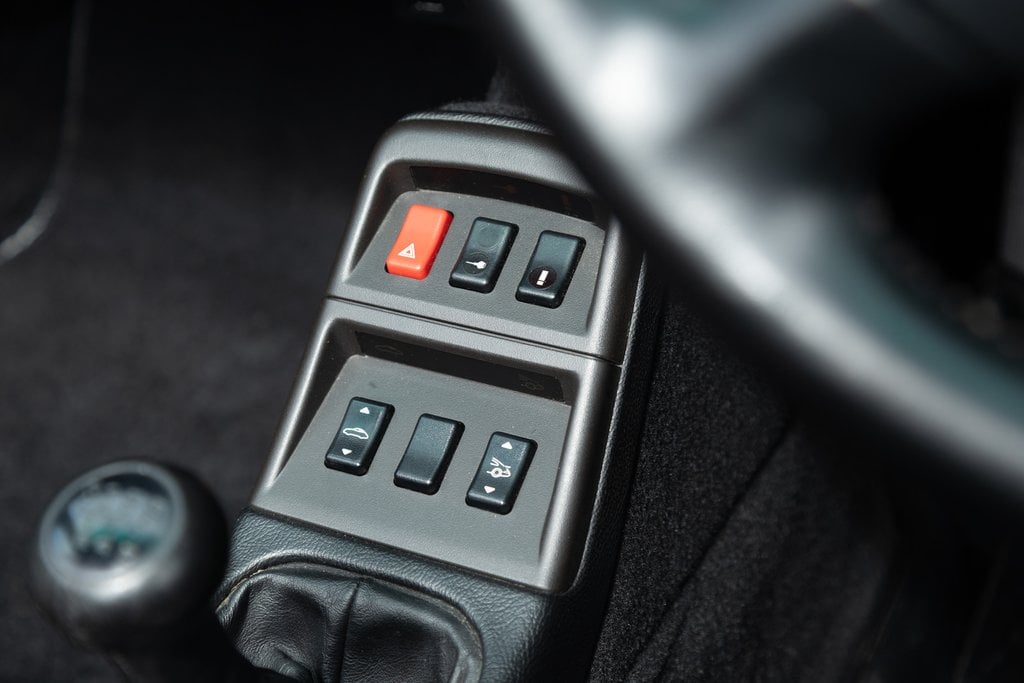
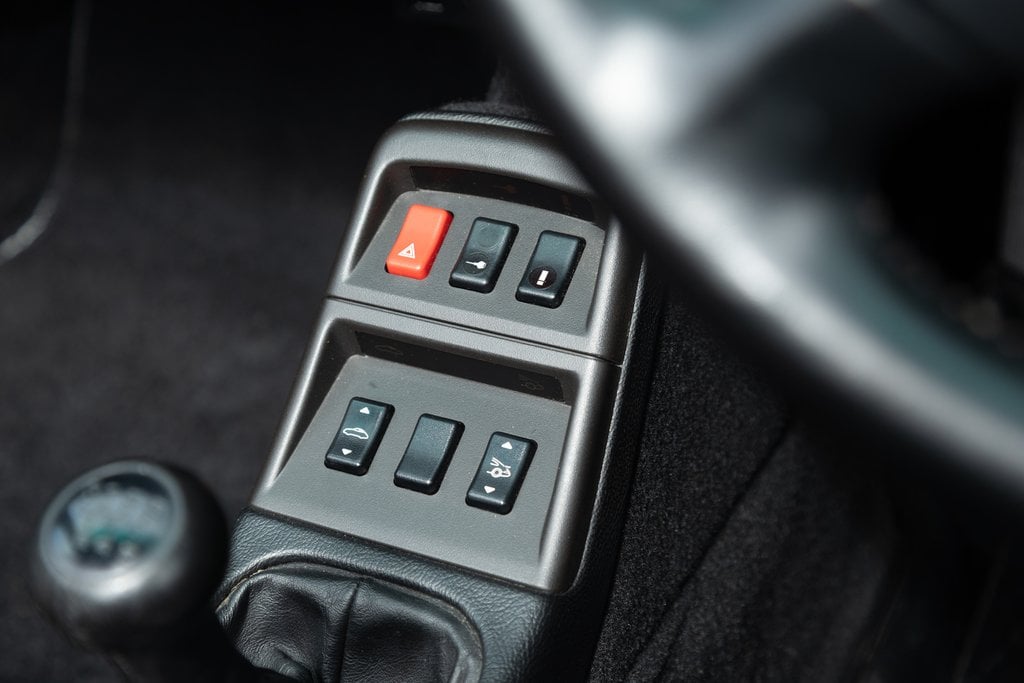
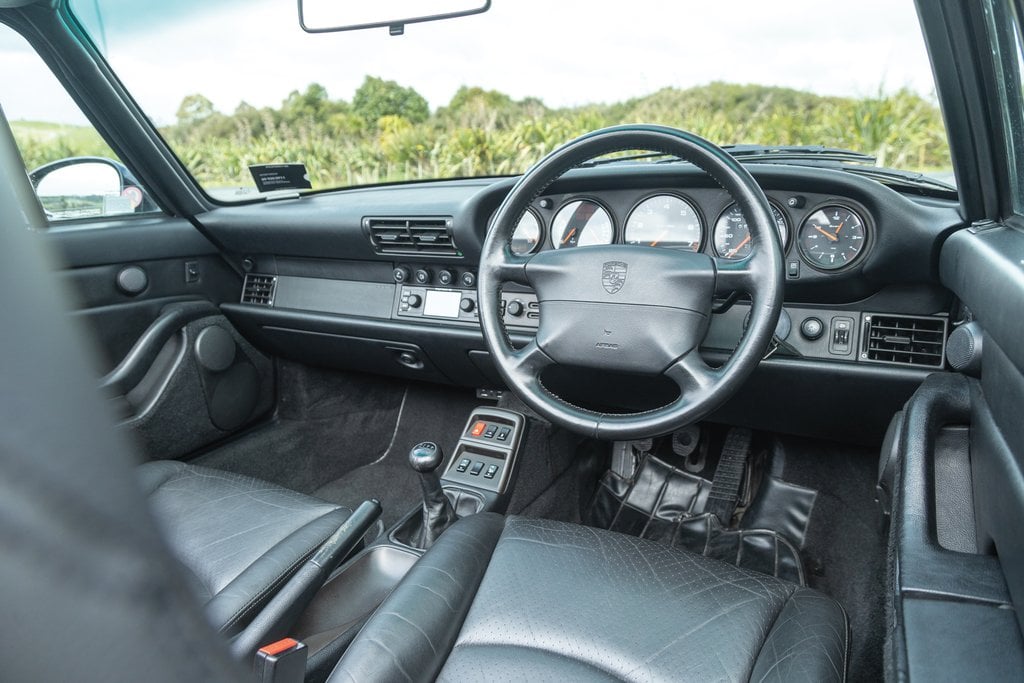
Inside, the familiar five-dial dashboard remained, accompanied by revised seats, door trims, switches and a slimmer airbag steering wheel. Even the front luggage compartment grew, gaining 20 per cent to reach 123 litres.
Making the familiar work harder
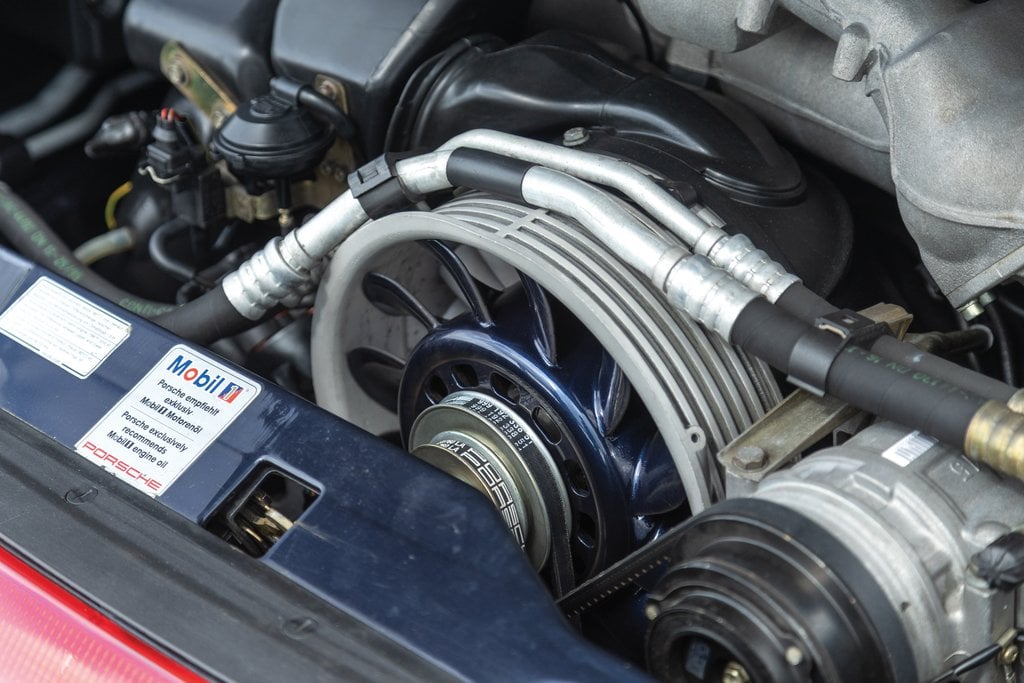
The Carrera retained a 3.6-litre, twin-plug flat-six, but Porsche revised its crankshaft, connecting rods, pistons, valves and breathing. Output rose from the equivalent 964 Carrera’s 184kW to 200kW. Hydraulic valve-clearance compensation eliminated the regular manual adjustment associated with earlier air-cooled 911s.
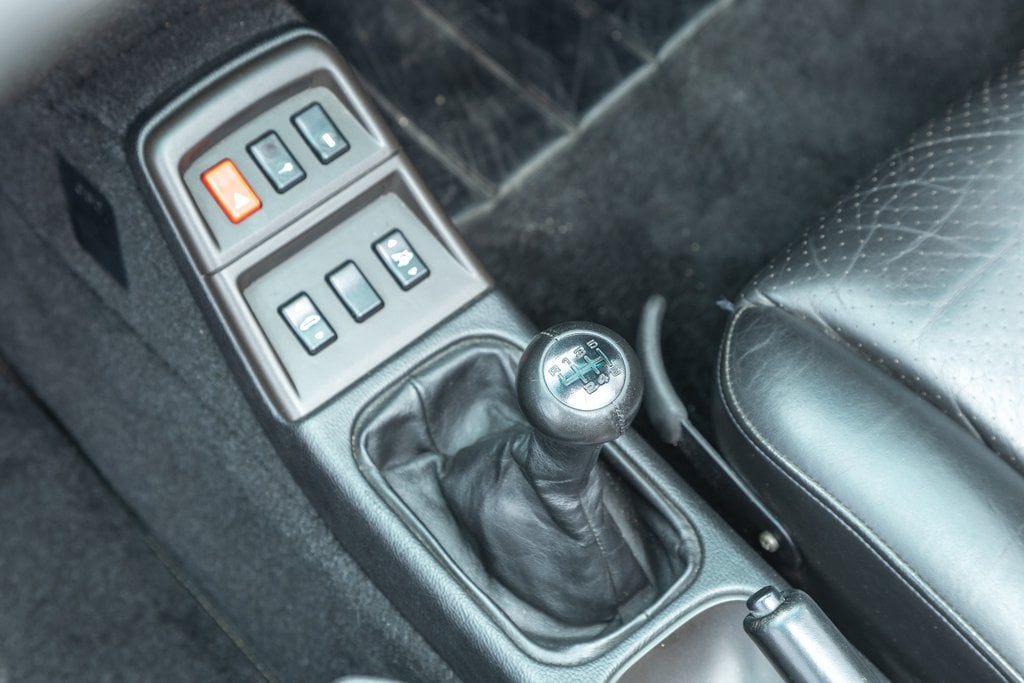
A six-speed manual replaced the five-speed, bringing closer ratios without sacrificing cruising ability. This was a first for a regular production 911, although other Porsches had already used six speeds. The optional four-speed Tiptronic continued, with Tiptronic S adding steering-wheel shift switches for the 1995 model year.
The early Carrera managed 100km/h in 5.6 seconds and 270km/h flat out. More useful on the road was having that performance spread across a gearbox better matched to the engine’s delivery.
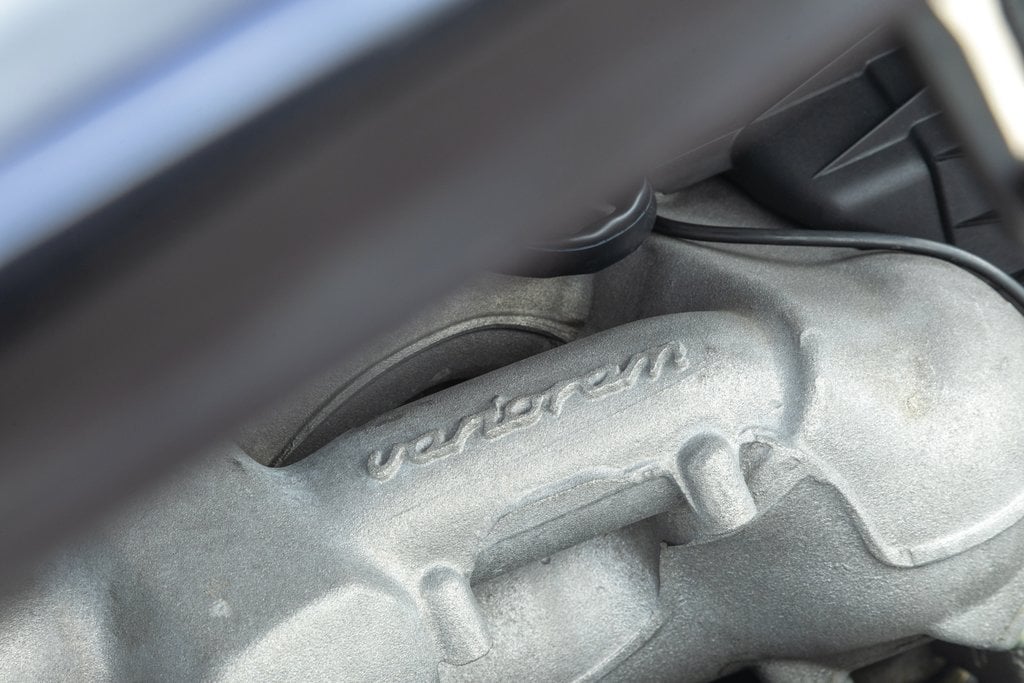
VarioRam further improved the naturally aspirated engine. Vacuum-operated valves changed the effective intake-runner length to strengthen torque across the rev range, lifting Carrera output to around 210kW. It was variable intake geometry, rather than variable valve timing, doing the work.
A growing family
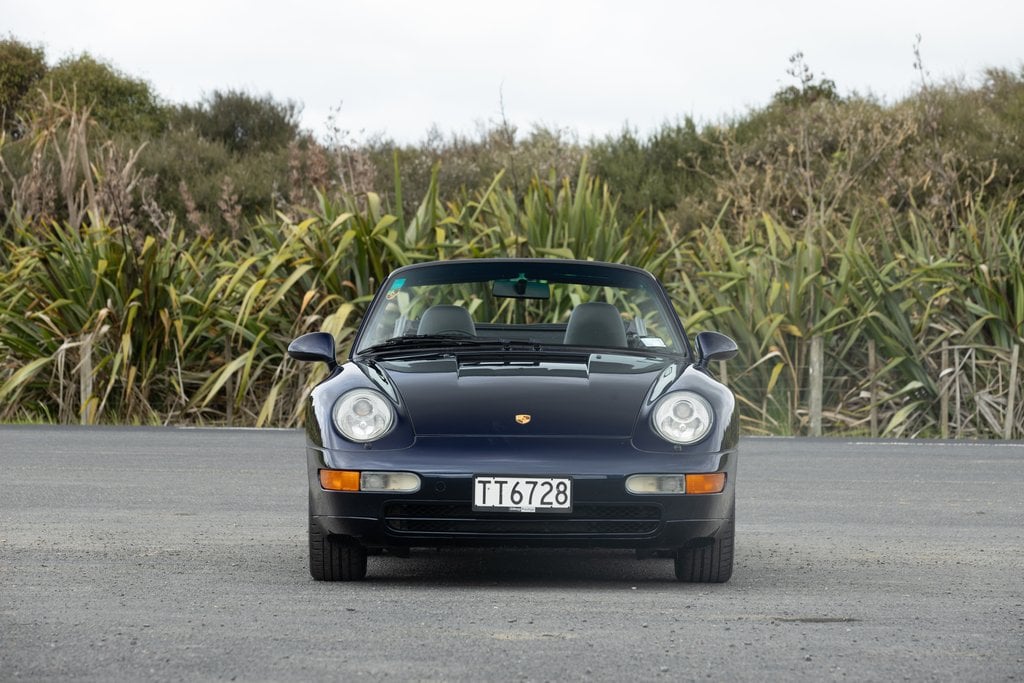
The rear-drive Carrera Coupé arrived first, followed by the Cabriolet in early 1994. Carrera 4 Coupé and Cabriolet models joined for the 1995 model year.
Their all-wheel drive was substantially simpler than the 964’s electronically controlled arrangement. A lighter viscous-coupling system transferred drive forwards when required, retaining a predominantly rear-drive character. Rear differential locking and brake-based traction assistance helped manage slippery conditions.
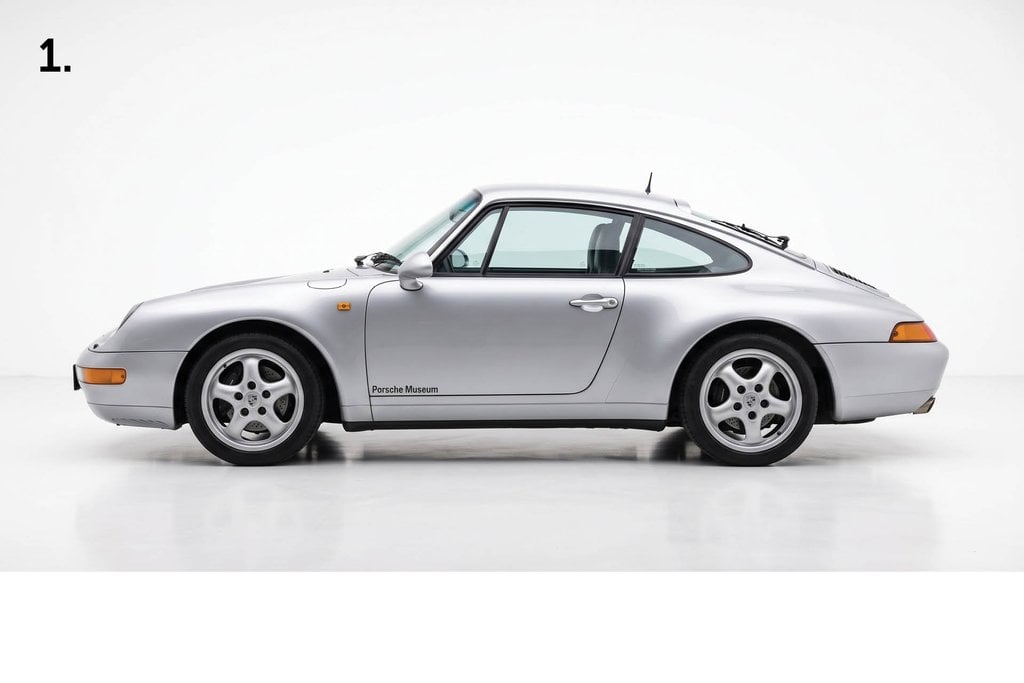
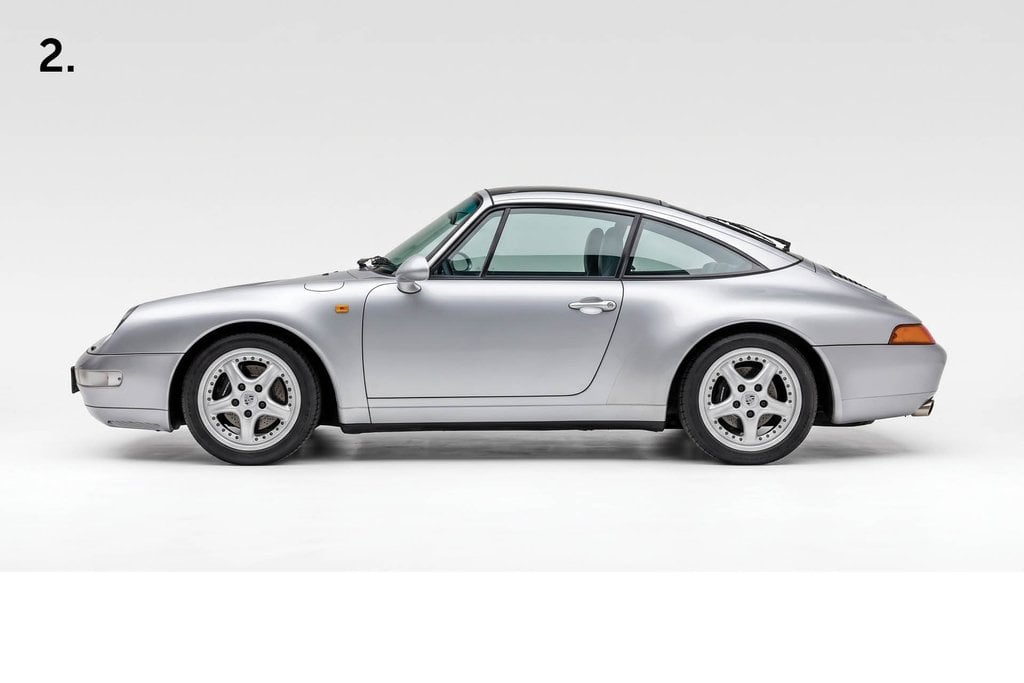
The Targa, introduced in late 1995, rethought another familiar Porsche idea. Its distinctive roll hoop and removable panel disappeared, replaced by a large electrically sliding glass roof that tucked beneath the rear window. A blind controlled sunlight, while the roof supports gave it a silhouette closer to the Coupé.
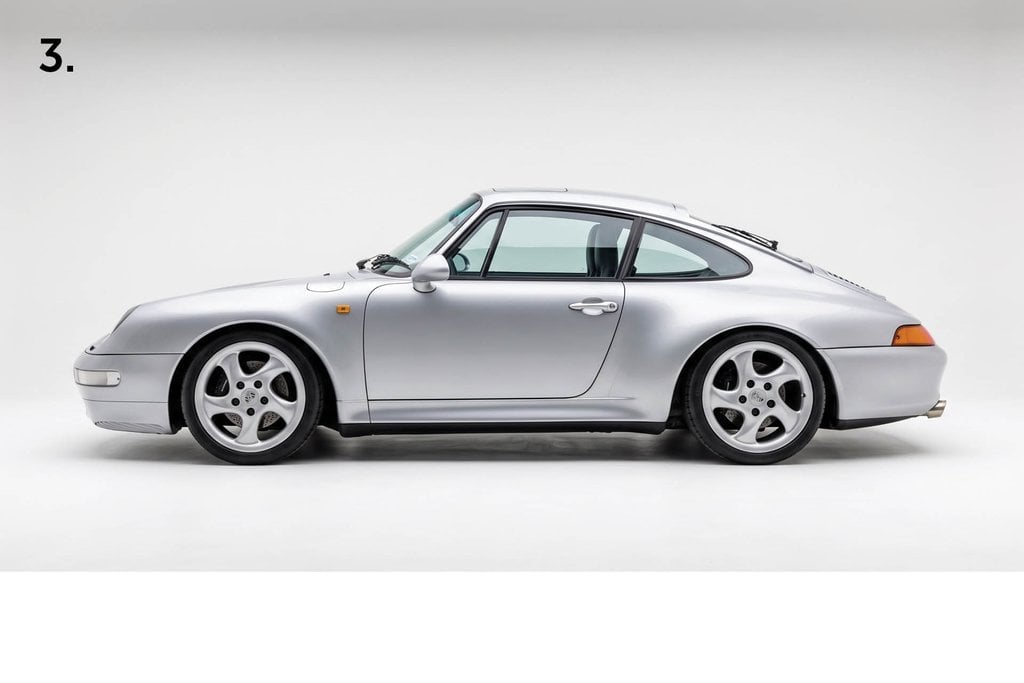
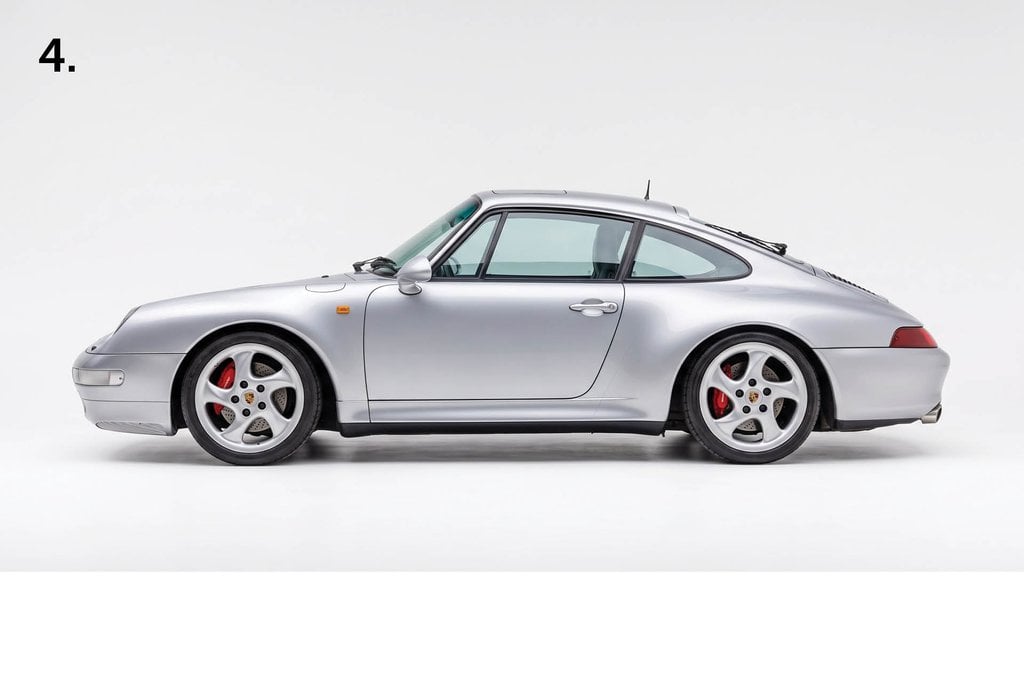
For buyers who wanted Turbo hips without turbocharged running gear, the Carrera 4S arrived for the 1996 model year. Its naturally aspirated engine sat within the wide body, accompanied by Turbo-derived chassis hardware. The rear-drive Carrera S followed for 1997, offering similar visual appeal with its own split engine-cover grille.
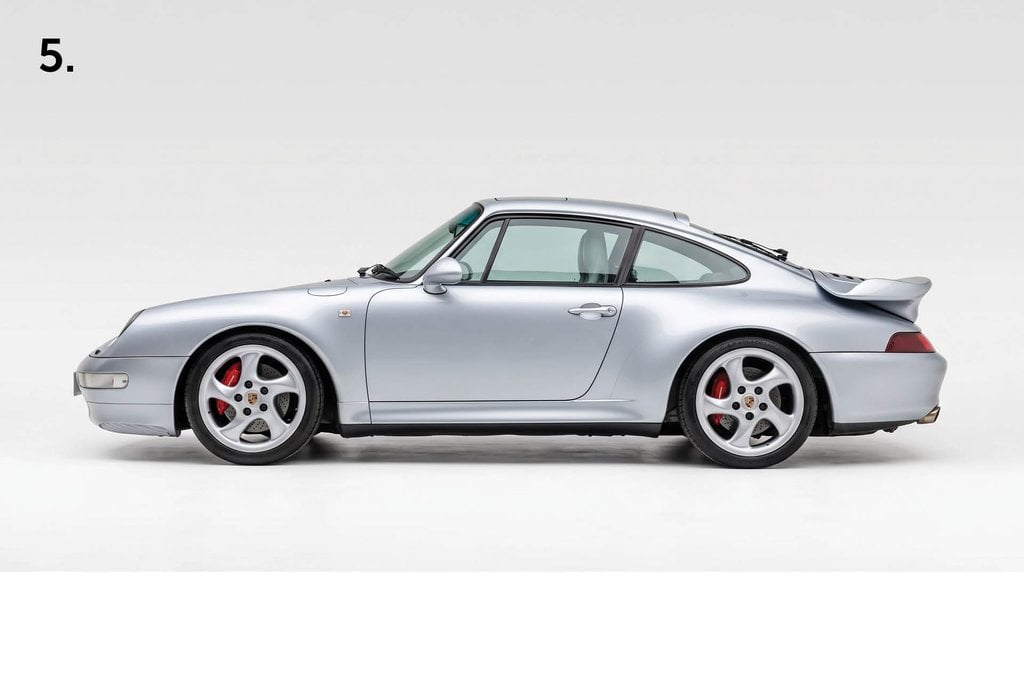
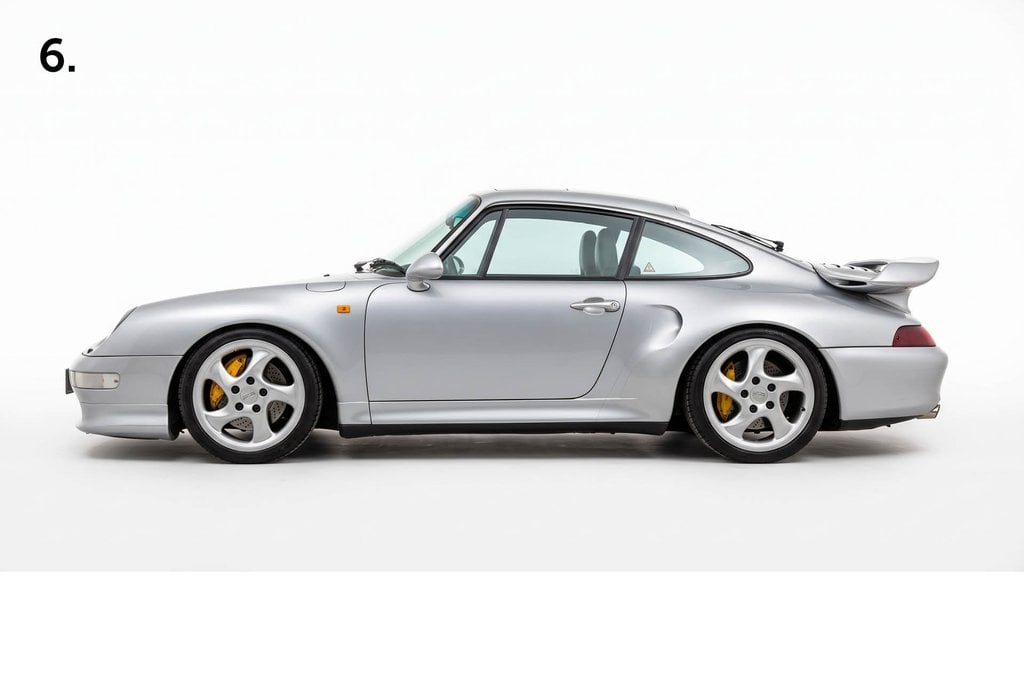
The 1995 Turbo made a much bigger mechanical leap. Its 3.6-litre engine gained two small turbochargers, replacing the previous Turbo’s single unit and improving response. Output reached 300kW and 540Nm, with Porsche claiming 100km/h in 4.5 seconds thanks to AWD. The Turbo S, with 331kW, dropped that mark to 4.1sec.
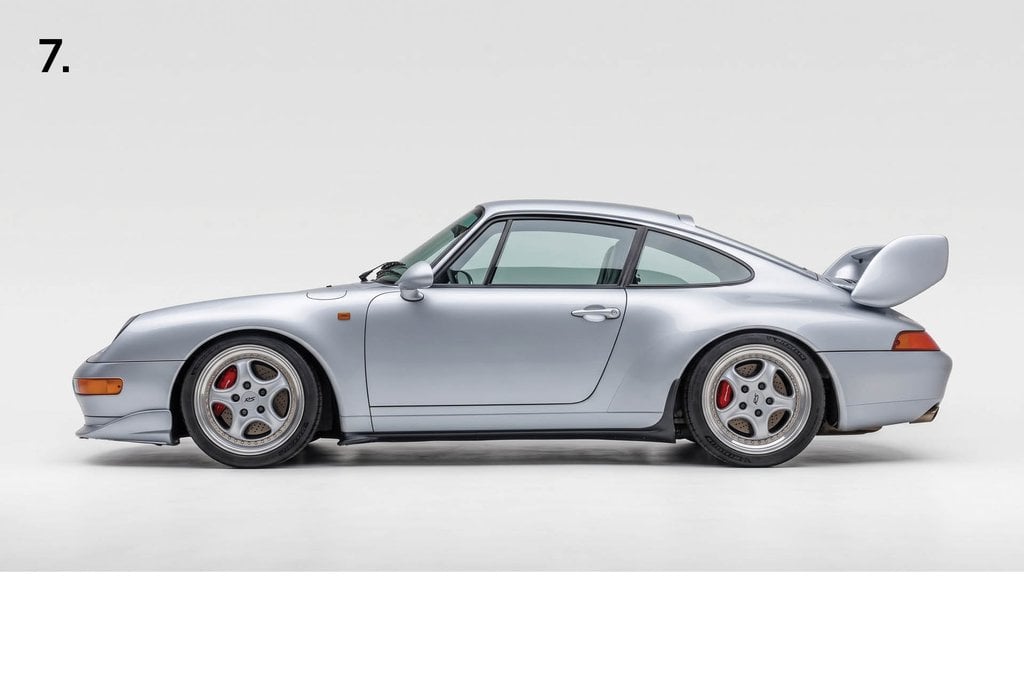
The lightweight alternative was the Carrera RS, which used a 3.8-litre naturally aspirated engine producing 221kW, with roughly 100kg removed compared with a Carrera. The Clubsport treatment pushed its circuit intentions further.
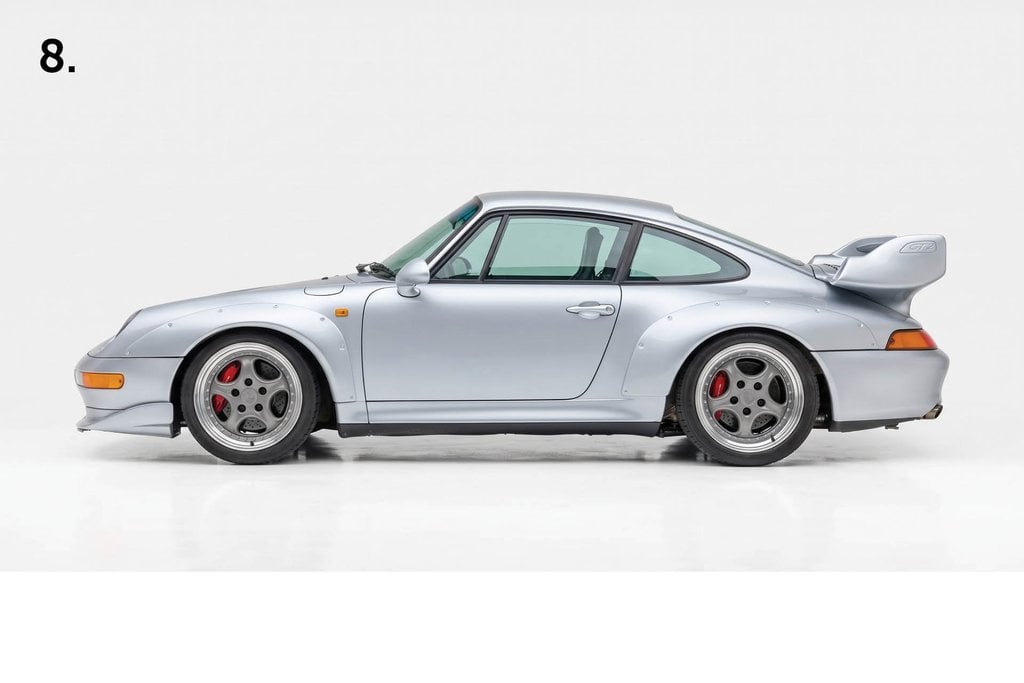
Then came the GT2, developed around GT racing requirements. It dispensed with the Turbo’s four-wheel drive, added extravagant wings and wheelarch extensions, and initially delivered 316kW solely through the rear tyres. Later versions reached 331kW. This was the start of a particularly uncompromising 911 lineage.
Porsche built 68,881 examples of the 993 before production ended in 1998, overlapping the arrival of the water-cooled 996. Tougher emissions requirements and the need for four-valve cylinder heads helped dictate that change.
So what’s it like now?
Climb into the 993 and you’re immediately struck by the proximity of its upright windscreen. The switchgear is old-school and no-nonsense, with just the essentials on offer. Pull the door shut and it makes a reassuring clunk. The view from the driver’s seat is very different from that in any other sports car, including modern 911s. The bonnet quickly falls out of view beyond the short dashboard, while the thin A-pillars allow for great visibility. Yet despite having the same wheelbase as a Mazda MX-5, it feels remarkably roomy inside.
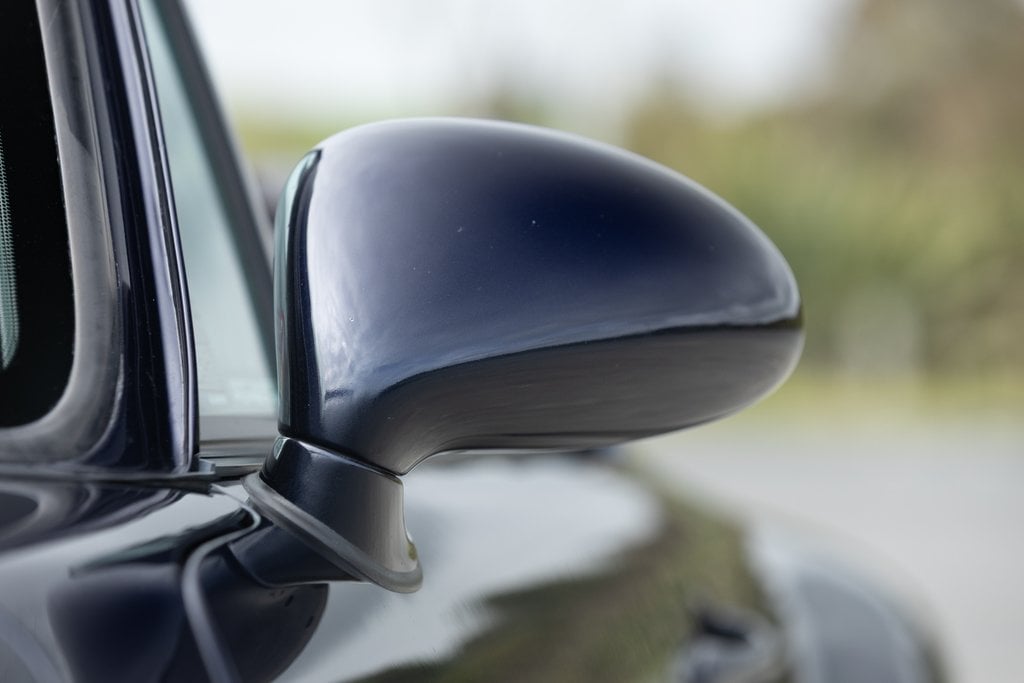
I love the teardrop mirrors, which echo the overall softer, wider design language of the 993. It’s smoother than the 964, with a slightly slicker angle to the windscreen.
Turn the key and the air-cooled flat-six rumbles into action; you feel the mechanical vibration and the cooling fan working away. And there’s a very distinctive air-cooled smell, with petrol, oil and leather mixing together.
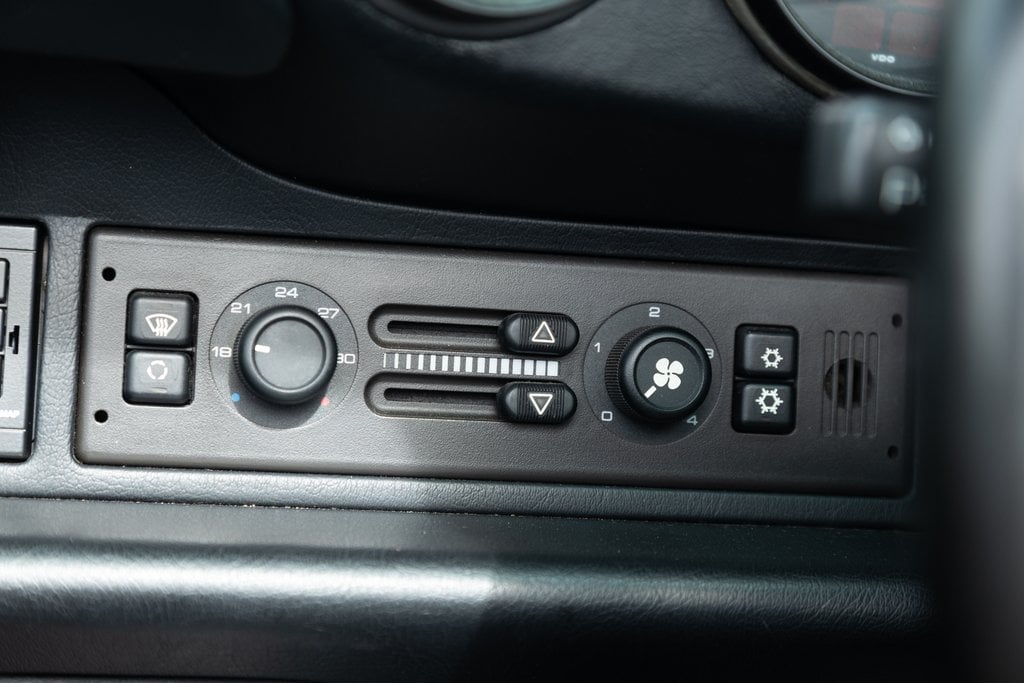
It’s remarkably unintimidating to operate. It’s equally at home in morning traffic or on a long-distance road trip. Comfy front seats make the latter easier, with space in the back for children or luggage. Air-conditioning and ventilation, however, are poor, even by nineties standards. Luckily, this being a cabrio, you can drop the electrically operated roof.
Weight distribution is 40/60 front to rear, which benefits the steering, as the helm feels light and quick. It also helps when you need to stop; by jeez, the brakes are nice. You feel everything as you hit the pedal, and their progressive nature helps you manage your input.
Pushing into a corner, the car feels small, nimble and easy to place. That’s thanks in part to Porsche replacing the 911’s semi-trailing arms with an aluminium multi-link rear end for the 993. This greatly reduces the tendency towards lift-off oversteer, making this generation of 911 more predictable and forgiving. When cornering, the rear suspension geometry generates a toe-in effect, adding further stability.
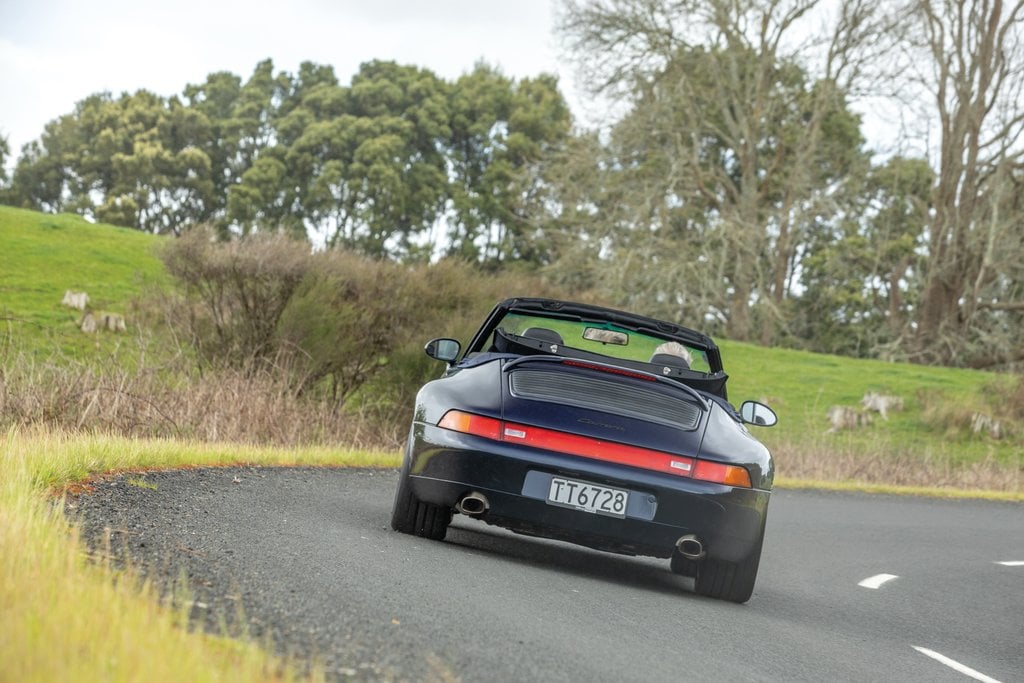
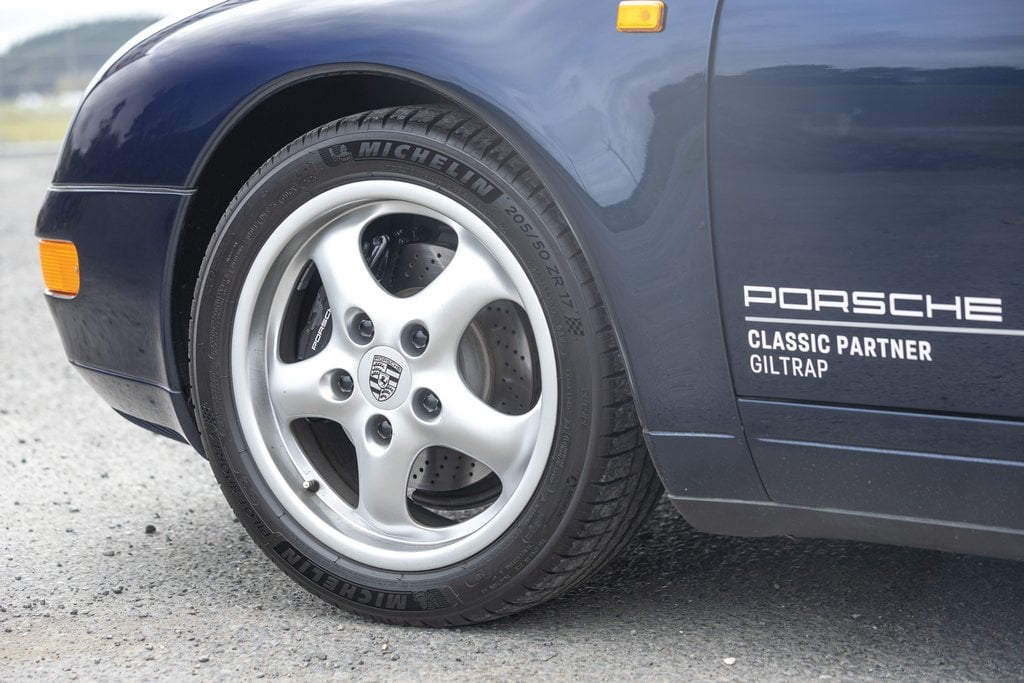
You still get that strong sense that there’s an engine way in the back. And so it’s best to get all your braking done before corner entry, then lean on those 255-section rear tyres to power you out. It’s a lovely car to get into a rhythm with, without the constant feeling that the rear could step out on you.
The engine sounds glorious at idle and gets even better as the revs rise. The 3.6-litre’s VarioRam intake, which uses a second throttle body and vacuum-operated variable-length induction runners, helps keep the 210kW six humming throughout the mid-range. It’s at around 4000rpm that it really starts to sing, and the motor enjoys being taken up to its 6800rpm redline.
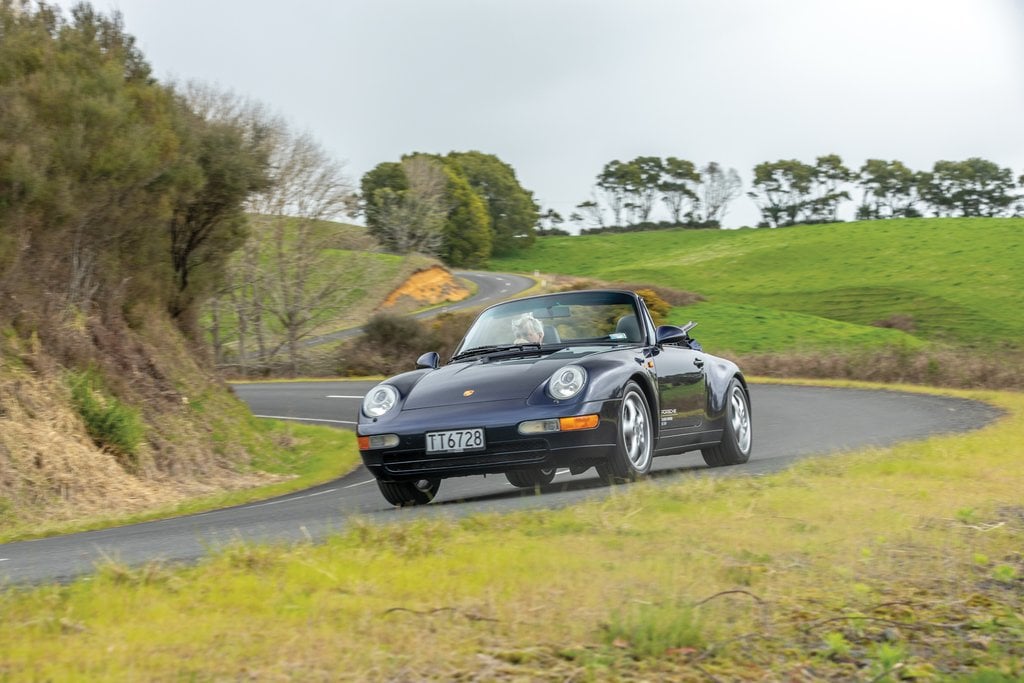
The gearshifts feel very mechanical and well weighted, with six tight ratios up for grabs; you can have lots of fun downshifting or letting the low-end torque do the work. The floor-hinged pedals are quite close together and a little offset, a quirk that RHD 911s suffer from more than LHD examples, though it’s not really a problem once you familiarise yourself with them. I’d recommend wearing narrow shoes, though. While a 0–100km/h time in the five-second range isn’t especially fast by today’s standards, when you’re rowing your own gears to get the best out of the car, the numbers start to mean less, and the experience is everything.
What the 993 delivers is the ultimate analogue, old-school 911 experience: an air-cooled 911 that’s been to finishing school. It’s more civilised in the way it drives, whether on daily duties or out for a spirited drive. Yet it gives you all the sounds, looks and smells that classic 911s are so loved for. You can see why Porsche collectors covet them, especially in manual form.
If you’re interested in this 1995 Porsche 911 Carrera Cabrio, it’s currently for sale at Giltrap.com.