View all
1 more image
Up close with the electric Lexus LFA Concept
Words: Richard Edwards
Lexus has revived the LFA name for a battery-electric sports car concept. We got up close with the LFA Concept in Melbourne, where Lexus showed it to media alongside the updated NX and the new TZ electric SUV, both of which are due in New Zealand next year.
The LFA Concept was revealed in Japan in December 2025, after appearing earlier that year as the Lexus Sport Concept. Lexus gave it its Australian debut at this month’s Melbourne Cup Carnival.
Lexus Australia chief executive Jack Hobbs says the concept builds on what the original LFA started. “Building on the driving character we developed with the original LFA, we have created a next-generation sports car centred on electrification. It carries forward our spirit of challenge while preserving the technologies, skills and craftsmanship that define Lexus for the next generation.”
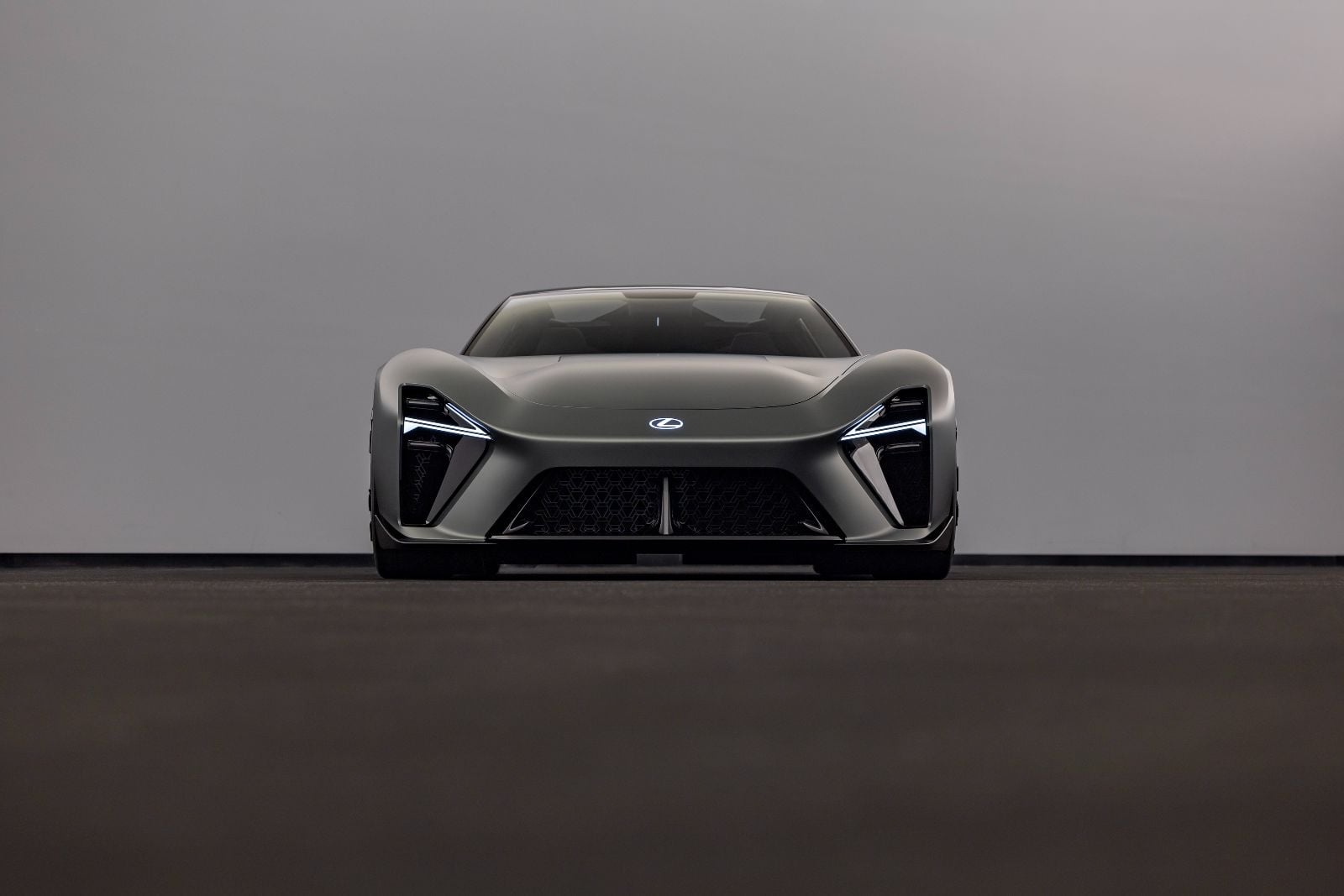
Built on the GR GT’s frame
The LFA Concept is 4,690mm long, 2,040mm wide and just 1,195mm tall, and it rides on a 2,725mm wheelbase. It uses the all-aluminium body frame from Toyota Gazoo Racing’s GR GT, a 4.0-litre twin-turbo V8 hybrid that’s scheduled to go into production in 2027, and it has the same driving position as the GR GT and its GT3 race car sibling.
Lexus hasn’t released power, battery, weight or range figures for the LFA Concept.
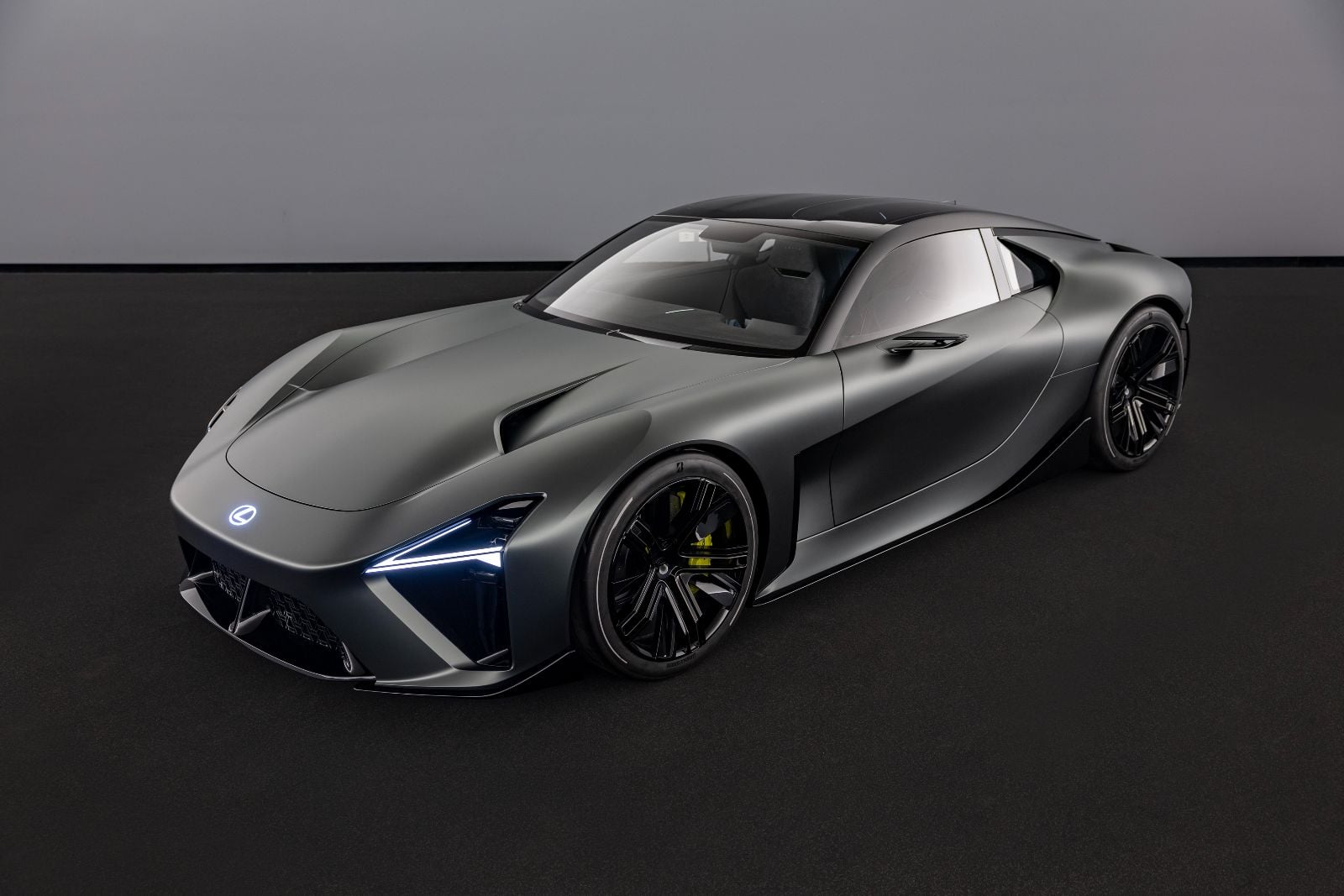
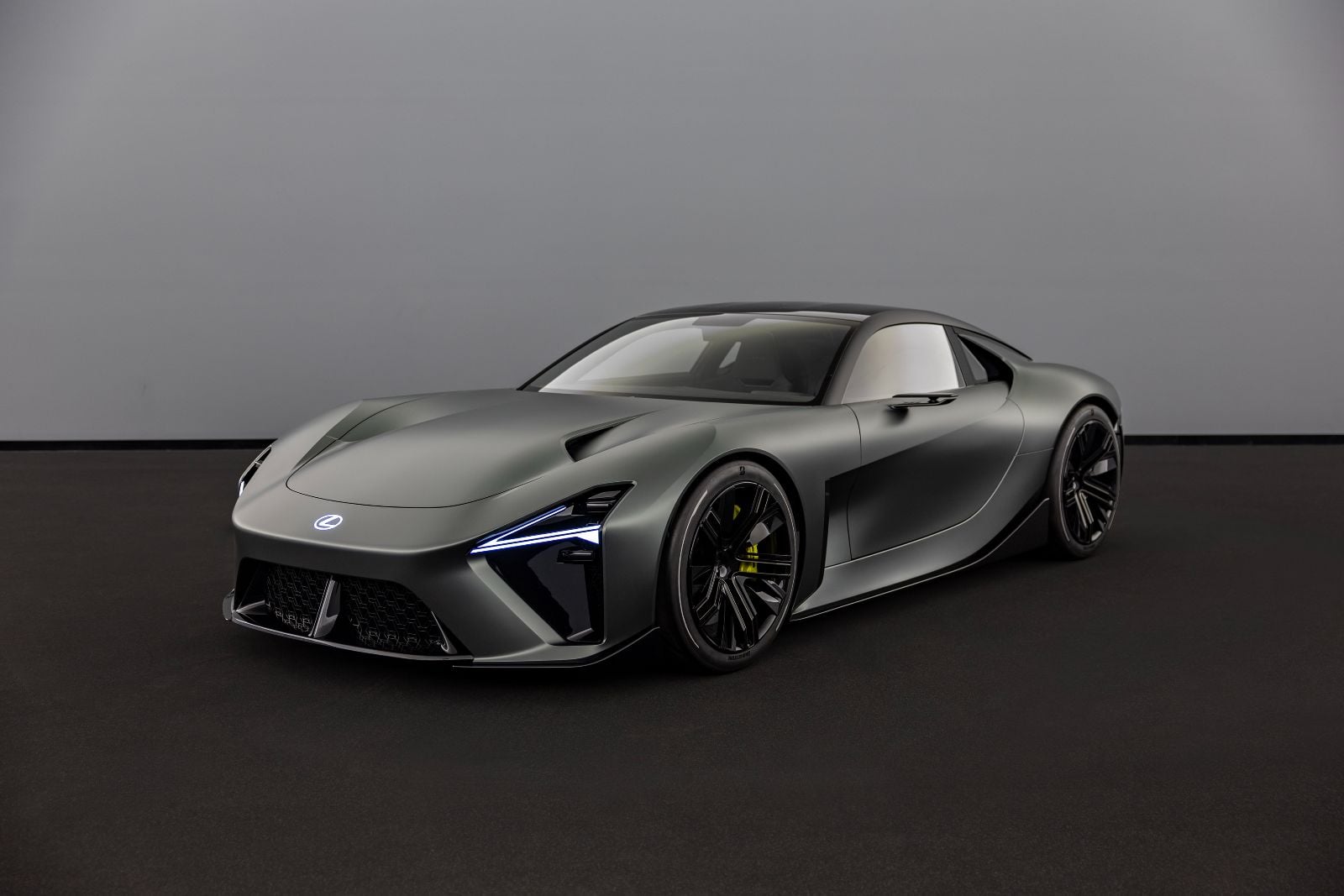
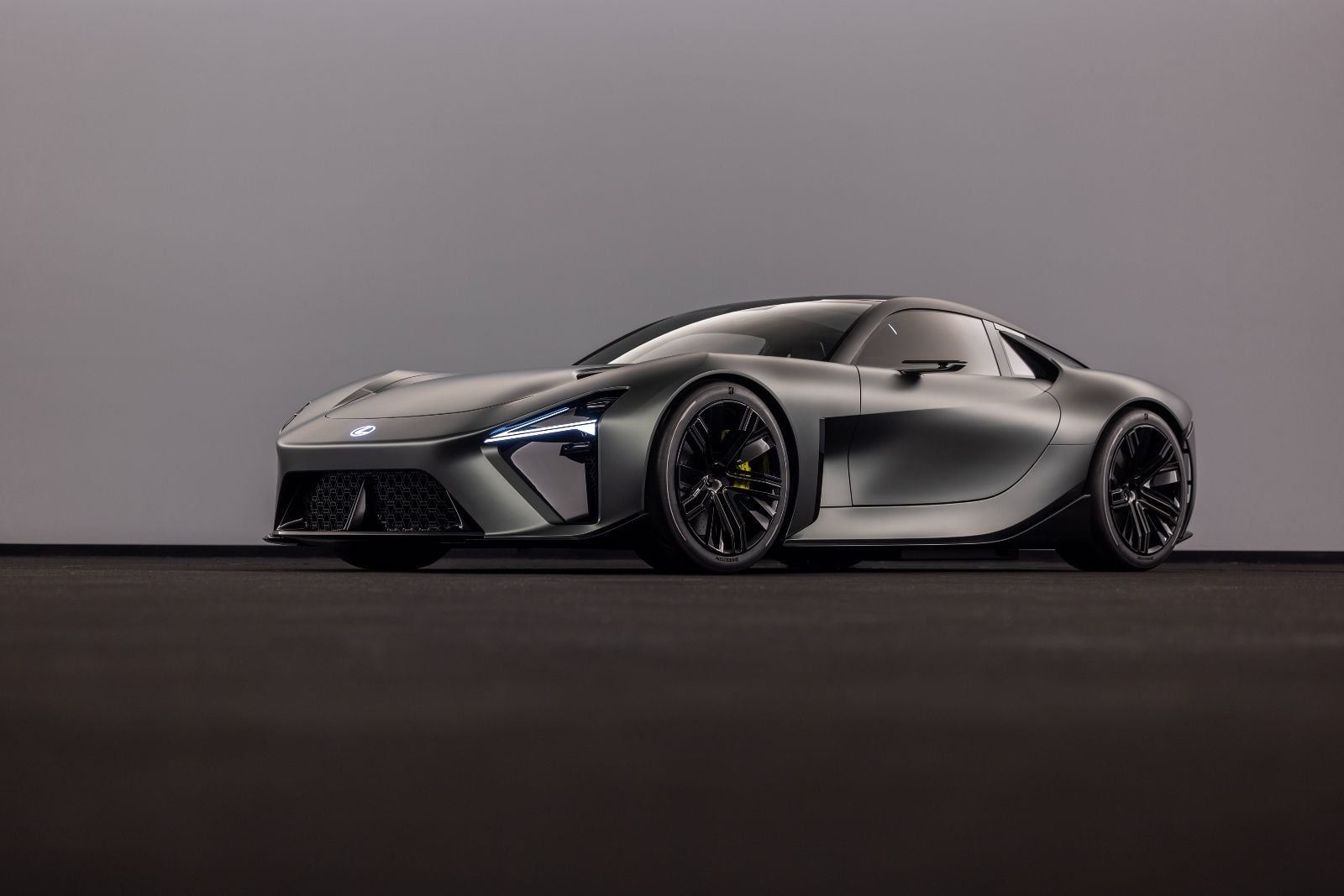
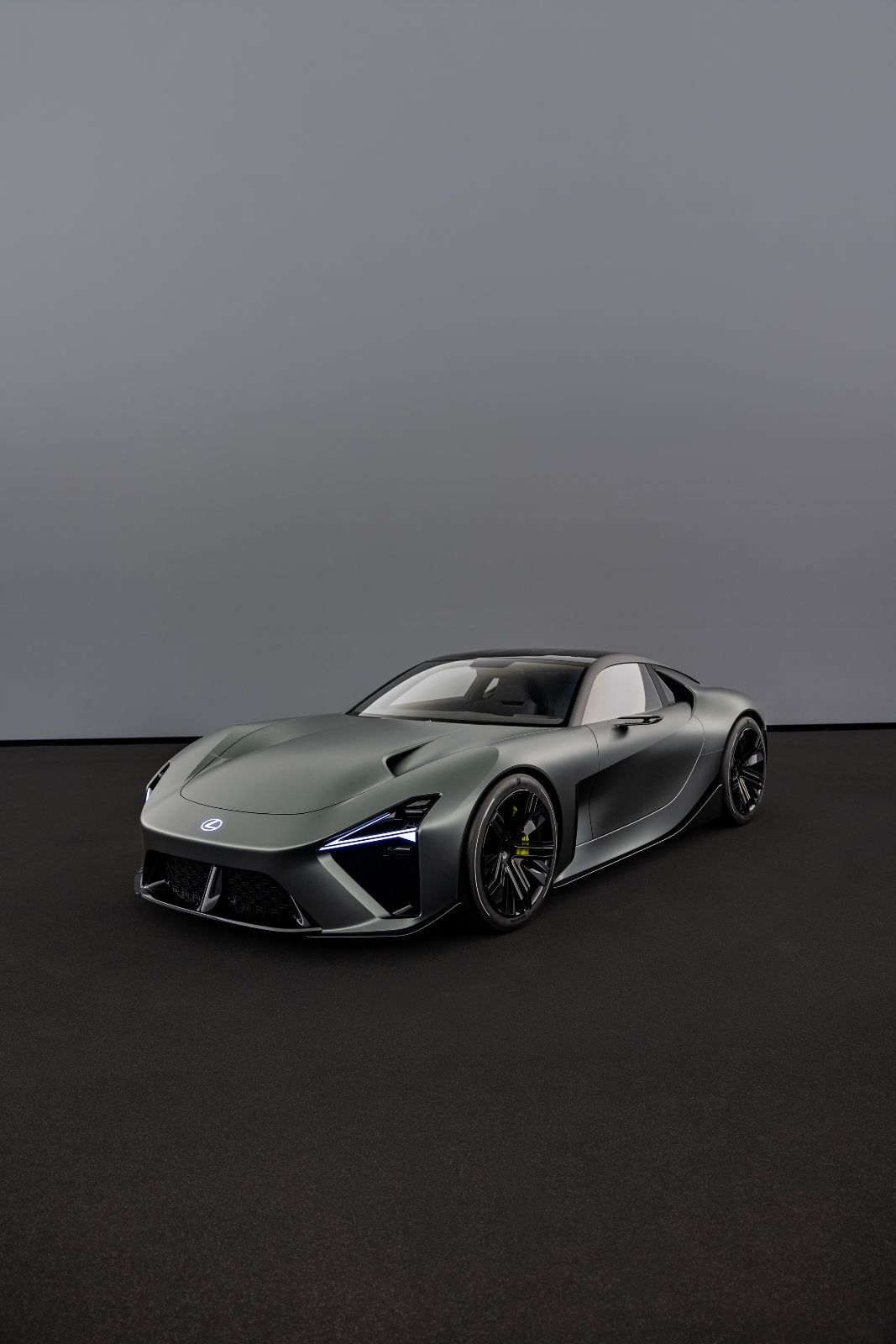
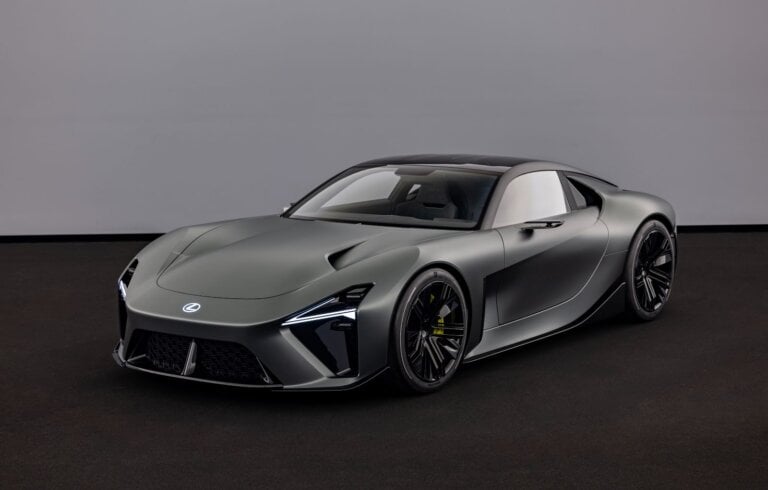
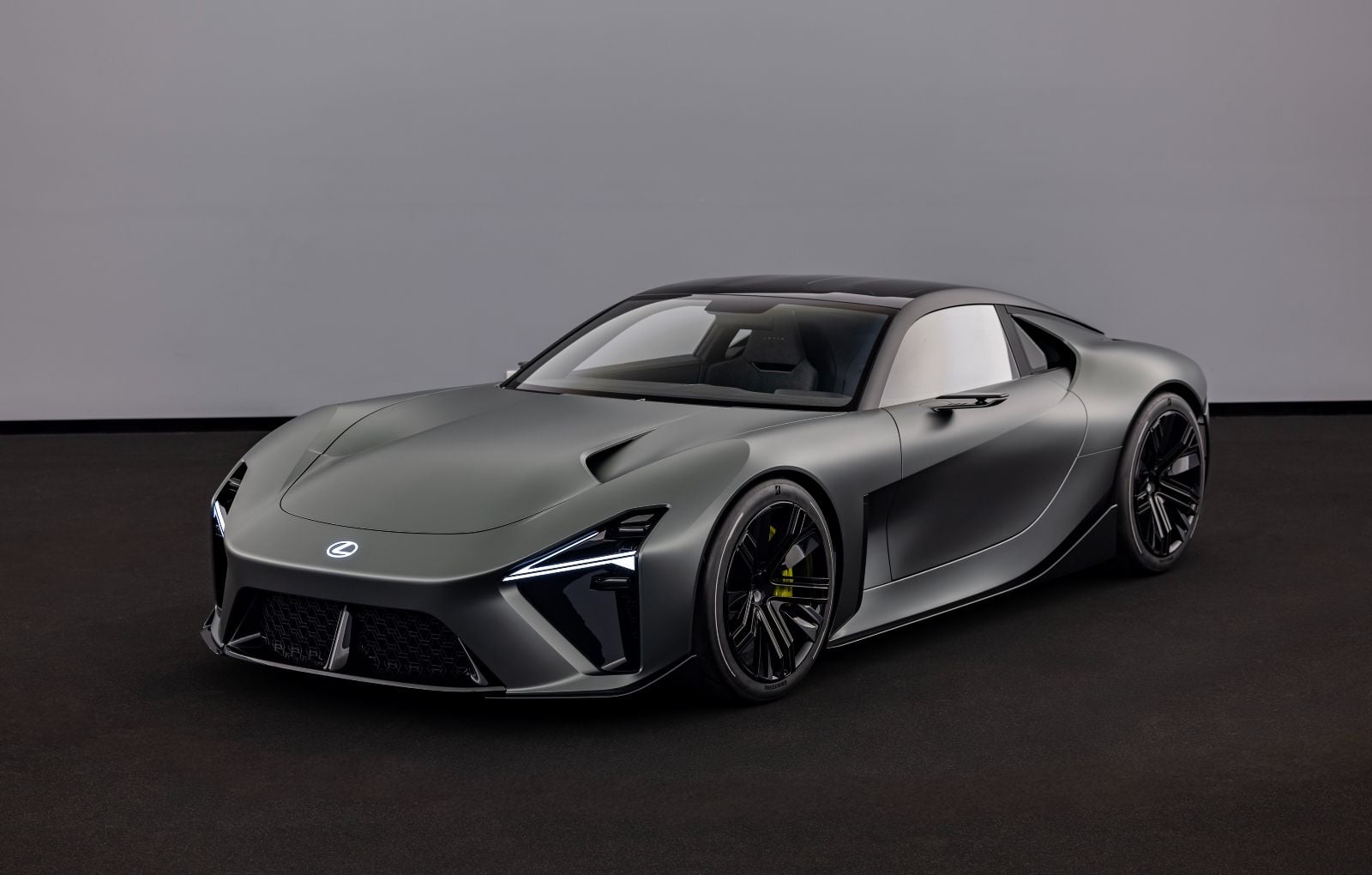
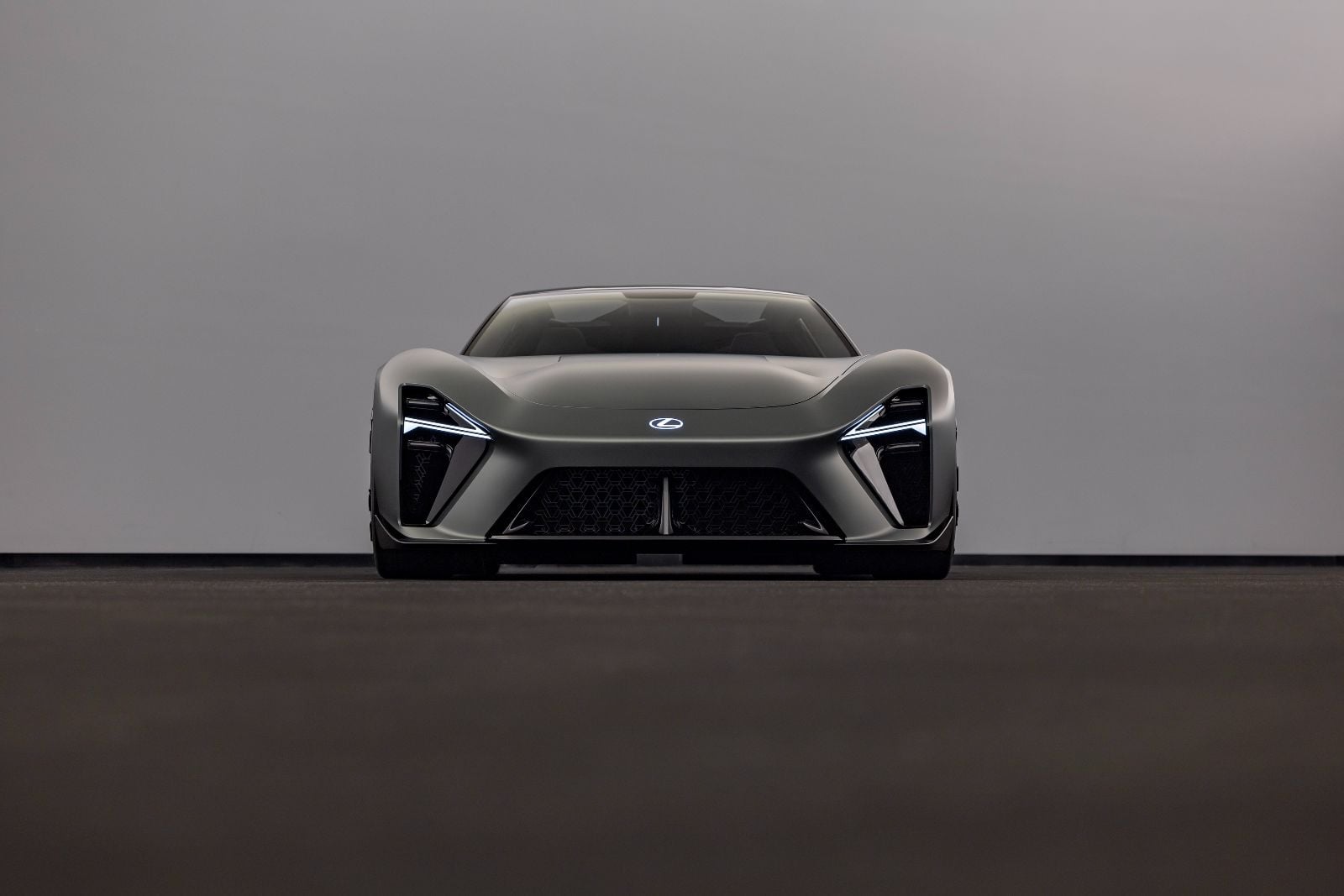
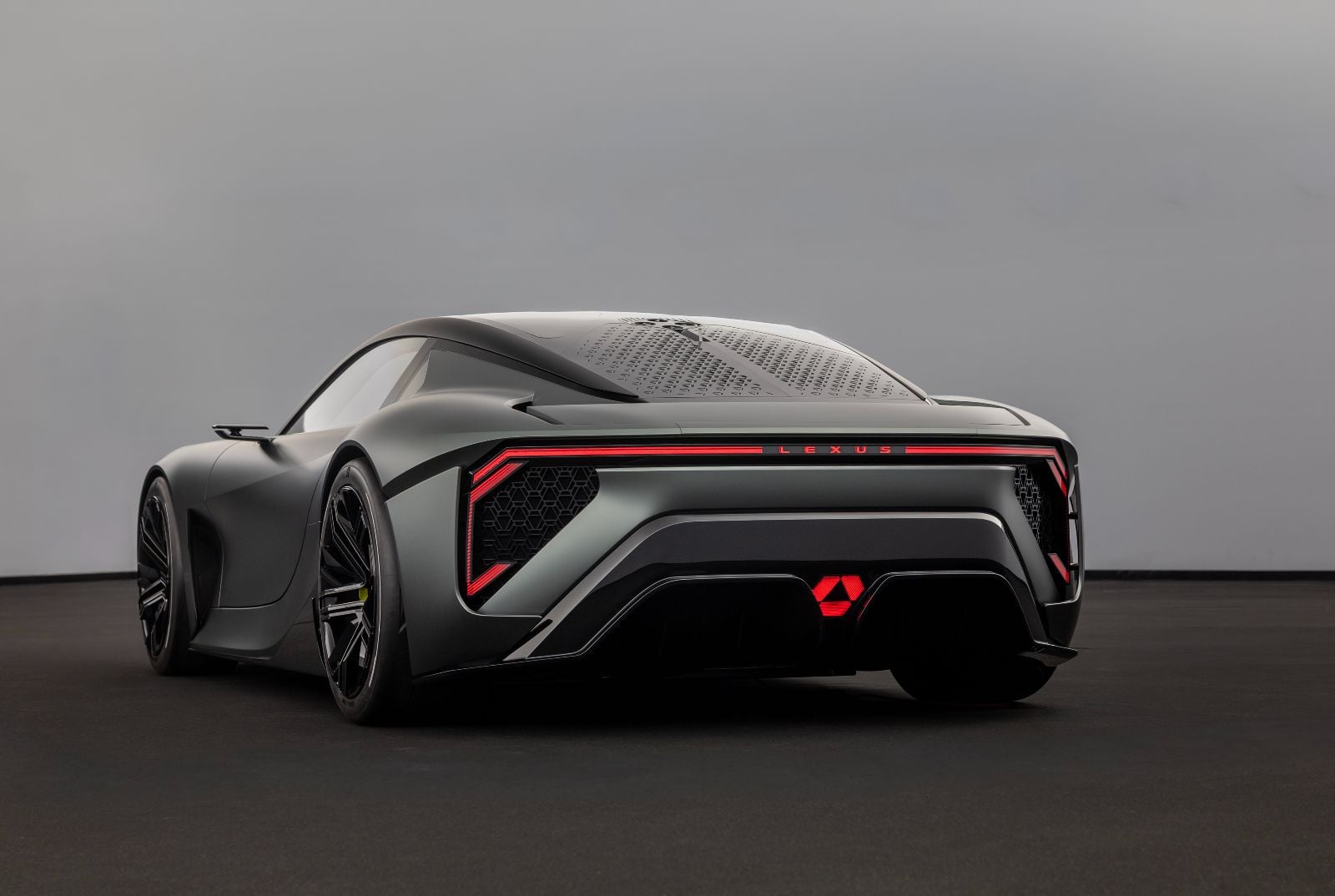
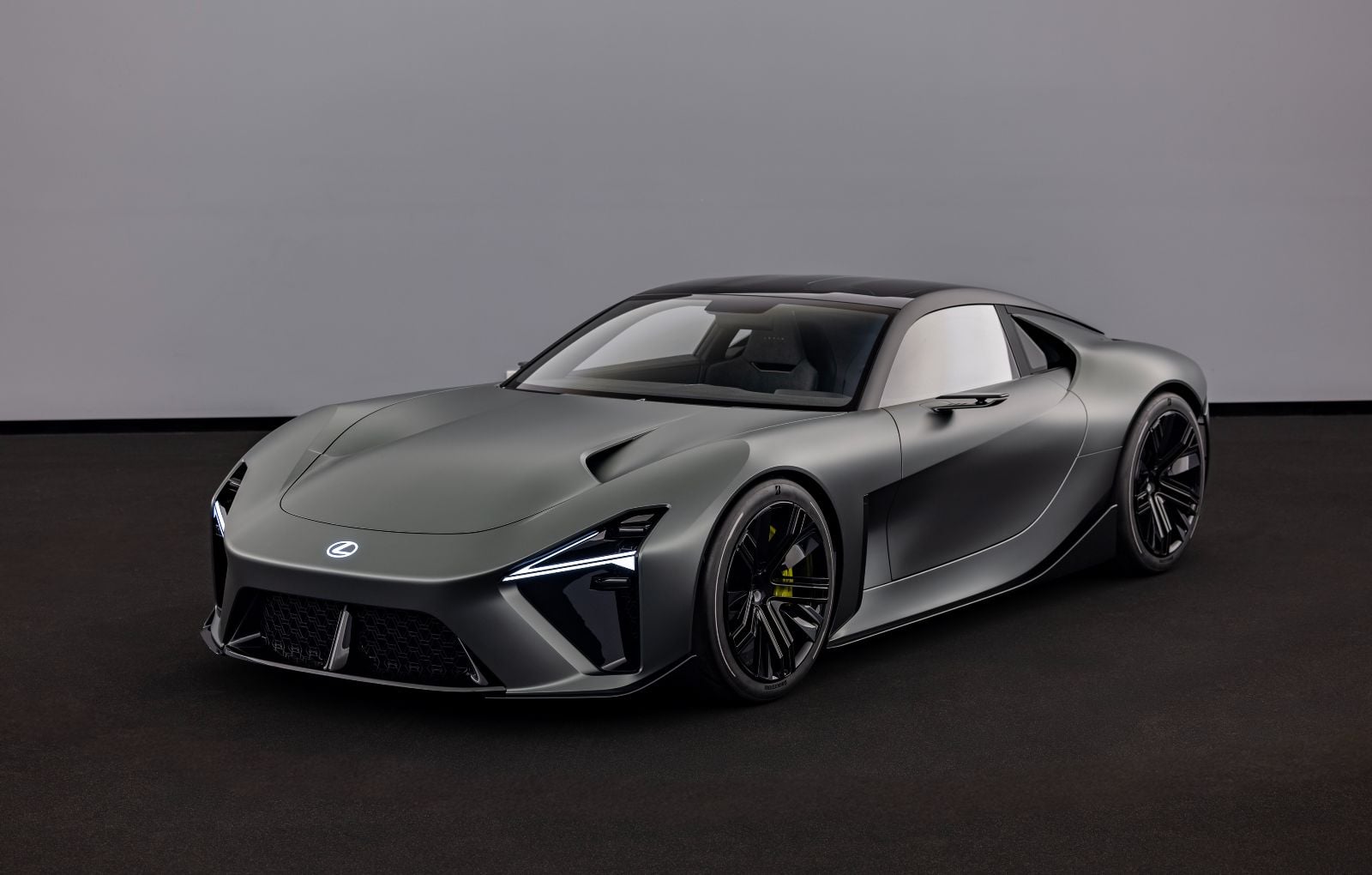
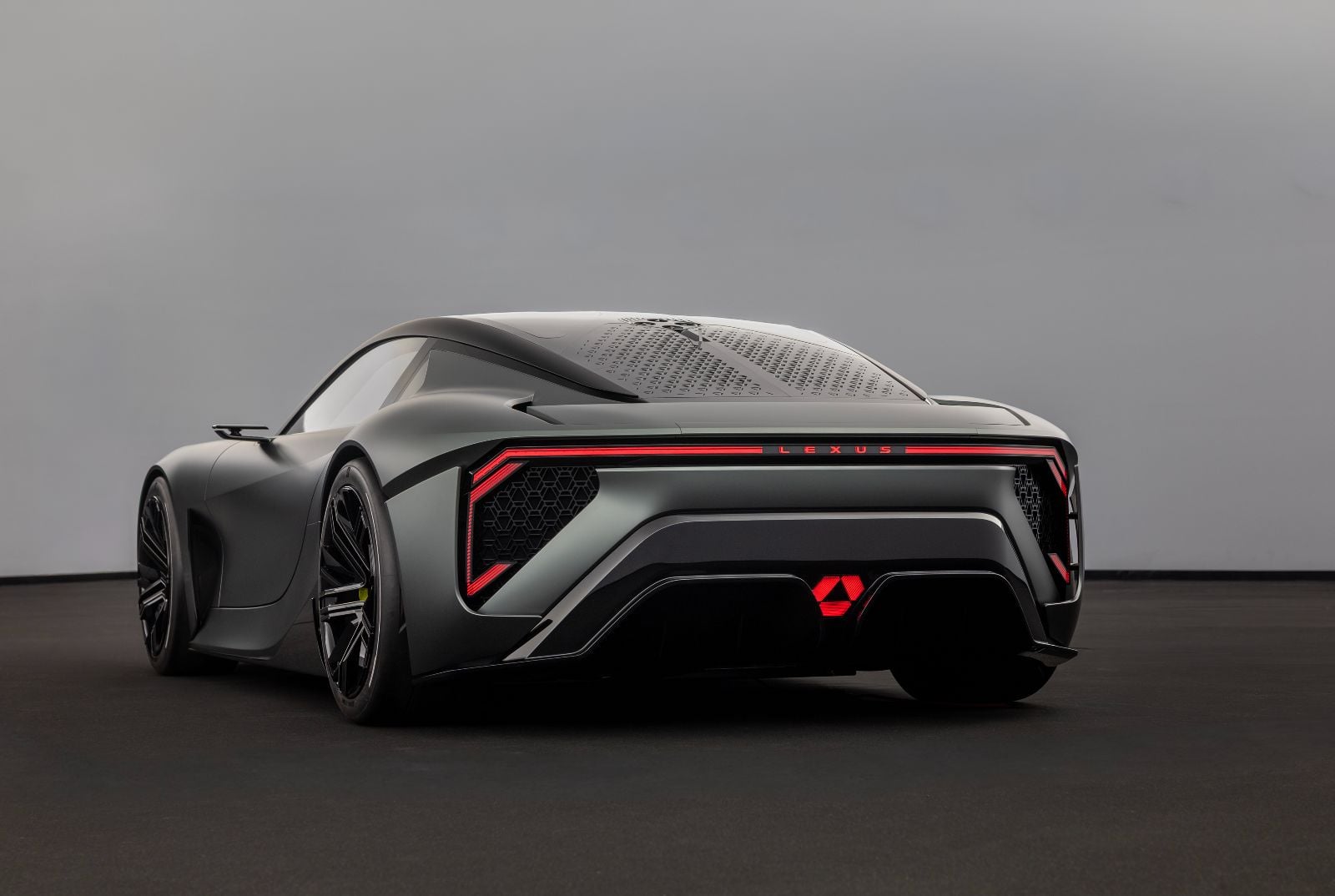
In the metal it’s one of the best-looking cars we’ve seen in a long time, and it sits very low next to the SUVs we usually look at. Lexus says the long, low nose-to-tail shape pays tribute to the original LFA.
Air enters at the nose and exits through the bonnet, the headlights are split into several sections, and the Lexus badge on the nose is lit. The sculpted sides have a channel you can put your hand through, and there are more aero cut-throughs in the rear corners. There are no door handles to be seen, and the mirror pods carry neither a mirror nor a camera, as you would expect on a concept.
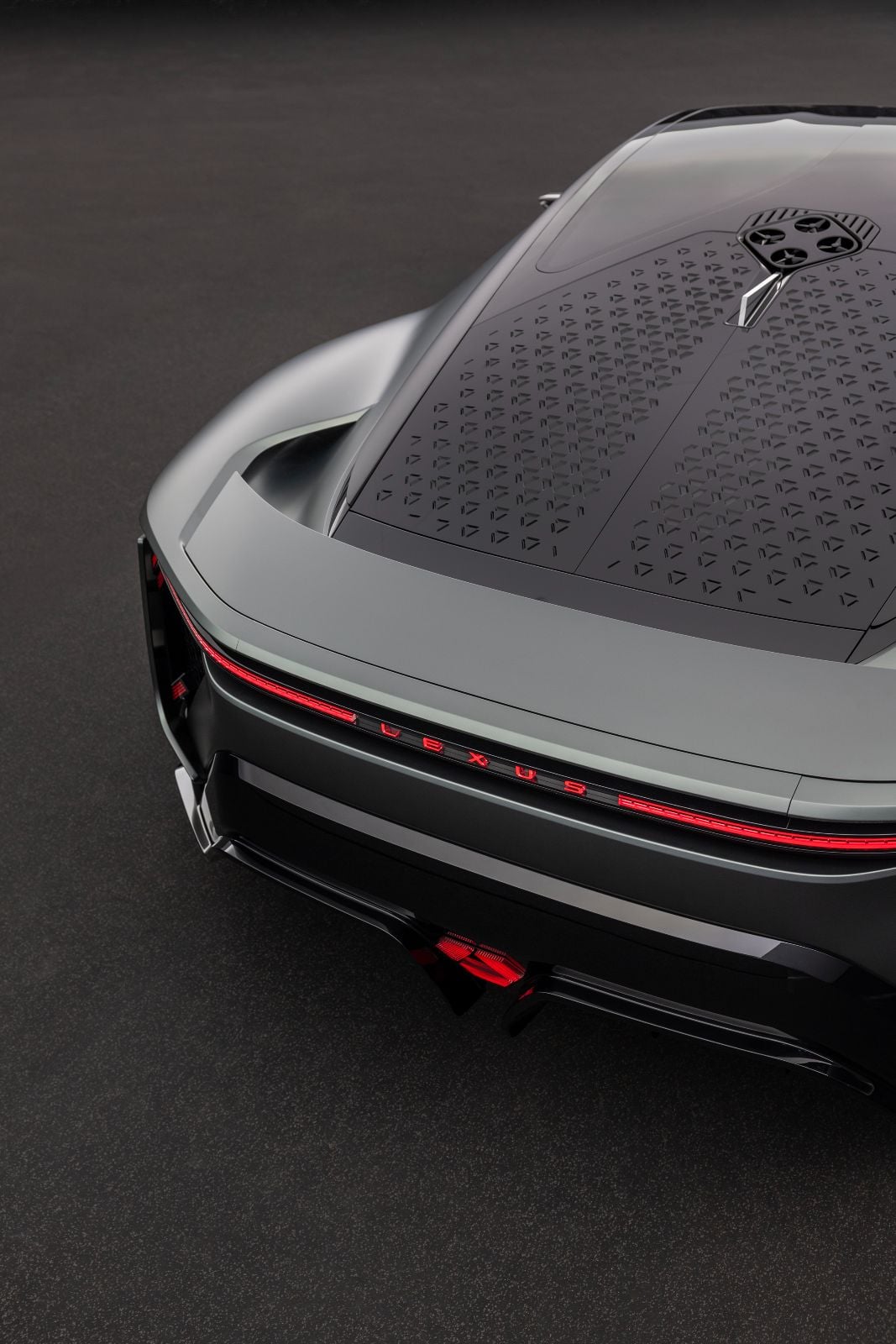
At the rear, a full-width light bar is broken in the middle by the Lexus lettering. There’s what looks like an active spoiler, and a small quadcopter drone sits in the rear deck.
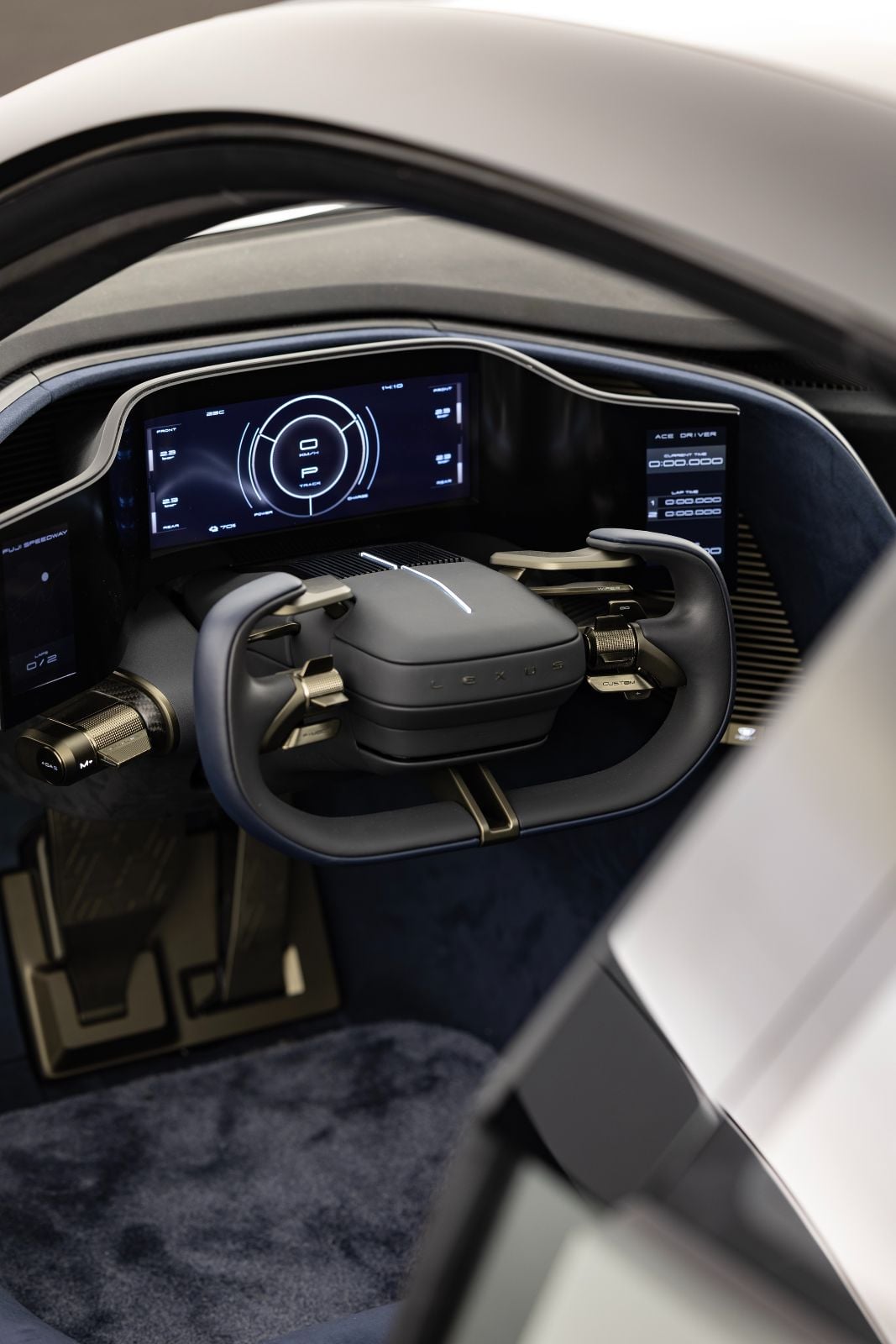
An analogue cockpit
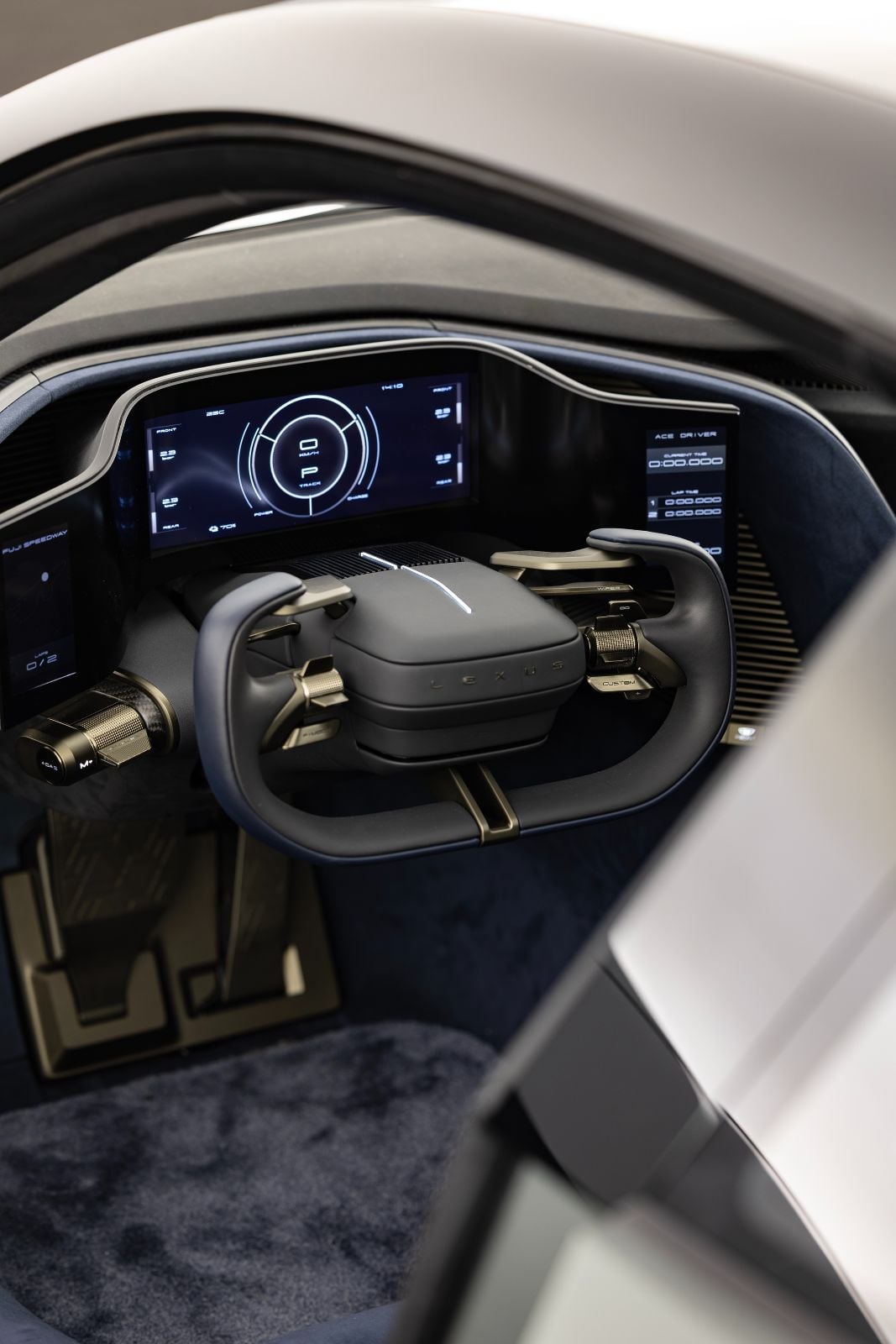
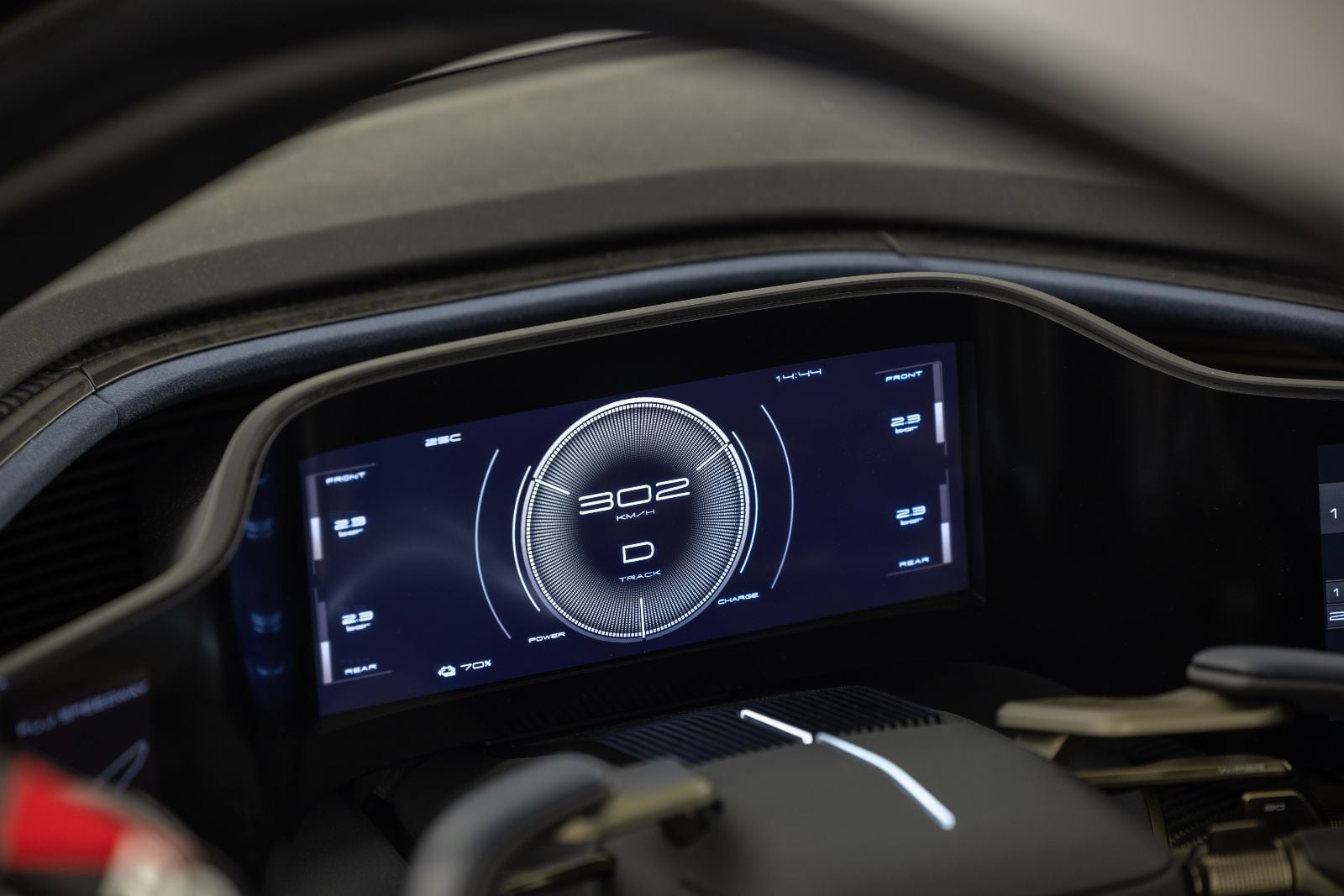
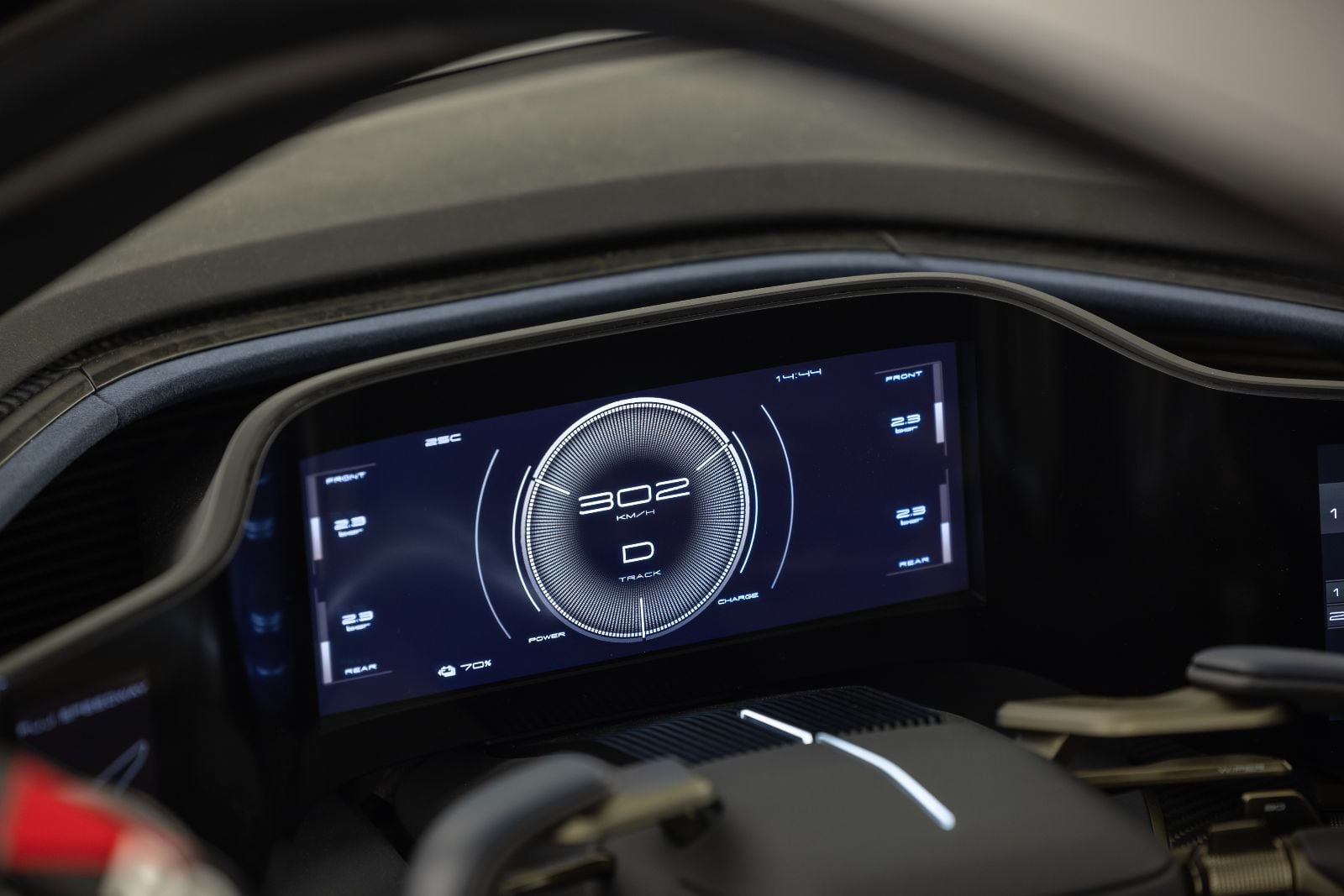
Inside, much of it will be familiar to anyone who’s spent time in a current Lexus, from the bronze-finished metal to the knurled knobs. There are plenty of physical buttons, a yoke-style steering wheel, a video rear-view mirror and sculpted bucket seats with their controls at the front of the cushion. The driver display is digital but styled after analogue gauges, and the only other screens are two small ones either side. It’s a simple, driver-focused layout, which is what you want from a car like this.
Lexus Australia product planning manager Julian Meldrum singles out the switchgear. “The craftsmanship of this vehicle is amazing. The switches and buttons are works of art. You’ll notice that luxury is moving back to analogue. Centred around the ideal driving position, the cockpit has been refined down to the smallest of details.”
Will it be built?
Meldrum says the LFA name stands for “a vehicle embodying the technologies that engineers of its time should preserve and pass on to the next generation”, rather than any one type of engine. On production, he says, “I must remind you that this is a concept vehicle and not a committed production model.”
A running prototype appeared at the Goodwood Festival of Speed in July. Speaking to UK Autocar there, lead designer Shogo Kasamatsu said the production car was close to completion and would closely resemble the concept, and Autocar reported a 2027 launch. LFA programme head Yukihiro Yukita told the same publication that weak demand for luxury electric performance cars was the “biggest challenge”.
We’d like to see it make production. It’s unlikely to be cheap or built in large numbers, but it would be a fitting flagship for the brand.
The original LFA
The first LFA began as a research project in 2000, led by chief engineer Haruhiko Tanahashi. It was shown as a design study at the Detroit motor show in 2005 and as a closer-to-production concept in 2007, before the production car was confirmed at the 2009 Tokyo Motor Show.
Production began at the end of 2010 at Toyota’s Motomachi plant, at a rate of about one car a day. Most of the body and the passenger cell were made from carbon fibre reinforced plastic, and the naturally aspirated 4.8-litre V10, developed with Yamaha, made 412kW at 8,700rpm. Each engine was assembled and signed off by a single technician.
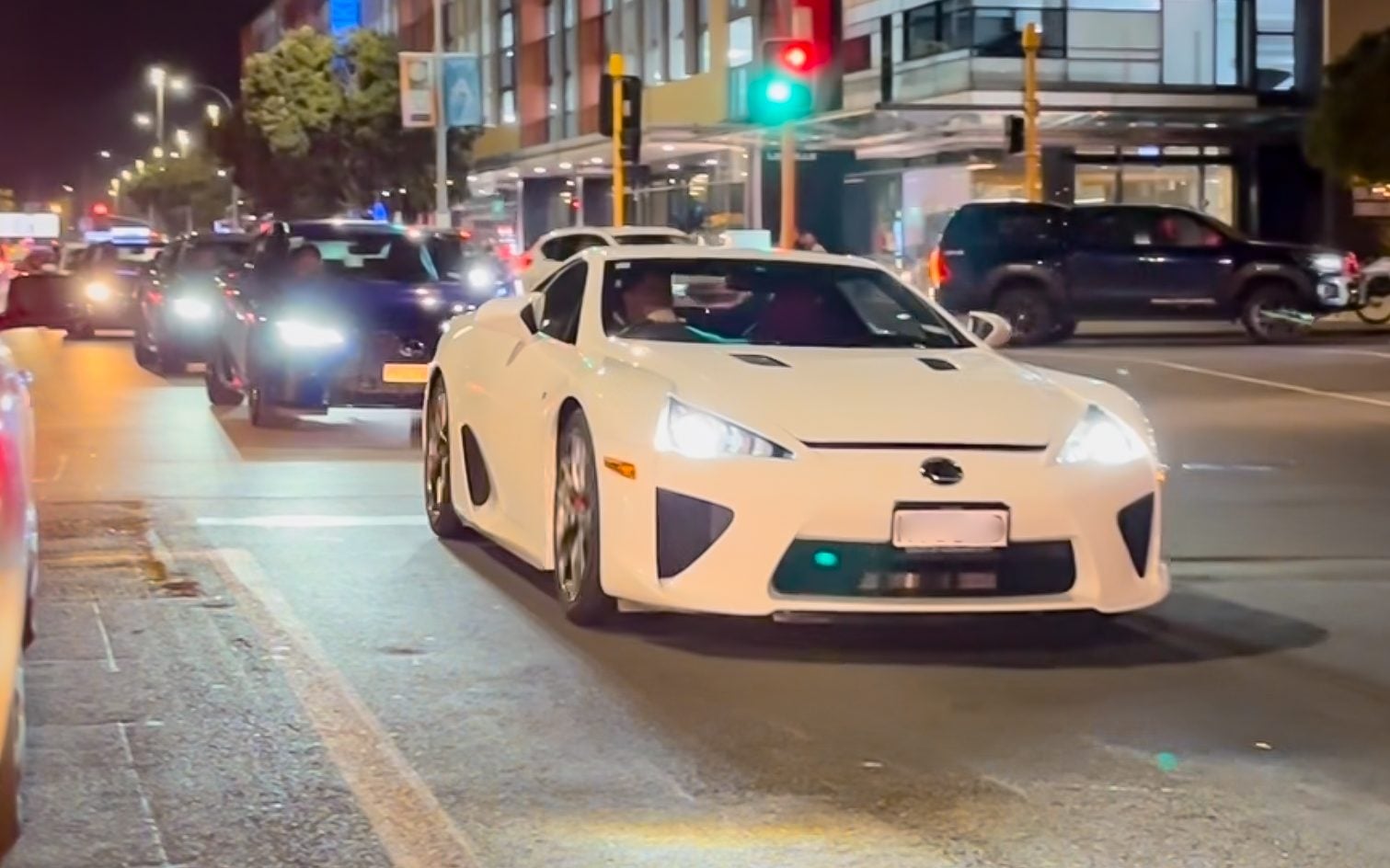
Lexus built 500 LFAs, including 50 track-focused Nürburgring Package cars with extra aero, stiffer suspension and more power, and production ended in December 2012. One was spotted cruising the streets of Auckland in 2023.