Used EV battery study finds health difference of up to 13% in some models
Words: Richard Edwards
The largest independent study of used EV battery health yet published finds the typical battery ageing well, but with gaps of up to 13.5% in state of health between the best and worst examples of the same model, a spread worth tens of kilometres of range on any given car.
Austrian diagnostics company AVILOO’s report draws on more than 500,000 of its own tests on used EVs between 2022 and 2026, covering 20 popular models across Europe, the Americas, Australia and Asia. Each figure comes from a physical measurement of the battery through the car’s OBD port rather than the dashboard state of health reading, which the company says varies in method between manufacturers and does not always reflect true condition.
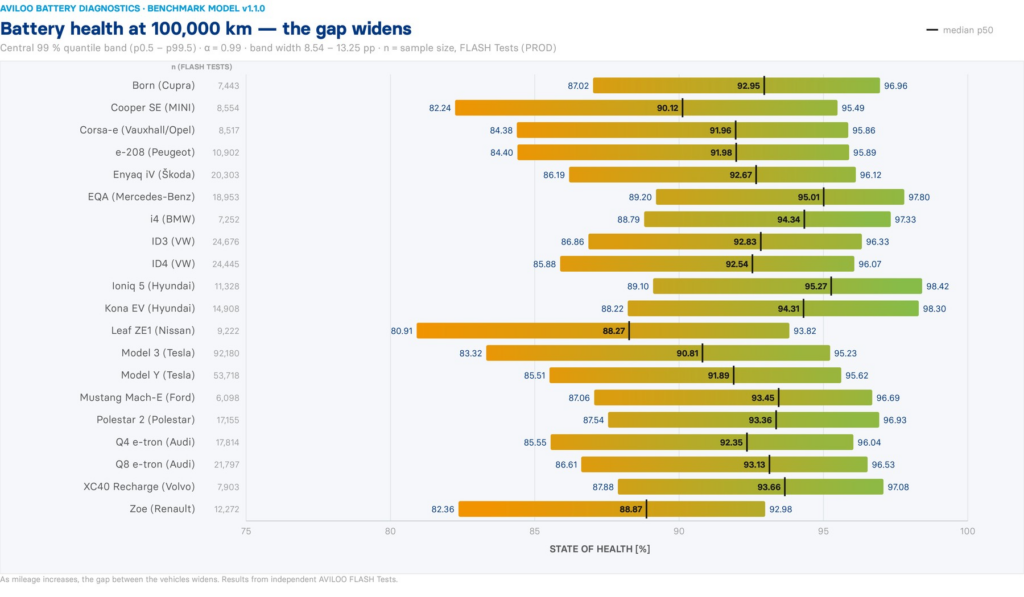
Three patterns hold across the data: median health falls as mileage climbs, the spread between individual cars widens with distance, and the differences between models are consistent at every mileage point.
Four batteries, four stories
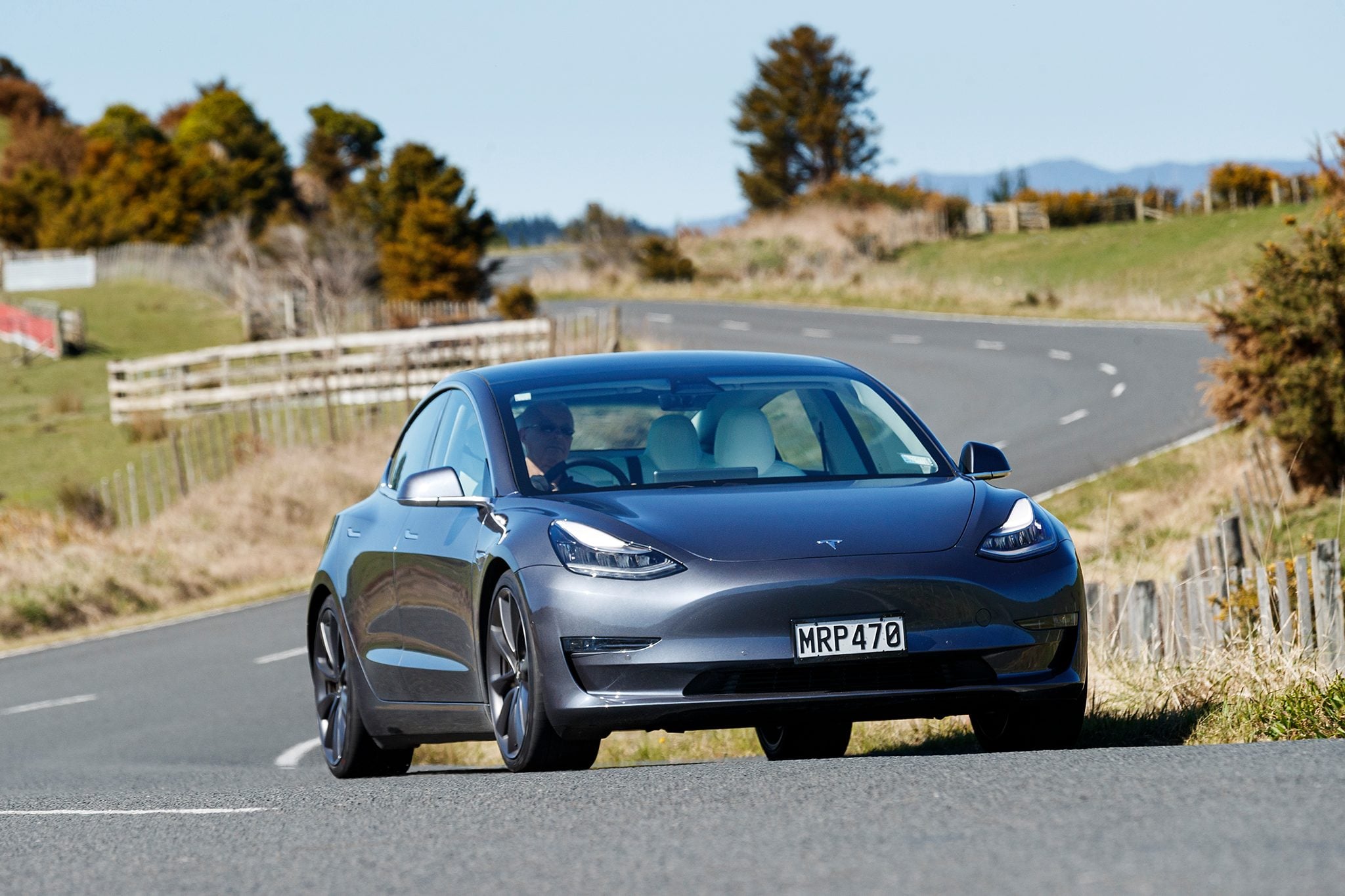
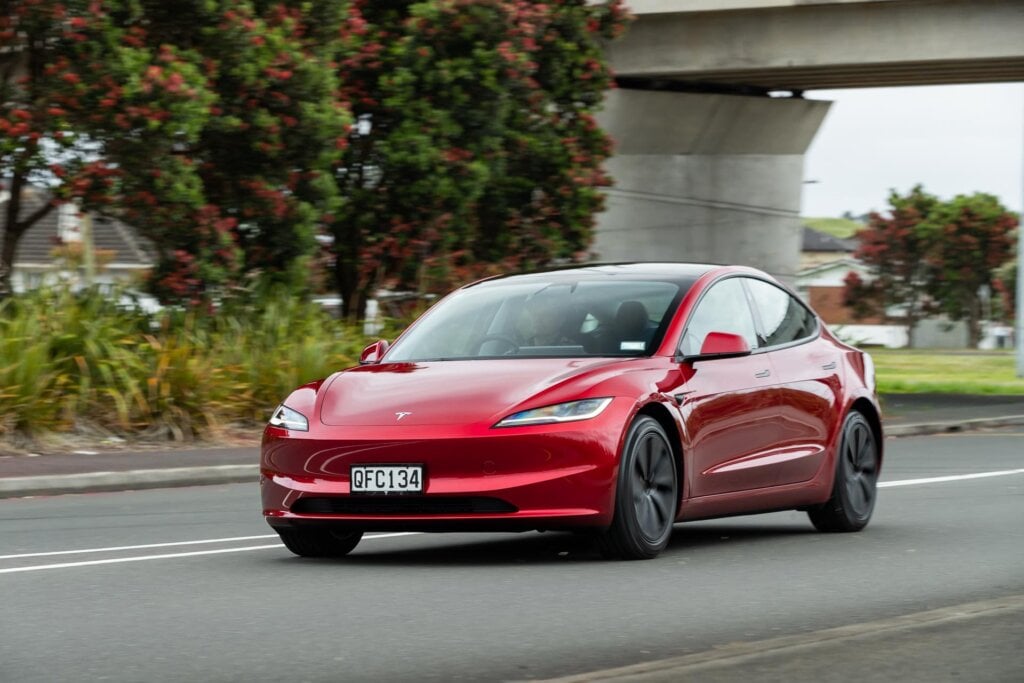
The Tesla Model Y, with its 78.8kWh pack, shows a median state of health of 94.5% at 50,000km, falling to 90.3% at 150,000km, but individual cars vary by up to 11%, worth around 46km of real-world range. The Volkswagen ID.4 runs from 95.3% to 90.6% over the same distance, and the Hyundai Ioniq 5 from 97.2% to 92.8%, both with spreads of 11 to 12% between individual examples.
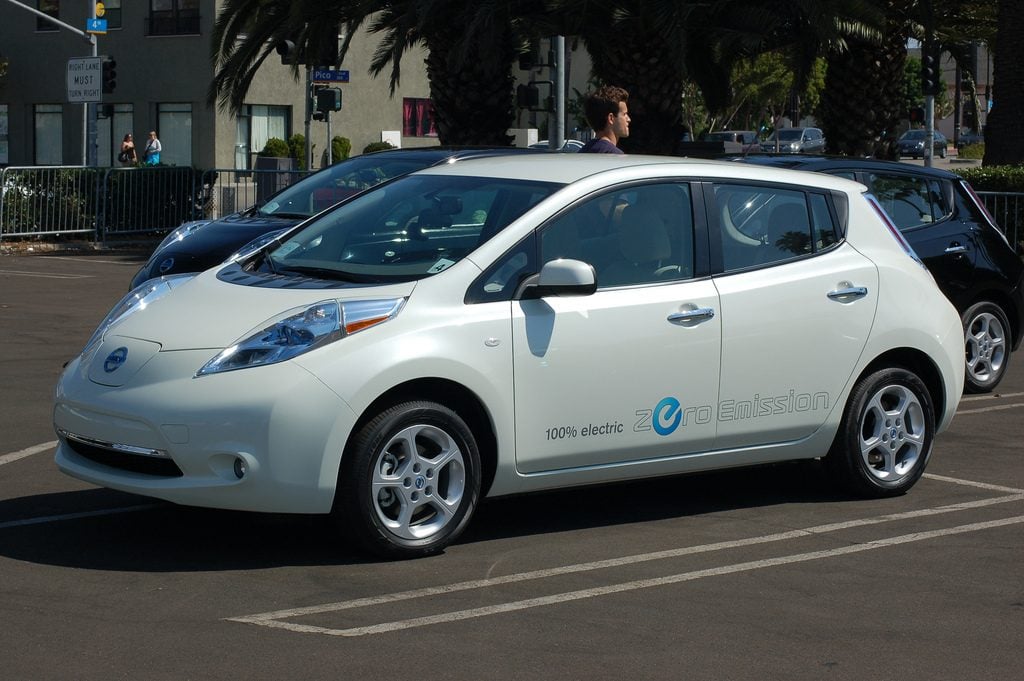
The Nissan Leaf ZE1, with a 40kWh battery around half the size of the others, is the outlier. Median health drops from 91.1% at 50,000km to 86.3% at 150,000km, the lowest of the four throughout, with the widest spread of any model in the report at up to 13.5%. AVILOO attributes the pattern to charging frequency: a smaller battery cycles more often to cover the same distance, and cycles are what age a battery. In range terms, the median 40kWh Leaf is worth around 196km per charge at 50,000km and 185km at 150,000km.
The finding lands directly on New Zealand’s used market, where the 40kWh Leaf remains one of the most common electric cars to arrive as a Japanese import, typically with the dashboard bars and a state of health app reading as the buyer’s only guide.
“The truth in this data is that averages hide a lot,” says AVILOO chief executive Marcus Berger. “A gap of ten or fifteen percent in state of health is a real difference in range, in what a car is worth, and in what you can rely on it for. You simply can’t know where your car sits in that range without testing it independently.”
AVILOO’s test calculates state of health from a statistical model trained on hundreds of thousands of comparable vehicles, using cell voltage spread, cycles, energy counts and other signals alongside the car’s own reporting. Mercedes-Benz, Volvo and Porsche Holding use it as their preferred independent test across European dealerships, and this year the company backed the diagnosis with a battery warranty in twelve European markets, paying out €3,000 if a used EV’s battery falls below an individually calculated limit within a year.
The report is the third piece of battery-health evidence to land in as many weeks, following Generational’s cell-imbalance analysis of 10,000 used EVs and Tesla’s own account of its battery engineering, and it arrives with battery condition now the biggest barrier to EV uptake in Trade Me’s research. AVILOO will publish the report twice a year.