Volkswagen Mission Efficiency sets new EV consumption records
Words: Kyle Cassidy
Volkswagen has built a road-approved electric prototype capable of consuming less than 7kWh/100km, showing how much extra range can be extracted from a battery when aerodynamic efficiency takes priority.
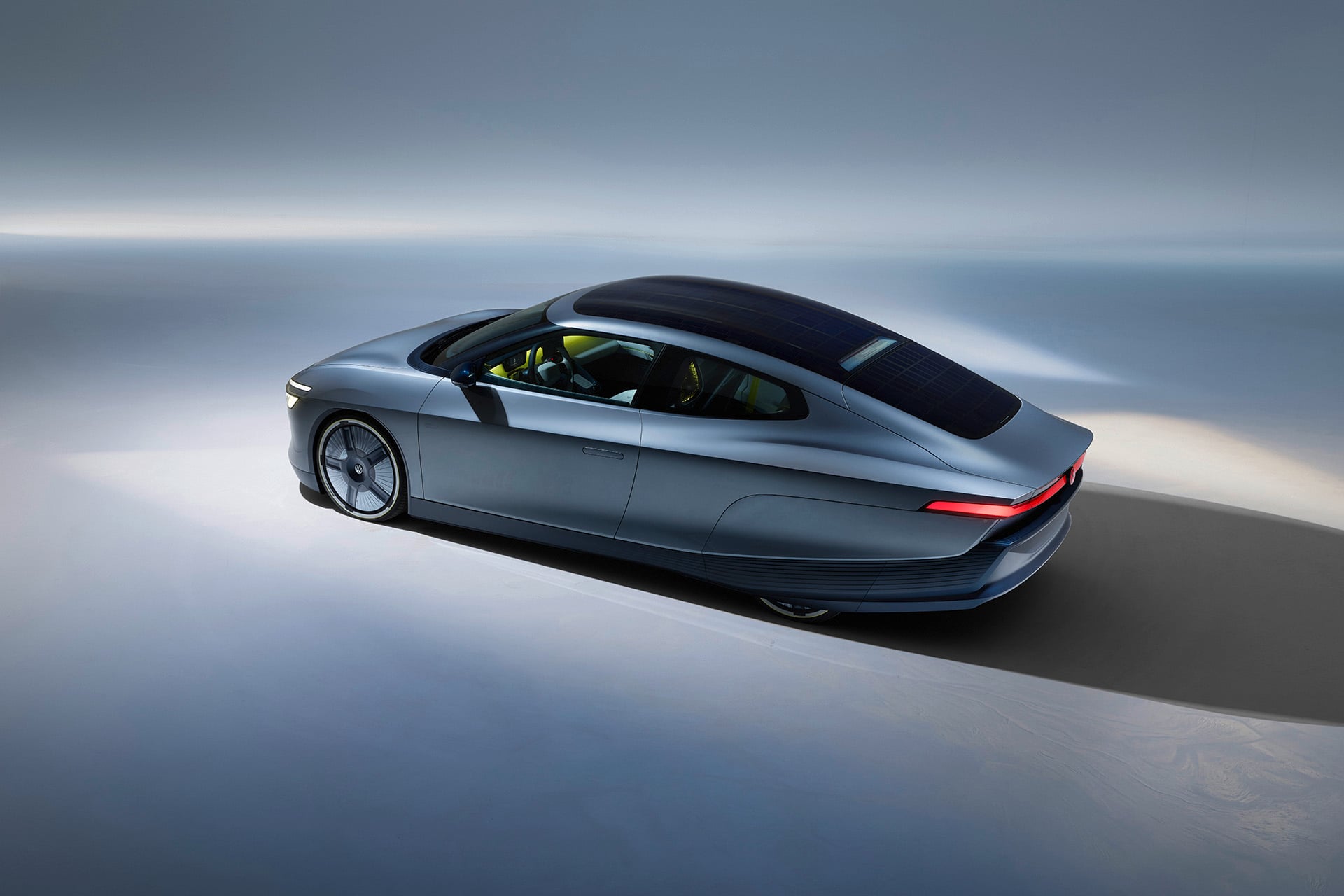
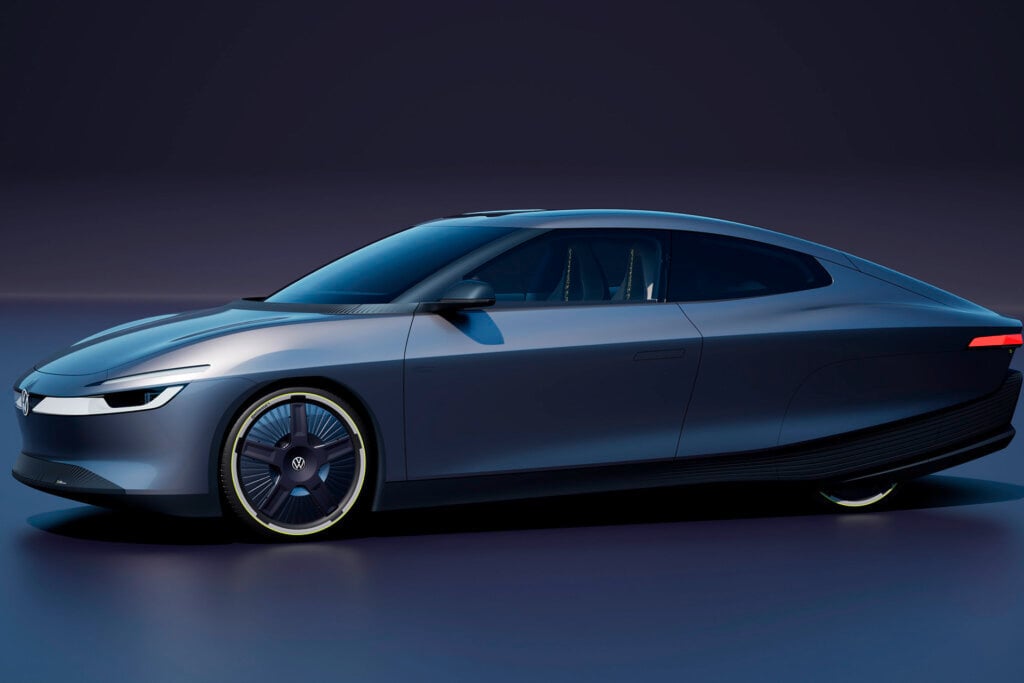
Called the Mission Efficiency, the 2+2 coupé has reportedly established three records recognised by Germany’s Record Institute. These apply to the category of near-production, four-seat electric vehicles suitable for everyday use, rather than every vehicle ever built.
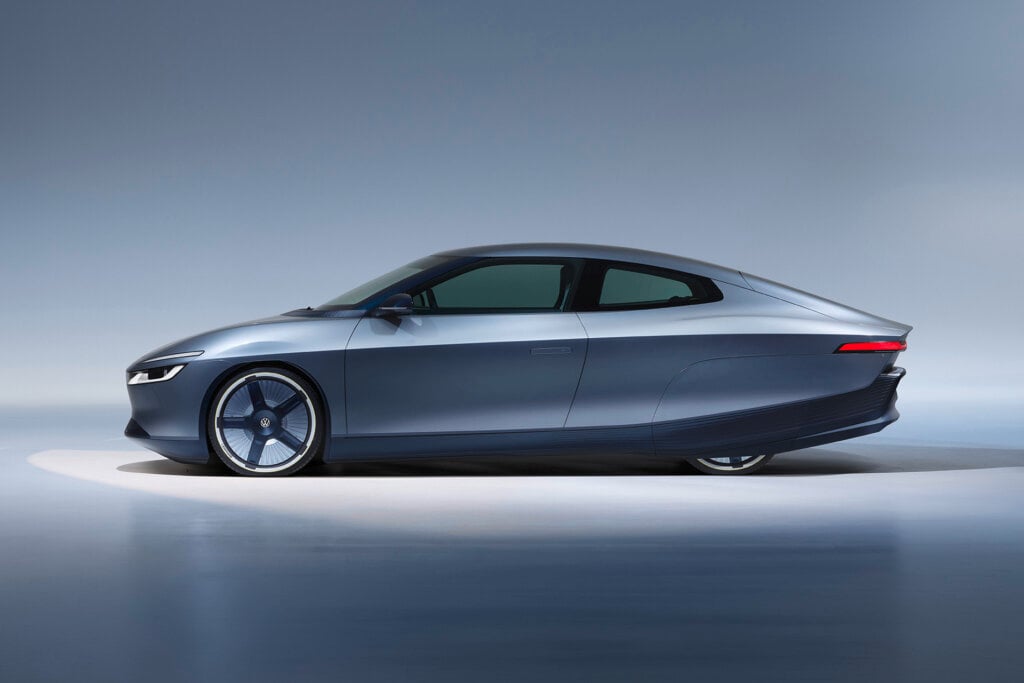
Its headline figure is a drag coefficient of just 0.158, which Volkswagen claims is a new record for a road-approved car. For context, many of today’s most aerodynamic production EVs achieve a coefficient of around 0.20.
The prototype also recorded consumption of 6.48kWh/100km during a controlled “ideal” run. That test was conducted at a constant 68km/h without hills or auxiliary electrical systems such as the air conditioning operating.
More relevant was a documented 1278.36km drive from Volkswagen’s development centre in Wolfsburg, Germany, through Poland and the Czech Republic to Vienna, Austria.
The Mission Efficiency averaged 6.89kWh/100km excluding charging losses, or 7.51kWh/100km with those losses included. It maintained an average speed of 67.72km/h, reached 138km/h and required only one charging stop. It arrived in Vienna with an indicated 164km of range remaining.
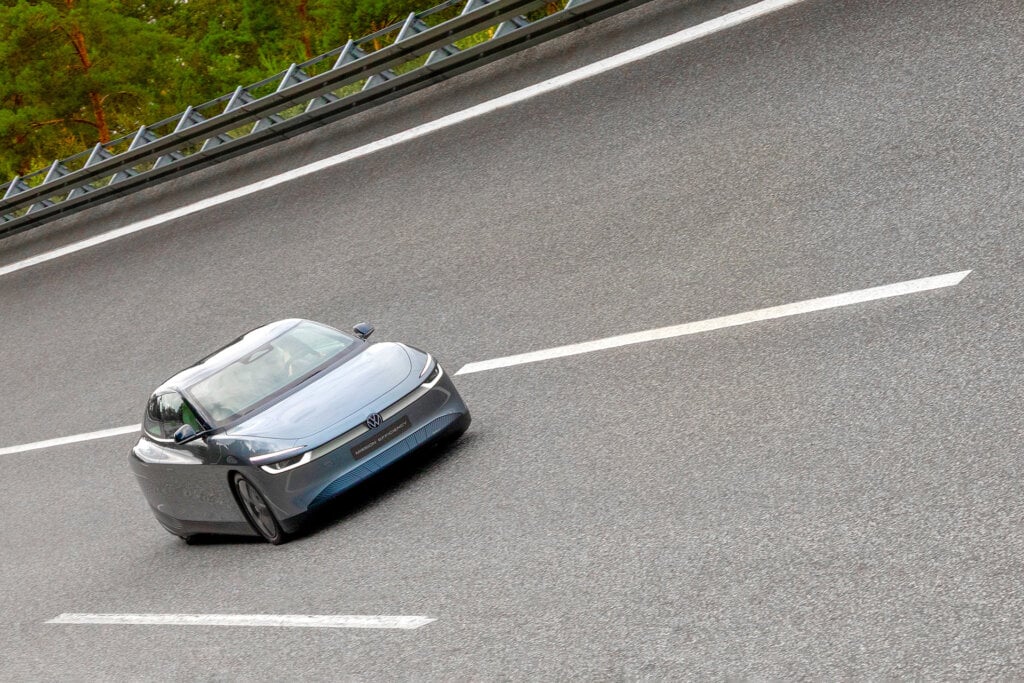
The car uses a 54.9kWh usable battery and the same 99kW front-mounted electric motor developed for the upcoming ID. Polo. Both form part of Volkswagen’s MEB+ architecture, which will also underpin the ID. Cross.
VW says the Mission Efficiency is intended to showcase technology that could be applied to more affordable production vehicles.
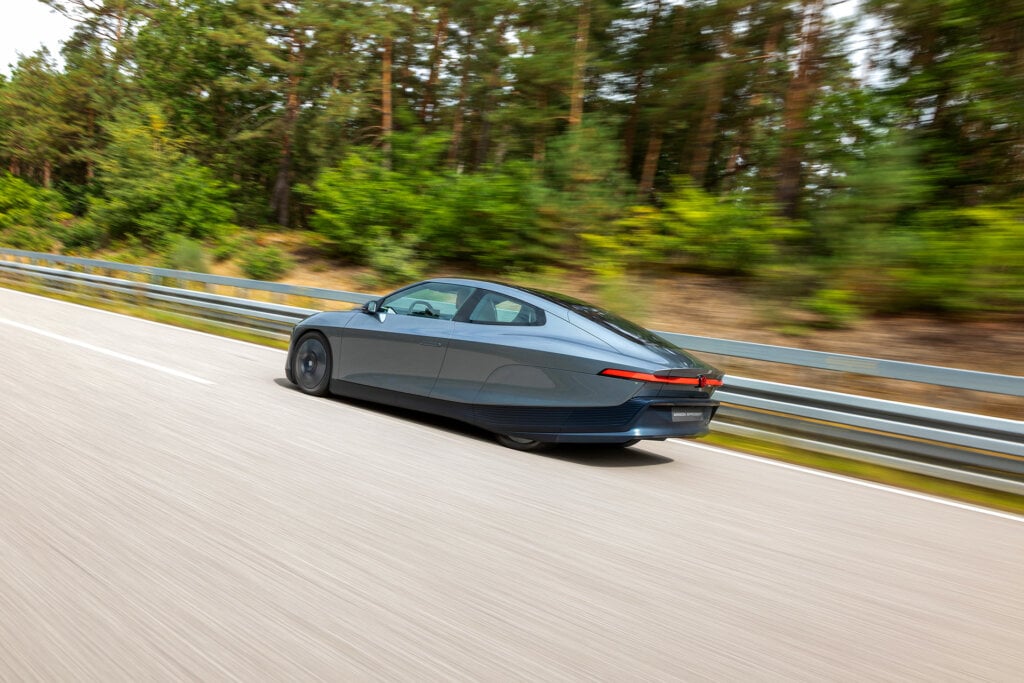
Its teardrop-shaped body has a small frontal area, enclosed rear wheels, active cooling flaps, flush door handles and a fully covered underbody. Volkswagen says those changes reduce consumption by more than 30 per cent compared with a standard ID. Polo at speeds above 80km/h.
At 140km/h, the prototype reportedly consumes approximately the same amount of energy as the ID. Polo does at 100km/h.
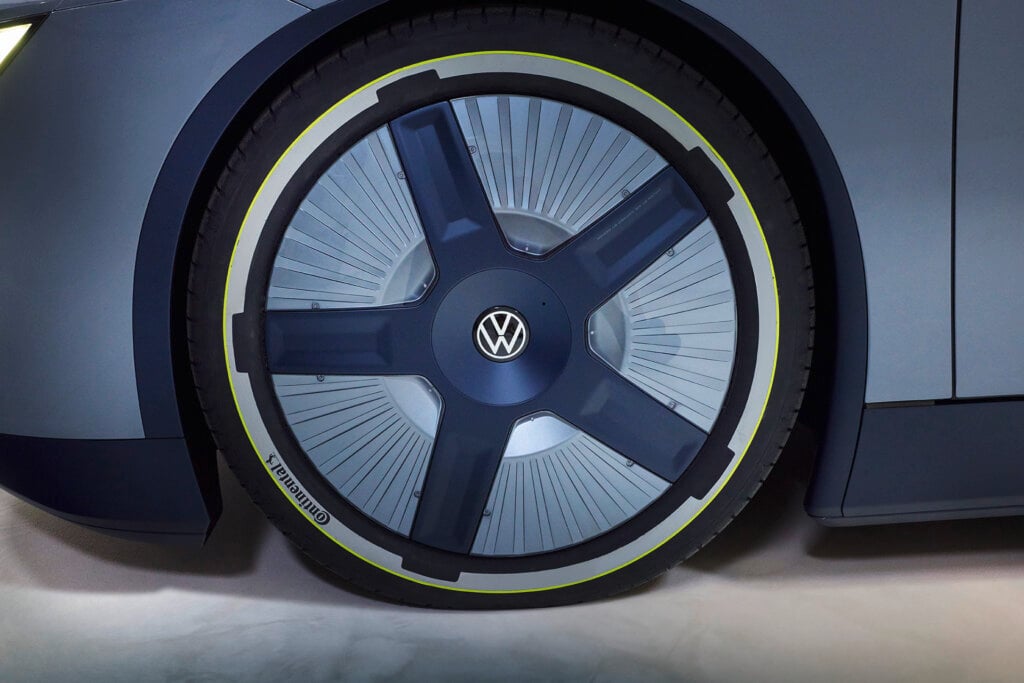
The specially developed wheels use patented internal deflectors to prevent air entering the rims and creating turbulence. Continental also supplied concept tyres with 25 per cent less rolling resistance than the threshold required for the European Union’s top A rating.
A 370W photovoltaic system built into the roof and boot lid powers some of the car’s auxiliary systems. Volkswagen claims it could add up to 30km of range per day, although the result would depend heavily on the season, weather and location.
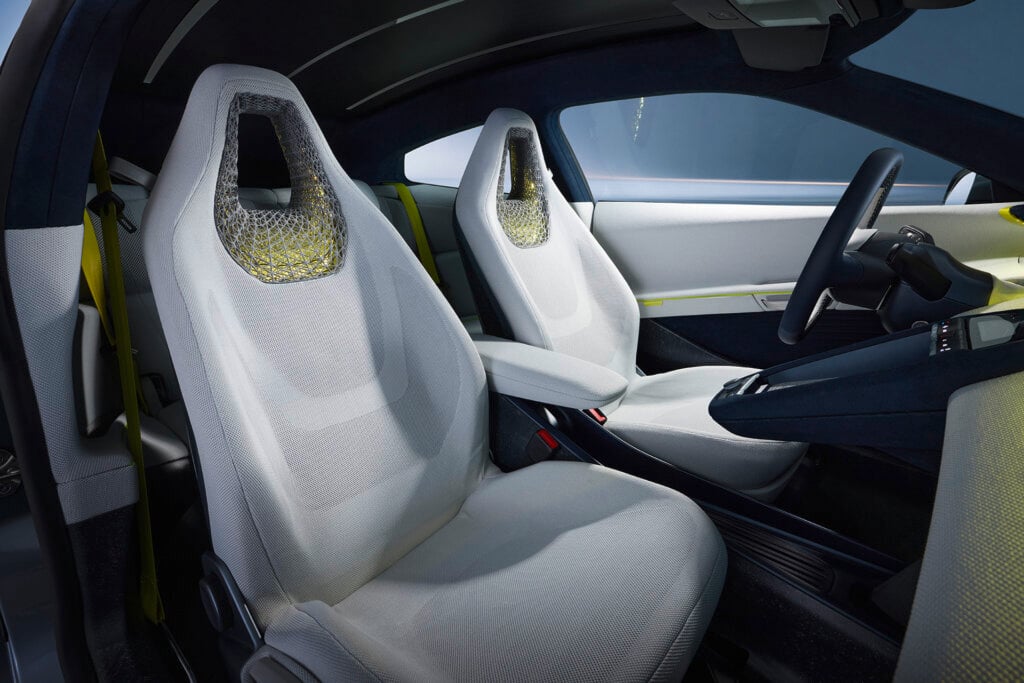
Weight has been reduced by stripping back the cabin. Instead of a conventional infotainment system and speakers, occupants use their own smartphone or tablet and a portable Bluetooth speaker.
Despite its slippery shape, the 4775mm-long Mission Efficiency provides four seats and a 481-litre boot. The rear seats are intended for occupants up to around 1.6m tall, so this isn’t quite a family alternative to an ID.4.
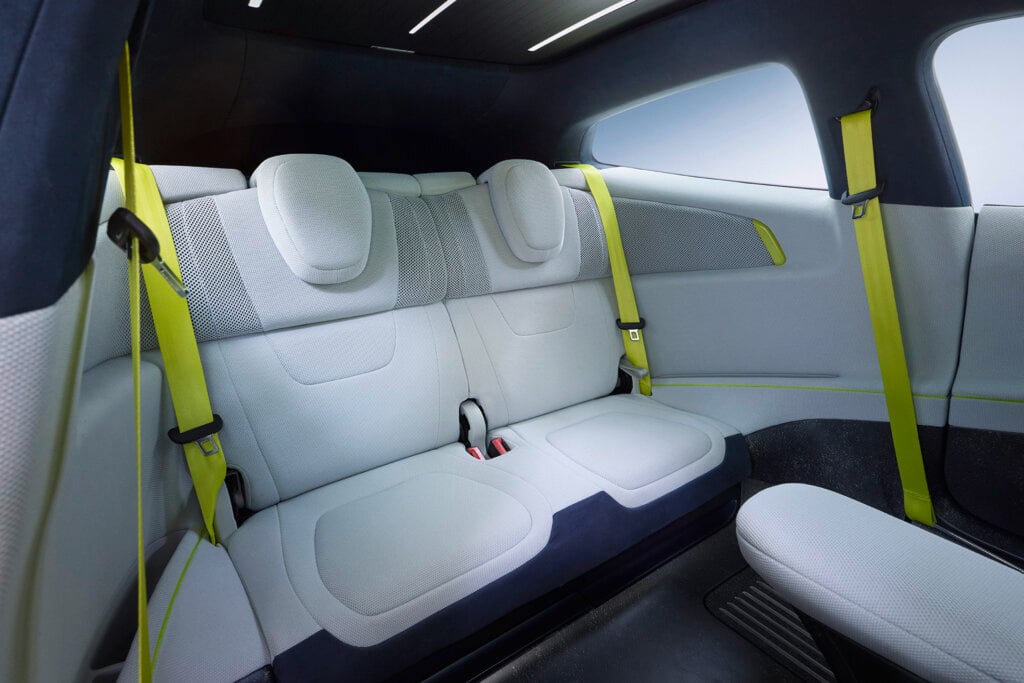
Volkswagen hasn’t announced plans to put the Mission Efficiency into production. However, its motor, battery, platform, front suspension and hydraulic front brakes are all derived from production technology.