Dashboard Warning Lights You Shouldn’t Ignore ⚠️
Words: AutoTrader NZ
Your dashboard can light up for everything from low fuel to an open door, so it’s understandable that drivers don’t always know which warnings are serious.
However, some warning lights exist specifically to alert you to problems that could affect the vehicle’s safety or cause significant mechanical damage.
First: Understand the Colours
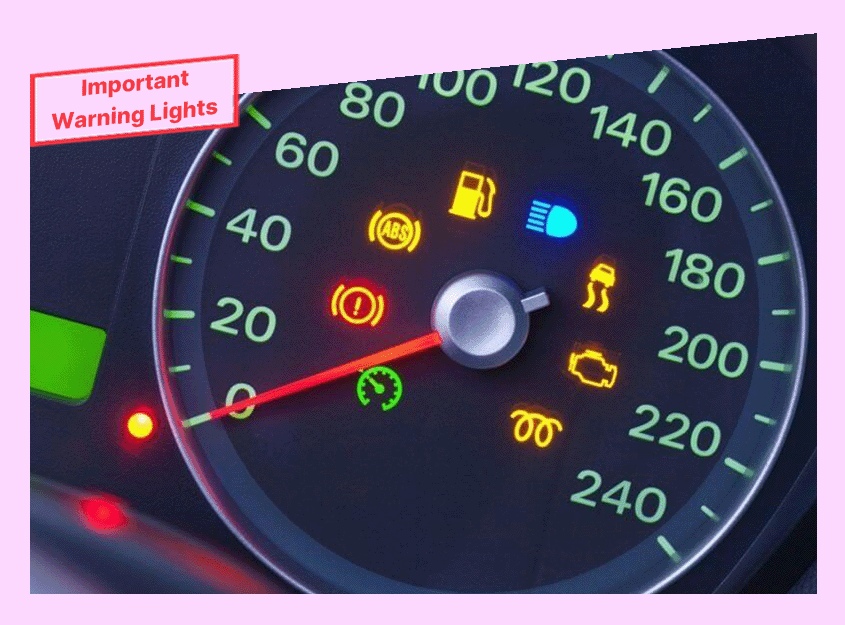
While designs differ between manufacturers, dashboard lights commonly follow a traffic-light-style system.
🟢 or 🔵 Green/blue: Usually information, such as headlights being switched on.
🟠 or 🟡 Amber/yellow: Something needs attention or servicing, but it doesn’t necessarily mean you need to stop immediately.
🔴 Red: Potentially serious. Stop safely and investigate the warning.
Always check your owner’s manual because the exact meaning varies by vehicle.
🛢️ Oil Pressure Warning
The oil-can symbol is one you shouldn’t ignore.
Your engine relies on oil circulating under pressure to lubricate moving components. If oil pressure drops significantly, continuing to drive could cause severe engine damage.
If the red oil-pressure warning remains illuminated while driving, pull over safely and switch the engine off.
🌡️ Engine Temperature Warning
An engine-temperature warning generally means the cooling system has detected excessive temperature.
You may also notice:
- Steam
- Loss of performance
- A temperature gauge climbing into the red
- A coolant warning
Continuing to drive an overheating engine can result in major damage.
And remember: never remove a radiator or coolant cap while the system is hot, as pressurised hot coolant can cause serious burns.
🛑 Brake Warning Light
A brake warning can illuminate simply because the parking brake is applied.
But if you’ve released it and the light remains on, there may be another problem requiring attention.
If braking feels different, the pedal feels unusually soft, or stopping performance has changed, don’t continue driving normally.
🔋 Battery/Charging Light
Despite the battery symbol, this light doesn’t necessarily mean the battery itself is faulty.
It usually indicates a problem with the vehicle’s charging system.
If the charging system stops working, the vehicle may continue running temporarily using stored battery power before eventually shutting down.
🚨 Check Engine Light
The check-engine light can appear for numerous reasons, ranging from emissions-related faults to more significant engine problems.
A steady light generally means the vehicle should be diagnosed.
A flashing check-engine light can indicate a more urgent fault. Reduce your load on the engine, stop safely and seek professional advice.
What About EVs and Hybrids?
EVs, hybrids and PHEVs have their own warnings relating to their:
- High-voltage battery
- Electric drive system
- Hybrid system
- Charging system
Because high-voltage systems require specialist knowledge, don’t attempt to diagnose or repair these components yourself.
Bottom Line
You don’t need to memorise every symbol on your dashboard.
You do need to know when your car is telling you to stop.
If a red warning appears, the vehicle begins behaving differently, or you’re uncertain whether continuing is safe, pull over somewhere safe and check your owner’s manual or seek professional assistance.