BYD’s first flash charging cars due early 2027, chargers to follow
Words: Richard Edwards
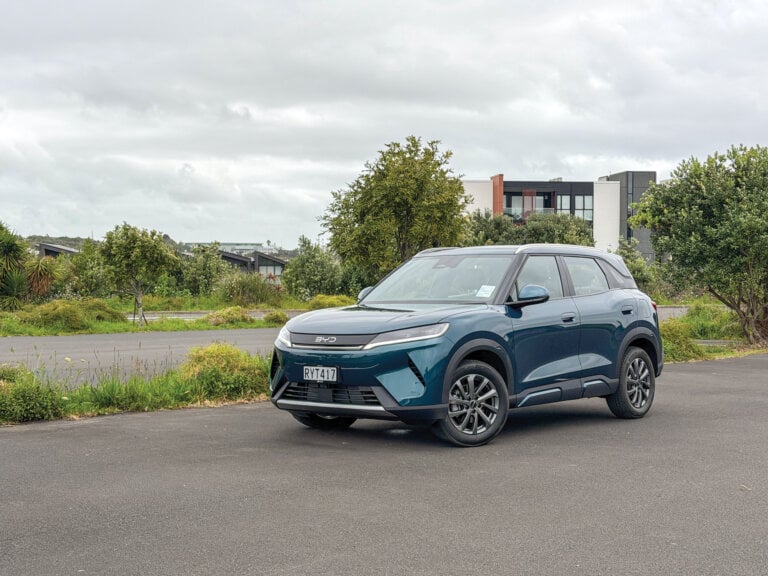
BYD New Zealand expects its first cars capable of megawatt “flash charging” to arrive in the first quarter of 2027, with the chargers themselves to come later.
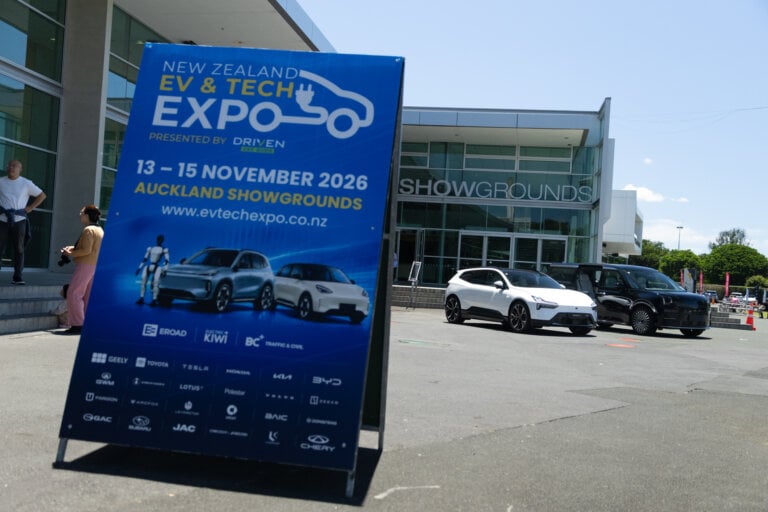
General manager Warren Willmot told us at the NZ EV and Tech Expo in Auckland that the cars will land before there is anywhere in New Zealand to charge them at full speed.
“The cars come first before the chargers, because we’ve got things like consents, and where we are going to put these things and where they are going to be throughout the country,” he says. “We’re probably going to start putting them into the dealerships first. But our very first flash charging cars come in about the first quarter next year.”
Willmot did not name the models. BYD’s premium brand Denza, which is distributed separately here, has already landed its flash charging Z9GT in New Zealand ahead of its local launch.
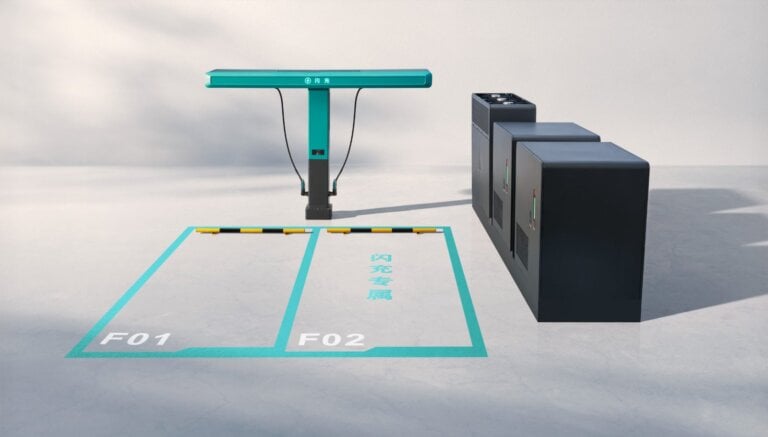
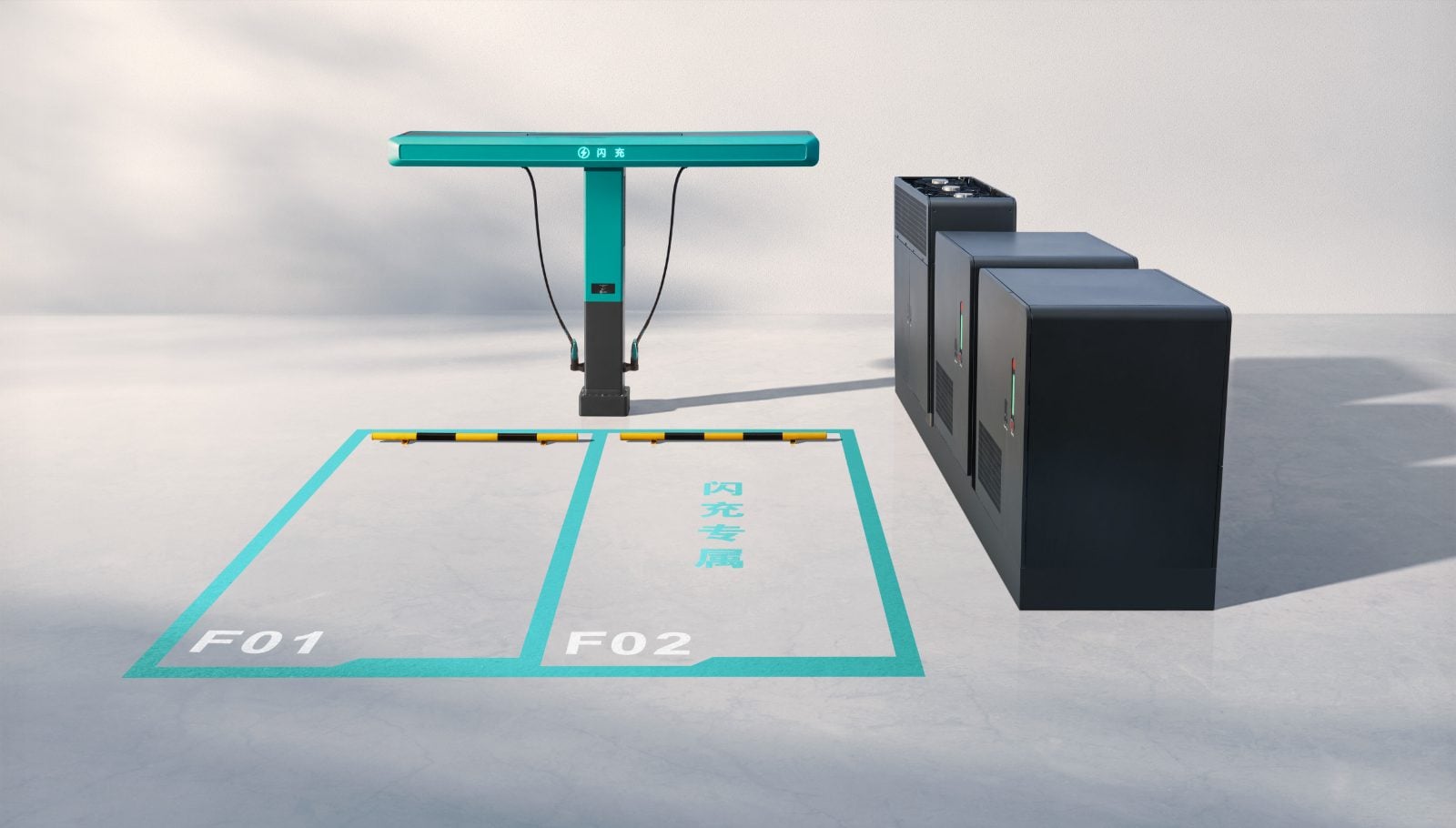
Flash charging is BYD’s name for a system that delivers up to 1500kW through a single connector. BYD’s own figures for the technology are 10 to 70% in five minutes and 10 to 97% in nine.
Willmot says the speed opens EV ownership to people who can’t charge at home or work.
“It’s got to be a standard technology. Think about people who live in apartments that can’t get access to chargers, or businesses that have not gone EV because they don’t have the infrastructure. If you have enough of these flash chargers throughout New Zealand, you don’t need to worry about it. They literally are replacing gas stations in China.”
In China, the network passed 10,000 stations in August, and BYD is aiming for 20,000 by the end of 2026. The chargers there are open to other brands, and installations have started in the UK and Europe.
The chargers do not draw their full output from the grid. Each site takes a normal grid connection and uses it to fill large storage batteries, which then feed the cars.
“I hear all these people saying we don’t have enough power. We’ve got enough generation. What we don’t have enough of is storage, or grid,” Willmot says. “So it’s a normal grid supply, between about 280kVA and 560kVA, into very large batteries and then into the chargers.”
He says the same approach suits New Zealand, where the supply available at a site often limits what a fast charger can deliver.
“A lot of these chargers say they can produce huge amounts but the grid’s not there. Going to big battery storage is the way forward.”
Vehicle to grid trials under way
BYD is also trialling vehicle to grid technology in New Zealand, which lets an EV send power from its battery back into the electricity network.
“Vehicle to grid is something that we are pushing for very hard,” Willmot says. “Next year you’ll see some more information about that in due course, but the trials we’ve got under way are working very, very well.”
He says owners would not need solar panels to benefit.
“Even if you don’t have solar, our calculations are that a BYD owner with vehicle to grid could potentially export up to $2000 worth of electricity back to the grid, just by buying the electricity at the right time and exporting it back at the right time.”
BYD has not given a date for when vehicle to grid will be offered to New Zealand customers.