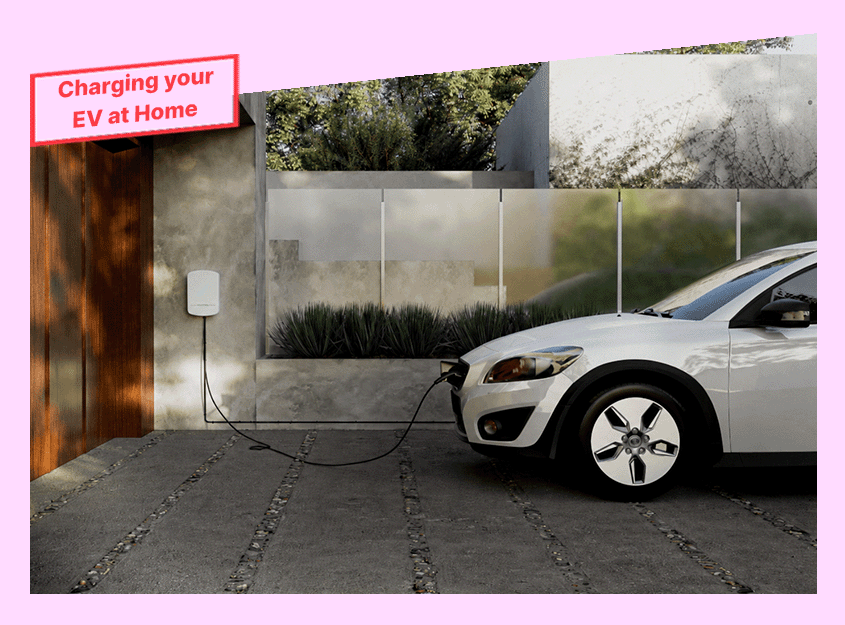
How to Charge an EV at Home in New Zealand
Words: AutoTrader NZ
Charging an electric vehicle at home is one of the biggest advantages of EV ownership. Instead of stopping at a petrol station, most EV owners simply plug in overnight and wake up with a charged vehicle ready to go.
Here’s what you need to know about charging an EV at home in New Zealand.
Standard Plug vs Wall Charger
Most EVs can charge using a standard household plug socket.
This is often called “trickle charging” or Level 1 charging. It’s the simplest option and works well for smaller batteries or plug-in hybrids, but it’s also the slowest.
A dedicated wall charger (sometimes called a wallbox) provides much faster charging speeds and is designed specifically for EV charging.
Standard Plug
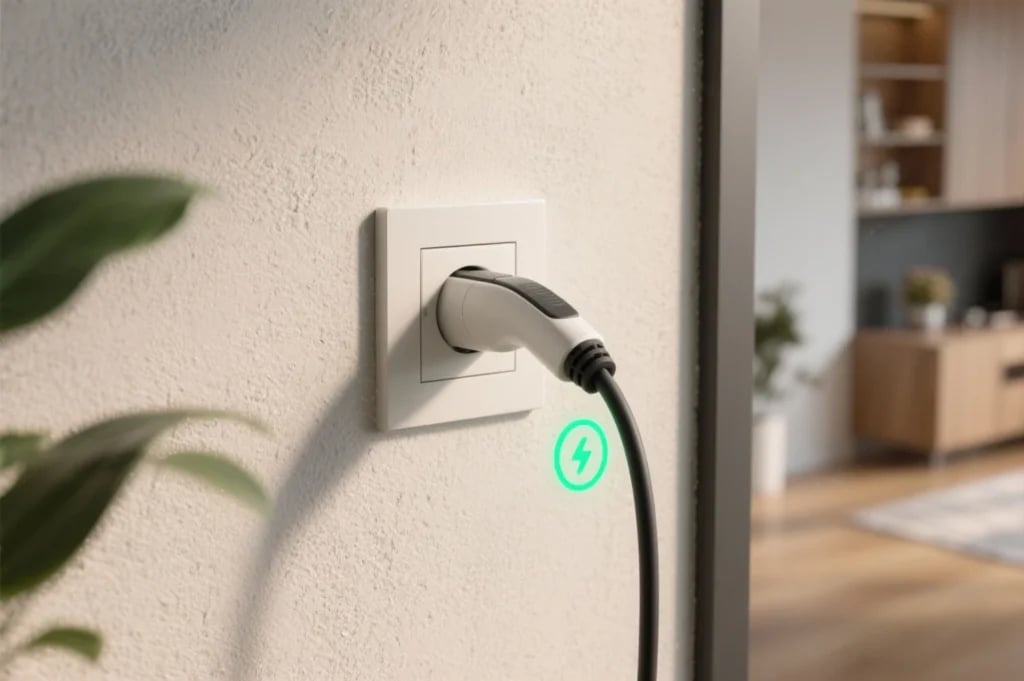
- Slow charging
- No installation required
- Good for occasional charging or overnight top-ups
Wall Charger
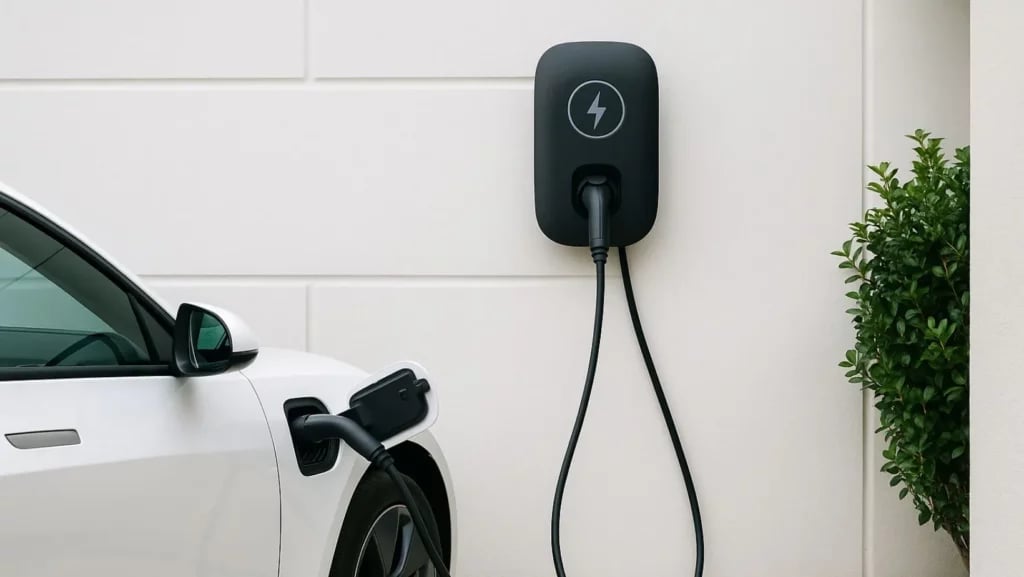
- Faster charging speeds
- Better for daily EV use
- Safer and more reliable for long charging sessions
- Requires professional installation
Some EVs can take more than 20 hours to fully charge on a standard plug, while a wall charger can reduce this significantly.
Most EV Charging Happens at Home
One of the biggest mindset shifts with EV ownership is understanding that you usually charge while the car is parked – not by making special trips to a charging station.
Many EV owners:
- Plug in overnight
- Charge during off-peak electricity hours
- Wake up to a charged car each morning
For most daily driving, this becomes more convenient than visiting a petrol station.
AC vs DC Charging
There are two main types of EV charging:
AC Charging
This is what most home charging uses.
AC charging is slower but ideal for overnight charging and everyday use.
DC Fast Charging
DC charging is found mainly at public fast-charging stations.
These chargers are much faster and are mainly used for:
- Road trips
- Long-distance travel
- Quick top-ups away from home
Most EV owners do the majority of their charging at home and only use fast chargers occasionally.
How Long Does Charging Take?
Charging time depends on:
- Battery size
- Charger type
- Vehicle charging capability
A standard plug may take overnight or longer for a full charge, while a wall charger can significantly reduce charging times.
Generally, the larger the battery, the longer charging takes.
What Does It Cost?
Home charging is usually much cheaper than petrol.
Most EV owners in NZ spend only a few dollars per 100km in electricity, depending on:
- Their electricity provider
- Charging times
- Vehicle efficiency
Charging overnight during off-peak periods can reduce costs even further.
Is Your Home Ready for EV Charging?
Most homes can charge an EV, but older homes may benefit from:
- A socket inspection
- Switchboard upgrades
- Professional wallbox installation
Wallbox chargers can also help manage household power demand more safely and efficiently.
If you’re regularly charging an EV, a dedicated charging setup is usually the safest long-term option.
Overnight Charging Tips
Many EV owners:
- Plug in overnight
- Schedule charging for cheaper electricity periods
- Let the car charge slowly while they sleep
This helps reduce costs while ensuring the vehicle is ready for the next day.
Bottom Line
The key thing to understand about EV ownership is that your car charges while you’re doing something else – sleeping, working, or relaxing at home.
Whether you use a standard plug or install a wall charger, home charging is convenient, cost-effective, and one of the biggest advantages of driving electric.