How to Drive Safely in Fog 🌫️
Words: AutoTrader NZ
Winter mornings often bring thick fog across New Zealand, particularly in rural areas, valleys, and near rivers. While fog can look harmless, it dramatically reduces visibility and makes judging distance much more difficult.
Knowing how to adjust your driving can help keep you and others safe.
Why is fog so dangerous?
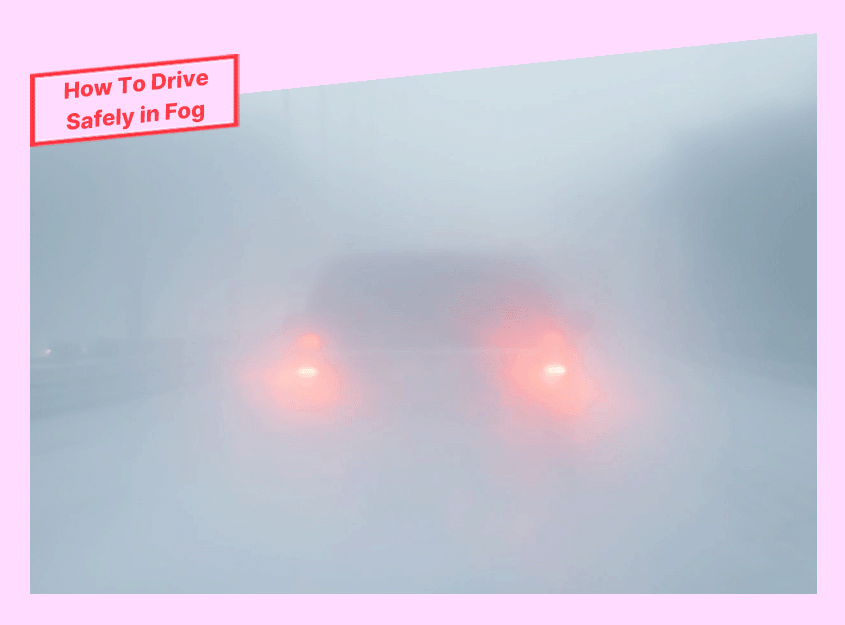
Fog reduces the distance you can see ahead and makes it harder for other drivers to see you. Hazards such as stopped vehicles, cyclists, animals, or sharp bends may only become visible at the last moment.
Use your headlights correctly
One of the biggest mistakes drivers make is turning on their high beams.
High beams reflect off tiny water droplets in the fog, creating glare that actually reduces visibility.
Instead:
- Use low beam headlights.
- Turn on fog lights if your vehicle is fitted with them.
- Avoid using hazard lights while driving unless you’ve stopped in an emergency.
Reduce your speed
If you can only see 50 metres ahead, you shouldn’t be travelling at the same speed as you would on a clear day.
Slow down and drive at a speed that allows you to stop safely within the distance you can see.
Increase your following distance
Leave a larger gap between you and the vehicle in front.
The normal two-second following distance isn’t always enough in fog. Aim for at least four seconds when visibility is poor.
Keep your windows clear
Use your front and rear demisters to prevent condensation from building up inside the vehicle.
Clean windows inside and out also make a noticeable difference during winter.
Use the road as your guide
Rather than focusing solely on the vehicle ahead, use lane markings and roadside reflectors to help maintain your position.
If visibility becomes too poor
If you can’t safely continue:
- Pull completely off the road if possible.
- Turn on your hazard lights only once you’ve stopped.
- Wait until conditions improve.
Bottom Line
Fog doesn’t have to make driving stressful. By slowing down, using the correct lights, increasing your following distance, and keeping your windows clear, you’ll be better prepared for winter conditions across New Zealand.