Should You Warm Up Your Car Before Driving? ❄️
Words: AutoTrader NZ
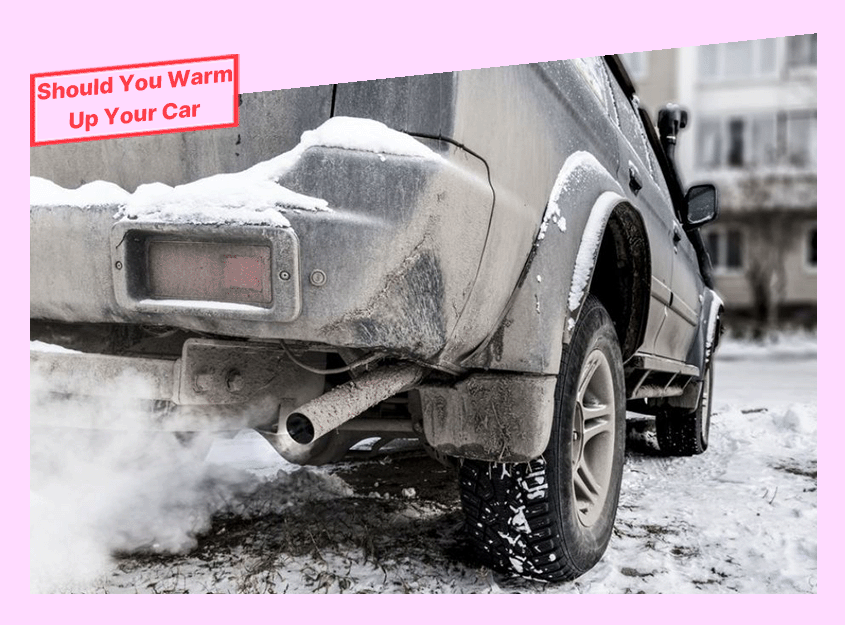
For many drivers, starting the car on a cold winter morning and letting it idle for several minutes before driving is simply habit.
It’s advice that has been passed down for decades:
“Let your car warm up before you drive.”
But while that advice was once true for older vehicles, modern petrol, diesel, hybrid, plug-in hybrid (PHEV) and electric vehicles (EVs) are built very differently.
So, should you still warm up your car before driving?
The short answer is yes but only briefly.
Why Did People Used to Warm Up Their Cars?
Years ago, most vehicles used carburettors to mix fuel and air before it entered the engine.
On cold mornings, carburetted engines often struggled to run smoothly until they reached operating temperature. Allowing the engine to idle for several minutes helped prevent stalling and improved drivability.
Modern vehicles no longer rely on carburettors.
Instead, almost all petrol and diesel vehicles sold today use electronic fuel injection (EFI) and sophisticated engine management systems that automatically adjust the fuel mixture based on engine temperature, outside conditions and driving demands.
This means your vehicle is designed to operate safely almost immediately after starting.
So, What’s the Best Approach?
When you start your car on a cold morning:
✅ Let the engine idle for around 30–60 seconds to allow the engine oil to circulate through the engine.
✅ Use this time to clear frost, ice or condensation from your windows.
✅ Once visibility is clear, drive away gently, avoiding heavy acceleration until the engine reaches its normal operating temperature.
Rather than sitting in the driveway, your engine actually warms up faster and more efficiently while being driven.
Why Isn’t Extended Idling Recommended?
Many drivers believe idling is better for the engine, but with modern vehicles that’s generally no longer the case.
Leaving your vehicle idling for several minutes can:
⛽ Use unnecessary fuel without travelling anywhere.
🌍 Produce extra exhaust emissions, contributing to air pollution.
🔧 Delay warming up the transmission, differential and wheel bearings, as these components only warm up properly while driving.
💰 Cost more over time, especially if you regularly idle for long periods each winter.
Gentle driving places a light load on the engine, helping it reach its ideal operating temperature much sooner than idling alone.
Petrol vs Diesel
Both petrol and diesel engines benefit from a short warm-up before driving.
However, diesel engines generally take longer to reach operating temperature, particularly during winter.
Even so, the recommendation remains the same:
- Allow a brief idle (around 30–60 seconds).
- Drive away gently.
- Avoid high engine speeds until the engine has warmed up.
What About Hybrid Vehicles?
Hybrid Electric Vehicles (HEVs) combine a petrol engine with an electric motor.
Depending on the vehicle and battery charge, many hybrids will actually start driving using electric power first, with the petrol engine switching on only when needed.
The vehicle’s onboard computer manages engine temperature automatically, so there is no need to let a hybrid idle for several minutes before driving.
Simply start the vehicle, ensure you have good visibility, and drive away smoothly.
What About Plug-in Hybrids (PHEVs)?
Plug-in Hybrid Electric Vehicles (PHEVs) work in a similar way.
If the battery has enough charge, many PHEVs can begin your journey using electricity alone before the petrol engine starts.
Like hybrids, the vehicle manages engine warm-up automatically when required.
Long periods of idling offer little benefit and simply consume fuel unnecessarily once the petrol engine starts.
EVs Are Different Again
Fully electric vehicles (EVs) don’t have an engine to warm up, so the traditional advice doesn’t apply.
However, cold weather can affect battery performance, which is why many EVs include features such as:
🔋 Battery pre-conditioning – warming the battery before driving to improve efficiency and charging performance.
❄️ Cabin pre-heating – warming the interior before you leave.
⚡ Scheduled departure times – allowing the vehicle to prepare itself while still plugged into a charger.
If your EV is connected to a home charger, pre-conditioning uses mains electricity rather than battery power, helping maximise driving range while ensuring the cabin is warm and comfortable before you set off.
Winter Driving Tips
Regardless of what you drive:
- Remove all frost and condensation before driving.
- Check your tyre pressures, as cold weather can reduce them.
- Drive gently for the first few kilometres.
- Avoid harsh acceleration and heavy braking until everything has warmed up.
- If you own an EV or PHEV, use your vehicle’s pre-conditioning features where available.
Bottom Line
For most modern petrol, diesel, hybrid and plug-in hybrid vehicles, letting the engine idle for 30–60 seconds is all that’s needed before driving away.
Long periods of idling are largely a thing of the past and can waste fuel, increase emissions and delay your vehicle reaching its normal operating temperature.
If you drive an EV, there’s no engine to warm up at all. Instead, take advantage of battery and cabin pre-conditioning features to improve comfort, efficiency and driving range during winter.
A gentle start, clear visibility and smooth driving are the best ways to look after your vehicle – whatever powers it.