Signs Your Car’s Suspension Needs Attention
Words: AutoTrader NZ
When we think about suspension, comfort is probably the first thing that comes to mind.
But your suspension system has a much more important job.
It helps maintain contact between your tyres and the road, controls the movement of the vehicle’s body, and contributes to predictable steering and braking.
Because suspension components often deteriorate gradually, drivers can become accustomed to a vehicle’s changing behaviour without realising something is wrong.
Here are some of the warning signs worth knowing.
What Does Your Suspension Actually Do?
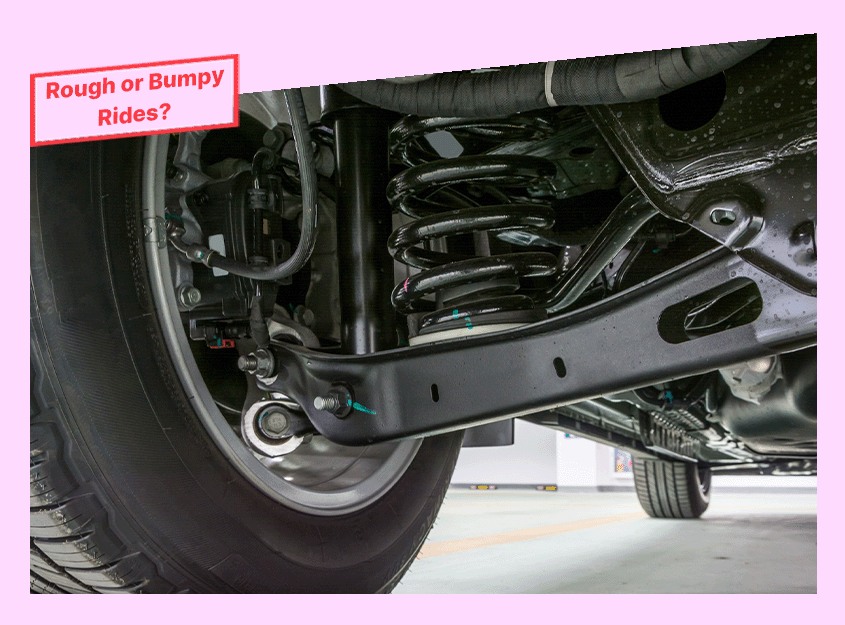
Your suspension system consists of numerous components that can include springs, shock absorbers or struts, control arms, bushes and other joints and linkages.
Together, they help:
- Absorb bumps and imperfections in the road
- Keep your tyres in contact with the surface
- Control body movement
- Maintain vehicle stability
- Support predictable steering and braking
When components become worn or damaged, you’ll often notice changes in how the vehicle feels.
Your Car Feels Much Bumpier
One of the most obvious signs is a deterioration in ride quality.
If you’re suddenly feeling every bump and pothole – or the vehicle continues bouncing after passing over a bump—the shock absorbers or other suspension components may need attention.
Knocking or Clunking Noises
Unusual noises from underneath your vehicle are worth investigating.
A knocking or clunking sound when travelling over:
- Speed bumps
- Potholes
- Driveway entrances
- Rough roads
could indicate movement or wear somewhere in the suspension system.
There are many potential causes, so a professional inspection is the best way to identify the source.
The Car Dips Under Braking
Some forward movement under braking is normal.
However, if the front of your vehicle appears to dive excessively when braking, it may indicate that the suspension isn’t controlling the vehicle’s weight transfer as effectively as it should.
Uneven Tyre Wear
Your tyres can reveal a lot about what’s happening underneath the vehicle.
If one section of a tyre is wearing much faster than another, potential causes can include alignment, tyre pressure or suspension issues.
Don’t just replace the tyre without considering why it wore unevenly in the first place.
Your Car Feels Different Through Corners
If your vehicle suddenly feels less stable through corners, leans more than it used to or doesn’t respond as confidently to steering inputs, it’s worth investigating.
Suspension wear can change the way your vehicle handles.
One Corner Looks Lower
Park your vehicle on a reasonably flat surface and look at it from the front and rear.
If one corner appears noticeably lower than the others, there could be an issue with a spring or another suspension component.
Steering Feels Loose or Unusual
Steering and suspension systems work closely together.
If your steering begins to feel vague, loose or inconsistent, particularly alongside knocking noises or uneven tyre wear, arrange an inspection.
Why Suspension Problems Matter
It’s easy to dismiss suspension problems as a comfort issue.
But your suspension helps keep your tyres planted on the road.
That means it can influence your vehicle’s:
- Stability
- Steering response
- Tyre wear
- Braking behaviour
- Overall handling
Bottom Line
If your vehicle has gradually become noisier, bumpier or less stable, don’t simply put it down to age.
Your suspension may be telling you it’s time for a check.
Identifying worn components early can improve ride quality, protect your tyres and most importantly help ensure your vehicle continues to handle predictably.