Cheaper electric cars are on the way
Words NZ Autocar | Images Shanghai Daily, Volkswagen, QuantumScape
In China, the electric car scene is changing quickly; EVs now undercut ICE models. As a result, in Europe price parity between electric and ICE cars is likely to occur much faster than expected.
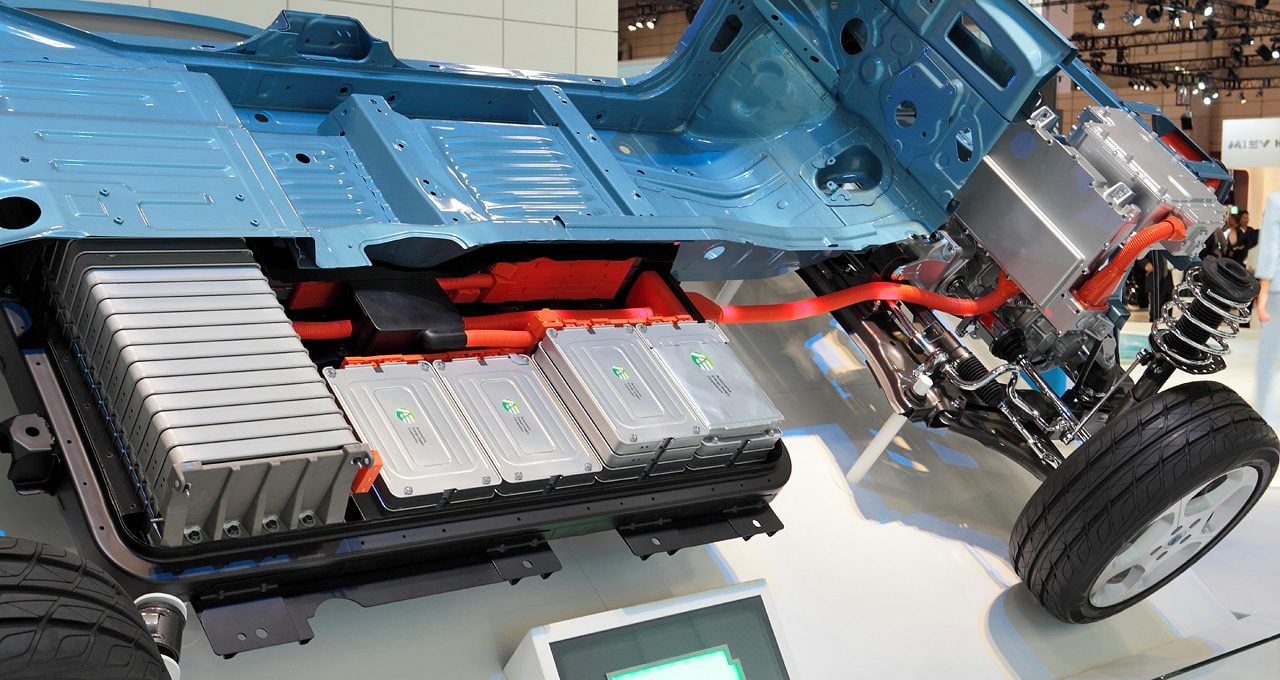
The price of battery cells is dropping quickly as companies producing them battle for supremacy. That has resulted in overcapacity and price cuts to maintain market share.
The factors behind a 51 per cent drop in the price of battery cells include a drop in the price of raw materials like lithium, and lower than predicted demand for EVs, as global electrification slows.
The result is that cars with electric powertrains in China are now priced the same or are less expensive than combustion rivals. That means significant electric car price reductions are likely globally.
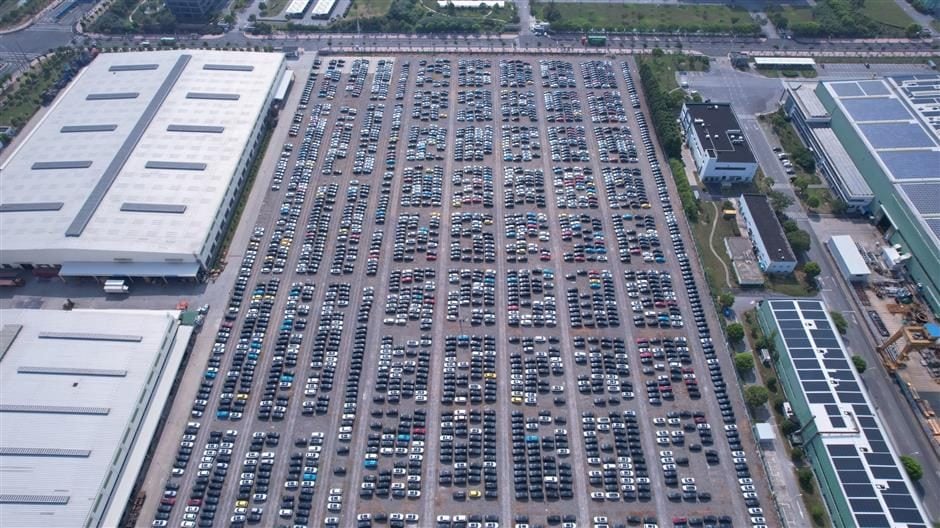
Evidently almost two-thirds of EVs on sale in China are already cheaper than their ICE equivalents, according to reports. Moreover, many of these vehicles are planned for launch globally in the near future.
Global demand for lithium-ion batteries last year was roughly 1000 gigawatt hours. However, global production capacity, most of it in China, was already more than double that figure. Efforts in Western countries to develop battery production capabilities to match those of China will further exacerbate the overcapacity issue.
On the other hand, this is good news for consumers who have been holding back on going electric because of high prices. These lower prices will filter through into cheaper electric car models scheduled for production in the next couple of years.
A bounce back in EV prices is unlikely. Bloomberg analysis suggests there are other factors at work here. Globally, EV companies are investing large sums in R&D, automation and new factories. Therefore, low EV prices are likely to persist for several years due to oversupply.
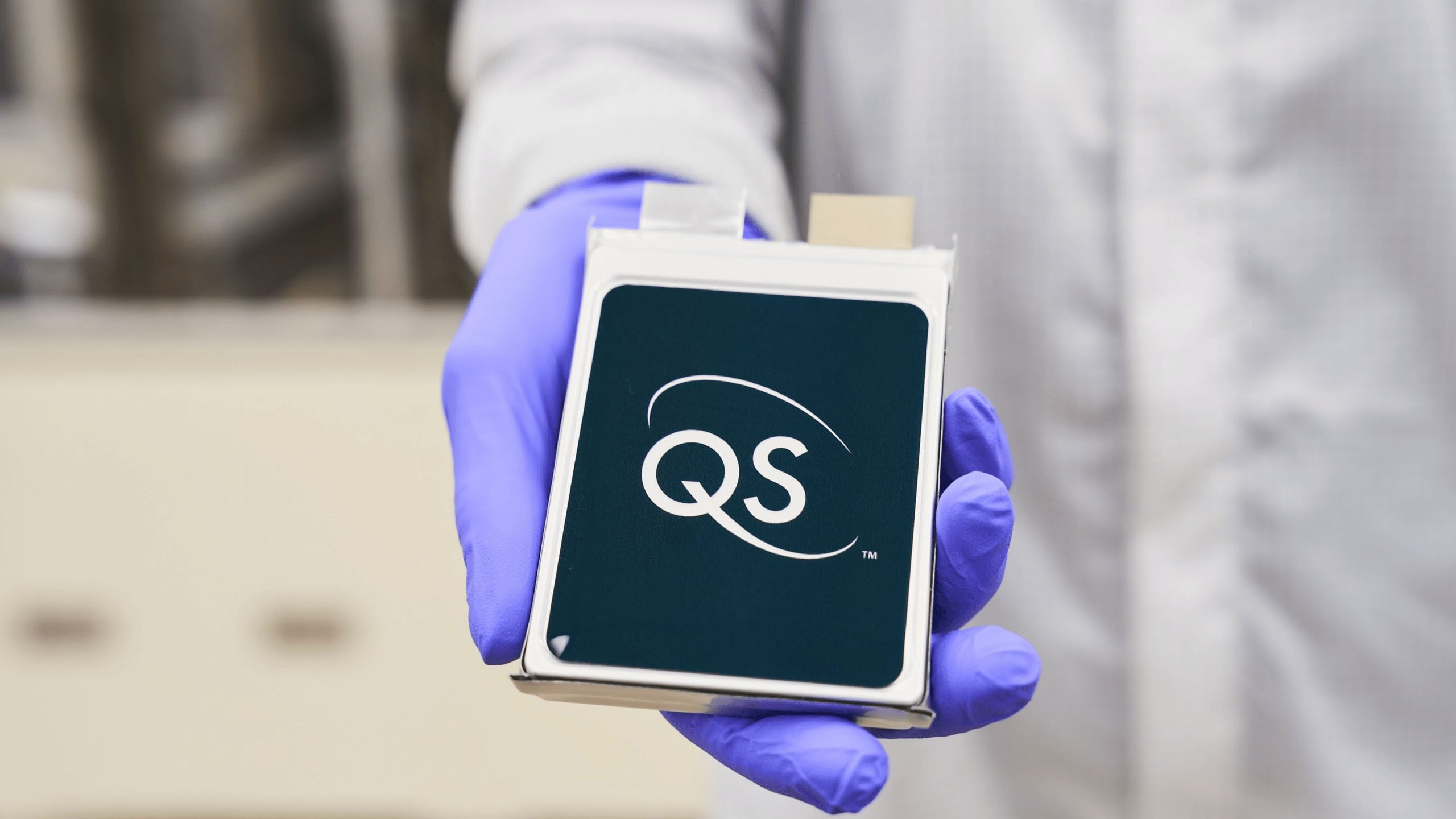
And one of those companies spending big on EVs currently is Volkswagen. The firm has just announced it has signed a major deal to produce solid state batteries for one million EVs.
Its subsidiary, PowerCo, has licenced solid state battery technology from QuantumScape. In what appears to be a critical agreement for the Volkswagen Group’s electric future, PowerCo will produce solid-state batteries for VW passenger electric vehicles with a target of up to one million batteries per year.
Volkswagen says Quantumscape’s battery can provide “exceptional energy and power density, fast charging and a robust safety profile”.
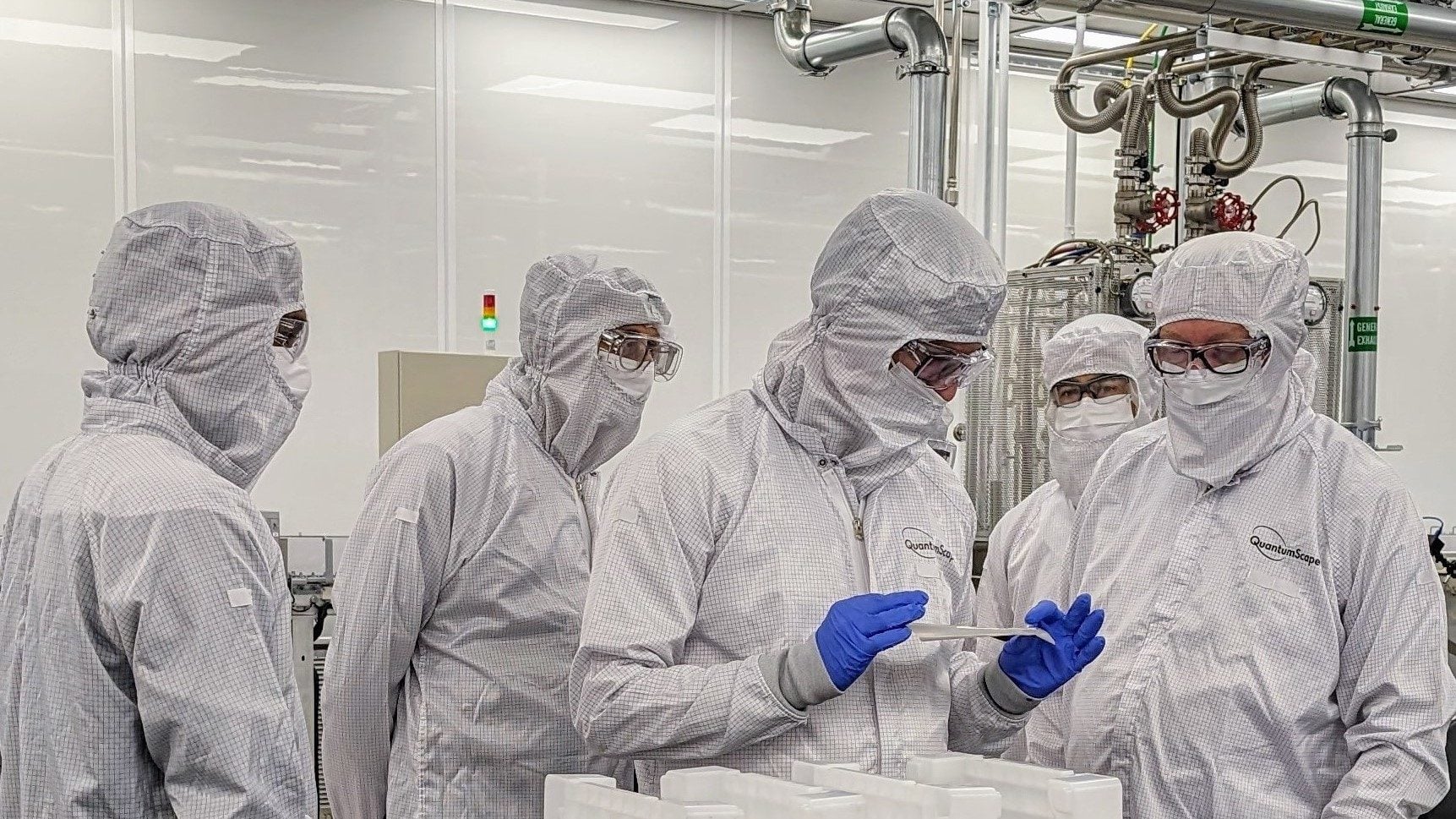
Frank Blome, CEO of PowerCo said, “We have been collaborating and testing QuantumScape prototype cells for years now and we are looking forward to bringing this technology of the future into series production”.
Thomas Schmall, Volkswagen Group Board Member for Technology, commented “Electric vehicles are the future of mobility, and this agreement with QuantumScape will ensure the Volkswagen Group’s global fleet has access to this groundbreaking battery technology for years to come.”
The German company has yet to specify a date when this new technology will debut in its production cars.
Under the licence agreement, PowerCo can manufacture up to 80gWh per year. That’s similar to what Tesla’s existing ‘gigafactory’ in Nevada is producing, only it’s not a solid-state battery like PowerCo’s.