China tests first high-power rotary engine, sadly not for cars
Words: Richard Edwards
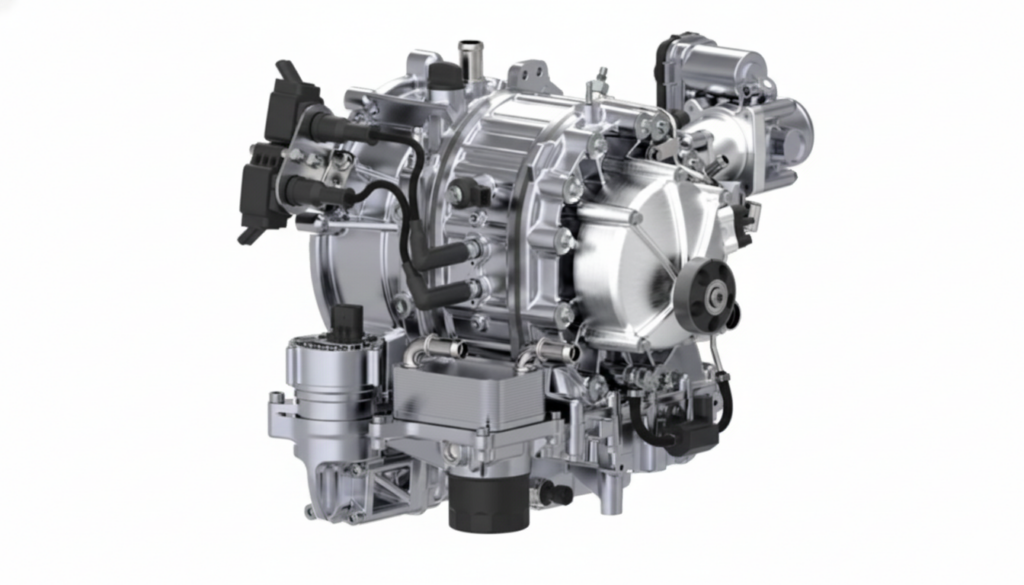
China’s state-owned automotive giant Changan Automobile has completed the first ignition of what it says is the country’s first high-power rotary engine prototype. For enthusiasts, there is an immediate catch. This is not a revival aimed at road cars.
Sorry, no brap-brap for us!
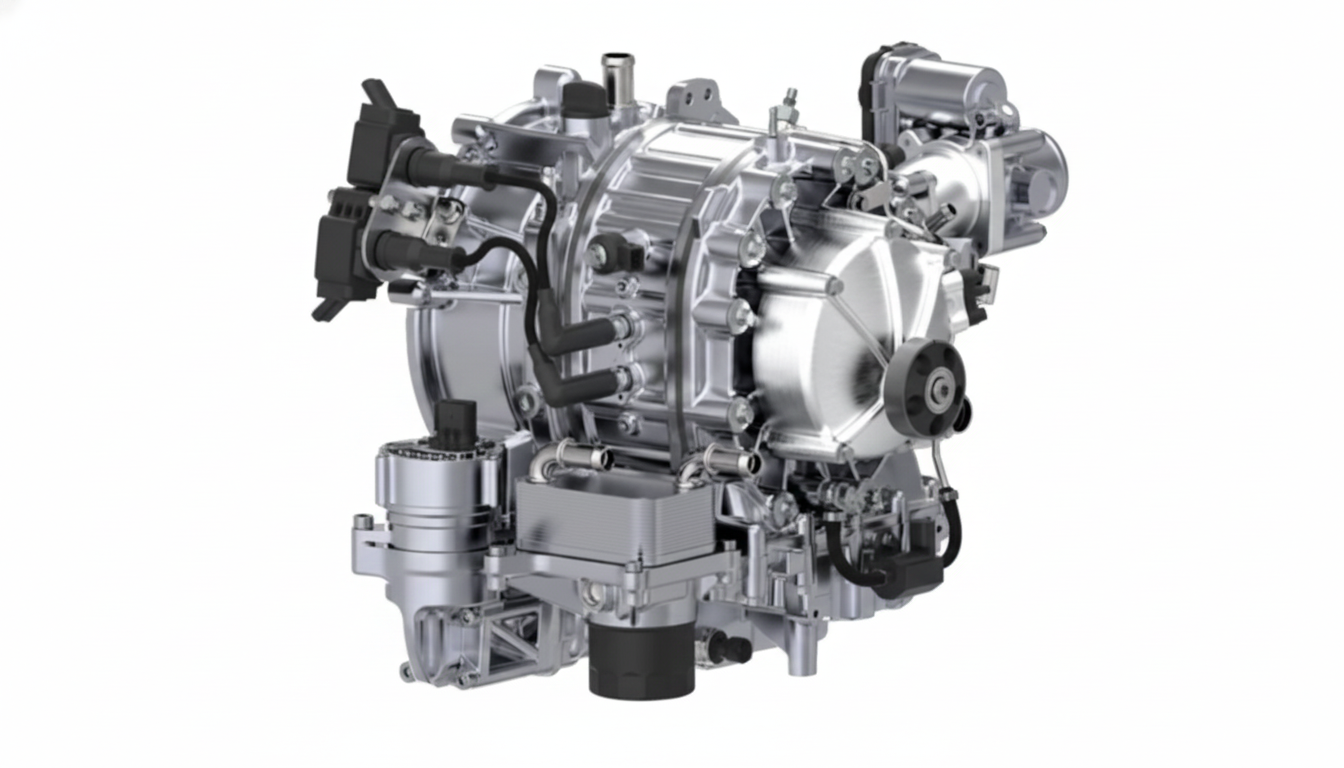
The single-rotor R05E engine was developed by Harbin Dongan Auto Engine, a Changan subsidiary, and successfully fired for the first time on December 19. The project is targeted squarely at aviation use, with Changan planning to begin mass production in 2027.
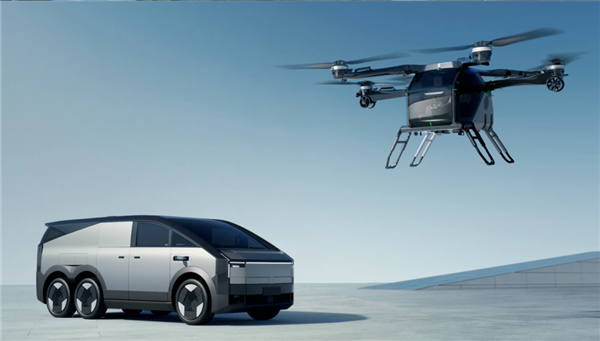
Rather than cars, the R05E has been designed for China’s rapidly developing “low-altitude economy”, a sector covering commercial activity in airspace below 1,000 metres. This includes drones, unmanned aerial vehicles and future electric vertical take-off and landing aircraft. Chinese government forecasts suggest the low-altitude economy could be worth as much as 3.5 trillion yuan by 2035.
Why rotary, and why aviation?
While rotary engines have largely disappeared from mainstream automotive use, they still offer advantages in aviation-focused applications. Compared with conventional piston engines, rotary designs are compact, lightweight and smooth-running, with a high power-to-weight ratio. Those traits are particularly valuable where vibration control, packaging and payload matter.
According to Changan, the R05E produces 53kW and can rev to 6,500rpm. It features a cast aluminium casing, a curved-edge triangular rotor, a low-mass eccentric shaft and a dedicated balancing system. To reduce friction and energy loss, the engine uses a nanodiamond composite anti-friction coating, along with an integrated water jacket for cooling.
Long-term durability and sealing have historically been challenges for rotary engines, but advances in materials and coatings are helping to address those weaknesses, particularly in controlled operating environments such as aviation.
A familiar rotary name, but no Mazda involvement
The project inevitably draws attention because of Changan’s long-standing joint venture with Mazda, the brand most closely associated with rotary engines through models such as the RX-7 and the Le Mans-winning 787B. However, there is no indication Mazda has had any technical involvement in the R05E programme.
Mazda’s own modern rotary work has focused on small-capacity engines used as range extenders, rather than primary propulsion units. The Changan-developed R05E sits well outside that space.
Part of a broader aviation push
The R05E is only one element of a wider rotary development programme at Dongan. The company is also working on naturally aspirated and turbocharged rotary engines intended for medium- and high-altitude UAV applications. These projects are being developed in partnership with companies including ARIDGE, the flying vehicle division associated with Chinese EV maker XPeng.
Globally, several established automakers are quietly positioning themselves for future air mobility, even as their road car line-ups shift toward electrification. Toyota, Hyundai and others have all invested heavily in aviation and air-taxi ventures in recent years.
Why it still matters for New Zealand
While the R05E itself will never power a road car, Changan’s engineering efforts are becoming increasingly relevant in New Zealand. The company’s Deepal electric brand is expected to be introduced locally under distribution by Inchcape, and Mazda New Zealand has already confirmed it will bring the China-built Mazda 6e, developed through the Changan-Mazda joint venture, to this market.
For now, though, the rotary revival remains firmly airborne. For anyone hoping for a new rotary-powered sports car, this project is a reminder that the technology lives on, just sadly not on the road.