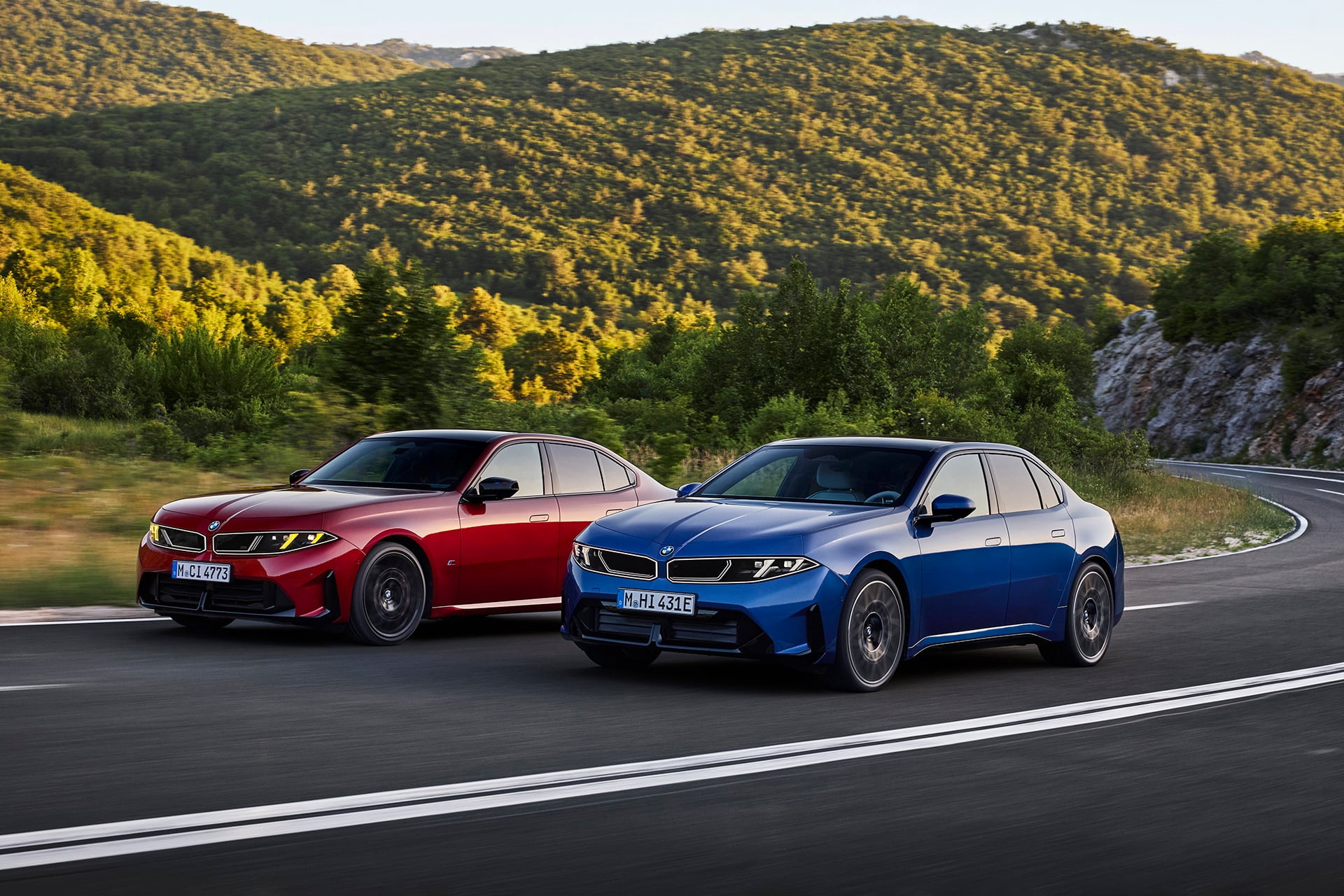
New BMW 3 Series brings petrol and electric models together
Words: Kyle Cassidy
BMW has unveiled its new 3 Series family, bringing petrol and electric models together under a common design while retaining a straight-six performance flagship.
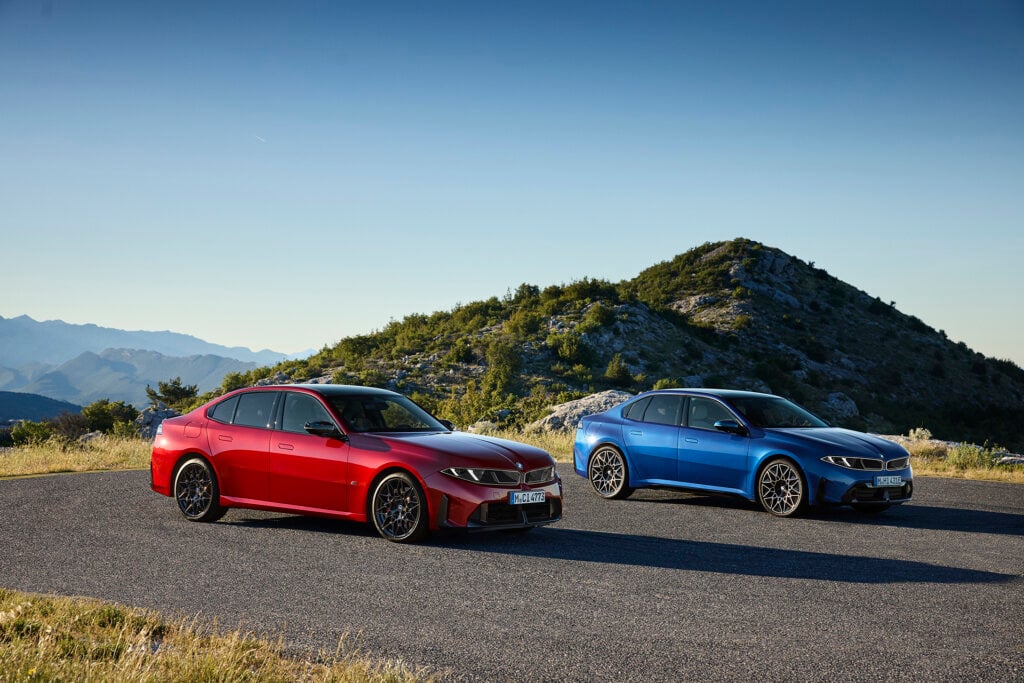
The eighth-generation sedan adopts BMW’s Neue Klasse styling and a substantially redesigned cabin. Buyers will have a choice of turbocharged petrol engines with mild-hybrid assistance or fully electric i3 variants, with a plug-in hybrid joining the range in 2027.
BMW’s announcement details German-market specifications. New Zealand pricing, model availability and arrival timing weren’t included.
A familiar badge with a different face
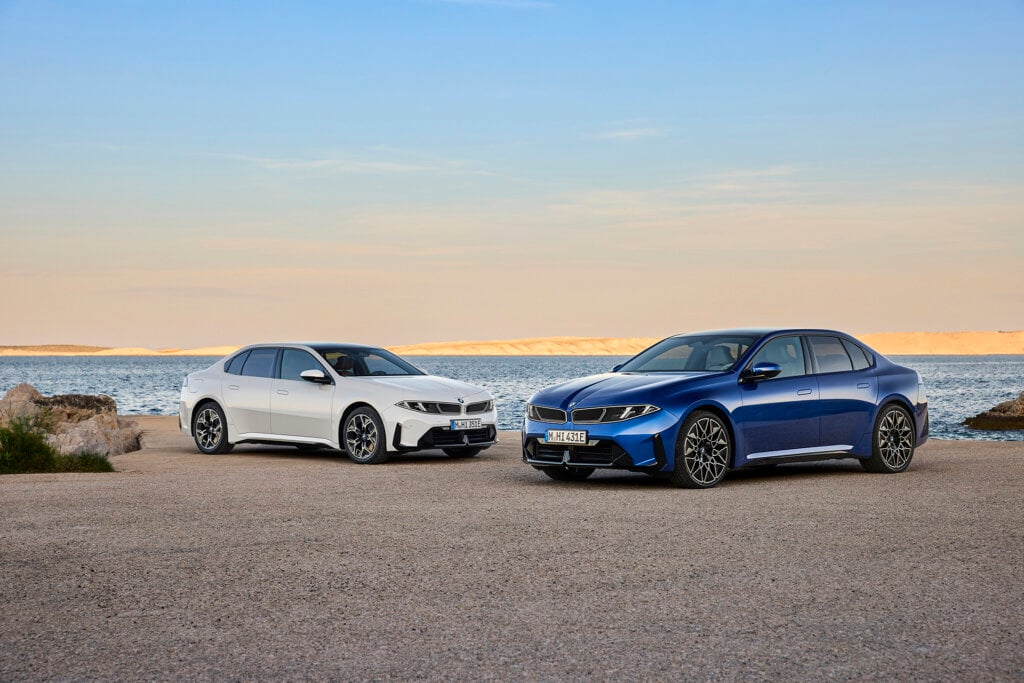
The petrol 3 Series and electric i3 share a consistent appearance, with differences largely confined to details associated with their powertrains.
Up front, BMW has combined the kidney grille and twin headlights into a single visual element. It’s a departure from the outgoing model, while retaining recognisable BMW cues.
A longer wheelbase, short overhangs and a cabin positioned towards the rear define the proportions. Flared wheel arches give the sedan a broader stance, while flush door handles extend when the car is unlocked.
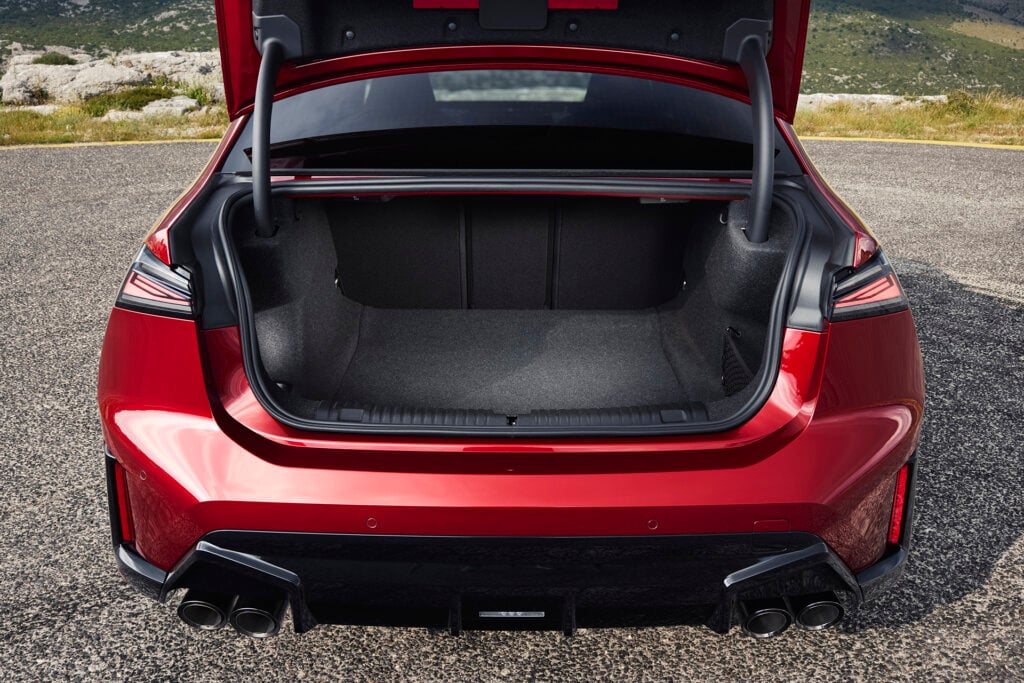
Horizontal rear lighting reinforces the width. M Performance versions introduce yellow lighting elements inspired by racing cars, while optional M Sport packages add further visual distinction.
Straight-six stays in the picture
The M350 xDrive heads the combustion-powered line-up, using a 3.0-litre turbocharged inline-six with 48-volt mild-hybrid assistance.
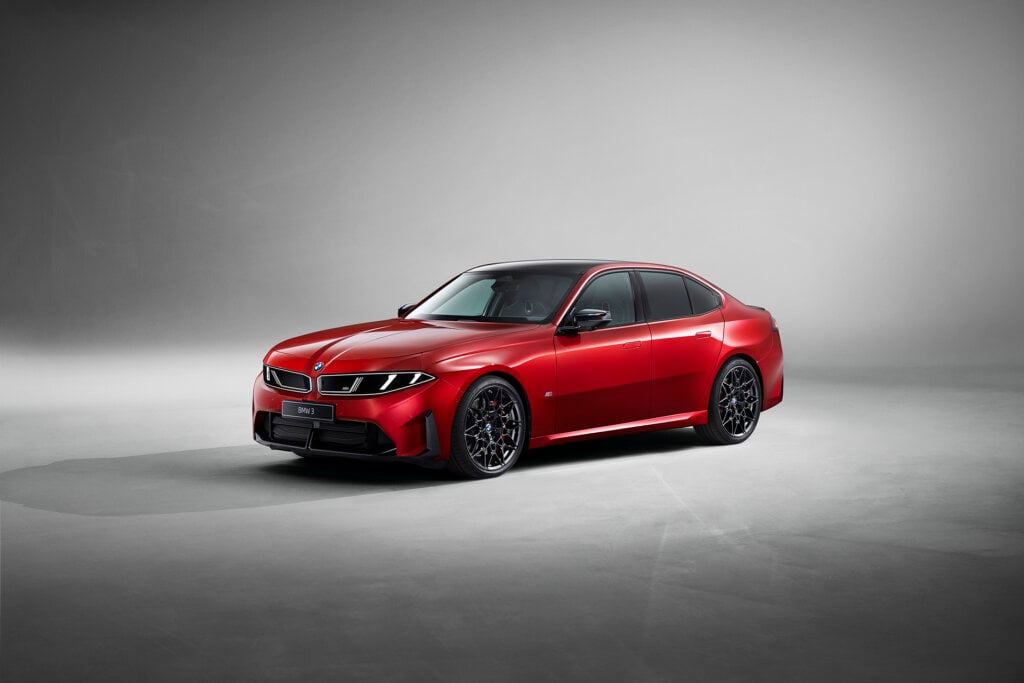
It produces 326kW and 580Nm, driving through an eight-speed automatic and xDrive all-wheel drive. BMW claims 0–100km/h in 4.1 seconds and an electronically limited 250km/h maximum.
Read more – New BMW 3 Series enters final testing with 326kW M350 flagship
Adaptive M suspension is standard, and the M350 gains a feature called Drift Moment. Activated through the central display, it allows engine power to be directed exclusively to the rear wheels for controlled sliding.
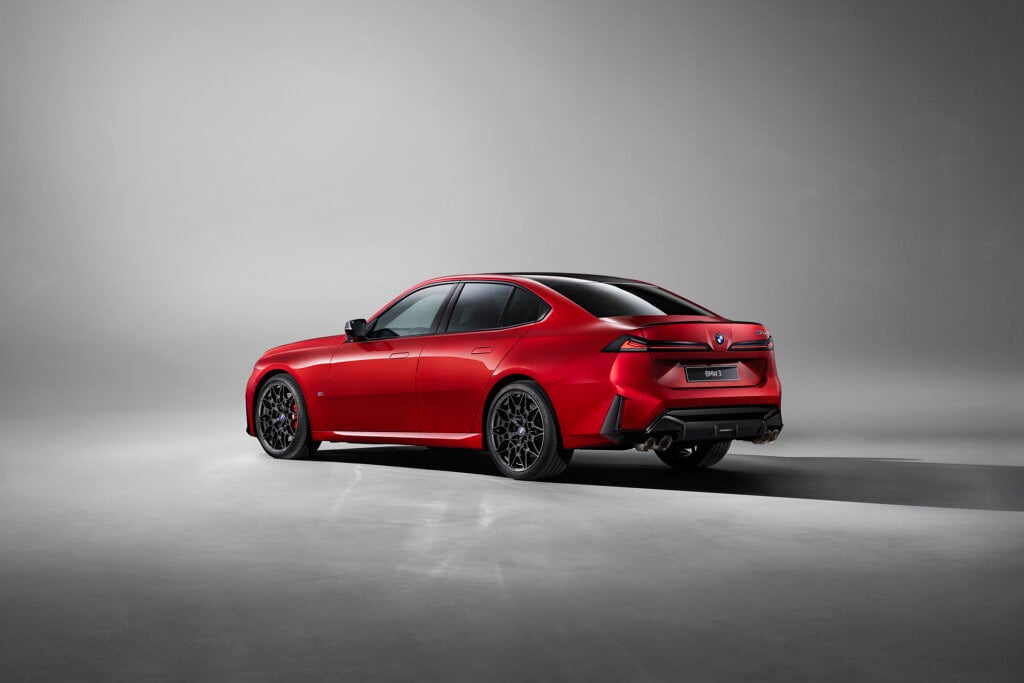
BMW previously said that function would become available during 2027. Two four-cylinder petrol variants will also join the combustion-model launch line-up, with the plug-in hybrid following later.
Electric i3 pushes beyond 900km
The i3 arrives with two dual-motor, all-wheel-drive versions, both using BMW’s sixth-generation eDrive technology.
The i3 50 xDrive develops 345kW and 645Nm, reaching 100km/h in a claimed 4.7 seconds. Its 108.7kWh battery provides up to 912km of WLTP range.
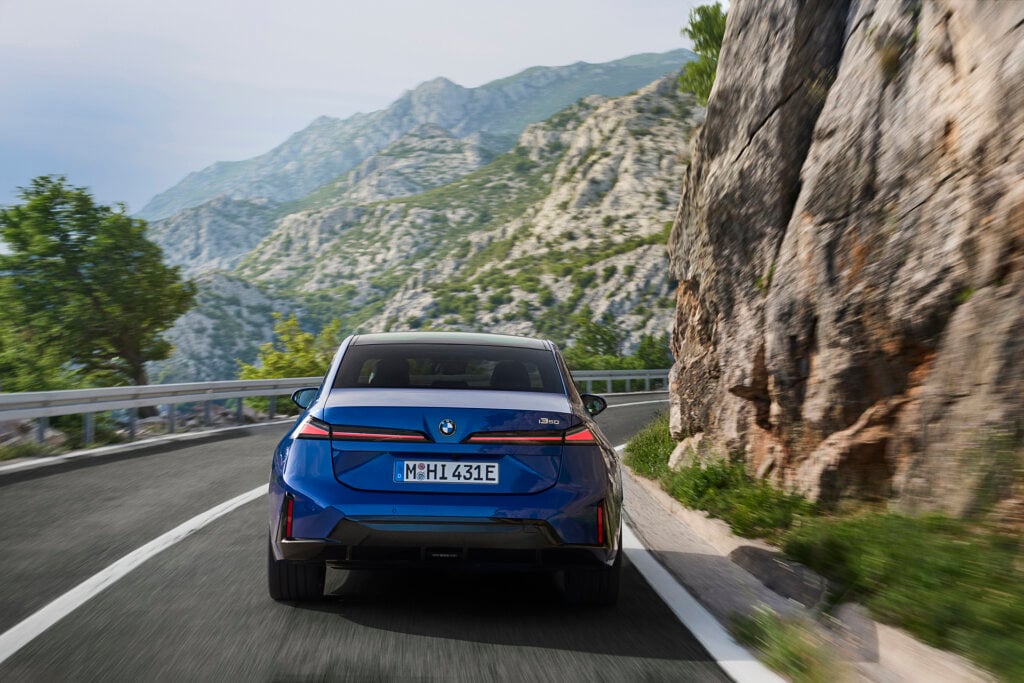
An 800-volt electrical architecture supports DC charging at up to 400kW. Under suitable conditions, BMW says ten minutes connected to a sufficiently powerful charger can add enough energy for up to 423km of WLTP driving.
The i3 40 xDrive uses an 82.8kWh battery and produces 275kW, with maximum WLTP range quoted at 710km. Both versions support bidirectional charging.
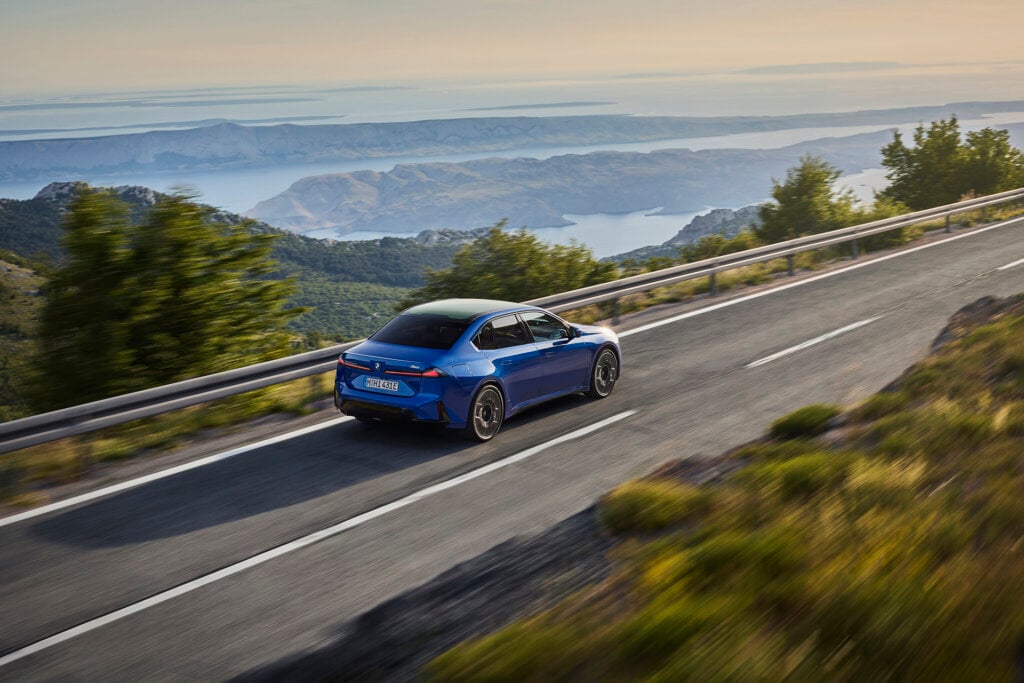
An i3 M60 xDrive performance flagship will follow in 2027.
The electric models also use BMW’s Heart of Joy computer, which combines powertrain and driving-dynamics functions in one controller. BMW says it operates ten times faster than its previous systems.
A new view from the driver’s seat
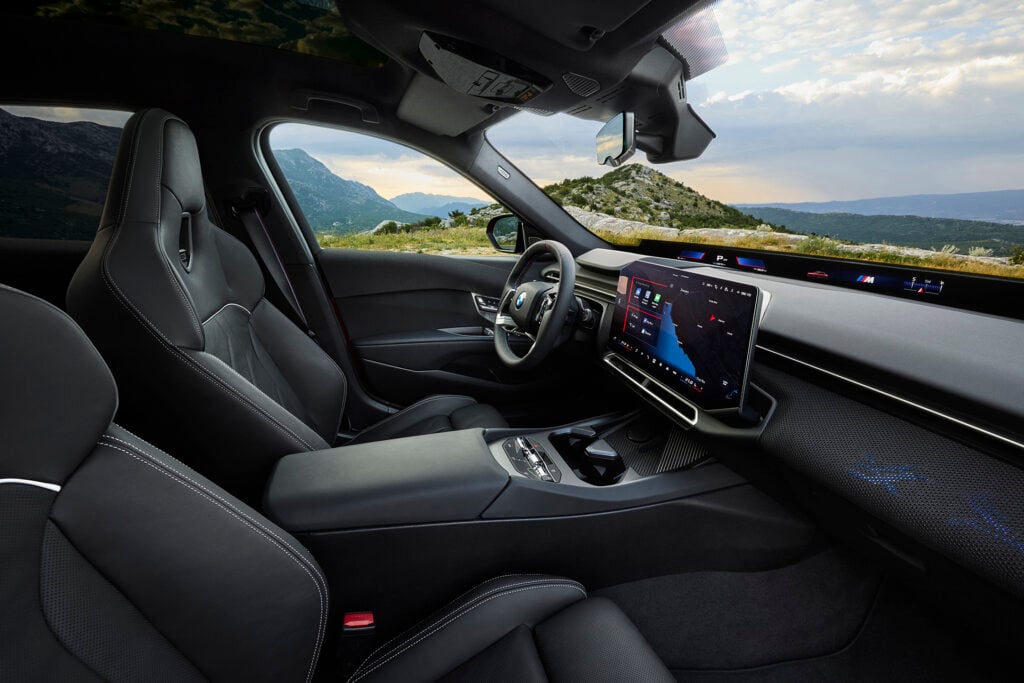
Inside, the traditional instrument layout gives way to BMW Panoramic iDrive.
Panoramic Vision projects information across the lower windscreen area, supported by a driver-angled 17.9-inch central touchscreen and an optional 3D head-up display.
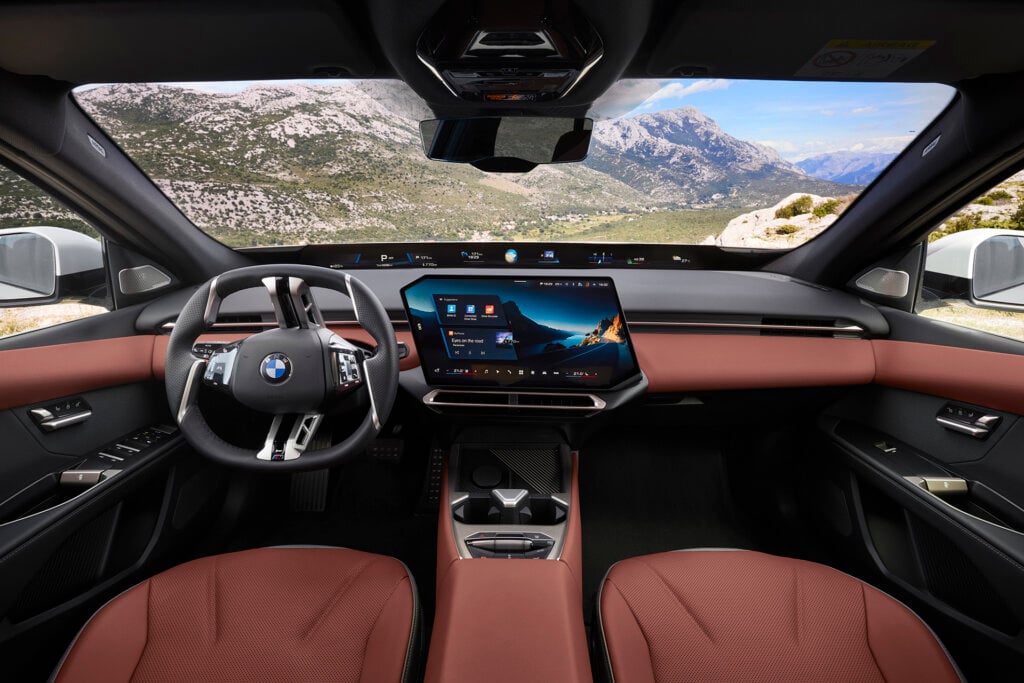
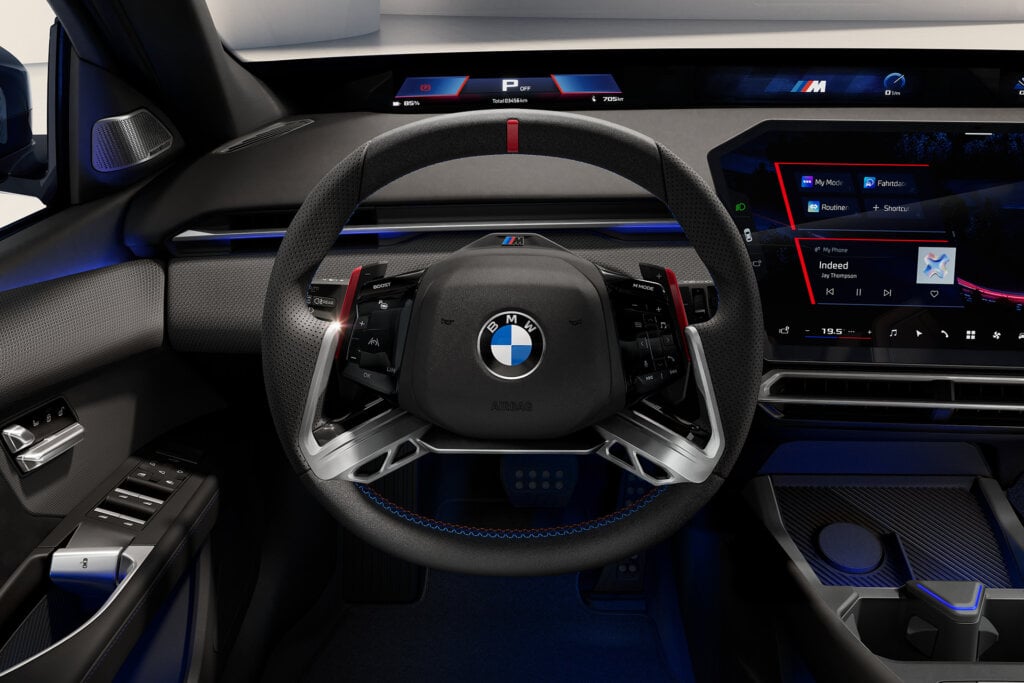
A redesigned multifunction steering wheel handles additional controls, while Operating System X supports software updates and expanded voice interaction through BMW’s Intelligent Personal Assistant.
Electrically adjustable seats with memory are standard in the German specification. Options include M Sport seats, rear seat heating and upgraded Harman Kardon audio.
Driver assistance also advances, with a hands-free Motorway Assistant operating at up to 130km/h in selected markets. New Zealand isn’t among the 21 countries listed for availability by the end of 2026.
Production is split between two German factories: Munich builds the electric i3, while Dingolfing will manufacture the combustion-powered 3 Series. Munich is scheduled to switch entirely to electric Neue Klasse production during 2027.