New infrared seatbelt helps ADAS cameras spot incorrect use
Words: Kyle Cassidy
ZF Lifetec has developed a seatbelt that helps in-car cameras identify incorrect use, including a shoulder strap tucked under an arm or routed behind someone’s back.
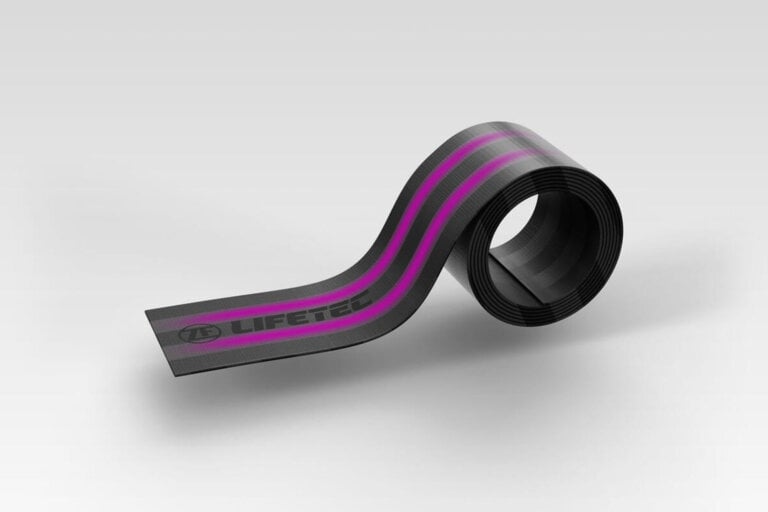
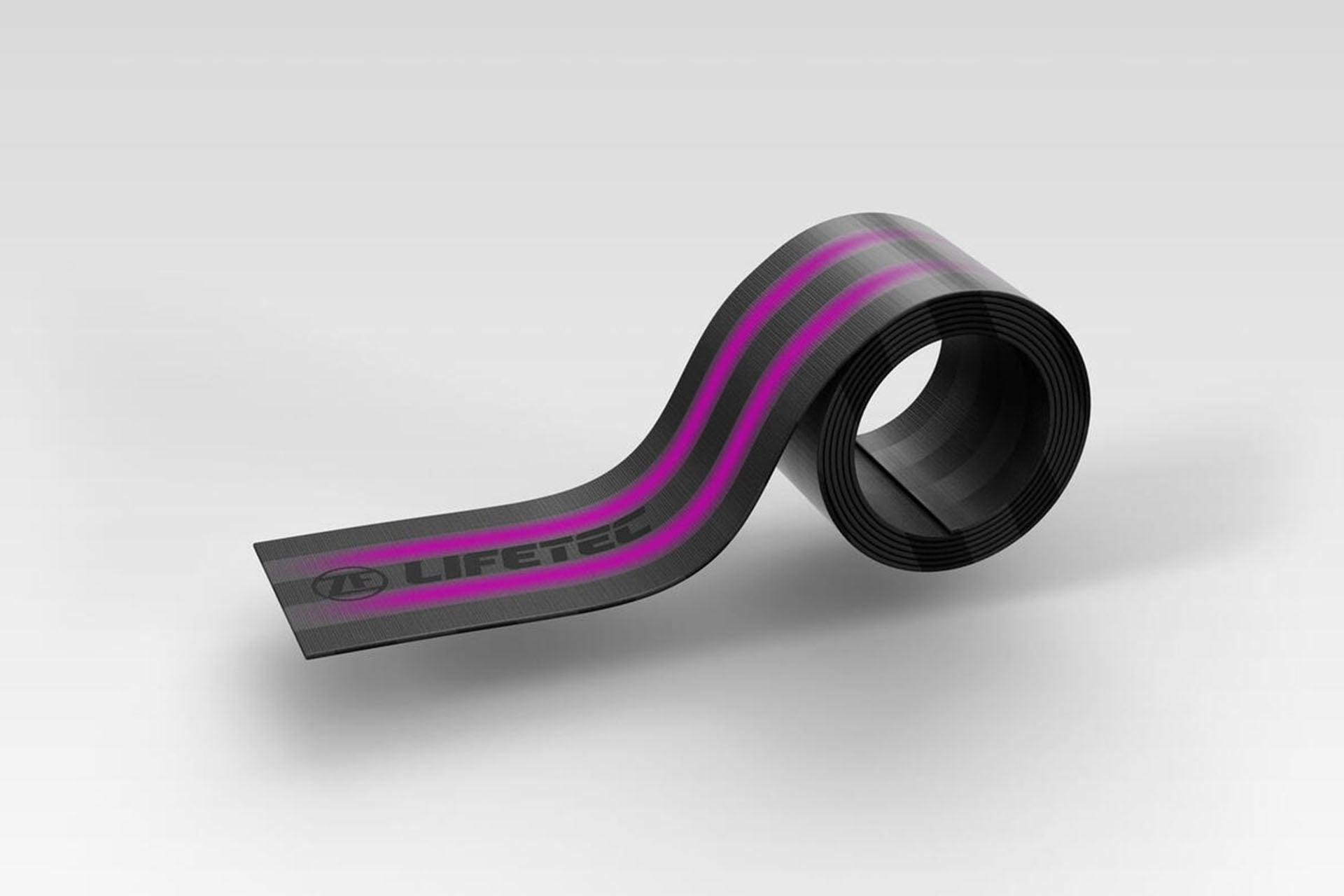
Called the Infrared Belt, it uses specially combined yarns that create a distinct signature for infrared cameras. ZF says this makes the webbing easier to distinguish from clothing, skin and upholstery, including in difficult lighting.

The cameras track the belt’s path, while software determines whether it is positioned correctly. Conventional buckle sensors only establish whether the belt is fastened, and ordinary colour cameras can struggle with reflections or matching backgrounds.
The information can be used to trigger audible and visual warnings, prompting occupants to reposition the belt. ZF has designed the webbing for front and rear seats.
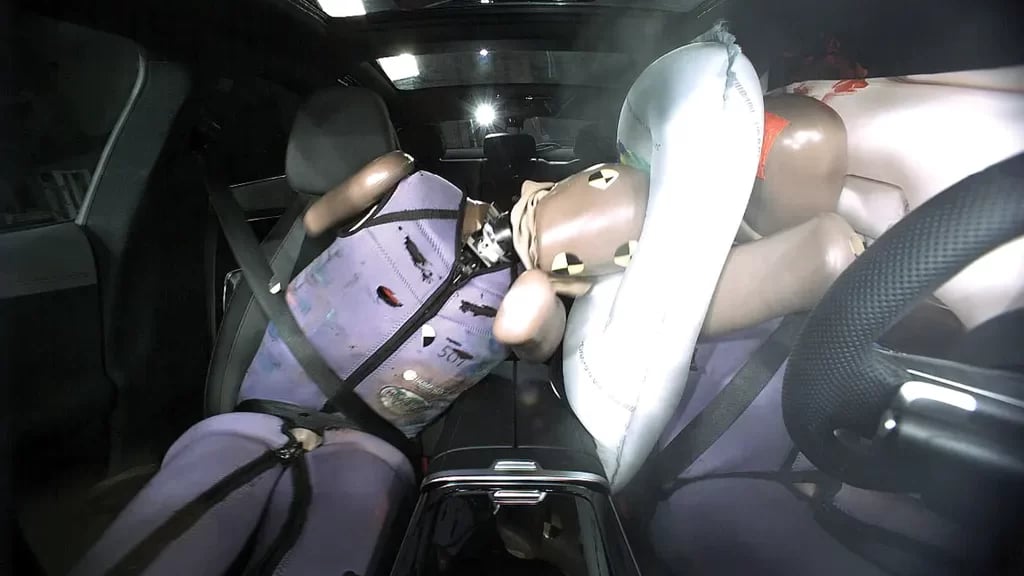
“Our new seat belt enables infrared cameras to more accurately identify whether an occupant is optimally protected,” says Harald Lutz, ZF Lifetec’s senior vice-president of research and development.
The development comes as safety testing places more emphasis on how people actually use their restraints. Euro NCAP’s revised 2026 assessments reward vehicles that detect incorrect belt use and adapt restraint systems to different occupant physiques. Its seatbelt-routing protocol also calls for audible and visual warnings when misuse is detected.
For manufacturers, the wider opportunity is to combine cabin monitoring with systems that tailor protection to the person in each seat. In a separate development, ZF Lifetec has demonstrated an integrated system using cameras, seat sensors and belt sensors to assess occupant size, position and posture.
That data can inform how airbags and seatbelt restraints respond in a crash, rather than relying solely on information about the impact itself. ZF says the approach is intended to provide more individualised protection as vehicle interiors and seating arrangements evolve.