Saudi startup Ceer reveals radical EVs, with hybrids to follow
Words: Kyle Cassidy
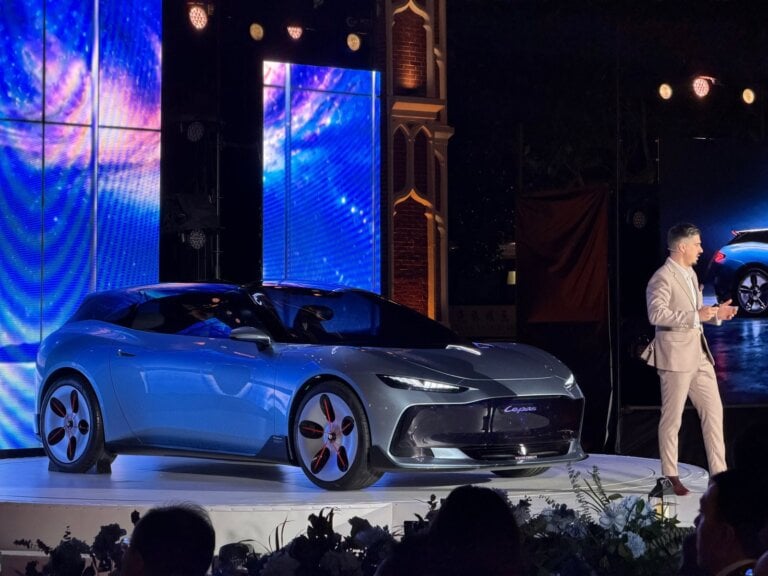
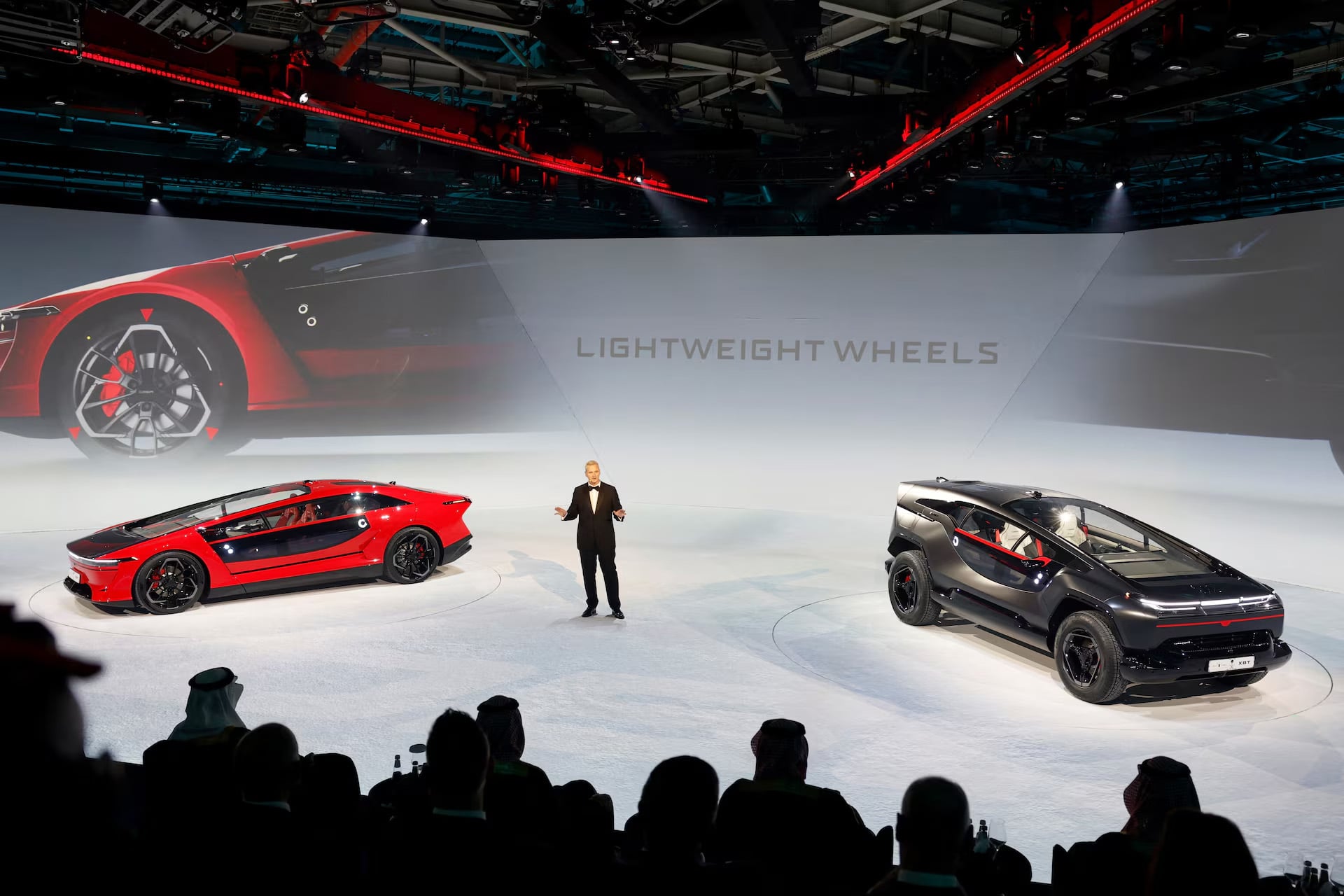
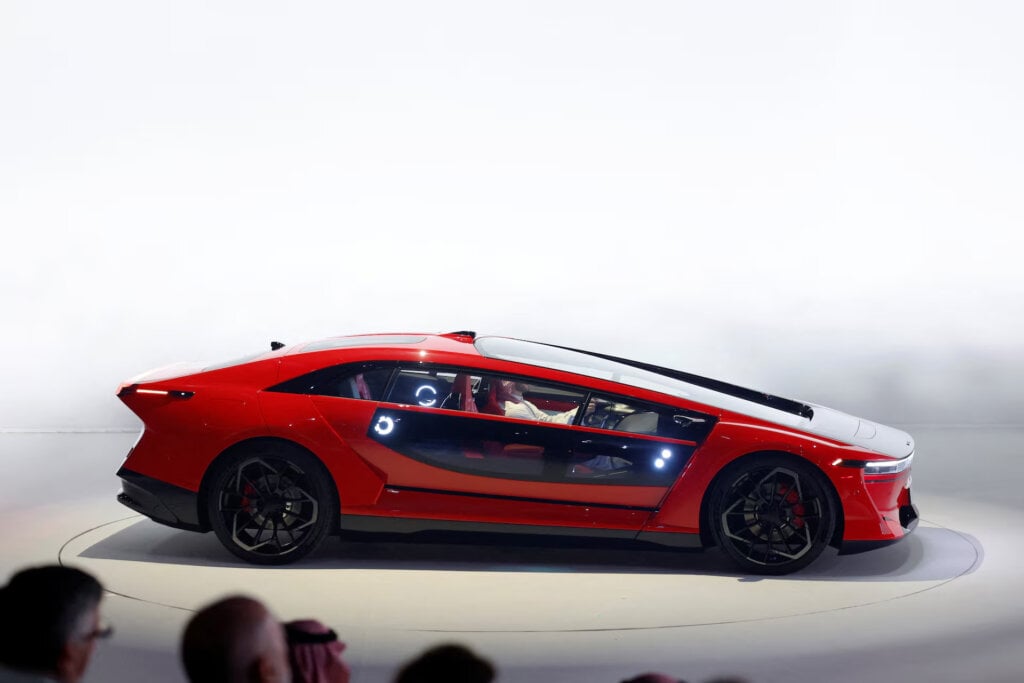
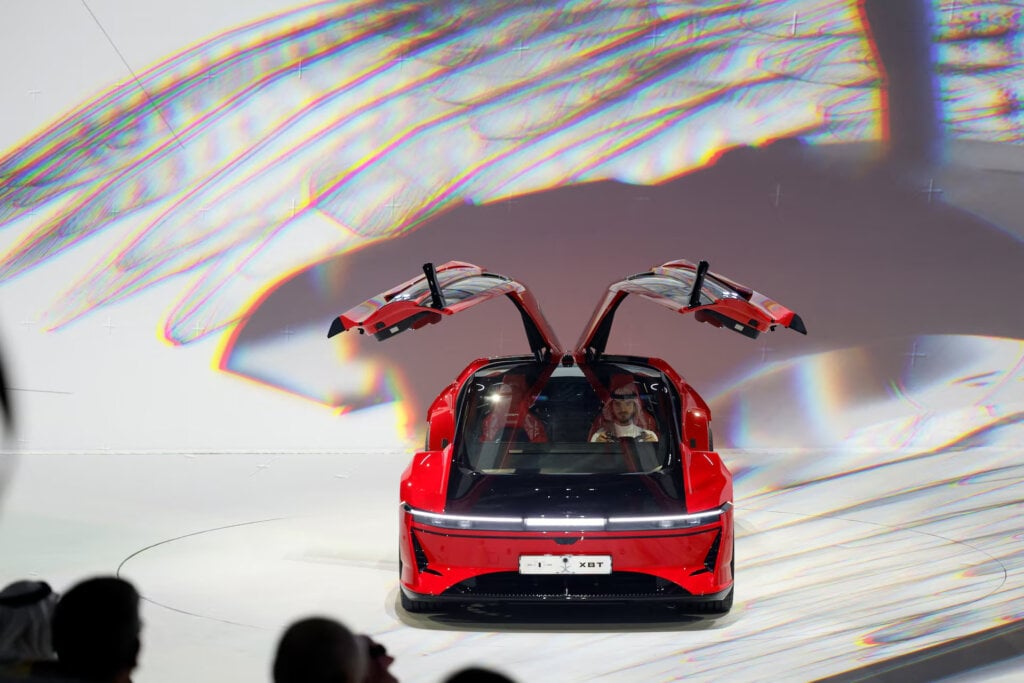
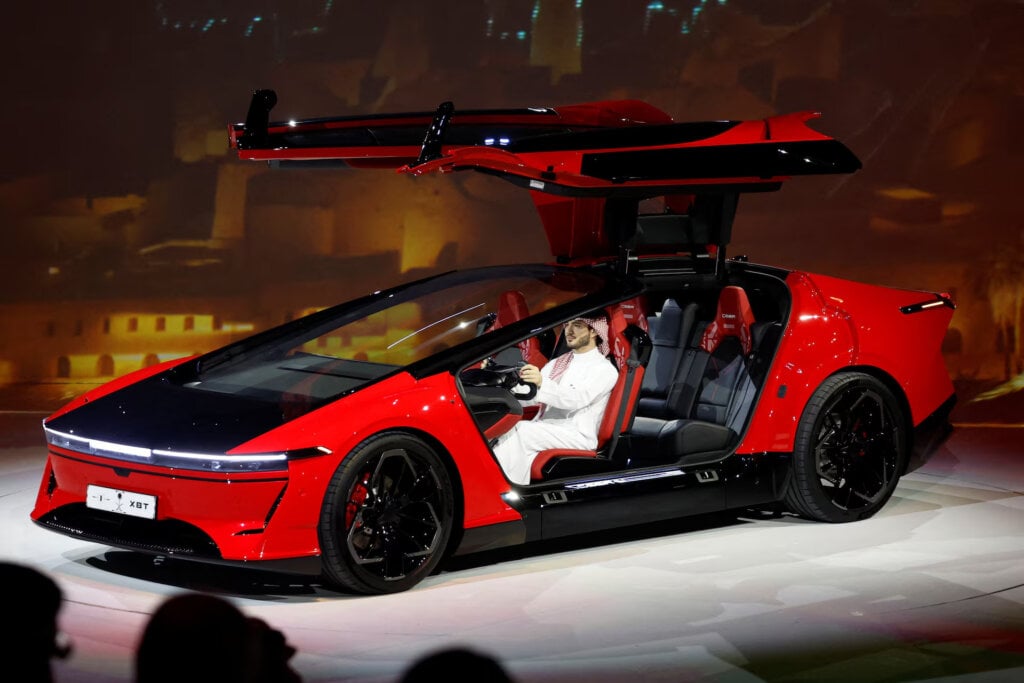
Saudi Arabia’s push to establish its own car industry has taken a visible step forward, with startup Ceer unveiling an electric sedan and SUV ahead of sales beginning in early 2027.
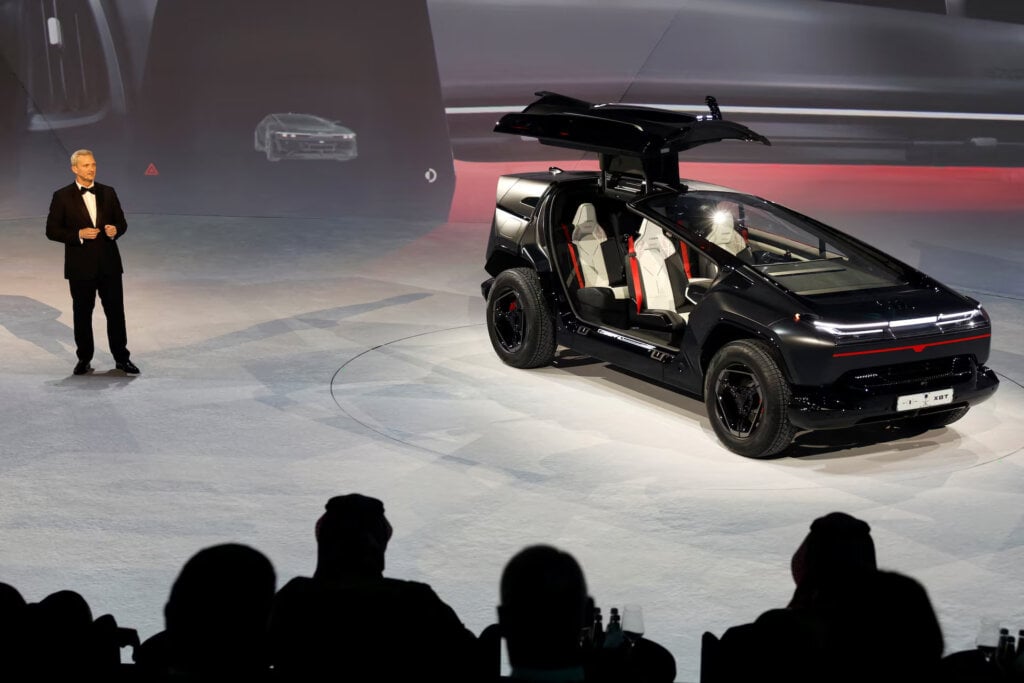
Both carry the Exobot name and feature dramatic styling, upward-opening gullwing doors and a body structure that does away with conventional centre pillars.
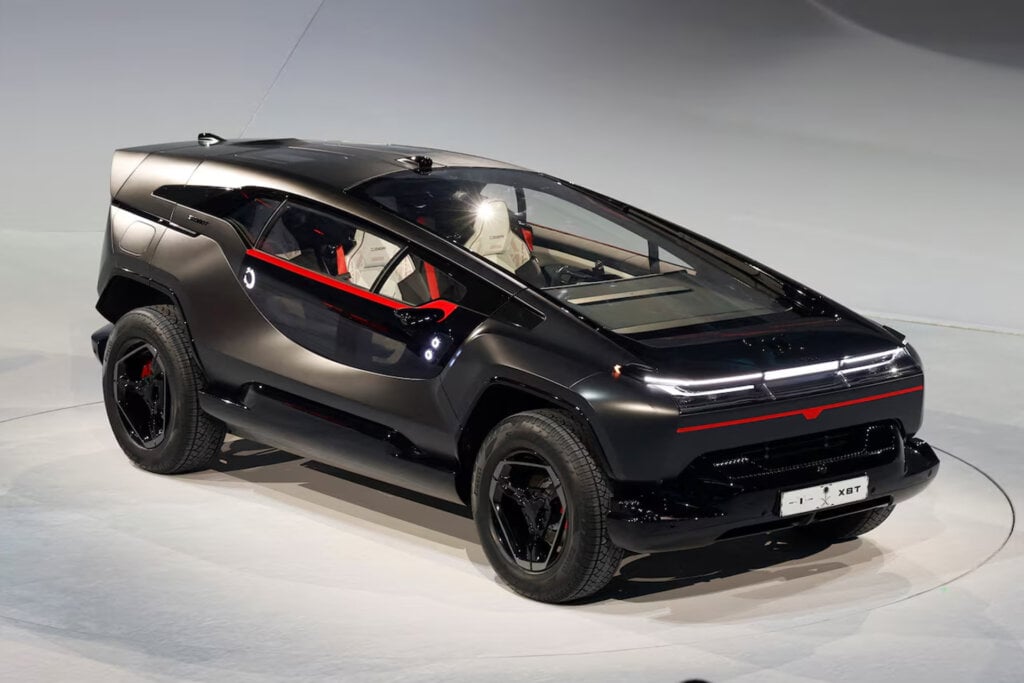
The premium pair will launch first in Saudi Arabia. Five more mainstream models are planned between 2028 and 2030, with Ceer broadening its ambitions beyond the battery-electric vehicles it was originally established to build.
Chief executive Jim DeLuca told Reuters the wider range will include plug-in hybrids and combustion-powered models, allowing the company to respond to changing demand.
Ceer’s initial expansion will focus on neighbouring markets from 2028, followed by a wider rollout across the Middle East and North Africa.
DeLuca says the forthcoming mainstream models will be engineered to meet global regulatory requirements, potentially giving Ceer scope to sell further afield. That ambition, however, is some way from a confirmed export programme for markets such as ours.
Big backing and international expertise
Ceer is a joint venture between Saudi Arabia’s Public Investment Fund and Taiwanese electronics manufacturer Foxconn. It forms part of the kingdom’s effort to diversify its economy and reduce its dependence on oil.
Foxconn has supplied the Exobot models’ electrical architecture, while BMW has contributed engineering. A growing Saudi-based supplier network is also taking shape, supported by government incentives.
Companies establishing factories in the country include Lear, Shin Young, Benteler and Fangxin, giving the project a local supply base alongside its international partnerships.
At the unveiling in King Abdullah Economic City, DeLuca said the Exobots were intended to demonstrate the country’s capabilities.
“We wanted to make sure the world could see what Saudi Arabia is capable of,” he said.
Among the more unusual engineering choices is the removal of the pillars normally positioned between the front and rear seating areas. According to DeLuca, high-strength materials provide the necessary structural support.
There are no details on battery capacities, driving ranges, performance figures or pricing for either model.
A measured expansion plan
Saudi Arabia has pursued local vehicle manufacturing before, with mixed results. A proposed Jaguar Land Rover factory was abandoned more than a decade ago, while Toyota declined a deal in 2019, citing high labour costs and a shortage of local suppliers.
Ceer also enters a fiercely competitive market, with Chinese manufacturers expanding internationally and several EV startups having already failed. Conflict-related logistics disruption and inflation add further challenges.
DeLuca, who previously led Vietnamese carmaker VinFast, says Ceer intends to expand carefully through 2034.
“We want to make sure we move very methodically,” he said. “It only takes one mistake and you can kill a startup.”