The Defence Force’s new ute is a Mitsubishi Triton
Words: Richard Edwards
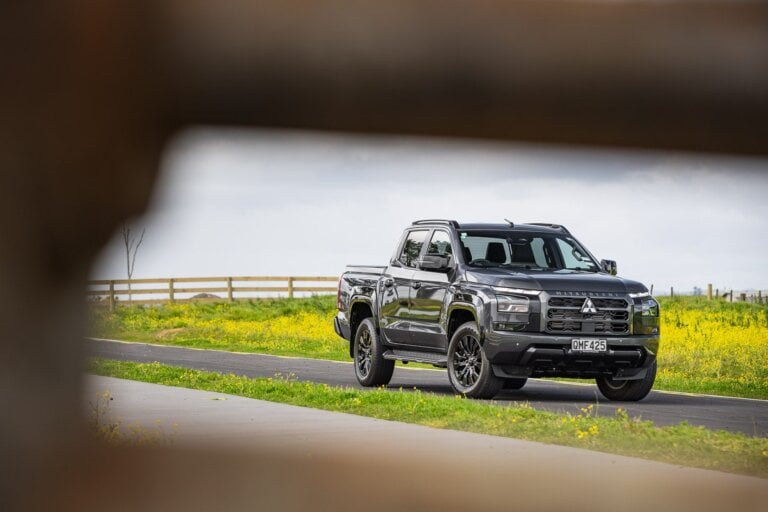
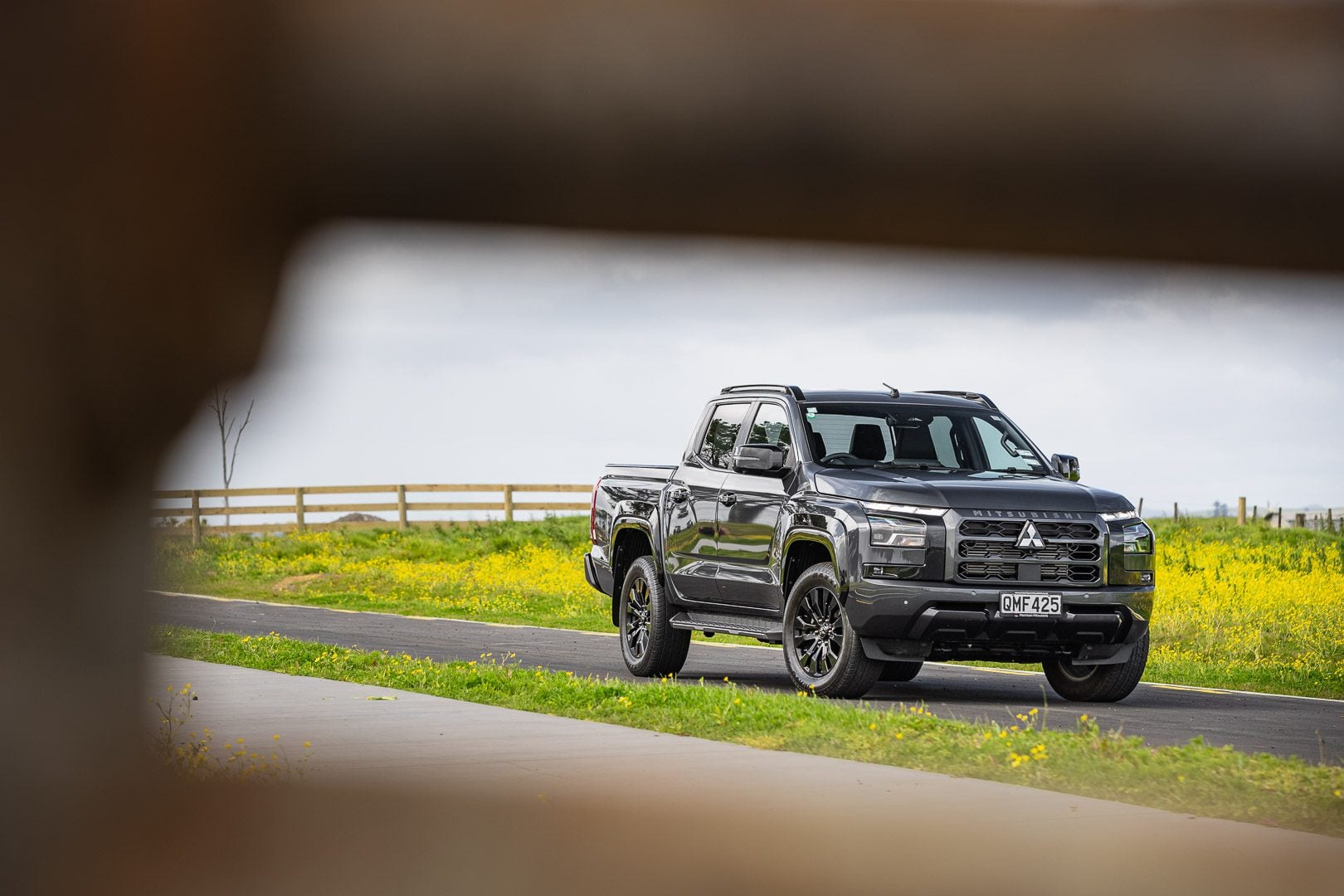
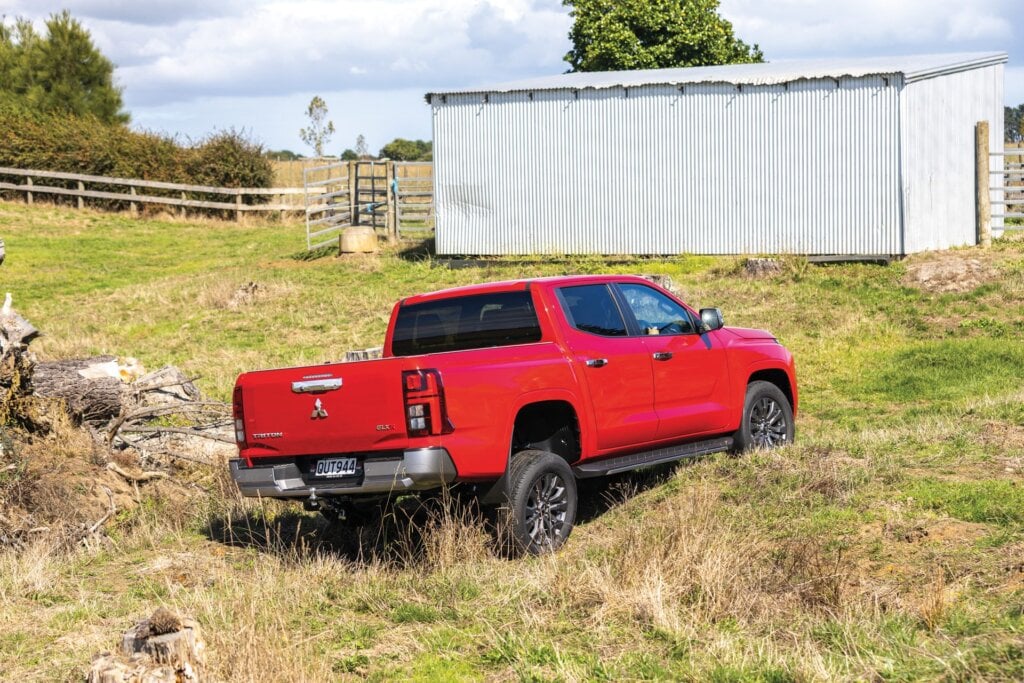
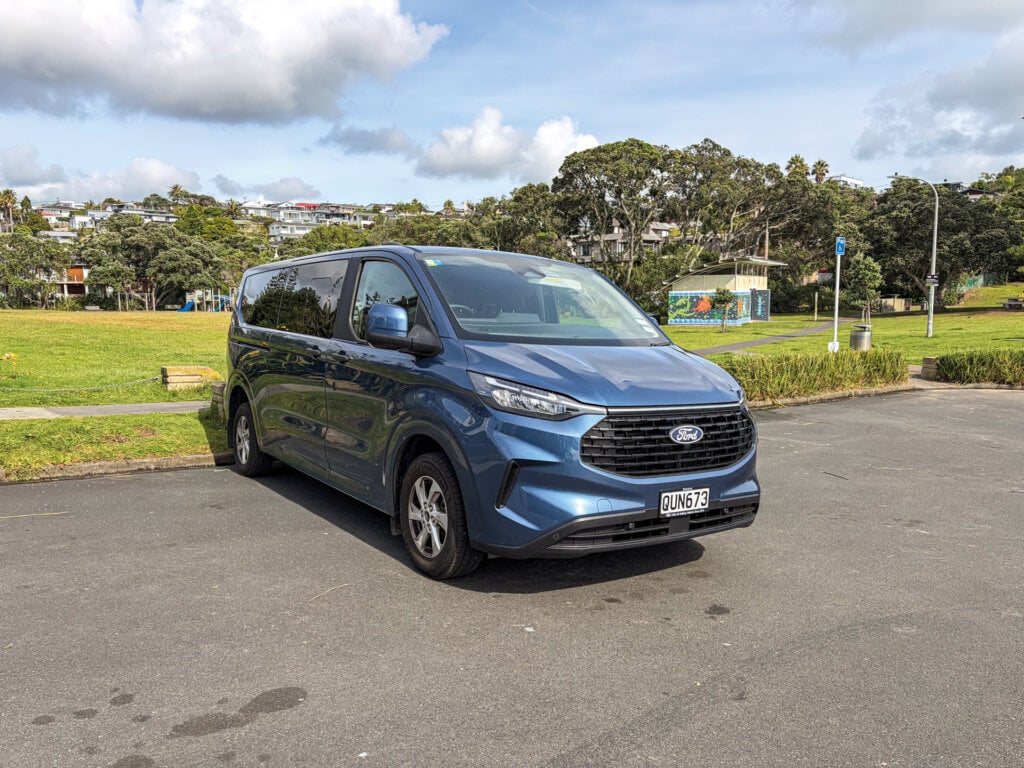
The New Zealand Defence Force is getting a fleet of showroom-standard vehicles, with 24 Mitsubishi Triton utes and 36 Ford Tourneo Sport minibuses on order as part of a $59.9 million replacement programme.
The Government has approved the spend to replace a large part of the ageing Garrison and Training Support fleet used at military camps and bases around the country. The programme also covers 61 Daimler Unimog trucks, taking the total to 121 new vehicles.
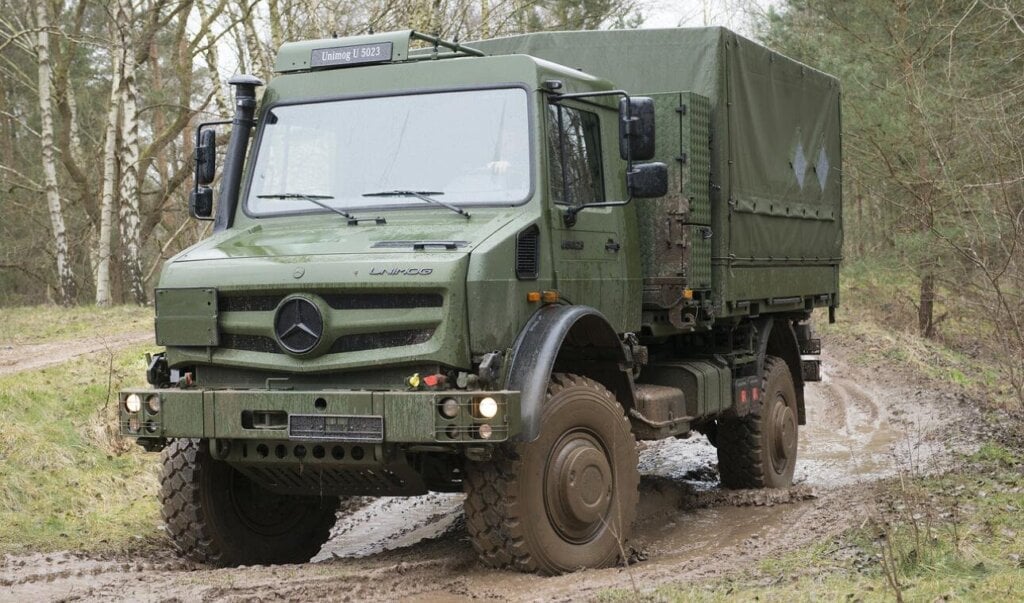
The new Tritons replace an existing fleet of Tritons, which the Ministry of Defence describes as its military support utes. The Unimogs replace Mercedes-Benz Unimogs bought in the 1980s, now more than 40 years old. The ministry has not said what the Tourneo Sport minibuses replace.
All three are commercial off-the-shelf vehicles, the same models sold to the public. Deliveries will begin in phases later this year.
The Tritons and Tourneos will be bought and maintained through New Zealand businesses, while the Unimogs will be sourced from Europe. Maintenance of all 121 vehicles will be contracted locally.
Defence deputy secretary, capability delivery, Sarah Minson says the new vehicles will improve the NZDF’s ability to carry out domestic training, logistics and emergency response work.
“In an increasingly challenging domestic environment, with more frequent and severe weather events, it is critical we equip the NZDF personnel deployed on challenging humanitarian and disaster relief missions with vehicles that are reliable, fit-for-purpose and safe,” Minson says.
“For decades the domestic support vehicle fleet has been the backbone of daily Defence operations, ensuring personnel are always trained, equipped and ready to respond to national emergencies like flooding or earthquakes.
“But with the Unimog trucks now more than 40 years old, the fleet is becoming increasingly unreliable, and its replacement is now well overdue.”
The programme is separate from the replacement of the Army’s Pinzgauer and operational Unimog fleet, which is being handled under a $100 million deal for 60 UROVESA VAMTAC utility vehicles due from 2027.
What we think of them
The Army’s choice of ute is one we rate. When we tested the current-generation Triton VRX we called it “good honest value for those looking for a well specified ute to drive around like you would an SUV. Comfortable and competent you could call it.” The 2.4-litre bi-turbo diesel “builds torque quickly, is into its stride by 1200rpm and there’s enough go below 2500rpm for relaxed progress,” and we found the unladen ride “better than some 4×4 SUVs out there.”
Up against the GWM Cannon and JAC T9, the Triton GLX-R had “the best powertrain” and “the most sorted ride on road,” and we judged it “the best ute here.” Its Super Select 4WD system, with a locked-centre-diff 4H setting for slippery trails, “made easier work of it all” on the farm. The main gripes were a thin carpet, a driver monitor that objects to sunglasses, and an idle-stop that restarts with a shudder. None of which should trouble a soldier.
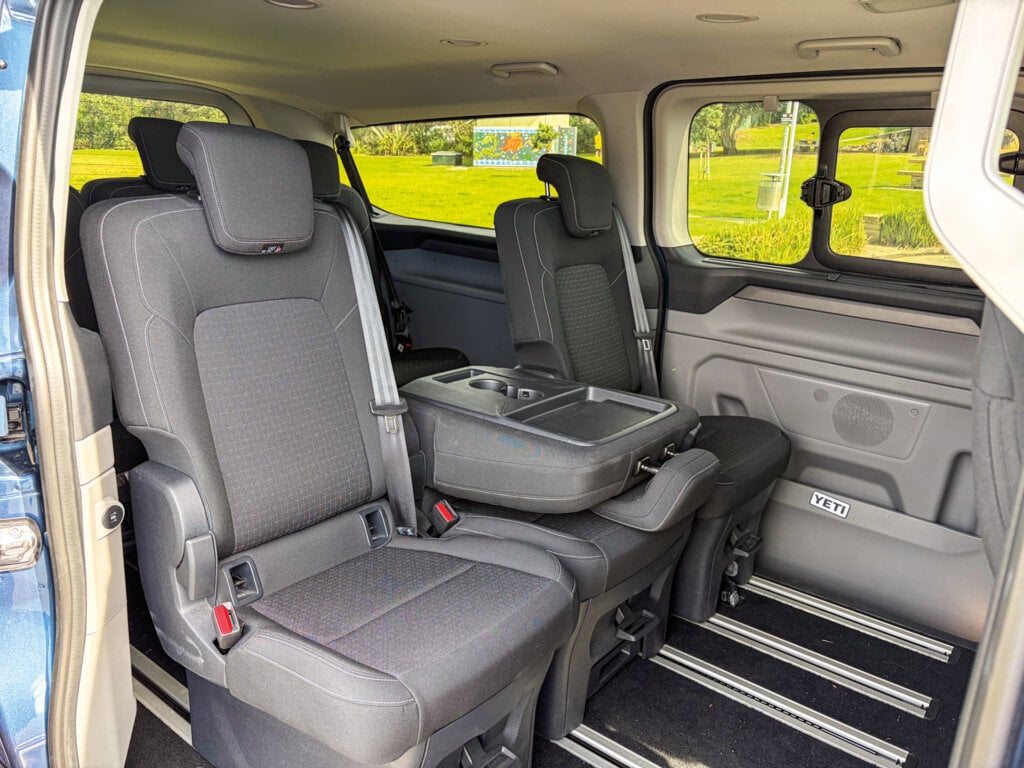
The Tourneo is the people-mover version of the Transit Custom van, and the nine-seat long-wheelbase version we drove over summer impressed. At almost 5.5 metres long “the Tourneo is quite the rig on the road, but doesn’t feel like it,” and we noted Ford’s knack for taking “a vehicle that’s as tall as it is wide” and giving it “driving dynamics of something much smaller.” The sliding, folding rear rows mean the cabin “honestly feels like business class back there,” with headroom and legroom to spare and air vents for every row. Which, for troops being shuttled between camps and training areas, is probably more comfort than they are used to.
Read our full reviews: 2024 Mitsubishi Triton VRX 4×4 review, GWM Cannon Lux vs JAC T9 vs Mitsubishi Triton GLX-R, 2026 Ford Transit Tourneo LWB review.