View all
1 more image
2008–2014 Mercedes-Benz C 63 AMG – ReView
Words: Richard Edwards | Photos: Alex Schultz
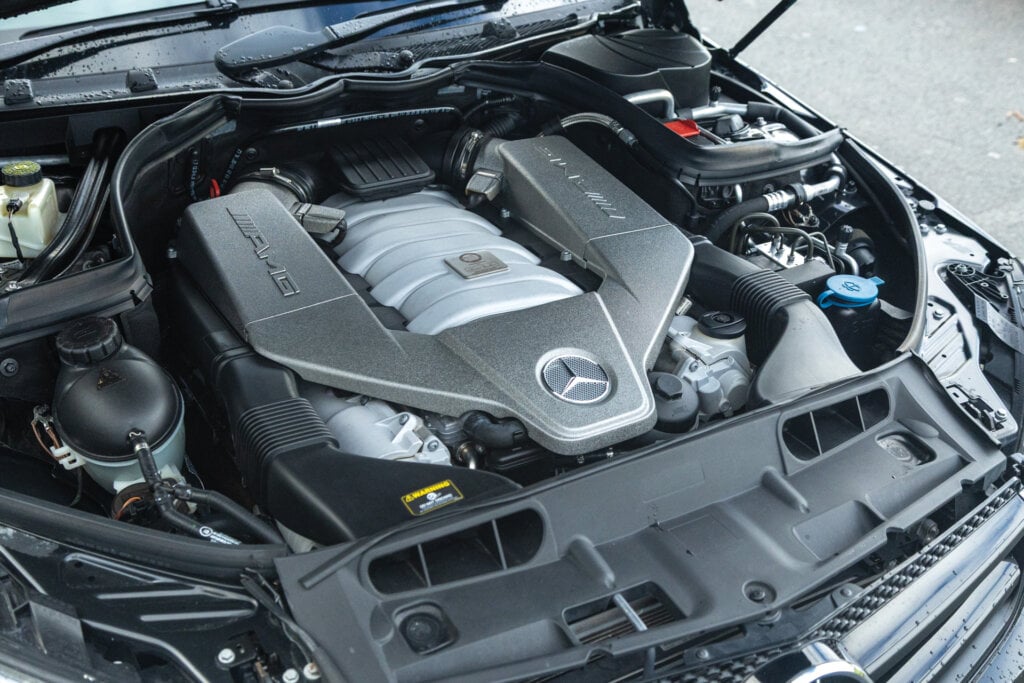
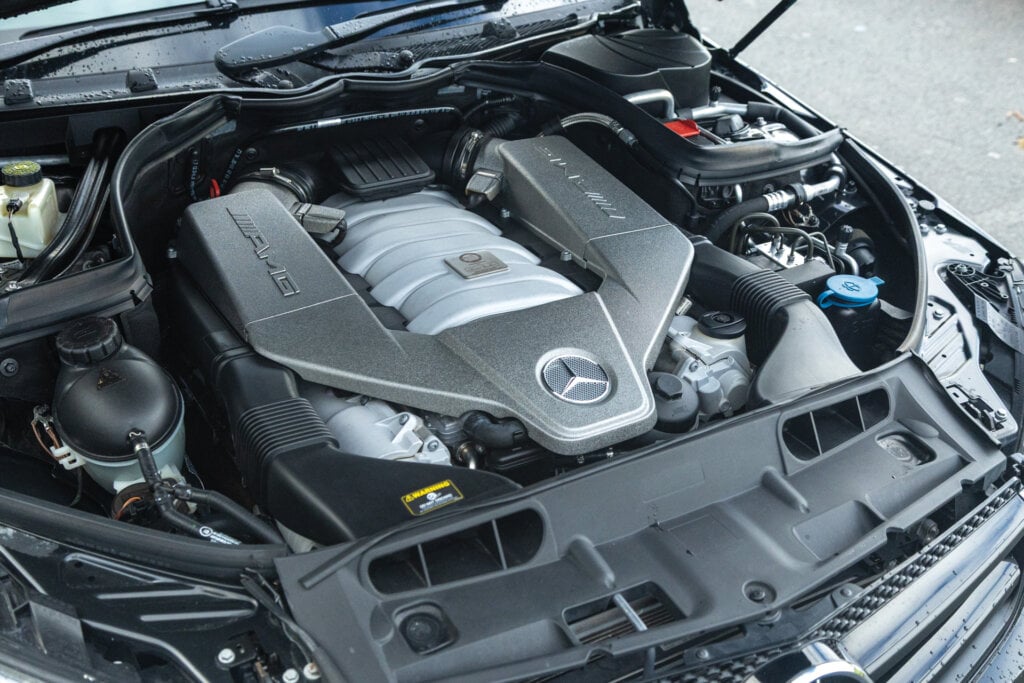
The whole story of the W204 C 63 AMG is under the bonnet: a hand-built 6.2-litre naturally aspirated V8, the M156, the first engine AMG ever designed entirely in-house. Mercedes took its smallest sedan, one you could order in Europe with a 1.6-litre four, and stuffed in the biggest engine it had built since the 1970s. Nearly two decades on, prices have fallen far enough to tempt buyers who could never have afforded one new. Whether that works out depends almost entirely on the service history.
The line-up
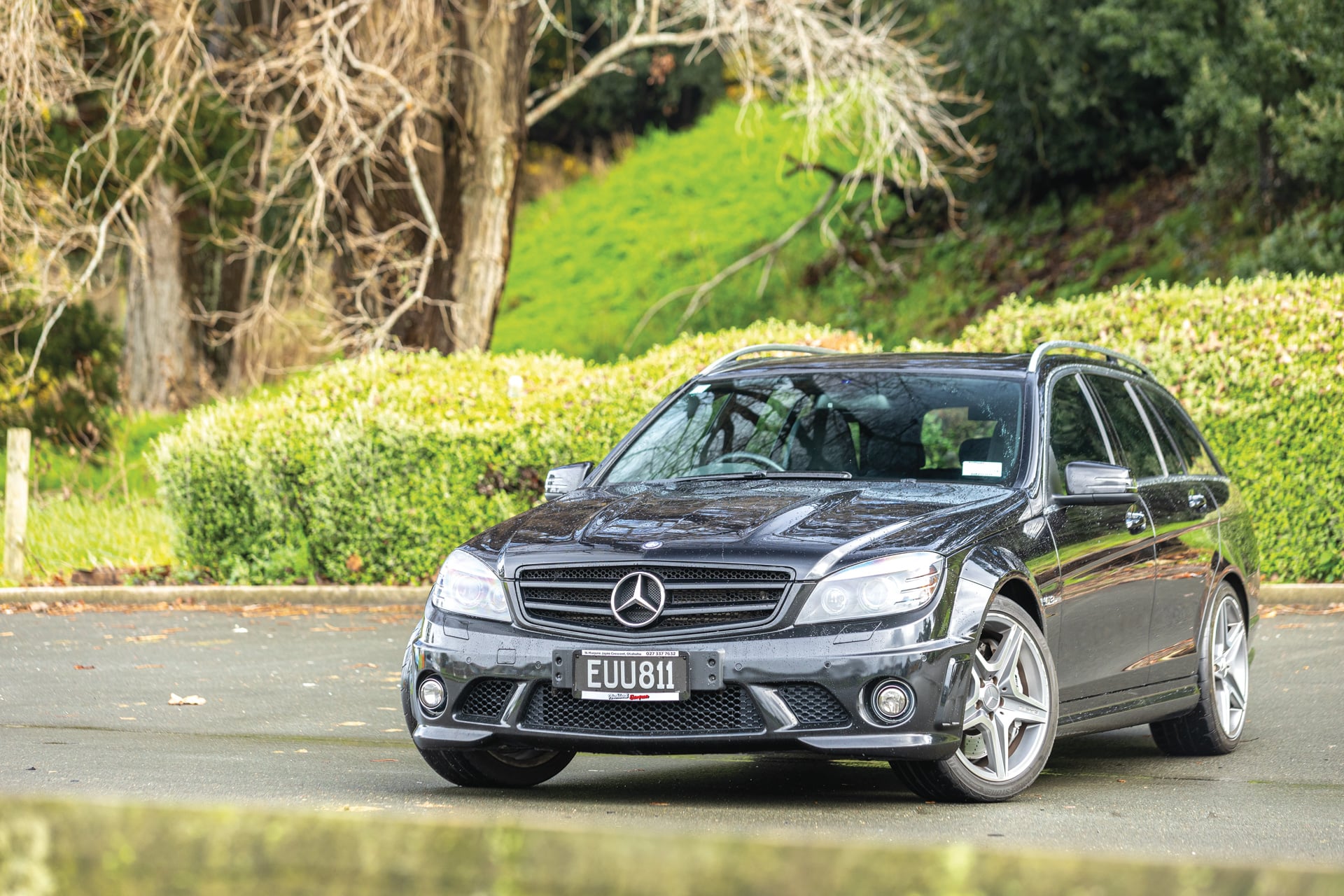
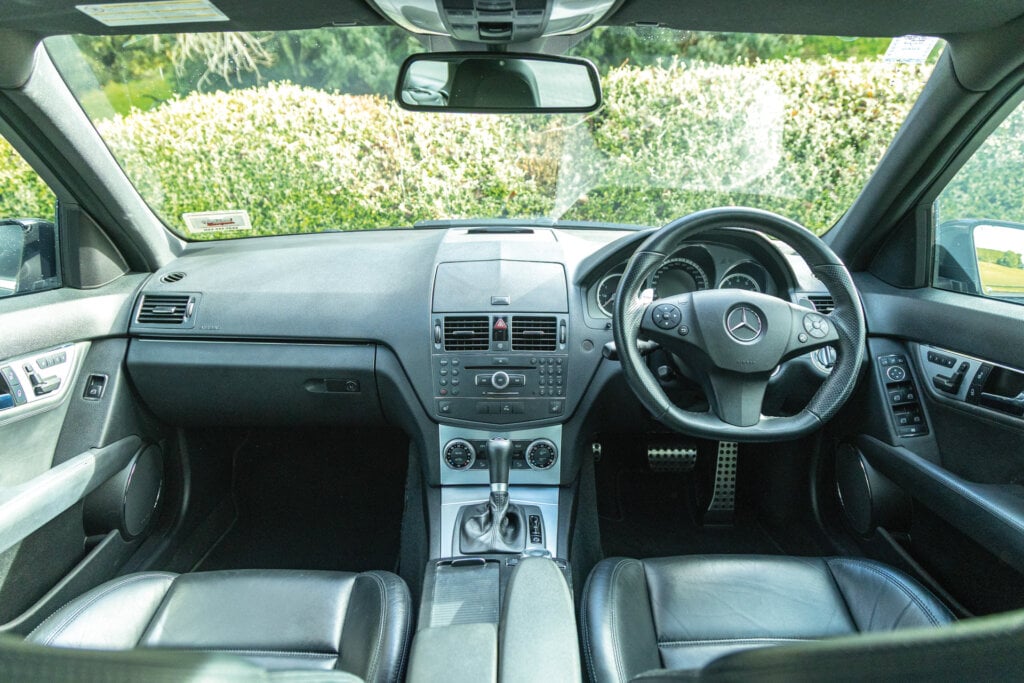
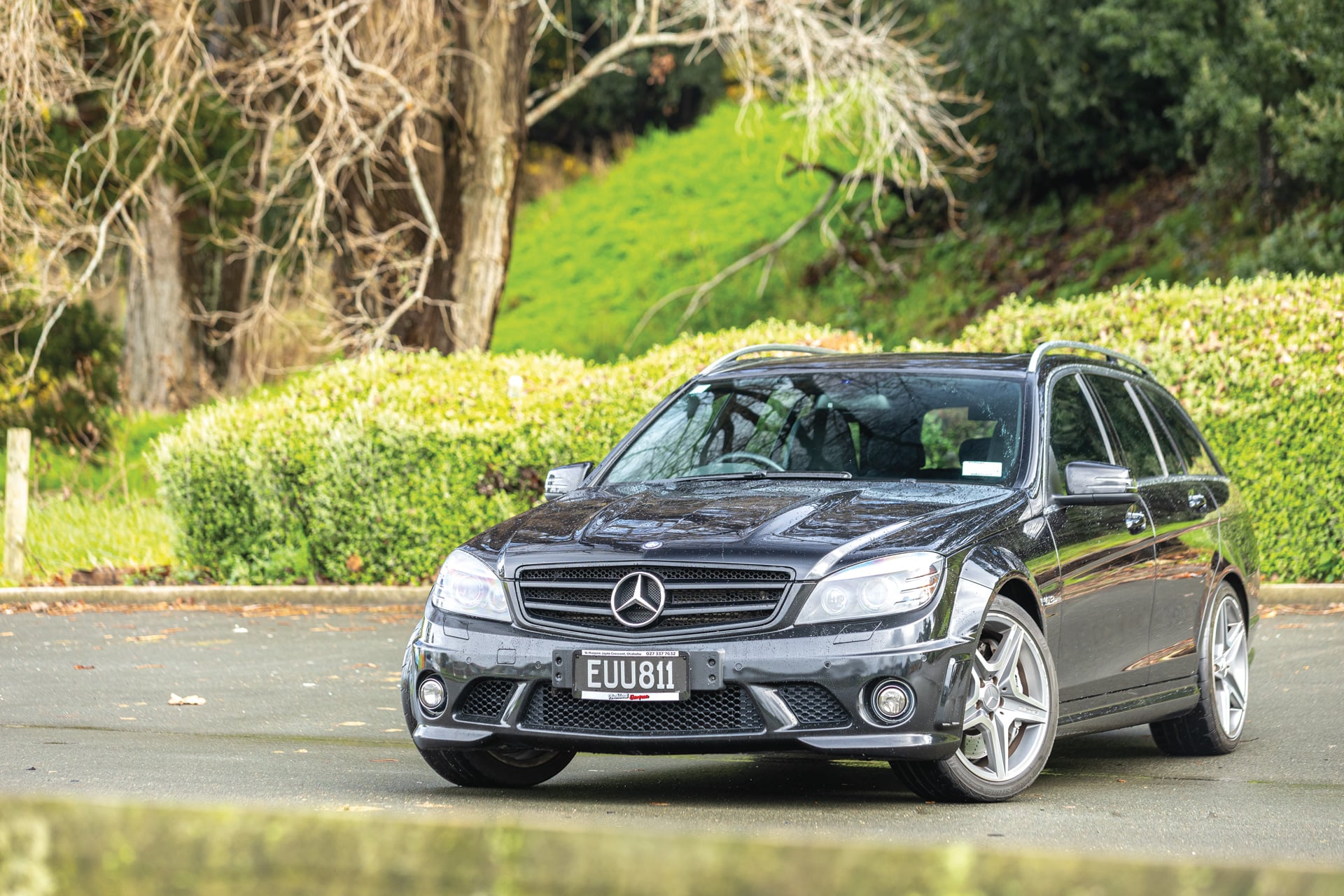
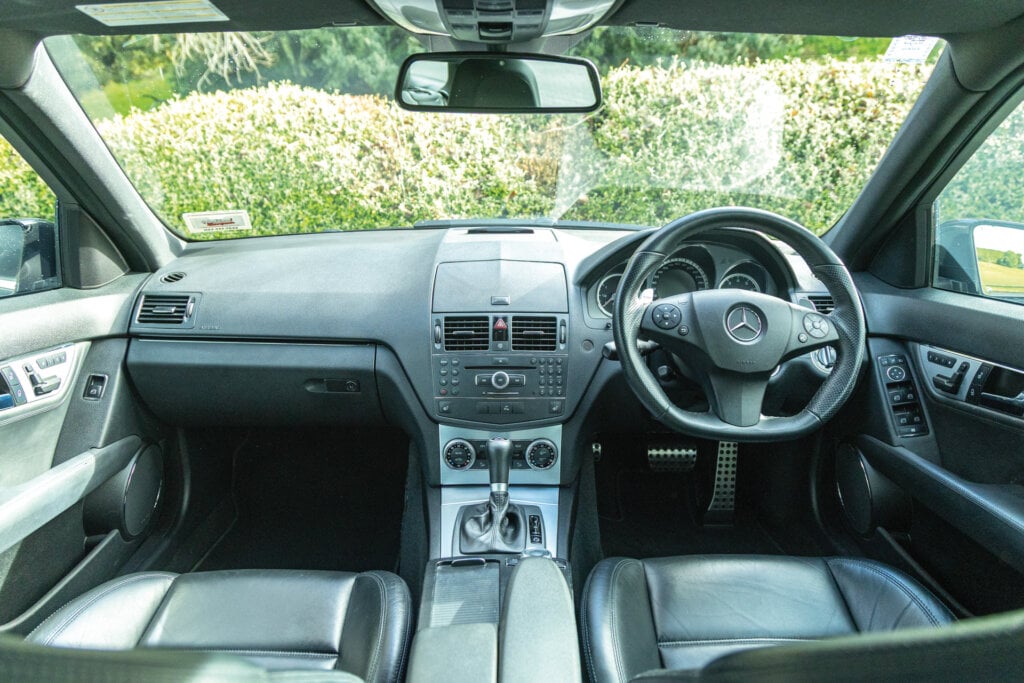
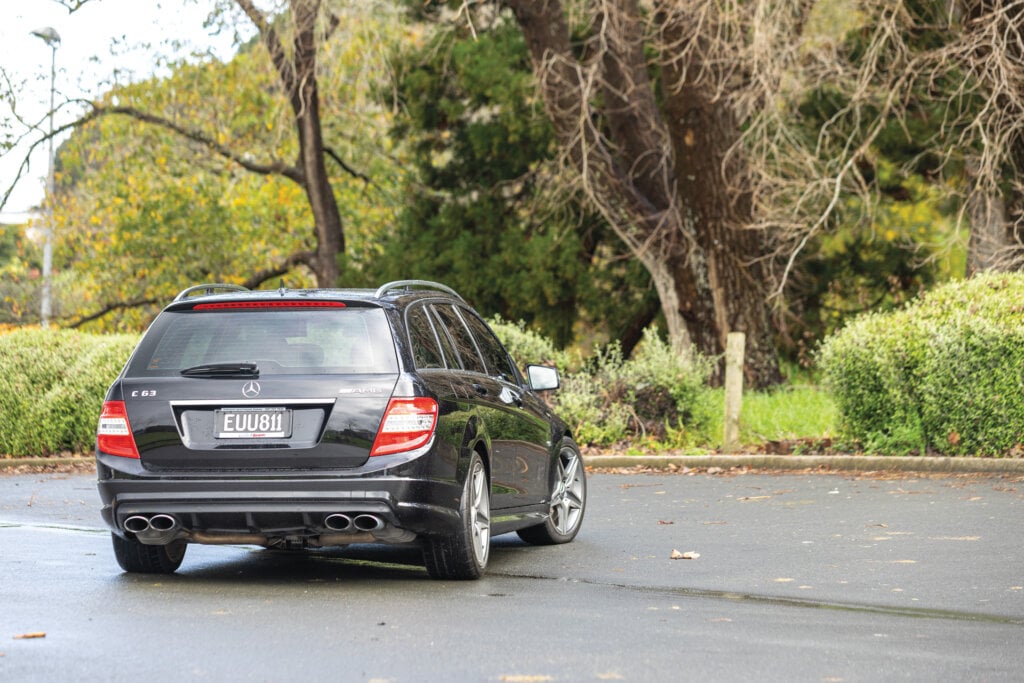
The W204 C 63 arrived in New Zealand in 2008 as a sedan and wagon, with a coupe joining after the 2011 facelift. The standard car makes 336kW and 600Nm, driving the rear wheels only. Pre-facelift cars use the 7G-Tronic torque converter automatic; the 2011 facelift brought the sharper MCT seven-speed with a wet clutch in place of the torque converter, along with refreshed styling and an updated cabin.
Then there are the fast ones. Performance Package cars (option code P31 from 2010) lift output to 358kW, with the later versions gaining forged pistons, new conrods and a lighter crankshaft borrowed from the SLS supercar. The run-out Edition 507 of 2013 takes the same internals to 373kW, adds the vented aluminium bonnet from the Black Series and composite front brakes. The Black Series coupe itself, at 380kW, is now firmly in collector territory.
One quirk to know: a limited-slip differential was never standard on the regular car. It came with the Performance Package on early cars or as a standalone option. With 600Nm going through the rear tyres, a C 63 without one is noticeably snatchier at the limit, particularly in the wet, so an LSD-equipped car is worth seeking out. Aftermarket Quaife retrofits are common and effective.
What is it like to drive?
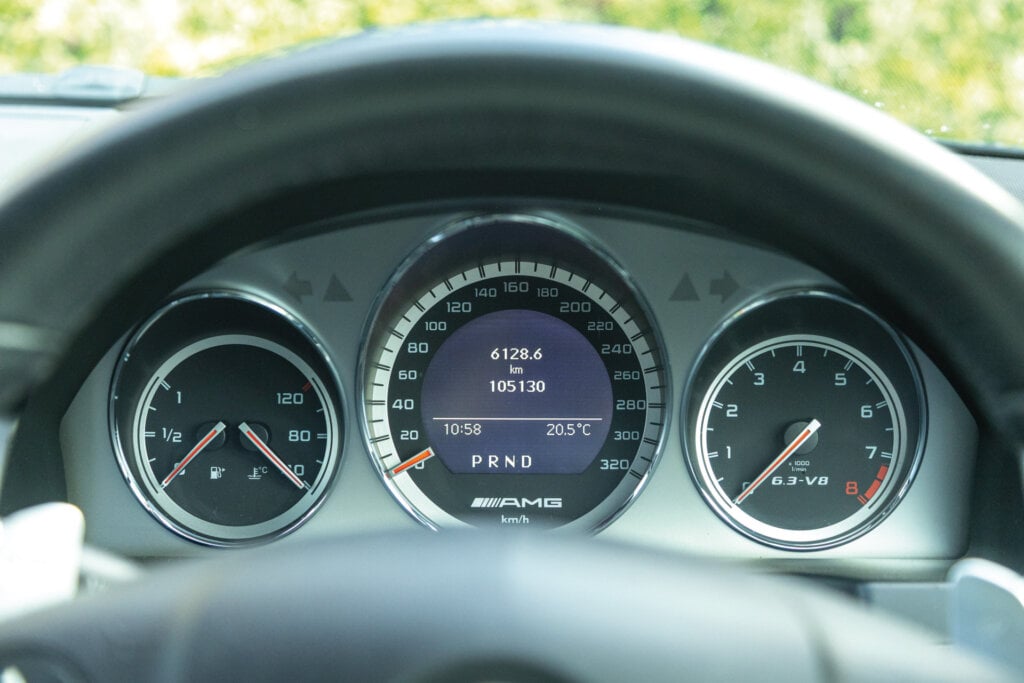
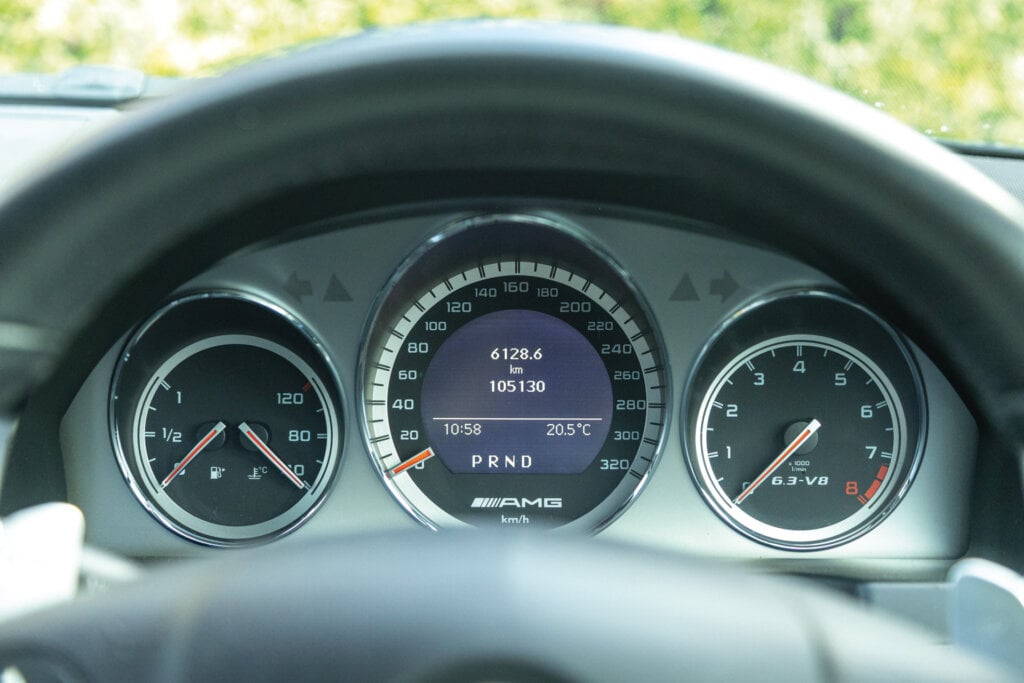
There is no turbo lag because there are no turbos, just instant, linear response and an exhaust note that builds from a muscle-car rumble to a hard-edged howl at the 7200rpm redline. It is quick, around 4.5 seconds to 100km/h for the standard car, but the numbers matter less than how it delivers them. NZ Autocar has long held the 6.2 as the high-water mark for C 63 sonics, noting when reviewing the current four-cylinder hybrid that the sound has been going backwards ever since this car.
Hydraulic steering, an approachable chassis balance and a surprisingly compliant ride make it usable every day. Pre-facelift gearboxes are smooth but a little slow-witted when pressed; the MCT facelift cars shift noticeably harder and faster.
What should I look out for?
The M156 has well-documented weak points, and buying blind can get expensive fast.
Head bolts are the headline issue. Engines built before 2011 have bolts that can corrode and fail, letting coolant and oil mix. It is less common than the Internet suggests, but the fix costs serious money if caught late. On a pre-2011 car, ask for evidence the bolts have been updated, or price the car accordingly.
Camshaft and lifter wear affects all years, typically showing from around 150,000km. Listen for ticking at idle beyond the engine’s normal mechanical chatter. Cam adjusters (the variable valve timing units) rattle on cold start when worn. A proper top-end refresh, cams, lifters and adjusters, runs well into five figures at a specialist, so a car that has had the work done is worth a real premium.
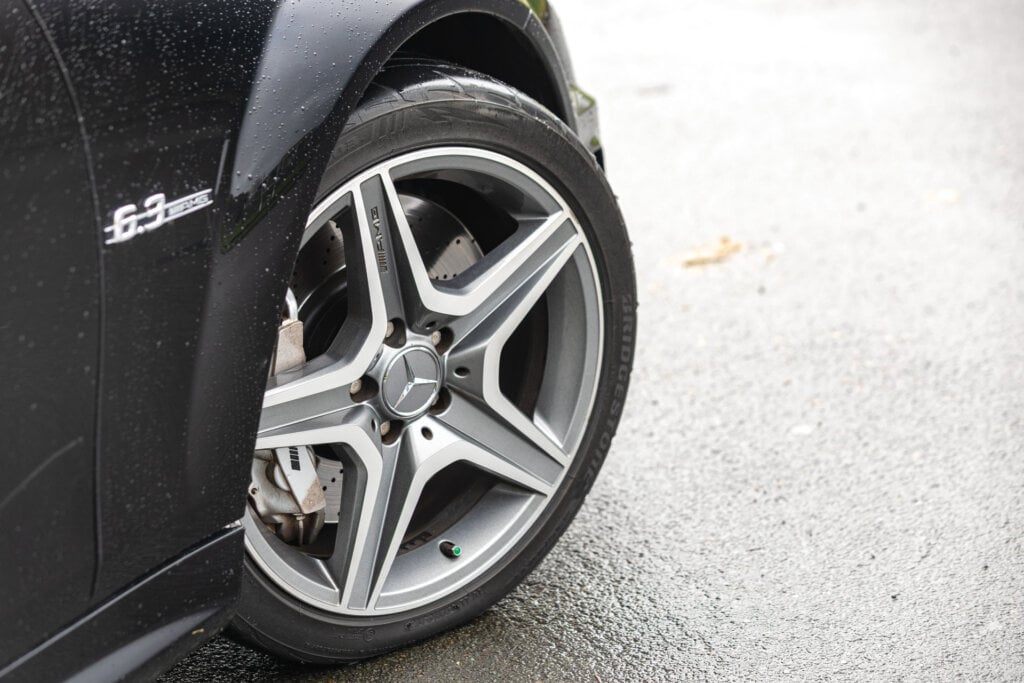
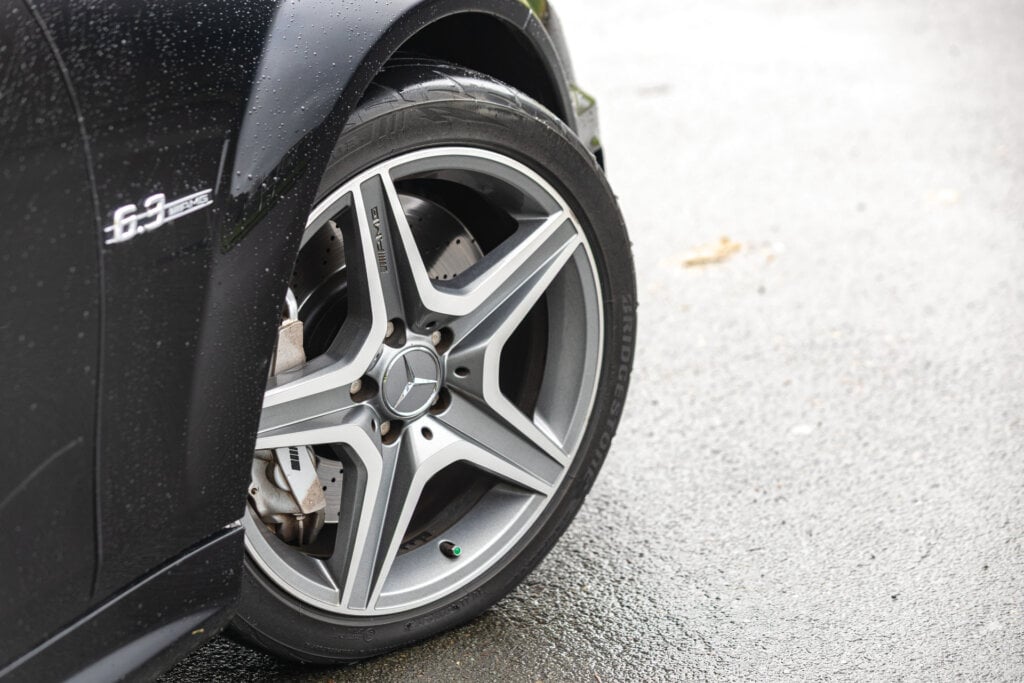
The rest is more manageable: plastic idler pulleys, the crankcase breather valve, and corrosion of the magnesium intake manifold mounting plate are all known and affordable to sort. Oil consumption is normal, so check the previous owner actually checked the dipstick. Budget properly for rear tyres and brakes, because the C 63 gets through both quickly, and treat a car with cheap rubber as a sign the rest of the maintenance has been done to the same standard.
The gearboxes, both of them, are considered very durable. Fresh fluid services are the main thing to verify.
What should I pay?
The spread is wide. High-kilometre early sedans start around $22,000 to $28,000, with tidy pre-facelift cars in the $28,000 to $35,000 bracket; a Performance Package car at the right money is the sweet spot in this range. Facelift MCT cars command $35,000 to $50,000 depending on kilometres and history. Edition 507s sit well above that, and Black Series coupes are now trading at collector prices well beyond this guide.
Verdict
A good C 63 costs less than a new mid-spec SUV, and a bad one can cost that again in engine work, so the service file matters more than the asking price. The best value is a facelift sedan or wagon with the LSD, a documented top end and a thick folder of invoices. Find that car and you own the last naturally aspirated V8 AMG built, at a point where values on the good ones are already firming.
Thanks to Auckland European for the loan of the Mercedes-Benz C 63 AMG. Find more of their cars at www.aucklandeuropean.co.nz