View all
7 more images
2014–2024 Porsche Macan – ReView
Words: Alex Schultz
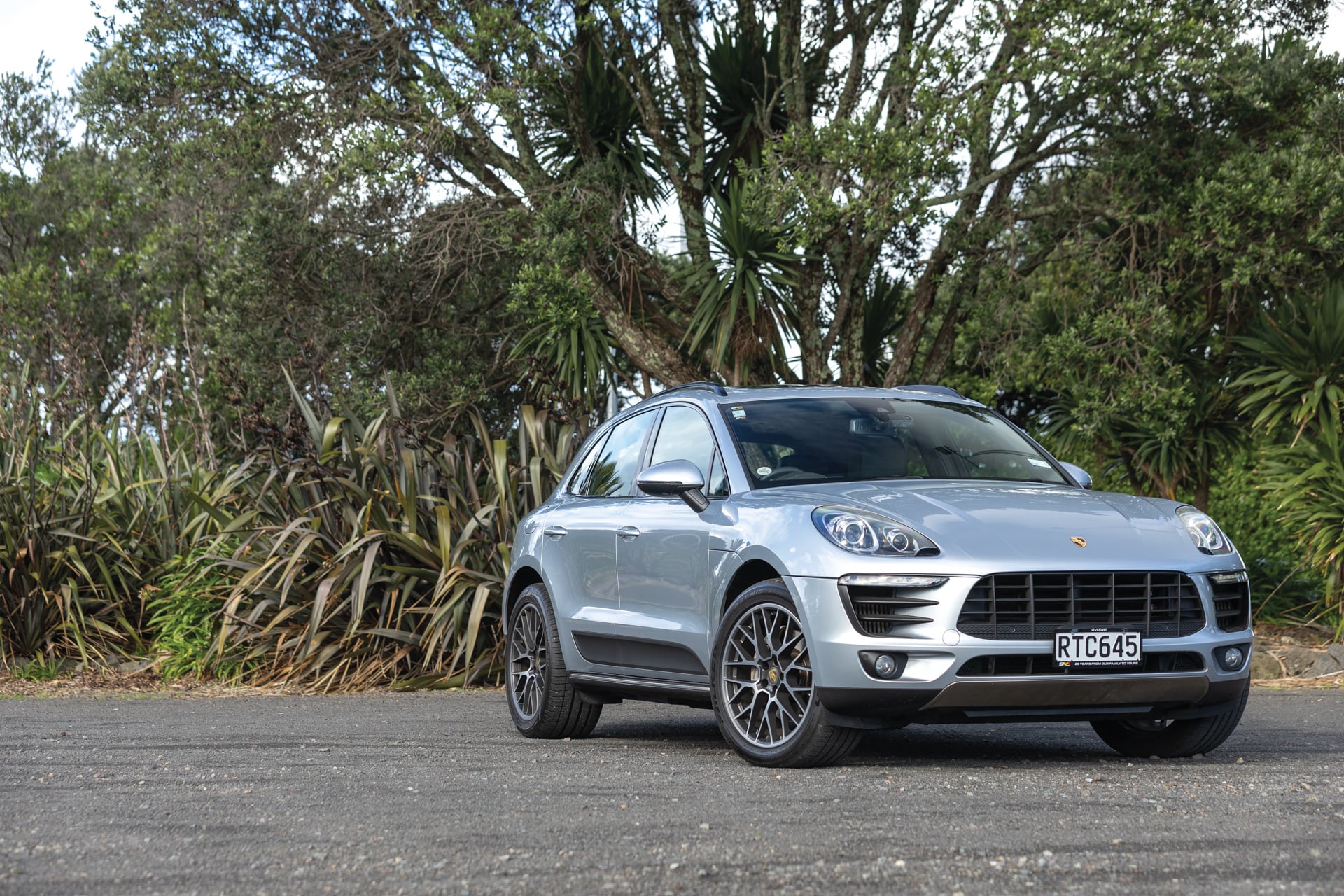
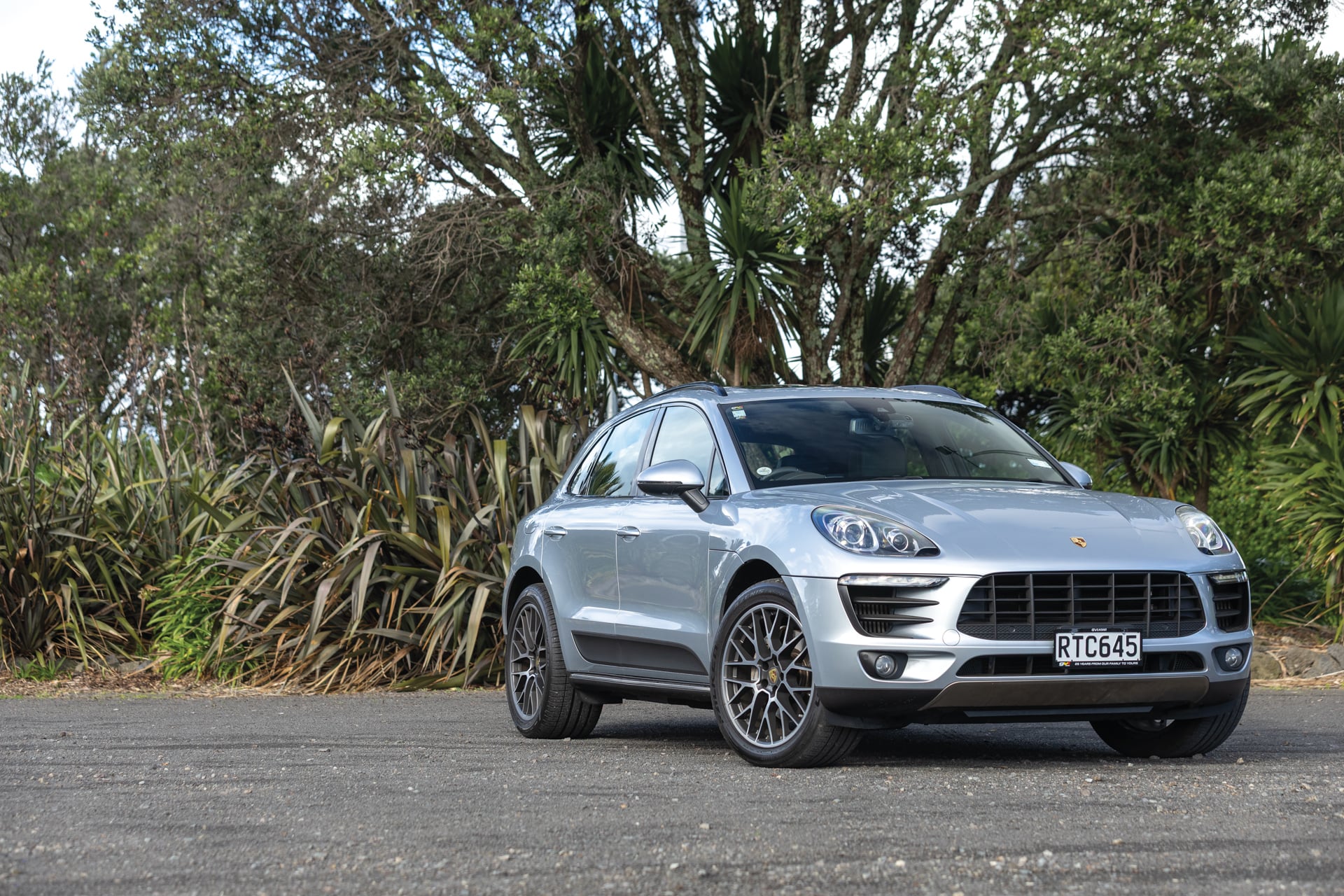
When the Macan arrived in 2014, plenty of purists muttered about Porsche building a compact SUV on Audi Q5 bones. The market didn’t care. The Macan quickly became Porsche’s global bestseller. Twelve years on, prices now start in the mid-$30,000s, making it tempting for badge-conscious buyers. However, buying badly can quickly become expensive, so it pays to know what you’re looking at.
The range
A seven-speed PDK dual-clutch automatic transmission and all-wheel drive are standard. The engine story is where things get complicated.
The base Macan uses a 2.0-litre turbocharged four-cylinder engine, starting at around 175kW and climbing to 195kW and 400Nm by the 2021 facelift.
From 2014 to 2018, the Macan S used a 3.0-litre twin-turbo V6 producing 250kW and 460Nm. The 2019 facelift brought a 3.0-litre single-turbo V6 with 260kW, while from late 2021, the S gained the 2.9-litre twin-turbo V6, producing 280kW and 520Nm.
The S Diesel, sold until around 2018, pairs a 3.0-litre turbo-diesel V6 with 190kW and a stout 580Nm.
Above those sit the GTS, which started with a 265kW version of the twin-turbo 3.0-litre engine and finished with a 324kW 2.9-litre unit, and the Turbo, which initially ran a 3.6-litre twin-turbo V6 producing 294kW before also moving to the 2.9. Both are properly rapid but thinner on the ground here.
NZ-new or import?
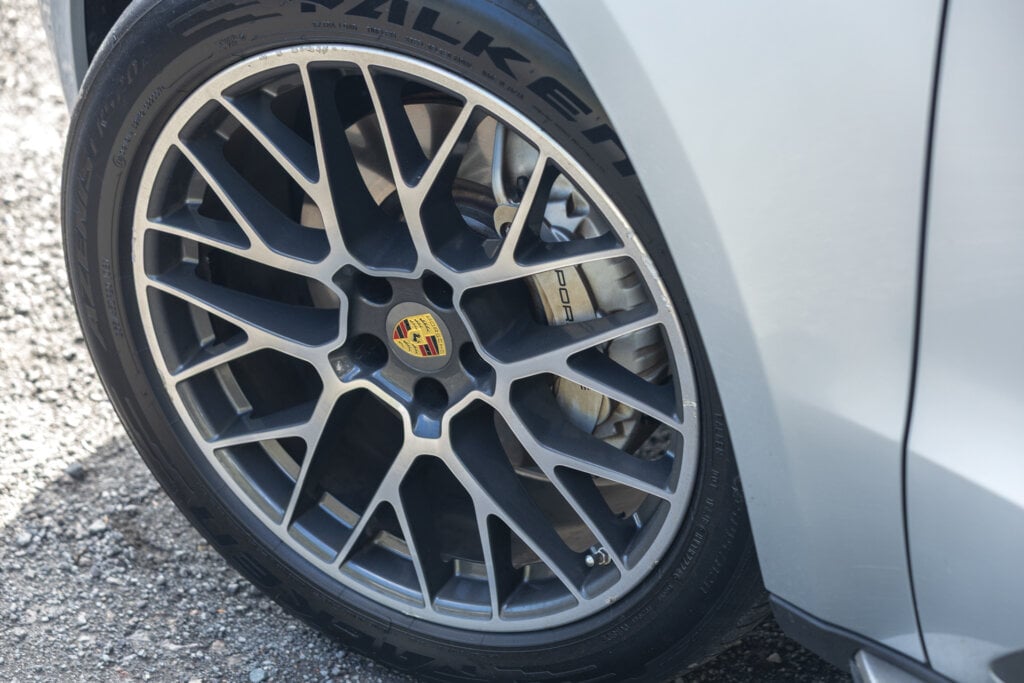
NZ-new cars generally carry the strongest service histories, with records held digitally by Porsche. They command a premium and are worth it. UK imports are common but can suffer from corrosion issues.
Japanese imports tend to be low-kilometre city cars. Watch for older PCM infotainment units locked to Japanese-language and mapping, and confirm that servicing was actually completed rather than simply assumed.
What is it like to drive?
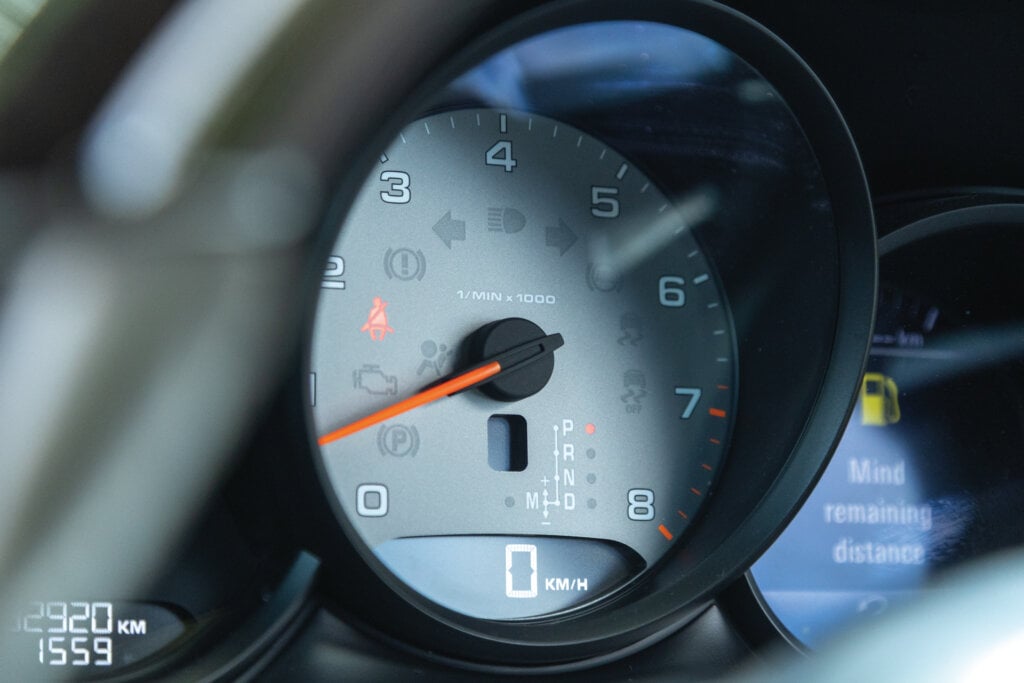
The S is the sweet spot of the range and the reason the Macan earned its dynamic reputation. The twin-turbo V6 is flexible and characterful, while the PDK is a fine operator. The steering is the party trick, offering genuine feel.
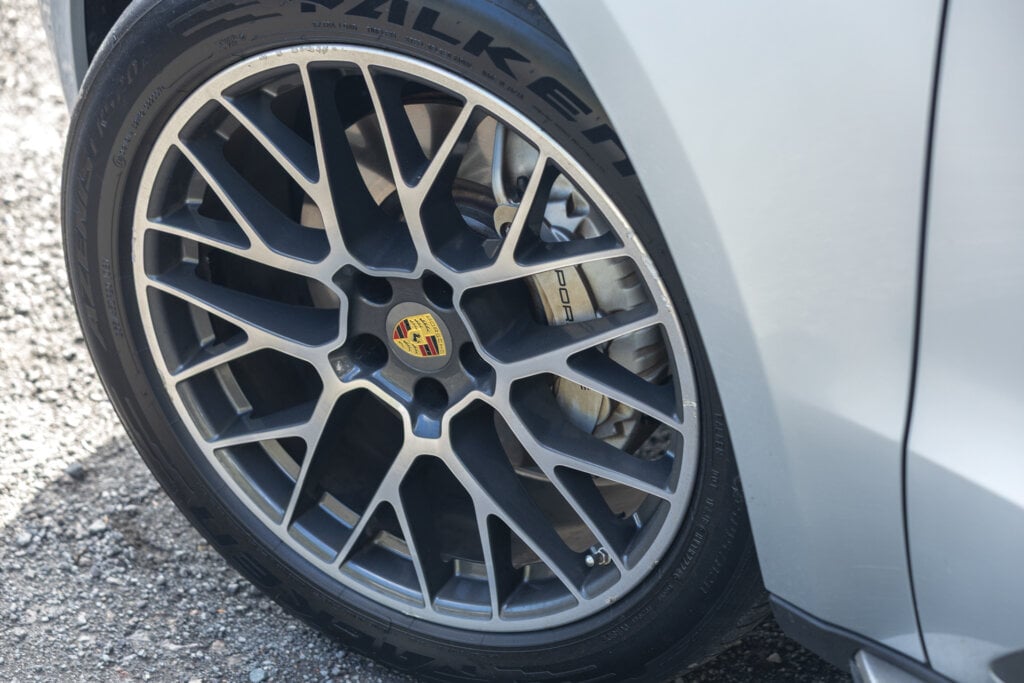
Body control is superb across the range, especially in cars fitted with the optional air suspension or PASM adaptive dampers. Ride quality depends heavily on wheel choice; if comfort matters, seek out one riding on the smaller wheels.
Interior and practicality
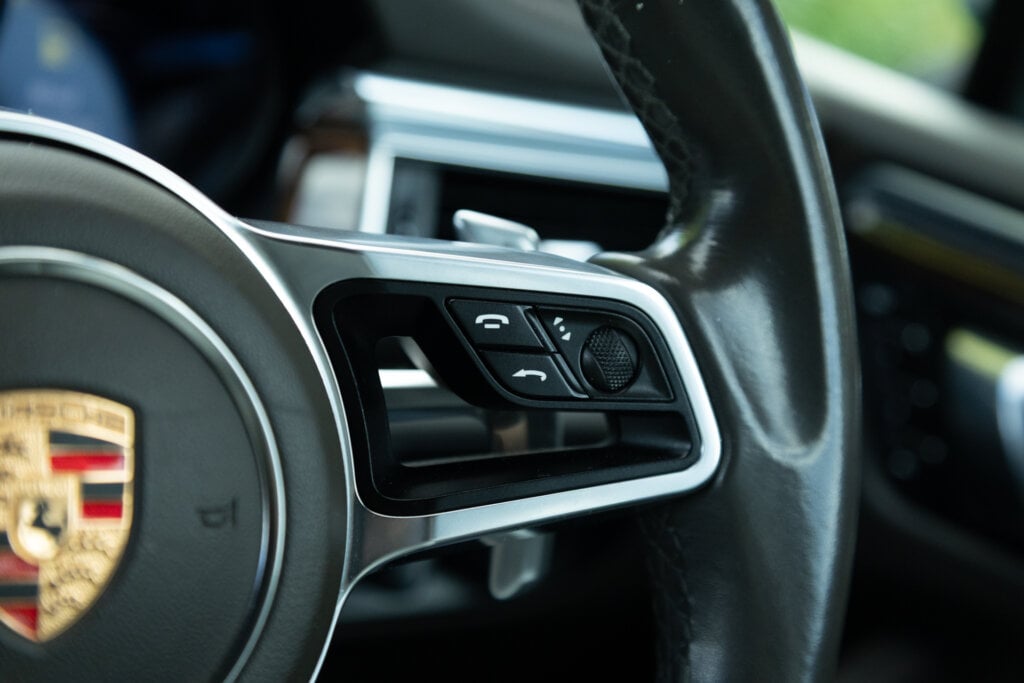
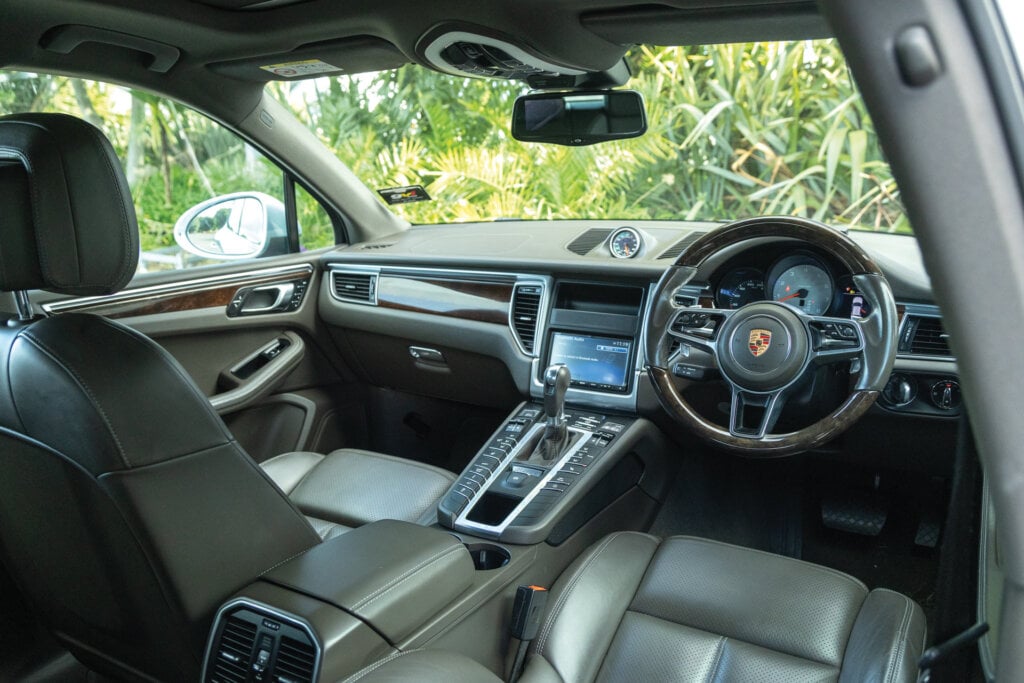
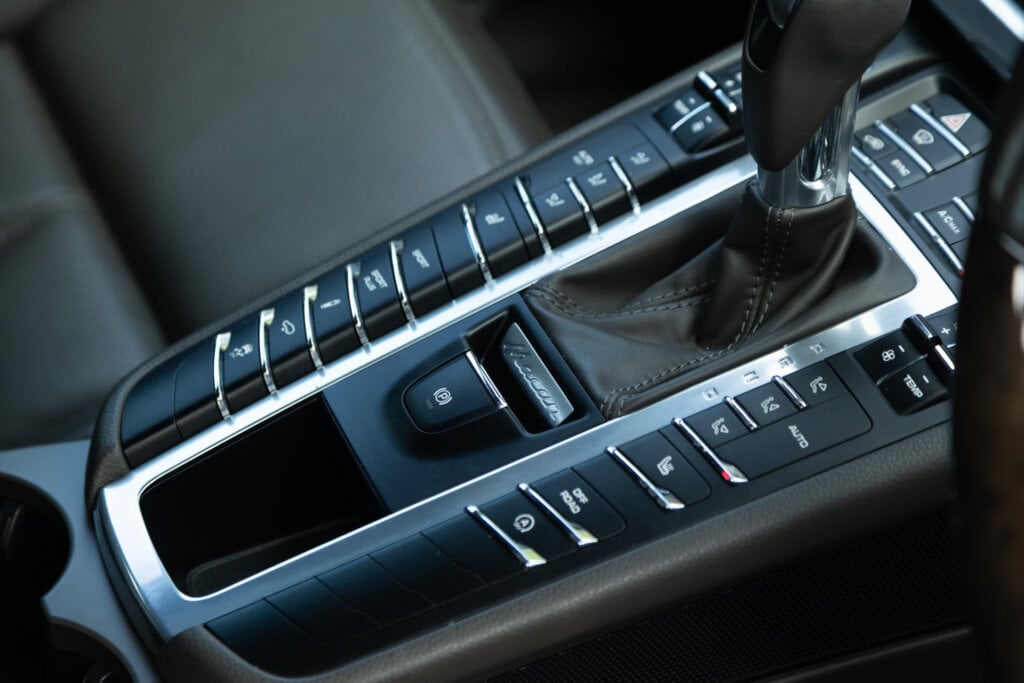
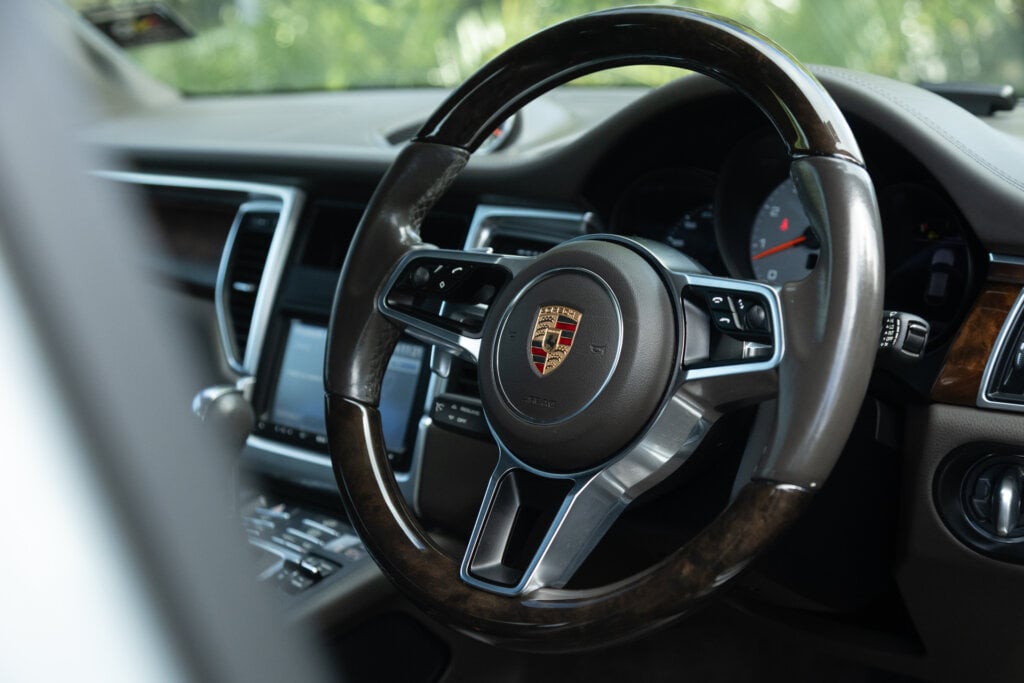
Cabin quality is strong, and it has the classic low-set Porsche driving position. The 2019 facelift brought a much better 10.9-inch touchscreen with wireless Apple CarPlay, making it a worthwhile upgrade if the budget stretches that far.
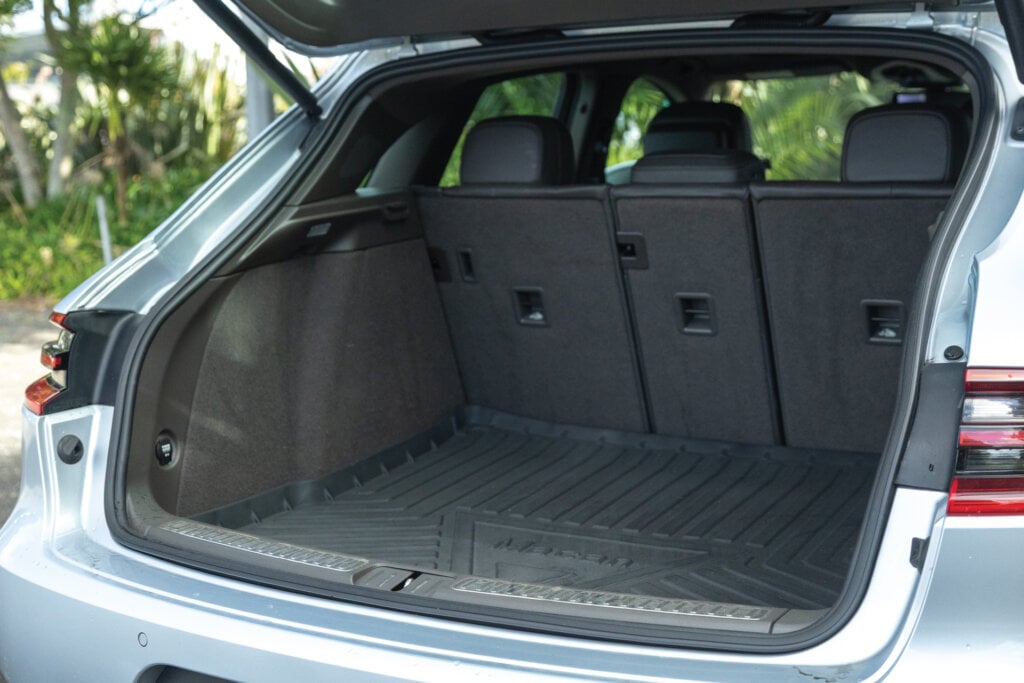
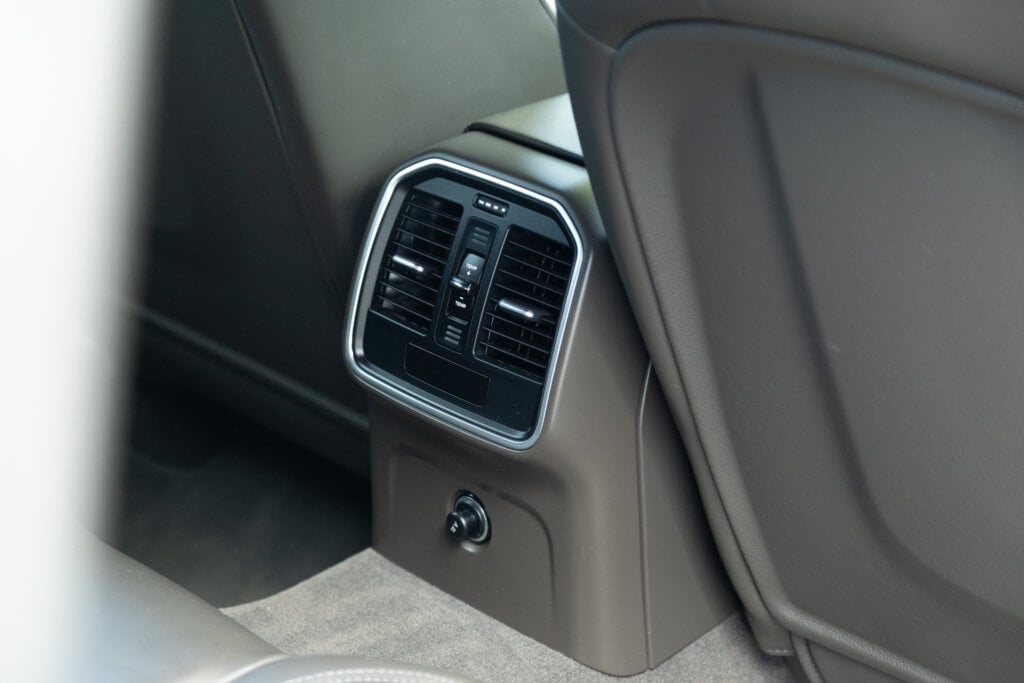
Practicality is merely adequate. The boot holds 500 litres, the rear seat is snug for adults sitting behind taller drivers, and the sloping roofline compromises headroom and rearward visibility. This is a sports car that happens to have a tailgate, not a family bus.
What should I look out for?
The big one is the transfer case. On 2015 to 2018 cars, moisture contamination of the transfer case oil can degrade the internal clutch discs, causing shuddering, bucking or jerking under light throttle and during low-speed turns. A redesigned unit introduced in 2019 largely fixed the problem, but an out-of-warranty replacement can cost several thousand dollars.
Coil-spring corrosion and breakage is the other signature fault, most prevalent on salt-exposed UK imports. Porsche replaces the springs in pairs at a four-figure cost. On air-sprung cars, confirm that the vehicle remains level after being parked overnight and that the compressor runs quietly.
The V6 petrol engines can weep oil and develop coolant leaks from plastic pipework and water pumps as the kilometres climb. As direct-injection engines, they can also suffer from carbon build-up on the intake valves, causing rough idling in higher-mileage examples. Walnut blasting is the fix and is worth budgeting for on anything past 100,000km.
PDK issues are rare in properly serviced cars, but neglect can show up as jerky or delayed shifts. On the diesel, frequent short urban trips can clog the particulate filter, while injectors and high-pressure fuel pumps are known weak points.
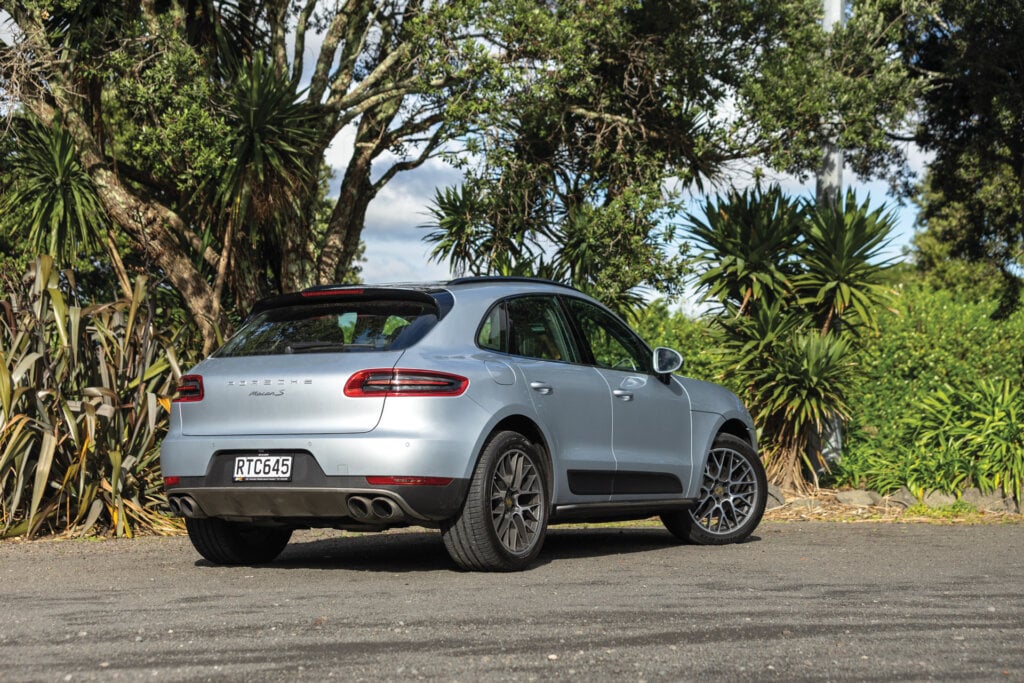
Finally, there are the consumables. The Macan runs a staggered tyre setup, so the rear tyres cannot be rotated and tend to wear quickly. The brakes are sizeable and not cheap, while Porsche dealer labour rates are what you would expect. A pre-purchase inspection by a Porsche specialist is cheap insurance on any of these cars.
What should I pay?
There are more than 50 Macans listed on Auto Trader at the time of writing, and the entry point is lower than you might expect. Higher-kilometre pre-facelift cars now start at around $35,000, while early 2.0-litre models sit slightly below that, beginning in the low-$30,000s.
A 2016 or 2017 GTS with 70,000 to 90,000km lands between $50,000 and $55,000. That represents serious performance for the money if – and only if – the history stacks up.
Facelift cars from 2019 onwards step up meaningfully in price. A 2019 Turbo with 92,000km asks around $75,000, while a low-kilometre, NZ-new 2019 S sits closer to $87,000. The final 2.9-litre facelift cars from late 2021 onwards remain above $100,000.
Verdict
The Macan drives like nothing else in the class, while its cabin has aged well and overall reliability is better than that of many of its German luxury peers, provided the known faults have been checked off.
The sweet spot is a 2019 to 2021 S. It gets the modern infotainment, sidesteps the transfer-case trouble and delivers on driving enjoyment per dollar.
If the budget only stretches to an earlier car, buy on service history rather than kilometres and have it inspected. Do that, and this remains one of the most rewarding used SUVs money can buy.
Thanks to GVI. Find more of their cars at www.gvi.kiwi