View all
17 more images
2026 Chery Tiggo 8 Ultimate AWD Review
Words: Kyle Cassidy | Photos: Alex Schultz
The new arrivals from China keep coming, with brands like Chery bolstering their ranks with new variants to keep the pressure on in the marketplace. Here we drive the Tiggo 8, a seven-seater with a sharp price.
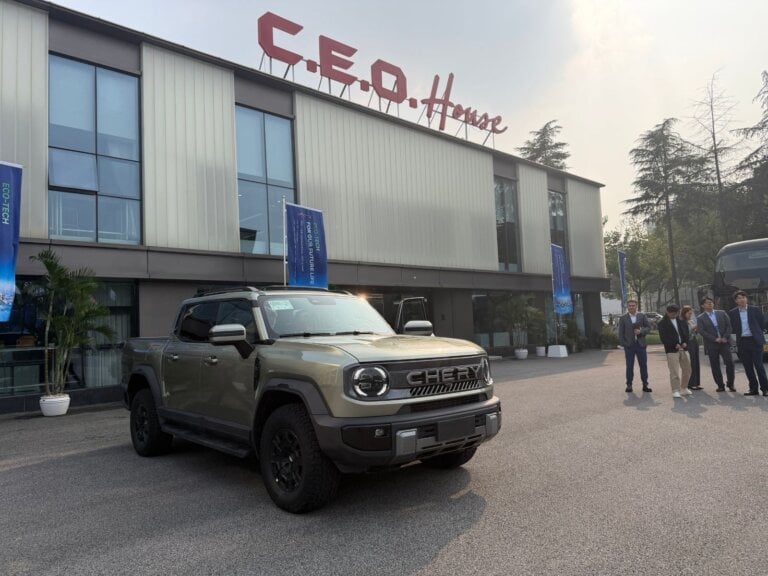
Chery has re-established itself in New Zealand, re-entering our market mid-way through 2025, and ticking up just over 1000 registrations in that time. Value is the name of the Chery game, led by the Tiggo 4, which has accounted for about 70 per cent of its success so far. The brand’s larger offerings in the five-seat Tiggo 7 and seven-seat Tiggo 8 landed here in ‘super-hybrid’ plug-in guise initially, offering a good electric range thanks to a large battery, and over 1000km combined with its petrol engine acting as a generator to keep the show going. A key feature of these PHEVs is the price, being cheaper than most direct plug-in rivals, and even more affordable than some ICE competitors. Still, it seems local buyers aren’t quite convinced of these plug-ins, and so bolstering the line up of both the Tiggo 7 and 8 are pure ICE variants. Here we have the Tiggo 8, which starts from $39,990 for the FWD Urban, while on test is the $44,990 Ultimate.
Tiggo 8 – Looks right
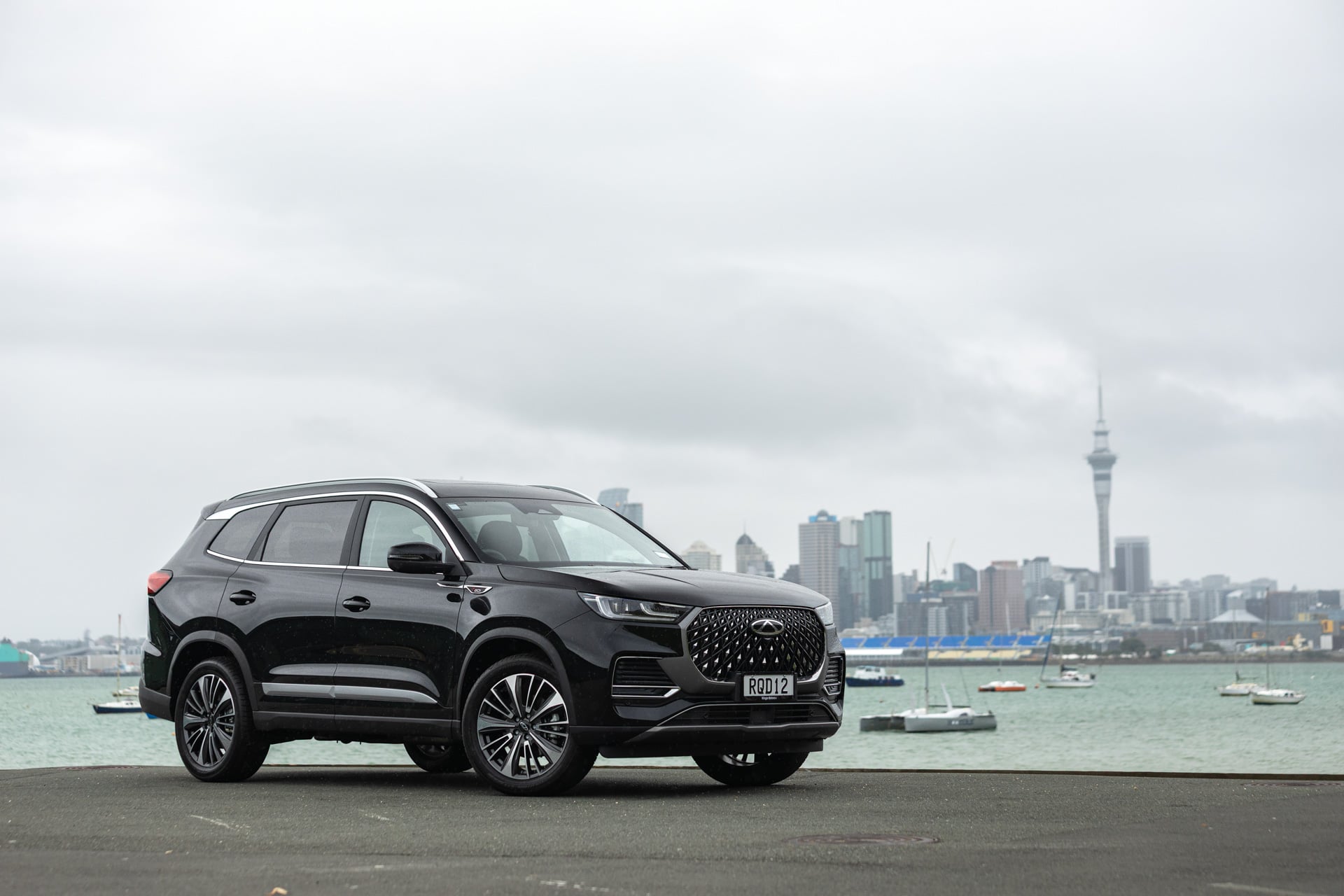
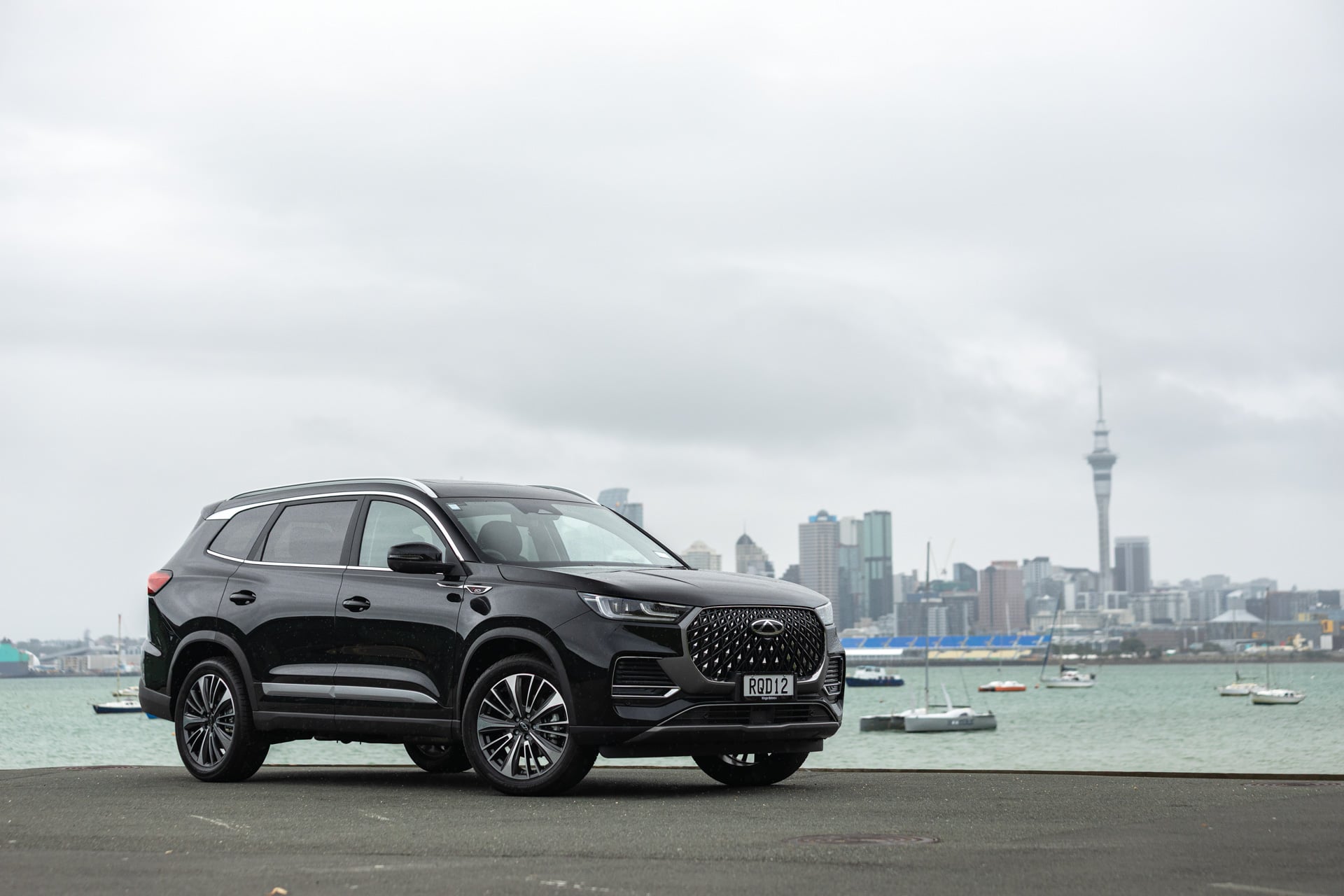
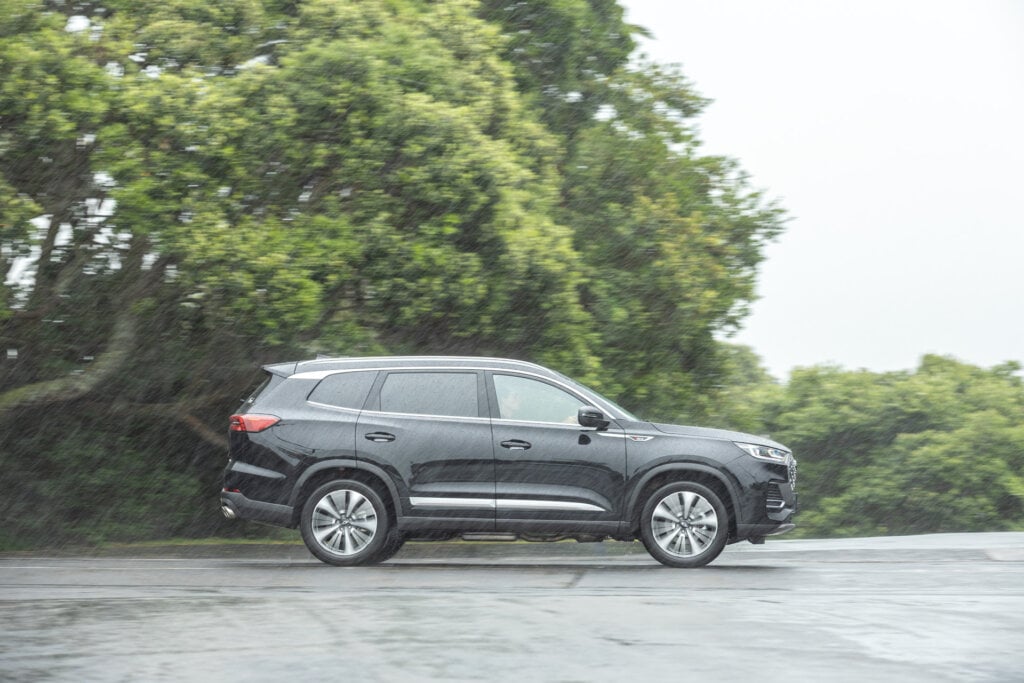
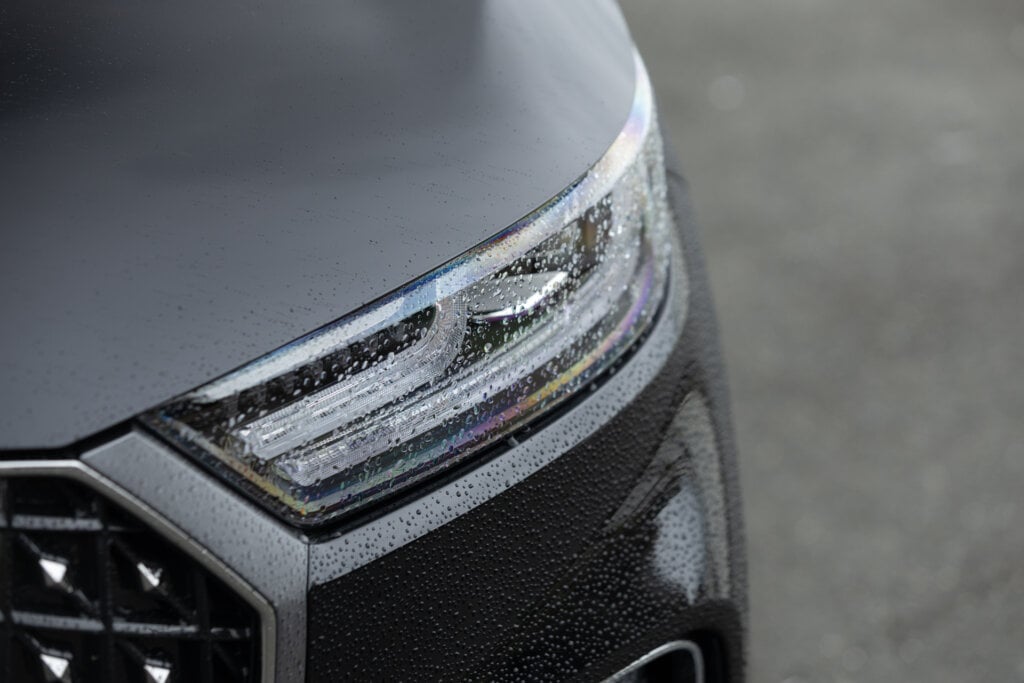
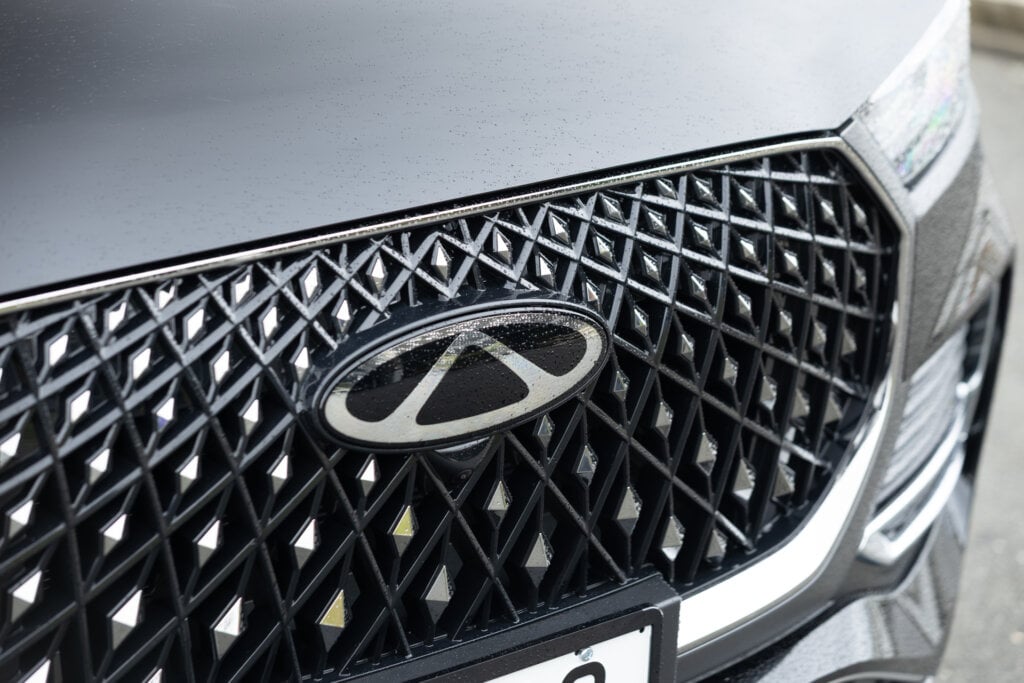
The Tiggo 8 makes a decent first impression. The grille is distinctive but not overdone as some Chinese stylists seem to like. And overall, the look is neither polarizing nor a standout, but well proportioned. Though maybe there’s a little bit too much chrome work. At 4.7m long, it’s bigger than a medium though not quite full sized, it’s kind of an in-betweener.
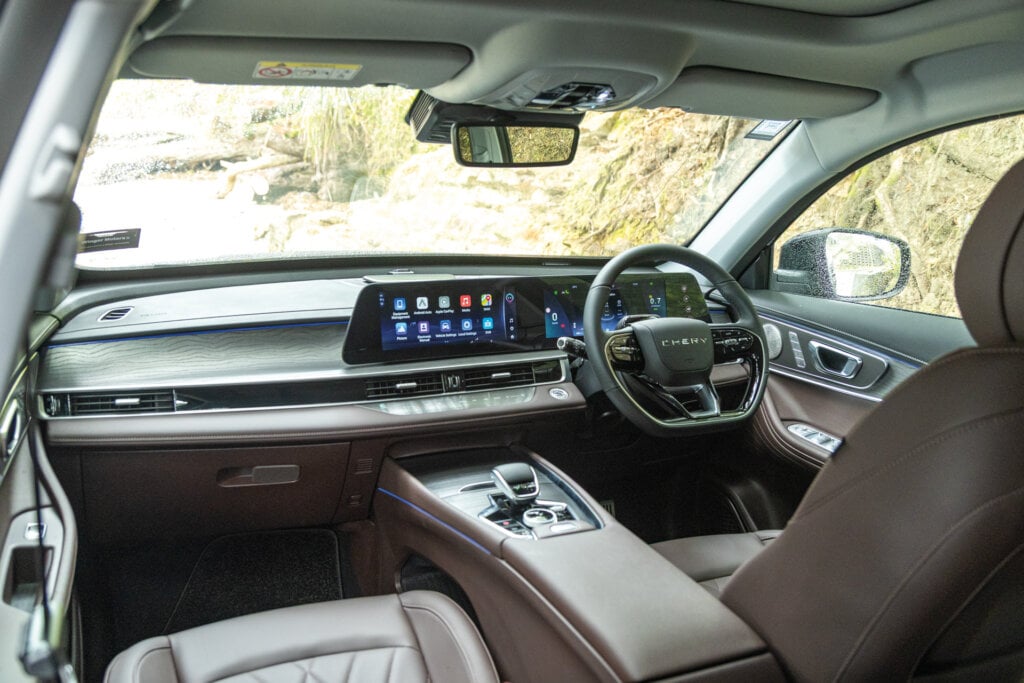
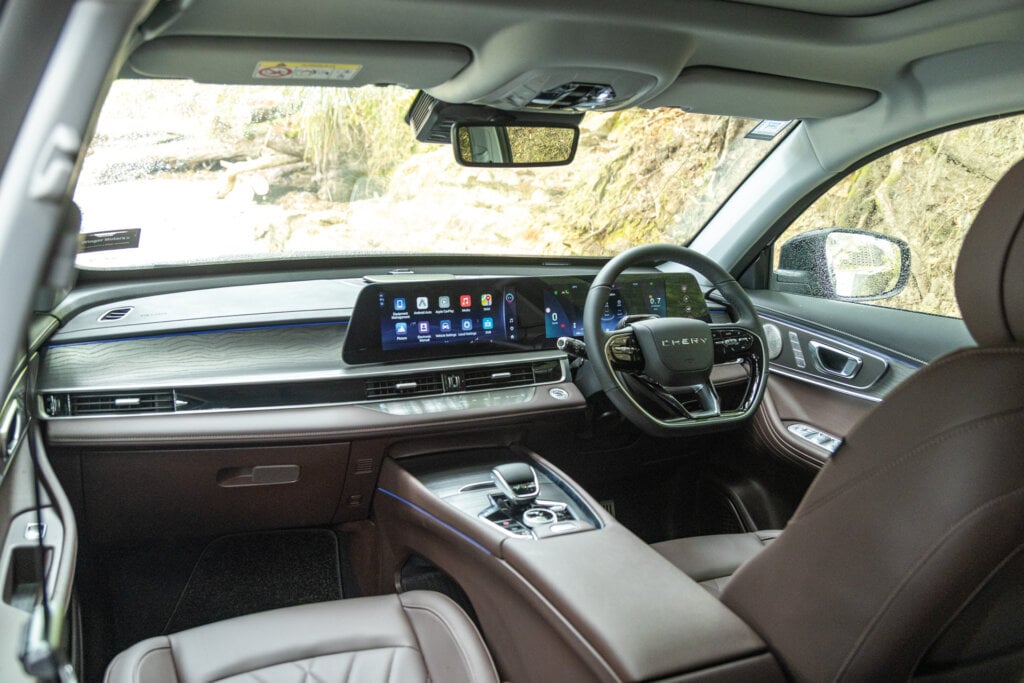
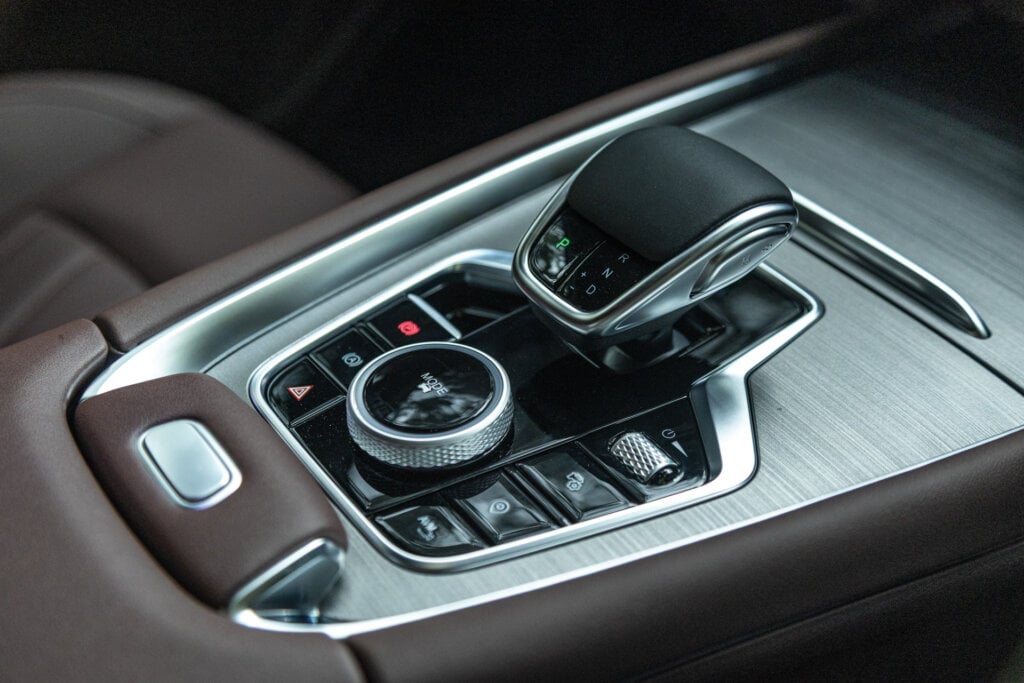
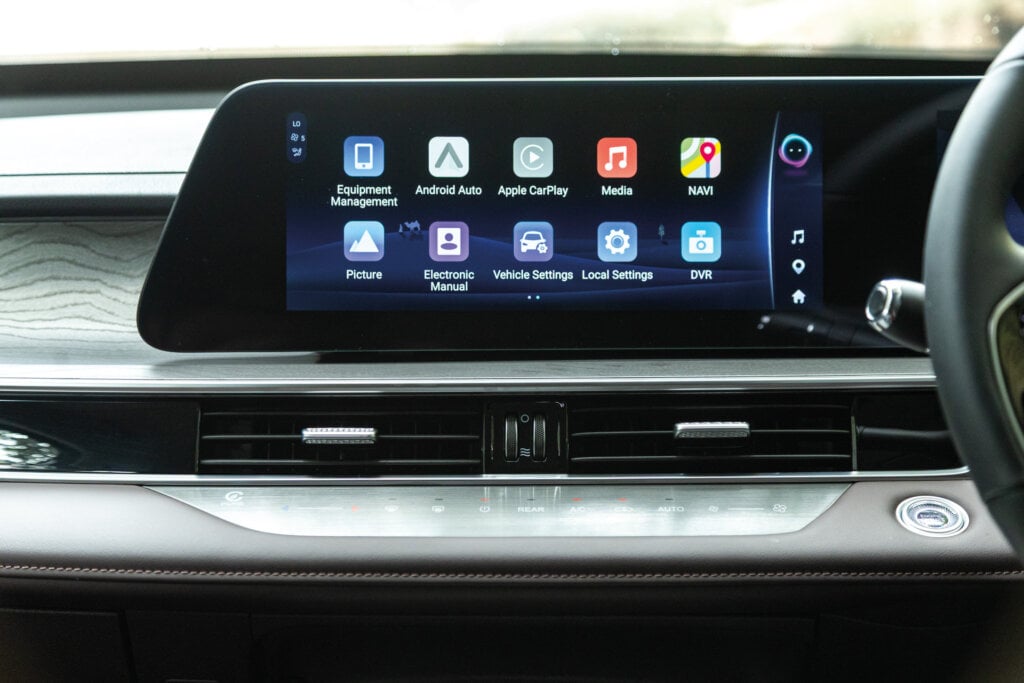
Stepping inside, you’ll be quite impressed. The design borrows from Mercedes-Benz circa 2018 with a twin screen setup. The driver display comes with a few different themes, and next to it is the infotainment system. It’s a basic setup but has Chery voice control, which can handle a few of the minor operations. But best talk slowly and clearly however. It wasn’t smart enough to handle sat nav (powered by TurboDog9) inputs. This has a radio tuner, but you have to turn it on after every start up. Good to see a few useful air conditioning buttons on the dash. Storage is sorted with a deep center bin pocket and other useful spots about the cabin, including cup holders in the right spot that will secure various size vessels. There’s a heaving spec list; wireless charge pad, ambient lighting, air purifying system, fragrance system, built-in dashcam, wireless Apple CarPlay and Android Auto, walk away locking, a 360-degree camera and powered tailgate. There’s a limited colour palette however, and only Aurora Green is free, the others are listed as premium options at additional costs.
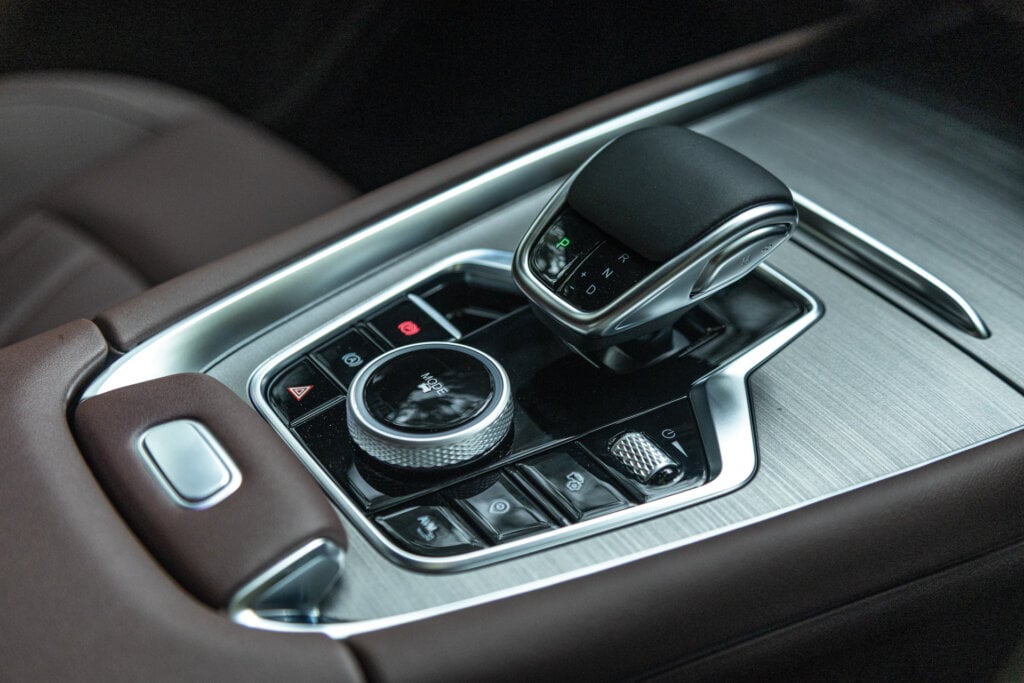
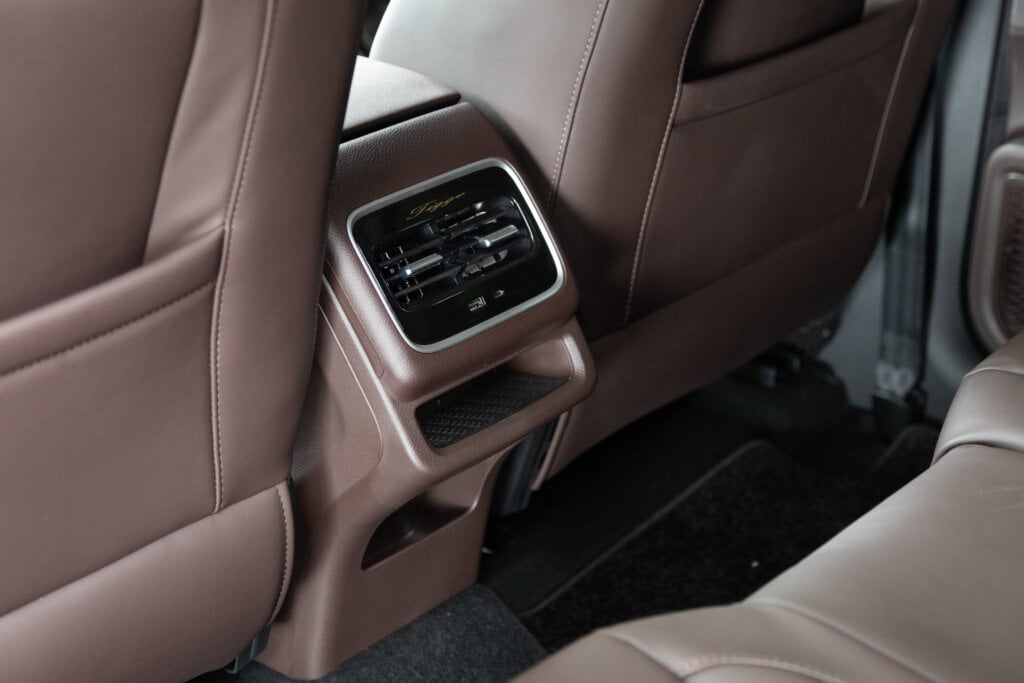
The build quality is sure to impress, while all the surfaces are nice to the touch. The fake leather looks and feels convincing, even in the optional brown hue, while the seats themselves are decent, and heated and ventilated. They could do with more adjustability though, same too the steering wheel, to help get a better driving position. There are proper buttons on said wheel for easier control.
What about space?
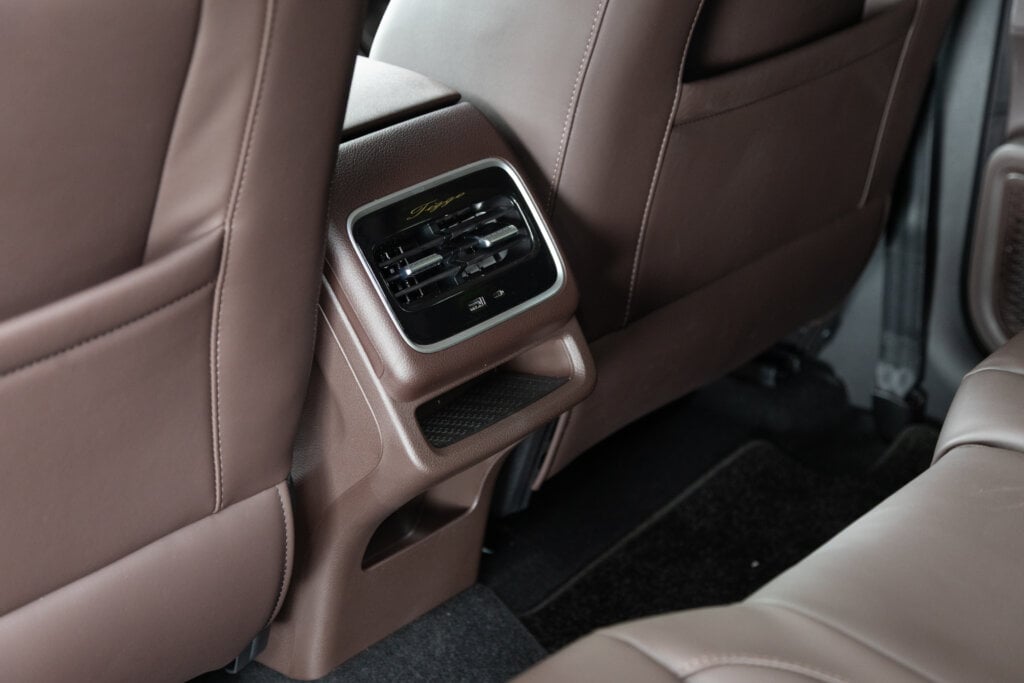
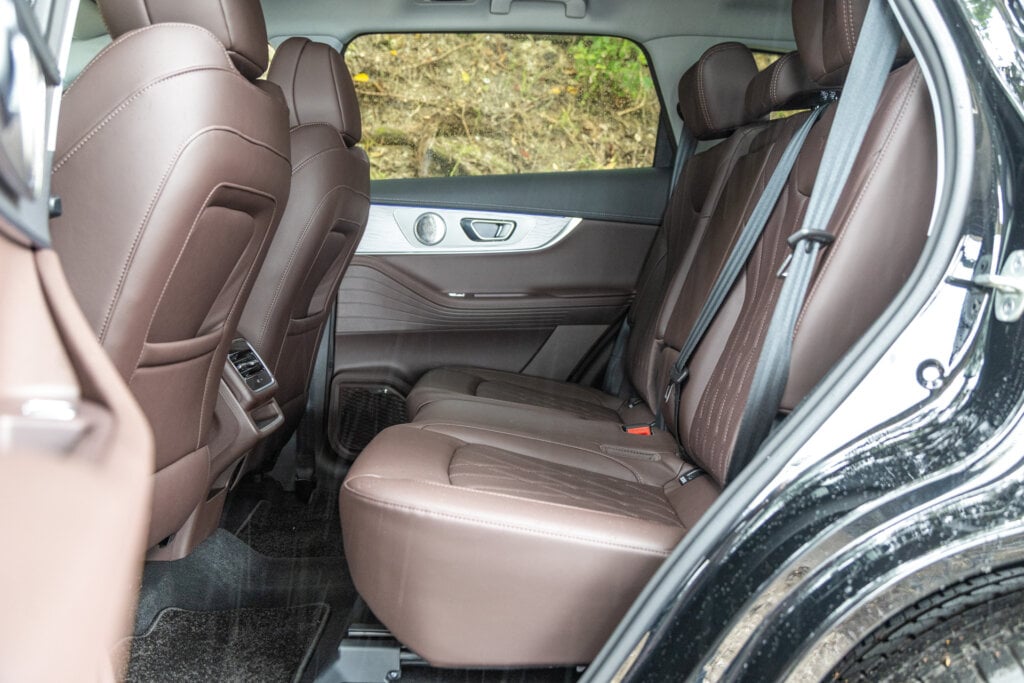
Hopping in the back, there’s reasonable room, a flat floor helping fit three kids across without too many squabbles. There are air vents but no A/C controllers, a couple of USB ports, while even the finishing back here is top quality. You can recline the back rest for a little extra comfort, and the seat, split 60/40, is on sliders to accommodate the third row in the boot.
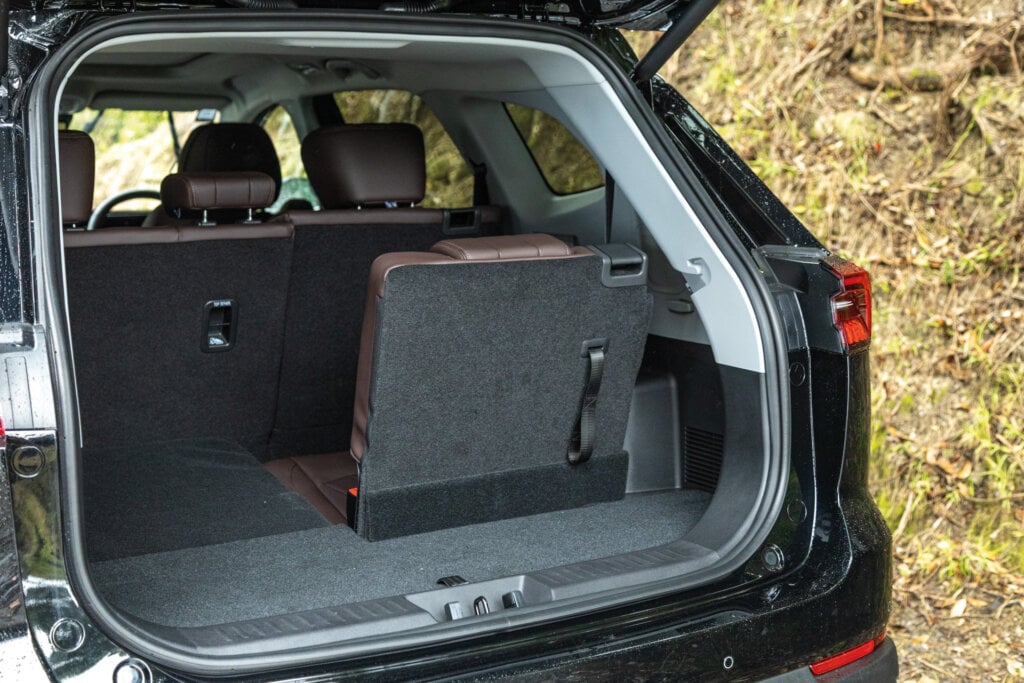
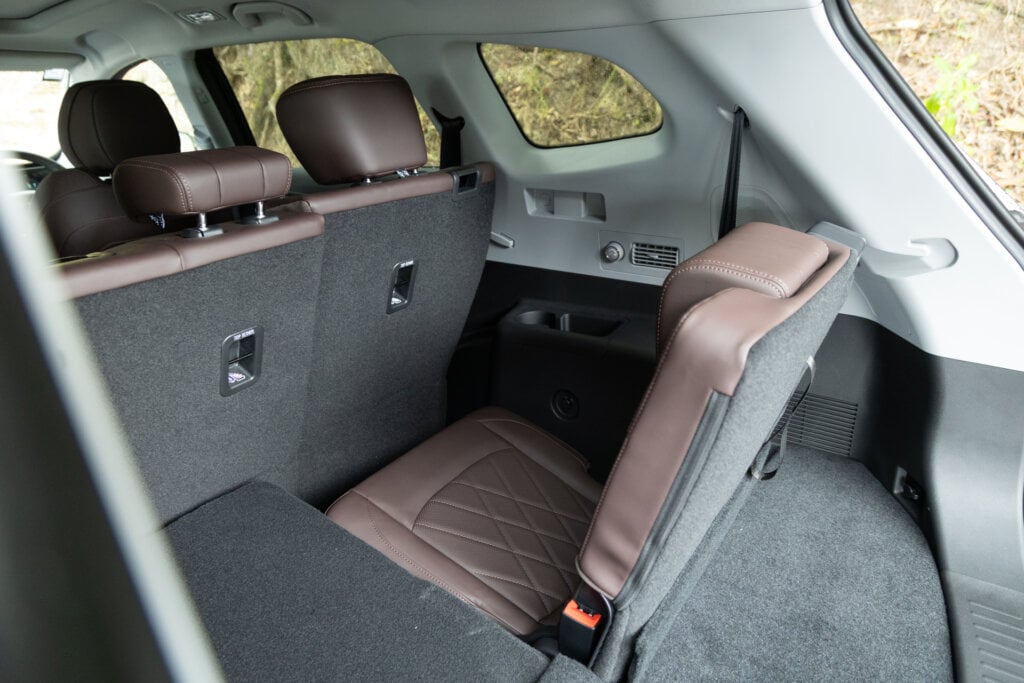
The issue for our right-hand drive market is the seat that folds conveniently with a tilt and slide action to gain access to those seats is on the right side of the vehicle. You can move the left side seat, but it’s just not as easy. Access to the rear seats is pretty tight, as is the space there. It’s a kid zone only in the third row, where they get ventilation controls and cup holders but no USB charge ports.
The seats fold and stow easily, and while there’s okay boot space in five seater mode, there’s nothing much left over once the seats are in play.
Go okay?
While the interior makes a good impression, the drive itself may dull your enthusiasm. The 2.0-litre turbopetrol is an okay operator. It makes 180kW with 375Nm of pull. It’s quite responsive, with no noticeable turbo lag to contend with and lots of low-end and mid-range pull, which is what you want.
Fuel use is rated at 8.7L/100km, though city dwellers best note the 12.4L/100km urban figure. And the requirement of 95 octane. Our test average of 13L/100km highlights these turbopetrols can be a mite thirsty around the city.
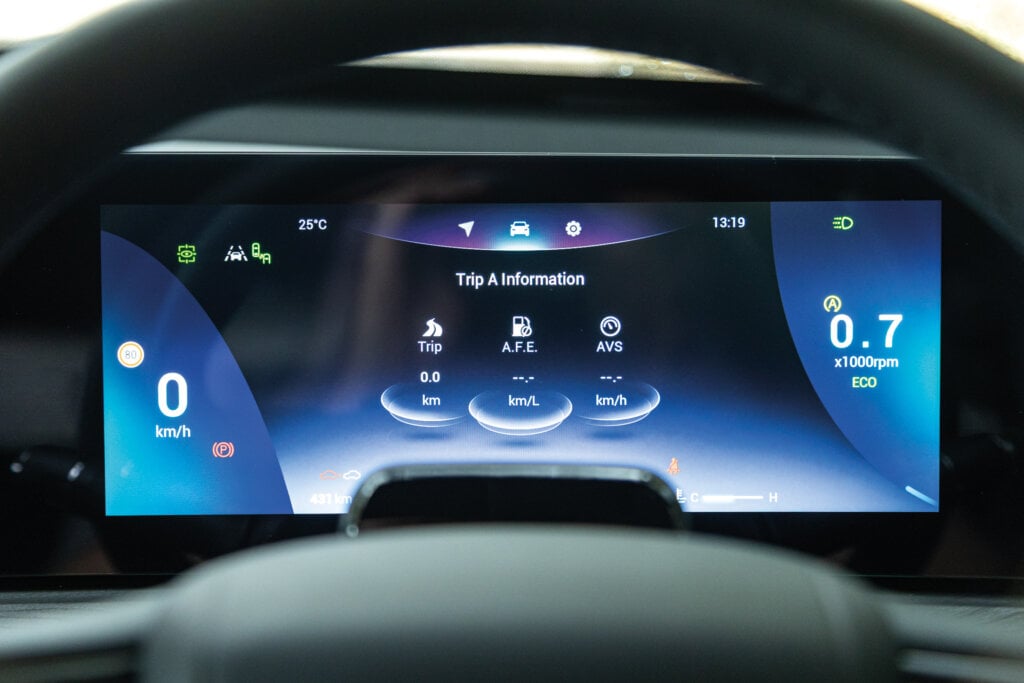
The trans is a seven-speed dual-clutch auto, the Ultimate adding drive to all wheels. It needs more fine-tuning however. The take up of the power can be laboured, and it can be indecisive as to which gear it wants, especially at intersections. Low speed manoeuvres can be difficult, particularly if an incline is involved, as the box constantly disengages and re-engages.
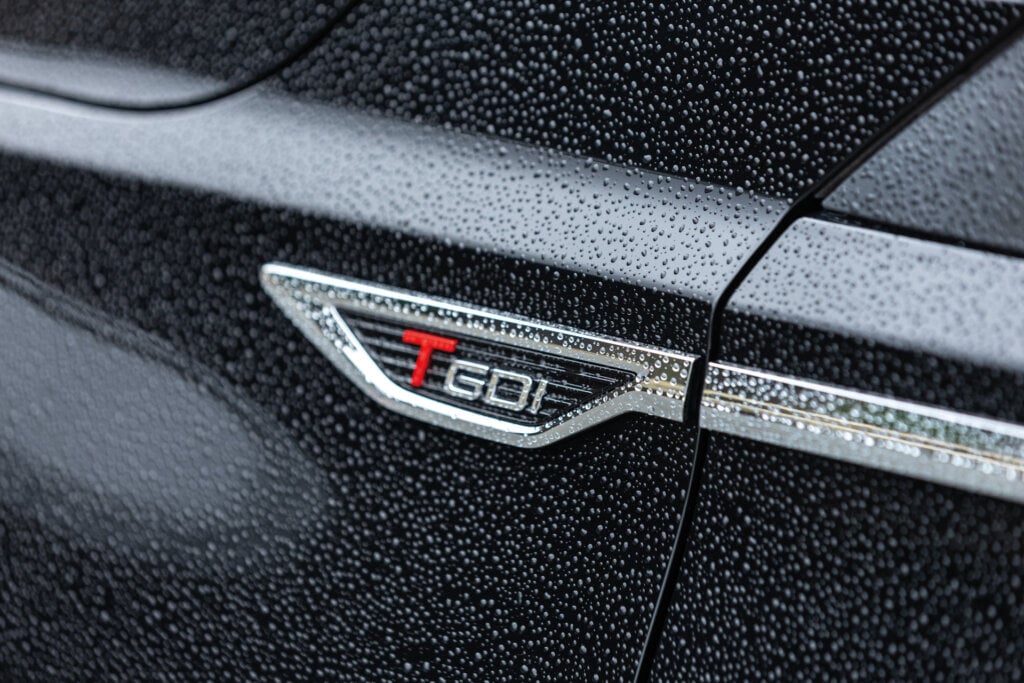
The steering is over assisted, even in the supposed Sport setting, which is okay for town use. It’s shock free, and the weighting is at least consistent. The turning circle is pretty decent too for a big-ish vehicle.
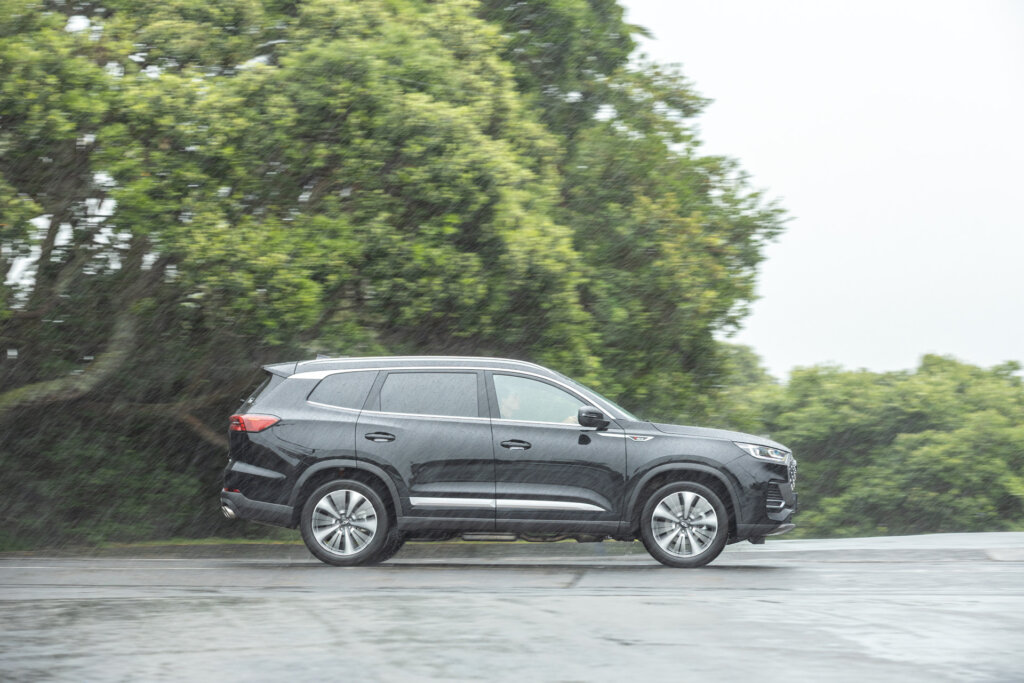
The ride however needs sorting. It manages to find all the bumps on the road. It’s more noticeable on the highway, where it rarely feels settled, and there is a fair amount of road noise too. So this wouldn’t be good for those doing lots of open road miles. It works well on the motorway/expressway, but we don’t have a lot of those in New Zealand, unfortunately.
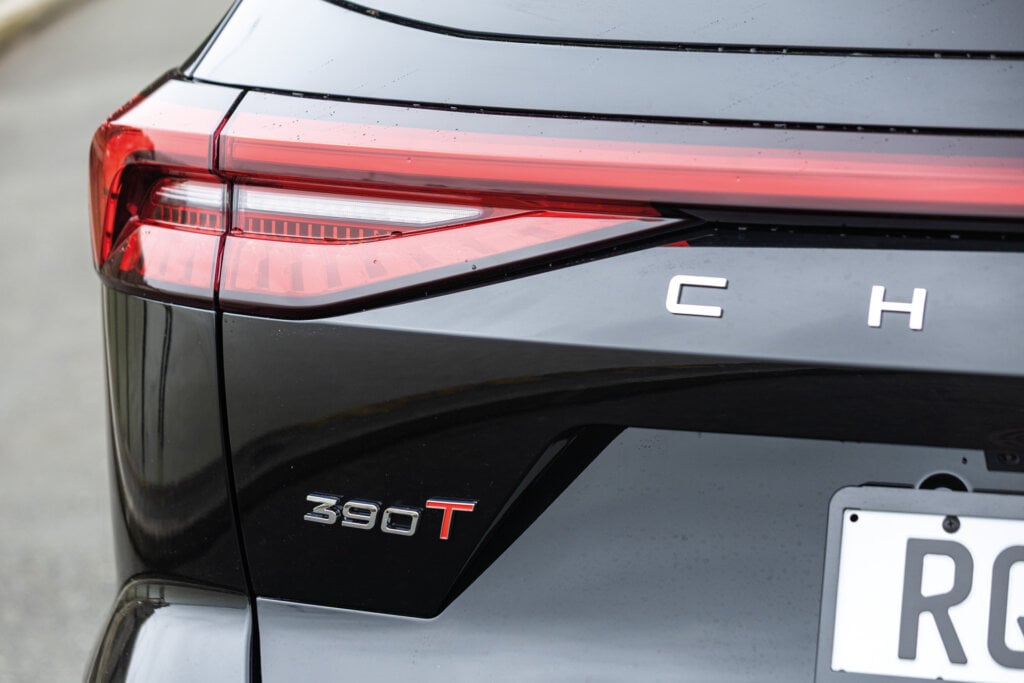
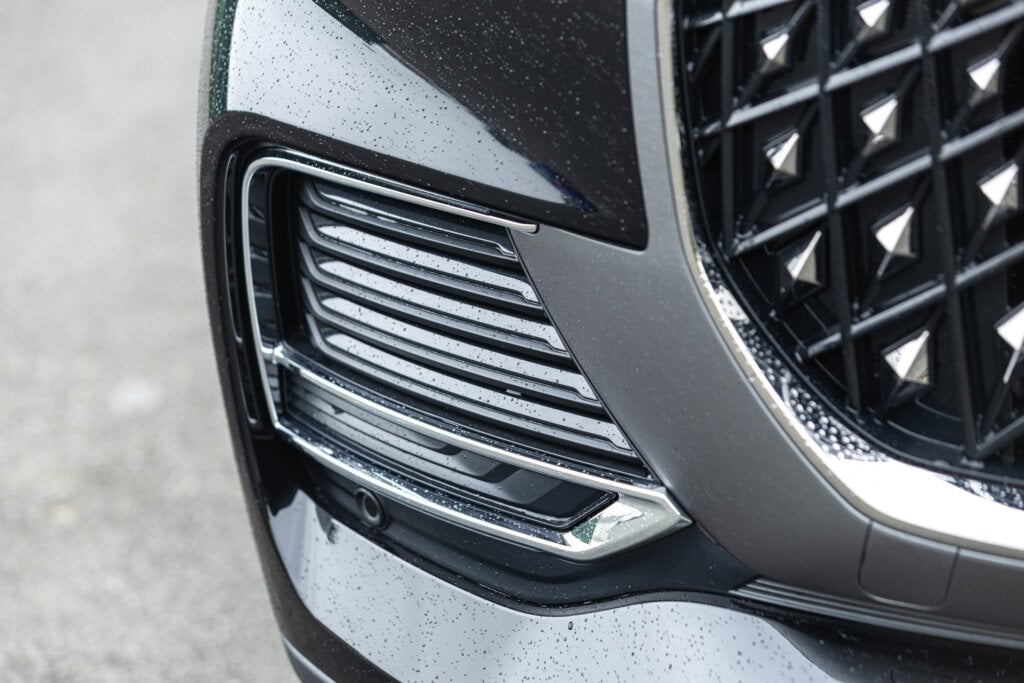
And as for cornering, best to take it easy. While it’s fairly stable, understeer is not too hard to uncover. There’s a hint that steering is actually connected to the wheels, but it can be hard to keep things smooth, so you have to ease the pace back to keep passengers happy.
Along with 18 ADAS systems and a full suite of airbags, this has a five star ANCAP score. Most of the minders are well behaved, the driver monitor only telling you off when it needs to for instance. The lane keeping is problematic however, tugging away at the wheel. It’s most concerning when you’re driving down side streets and it tries to steer you back toward the parked cars on the side of the road that you’re trying to avoid.
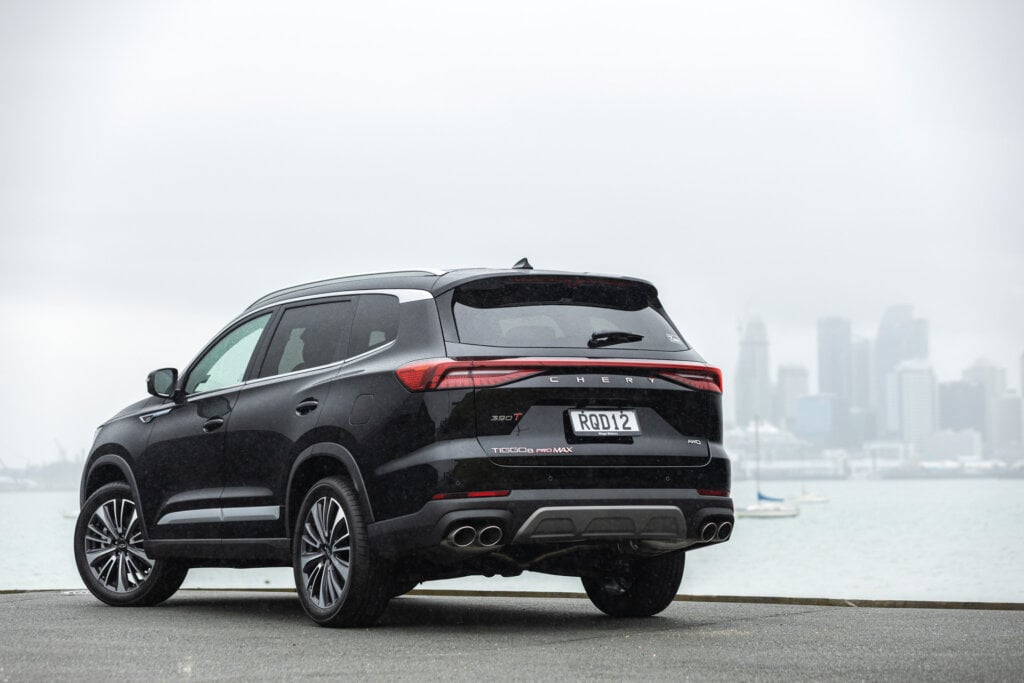
Tiggo 8 – Worthy then?
It’s a lot of SUV for the money in terms of features offered and quality, and it’s a practical family car. There’s a big warranty too. As a drive however, there are a few areas that need improving where rivals like Outlander and X-Trail do a much better job.
Chery Tiggo 8 Ultimate AWD
$44,990 / 8.7L/100km / 200g/km
0-100 km/h 7.9s
Ambient cabin noise 74.0dB@100km/h
Engine 1998cc / IL4 / T / DI
Max power 180kW@5500rpm
Max torque 375Nm@1750-4000rpm
Drivetrain 7-speed twin-clutch / on-demand AWD
Front suspension Mac strut / swaybar
Rear suspension Multilink / swaybar
Turning circle 11.0m (2.5 turns)
Front brakes Ventilated discs
Rear brakes Discs
Stability systems ABS, ESP
Safety AEB, ACC, BSM, LDW, RCTA, ALK, AHB
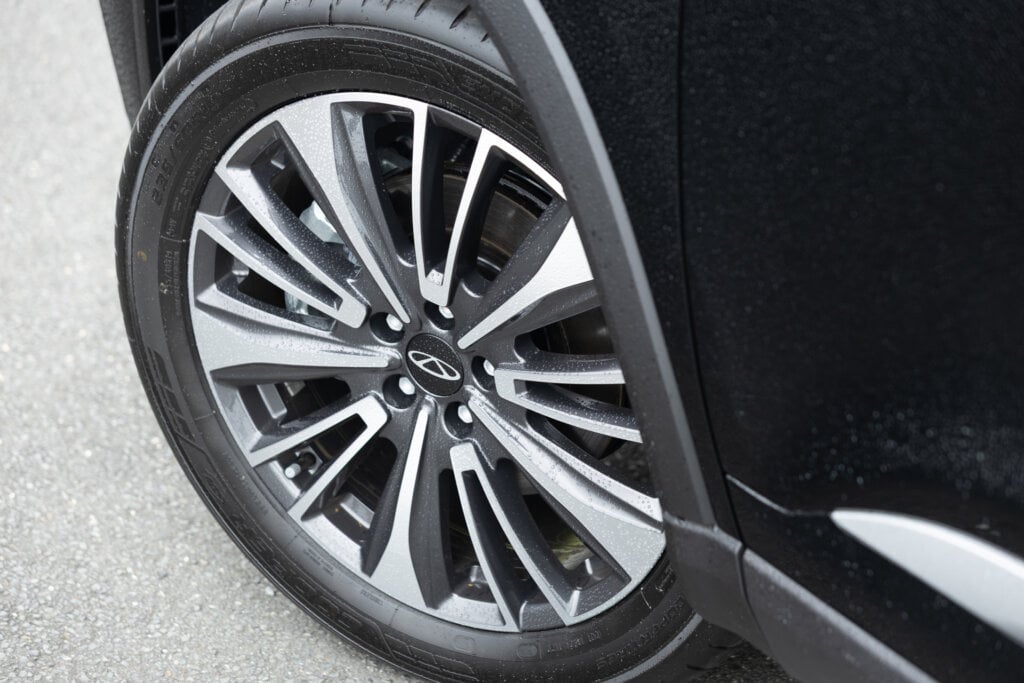
Tyre size f/r-235/50R19
Wheelbase 2710mm
L/W/H 4720 / 1860 / 1705mm
Track f-1638mm r-1638mm
Fuel capacity 58L
Luggage capacity 117-479L
Tow rating 750kg (1300 braked)
Service intervals 12 months / 15,000km
Warranty 7yrs / unlimited km
ANCAP rating ★★★★★ (2025)
Weight (claimed) 1731kg
What else should you consider?
Most seven seaters roam in the $60k and above area of the market, making the Tiggo 8 great value. But there are a few rivals worth checking out in the value area.
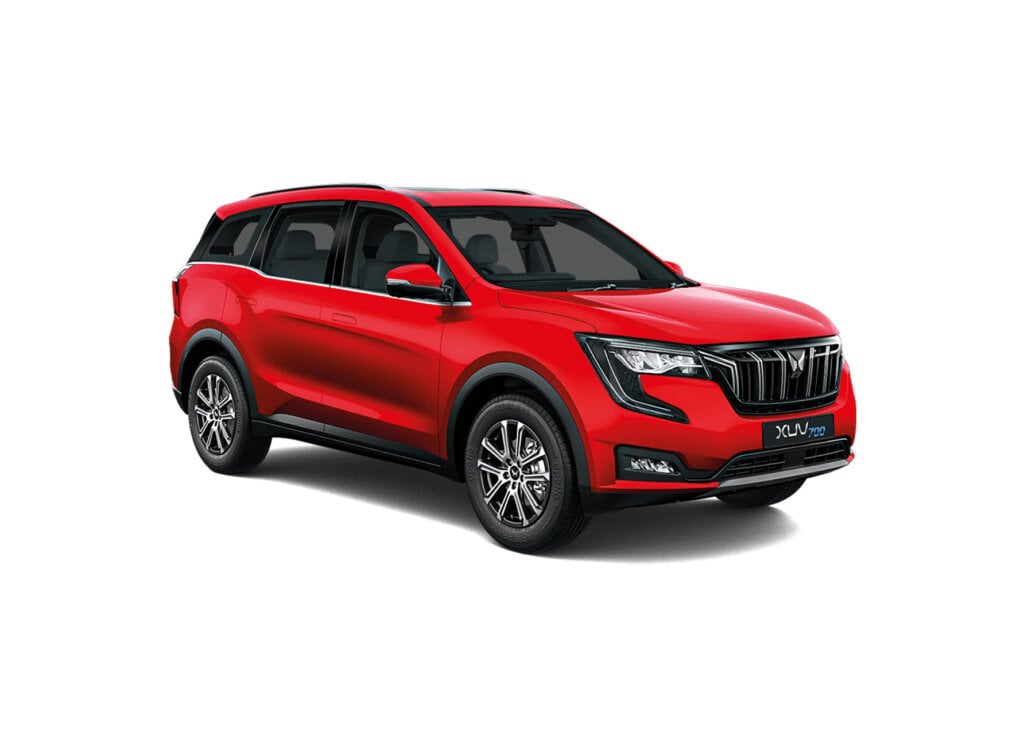
Mahindra XUV700 AX7 $43,990
IL4/2.0T 149kW/380Nm A6, 9.2L/100km, 220g/km
The Mahindra XUV700 AX7L is a value-focused seven-seat SUV with good safety tech and generous equipment for the price. Powered by a 2.0-litre turbopetrol engine, it offers decent performance though it’s a tad thirsty. The 700 offers good comfort and space, particularly in the first two rows. While refinement and interior quality trail some rivals, sharp pricing, solid ride comfort and a five-year warranty make it a compelling budget-friendly option.
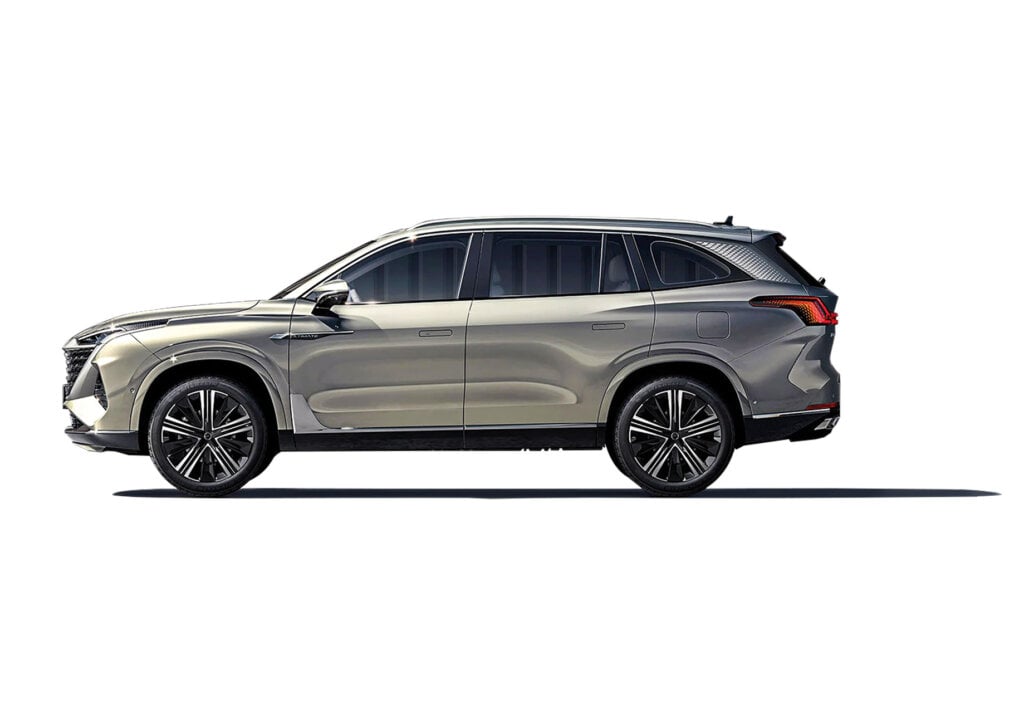
MG QS Essence – $55,990
IL4/2.0T 153kW/360Nm A9, 8.8L/100km,198g/km
MG’s new QS is the brand’s largest SUV, offering sharp pricing (from $49,990), generous space and a long feature list that includes premium tech and comfort items. It delivers honest family practicality, a roomy cabin and good towing ability. While interior quality is solid, infotainment quirks, thirsty real-world fuel use and some drivability and ADAS annoyances detract. Still, its size, value and specification make it an appealing large-SUV option.
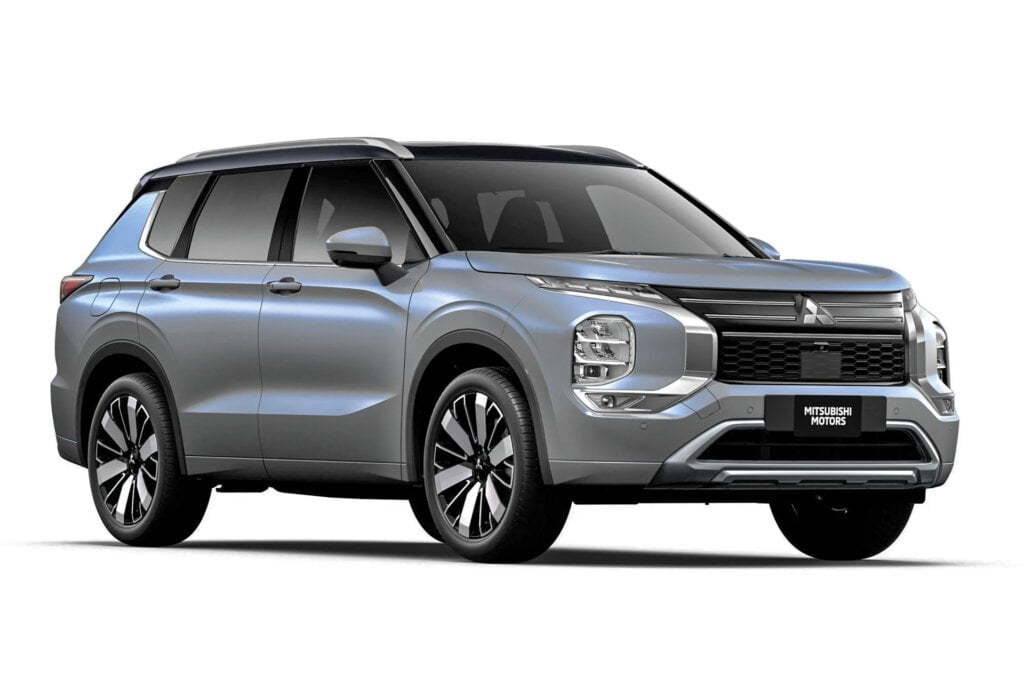
Mitsubishi Outlander 2.5P XLS AWD – $51,990
IL4/2.5 135kW/244Nm CVT, 9.0L/100km,206g/km
Mitsubishi has updated its Outlander with subtle exterior tweaks, a larger screen and added comfort features. Interior usability and refinement improve, while safety tech remains comprehensive. The 2.5-litre petrol engine and CVT carry over, delivering adequate but unexciting performance and okay real-world economy. Practical, spacious and versatile, the Outlander remains a solid family choice. Seven seaters start at $48,990.
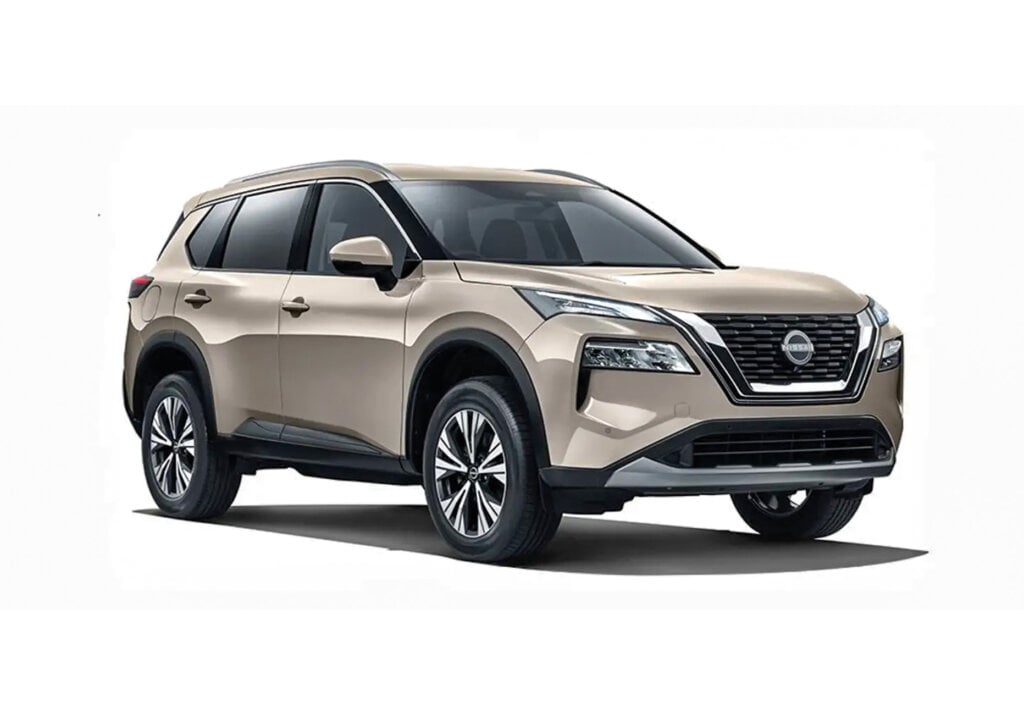
Nissan X-Trail ST-L AWD – $49,990
IL4/2.5 135kW/244Nm CVT, 8.7L/100km, 204g/km
Nissan’s X-Trail is replete in its refinement, safety and technology. Built on a new platform, it offers pleasant ride comfort, a polished cabin and comprehensive driver assistance systems. Power comes from a revised 2.5-litre petrol or an efficient e-Power hybrid. Spacious, practical and easy to drive, the X-Trail remains a good family SUV choice, though it can’t match the specification of the Chery.