View all
26 more images
2026 GWM Cannon Alpha Vanta 3.0 diesel vs Foton Tunland V9-S 4WD Review
Words: Kyle Cassidy | Photos: Alex Schultz
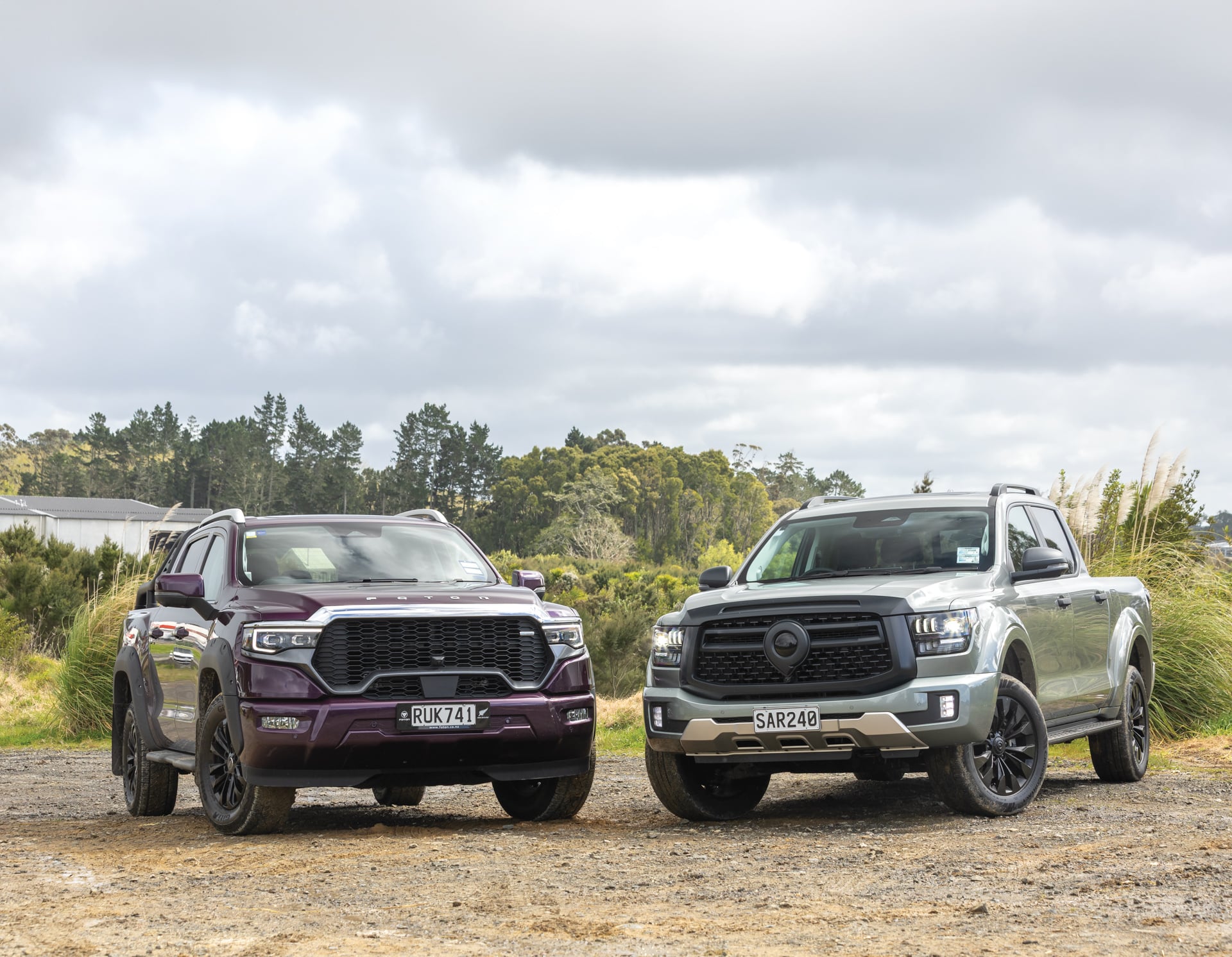
Want something a bit bigger and well-specced for your next truck? You’ll be looking at one of these. The GWM Cannon Alpha has a new diesel engine, but also a big price tag, while the Foton V9 has American vibes for less money. So which is the better buy?
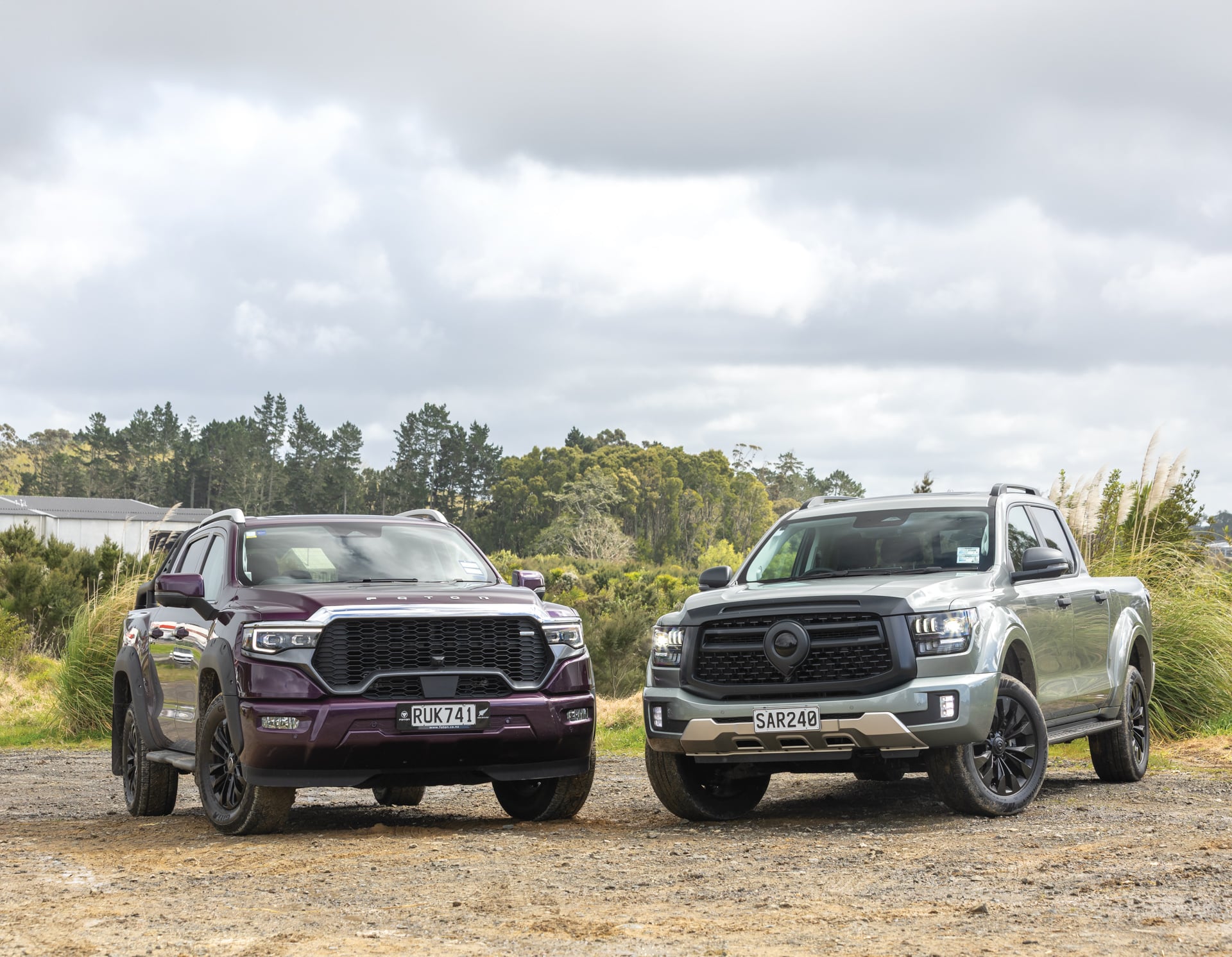
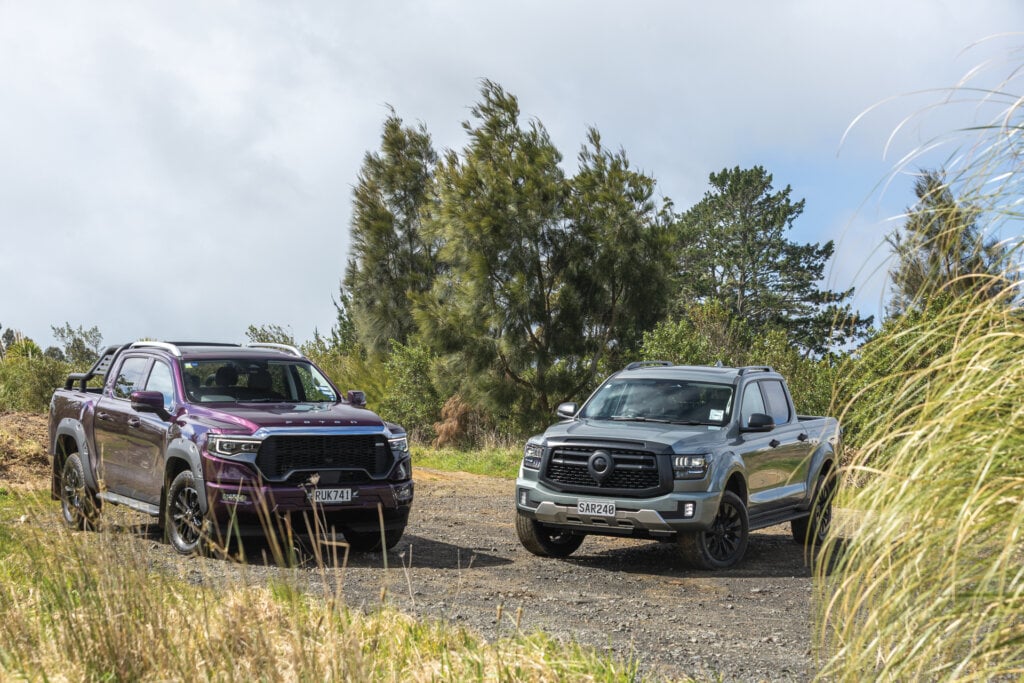
Pickups come in varying sizes these days. Think of Ranger and Hilux as large, with the Ram 1500 and Chevrolet Silverado occupying the double XL end of the scale. Between them sits an increasingly busy Chinese category: XL utes that offer more room than the familiar one-tonners without quite requiring an American-sized parking space on your driveway.
GWM got there first with the Cannon Alpha, initially relying on a 2.4-litre diesel and petrol hybrid power. A plug-in followed, and now the diesel has grown to 3.0 litres. In Vanta form, the specification has climbed too, along with the price.
Foton is back with its new Tunland range. The V7 handles the more work-focused brief, while the V9 adds American-inspired styling, a coil-sprung rear axle and a cabin that aims high. There are plenty of features to give it a decent value quotient.
Both should appeal to buyers wanting something bigger and better equipped than the usual ute. Does the much-improved Alpha Vanta justify its premium, or does the Tunland deliver enough truck for less money?
The Vanta
The Vanta costs $71,990, a substantial jump from the $57,990 Ultra 2.4 diesel and even more than the $69,990 Ultra PHEV. However, the new engine brings 170kW and 620Nm, compared with the smaller diesel’s 135kW and 480Nm.
Peak torque arrives from 1400–2400rpm, helped by a variable-geometry turbo, water-to-air intercooling and a short intake tract. A nine-speed automatic handles the shifting. GWM claims 7.3L/100km (8.4L/100km according to Rightcar), against 8.9L/100km for the 2.4.
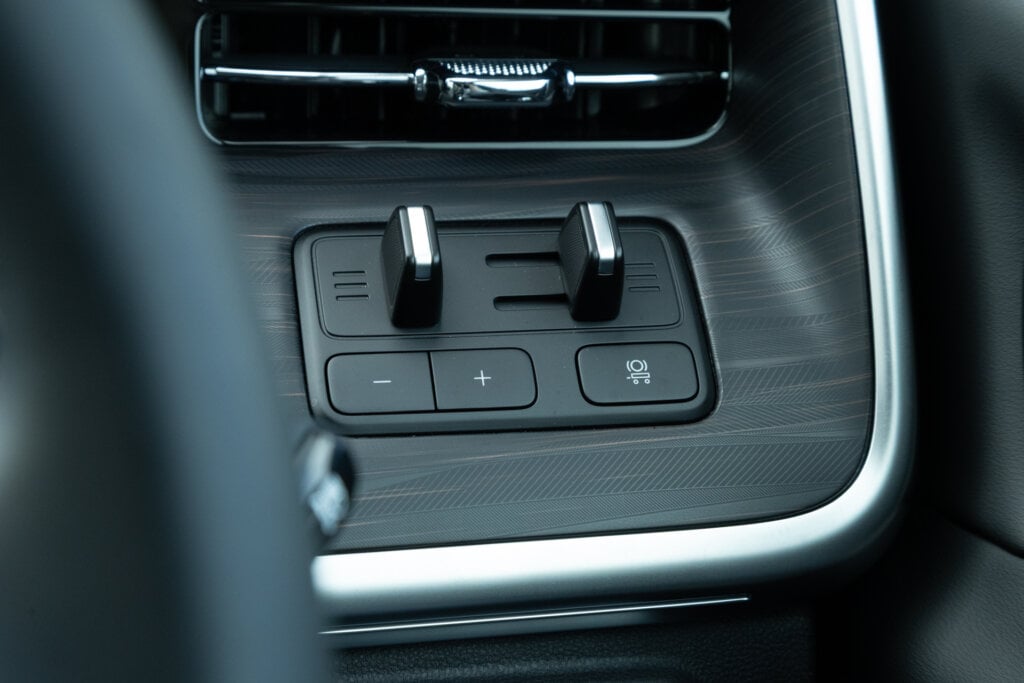
Payload rises to 945kg from 760kg, while braked towing remains 3500kg. A built-in trailer brake controller and towing mode are useful additions. There’s low range, front and rear differential locks, 224mm of clearance and an 800mm wading rating.
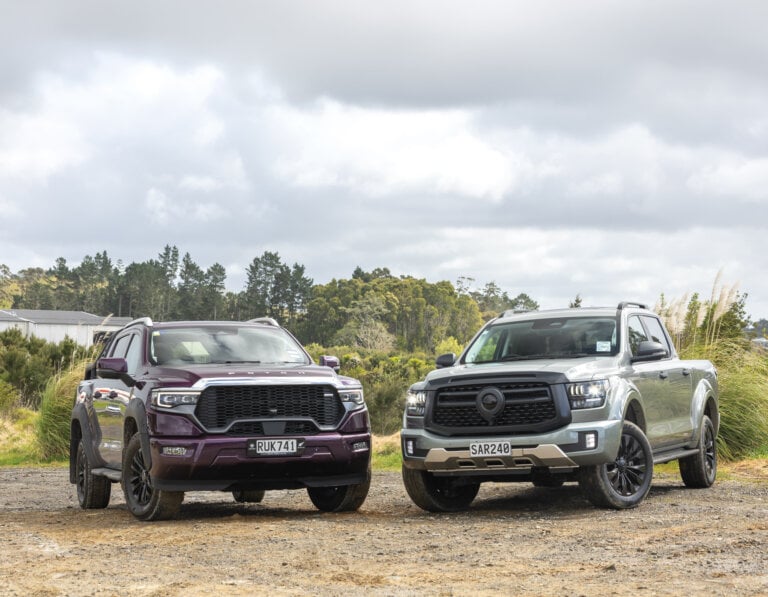
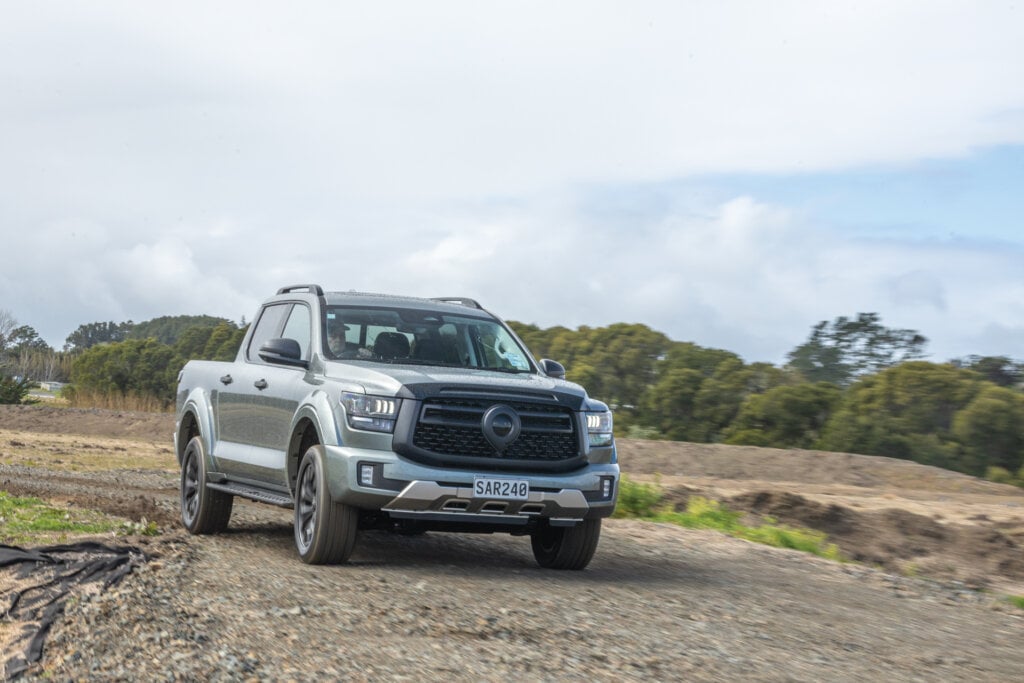
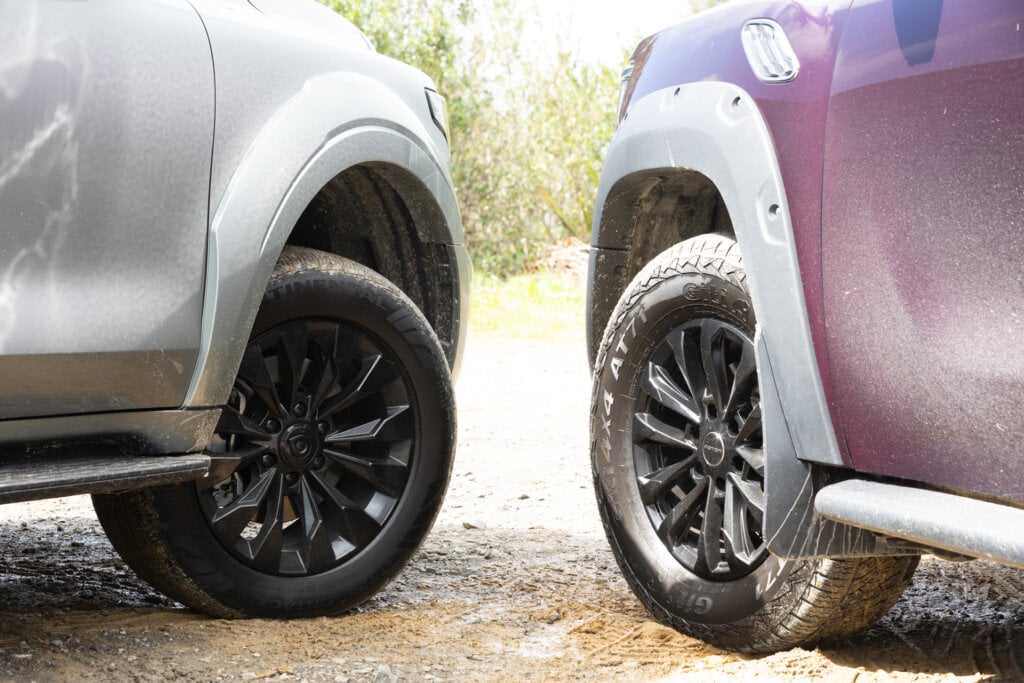
At 5445mm long and 2550kg, this is a substantial machine. Black exterior detailing and 19-inch wheels distinguish the Vanta, while the cabin offers a panoramic sunroof, heated and ventilated seating in both rows, front-seat massage, a head-up display, 50W wireless charging and 10-speaker audio.
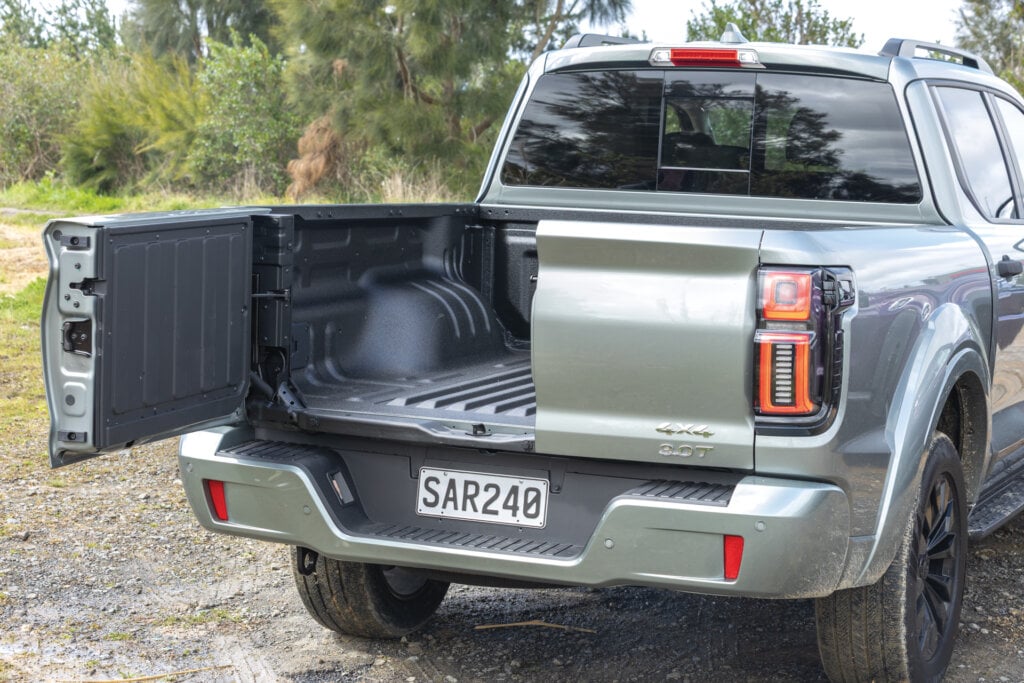
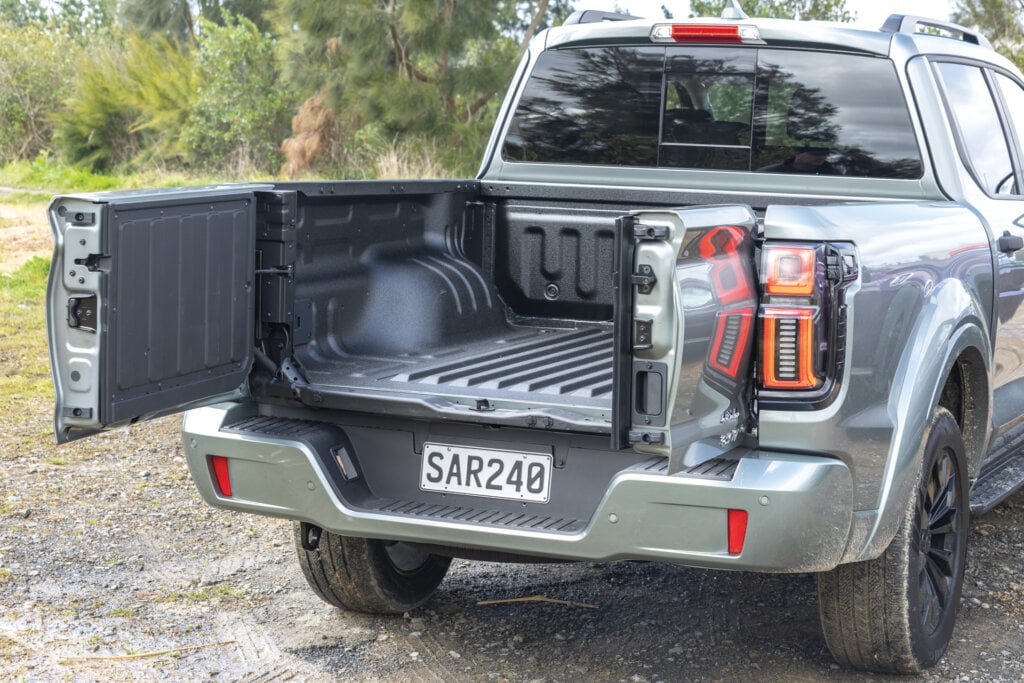
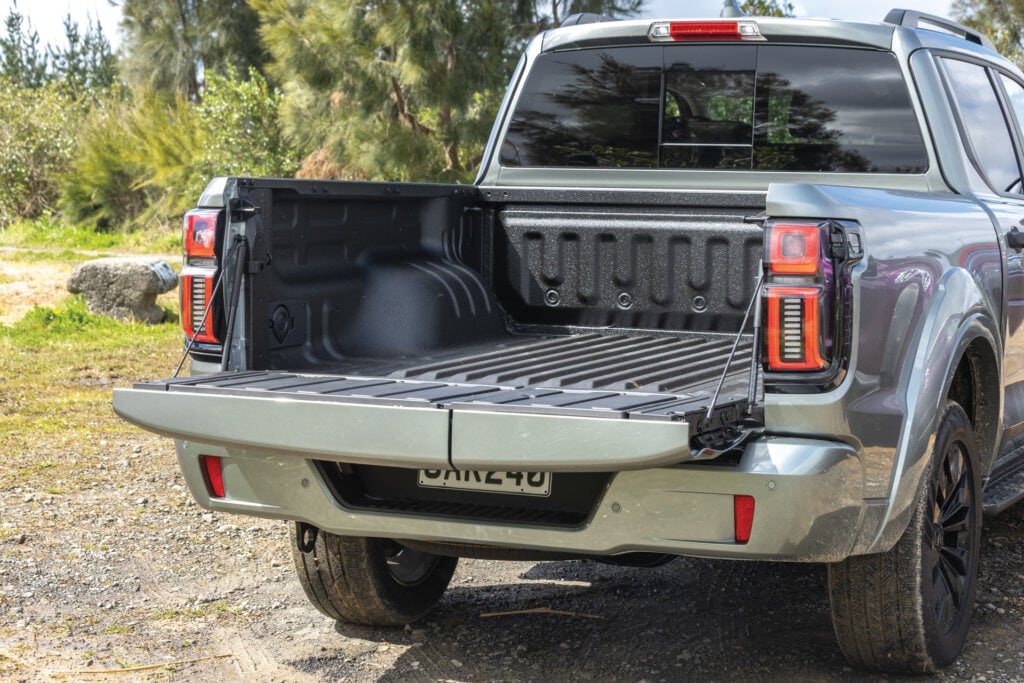
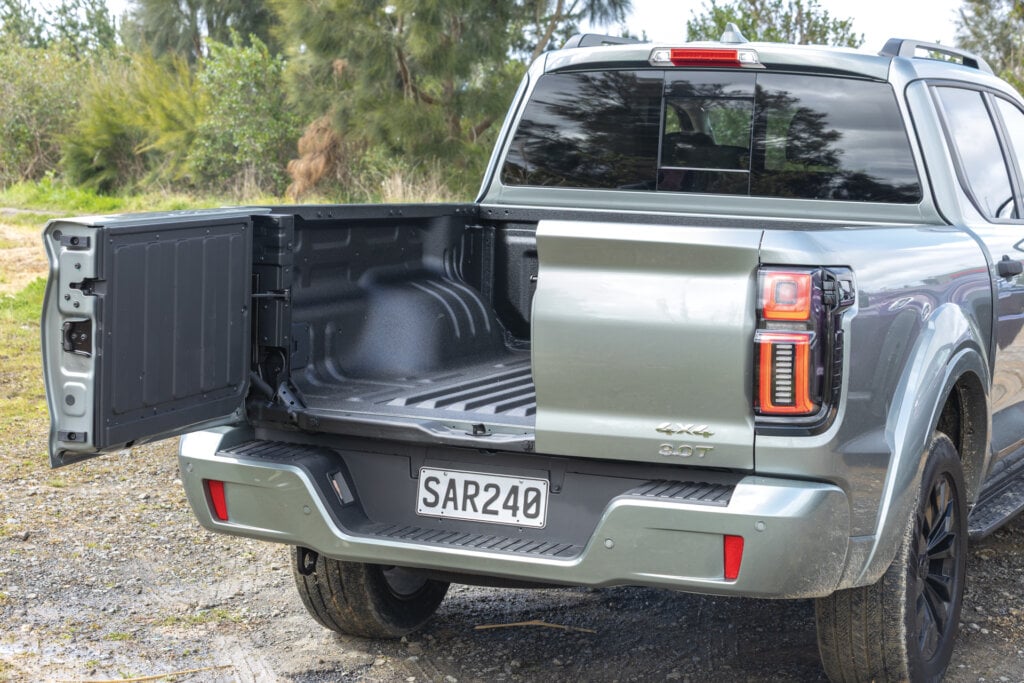
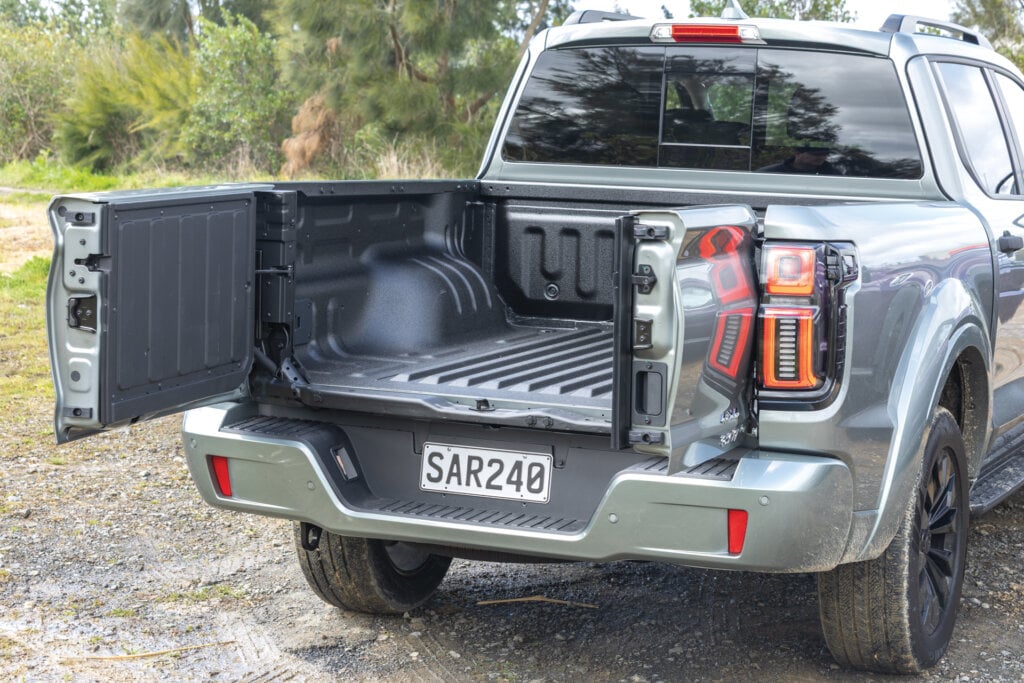
The split tailgate and tray power outlet add practical appeal. GWM has also revised steering, suspension and powertrain calibration for this part of the world. The claim is a better-rounded diesel Alpha, with the output and equipment to explain its sizeable price increase.
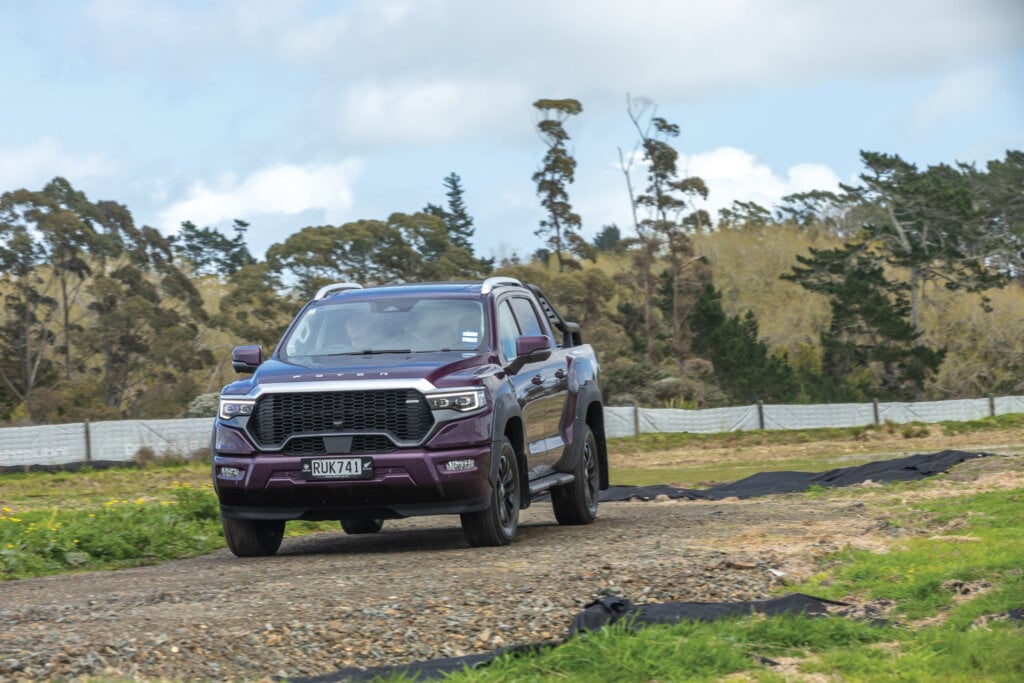
The V9
The Tunland V9-S asks $57,990 plus on-road costs, making it $14,000 cheaper than the Vanta before allowing for options. Its 2.0-litre four-cylinder turbodiesel has 48V mild-hybrid assistance, with outputs of 120kW and 450Nm. Transmission duties fall to a ZF eight-speed automatic.
It’s bigger again, stretching to 5617mm long and 2090mm wide, with a 3355mm wheelbase. Despite that footprint, its listed kerb weight is 2315kg. Payload is 995kg and braked towing capacity is 3500kg, so its working credentials compare favourably.
The V9 uses a coil-sprung solid rear axle, distinguishing it from the leaf-sprung V7. Four-wheel drive includes an automatic setting, alongside 2H, 4H and low range, plus front and rear differential locks. Ground clearance is 240mm.
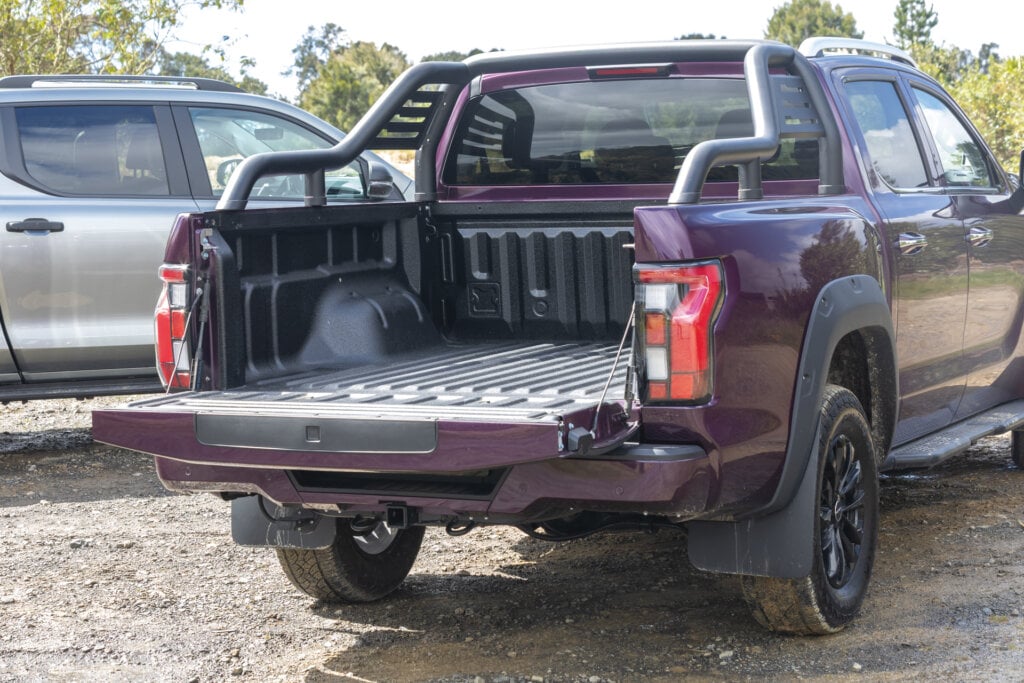
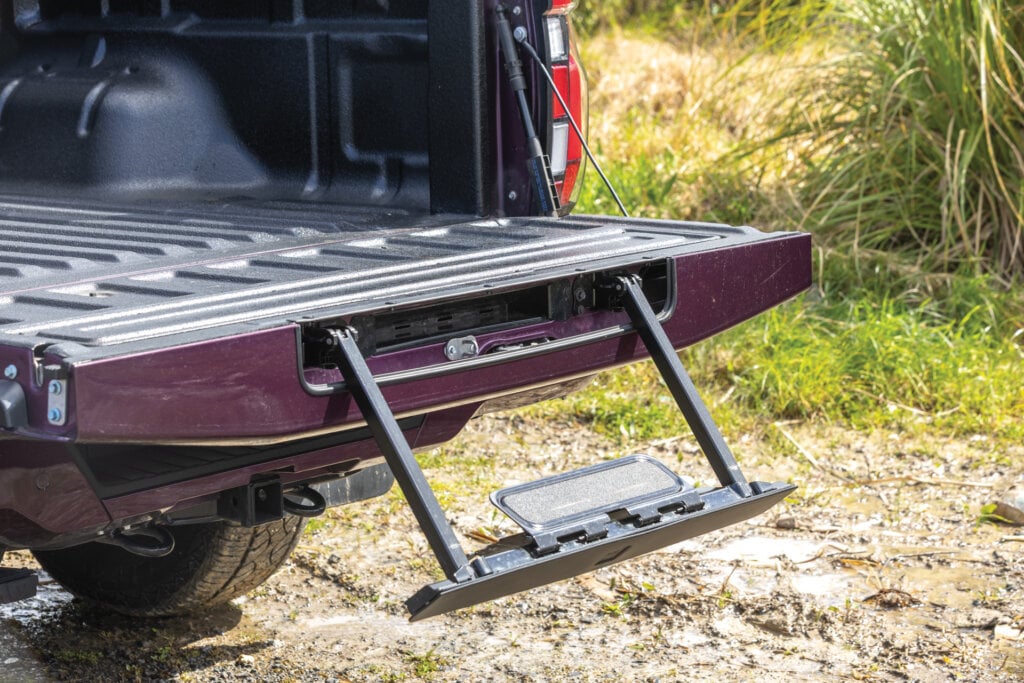
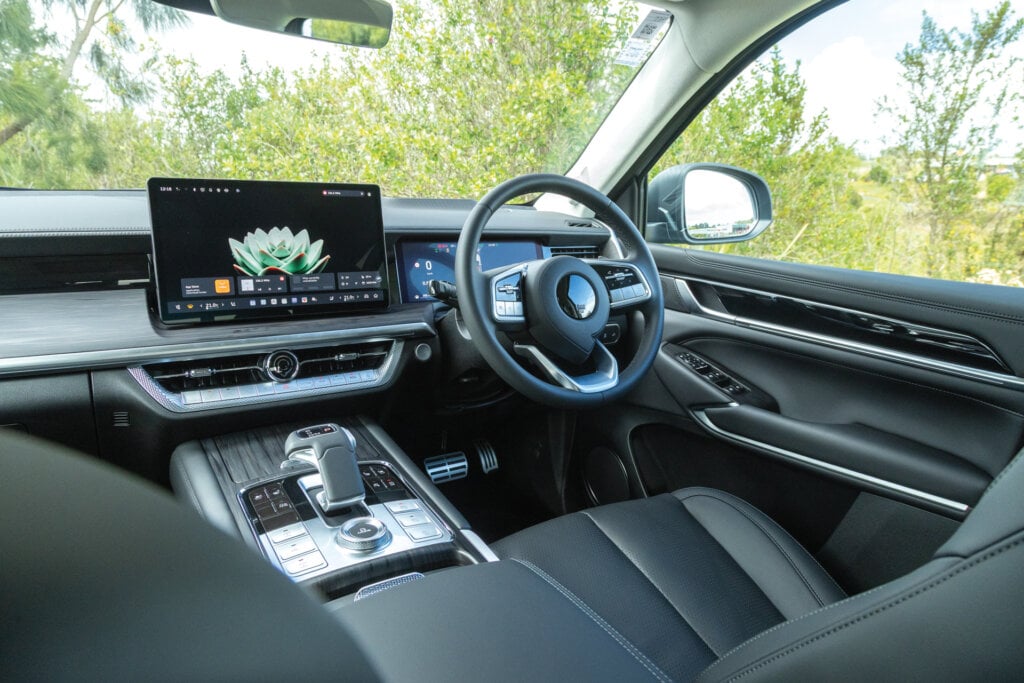
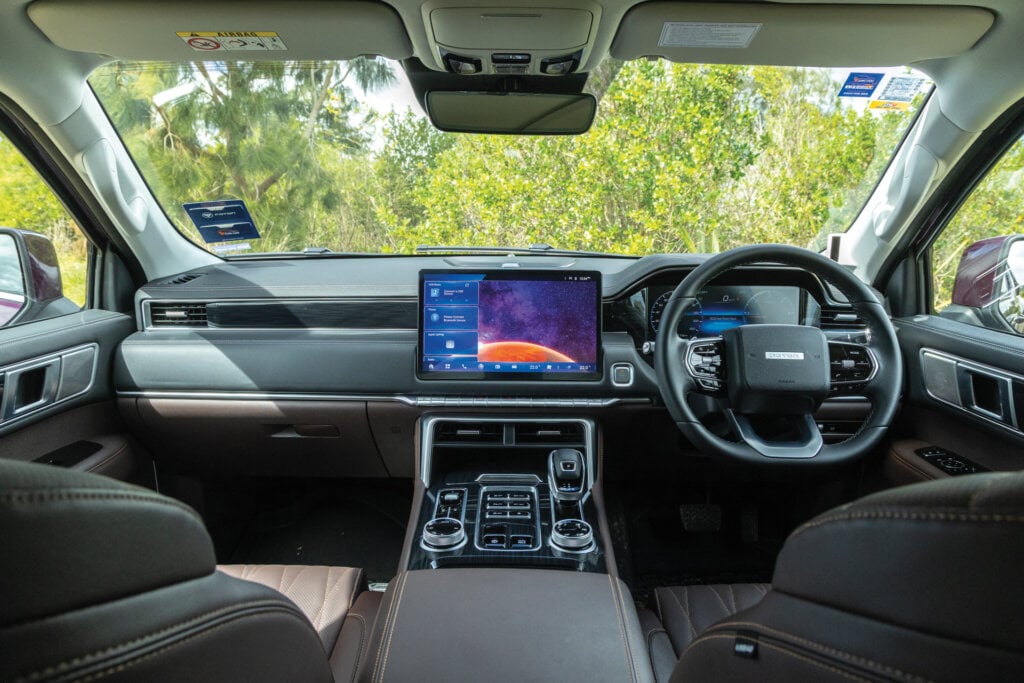
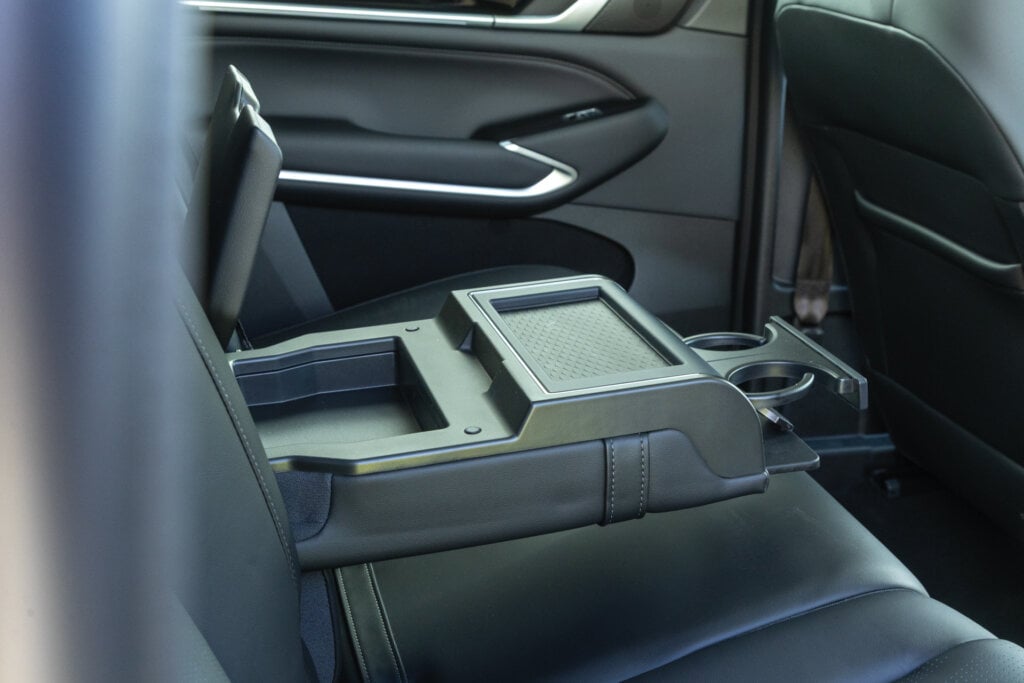
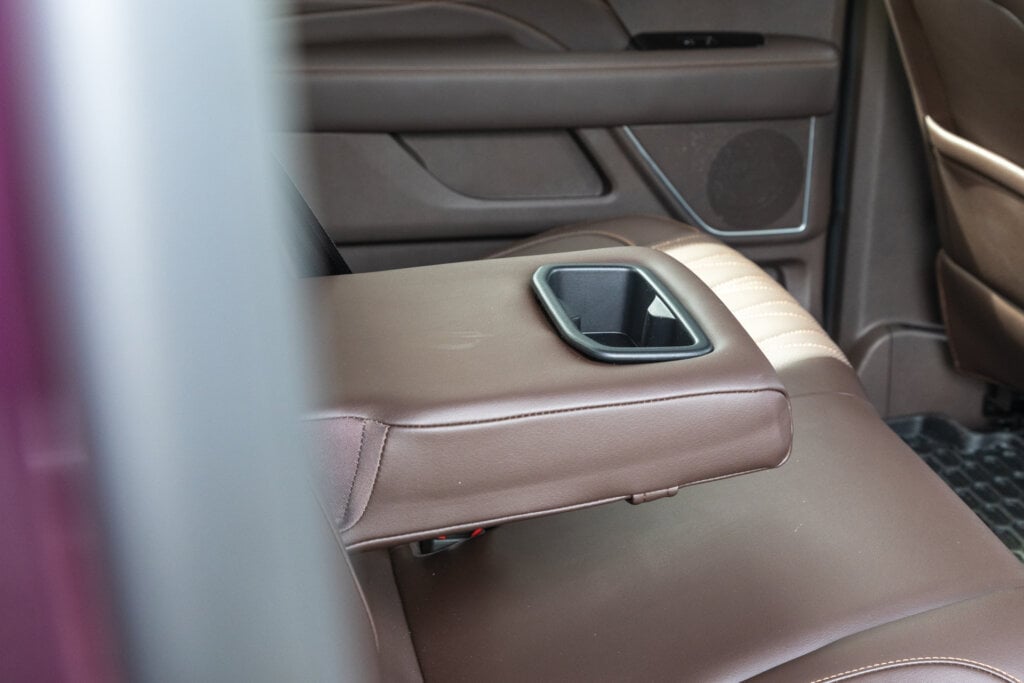
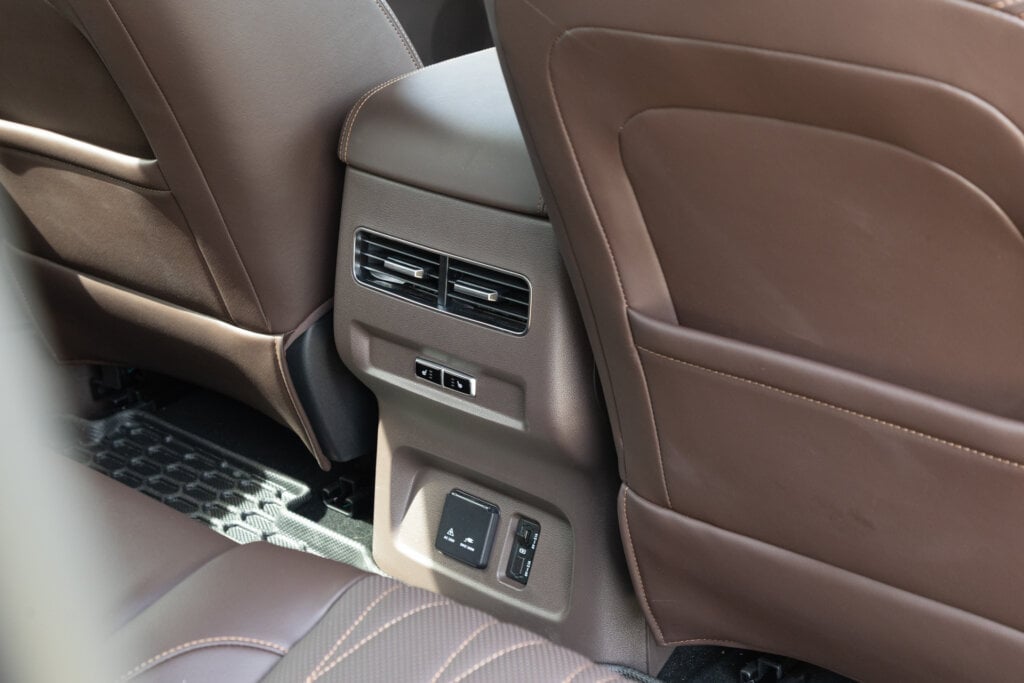
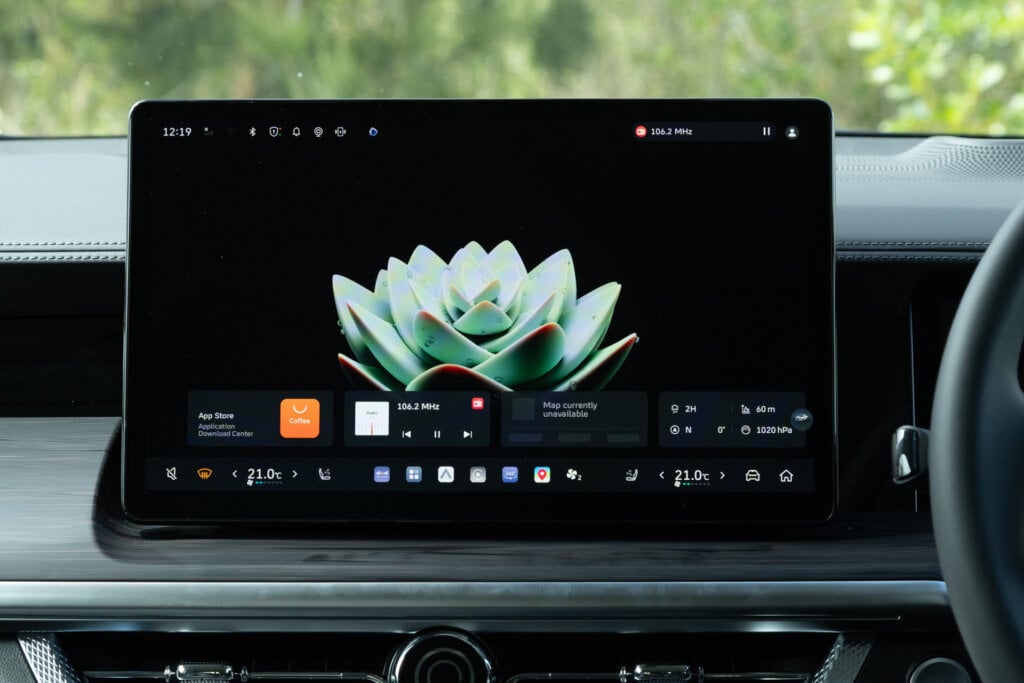
Equipment includes heated and ventilated power front seats, heated outer rear seats, a panoramic sunroof and dual-zone climate control. There’s a 14.6-inch infotainment screen, 12.3-inch driver display and surround-view camera. Our example’s optional brown synthetic leather gives the cabin a warmer, more upmarket look.
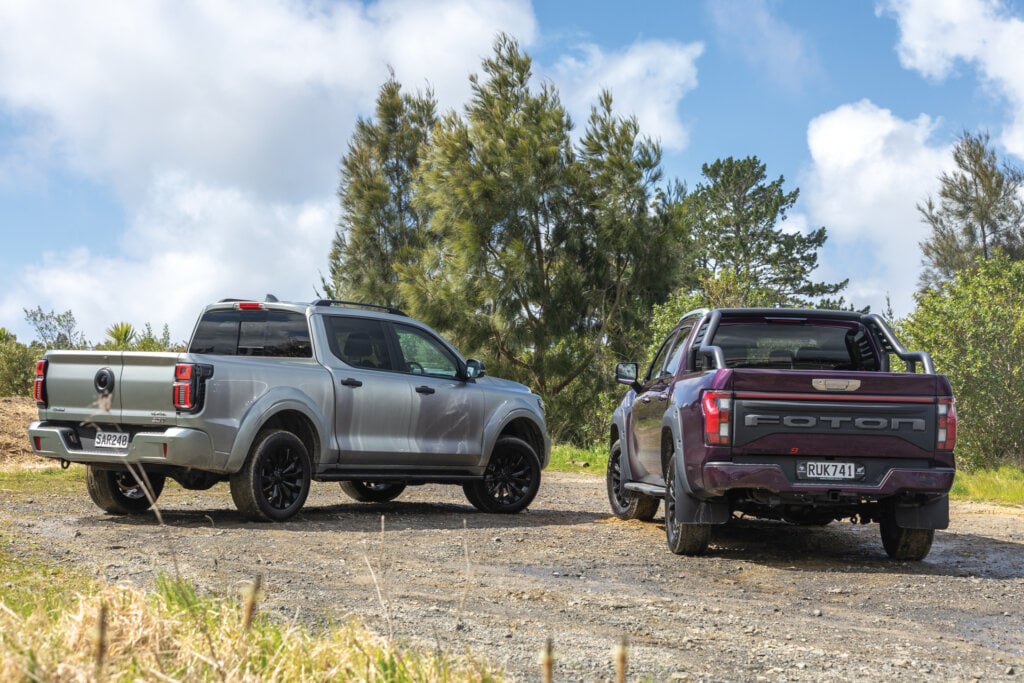
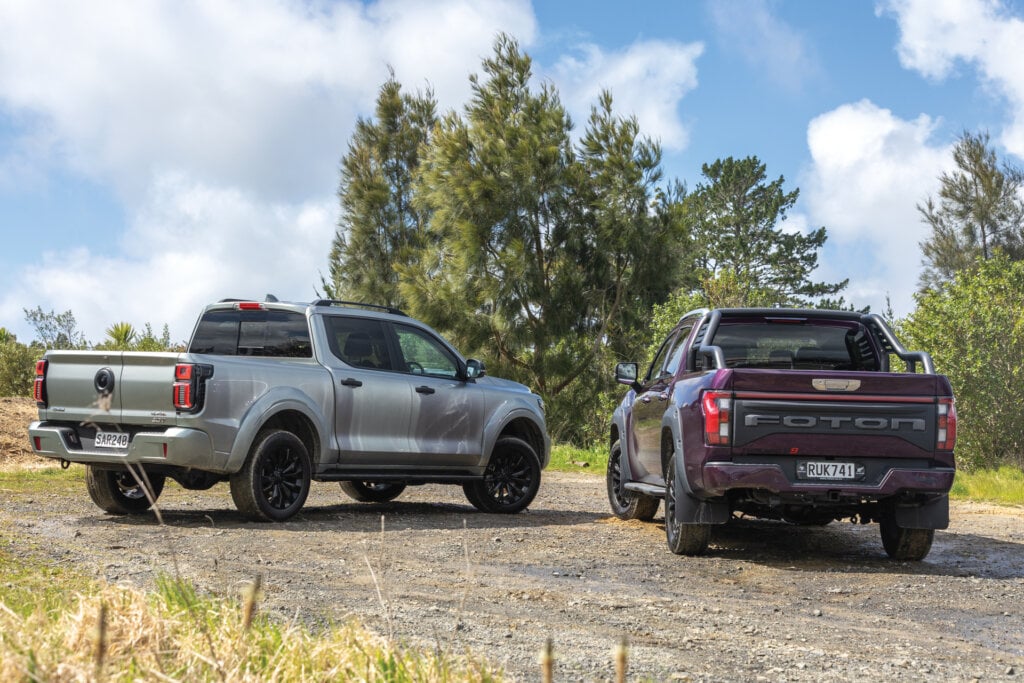
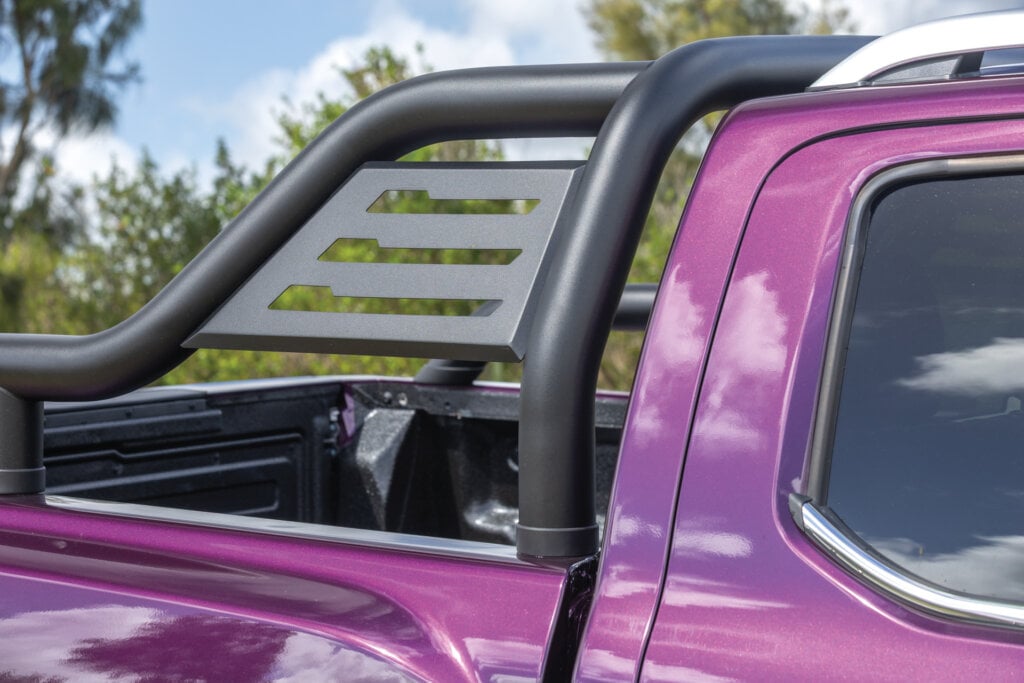
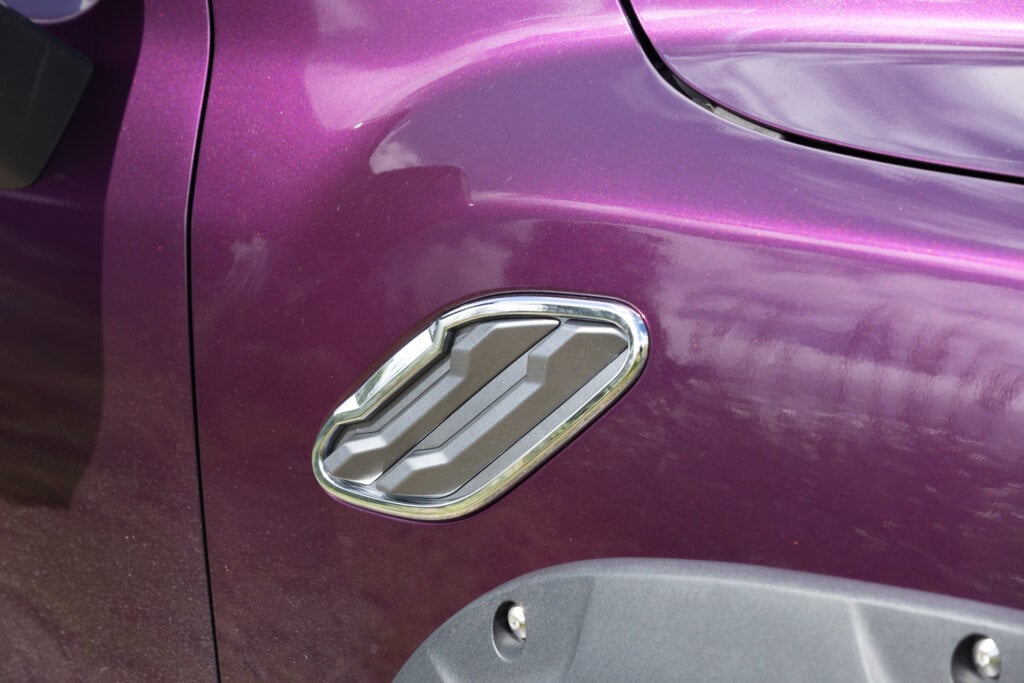
Foton quotes 8.1L/100km and provides a seven-year unlimited-kilometre warranty. The styling is less restrained than the Alpha’s, with a large grille, black wheelarch extensions, faux vents and a prominent sports bar. Subtle it isn’t, although the value is immediately apparent.
Room to move
The Alpha makes the stronger first impression inside. It’s nicely assembled, with most surfaces lined rather than left as bare plastic, and the overall presentation feels more convincing. The driver’s seat offers good comfort and adjustment, making it straightforward to find a sound driving position.
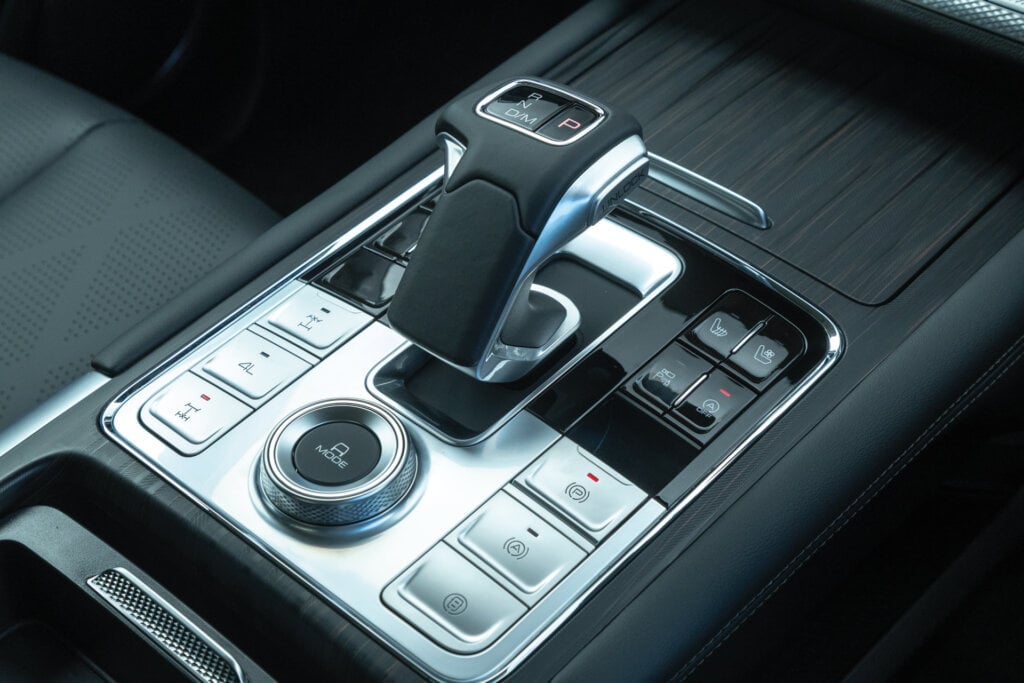
Foton hasn’t simply thrown a big screen into a work ute and called it luxury. The brown trim works surprisingly well. There are pleasingly upholstered areas and storage is generous. It looks flash alongside similarly priced one-tonners, although closer inspection reveals some materials that feel built to a budget. The centre console looks particularly vulnerable to scratches.
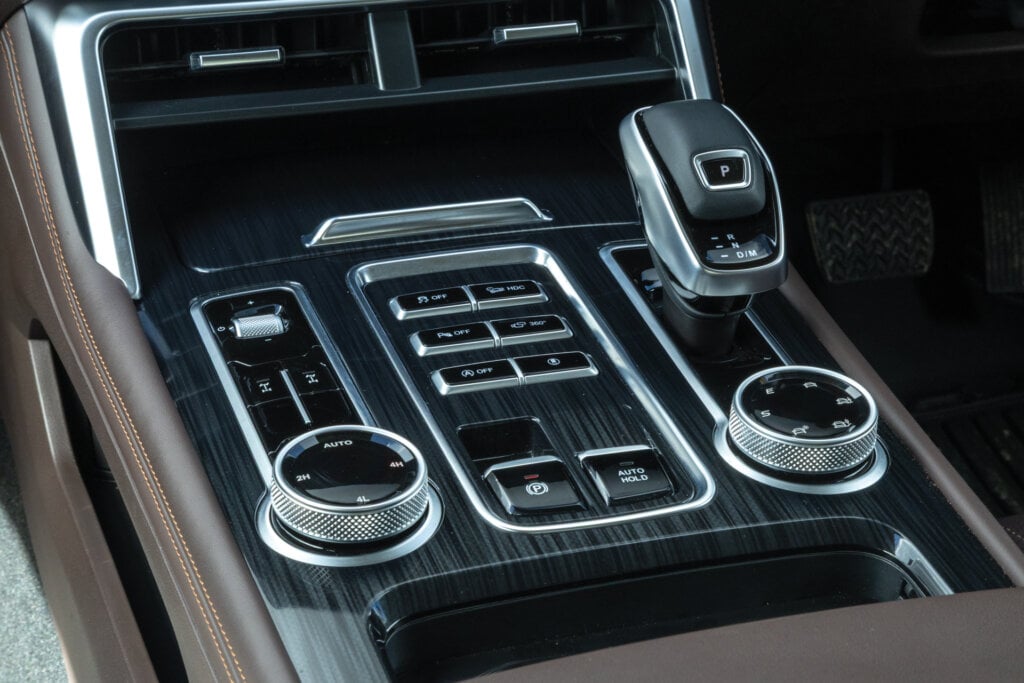
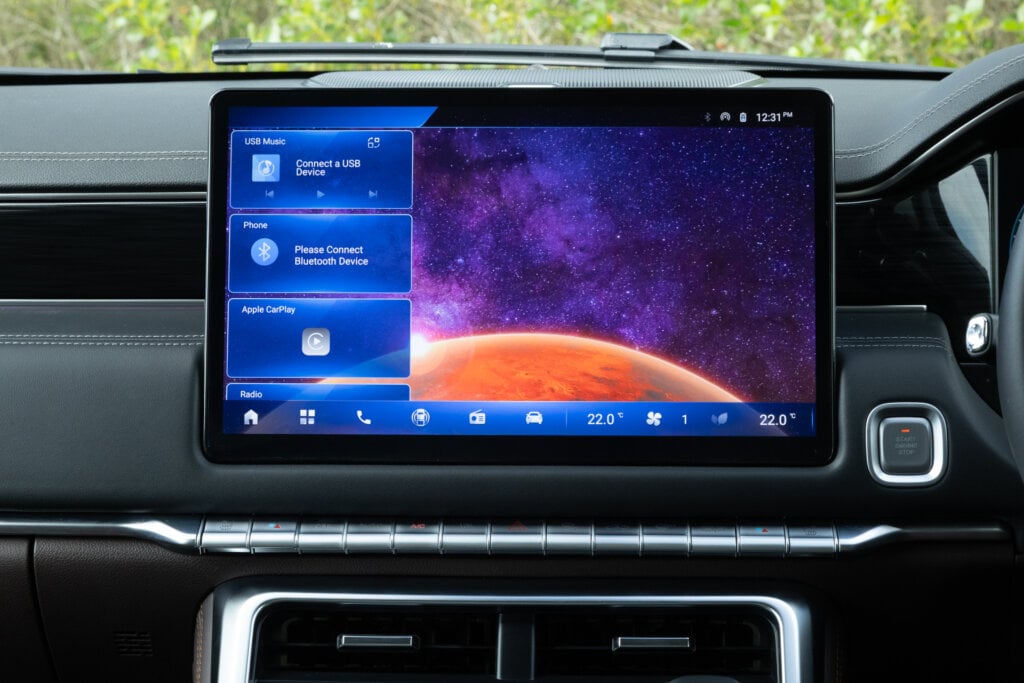
The screen is large, but the infotainment itself is basic. Apple CarPlay is available; Android Auto and built-in navigation aren’t. A few physical buttons help, and the radio operates without fuss. Less pleasing is the climate control, which makes finding a temperature between cold and hot harder than it should be. Our test vehicle also had intermittent problems with electric seat adjustment and remote locking.
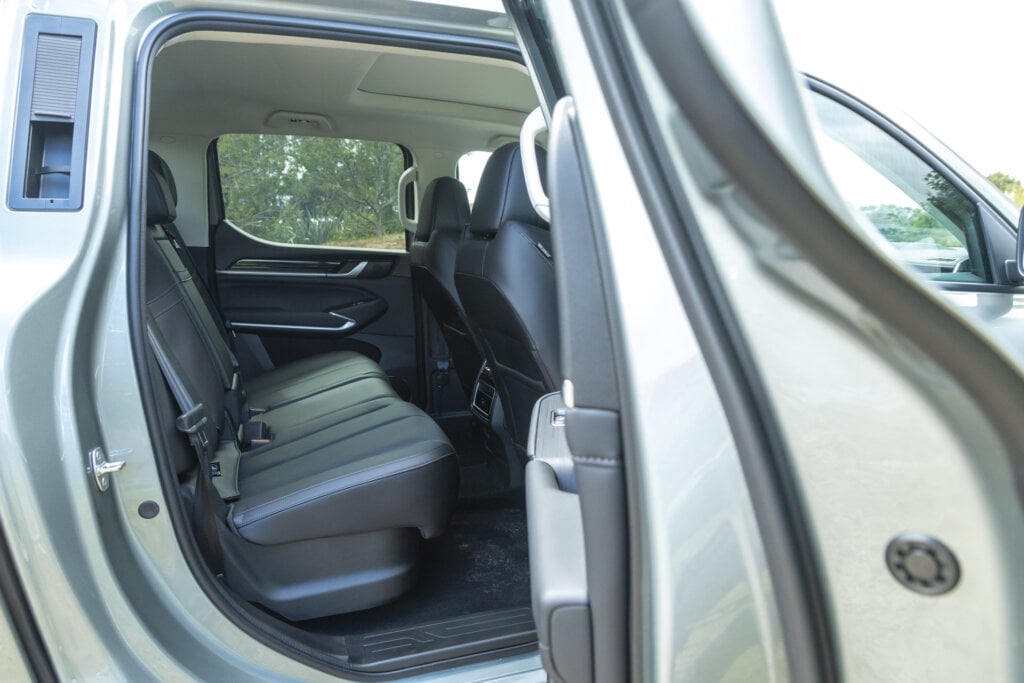
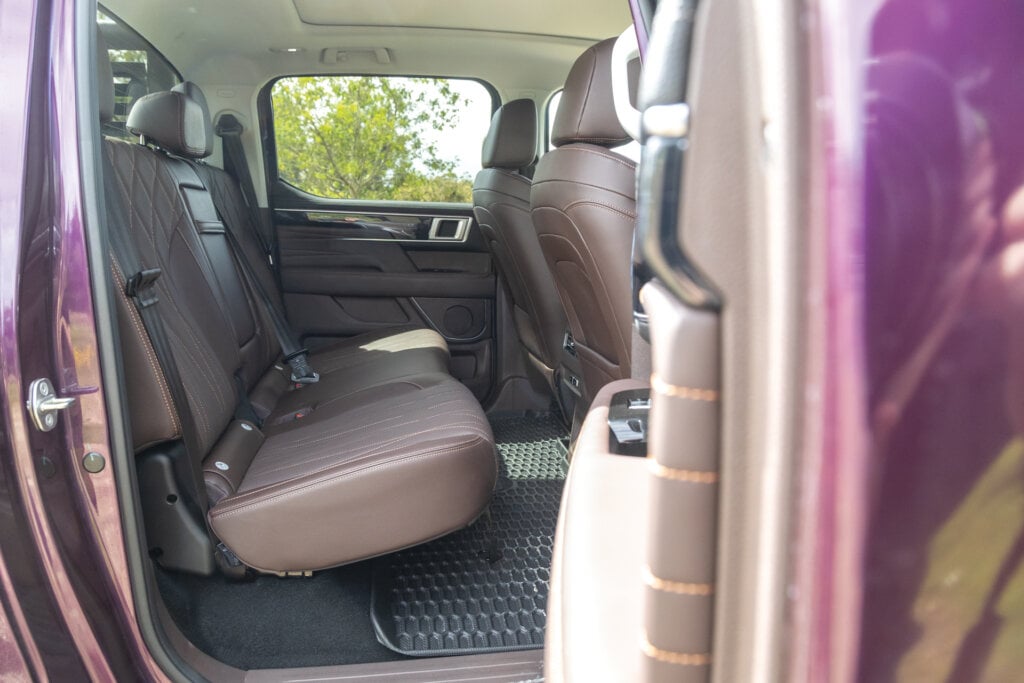
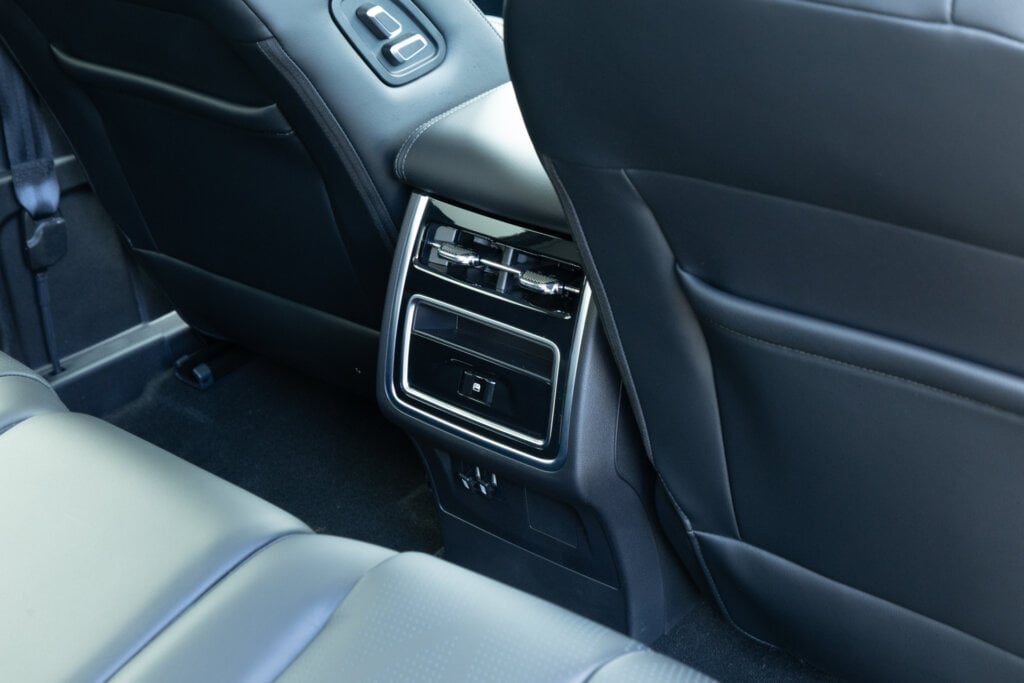
Rear passengers do well in either truck. Both offer generous knee room, flat floors and ISOFIX mounting points, while panoramic roofs prevent the cabins from feeling enclosed. The Tunland’s rear seat is fairly upright, but there’s plenty of space, heating for the outer positions and a 220V outlet. Its seat bases lift to make room for items better kept out of the tray.
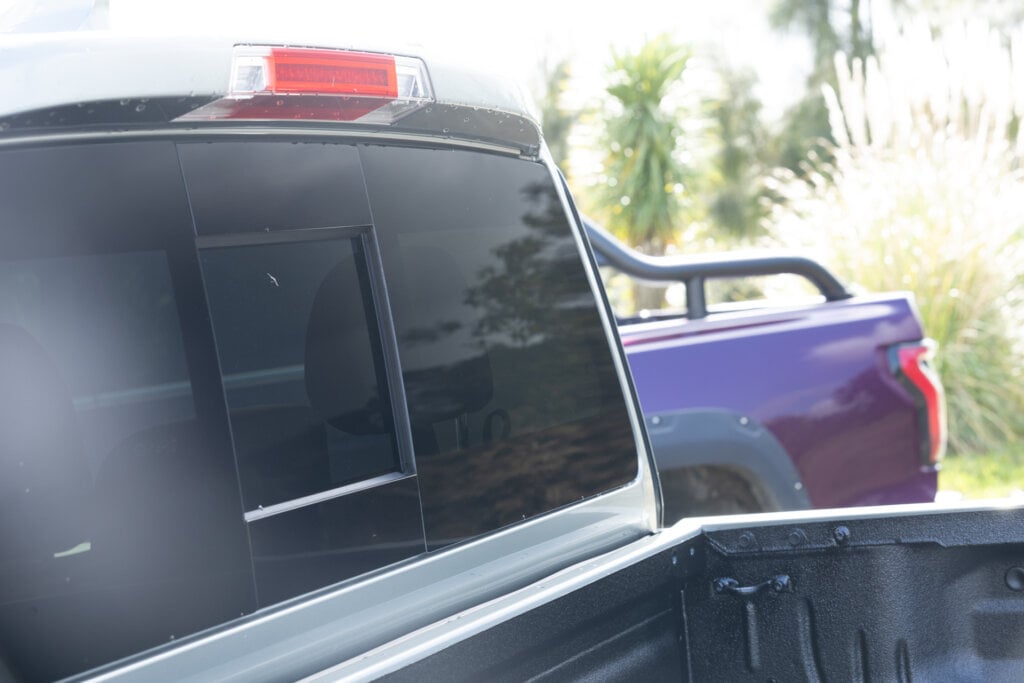
The Alpha is similarly accommodating, with a sliding rear window and the added comfort feature of rear-seat ventilation. Foton’s rear compartment is nicely finished too, so this isn’t an automatic GWM walkover.
Both have useful camera systems, essential when parking something this large. The Alpha’s clear picture and multiple views earn extra appreciation. Still, neither camera can shrink the dimensions. Thankfully, the steering is light, as parking these two requires three-point manoeuvres where an ordinary ute might get around in one. You get the extra passenger room, but you also carry the extra bulk everywhere you go.
Doing ute things
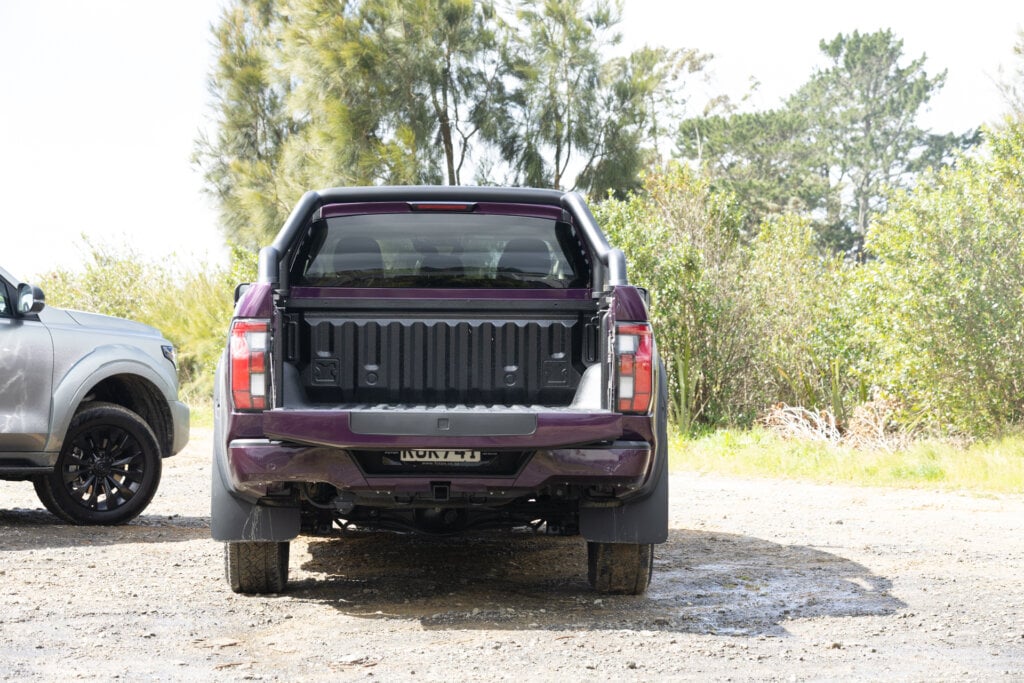
The Tunland has the more accommodating tray by our measurements. Both offer 1380mm across the tailgate opening, but the Foton provides 1250mm between the wheelarches against the Alpha’s 1130mm. Usable length is about 1580mm in the Tunland and 1520mm in the GWM.
Both have spray-in liners and four tie-down points, although the Foton’s sports bar interferes with access from the side. Its tray is also higher off the ground, adding effort when lifting things over the side. The Alpha lacks a tray step, which would make loading easier.
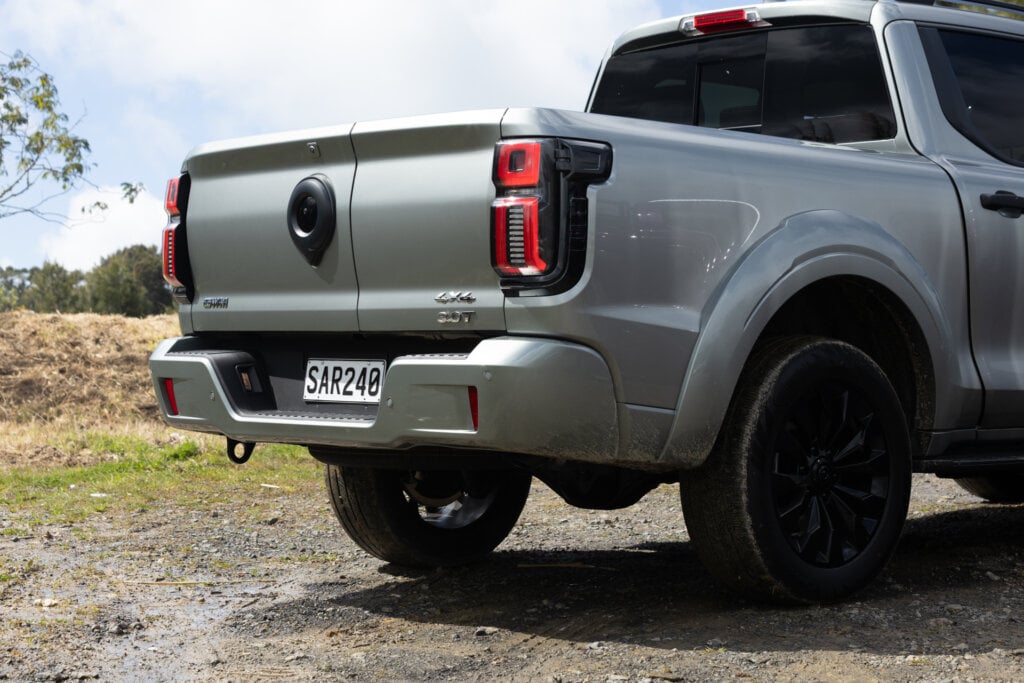
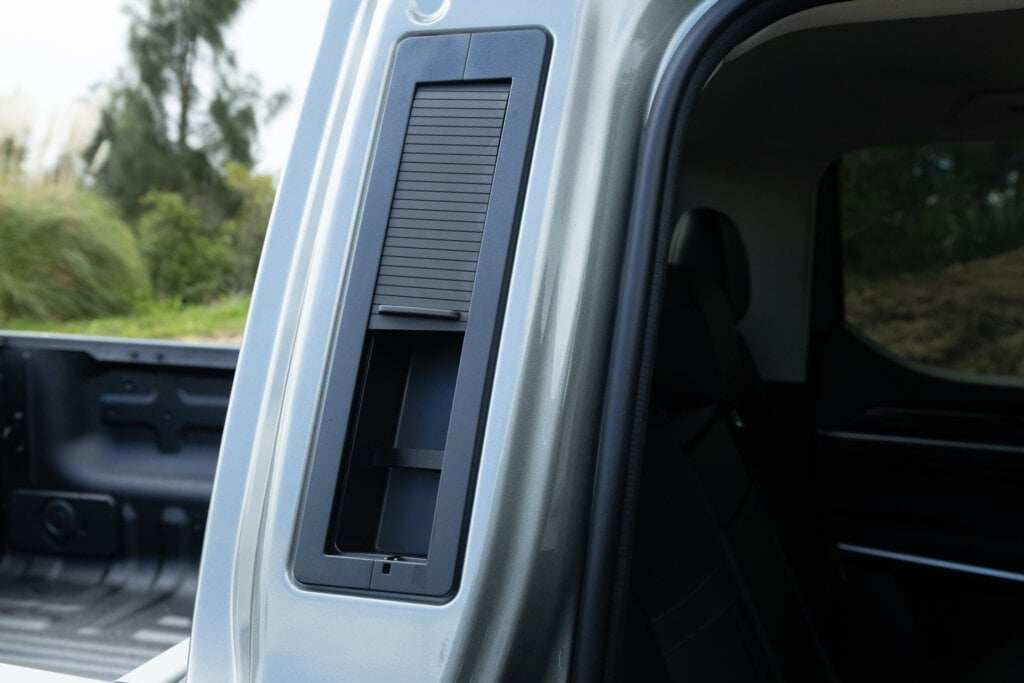
GWM counters with its clever tailgate. It drops conventionally or opens in a 60/40 split, like barn doors, allowing forklift loading. Both tailgates have assistance, and the Alpha adds a power outlet in the tray.
The Foton’s 995kg payload edges the GWM’s 945kg, although either figure must cover occupants, accessories and cargo. Both quote 3500kg braked towing.
We haven’t towed with the Tunland, so won’t pretend otherwise. Its response with passengers aboard suggests a heavy trailer would ask plenty of the small diesel. The Alpha’s stronger engine and integrated brake controller make a more convincing starting point for regular towing duties.
On the road
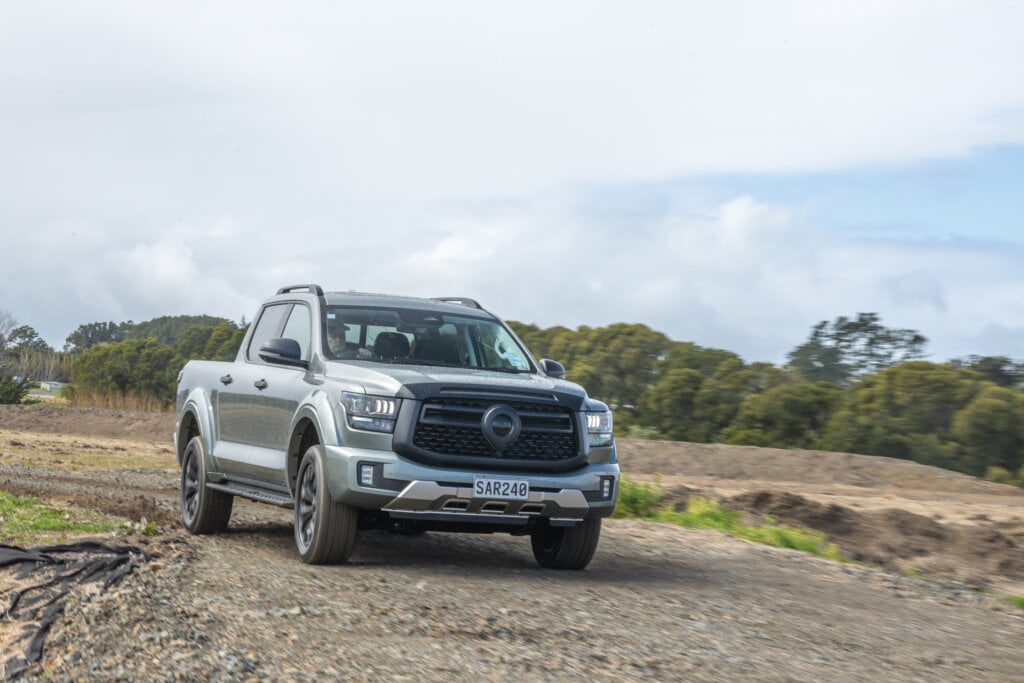
The Alpha’s new diesel is the biggest reason to spend more. Chasing headline outputs can compromise everyday response, but this engine pulls cleanly from idle and keeps turbo lag to a minimum. A low first gear helps it move away positively.
Then the mid-range arrives. The 620Nm does the heavy lifting, giving the big GWM an easy surge without requiring lots of revs. It’s a slugger rather than a revver: even with the throttle pinned, the gearbox changes before 3800rpm.
The nine-speed likes to reach a high gear quickly. Fortunately, the engine can pull it, while a firmer prod encourages a downshift. Changes and kickdowns aren’t especially snappy, though, and the transmission contributes to the measured 10.2-second run to 100km/h. A Ranger V6 manages 8.4 seconds, so extra torque doesn’t automatically mean extra pace.
Refinement is reasonable, with occasional vibration and more noise when worked hard. For ordinary driving, the useful torque spread matters more than the stopwatch.
The Foton’s engine is responsive enough, but its 450Nm has a lot of truck to move. It goes, just without the Alpha’s reserve of pull. Its 0–100km/h time of 14.1 seconds tells the story. The eight-speed shifts smoothly in relaxed driving and responds to a decisive kickdown, yet can hesitate during stop-start progress, leaving you waiting for everything to agree.
Neither ute rides particularly well. Coil springs suggest promise, but the Tunland remains jiggly. Its front end transmits too many bumps and continues to patter on the open road. Bigger hits shake the cabin. The Alpha also has an unloaded ute’s rear-end jiggle, perhaps reflecting its increased payload rating. However, the front suspension deals with imperfections better, and the whole vehicle feels more composed.
Neither offers much steering feel. The Tunland stays stable, with limited roll, although it pushes at the front and feels lifeless even in Sport. The Alpha’s long wheelbase helps stability too, with manageable body movement.
Foton scores for its automatic four-wheel-drive setting, which sorts traction without constant driver intervention. The Alpha lacks that option; its locked 4H setting is recommended only on loose surfaces.
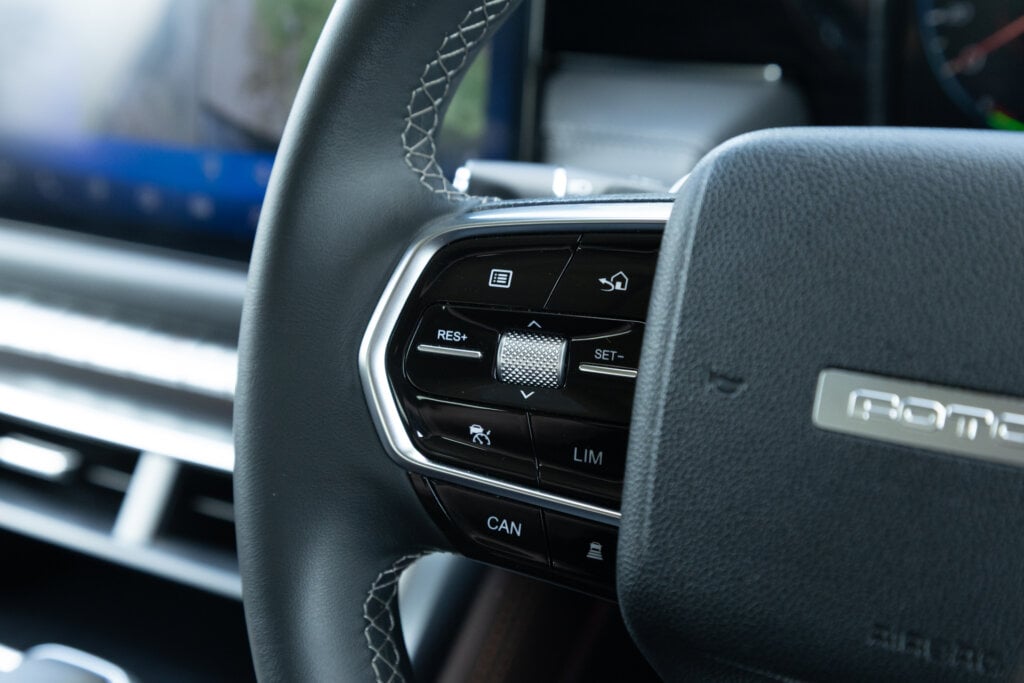
Driver assistance needs further polishing in both. GWM’s lane keeping can wrestle the wheel, while the Foton produces intrusive alerts and insistent lane centring. Its adaptive cruise also applies the brakes with an unpleasant graunch.
Fuel use gives the Tunland a clear advantage on this outing, returning around 9L/100km against roughly 12L/100km for the Alpha.
Worth the extra
The Tunland makes a strong argument when you’re perusing the brochure. It’s roomy, well equipped, the specs stack up and it asks substantially less money. Its fuel use was also encouraging. For buyers measuring value by size and features, this is attractive.
However, the driving experience doesn’t deliver. The engine lacks reserve, the suspension needs better control and some cabin functions weren’t consistently cooperative.
The Alpha isn’t perfect either. Its steering is uninspiring, lane keeping is overbearing and the absence of an automatic four-wheel-drive mode is frustrating. It’s also rather thirsty. But the new 3.0-litre makes this a much more convincing truck, and the cabin also delivers the luxury its specification promises.
An extra $14,000 is not chump change, yet here it buys the better truck. If these are the two on your shortlist, stretch to the GWM.
GWM Cannon Alpha Vanta 3.0 diesel
$71,990 / 8.4L/100km / 221g/km
0-100 km/h 10.15s
80-120 km/h 7.30s (209m)
100-0 km/h 39.95m
Speedo error 96 at an indicated 100km/h
Ambient cabin noise 70.9dB@100km/h
Engine 2994cc / IL4 / TDI
Max power 170kW@3200rpm
Max torque 620Nm@1400-2400rpm
Drivetrain 9-speed auto / switchable 4×4
Front suspension Wishbones / swaybar
Rear suspension Solid axle / leaf springs
Turning circle 13.0m (3.4 turns)
Front brakes Ventilated discs
Rear brakes Ventilated discs
Stability systems ABS, ESP
Safety AEB, ACC, BSM, LDW, RCTA, ALK, AHB
Tyre size f/r-265/55R19
Wheelbase 3350mm
L/W/H 5445 / 1991 / 1924mm
Track f-1635mm r-1635mm
Fuel capacity 78L
Payload 945kg
Tow rating 750kg (3500kg Braked)
Service intervals 12 months / 15,000km
Warranty 7yrs / unlimited km
ANCAP rating ★★★★★ (2024)
Weight (claimed) 2550kg
Foton Tunland V9-S 4WD
$57,990 / 8.1L/100km / 210g/km
0-100 km/h 14.10s
80-120 km/h 11.92s (342m)
100-0 km/h 44.2m
Speedo error 97 at an indicated 100km/h
Ambient cabin noise 70.1dB@100km/h
Engine 1968cc / IL4 / TDI
Max power 120kW@3600rpm
Max torque 450Nm@1500-2400rpm
Drivetrain 8-speed auto / switchable 4×4
Front suspension Wishbones / swaybar
Rear suspension Solid axle / swaybar
Turning circle 13.5m (3.5 turns)
Front brakes Ventilated discs
Rear brakes Ventilated discs
Stability systems ABS, ESP
Safety AEB, ACC, BSM, LDW, RCTA, ALK, AHB
Tyre size f/r-265/70R18
Wheelbase 3355mm
L/W/H 5617 / 2090 / 1955mm
Trackf-1700mm r-1700mm
Fuel capacity 76L
Payload 995kg
Tow rating 750kg (3500kg Braked)
Service intervals 12 months / 15,000km
Warranty 7yrs / unlimited km
ANCAP rating Not rated
Weight (claimed) 2315kg