View all
11 more images
2026 Smart #5 BRABUS Review
Words: Kyle Cassidy | Photos: Alex Schultz
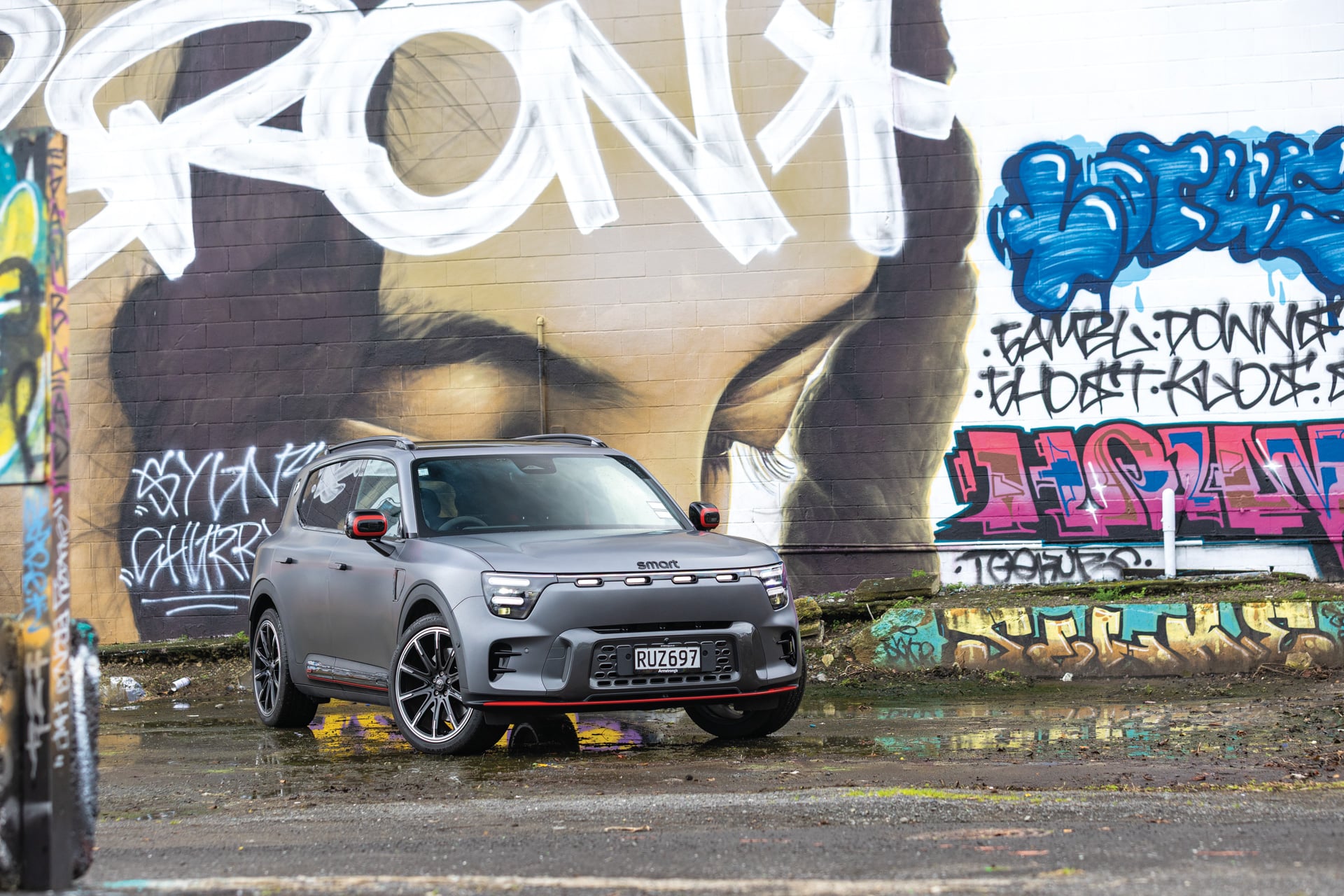
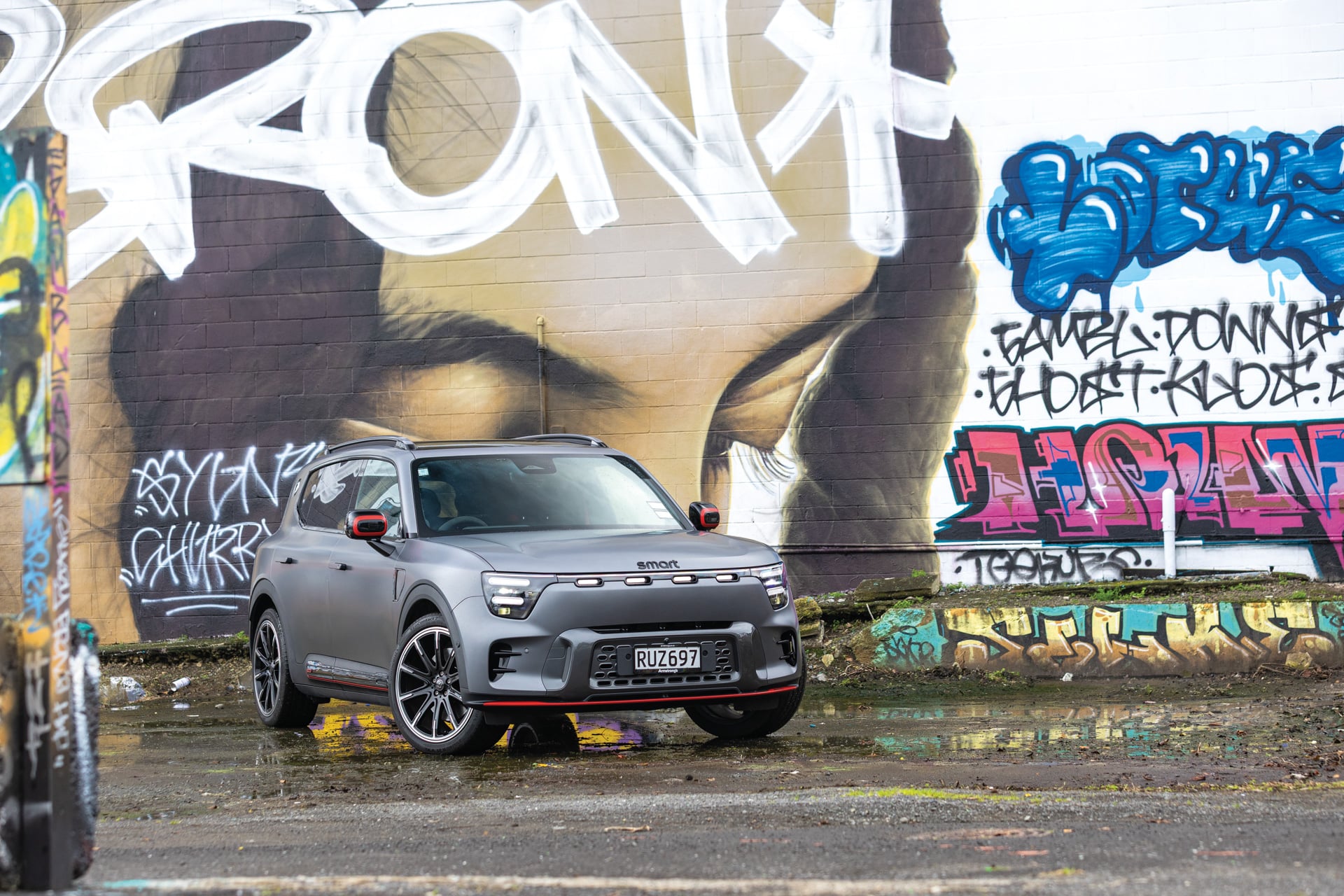
The #5 is the biggest smart ever, but it’s not actually that big. And that’s a good thing, as it arrives in the most popular segment, meaning this one will appeal to more people. So is it a smart buy?
Smart is back, in case you missed it, although its reintroduction hasn’t gone off with a bang. Its first offerings, #1 (that’s hashtag one, FYI) and #3 haven’t exactly flown out of the showroom, just 35 new smarts registered so far. However, the arrival of the #5 might help kick things along.
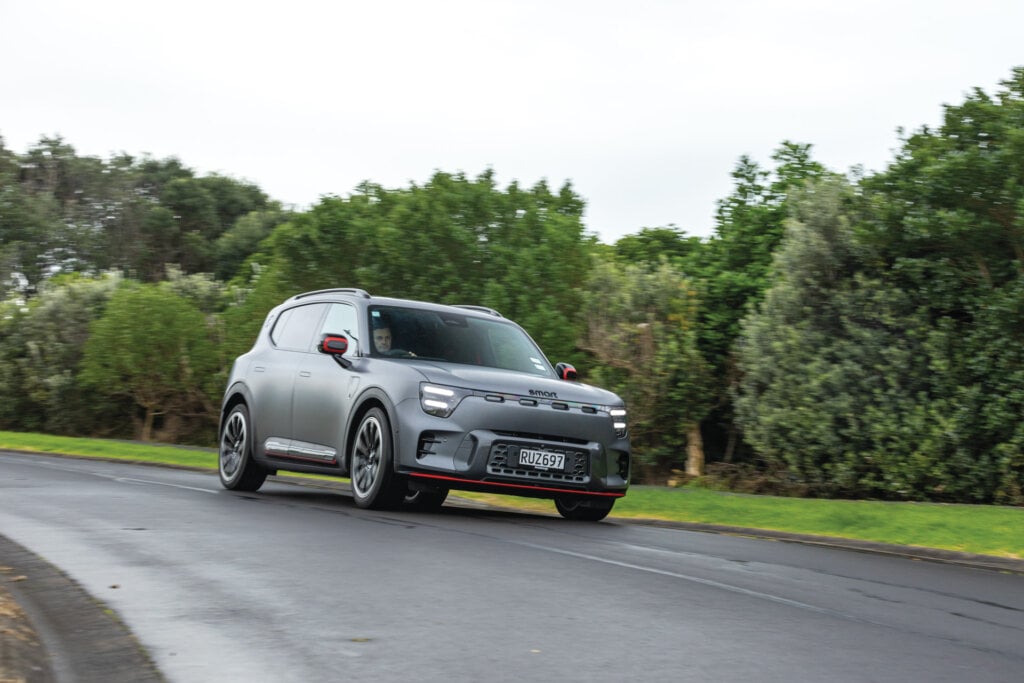
For a start it’s a bit bigger, so more practical. They call it the ‘largest and most capable smart model to date’, with a ‘clear focus on premium quality, innovation, safety and usability’. While the #5 is big for a smart, it’s not huge in the scheme of things at 4.7m long; it’s more medium-sized. That’s a positive, given it’s the most popular sort here among buyers, potentially putting smart on the radar for more people.
A smart range
Things kick off with the Pro+ at $79,990. That gets you a single-motor rear driver, with a healthy 267kW of power. With a 100kWh battery (NMC, 94kWh usable) it has a range of 540km. With its 800v architecture, it’s future-proofed with its 400kW DC charge rate while the 22kW AC is handy too. EV aficionados will like that it has a 72L frunk and a 3.3kW V2L function. Stepping up to $89,990 Premium gets you more kit, and an additional 50km between fills thanks to a heat pump system.
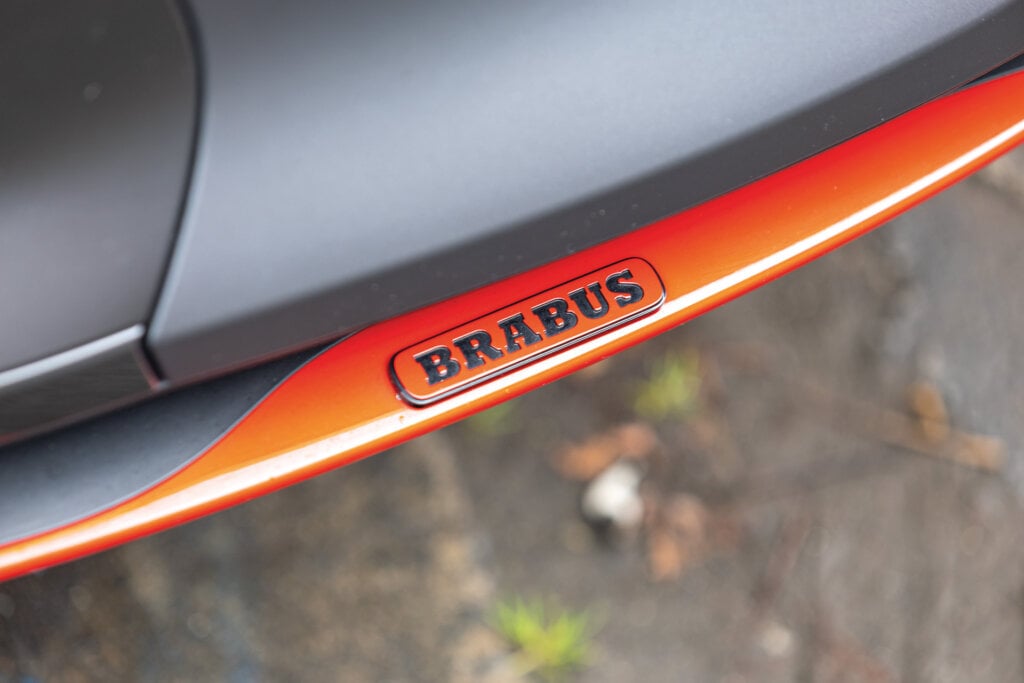
Then there is the Brabus, which smart NZ says is where the interest is initially. It asks $99,990 which gets you a twin-motor, AWD set up with 475kW of power, while range is still a useful 540km. There’s also a five star Euro NCAP rating, the smart #5 being the safest large SUV the organisation tested in 2025.
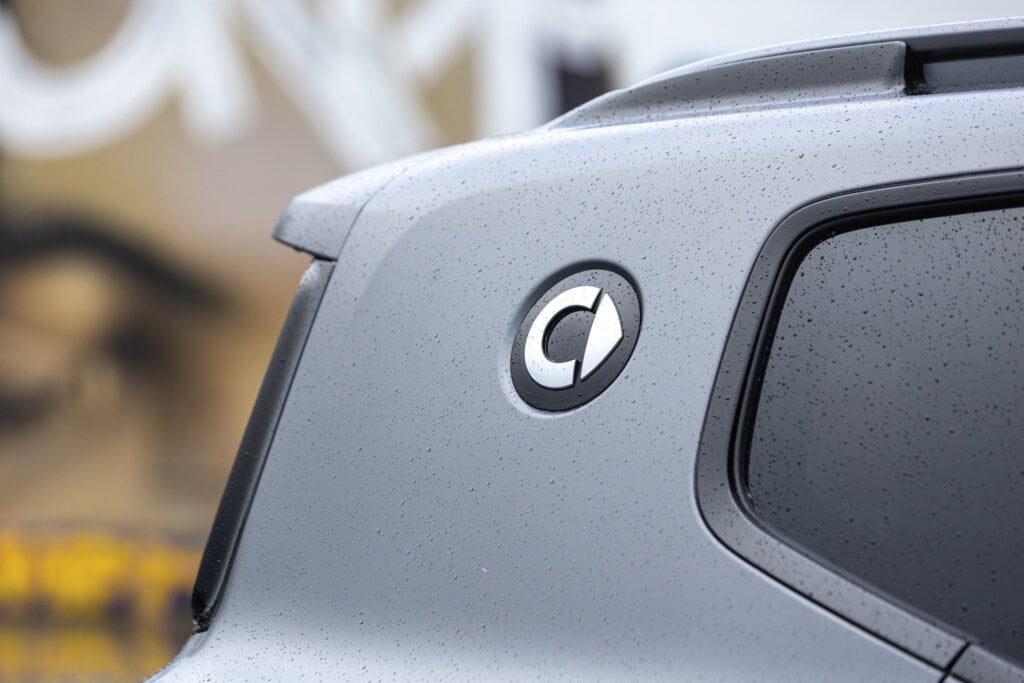
As to equipment levels, the Pro+ gets a panoramic glass roof, powered tailgate, 360 degree camera and parking assistant, faux leather trim for the heated, powered seats, ambient lighting, dual zone air, a 13-inch screen and a 10-inch driver display, CarPlay and Android Auto. The Premium adds matrix headlights, privacy glass, leather trim, heated rear seats, the heat pump system, ventilation for the front seats, head-up display and a 13-inch screen in front of the passenger. There’s also a booming 20-speaker Sennheiser sound system.
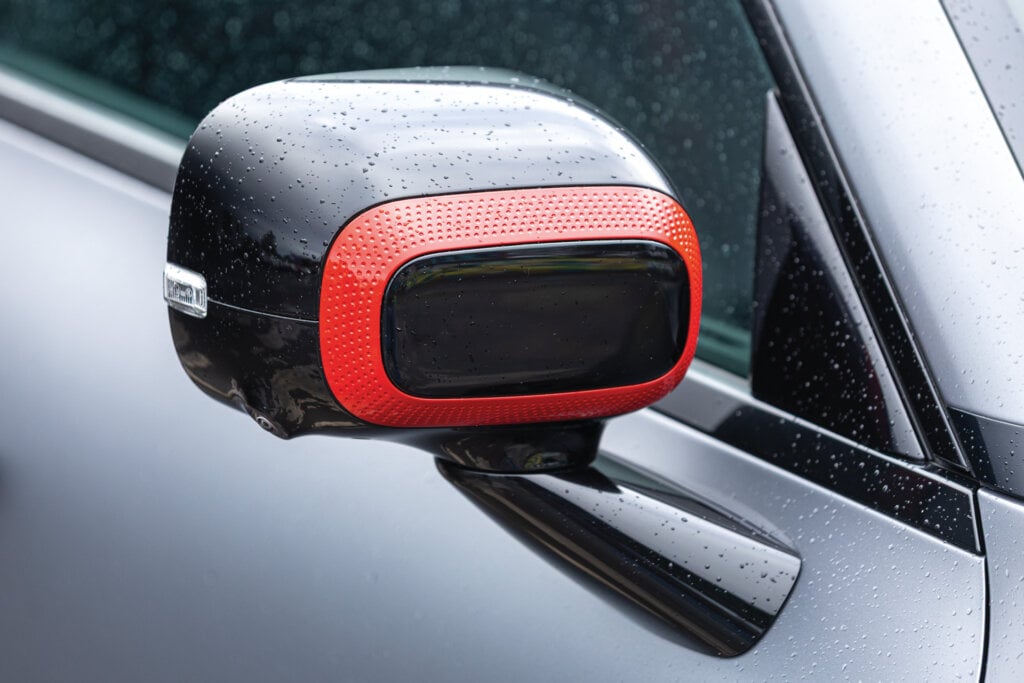
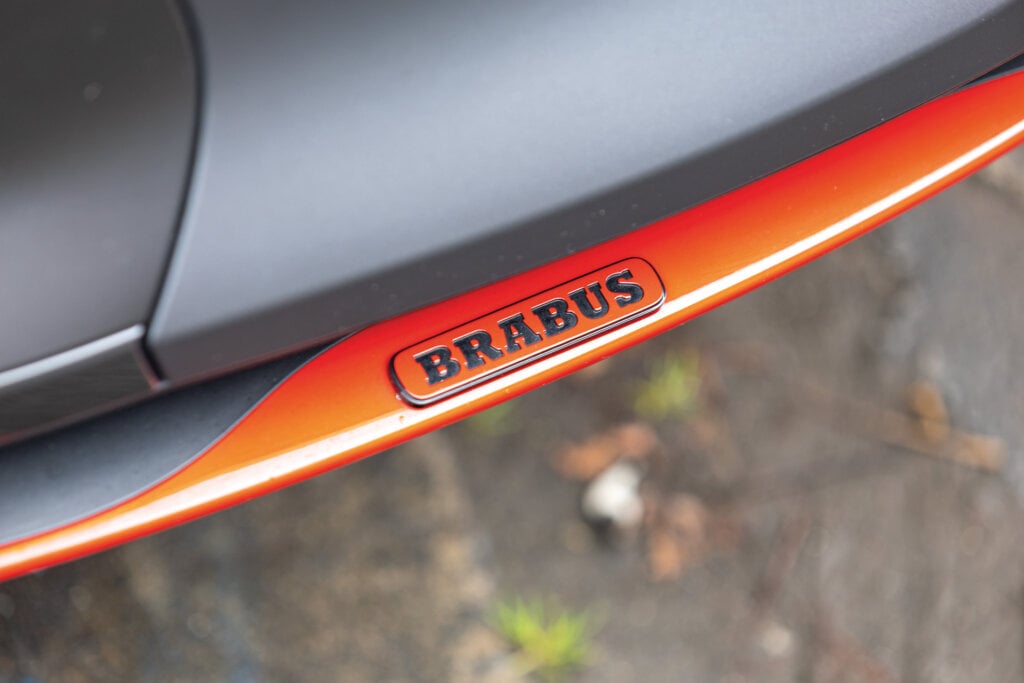
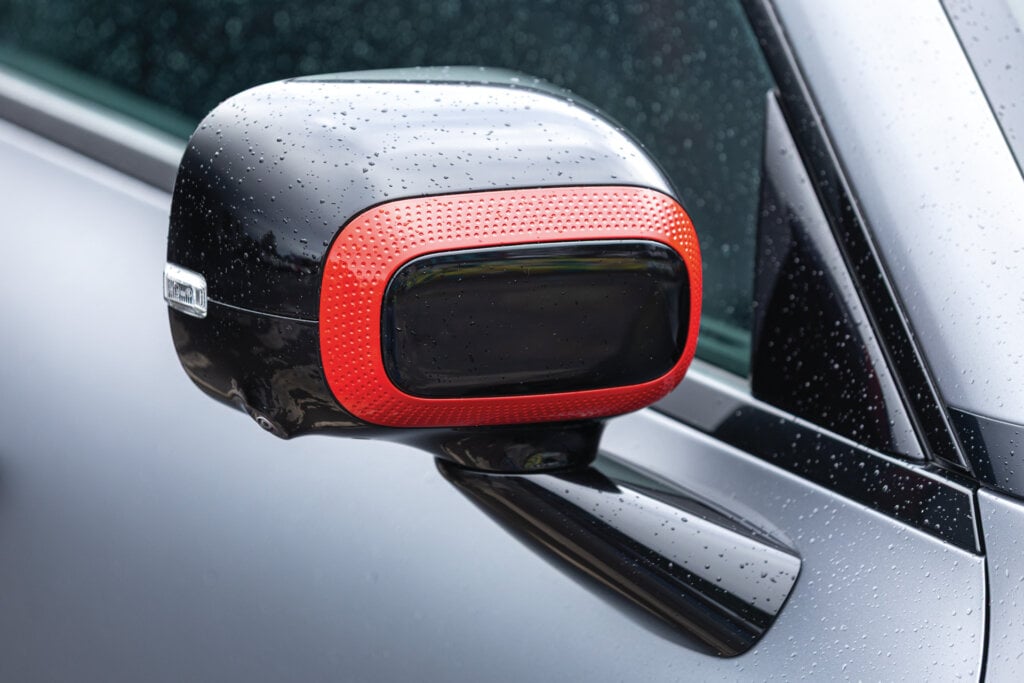
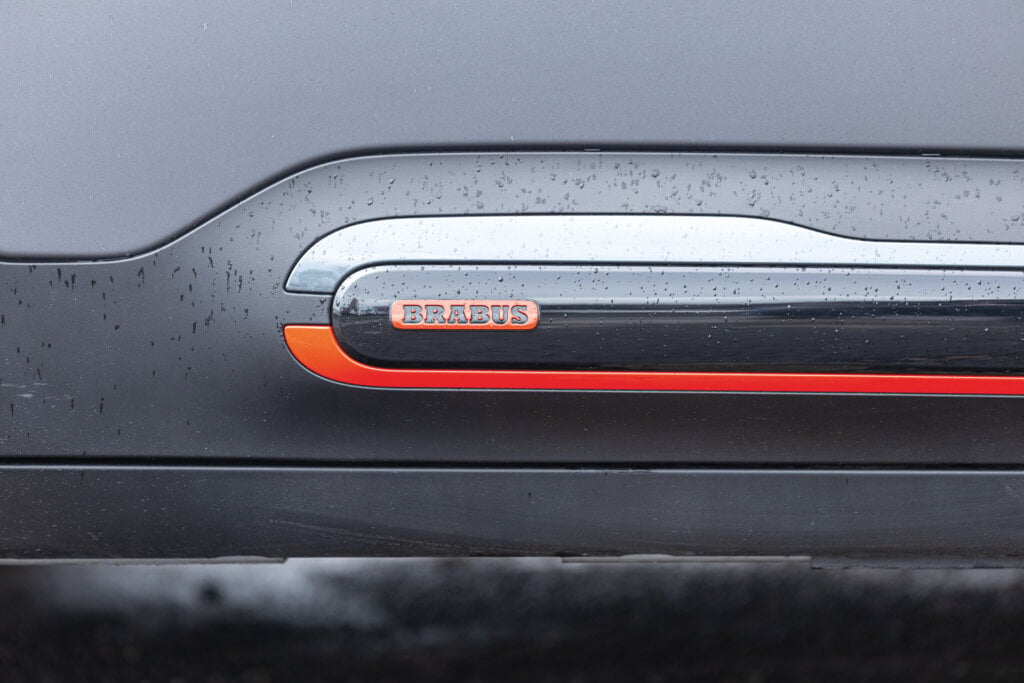
For buyers of the Brabus, there’s the power up, the Brabus styling kit, and Alcantara and Dinamica trimmings in the cabin. And simulated engine sounds, which are kind of naff, so we turned them off.
Smart drive
We found this to be one of the easier cars to drive of those originating from China. As a reminder, smart is a joint venture between Mercedes-Benz and Geely, the #5 using a version of the Sustainable Experience Architecture (SEA) platform that also underpins the Zeekr 7X.
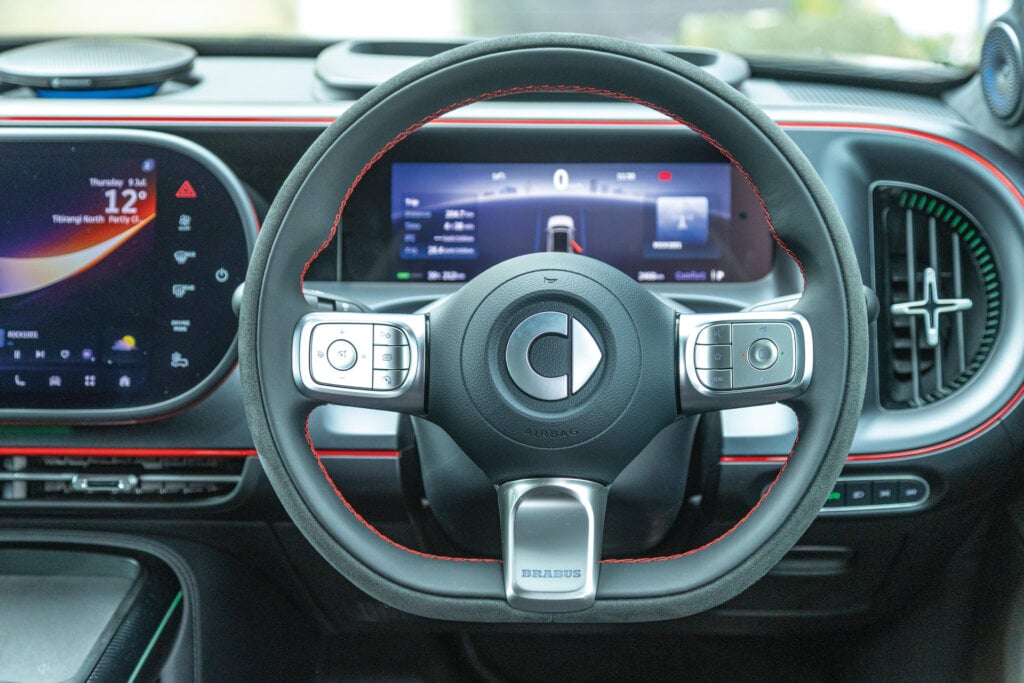
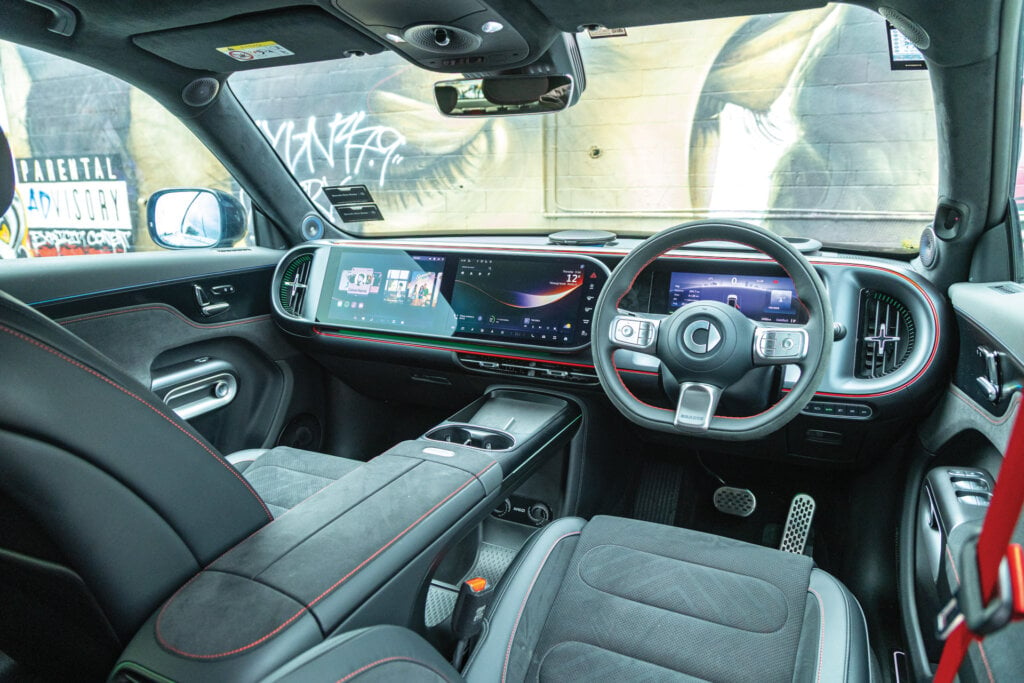
For a start, there is a distinct lack of annoying alerts and unnecessary interventions from the driver aids. Occasionally the lane keeping assist can get nudgy, while the driver monitor will ping you for looking at the touchscreen for too long. While there are not many hard buttons, the screen is easy to use. It’s responsive with plenty of shortcuts to reduce the amount of tapping and swiping required, and the menus are logically arranged too. And the kids will love having their own screen to play with on the passenger side. There should be enough connectivity options to keep tech types happy too. While it’s not really our vibe to have a dash completely dominated by screens, it seems to be the premium way these days.
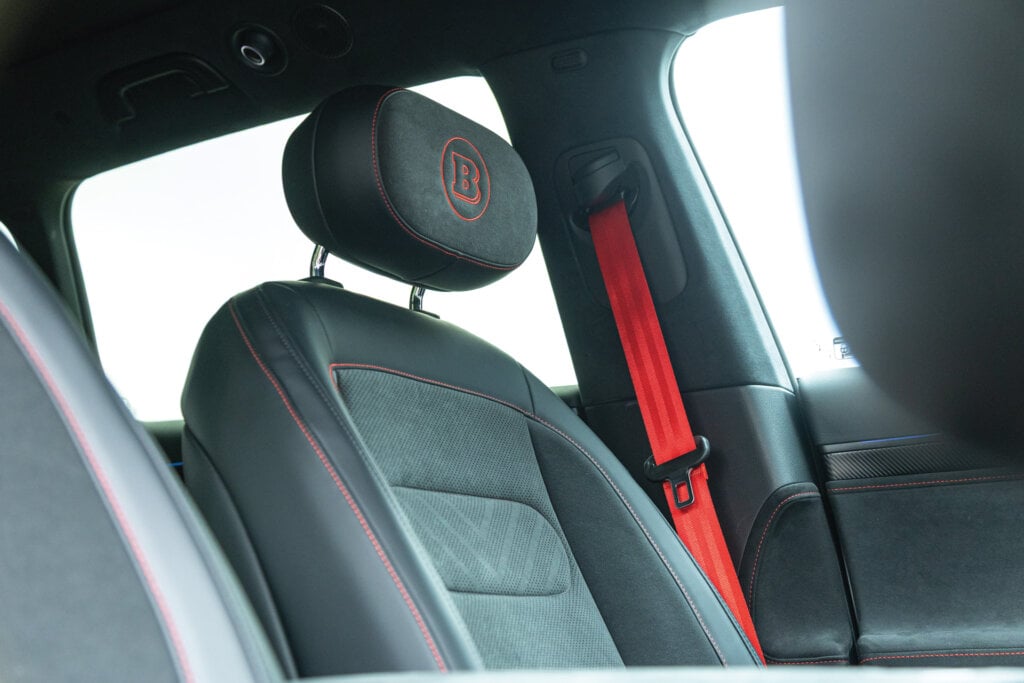
This Brabus model with its 475kW and 710Nm of torque is a little over qualified as a commuter, but it does the duty well. While the Brabus badging might suggest an unforgiving suspension set-up, that’s not the case. It rides well on city streets with none of that floaty Chinese tuning; it’s settled and calm. The steering has multiple weighting levels while giving the inkling that it’s connected to the wheels upfront.
In the default Comfort setting, the power arrives calmly, the copious torque doesn’t corrupt the traction yet it gathers pace smartly. And there are multiple brake regen options, all well tuned, as is the operation of the brake pedal; no squishy, snatchy action here.
Smart inside
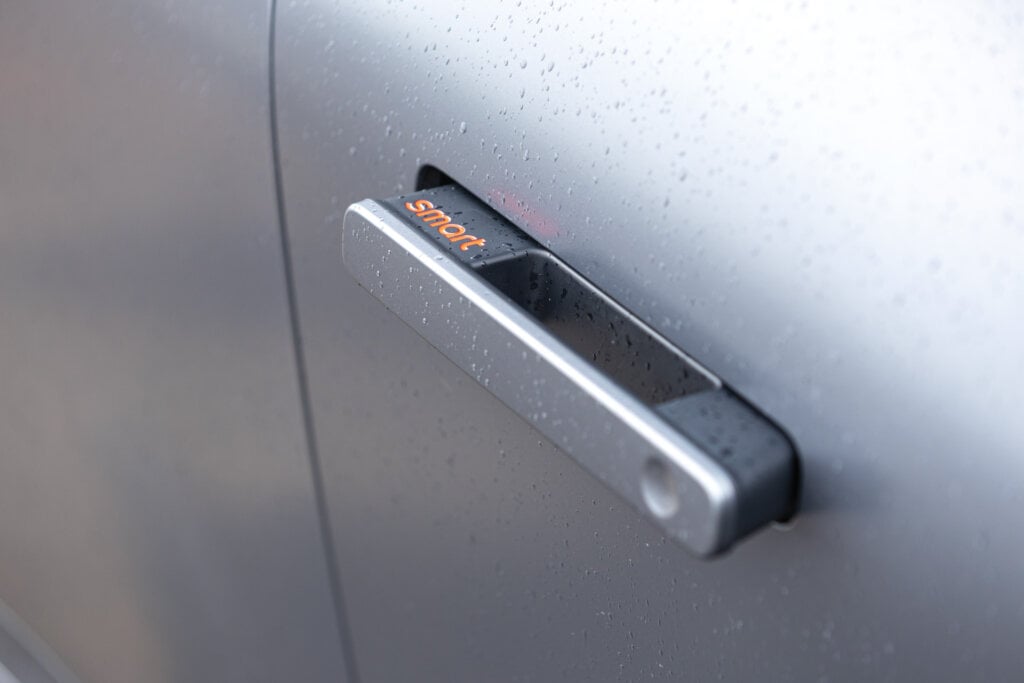
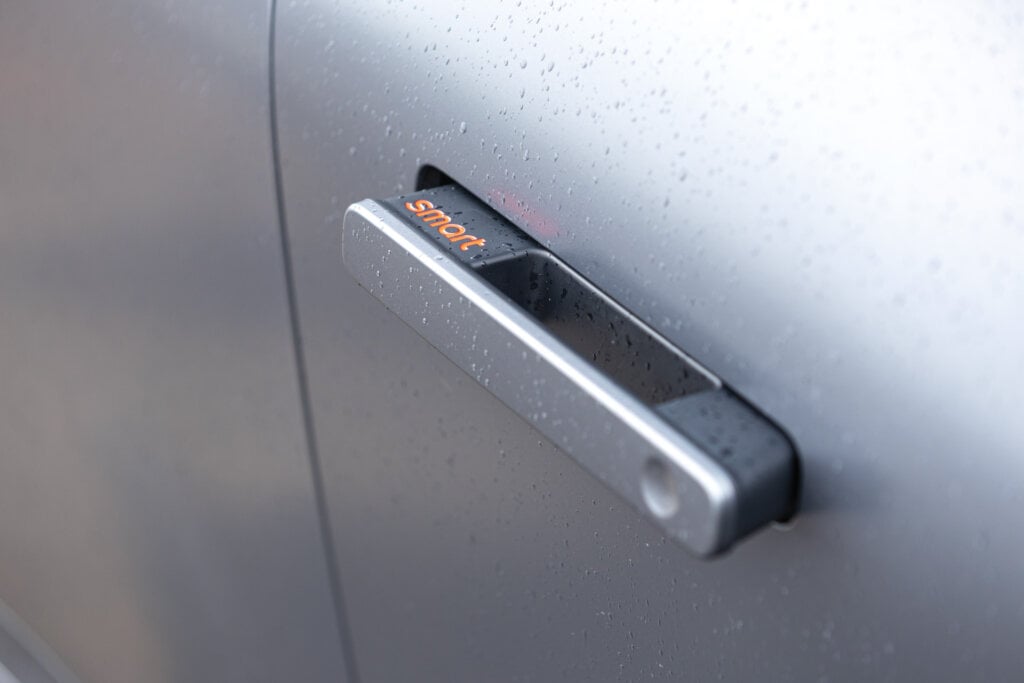
There’s the usually good all-around vision from the slightly raised driving position, while the seat sways more towards comfort than constricting support. A tad more adjustment wouldn’t go astray, though we like the control on the door, a la Merc, including the heating and ventilation functions. There’s lots of suede coverings in the interior, which manages to imbue the right sense of quality for the price asked. It’s a bit busy with all the screenage and the multi-coloured ambient lighting and the red detailing. We did manage to calm the light show down however. Storage is typical of the electric breed with a high-set console housing the all-important cup holders and twin charge pads with a box aft, while underneath there’s more space too. The door openers are smart; pop the button with your thumb, while your fingers grip the handle, giving you good control over the opening process. It might not work quite as well for those with small paws however.
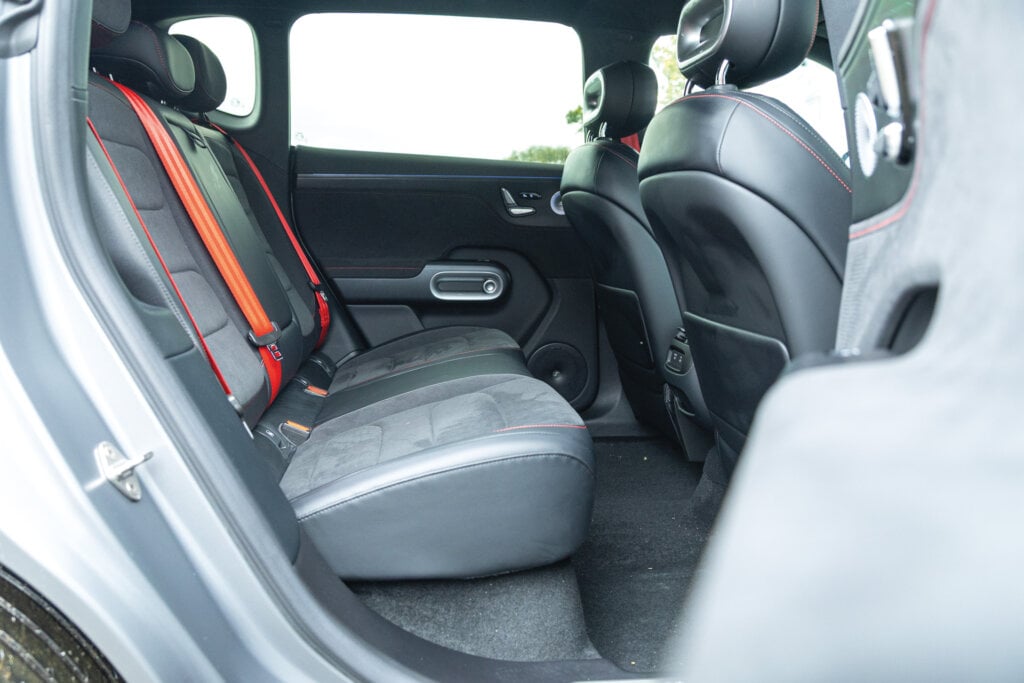
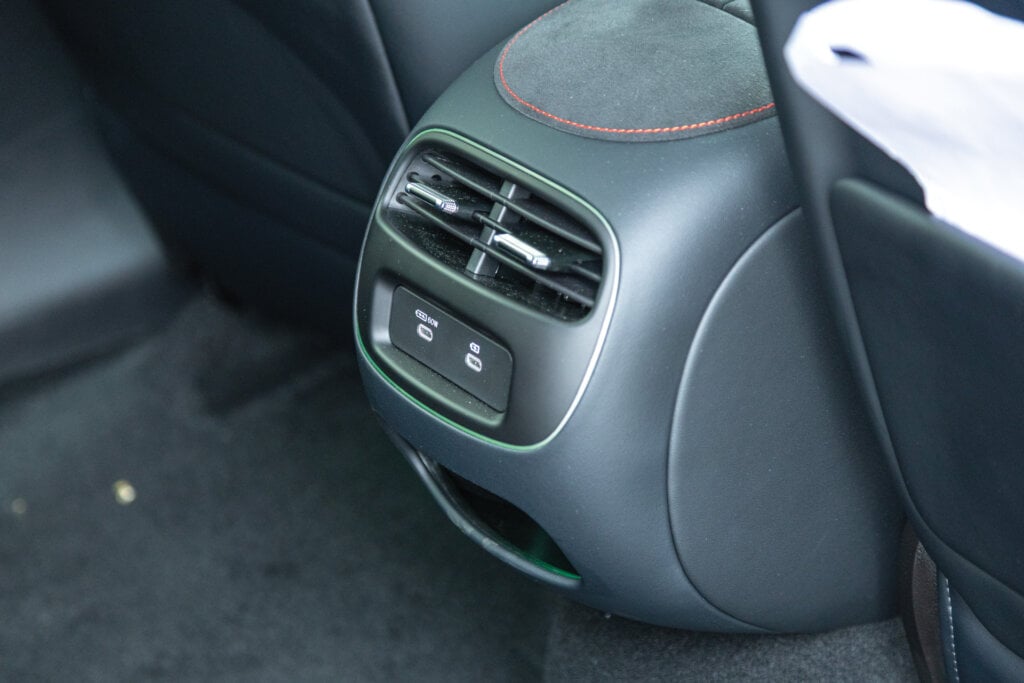
Rear passengers enjoy generous amounts of legroom along with the ability to tilt the seat back electrically. There are warmers back there too, and a couple of charge points.
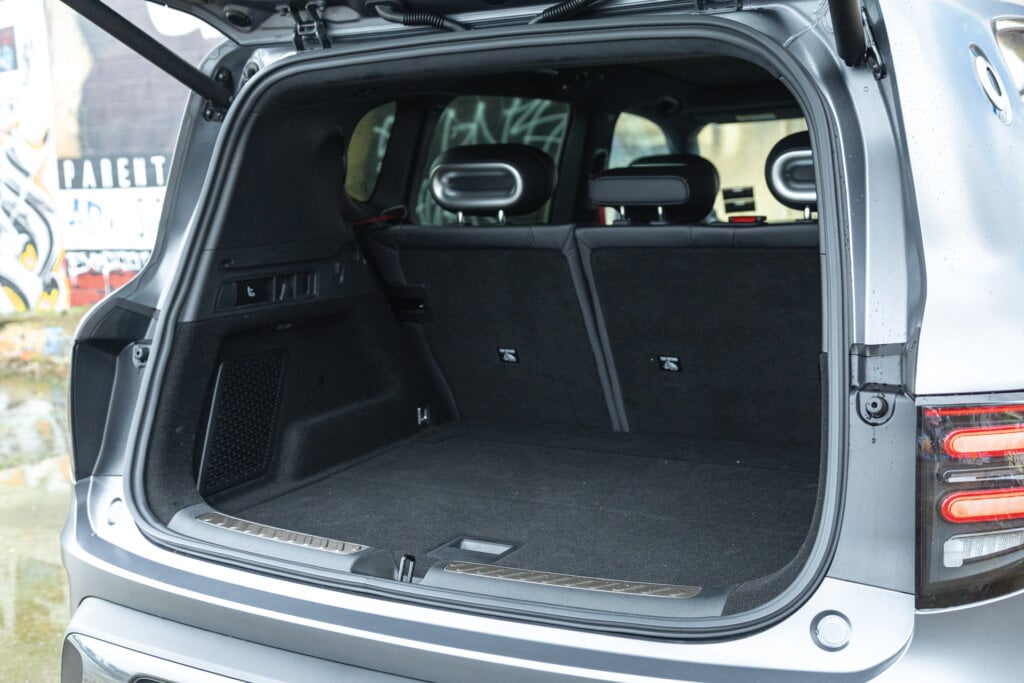
While the boot isn’t huge, owners should find it offers enough space, with extras below the floor. While there’s no spare, you can fold the seats flat easily. The Brabus, with its AWD set up has a smaller frunk, measuring 47L. Not that we used it however. Option the tow hitch, and it can haul 1600kg.
A smart handler?
As mentioned, this has a surfeit of stonk and will effortlessly hit 100km/h in 3.65s. It’s probably the most serene way to get to 100 in under four seconds. While it possesses a ‘rocket launch’ function, complete with a cartoonish countdown sequence, it doesn’t exactly explode off the mark. It’s all rather dignified, yet still very quick, the overtake seemingly done in a flash too. However, that’s the highlight of its dynamic repertoire. In the Brabus drive mode, the steering firms and your access to the Newtons is more immediate, but unfortunately the suspension doesn’t hunker down, being of the non-adaptive variety.
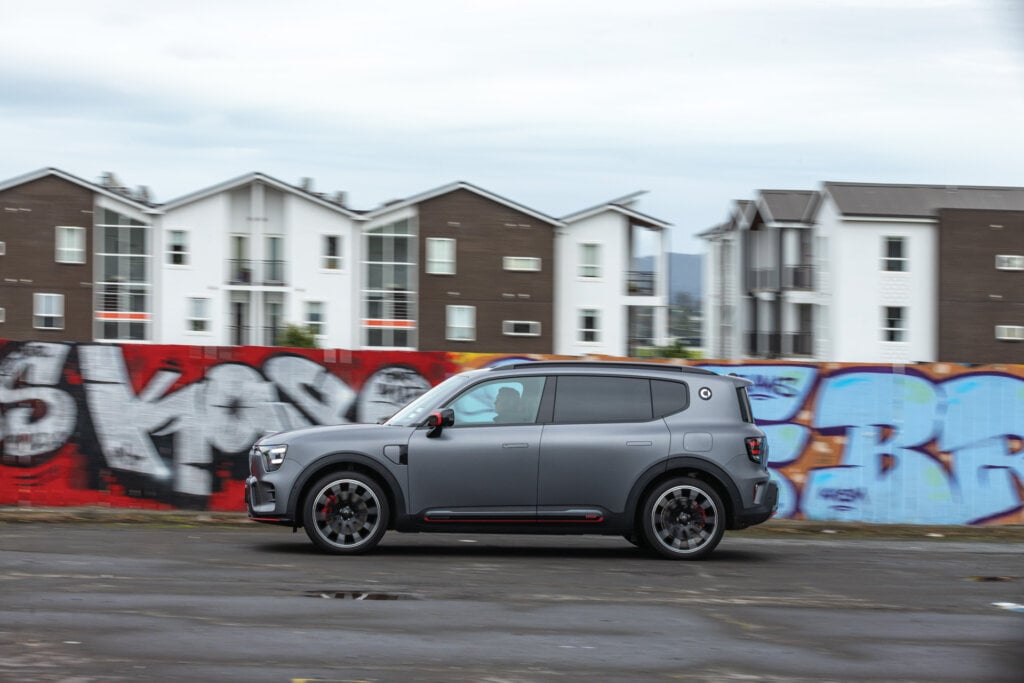
You arrive quickly at the bends, and while the brakes haul you up sufficiently, the control is already compromised as the front end fails to contain the dive. As you turn in, the roll undermines the grip on the front, and stability at the rear. And so the electronics try to keep things steady. They do a good job, but don’t go undetected; they are still sorting things out as you go for a speedy corner exit, only to be stymied. The steering, while quite direct, is rather vague at speed too. We discovered a Sport setting for the ESP, but after a couple of moments, we reinstated it smartly. The #5 is a better cruiser, corners taken with a slow-in and fast-out approach. The highway ride is okay, although larger bumps can test the resilience of the dampers, and the tyres roar coarse chip.
It can zap the volts when you force the issue, consumption spiking towards 30kWh/100km, but keep things reasonable and it hovers around 20-22kWh/100km. That’s not far off the official figure of 19.9kWh/100km. And that’ll give you close to 500km of ultimate range. And provided you don’t have to queue at the charge point, with its rapid DC capacity, charging shouldn’t be a chore either. A wallbox at home would be a good idea however.
A smart buy?
It’s a good package this #5 Brabus; suitably powerful and premium, sporty looking and practical. Okay, the ultimate dynamics leave a bit to be desired, but it does everything else rather well. The $100k market is a tough one though, with so much choice, and plenty of very competent offerings. While buyers gravitate towards the sporty models for their looks and performance, the #5 Premium might be worth considering first, saving you $10k.
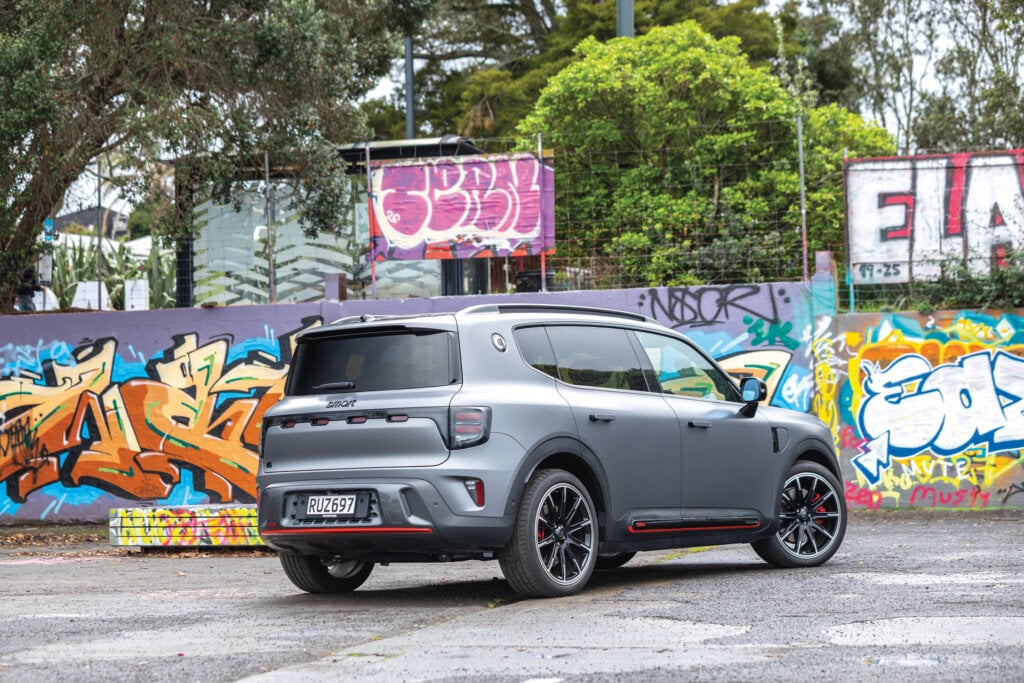
Smart #5 BRABUS
$99,990 / 19.9kWh/100km / 0g/km
0-100 km/h 3.65s
80-120 km/h 1.65s (45.9m)
100-0 km/h 36.45m
Speedo error 98 at an indicated 100km/h
Ambient cabin noise 76.8dB@100km/h
Motor output 475kW
Max torque 710Nm
Battery 100kWh
Range 540km
Drivetrain Single-speed auto / e-AWD
Front suspension Mac strut / swaybar
Rear suspension Multilink / swaybar
Turning circle 11.2m (2.75 turns)
Front brakes Ventilated discs
Rear brakes Ventilated discs
Stability systems ABS, ESP, TV
Safety AEB, ACC, BSM, LDW, RCTA, ALK, AHB
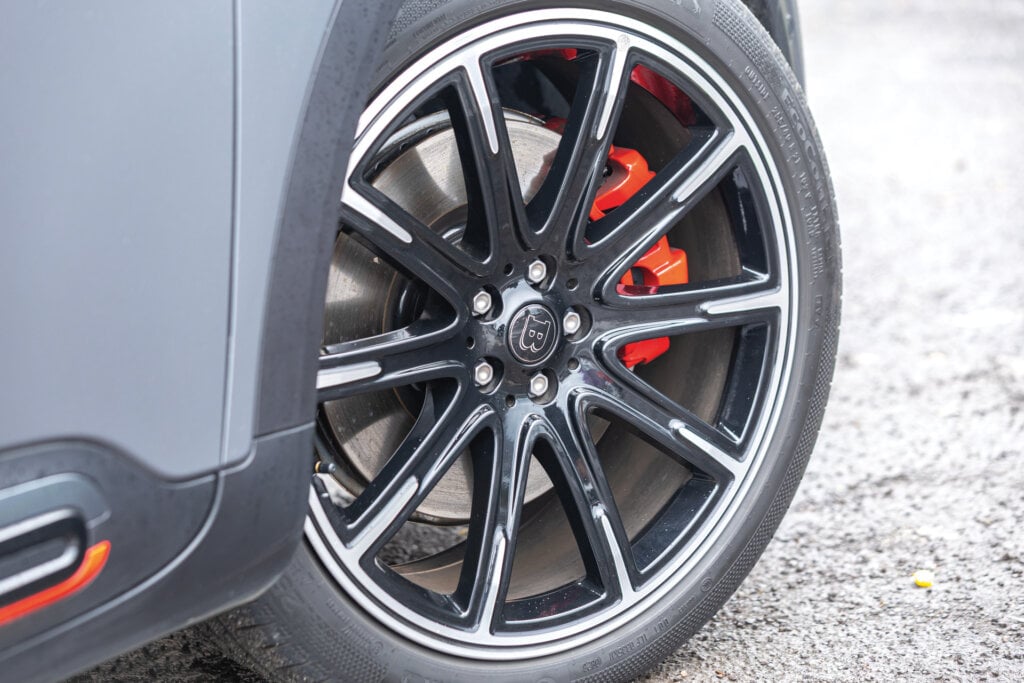
Tyre size f/r-255/40R21
Wheelbase 2900mm
L/W/H 4695 / 1920 / 1705mm
Track f-1653mm r-1658mm
Luggage capacity f-47L / r-630/1530
Tow rating 750kg (1600kg braked)
Service intervals 12 months / 20,000km
Warranty 5yrs / 150,000km
ANCAP rating ★★★★★ (2025)
Weight (claimed) 2335kg