View all
8 more images
2026 Subaru WRX Senkō vs Toyota GR Yaris Aero Performance Package Review
Words: Kyle Cassidy | Photos: Alex Schultz
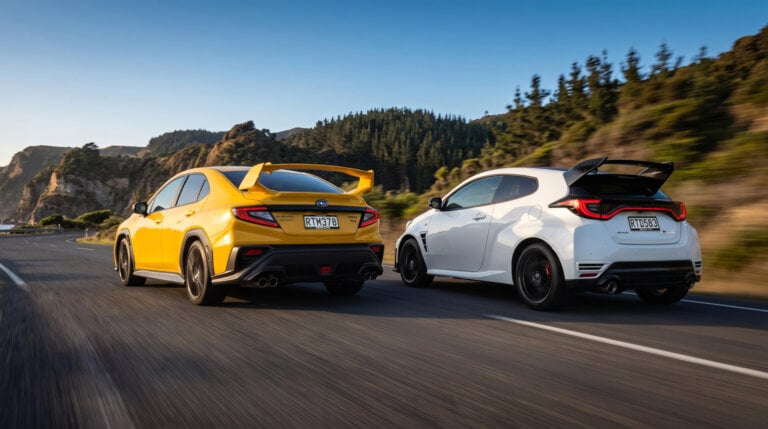
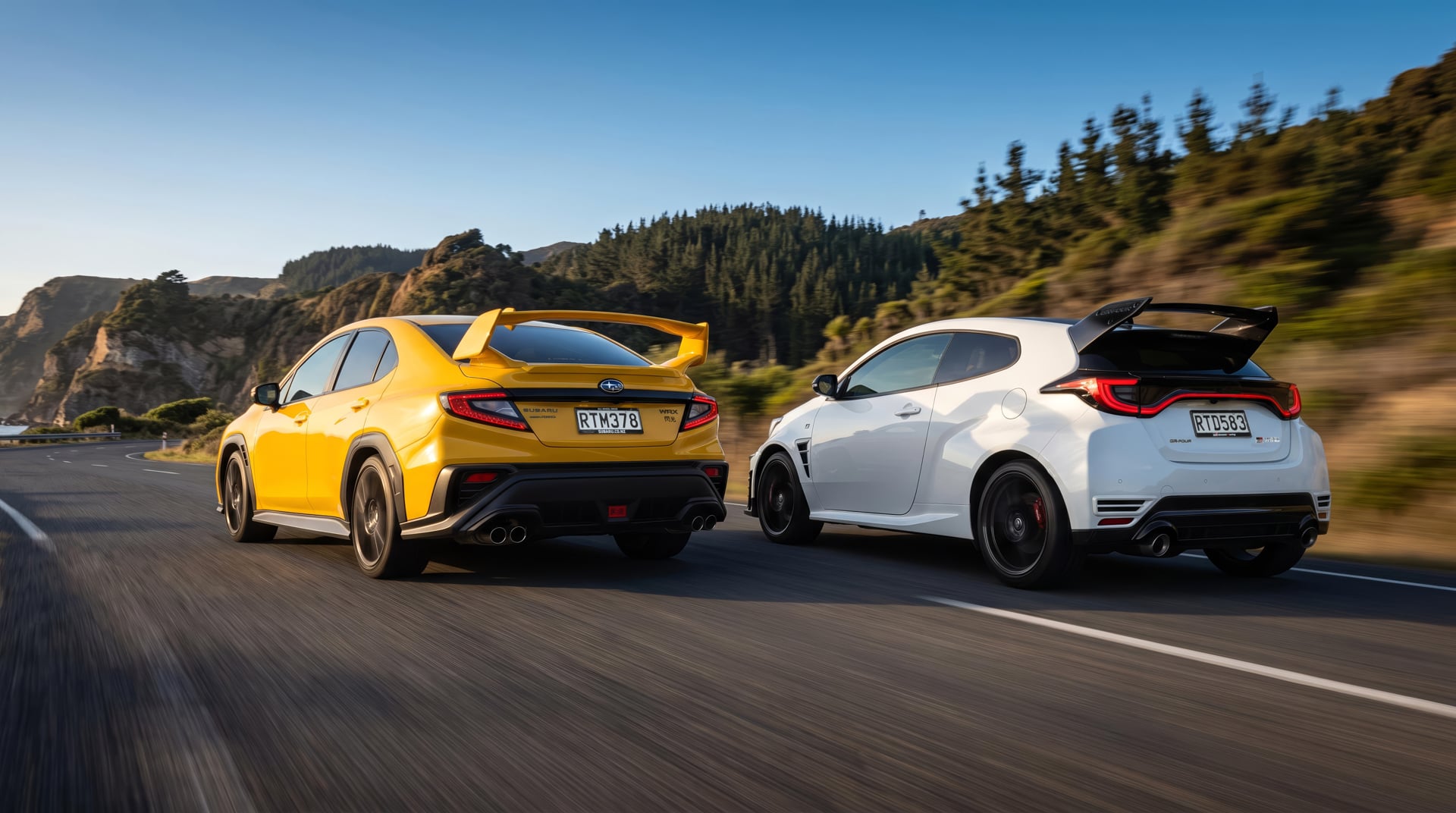
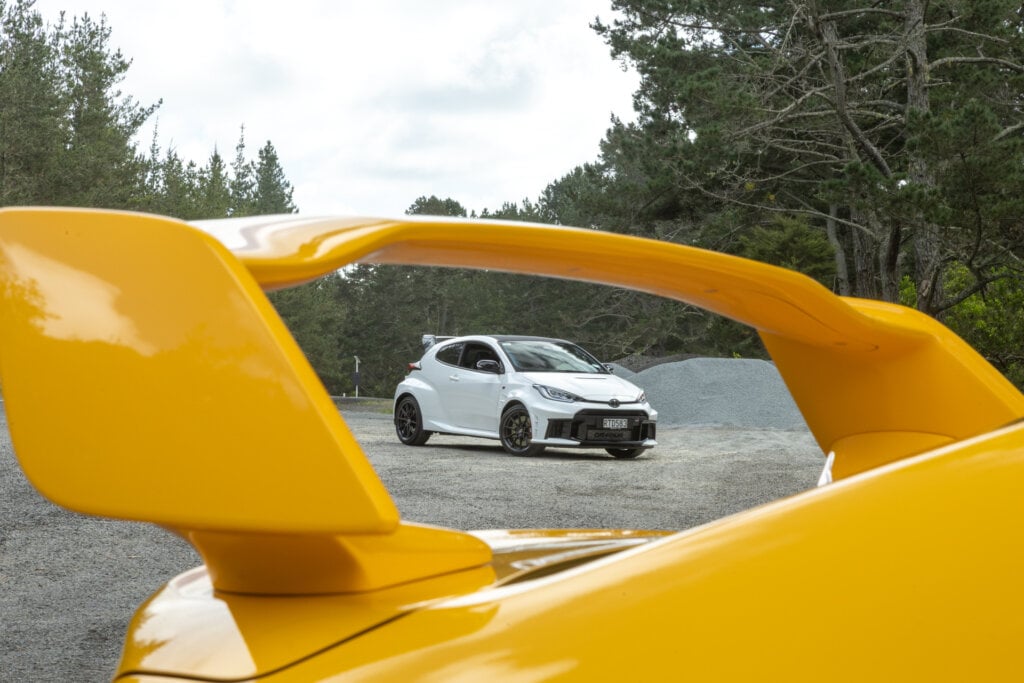
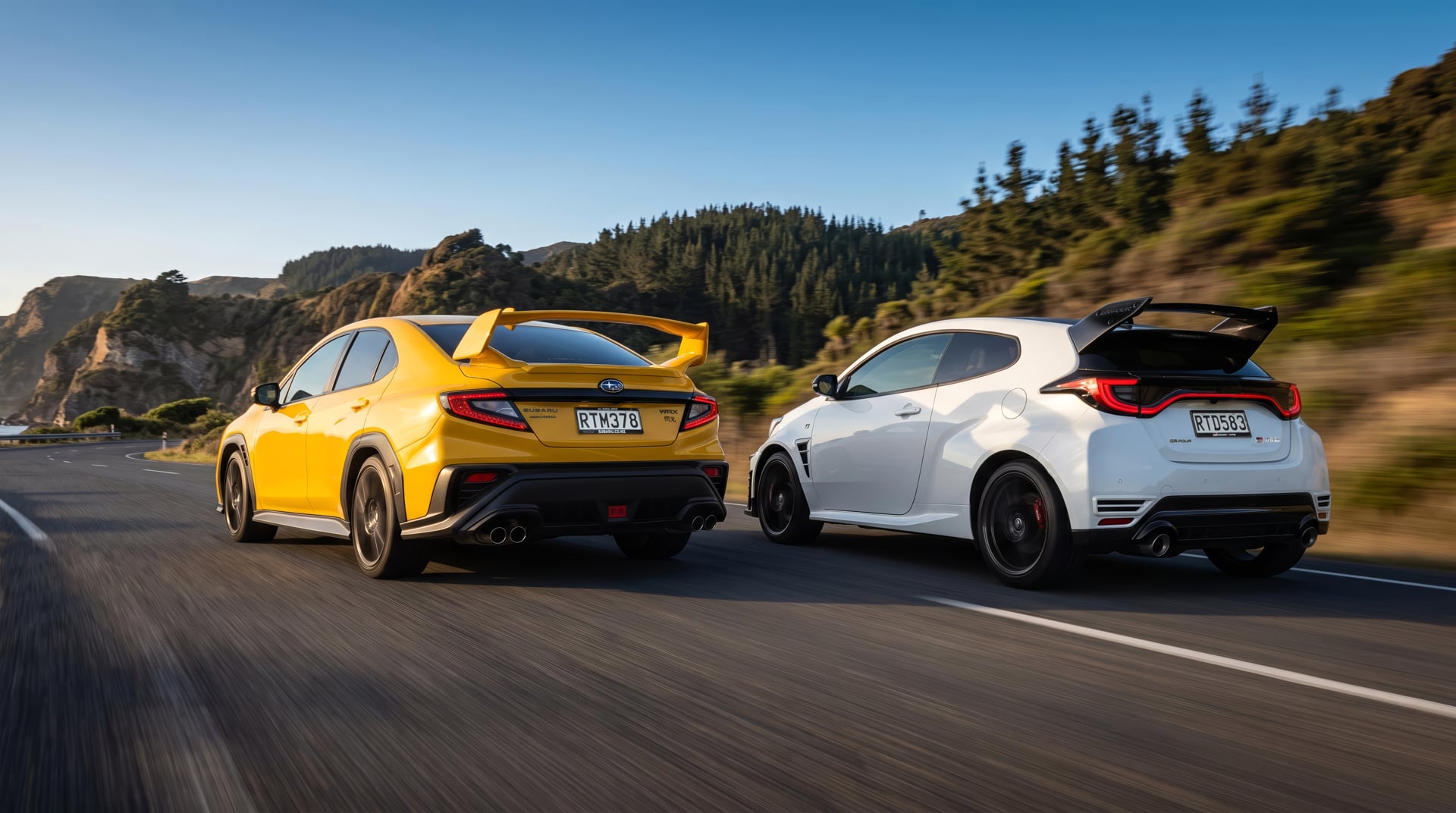
If you find spoilers a bit discreet, you’ll love this pair. They are both proud wing wearers. Each has the driver at heart, though each has a different appeal.
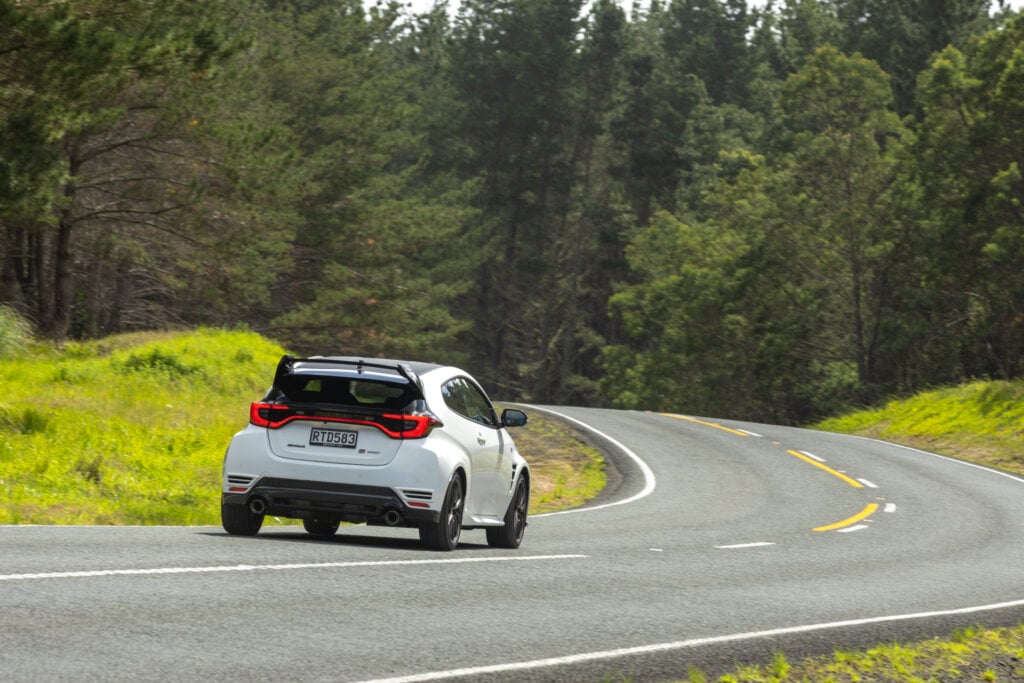
You know what you’re getting into with a car sporting a wing, a bonnet scoop and a decent set of exhaust pipes. These are cars primarily designed around the driver, and they aren’t discreet. Those that fit the description usually have some rally history in their genealogy, so come packing the requisite turbocharged engines and all-wheel drive. Much like these two, then. The Toyota GR Yaris Aero Performance Package and Subaru WRX Senkō keep the genre alive, though they go about it in different ways.
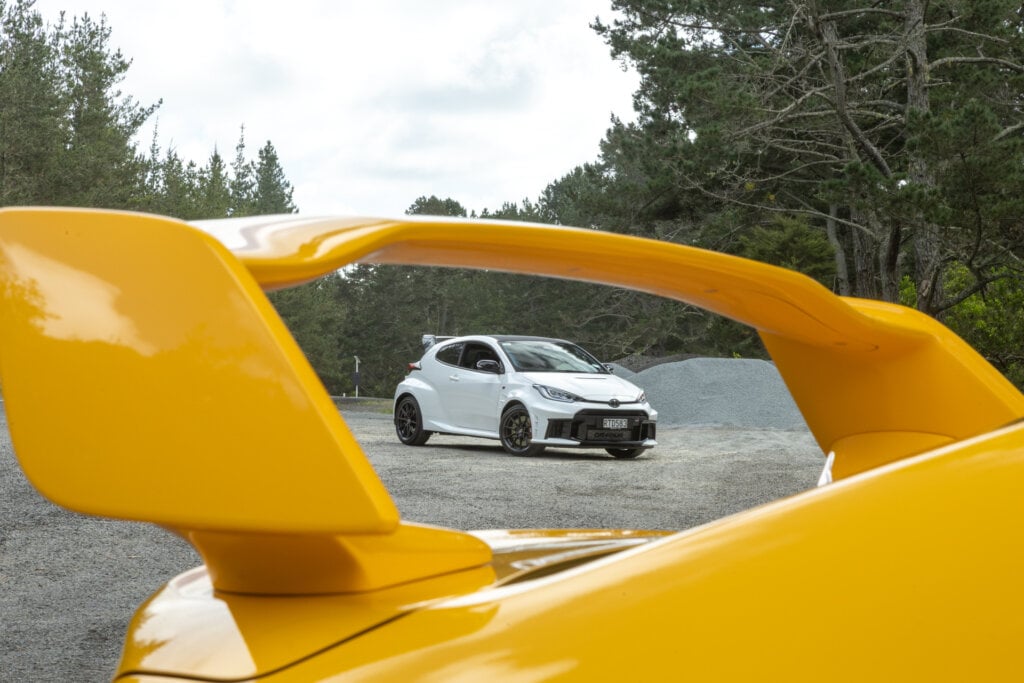
Toyota’s approach is the more concentrated one. The GR Yaris is about as close as you get to a homologation special now, while the new Aero Performance Package adds another layer of intent. It puts the drive first, while practicality is lower down the list.
The Subaru is for those with others to think about, as the WRX has always offered a way to fit driving enthusiasm around the rest of your life. There’s more room for the people who now dominate your life the way your first AWD turbo did before they turned up. It’s still a driver’s car, but a family-friendly one.
So this isn’t quite a straight fight between alternatives. One asks you to accommodate its priorities; the other promises to accommodate yours. What brings them together is their bewinged appeal and driver focus. We found some suitable roads to see how convincingly each delivers.
GR with wings
Toyota’s GR Yaris Aero Performance Package adds aerodynamic purpose to an already serious little hatch. It retains the 1618cc G16E-GTS turbocharged three-cylinder, producing 221kW and 400Nm, while the one we have is paired with an eight-speed auto. Yeah, we know, but it brings paddle shifters, launch control and a dedicated transmission cooler for when you’re tracking it.
The GR-FOUR all-wheel-drive system works with front and rear Torsen limited-slip differentials. Normal, Gravel and Track settings alter the torque distribution, with Track varying the front-to-rear split between 60:40 and 30:70.
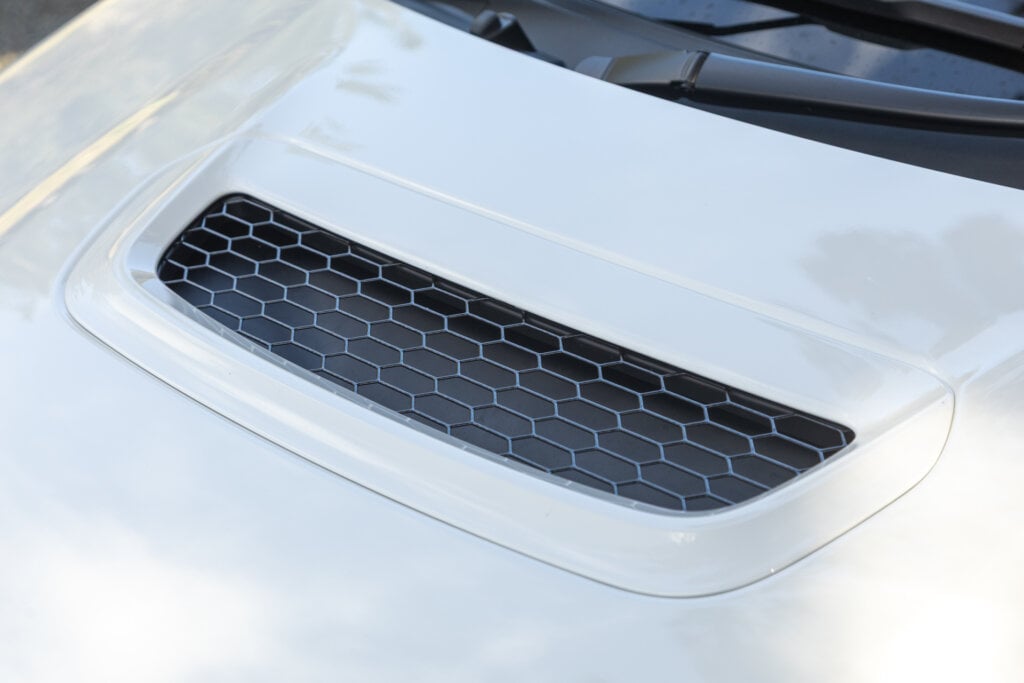
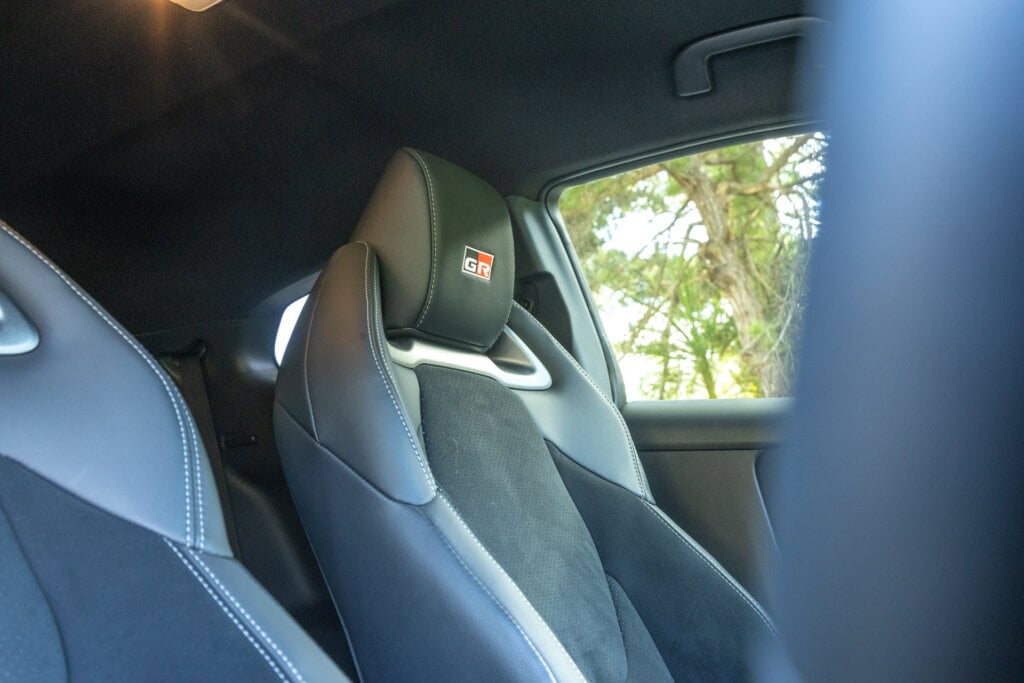
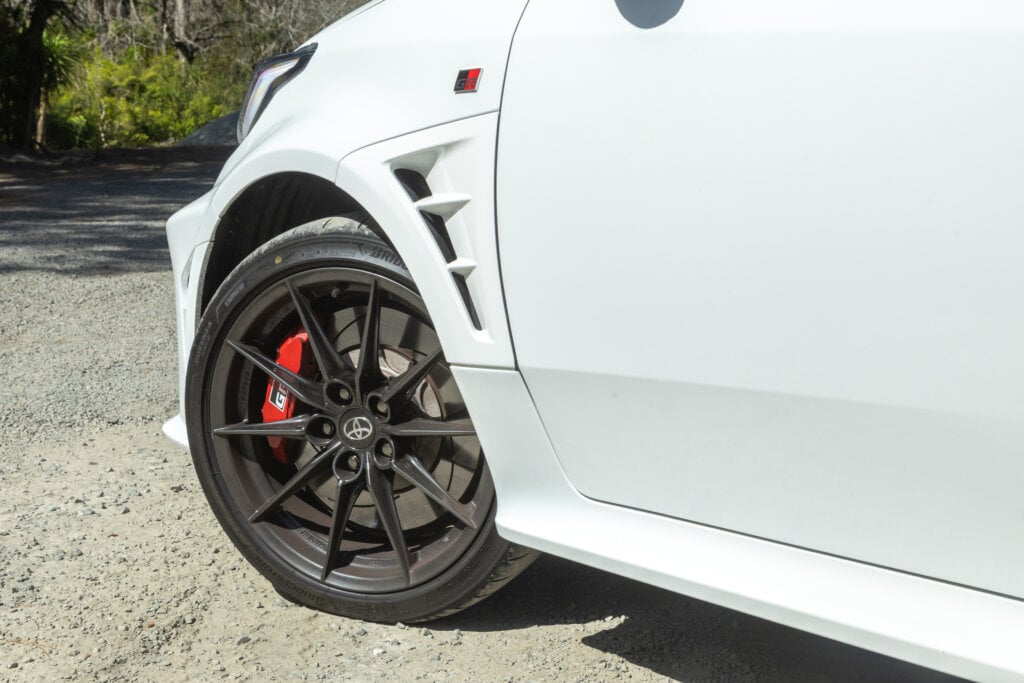
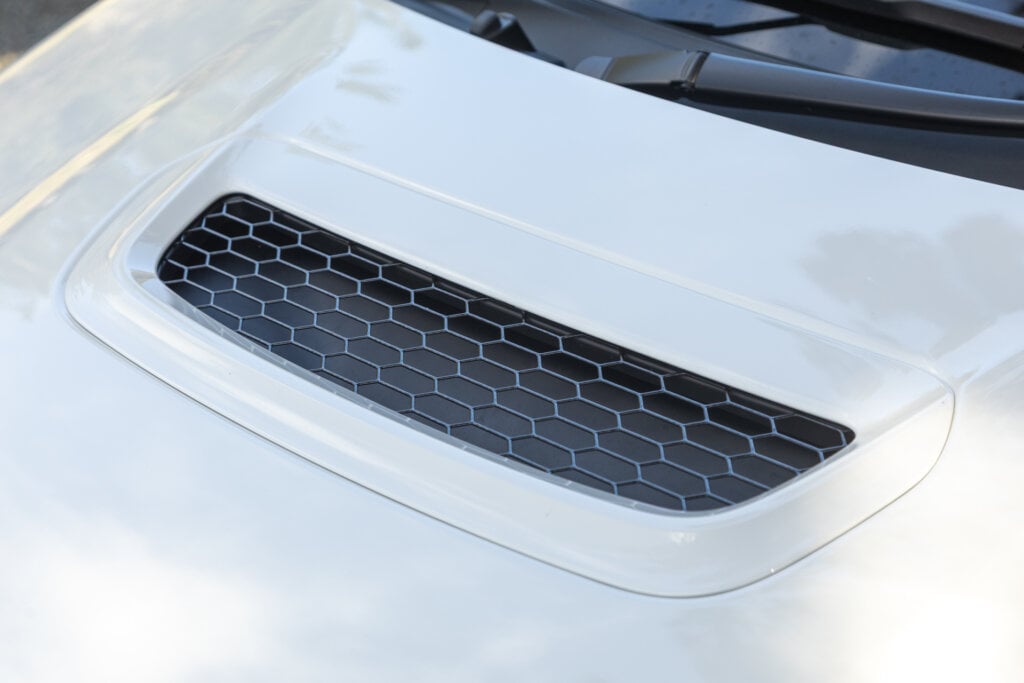
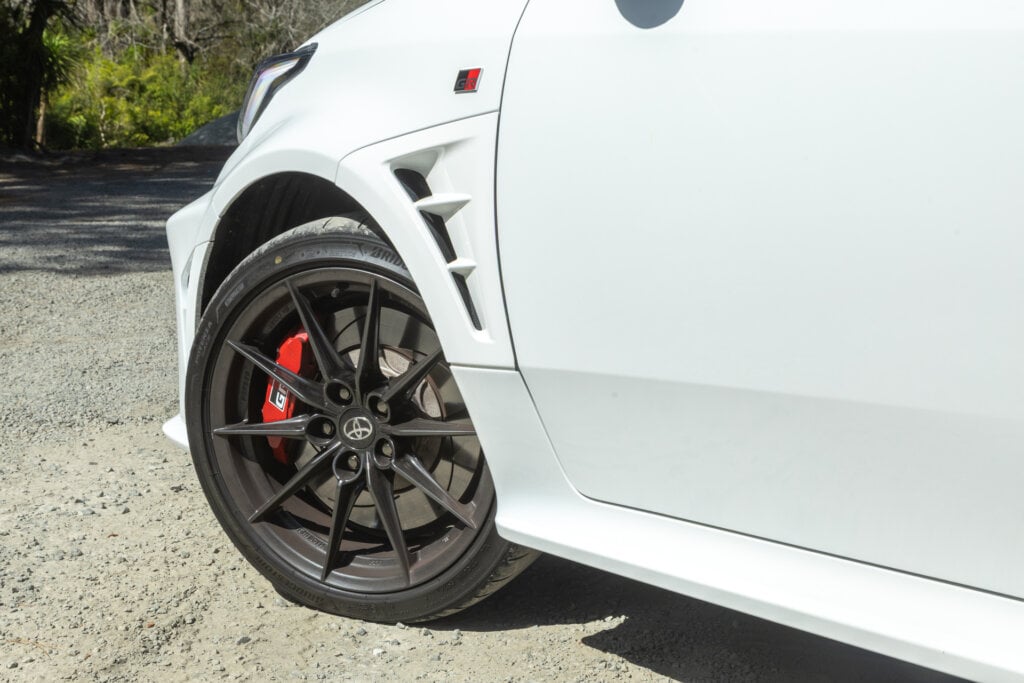
The aero kit comprises a vented aluminium bonnet, front lip spoiler, front guard ducts, underfloor covering, rear bumper ducts and a manually adjustable rear wing. Together, they improve cooling, manage underbody airflow and reduce lift, while the wing helps settle the rear during high-speed cornering and braking. The guard vents release wheelarch pressure, and the rear bumper ducts reduce trapped air. It’s all functional, though you’ll likely only get the full benefit at the track. It asks $68,990, $4k more than the regular GR.
Bright light
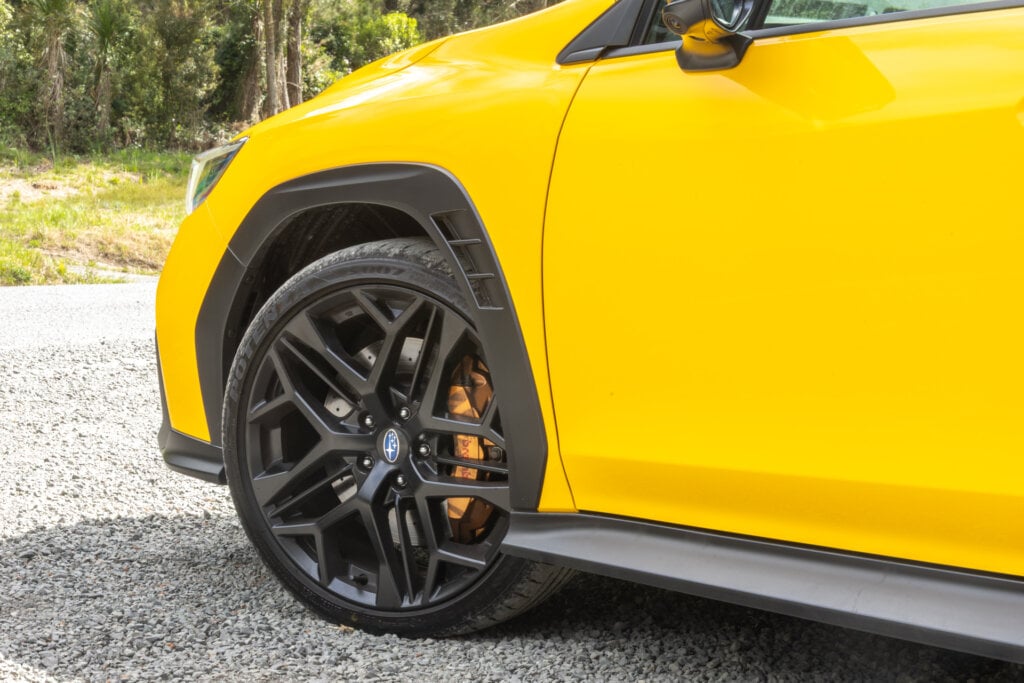
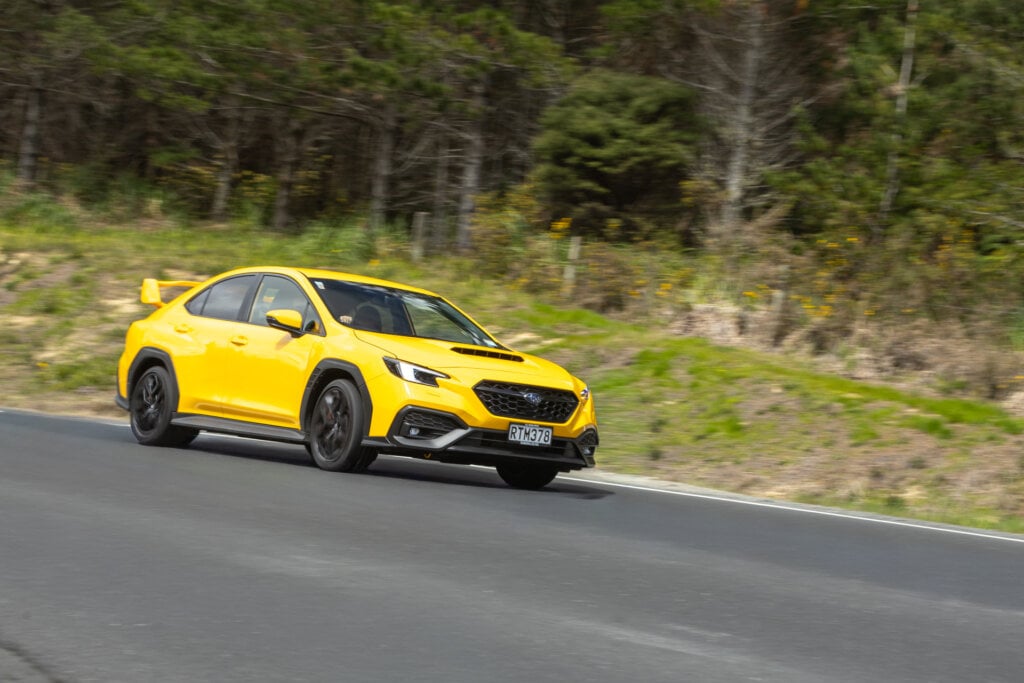
Subaru’s WRX Senkō brings a splash of Sunrise Yellow to the performance sedan range, with just 10 examples allocated to New Zealand. Priced at $74,990, it pairs a 202kW/350Nm 2.4-litre turbocharged boxer engine with a six-speed manual gearbox and AWD.
The specification includes electronically controlled dampers, drive mode setting, gold Brembo brakes, 19-inch matte black alloys and a large rear wing. Inside, Recaro front sports seats feature Ultrasuede upholstery with leather-look accents, yellow and black trim, and yellow contrast stitching.
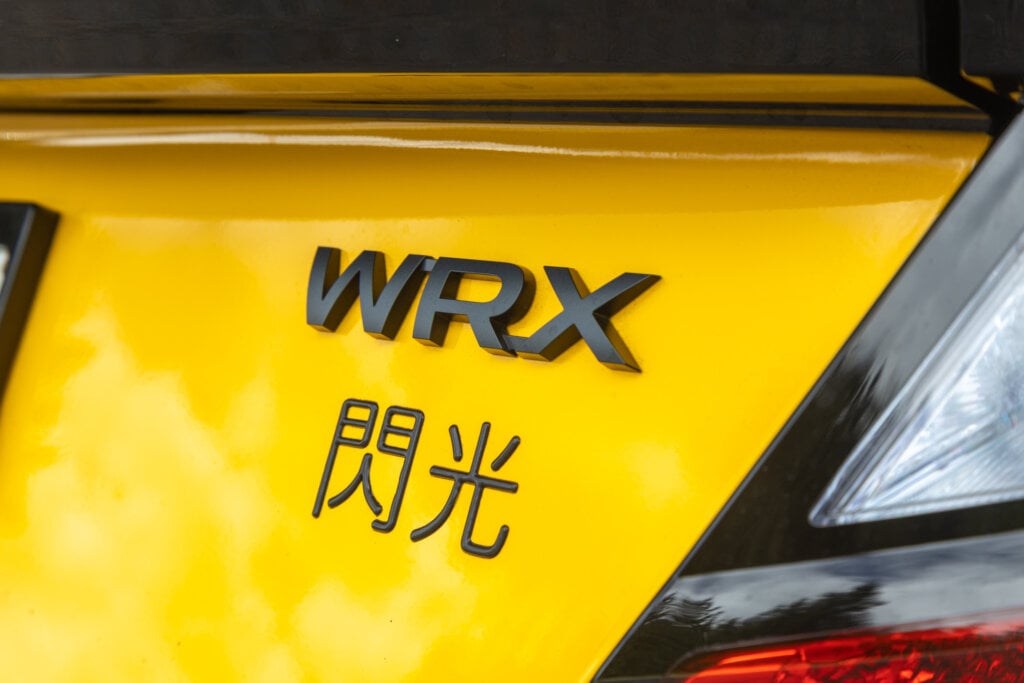
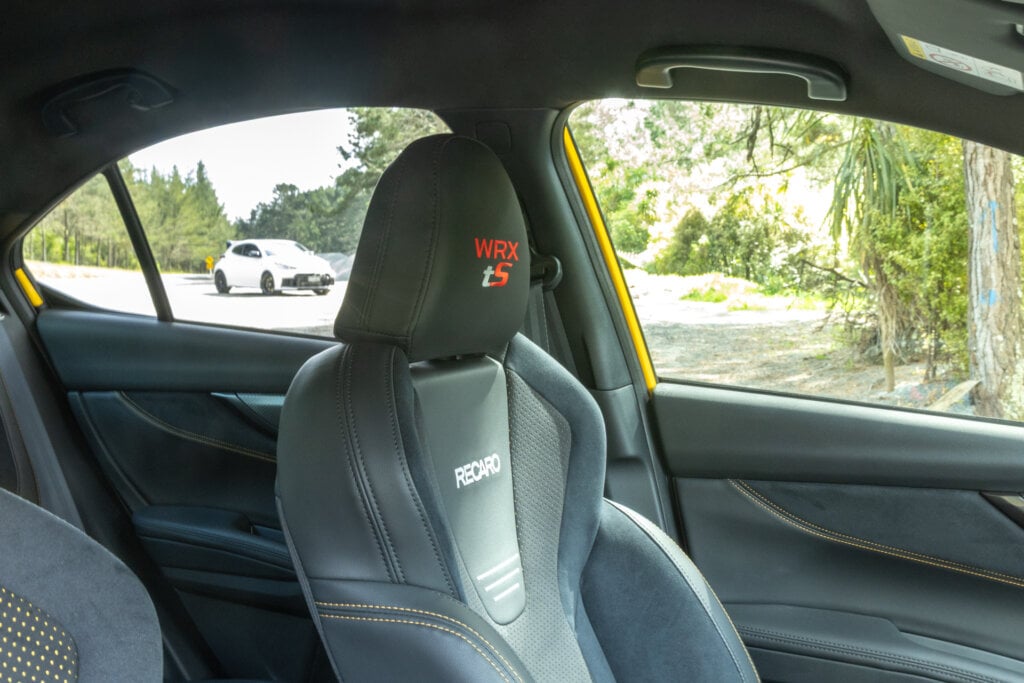
Senkō means ‘flash of light’, with a dedicated kanji badge marking the rear of the car. Each example comes with a numbered presentation key box and keyring, while buyers also receive an STI watch.
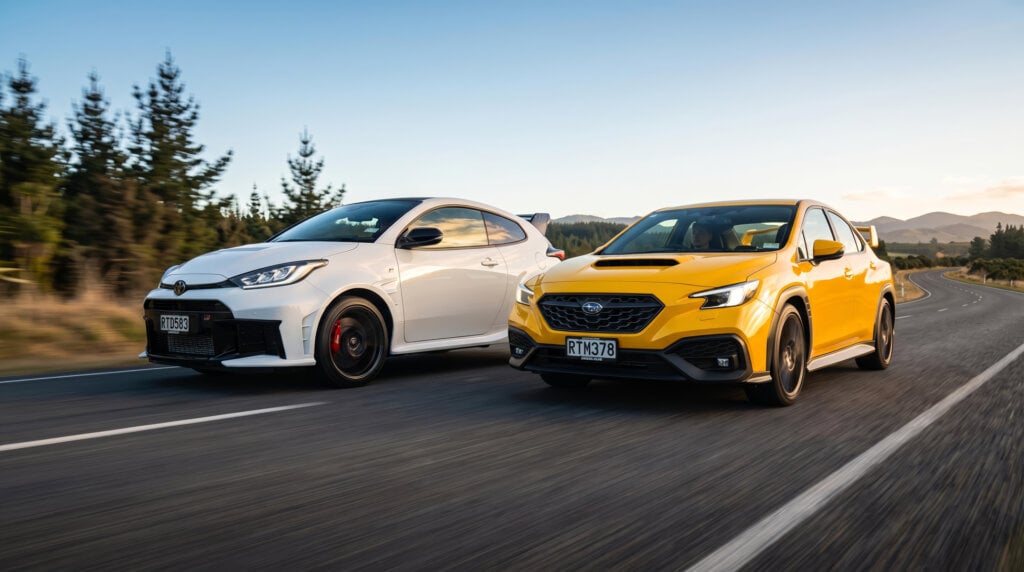
Both entertainers
Prod the GR’s start button and the angry little triple fills the cabin with vibrations. We’re not in a sanitised EV now, Toto. This thing feels alive. And it’s simply a sensation to drive. Some cars just don’t like being thrashed; this one loves it.
It’s well balanced for an AWD car with the engine up front. It manages to feel like it’s pivoting around you. With its short wheelbase, you are kind of sitting in the middle of it.
The steering is not overly yappy, but it says the right thing when needed. The response off-centre is sharp, akin to a mid-engined machine, then it loads up perfectly as you get into the meat of the curve, helping you negotiate whatever the corner throws at you. Understeer never really eventuates on the road. There’s a sweet neutrality to this chassis that encourages you to hit the gas early, helping rotate that rear end before it slingshots out of the bend. It might lack outright stonk, but its cross-country pace, corner to corner, makes it a giant killer.
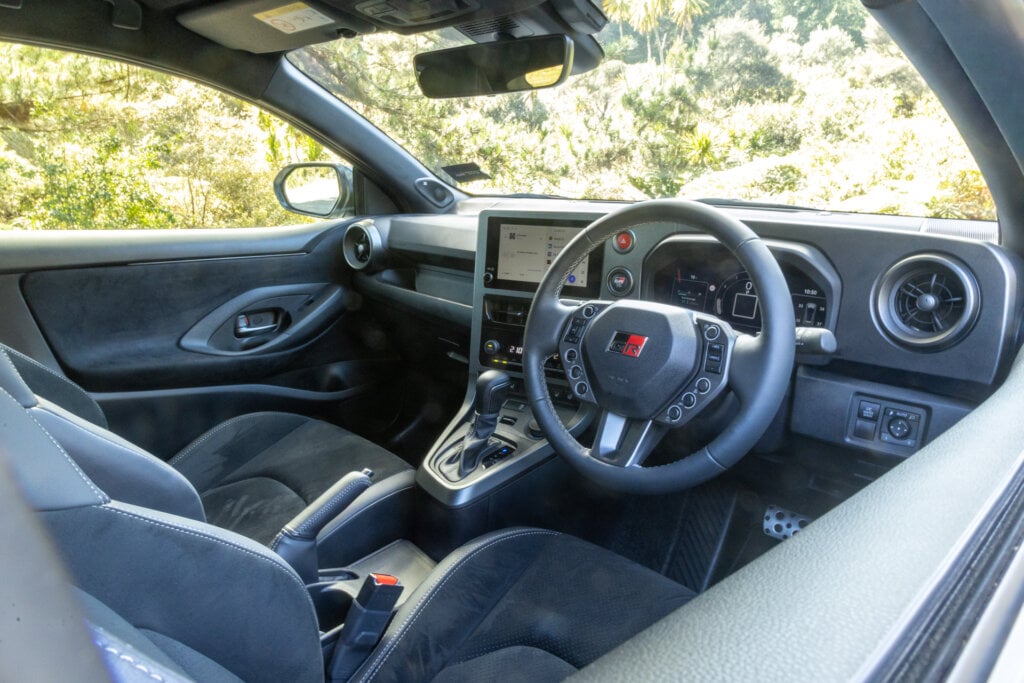
The suspension is not adjustable and tends towards firm over the bumpy bits, pinging off a few of the sharper edges. But it manages to bully most of the lumps in its bid to keep the Yaris straight and flat.
And the brakes are great too, with a fine initial feel before the pedal firms up to help you balance it deftly.
The engine is a special unit. It just does not give up, pulling well all the way to seven. It sounds good too, complete with some turbo theatrics in the background.
And what about the auto? Don’t write it off. It does all the right things and is always in the right gear.
The only real downer is the deafening road roar; some GR-branded earplugs would be a good accessory.
Jump in the Subaru and it feels a bit more grown-up, yet it can still play the larrikin like generations past. Its dynamics are still entertaining.
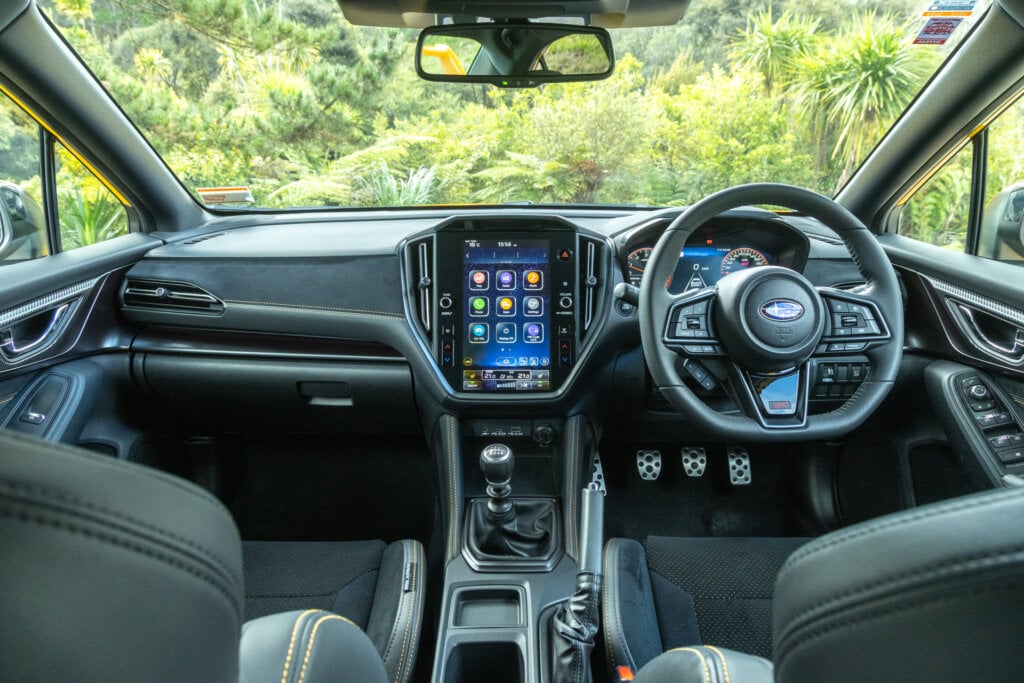
We liked the Individual mode, which lets you choose a firm but controlled setting, or soften things off when the road gets gnarly. The steering is tactile, and it’s easy to set up for the bend. The grip up front is decent, though you get a whiff of understeer setting in. It’s stable, but not as nimble as the Yaris. The brakes have good initial bite too, with the pedal firming nicely as you lean on them.
While it’s not as sharp as the little Yaris, it’s still a great drive, especially when stirring it along via the manual. Jump on the brakes, perform some tricky footwork in the pedal box to downshift smoothly, turn, manage the tyre stress, then boost out of the bend before plucking the next gear. And then quickly do it all again for the next corner. It’s hard to tire of such antics on a winding, empty road.
The biggest difference between the two is the engine. The triple is hand-built and unique. The WRX’s boxer is shared with an SUV. With less output hauling more weight, it doesn’t pull as hard. The 2.4’s mid-range is solid, but it doesn’t rev as hard or as high, being limited to 6000rpm. It’s not as vocal either.
Practical performers
For a small car, the GR Yaris is thirsty, averaging 11L/100km, the same as the WRX. But economy isn’t high on potential buyers’ lists.
The WRX is more practical, with its four-door layout, a back seat that can accommodate three at a pinch and a boot that’ll take more than just a couple of overnight bags. Yet the GR Yaris is not completely impractical. The driver’s seat is now lower, but not as low as in a GR86, so it’s relatively easy to get in and out of. The back seat is a squish, but kids/grandies will fit. The auto also eases commuting. And those over the age of 40 will have shifted enough gears to satisfy that itch. Though we’d still opt for the manual… The firmness of the suspenders could get grating on the daily.
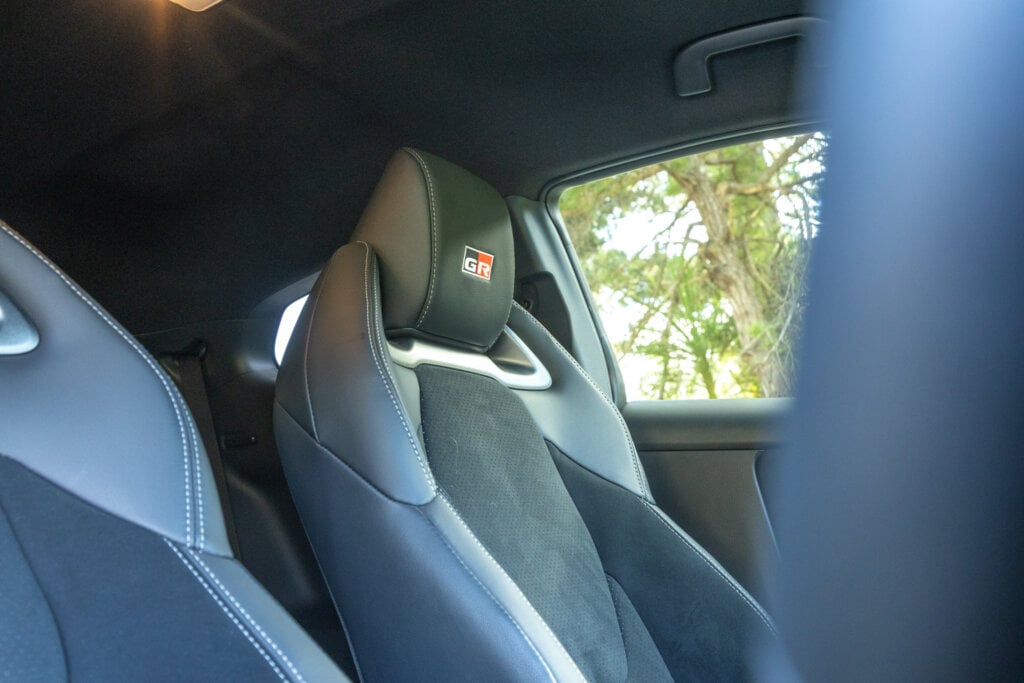
The WRX’s electronic dampers help there, with the Comfort setting easing the ride. We like that the mode button lives on the wheel for ease of use. We’d opt for the manual WRX too; the CVT-equipped version is genuinely okay, but the six-speed box helps make it more special these days, being such a rarity. The clutch has a good bite point, there’s a hill holder and, once everything is warmed up, the gears slot positively. It’s better finished inside, the Recaros are comfier and, while neither has a charging pad or a surround-view camera, everything else is present.
No matter your choice, it’s good to know that driver’s cars like these two still exist, with price tags still well below six figures.
Subaru WRX Senkō
$74,990 / 10.4L/100km / 236g/km
0-100 km/h 6.34s
80-120 km/h 3.40s (97m)
100-0 km/h 34.67m
Speedo error 97 at an indicated 100km/h
Ambient cabin noise 73.5dB@100km/h
Engine 2387cc / B4 / T / DI
Max power 202kW@5600-7000rpm
Max torque 350Nm@2000-5200rpm
Drivetrain 6-speed manual / AWD
Front suspension Mac strut / swaybar
Rear suspension Wishbones / swaybar
Turning circle 11.2m (2.4 turns)
Front brakes Ventilated discs
Rear brakes Ventilated discs
Stability systems ABS, ESP, TV
Safety AEB, ACC, BSM, LDW, RCTA, ALK, AHB
Tyre size f/r-245/35R19
Wheelbase 2675mm
L/W/H 4670 / 1825 / 1465mm
Track f-1560mm r-1570mm
Fuel capacity 63L
Luggage capacity 411L
Tow rating Not rated to tow
Service intervals 12 months / 15,000km
Warranty 3yrs / 100,000km
ANCAP rating Unrated
Weight (claimed) 1562kg
Toyota GR Yaris Aero Performance Package
$68,990 / 10.1L/100km / 229g/km
0-100 km/h 5.45s
80-120 km/h 3.48s (98m)
100-0 km/h 34.08m
Speedo error 98 at an indicated 100km/h
Ambient cabin noise 79.8dB@100km/h
Engine 1618cc / IL3 / T / DI
Max power 221kW@6500rpm
Max torque 400Nm@3250-4600rpm
Drivetrain 8-speed auto / AWD
Front suspension Mac strut / swaybar
Rear suspension Wishbones / swaybar
Turning circle 10.6m (2.2 turns)
Front brakes Ventilated discs (356mm)
Rear brakes Ventilated discs (297mm)
Stability systems ABS, ESP, TV
Safety AEB, ACC, BSM, LDW, RCTA, ALK, AHB
Tyre size f/r-225/40R18
Wheelbase 2560mm
L/W/H 3995 / 1805 / 1455mm
Trackf-1535mm r-1565mm
Fuel capacity 50L
Luggage capacity 174L
Tow rating Not rated to tow
Service intervals 12 months / 15,000km
Scheduled servicing Capped price service $365
Warranty 3yrs / 100,000km
ANCAP rating Unrated
Weight (claimed) 1325kg