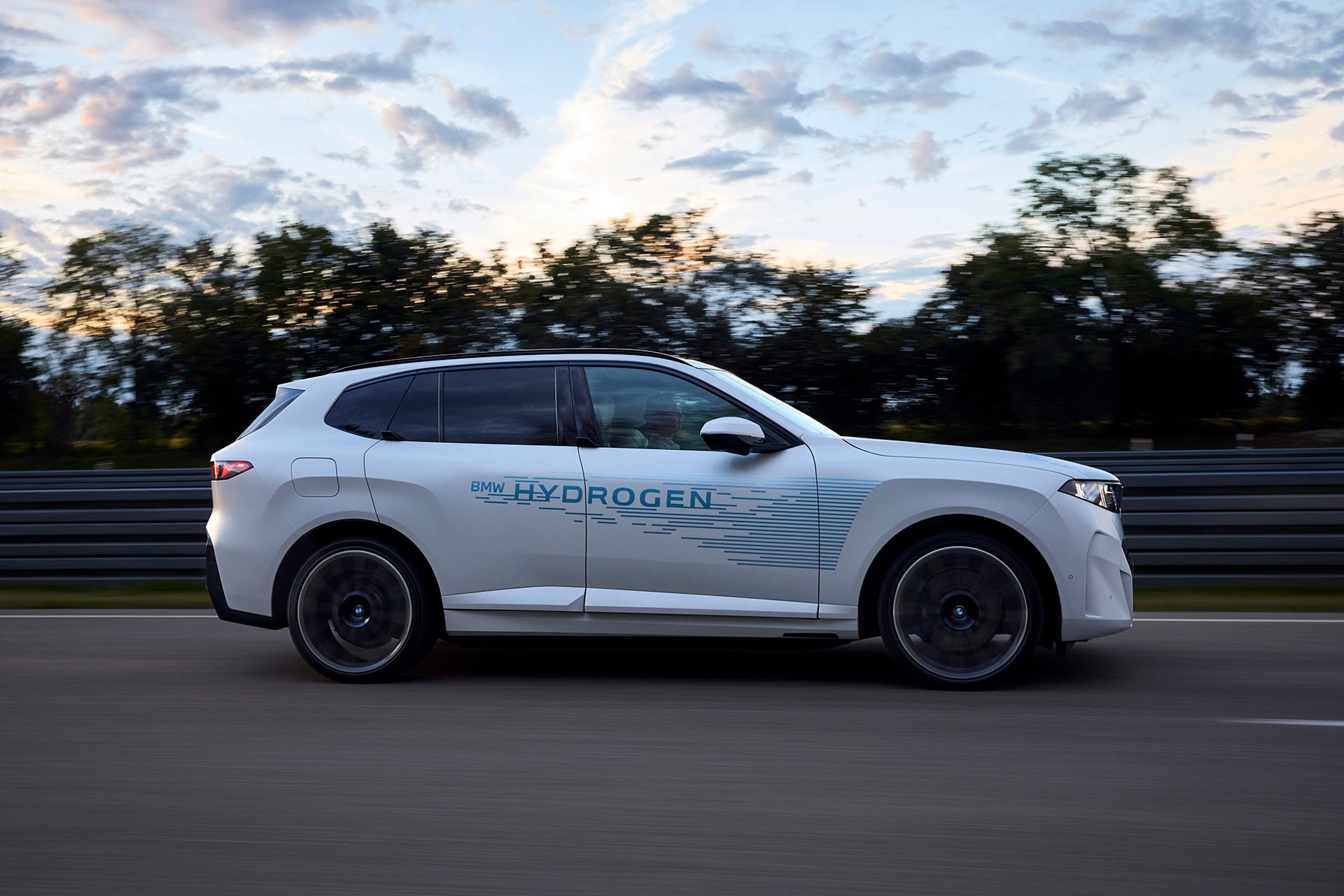
BMW iX5 Hydrogen targets 750km range and five-minute refuelling
Words: Kyle Cassidy
BMW’s first series-production hydrogen vehicle has entered its next development phase, with iX5 Hydrogen prototypes now undergoing an extensive road-testing programme.
The fuel-cell electric SUV is targeting up to 750km of range on the WLTP cycle, while refilling its hydrogen tanks should take less than five minutes. BMW is also aiming for a 0–100km/h time of under five seconds.
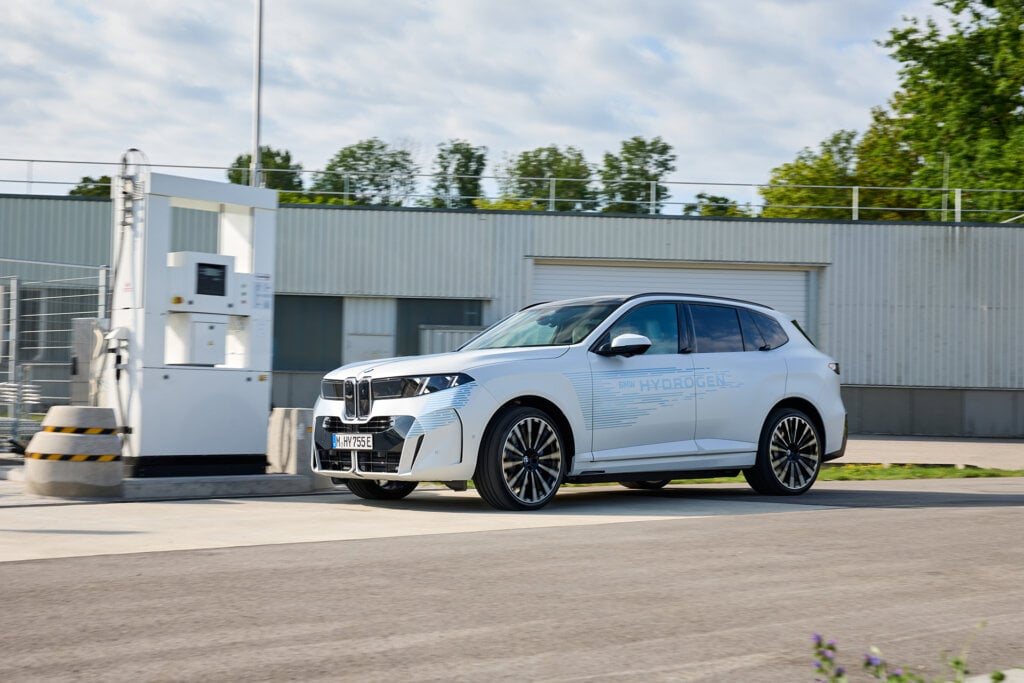
BMW is currently testing the complete drivetrain under demanding environmental and operating conditions. Particular attention is being paid to how the fuel-cell system, high-voltage battery, electric motor, hydrogen storage and central control unit operate together.
Hydrogen from the tanks reacts with oxygen from the surrounding air inside the fuel cell, producing electricity to power the motor. A high-voltage battery supports the fuel cell and stores energy recovered through regenerative braking.
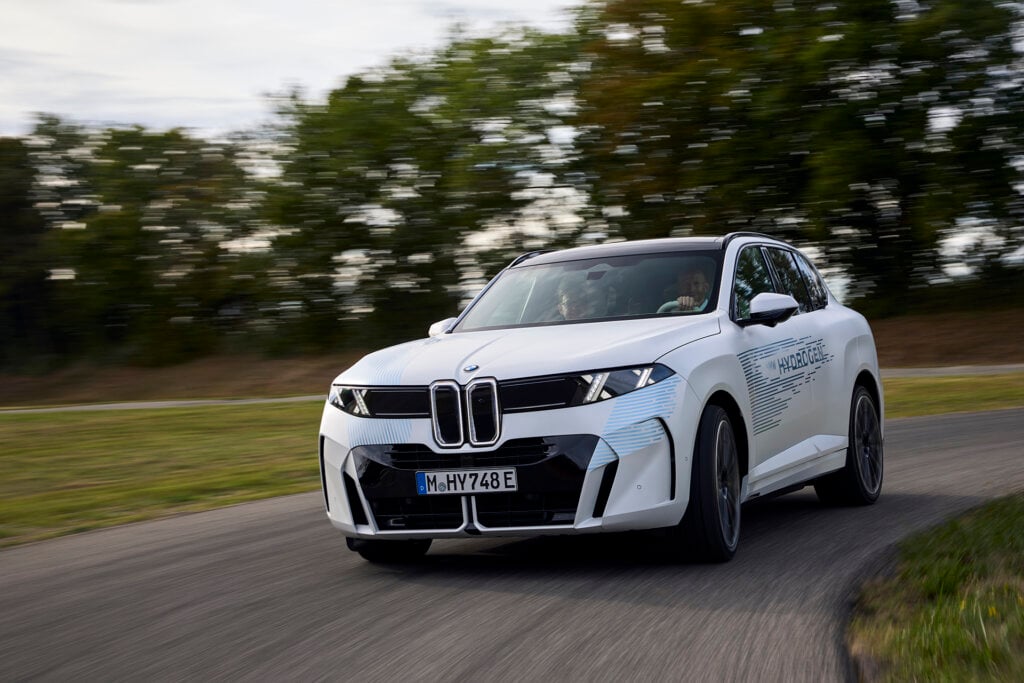
“Our ambition for the BMW iX5 Hydrogen is clear: a true BMW – with Sheer Driving Pleasure. A perfectly coordinated overall system is crucial for this. Current testing demonstrates how the fuel cell system, high-voltage battery and electric drive train are already successfully integrated and how systematically we are developing the technology towards series production,” says Josef Hochreiter, head of Hydrogen Vehicles at the BMW Group.
Toyota-developed fuel-cell system
The iX5 Hydrogen uses BMW’s third-generation fuel-cell system, co-developed with Toyota. The next round of prototype units is now entering assembly at BMW’s Hydrogen Competence Centre in Munich.
Earlier prototypes were used to assess whether individual components could be built reliably and to qualify suppliers. The latest phase shifts the emphasis towards refining testing procedures and establishing repeatable manufacturing processes.
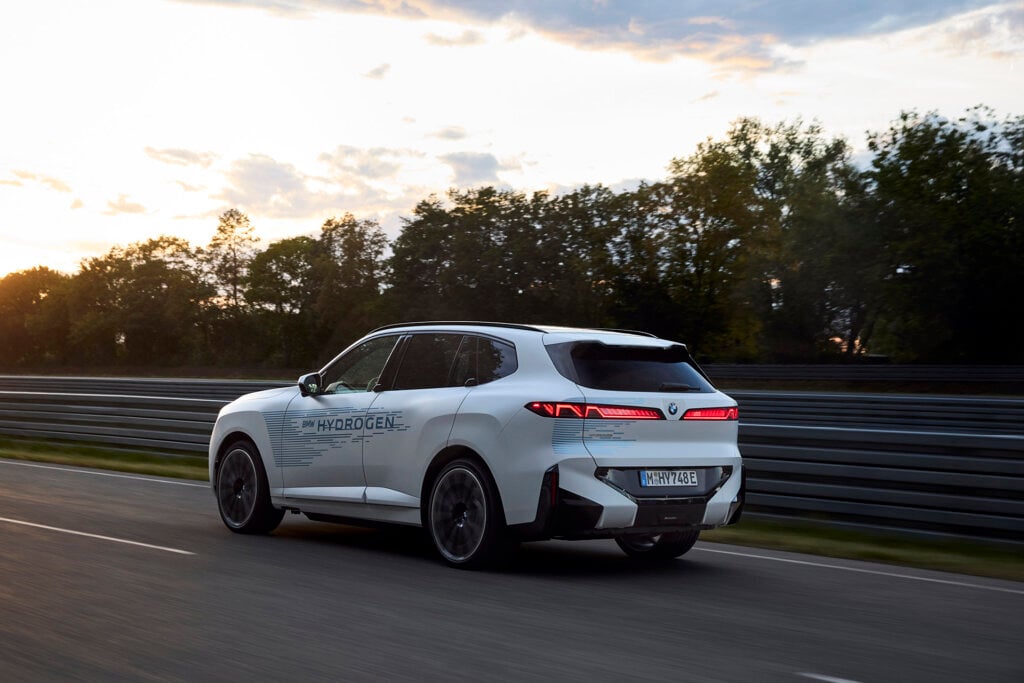
BMW is simultaneously preparing its Steyr engine plant in Austria for eventual series production. Initial test benches and manufacturing equipment have been installed, while employees are being trained ahead of the planned production ramp-up. Additional drivetrain components will come from BMW’s Landshut facility in Germany.
The manufacturer sees hydrogen as a complement to battery-electric power rather than a replacement. Its short refuelling time and long potential range could suit drivers who regularly cover large distances or require more flexibility than a conventional battery vehicle provides.
The iX5 Hydrogen follows BMW’s earlier pilot fleet, which was used for development and demonstration work around the world. The company has not yet announced when the production version will launch, how much it will cost or which markets will receive it.
BMW NZ has confirmed the X5 will be offered here in electric, plug-in hybrid and diesel forms initially, while the hydrogen X5 remains an unlikely option here.