Company ute FBT exemption set to end under 2027 tax overhaul
Words: Kyle Cassidy
New Zealand’s company vehicle tax rules face their biggest shake-up in four decades, with proposed changes removing the work-related vehicle exemption commonly used for sign-written utes.
The Taxation (Annual Rates for 2026–27, FBT Simplification, Foreign Investment Funds, and Remedial Measures) Bill was introduced to Parliament on September 10. If enacted in its current form, the new vehicle fringe benefit tax rules will apply from April 1, 2027. Inland Revenue confirmed the bill’s introduction last week.
FBT is paid by employers on non-cash benefits provided to staff, including the private use of company vehicles. The proposed system replaces day counting, logbooks and several existing exemptions with six fixed categories based on permitted private use.
A vehicle supplied primarily as an employment perk, with unrestricted private use, will attract a 100 per cent inclusion rate.
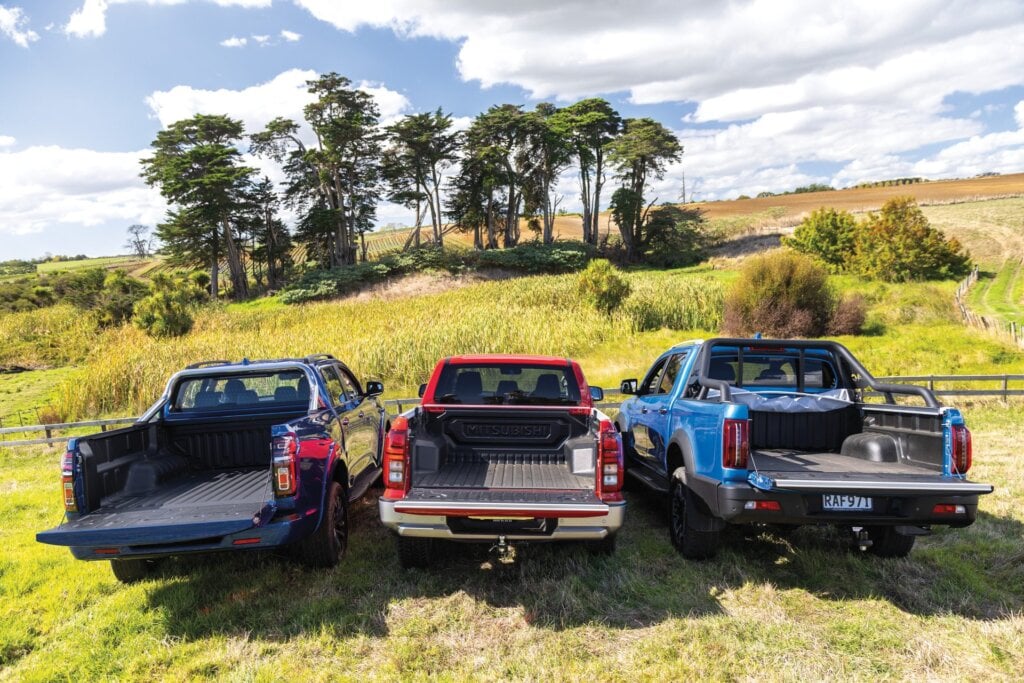
A branded vehicle used mainly for business but also available for commuting, weekends and public holidays will sit at 35 per cent. The same rate applies to qualifying farm vehicles used privately by shareholder-employees, without a branding requirement.
A branded vehicle used privately only for commuting to one regular workplace attracts a 20 per cent rate. Genuine tool-of-trade vehicles used across multiple worksites or temporary projects can qualify for zero, as can pool vehicles with no private use.
If an employer doesn’t select an appropriate category, the vehicle defaults to 100 per cent. The percentages are used to establish the taxable value of the benefit; they aren’t the final FBT tax rates.
One-off incidental use, such as an employee borrowing a van for a weekend move, will generally be ignored. Employers will only need to reconsider a vehicle’s classification when its expected use changes materially.
Utes lose their special position
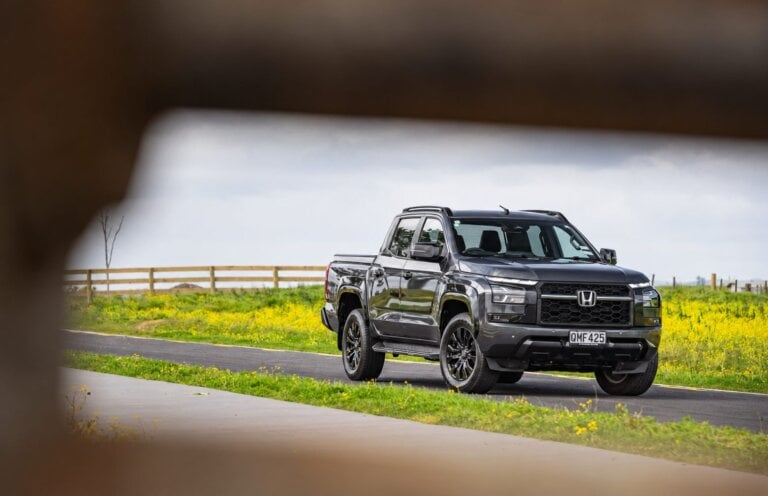
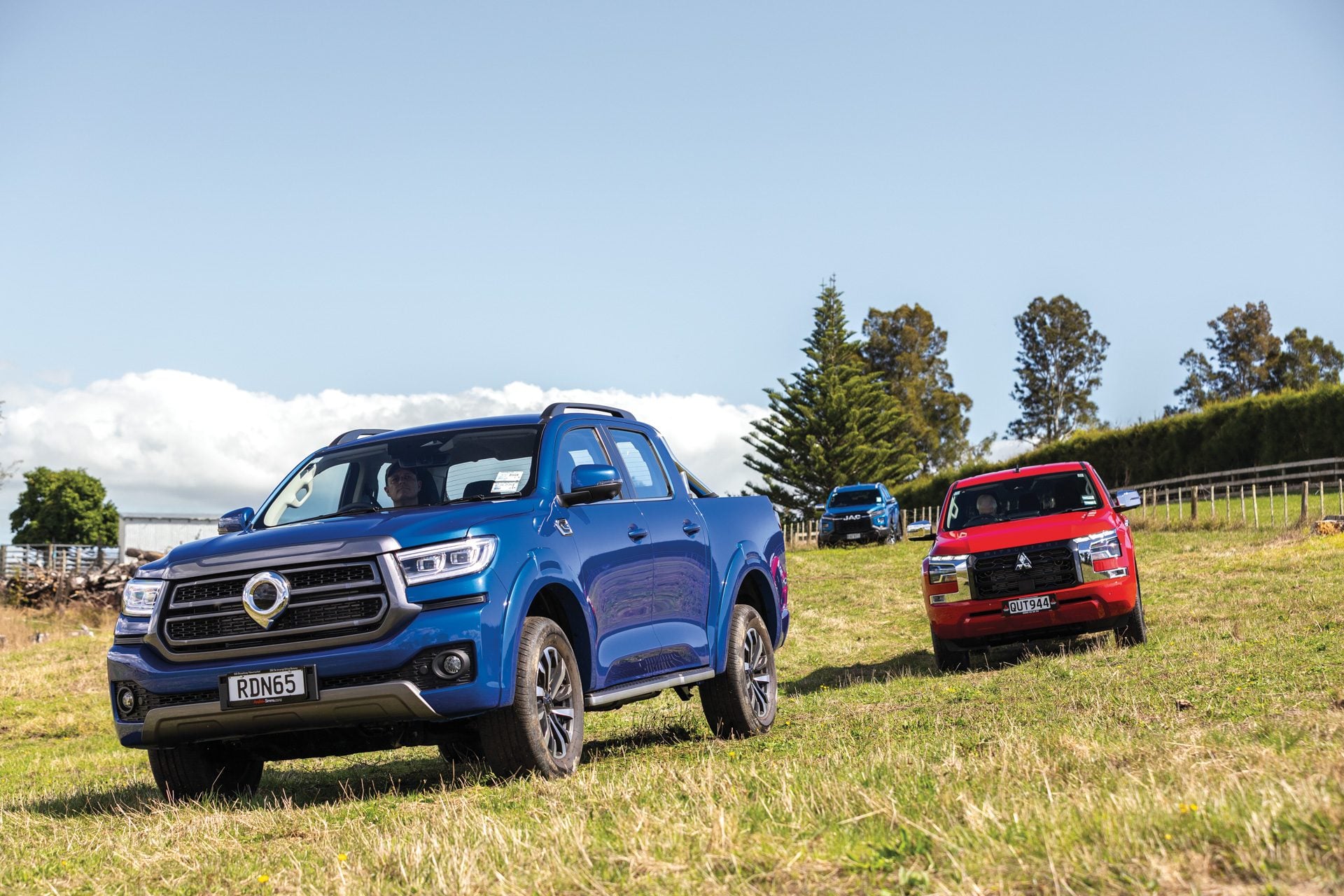
The existing work-related vehicle exemption will be repealed, removing the distinction that helped make sign-written double-cab utes a mainstay of company fleets.
However, the changes don’t automatically mean every company ute will attract more tax. The new approach focuses on how a vehicle is used rather than whether it was designed mainly to carry people.
That means a passenger car used primarily for business could qualify for a reduced inclusion rate, while a ute supplied with unrestricted private use could be taxed at 100 per cent.
Inland Revenue’s worked example of a branded ute available for weekends and holidays currently attracts FBT for 36 days each quarter, equivalent to an inclusion rate of about 40 per cent. Under the proposed category system, that falls to 35 per cent.
Deloitte tax partner Robyn Walker told RNZ that feedback from clients suggested the new system would be easier to administer and provide a fairer reflection of the benefit received. Some businesses may consequently pay less than they do now.
EVs receive lower valuation rate
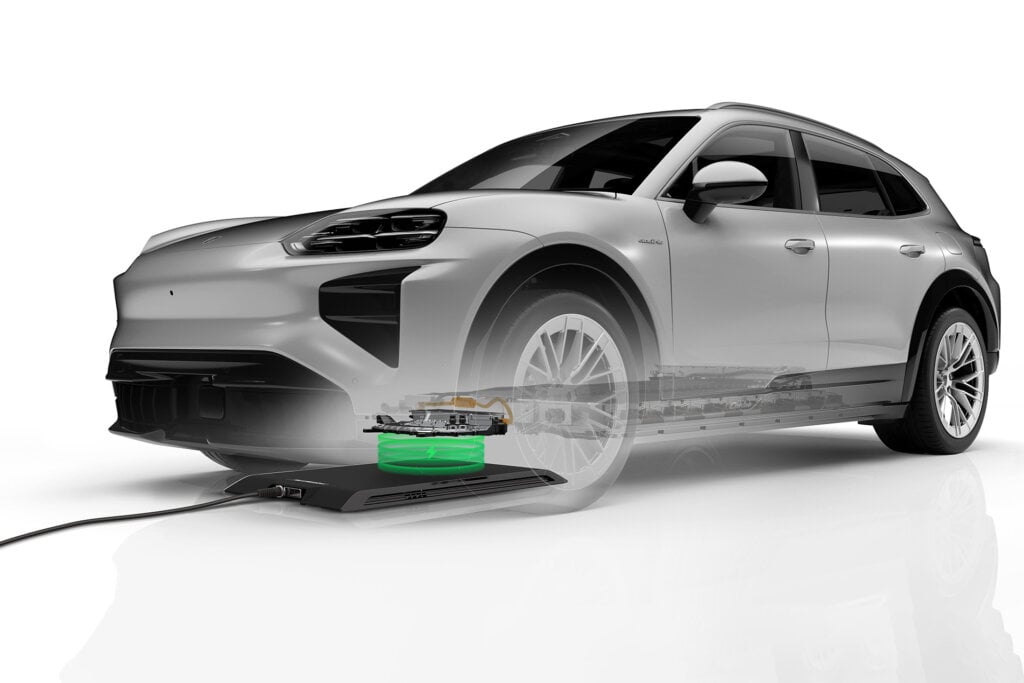
Powertrain type will also affect vehicle valuation for the first time.
Petrol and diesel vehicles retain the existing annual cost-price rate of 20 per cent. Hybrids, including plug-in hybrids, drop to 19.6 per cent, while electric vehicles fall to 17 per cent.
The bill therefore abandons the Budget proposal to lift the standard rate to 22.8 per cent. Different rates apply when employers calculate FBT using tax book value. KPMG’s analysis outlines the proposed categories and valuation rates.
Vehicles bought, leased or rented before the bill’s introduction are exempt from the new branding requirement. Inland Revenue will also be able to waive branding where the nature of a business or employee’s role makes signage inappropriate.
The FBT definition of a motor vehicle will expand from a 3500kg to 6000kg gross laden weight limit, bringing heavier models such as the Ford Ranger Super Duty within the same framework. Vehicles operated as part of a rental business remain excluded.

Revenue Minister Simon Watts described the simplified approach during Budget 2026 as “close enough is good enough”, arguing it would reduce compliance costs for businesses.
For dealers, leasing companies and fleet operators, the bill changes the calculations behind vehicle purchasing decisions from 2027. It has now entered the select committee process and may still be amended before becoming law.