View all
3 more images
Freelander 8 first drive: plenty of room, a few questions
Words: Richard Edwards
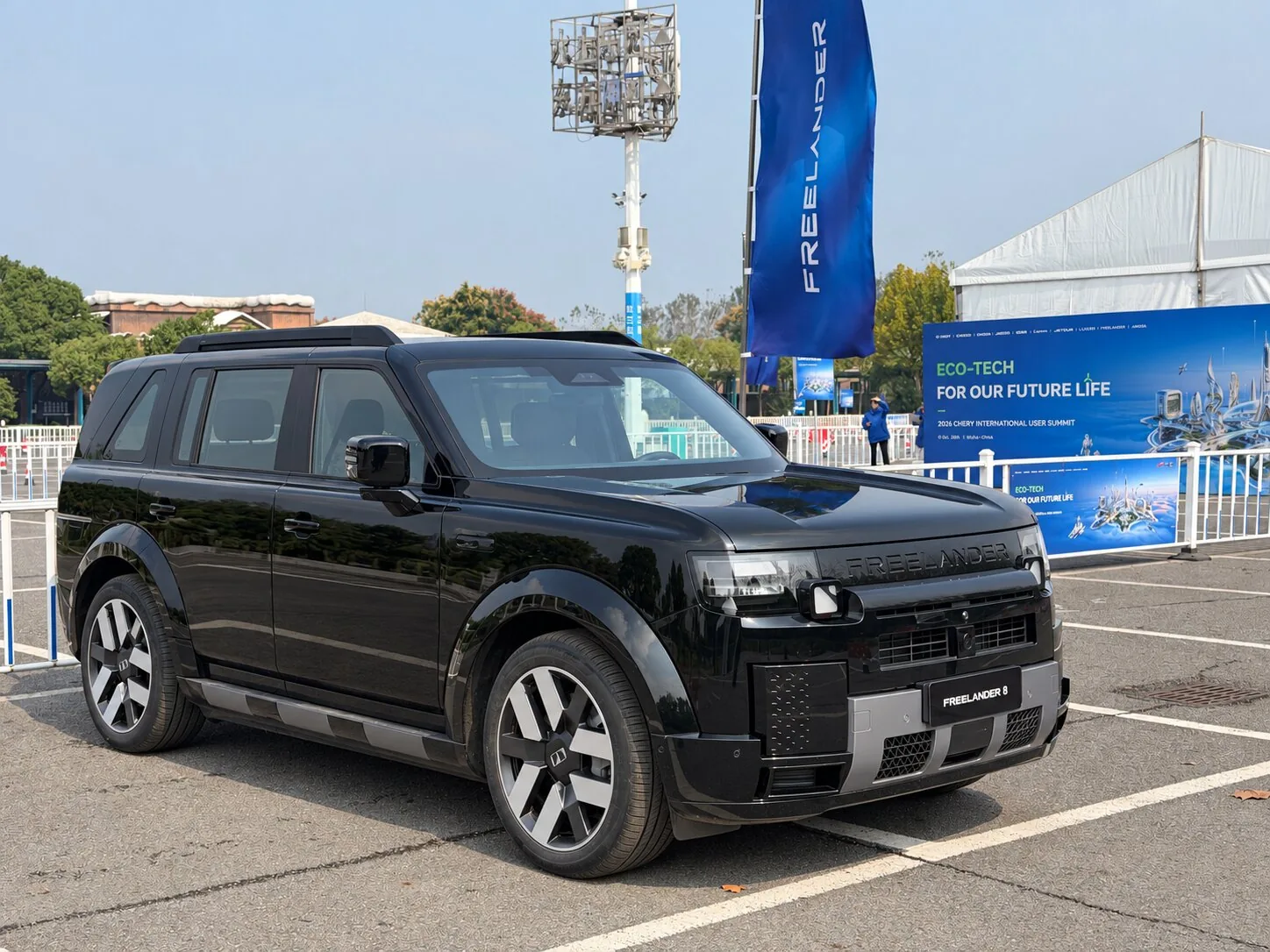
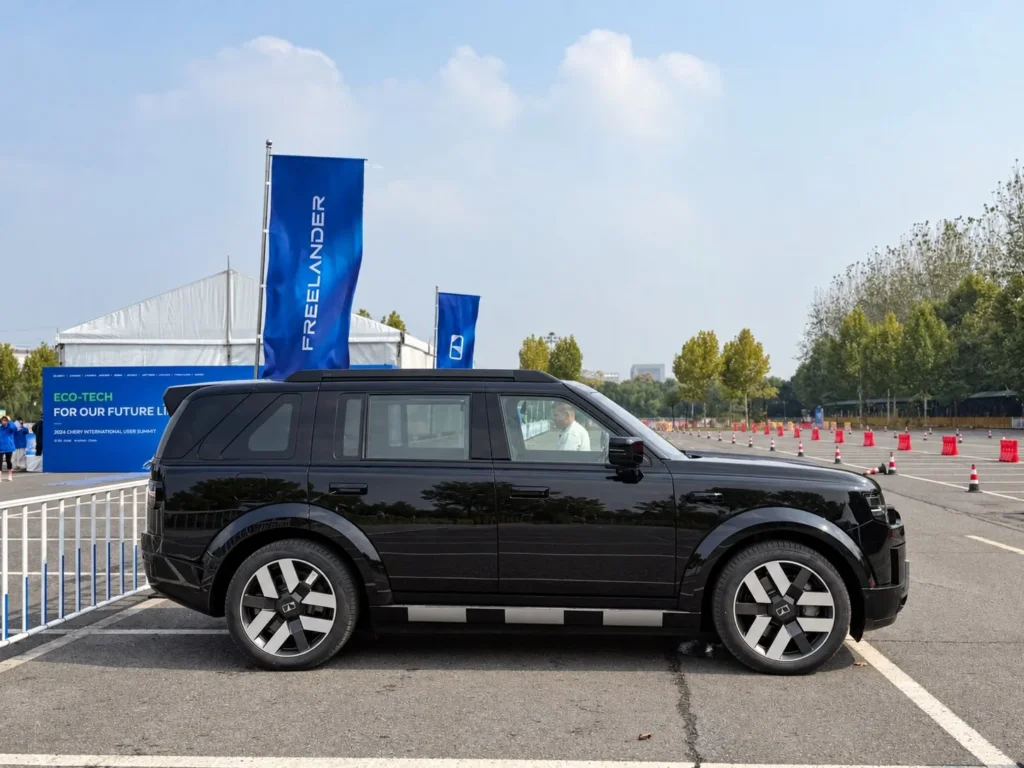
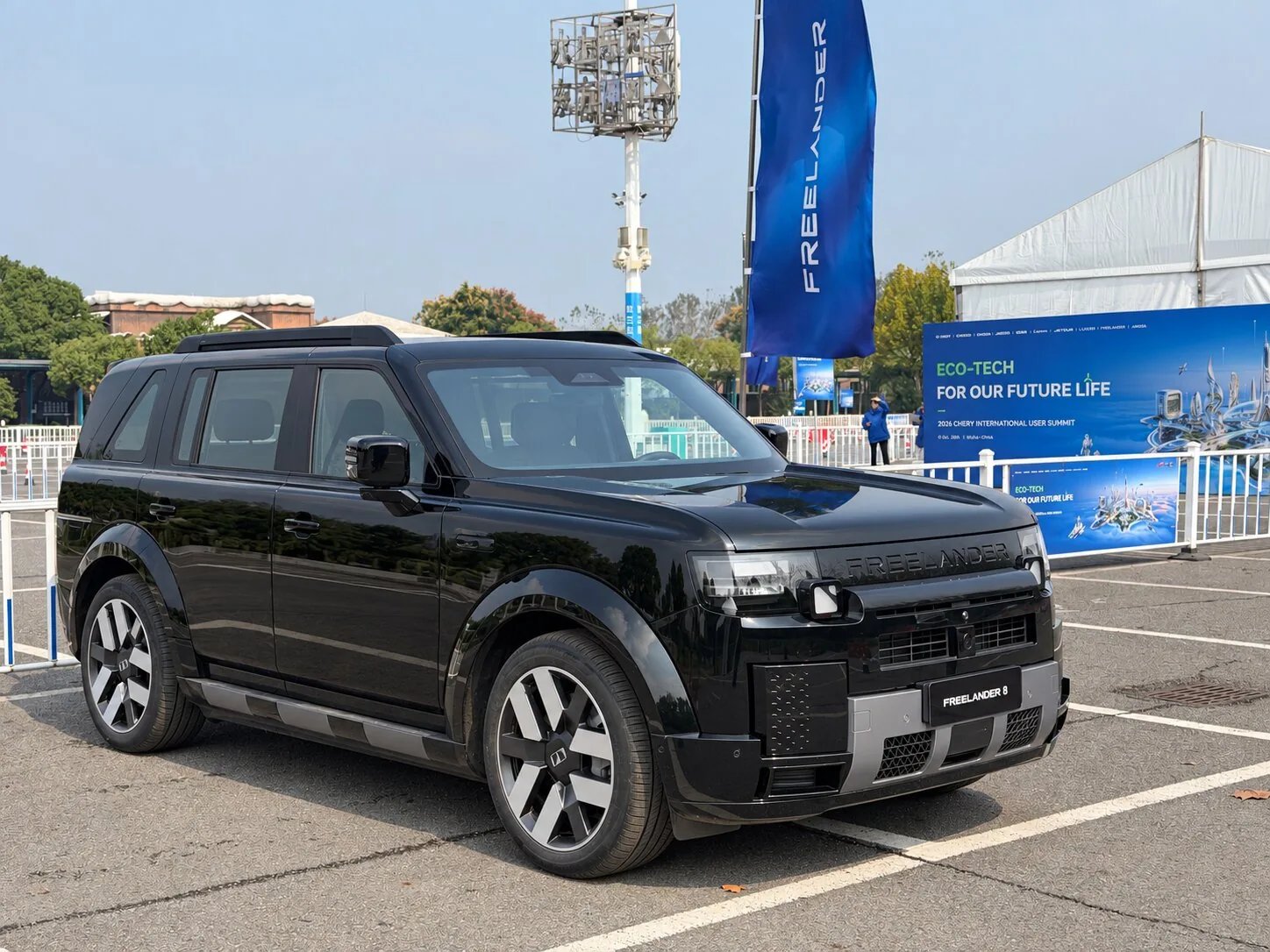
The original Freelander was Land Rover’s smallest and cheapest 4×4. The Freelander 8 is 5118mm long on a 3040mm wheelbase, has three rows of seats and is closer in size to a Discovery than to anything that’s worn the badge before.
It’s not a Land Rover, either. Freelander is now a brand of its own. JLR owns the name and leads the design through its Freelander Design Hub in Shanghai, while Chery supplies the technology and builds the car in Changshu. The 8 is confirmed for New Zealand in 2027. We had a look around a China-market car in a Shanghai shopping mall, then a short drive in the international model on a closed course at Chery’s international user summit in Wuhu.
Which Freelander 8 we get
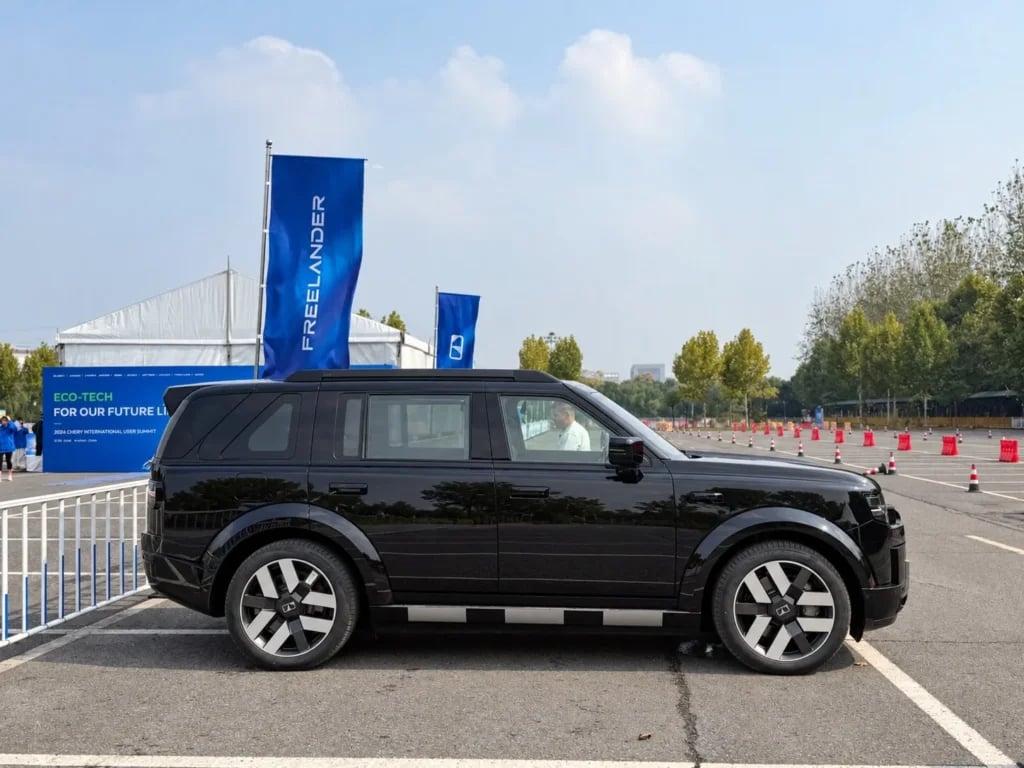
New Zealand is expected to get the international plug-in hybrid rather than the range-extender sold in China. Freelander says the 8 was designed from the start in left-hand-drive, right-hand-drive and EU versions on one platform. It pairs a 2.0-litre turbo petrol engine with a motor on each axle for a combined 460kW and 662Nm, and Freelander claims 0-100km/h in 5.8 seconds.
The 34.12kWh lithium iron phosphate battery is good for a claimed 110km of electric range on the WLTC cycle, and 886km combined with a full tank. In a vehicle this big we’d expect closer to 80km in the real world, which still covers most daily driving. AC charging is 11kW, and Freelander quotes 20 to 80% on a DC charger in 20 minutes or less. That’s a long stop for a fairly small battery, and it hasn’t published a peak DC rate.
The China-market car uses a 1.5-litre engine purely as a generator, with a 60kWh battery and more than 600kW, enough for 0-100km/h in under five seconds. We’d like to see that version here one day, but local specification and pricing haven’t been confirmed yet.
Behind the wheel
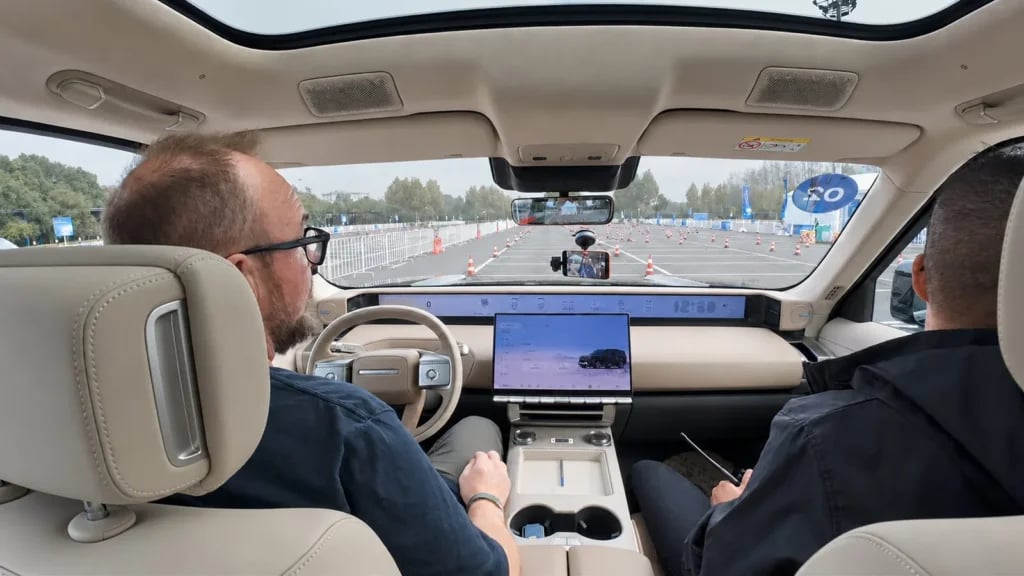
You can’t learn much about a big SUV’s ride and handling in a coned car park, so these are early impressions only. The international model pulls hard off the line for something this size, and it’s quiet. Freelander uses active noise cancellation and quotes an idle noise level of 37dB. The rear wheels steer up to 10 degrees, which makes it surprisingly nimble through tight turns, and the body feels stiff. Freelander puts torsional stiffness at 43,730Nm per degree.
It sits on dual-chamber air suspension with continuously controlled damping, which can raise the body 70mm or drop it 50mm, for up to 266mm of ground clearance. A Motion Sickness Relief mode manages pitch under braking, and the front brakes use six-piston fixed callipers.
The i-ATS (Intelligent All-Terrain System) has nine modes. Seven are terrain programmes, including Sand. There’s also a Smart mode that picks the settings for you and an Expert mode that lets you adjust them yourself. There’s a virtual centre diff lock, a rear electronic limited-slip diff, crawl control and hill descent control. Freelander quotes a 900mm wading depth, with the engine’s air intake at 1213mm and radar that shows water depth on screen. It also says the 8 can cross an 800mm cross-axle test and climb a 70% gradient, about 35 degrees. We were driven around a short off-road course as passengers, and while the 8 appeared to handle the sort of obstacles you’d expect a Land Rover to cope with, we’ll wait until we’ve driven it ourselves in real conditions before passing judgement.
Freelander’s team told us the 8 is rated to tow two tonnes. That’s light for a vehicle this size, particularly for New Zealand buyers with horse floats or boats, and we told them it’ll need to be higher here.
Design
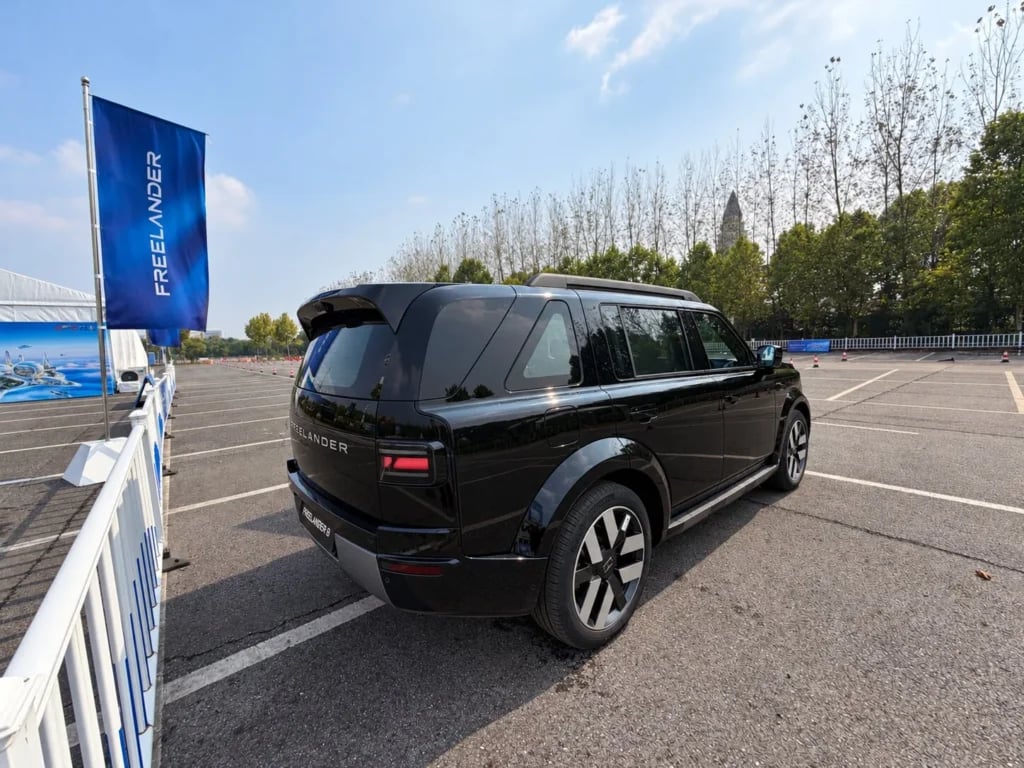
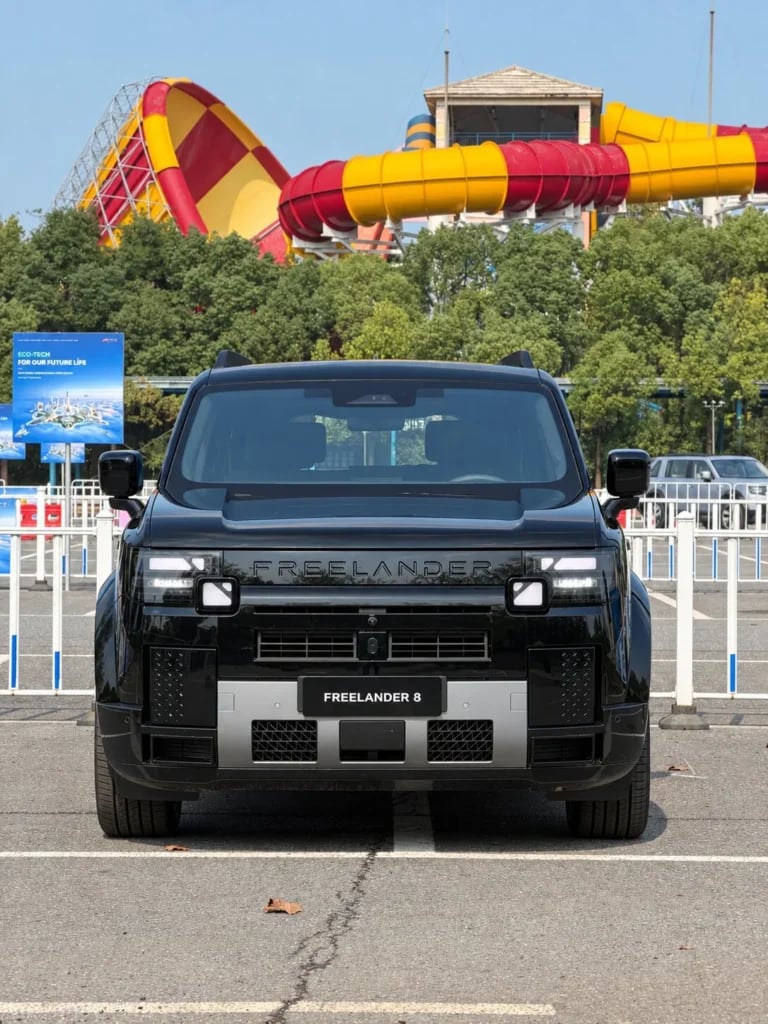
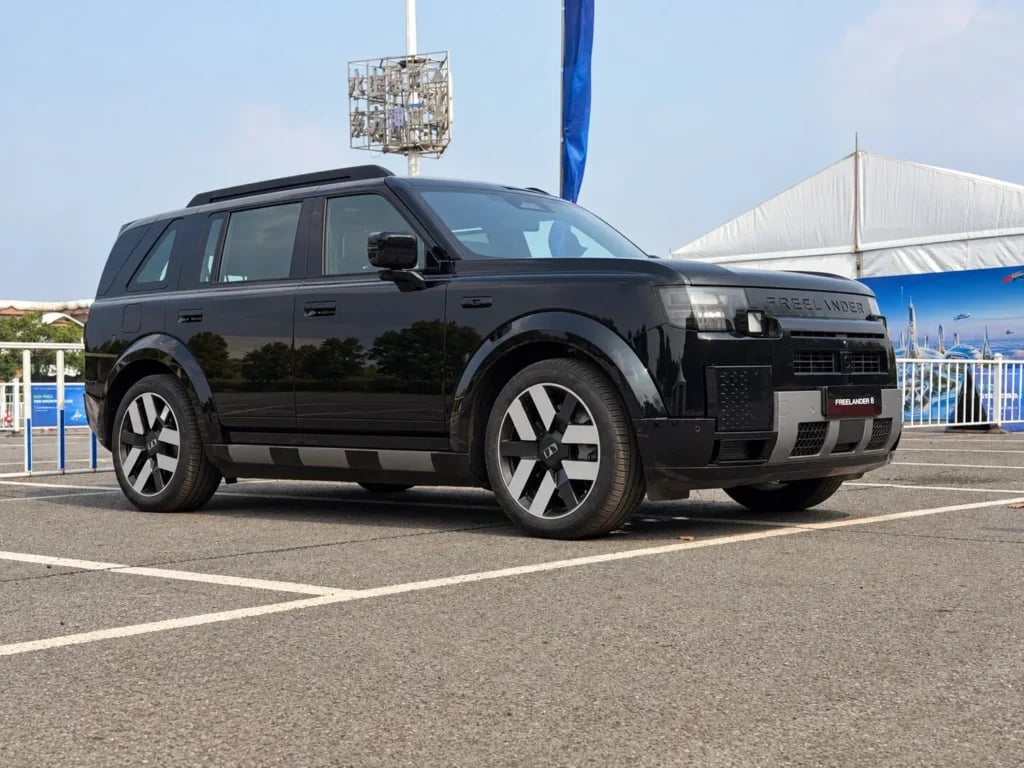
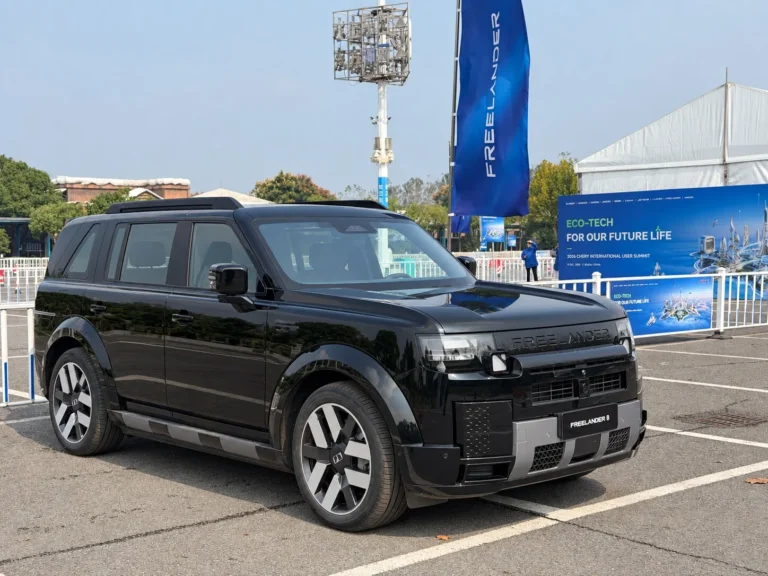
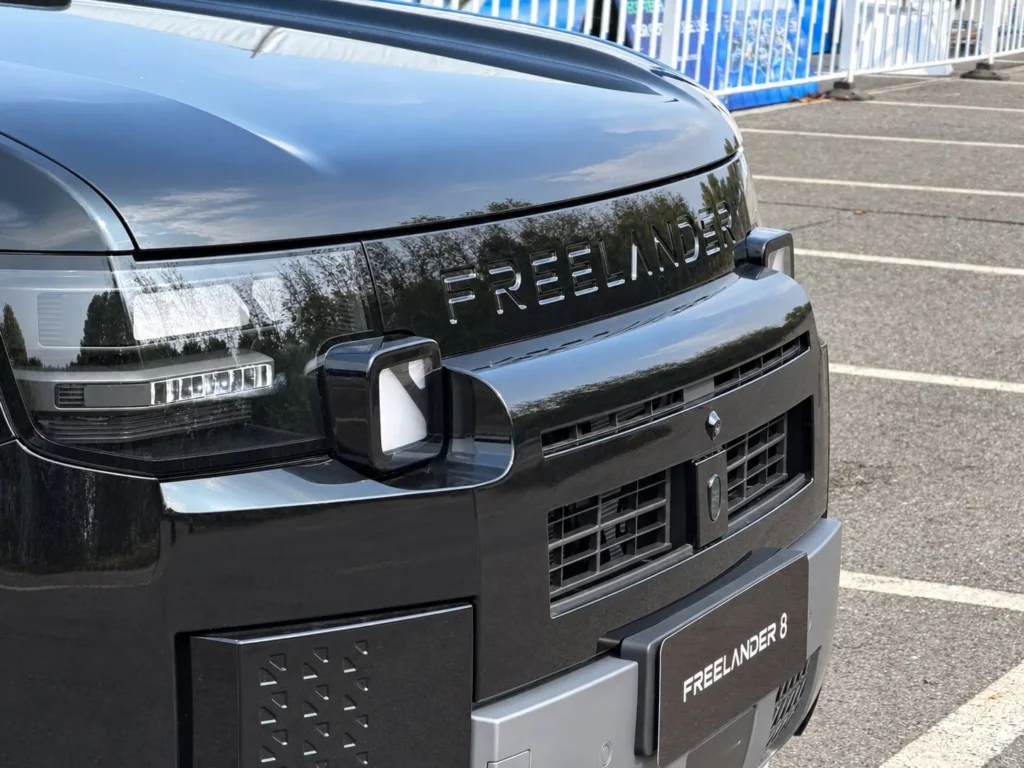
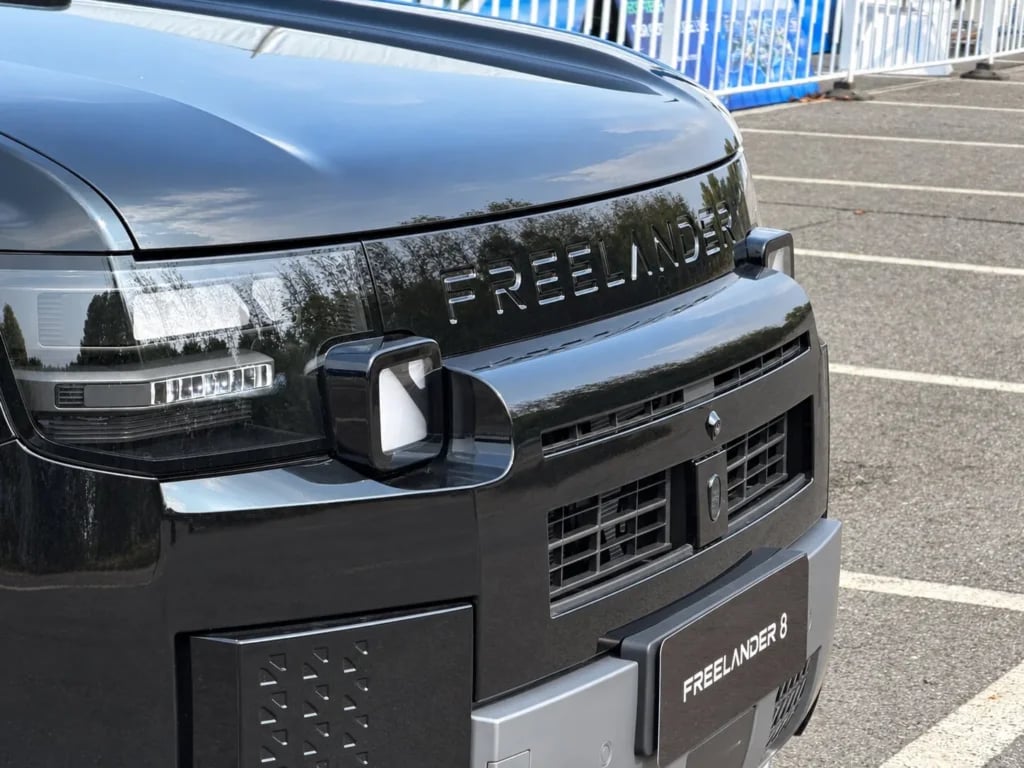
Phil Simmons runs the Freelander Design Hub and worked on the original 1997 Freelander. The interlocking headlights are taken from that first car. The triangular rear side window comes from the three-door, and Simmons says its shape holds the letters F and L. The Freelander lettering on the tailgate is carved into the panel, not stuck on. Simmons says it’s 4mm deep, where the industry usually goes to 2.5mm.
There are eight exterior finishes, two of them satin. The test car rode on 22-inch wheels. The China-market car in the mall had a roof-mounted lidar sensor for its driver assistance, which hasn’t been confirmed for export models.
Inside
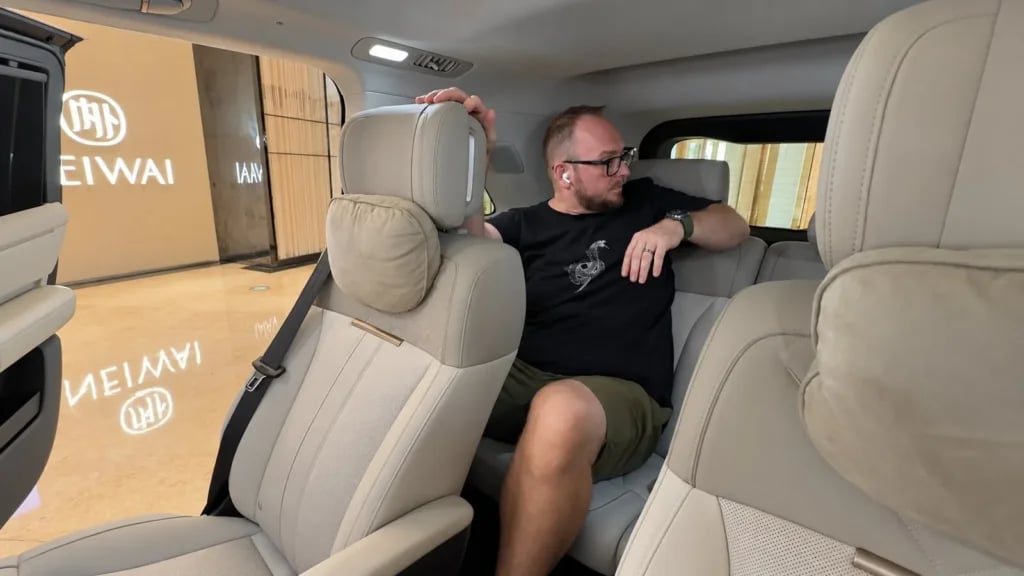
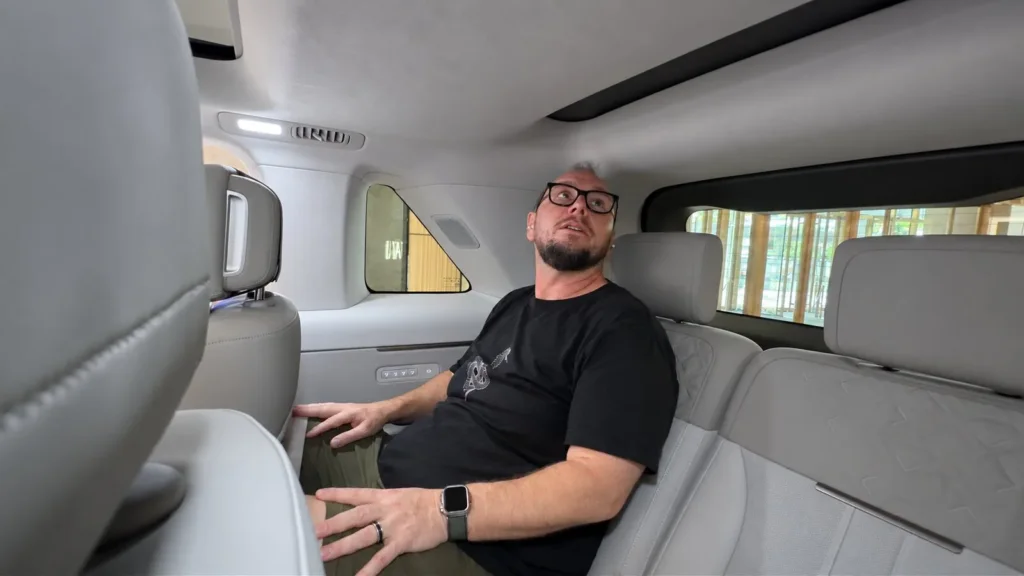
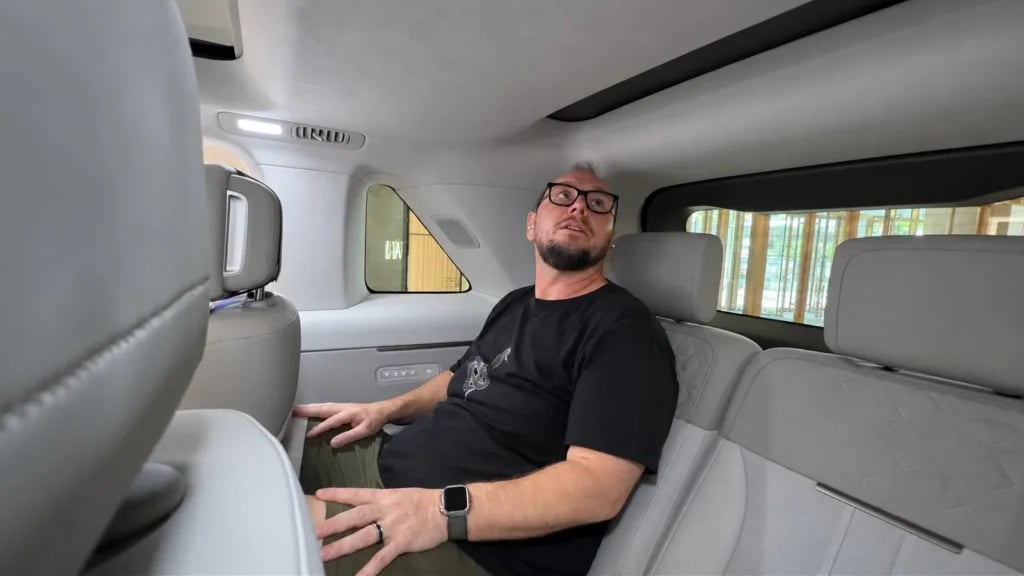
On the six-seater you get to the third row by squeezing between the second-row chairs, and once you’re there it’s one of the best third rows we’ve sat in this side of a van. Freelander quotes 834mm of legroom and 960mm of headroom, which is more headroom than some SUVs give you in the second row. There’s room to tuck your feet under the seat in front, plus heating and ventilation, USB power and a cupholder. Ventilated third-row seats are standard on six-seat versions. You sit slightly inboard, which puts your knees at an odd angle, but adults won’t mind spending time back there.
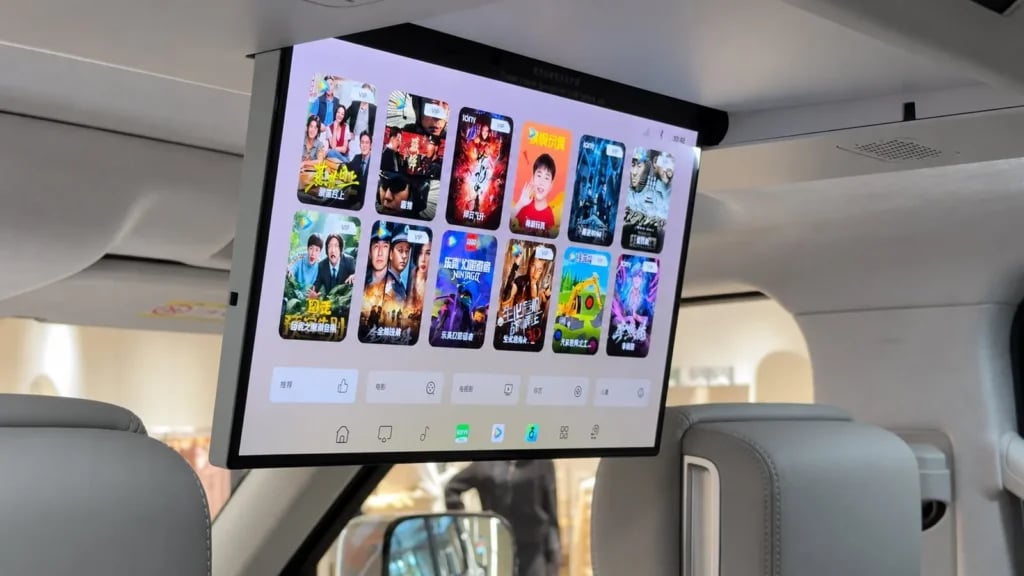
The test car had the optional zero-gravity seats in the second row. They recline to 145 degrees with a leg rest that rises underneath, have 10-point massage with eight modes, and slide 260mm on concealed rails. Between them there’s a 10-litre fridge that cools or heats and can be opened from the front. Rear passengers also get an optional 17.3-inch screen that folds down from the roof.
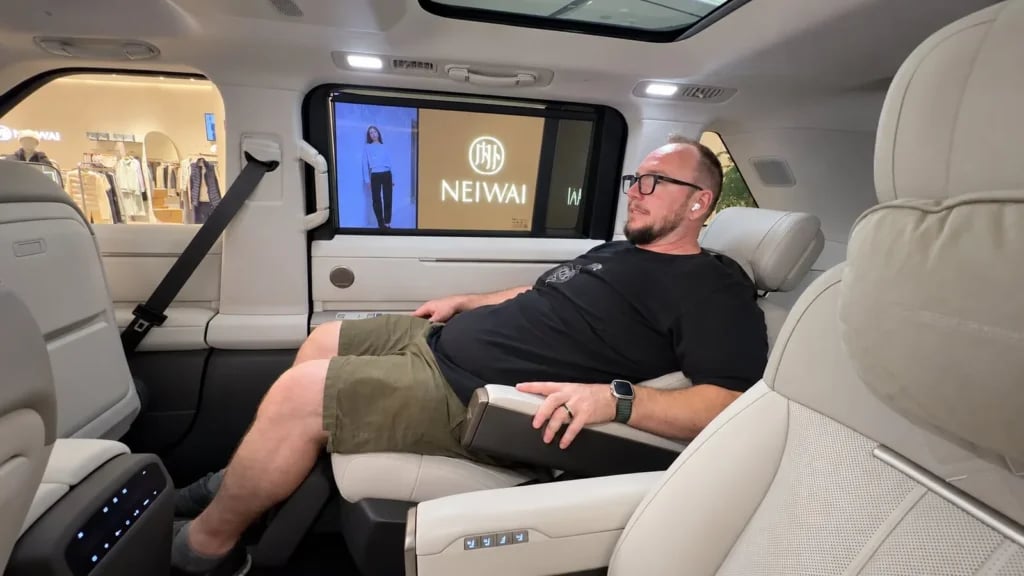
The leather is nappa from carbon-neutral farms in New Zealand, and the trim uses open-pore Ayous wood veneer. The ambient lighting has 256 colours across 22 zones. Freelander says the air conditioning dropped the temperature at the driver’s head by 33°C in 10 minutes, after the car had sat in the Middle East sun for two hours.
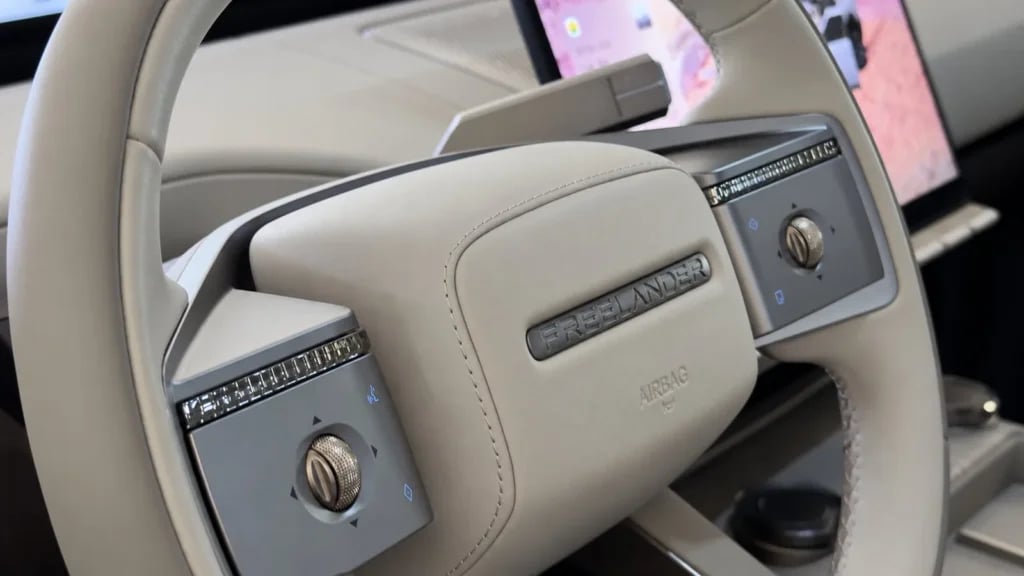
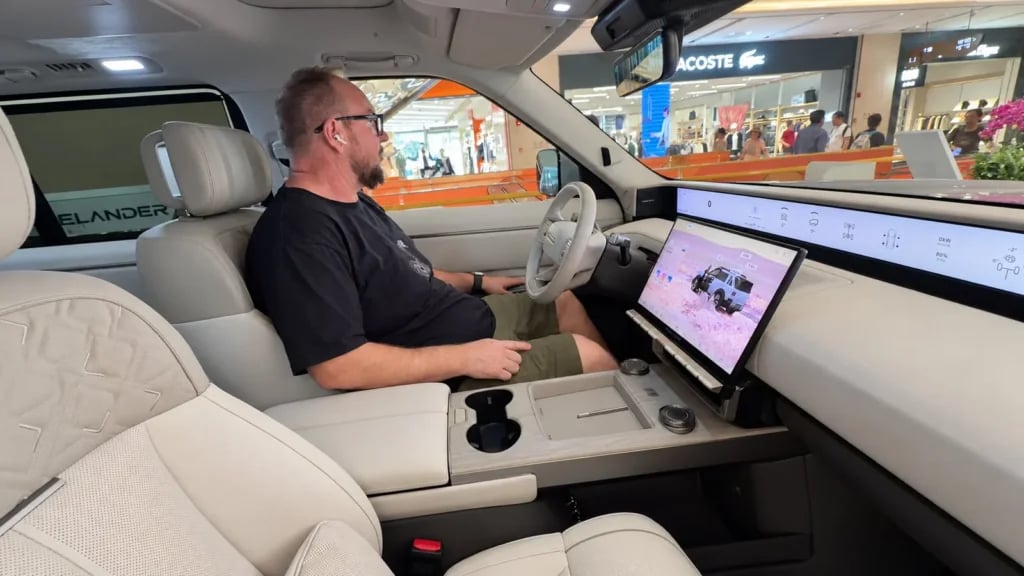
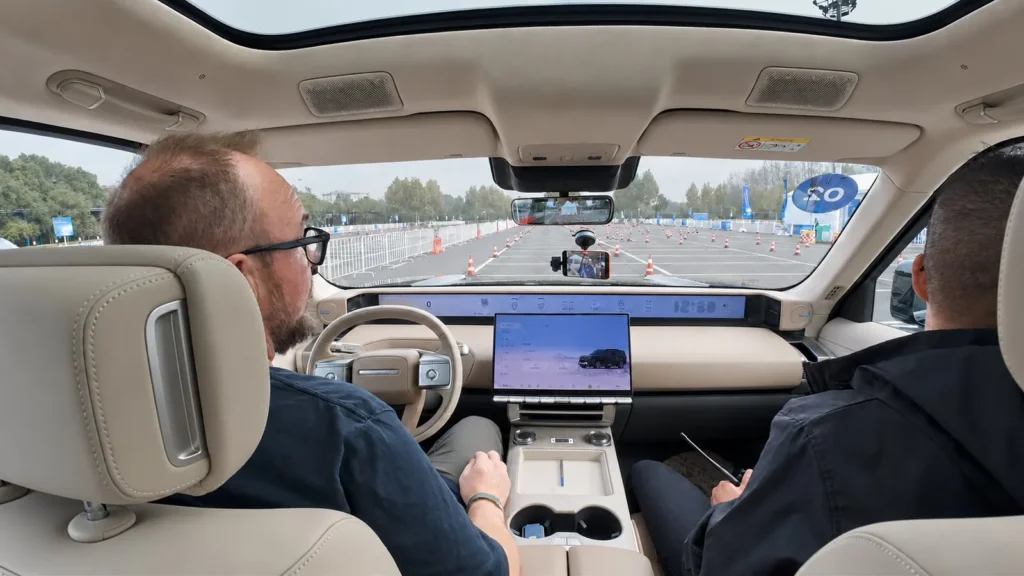
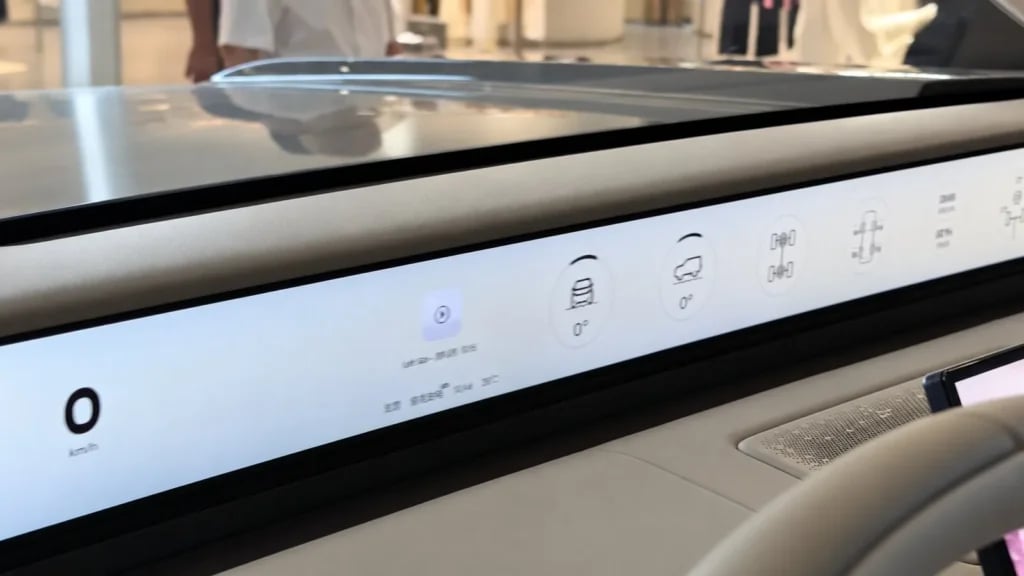
There’s no instrument display directly in front of the driver. Instead a 46.3-inch 8K mini-LED screen stretches about 1.2m across the dash, showing driving information and 4×4 detail such as the diff locks, wheel angles and power flow. Below it is a 15.6-inch touchscreen. Both run on Qualcomm’s SA8295P chip, which is standard across the range. Everything responded quickly, although the test car’s software was mostly in Chinese.
Freelander has kept physical buttons for the seat ventilation, cameras, demisting and a couple of programmable functions. Press the climate dials and they switch between fan speed and temperature, the way they do in recent JLR models.
You also get a driver-monitoring camera with a privacy slider and a video rear-view mirror that switches back to a normal one. There’s wireless charging and Harman Kardon audio with up to 23 speakers. The front seats are heated, ventilated and massaging. The doors soft-close, but the pop-out handles need a firm pull.
Level 2+ driver assistance is standard, with more than 30 functions using 28 sensors. That covers adaptive cruise control, lane centring, autonomous emergency braking, emergency lane keeping, blind-spot detection, rear cross-traffic alert and door-open warning. A valet parking and summon function, run from a phone app, will be offered in selected markets.
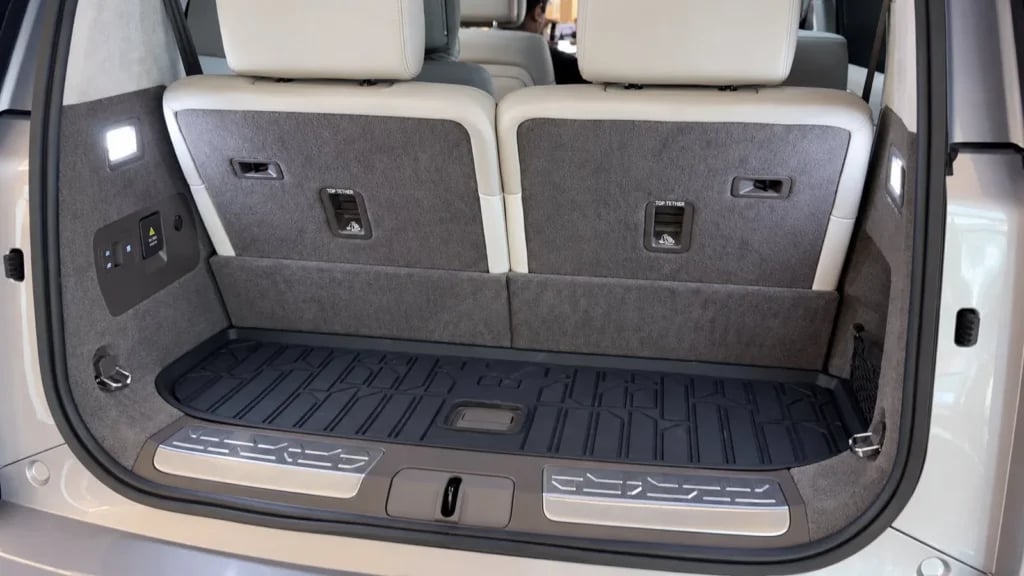
With all three rows up the boot isn’t especially big, but it’s nicely finished, and you can lower the rear suspension from inside to make loading easier. Fold the seats and you get a flat floor, with room for a couple of mountain bikes once their front wheels are off.
Verdict
This was a short drive in an early international car, and we still don’t know the New Zealand price or final specification. What we can say is that the Freelander 8 has more space and more equipment than the name would lead you to expect, and its third row is one of the best we’ve tried. We’ll want to know more about the towing capacity, real-world electric range, charging speed and how it goes off-road with us driving before we can give a full verdict.
Freelander 8 (international plug-in hybrid, provisional)
| Price | To be confirmed |
| Engine | 2.0-litre turbo petrol, plug-in hybrid |
| Motors | Front and rear |
| Power / torque | 460kW / 662Nm (combined) |
| 0-100km/h | 5.8sec (claimed) |
| Battery | 34.12kWh LFP |
| Electric range | 110km (WLTC) |
| Combined range | 886km |
| Charging | 11kW AC; DC 20-80% in 20 minutes or less |
| Seats | Five or six |
| L / W / H | 5118 / 2050 / 1926mm |
| Wheelbase | 3040mm |
| Ground clearance | Up to 266mm |
| Wading depth | 900mm |
| Towing | 2000kg (indicative) |