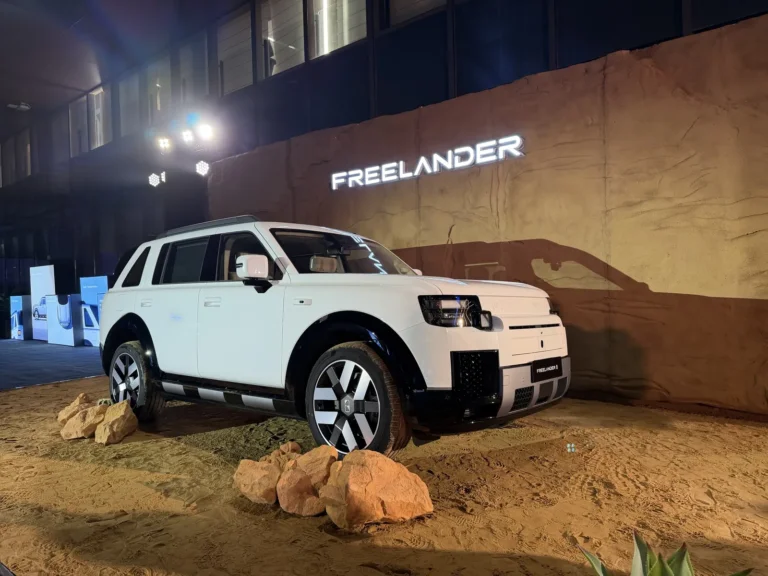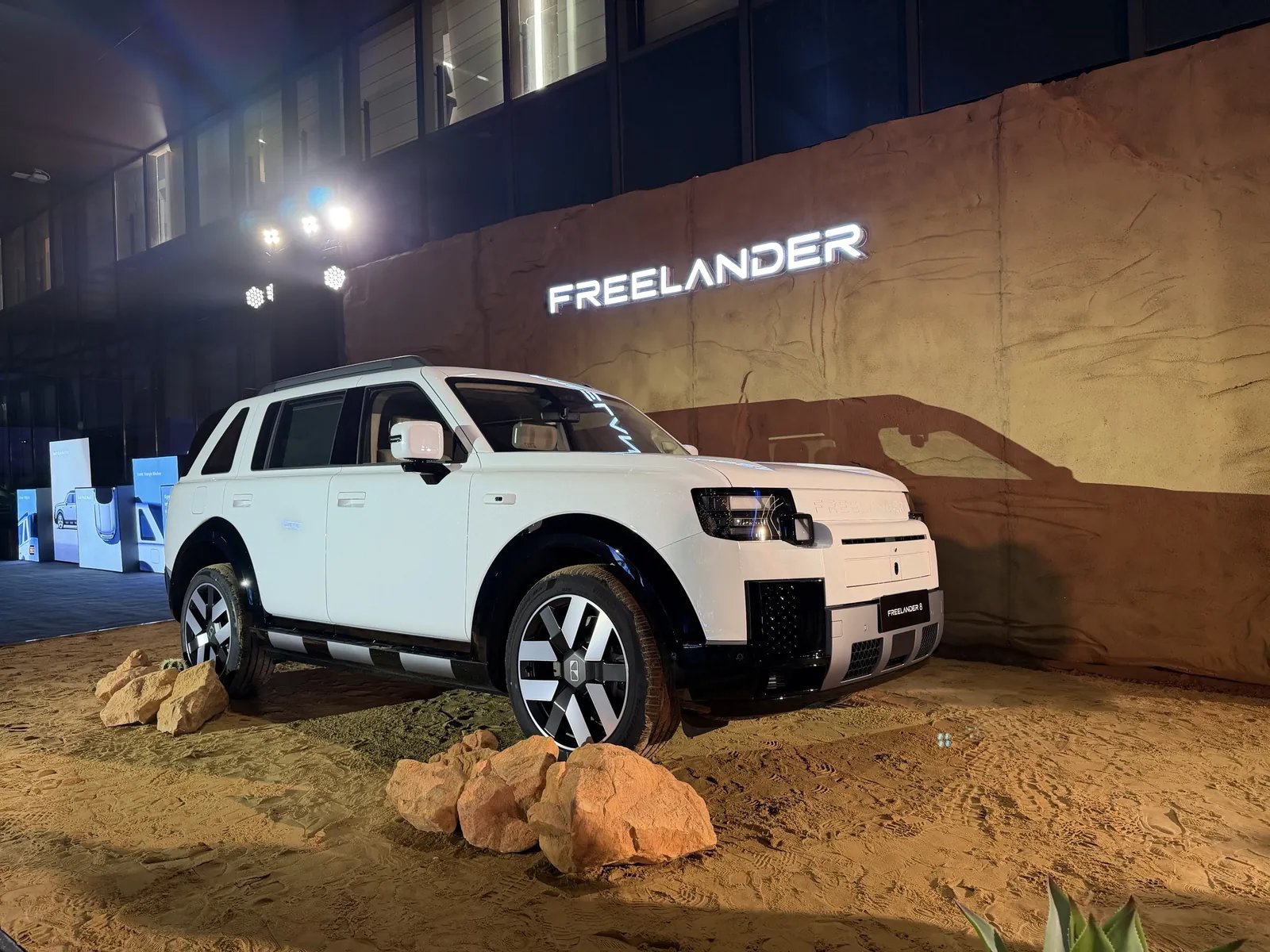
Export Freelander 8 swaps range-extender for plug-in hybrid
Words: Richard Edwards
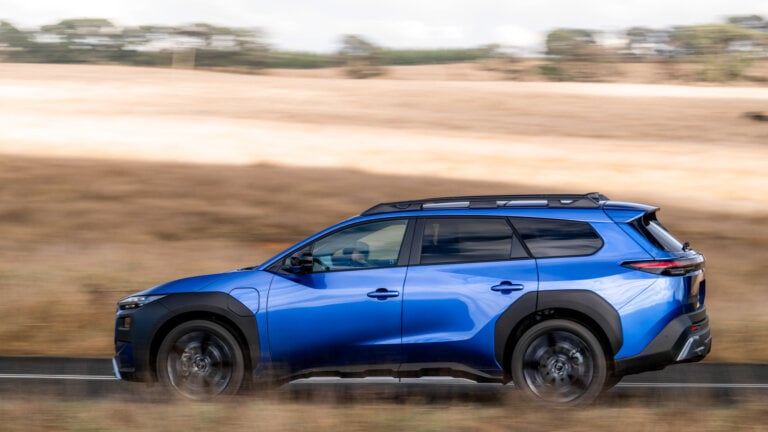
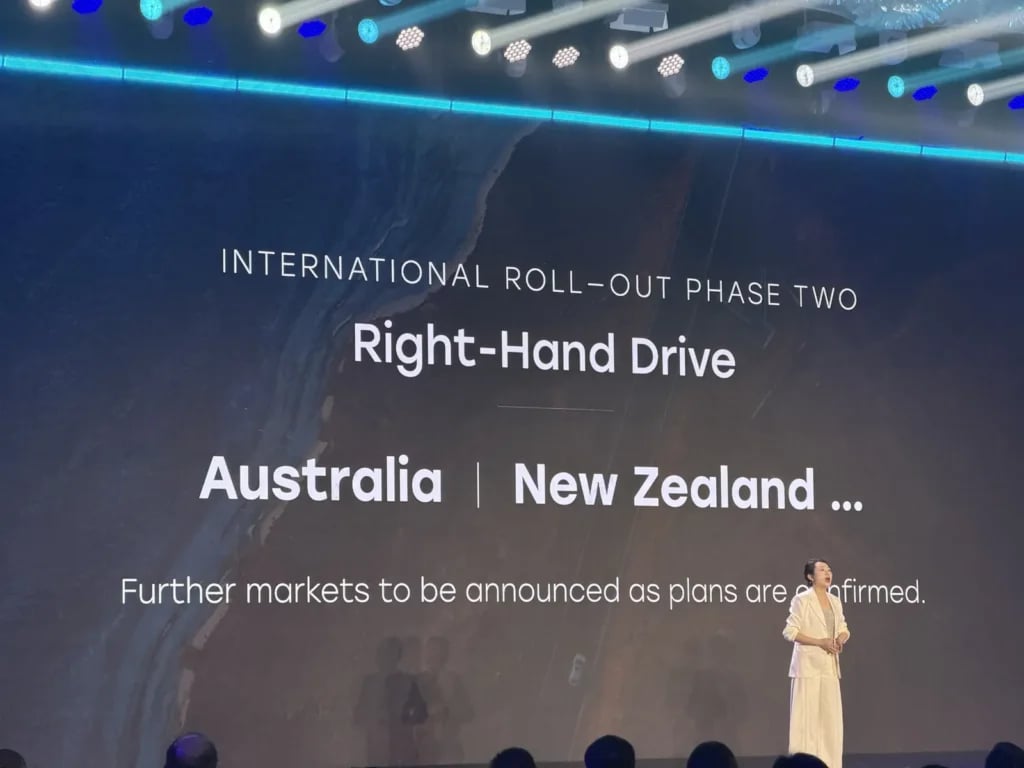
The international Freelander 8 will be a plug-in hybrid rather than the range-extender sold in China, using a 2.0-litre twin-turbo petrol engine. Deliveries start in the United Arab Emirates in the first quarter of 2027, and Australia and New Zealand, where Freelander has already confirmed a 2027 launch, are named in the second phase of the rollout for right-hand-drive markets.
The details came from a presentation to global media and partners in Wuhu, China, where further markets were also flagged for announcement later.
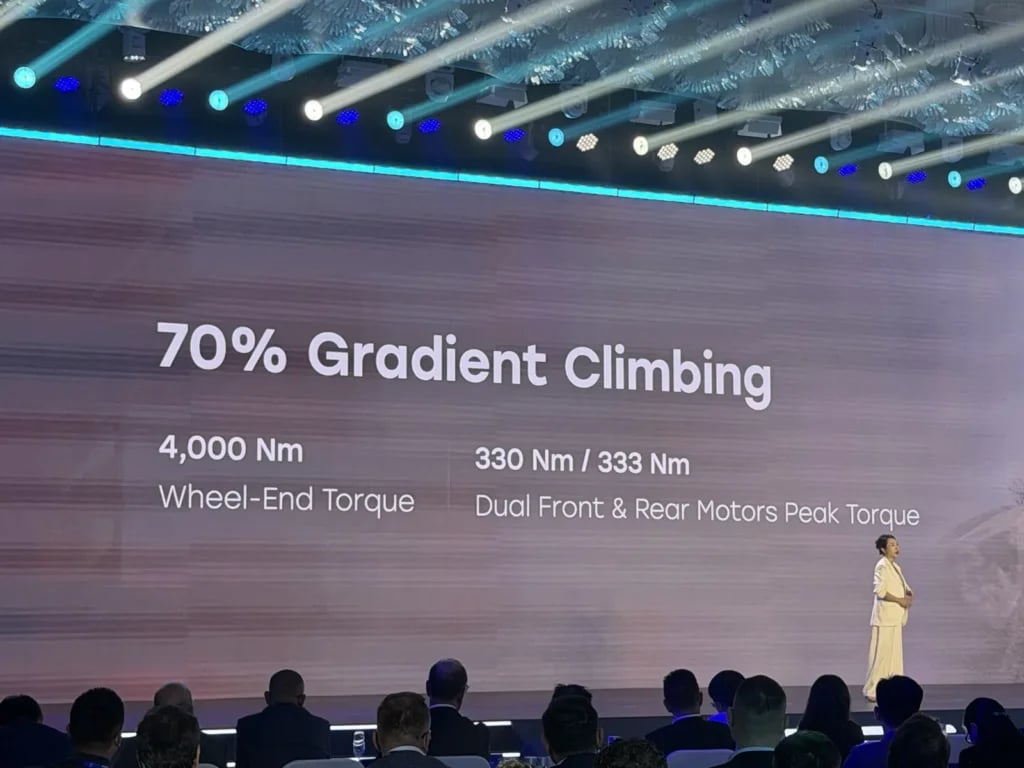
Chery says the 2.0-litre engine reaches 46% thermal efficiency. A motor on each axle provides all-wheel drive, with peak torque of 330Nm at the front and 333Nm at the rear. Combined system output is up to 460kW and 662Nm, and the target 0-100km/h time is 5.8 seconds.
The 34.12kWh battery is lithium iron phosphate, which the brand says was chosen for thermal stability and durability. It gives 110km of electric range on the WLTC cycle and a combined range of 886km. AC charging runs at up to 11kW, and DC fast charging takes the battery from 20 to 80% in under 20 minutes.
The China-market Freelander 8, which opened for orders in August, uses a 1.5-litre turbo engine solely as a generator for a 60.3kWh CATL battery. Its two motors produce 610kW and 813Nm, with a claimed 0-100km/h time of 4.6 seconds and 310km of electric range on China’s CLTC cycle. It charges from 20 to 80% in a claimed 12 minutes.
Antonio Maresca, chief engineer at the Chery R&D Centre, says the international figures apply to the left-hand-drive model, and Freelander says they are for the Middle East-market car, with specifications varying by market. Maresca previously worked at Land Rover and BMW, including on the original Freelander, and says more than 1000 test vehicles have been run in Northern Europe, Southeast Asia and the Middle East. Freelander says testing covered more than 50 road types, and more than 200 of the vehicles were used for all-terrain durability testing, covering 2.15 million km.
The brand says the Freelander 8 was designed from the outset in three international variants, left-hand drive, right-hand drive and EU specification, on one global platform. It is built at the Chery Jaguar Land Rover plant in Changshu, where the first production car came off the line on 30 July.
Maresca says he has signed off SUVs priced above a million yuan, and that Chery put the Freelander 8 through the same validation as the most expensive vehicles he has worked on. He says it surpasses them in many areas, including structural integrity, thermal resilience and crash energy absorption.
Off-road figures
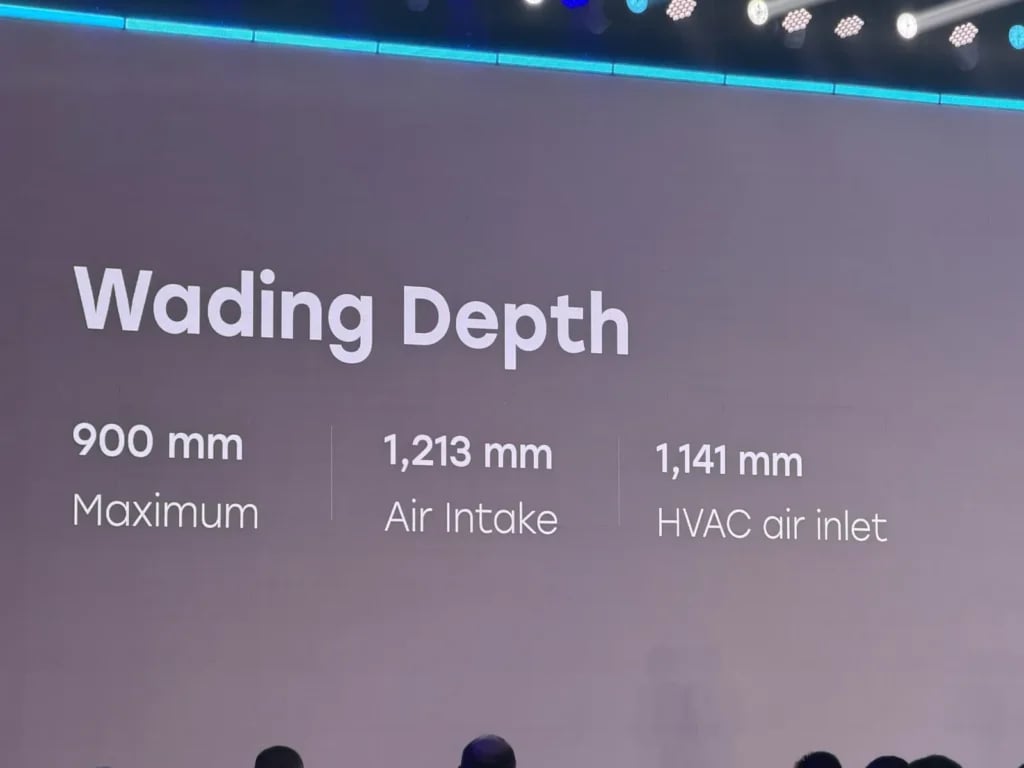
The brand also released off-road numbers for the first time. Maximum wading depth is 900mm, with the engine air intake at 1213mm and the cabin air inlet at 1141mm. Radar measures water depth and shows it on screen.
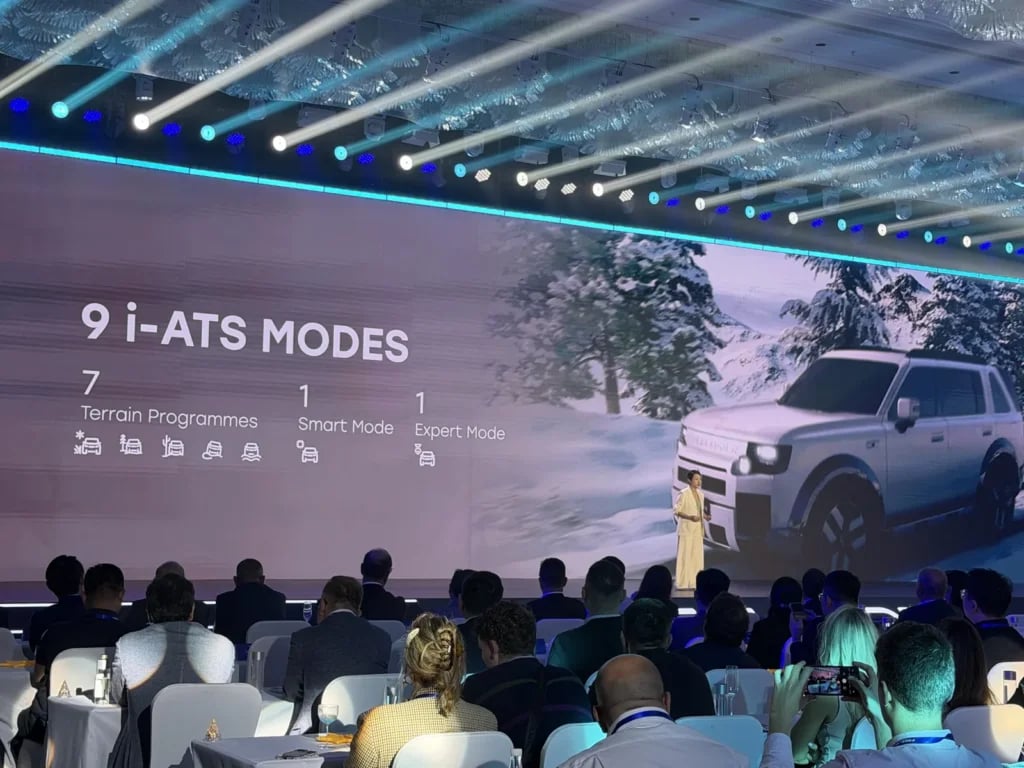
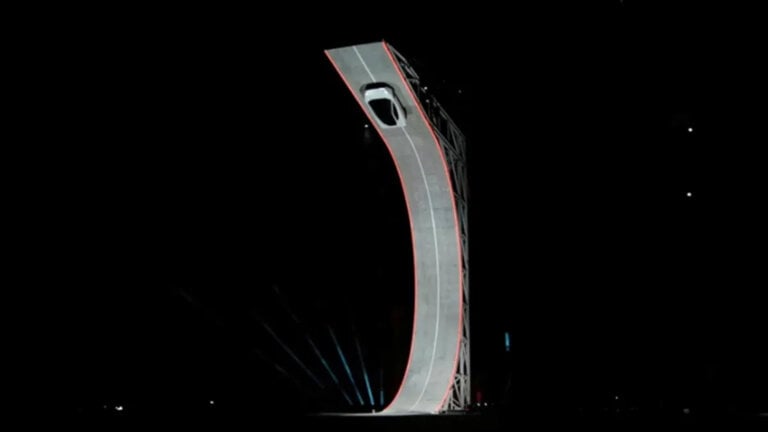
The Freelander 8 can climb a 70% gradient, about 35 degrees, with 4000Nm available at the wheels, and can cross an 800mm cross-axle test. The i-ATS (Intelligent All-Terrain System) has nine modes: seven terrain programmes including Sand, a smart mode that selects settings automatically, and an expert mode that lets the driver adjust power, suspension and other settings. A dual-lock system pairs a virtual centre differential lock with a rear electronic limited-slip differential, and crawl control and hill descent control are fitted.
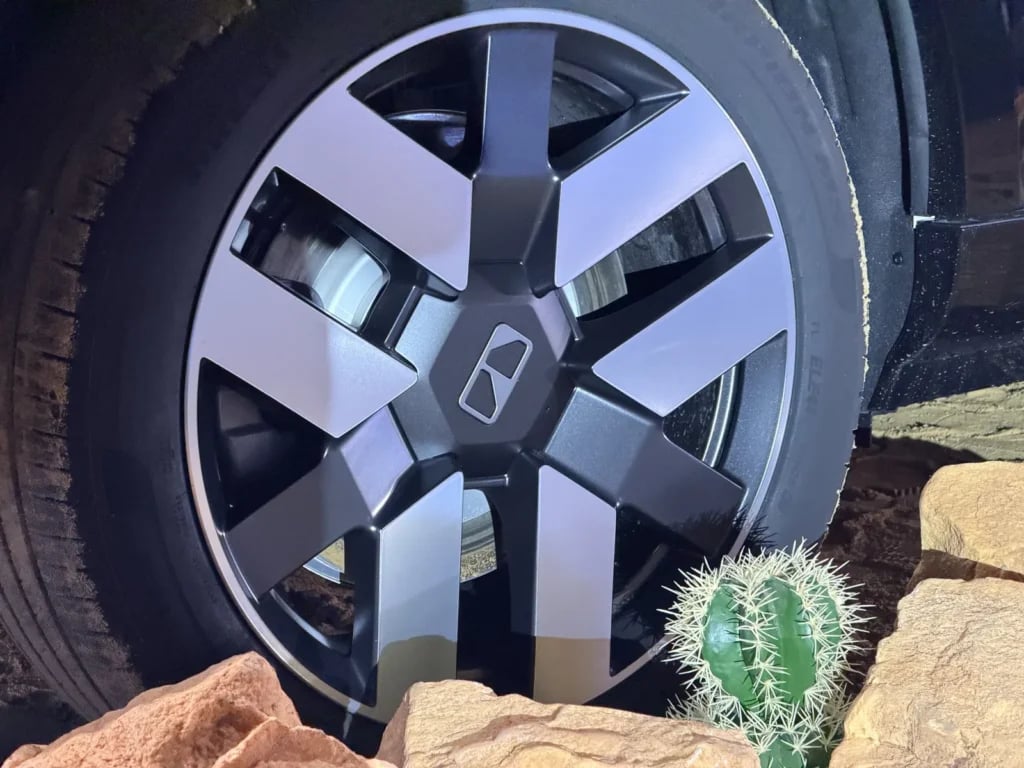
Dual-chamber air suspension with continuously controlled damping can lower the car for access and raise it for rough ground, giving up to 266mm of ground clearance. The front brakes use six-piston callipers, and higher trims can run 22-inch wheels.
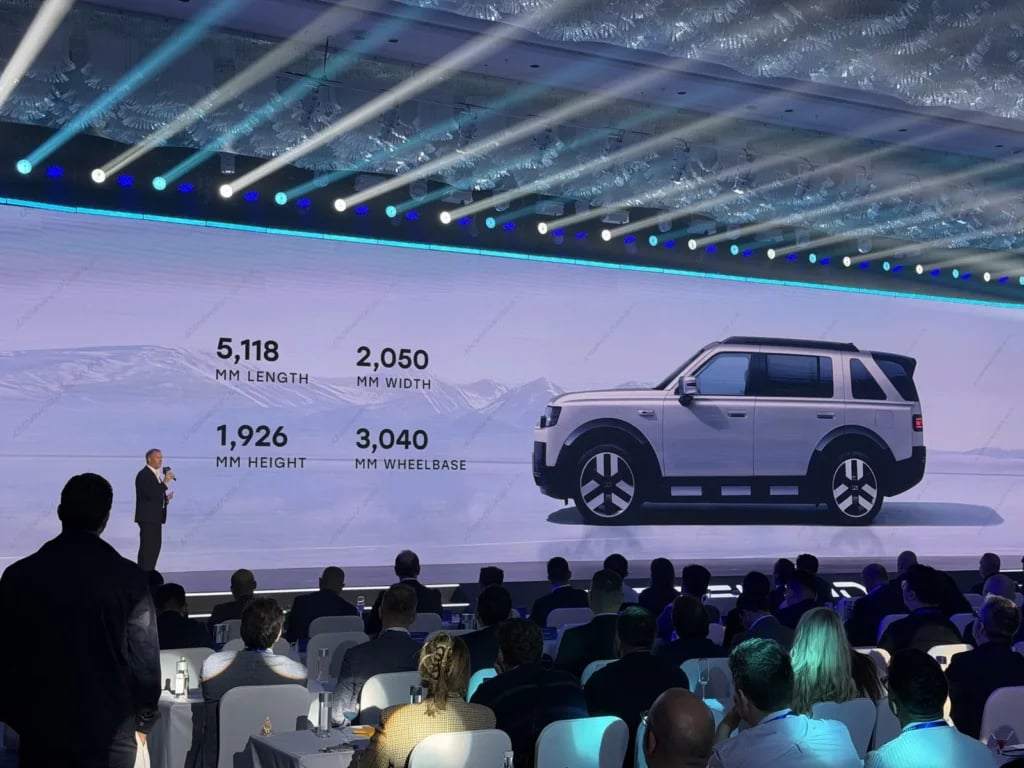
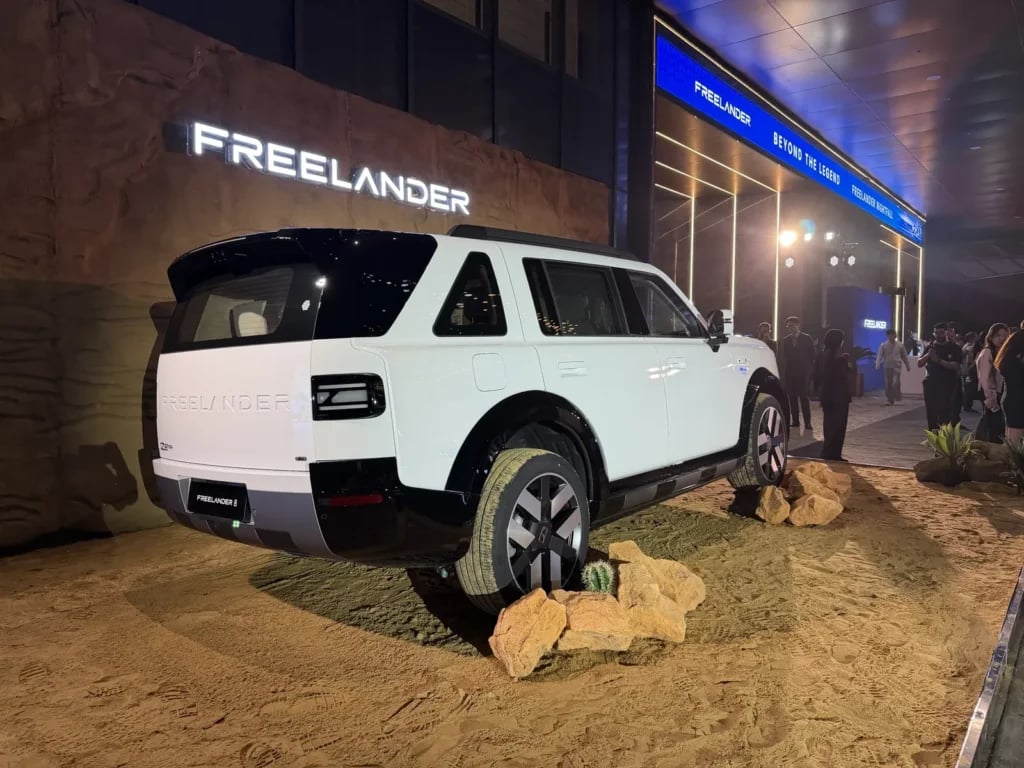
The international model measures 5118mm long, 2050mm wide and 1926mm tall, on a 3040mm wheelbase.
Five seats and Kiwi leather
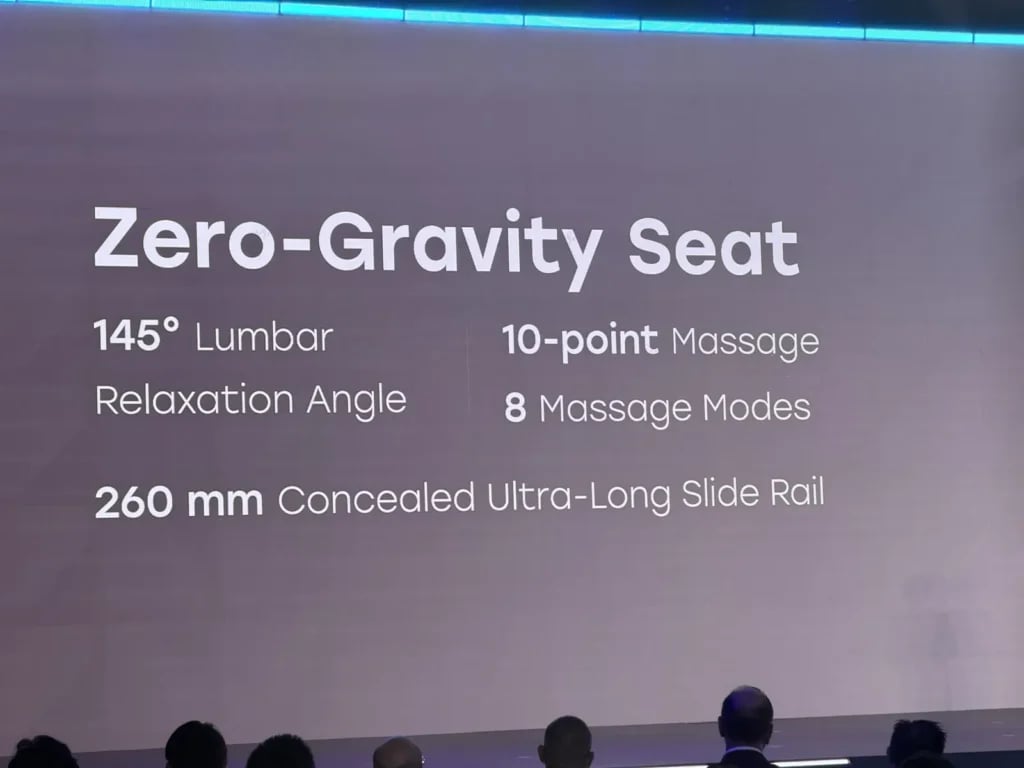
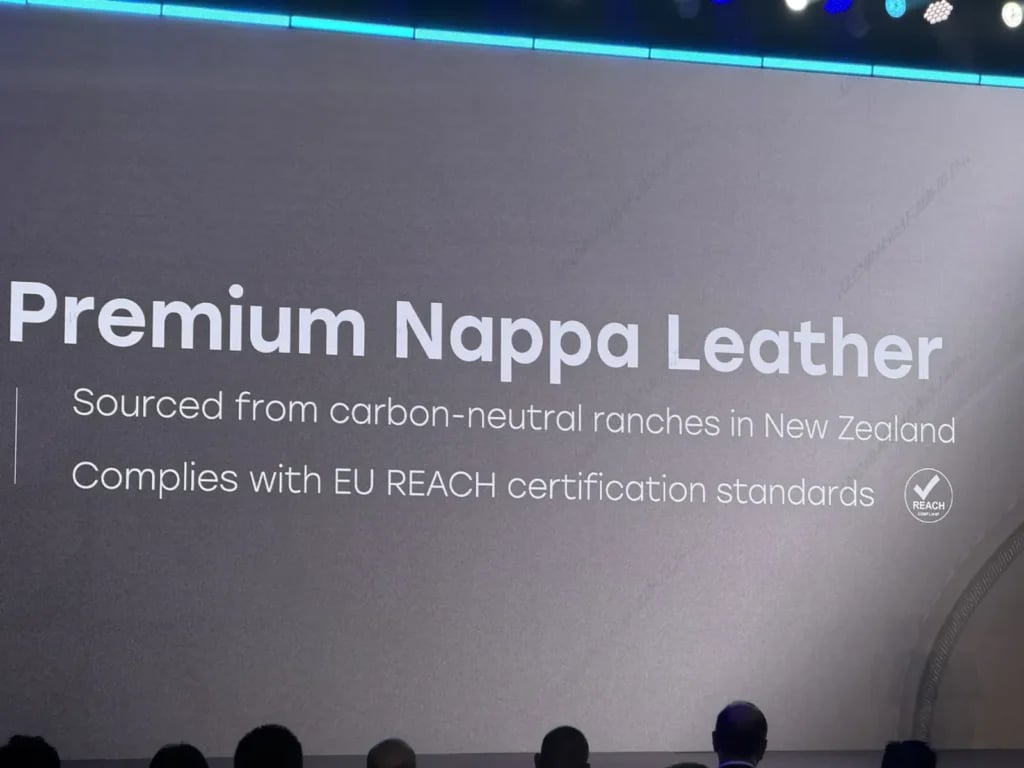
The five-seat version of the Freelander 8 was shown publicly for the first time alongside the six-seater. Its nappa leather is sourced from carbon-neutral farms in New Zealand, and the trim also uses Ayous wood veneer. Optional second-row zero-gravity seats have a 145-degree relaxation angle, 10-point massage with eight modes, and a 260mm slide rail. Six-seat versions have a third row with 834mm of legroom, 960mm of headroom and ventilated seats as standard.
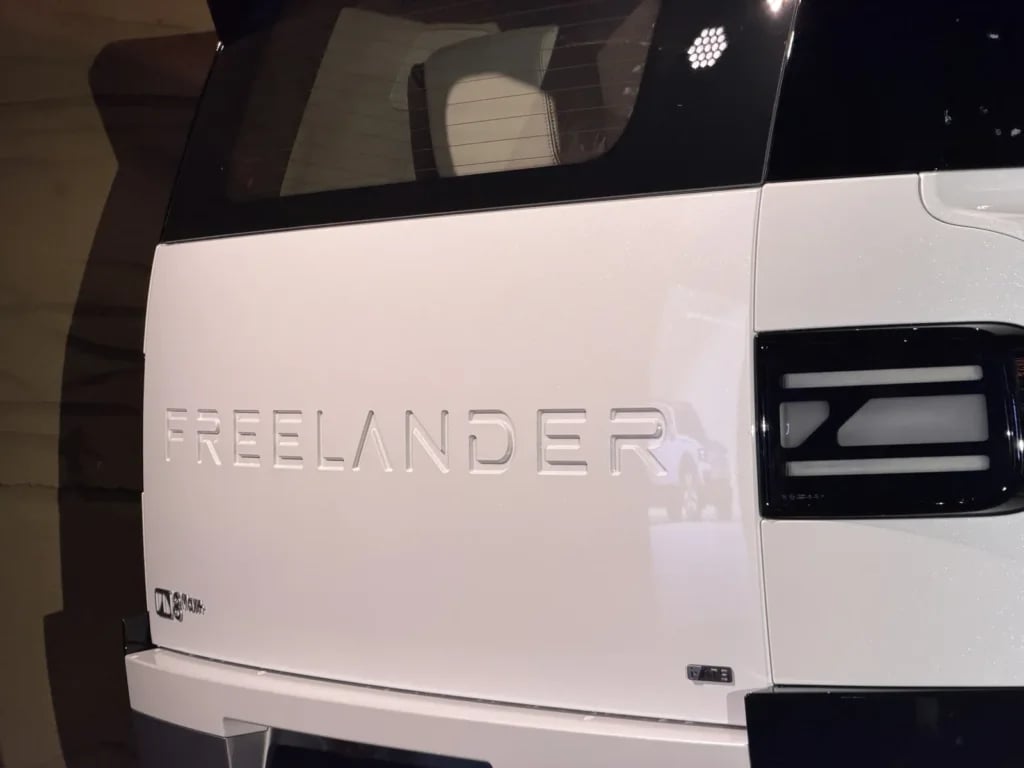
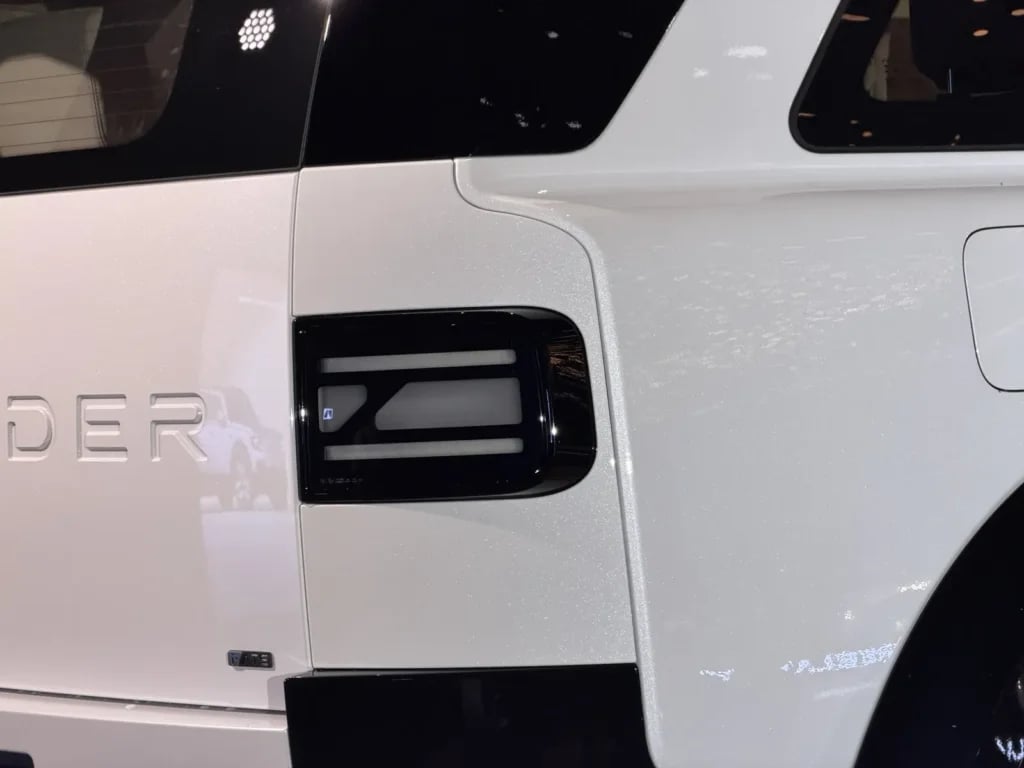
Phil Simmons, who leads the Freelander Design Hub and worked on the original 1997 Freelander, says the new car keeps that model’s simple surfaces and friendly face. The original was Europe’s best-selling 4×4 for five consecutive years, according to the brand. The interlocking headlights come from the first Freelander, and the triangular rear side window from the 1997 three-door, a shape Simmons says holds the letters F and L. Other details include a dual-peak bonnet and badging carved into the body to a depth of 4mm, compared with the usual 2.5mm.
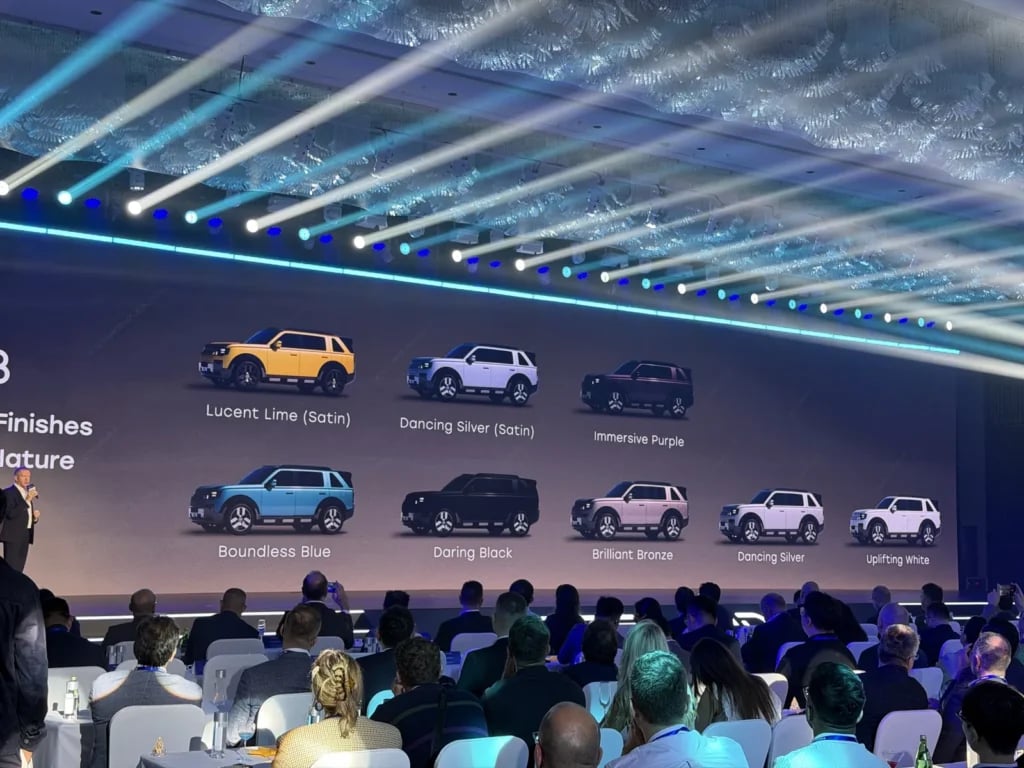
There are eight exterior finishes: Lucent Lime and Dancing Silver in satin, and Immersive Purple, Boundless Blue, Daring Black, Brilliant Bronze, Dancing Silver and Uplifting White in gloss. The First Edition comes in satin Lucent Lime, a nod to the original Freelander, Immersive Purple or satin Dancing Silver, with its own wheel caps, brake callipers, embroidered trim and badge.
Cabin and technology
Inside, the export model keeps the 46.3-inch 8K mini-LED display first shown in the China car, which Freelander calls the Surround View Gallery and claims is the world’s largest. It spans about 1.2m of the dash with 1000 nits of peak brightness. A 15.6-inch centre touchscreen sits below, and a 17.3-inch ceiling-mounted screen for rear passengers is optional. The system runs on Qualcomm’s SA8295P chip, standard across all trims, and physical buttons handle key functions.
Other features include an audio system with up to 23 speakers, ambient lighting with 256 colours across 22 zones, and a fridge that holds its temperature for up to 24 hours after the car is switched off. An AI voice assistant is being developed for international markets.
In a Middle East test, Freelander says the air temperature at the driver’s head dropped by 33°C within 10 minutes after the car had sat in the sun for two hours.
Level 2+ driver assistance is standard, with more than 30 functions using 28 sensors. These include adaptive cruise control, lane centring, autonomous emergency braking, emergency lane keeping, blind-spot detection, rear cross-traffic alert and door open warning, along with a 360-degree camera. Super Intelligent Valet Parking (SIVP), which handles parking and vehicle summon through a smartphone app, will be offered in selected markets.
Kym Mellow, Freelander’s head of brand for Australia and New Zealand, told the audience that potential Australian buyers interviewed by the brand want to keep the classic design and off-road ability they value, with more technology and comfort added.
After Australia and New Zealand, the third phase of the rollout covers continental Europe, followed by the UK and Ireland. Freelander says specifications and pricing for each market will be released closer to launch.