View all
11 more images
GWM Cannon Alpha Vanta 3.0-litre diesel – NZ first drive review
Words: Kyle Cassidy
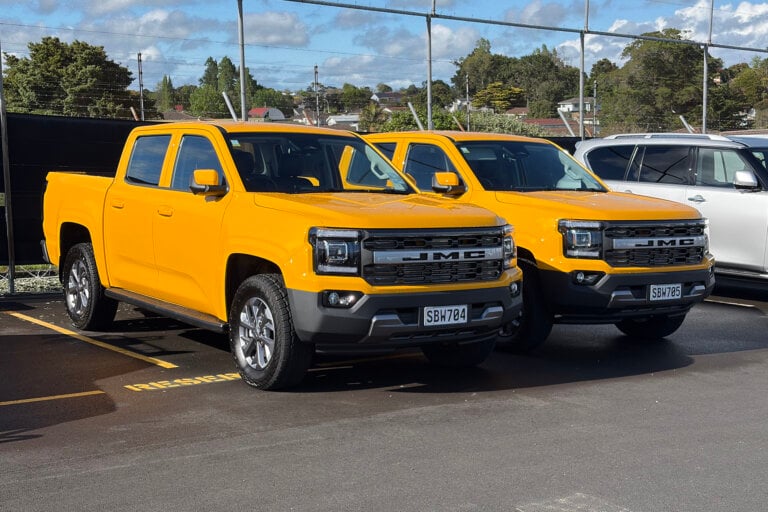
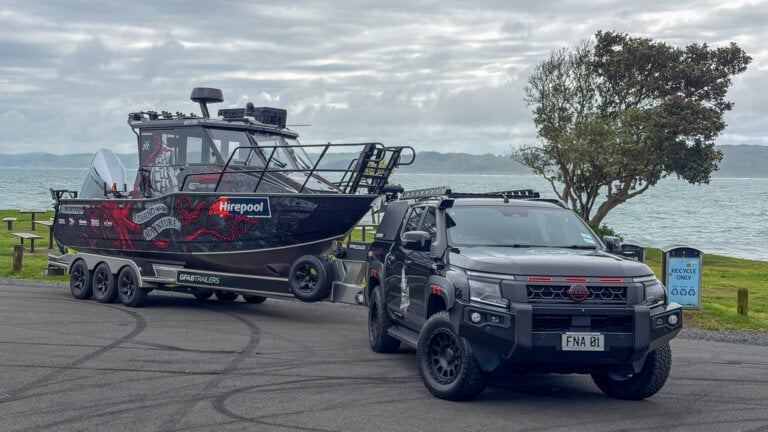
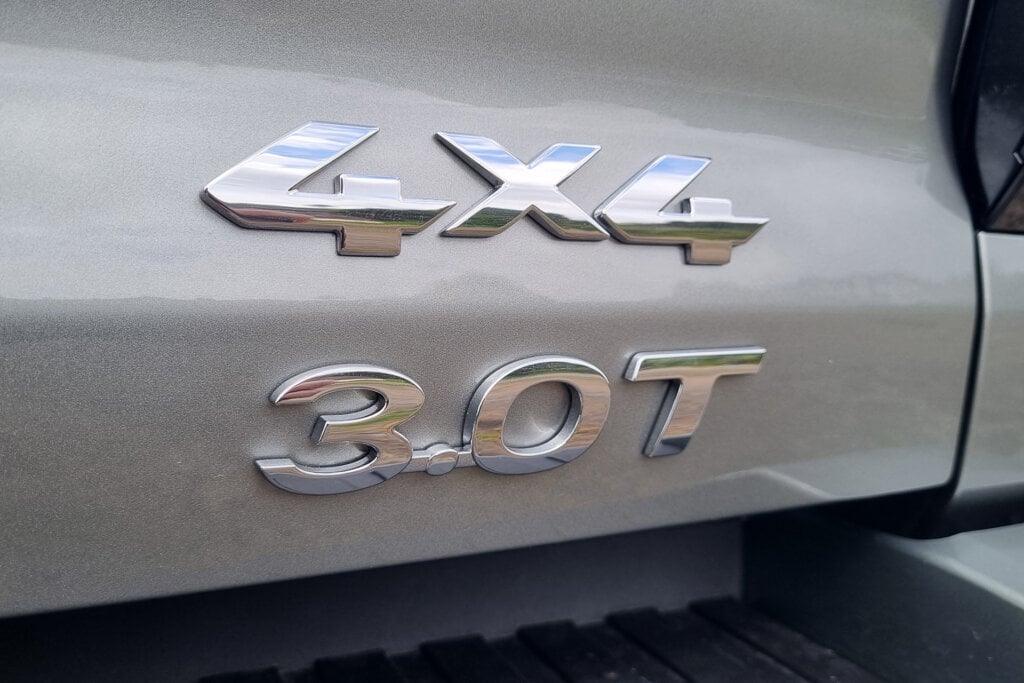
The GWM Cannon Alpha launched here a few years back, initially with a 2.4-litre diesel and also a hybrid option of the self-charging petrol-electric kind. GWM later introduced a plug-in hybrid as well. Now things are getting serious with the arrival of a new 3.0-litre four-cylinder turbodiesel for the top-spec Cannon Alpha Vanta.
How much is the Cannon Alpha Vanta 3.0?
The Vanta diesel is $71,990, which makes it more expensive than the Ultra PHEV, which is $69,990, while the Ultra 2.4 diesel is $57,990. So it’s a big step up to the 3.0-litre. You are, however, getting a bit more of everything.
GWM says the 3.0-litre is the powertrain Aussies and Kiwis want, as the ute market is predominantly diesel, with oilers accounting for 89 per cent of sales here. GWM says for customers who tow, travel long distances (presumably while towing too) and venture off-road, diesel remains a critical part of the market. Hence why GWM brewed up the new 3.0-litre specifically for Down Under consumption.
Read more – GWM New Zealand undercuts BYD Shark 6 with sub-$60k Cannon Hi4-T PHEV
How much torque are we talking?
GWM is claiming class-leading fuel efficiency, torque, off-road capability, luxury and ‘towing confidence’ with this new variant.
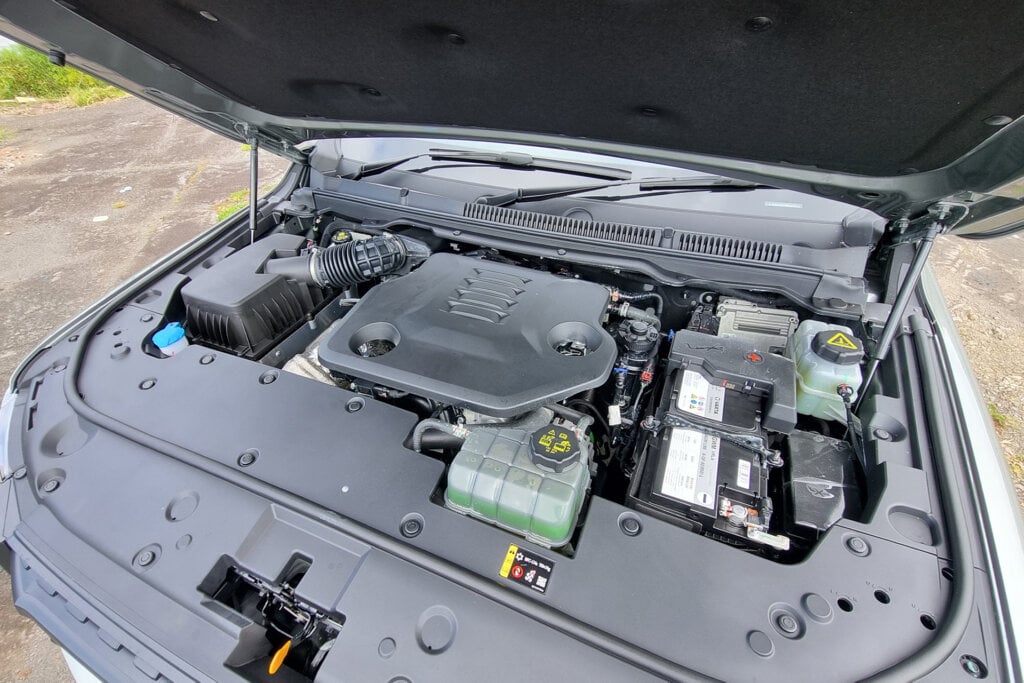
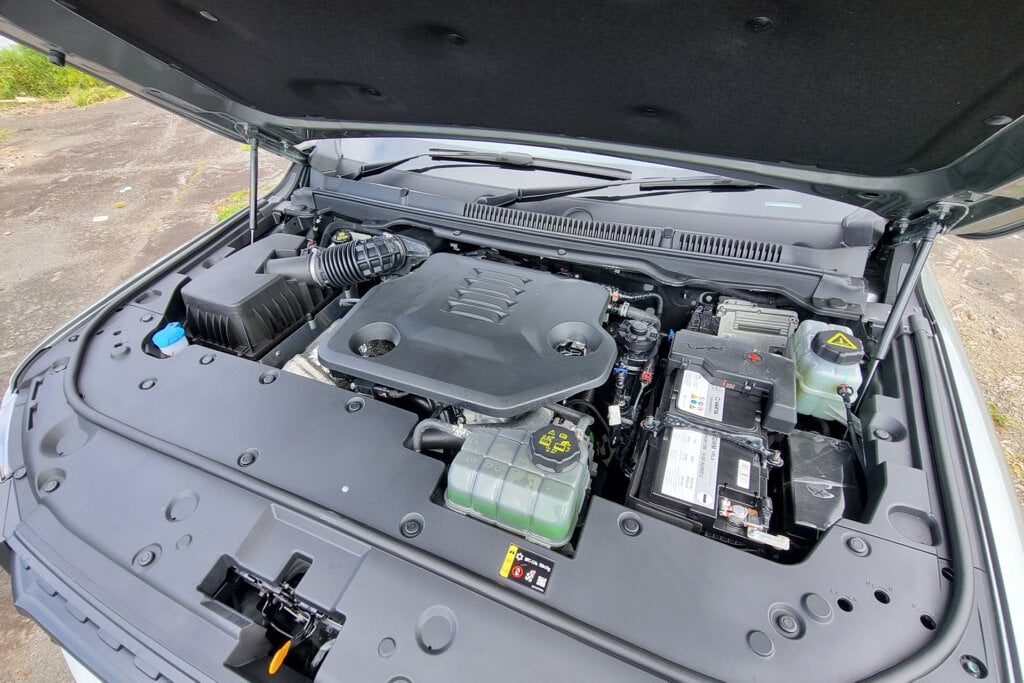
The 3.0-litre is big on torque, with 620 newton metres being the headline number, while it rustles up 170 kilowatts. And rather impressive is the fuel consumption figure of 7.3L/100km (presumably an NEDC/ADR number). For comparison, the numbers for the 2.4 are 135kW and 480Nm, while consumption is 8.9L/100km.
The new engine has a single variable-geometry turbo, a water-to-air intercooler system and a short intake tract to help reduce lag. GWM says compared with the 2.4, this 3.0 has a quicker response, more consistent power delivery (particularly in hotter climates) and much stronger torque delivery. They say peak torque is on from 1400rpm through to 2400rpm. Helping efficiency are the latest-generation common-rail fuel system and more effective thermal management.
Read more – 2025 GWM Cannon Lux vs JAC T9 vs Mitsubishi Triton GLX-R Comparison
What are the ‘ute’ specs like?
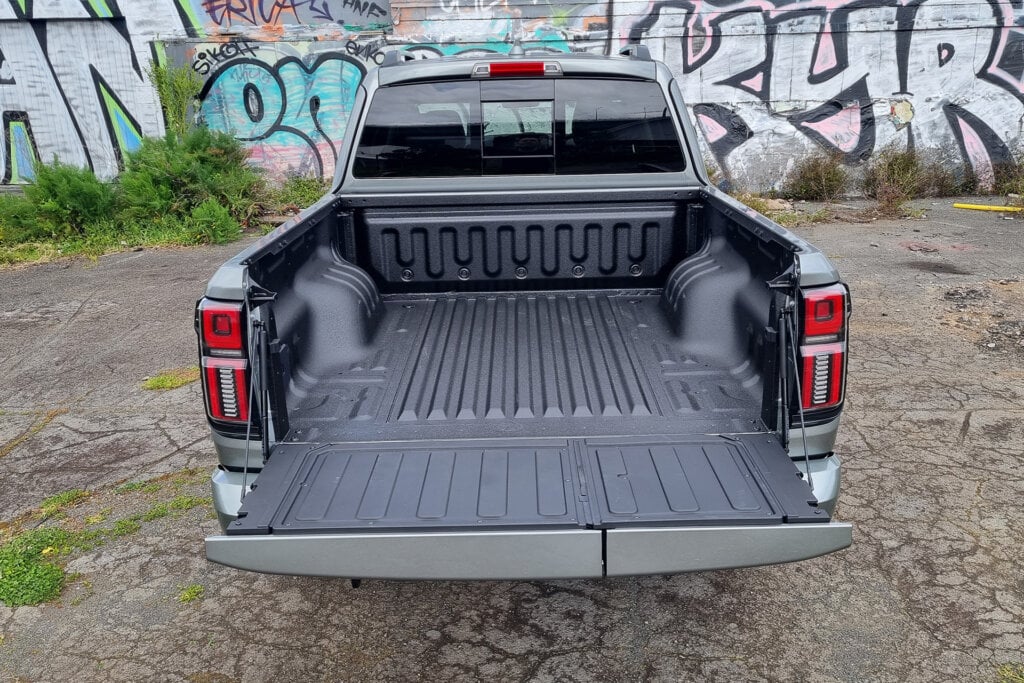
For the Vanta, they have upped the payload figure to 945kg (up from the 2.4’s 760kg), and it tows the usual 3.5 tonnes braked. New for the Vanta is a built-in trailer brake controller, and there’s a towing drive mode as well.
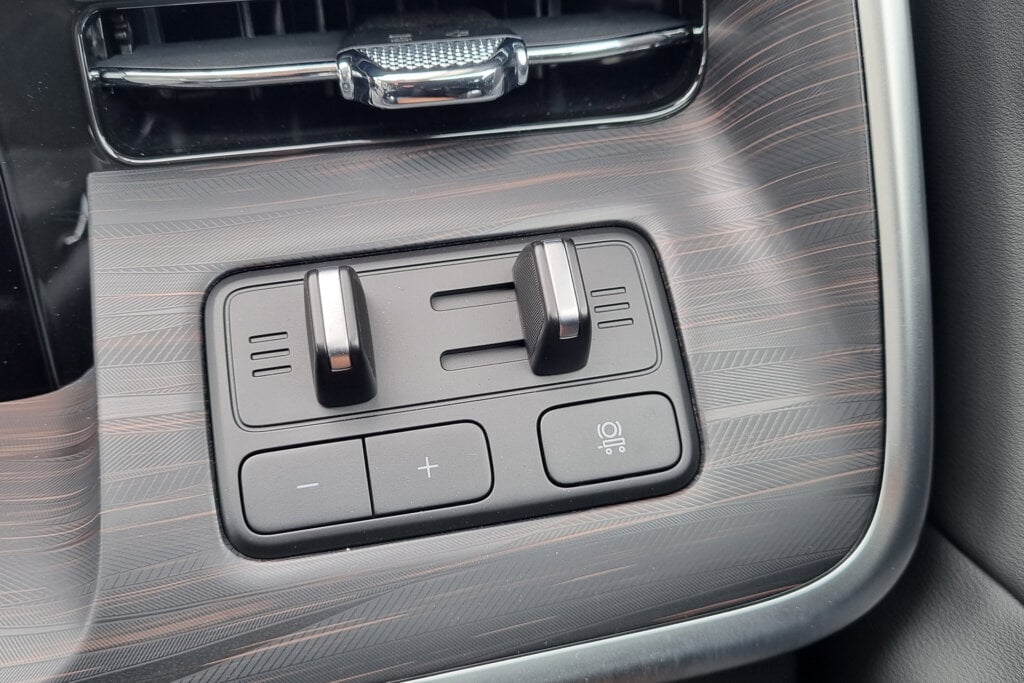
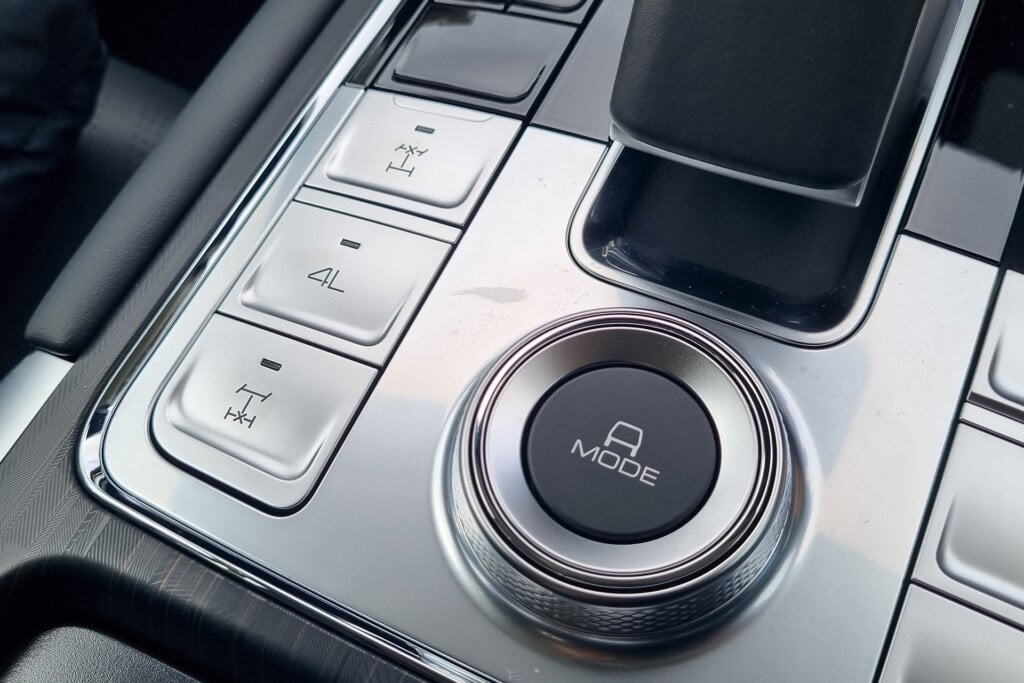
It has a mechanical 4×4 set-up, with the usual 2H and 4H modes, and a proper low range, while both front and rear diffs can be locked. For those into off-roading, the wading depth is 800mm, there is 224mm of ground clearance, and the approach, breakover and departure angles are 28.5, 19 and 23 degrees respectively.
Read more – 2024 GWM Cannon Alpha Hybrid Ultra review
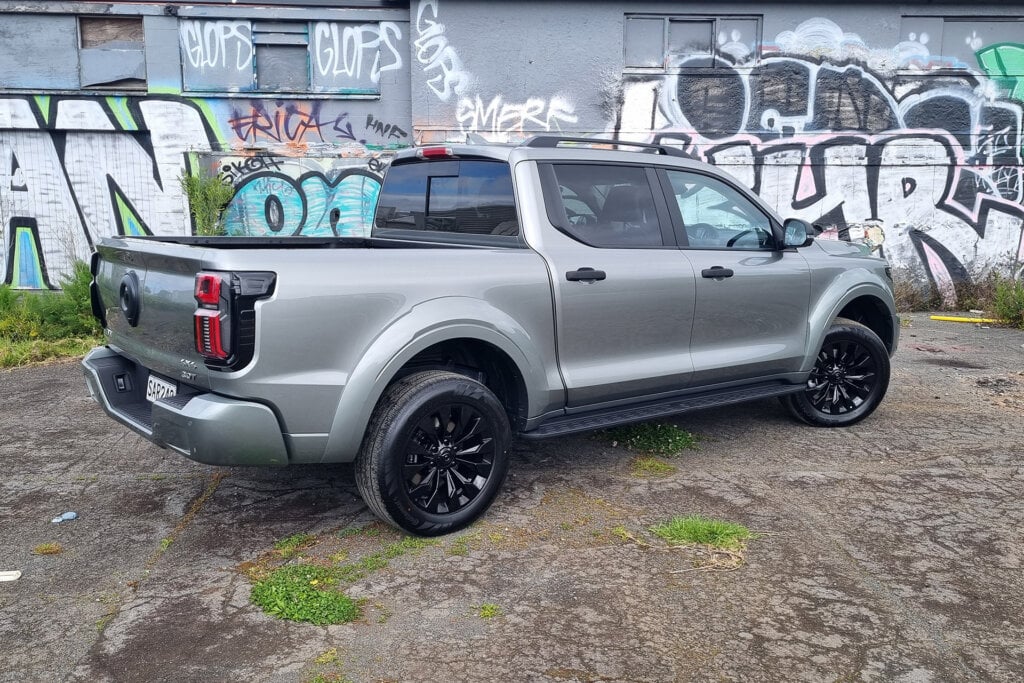
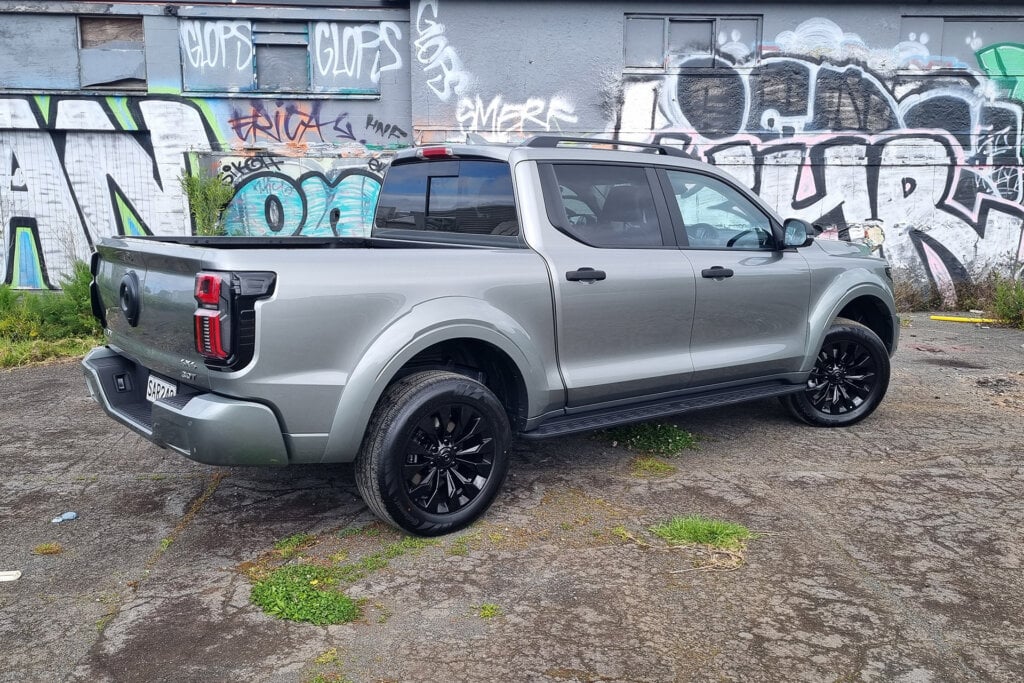
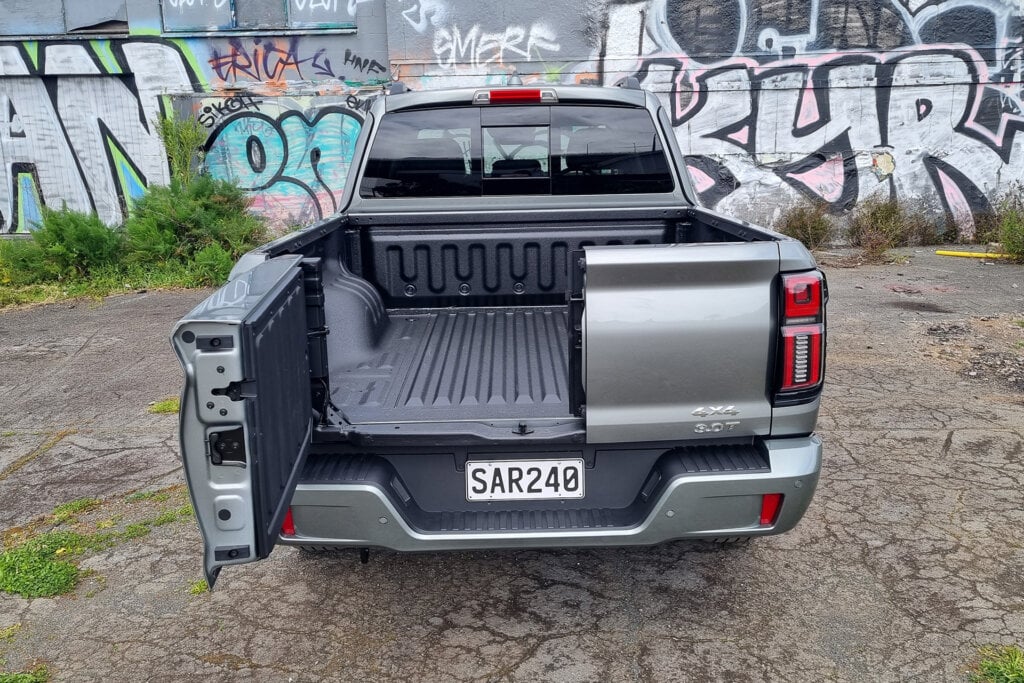
The tailgate features the 60/40 split opening to allow pallet loading by a forklift, and there is a 220-volt power outlet in the tray too.
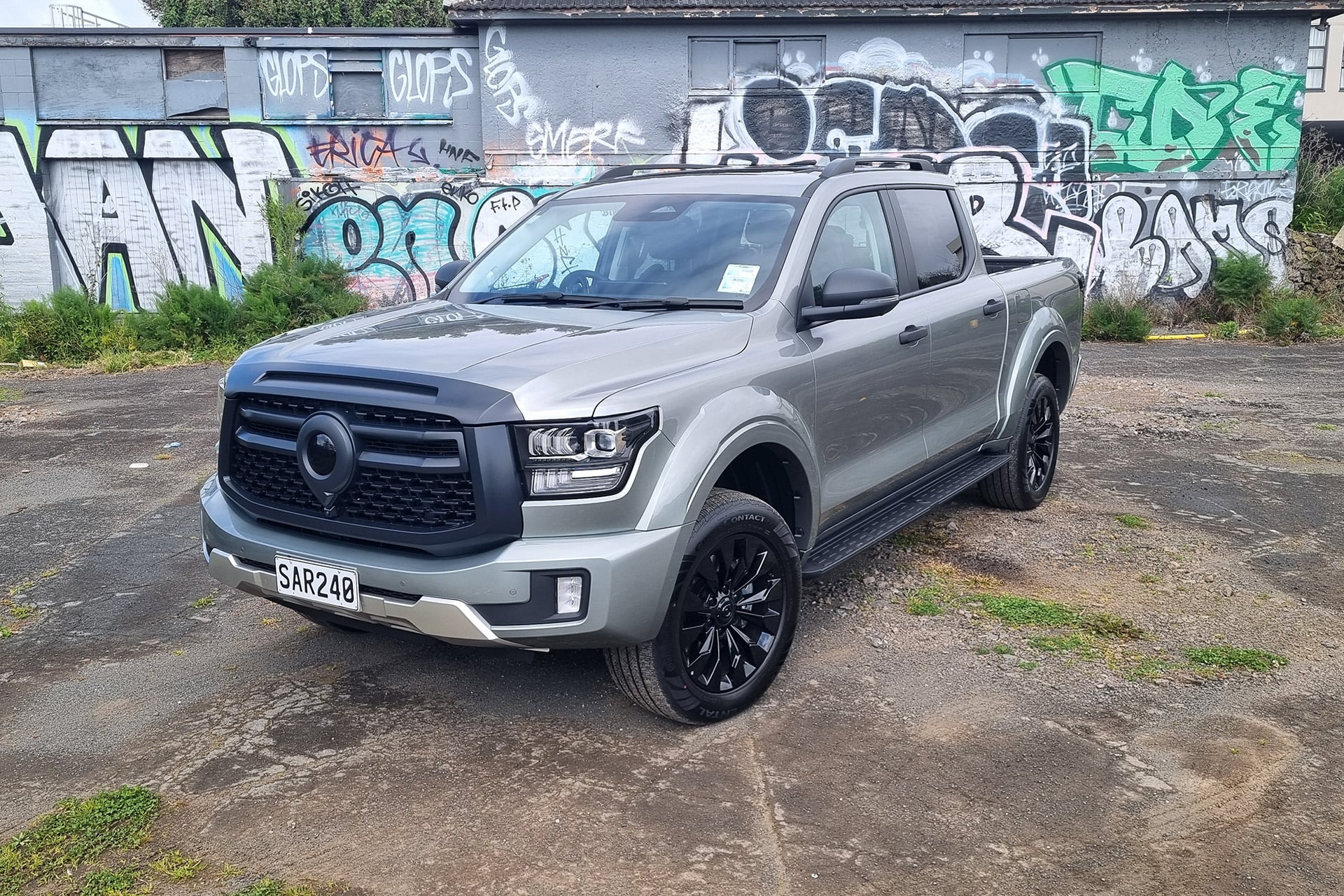
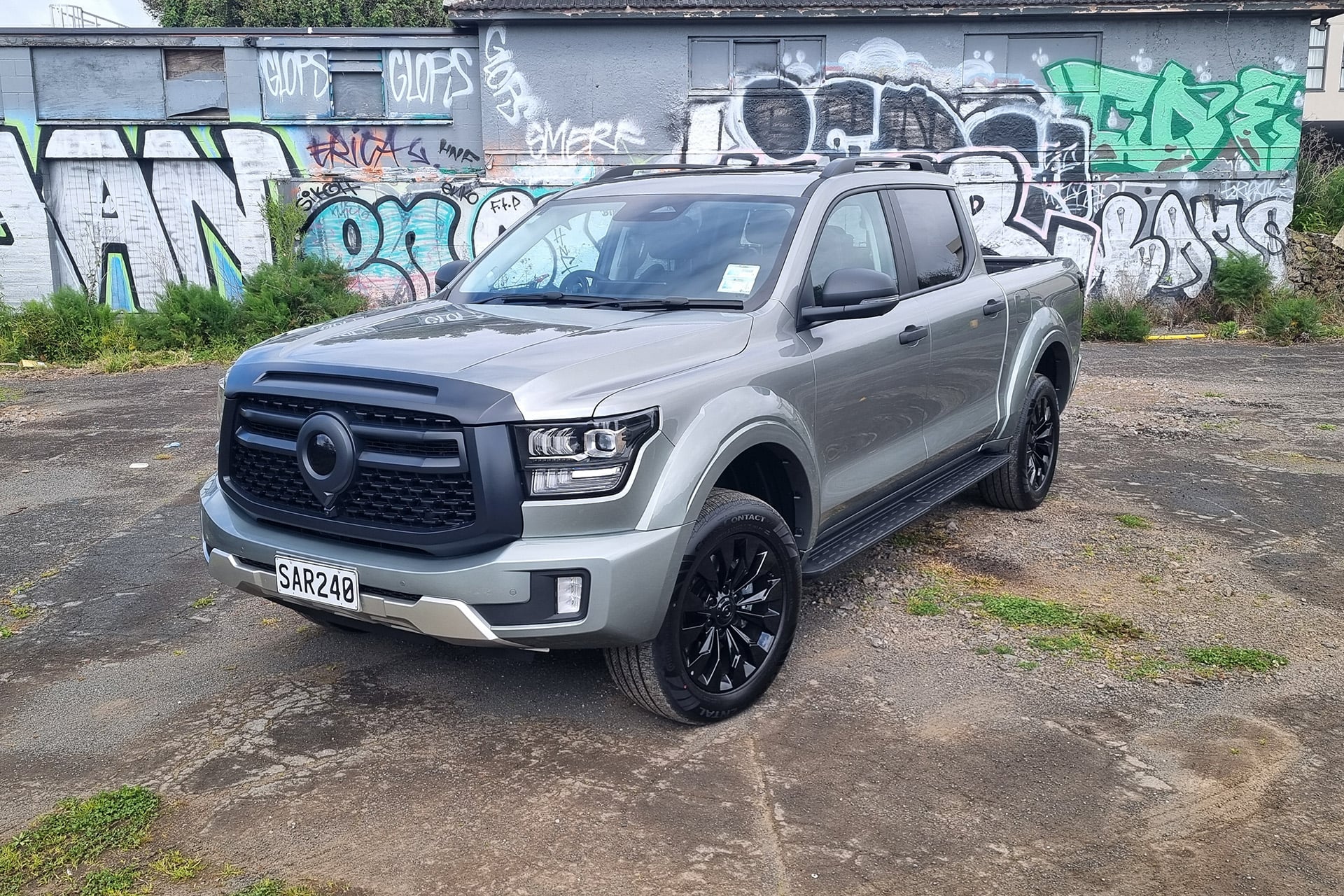
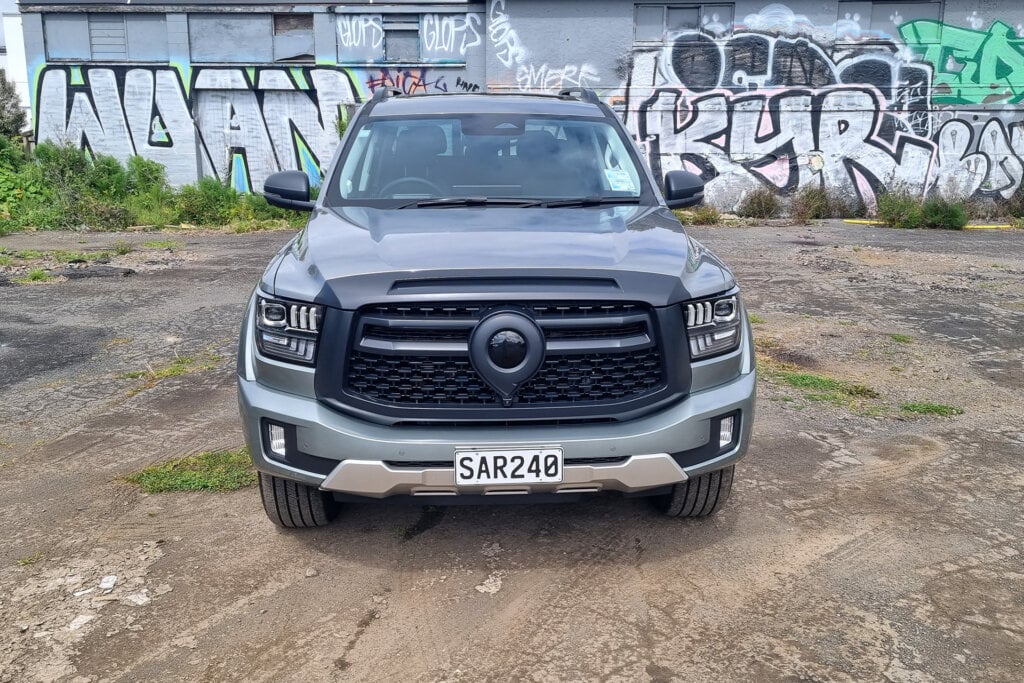
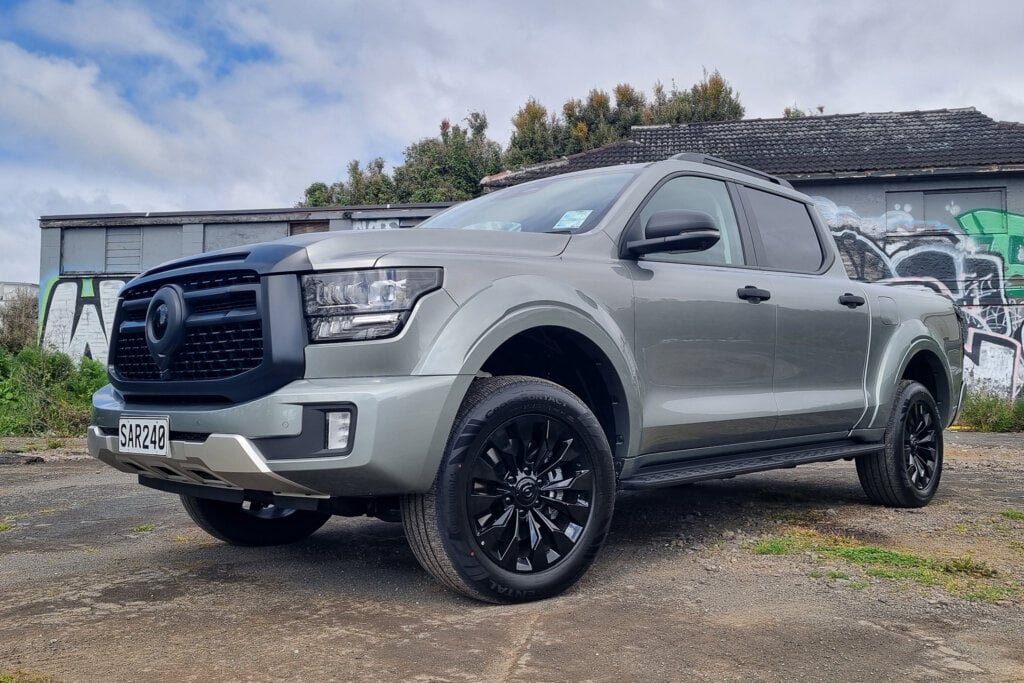
The Cannon Alpha Vanta is a big beast, measuring in at 5445mm long and weighing a substantial 2550kg.
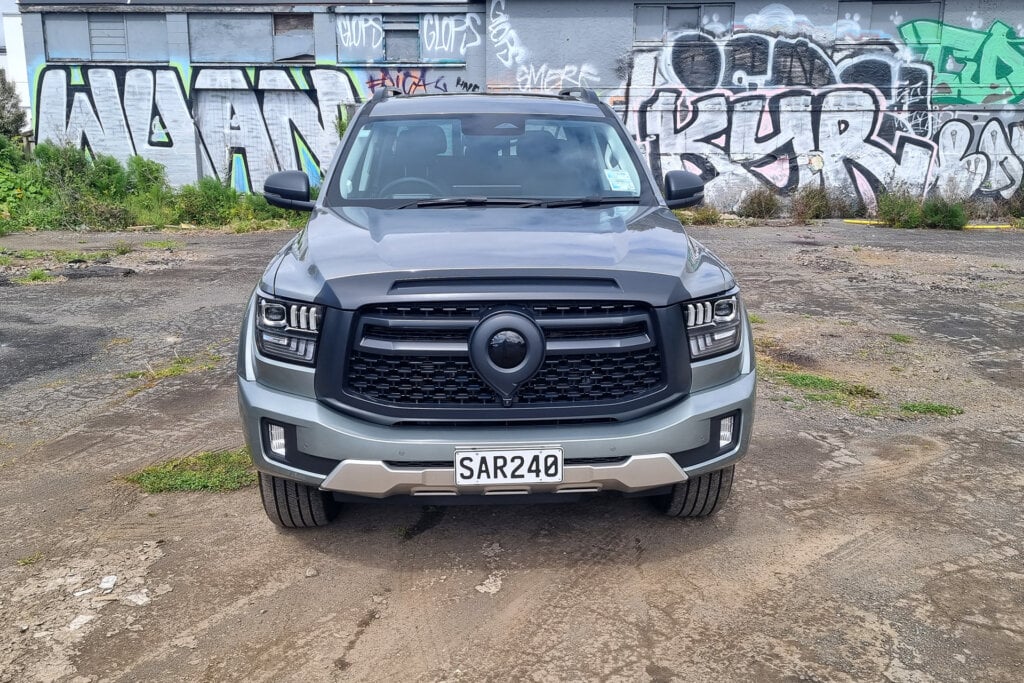
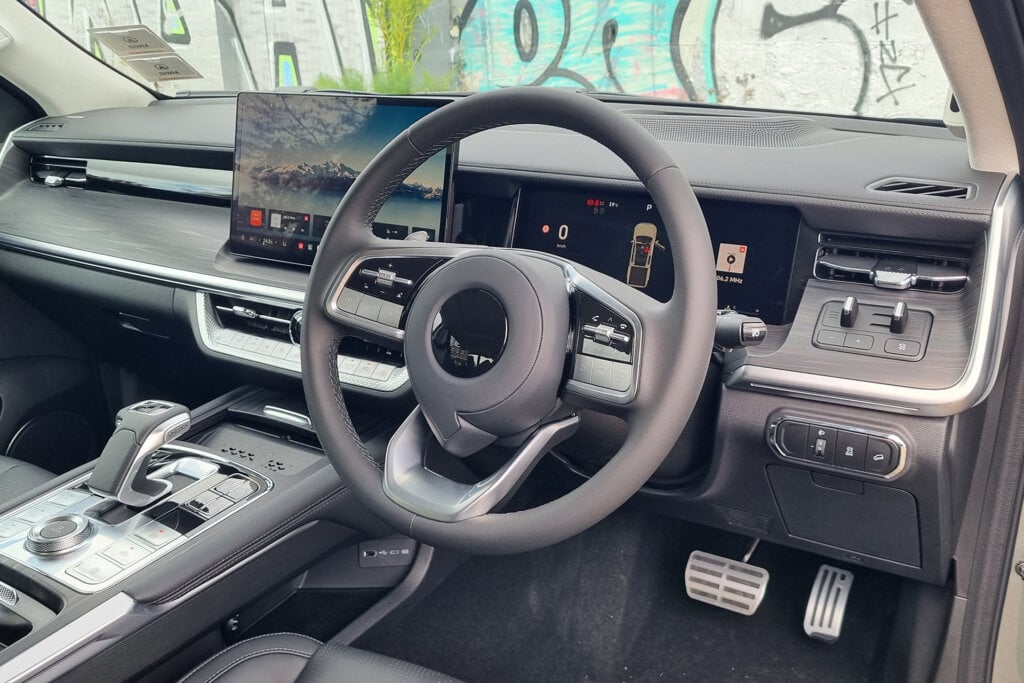
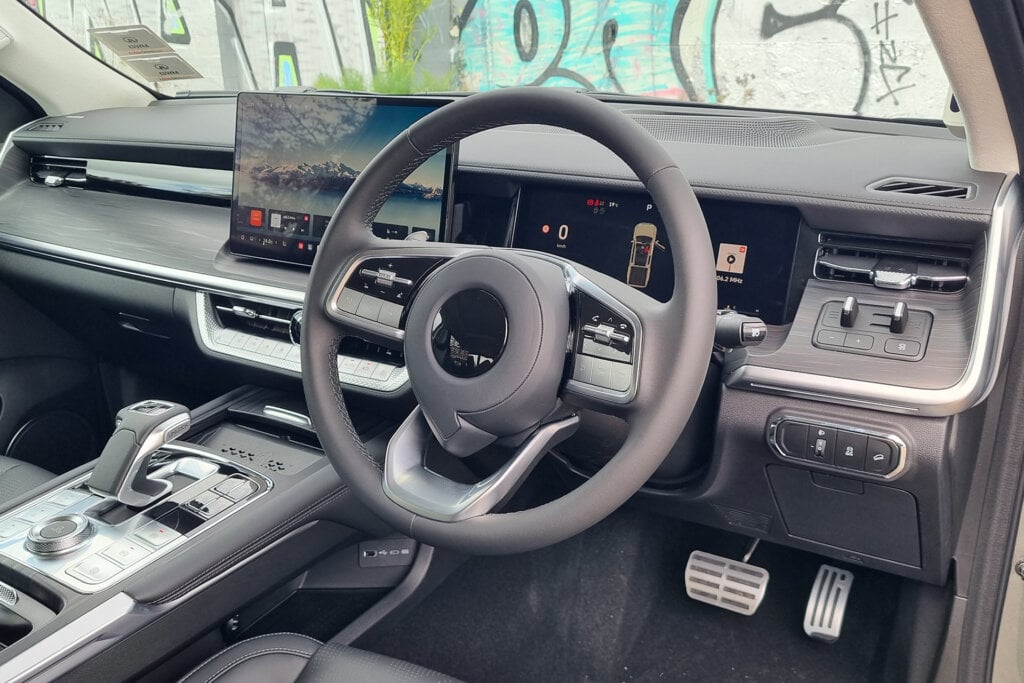
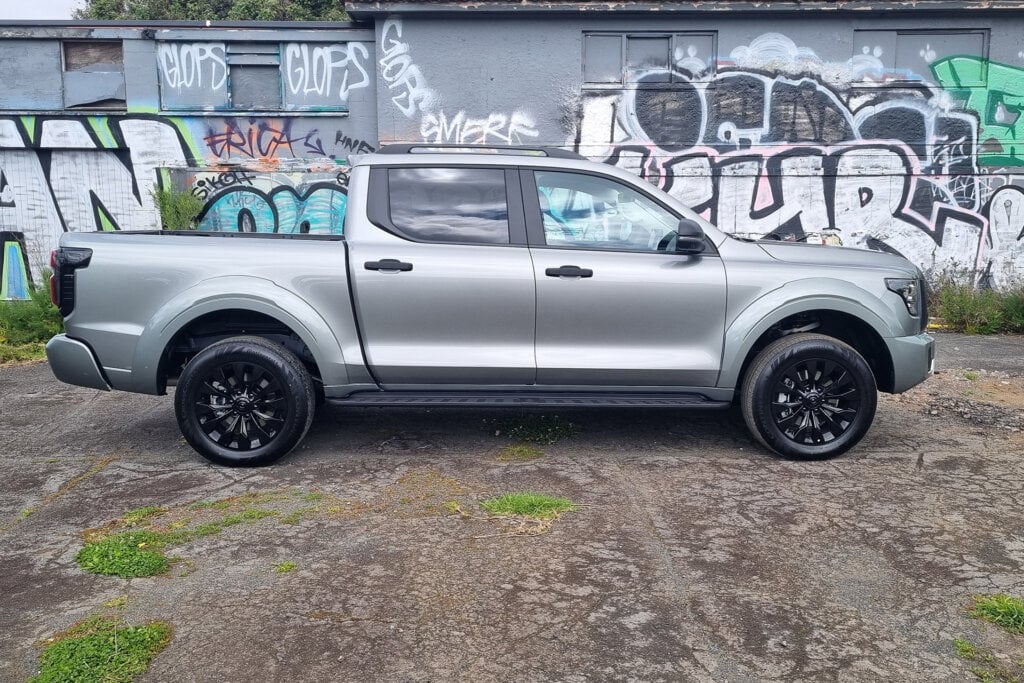
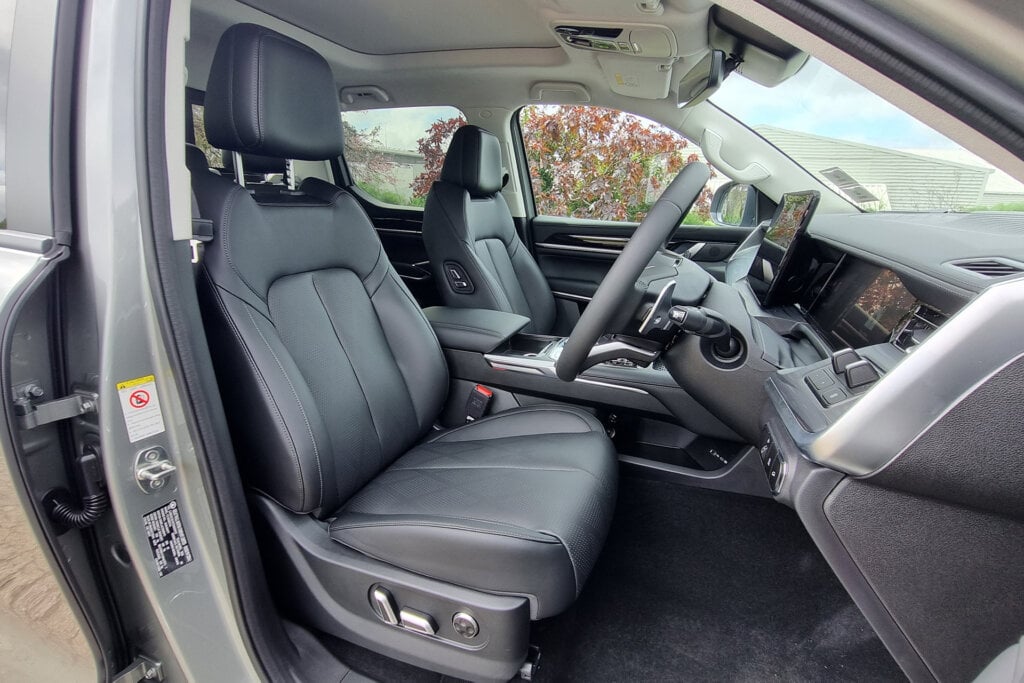
The Vanta spec gets you the blackout detailing on the exterior and 19-inch wheels. You also get a panoramic sunroof, leather-accented seats that are heated and vented in both rows, while front passengers get a massage function too. There’s a head-up display, a 50-watt wireless charger and 10-speaker premium audio.
GWM says the 3.0-litre model has gone through a localised tuning programme, with steering and suspension recalibration, along with some fine-tuning of the powertrain calibration and additional tow testing. They say the active cruise control has been refined for ‘Australian conditions’.
But how does the 3.0-litre drive?
When manufacturers chase market-leading output figures, they can come at the cost of everyday drivability. Thankfully, that’s not the outcome here. Turbo lag is kept to a minimum and this pulls away cleanly, the ‘launch feel’ positive. That’s helped by the nine-speed auto having quite a low first gear, but the engine is responsive and pulls cleanly from idle.
The mid-range is particularly strong, especially considering that kerb weight. That mid-range torque does the work, as the power unit is more of a slugger than a revver; with the throttle pinned, the tacho never reaches beyond 3800rpm before the trans swaps gears.
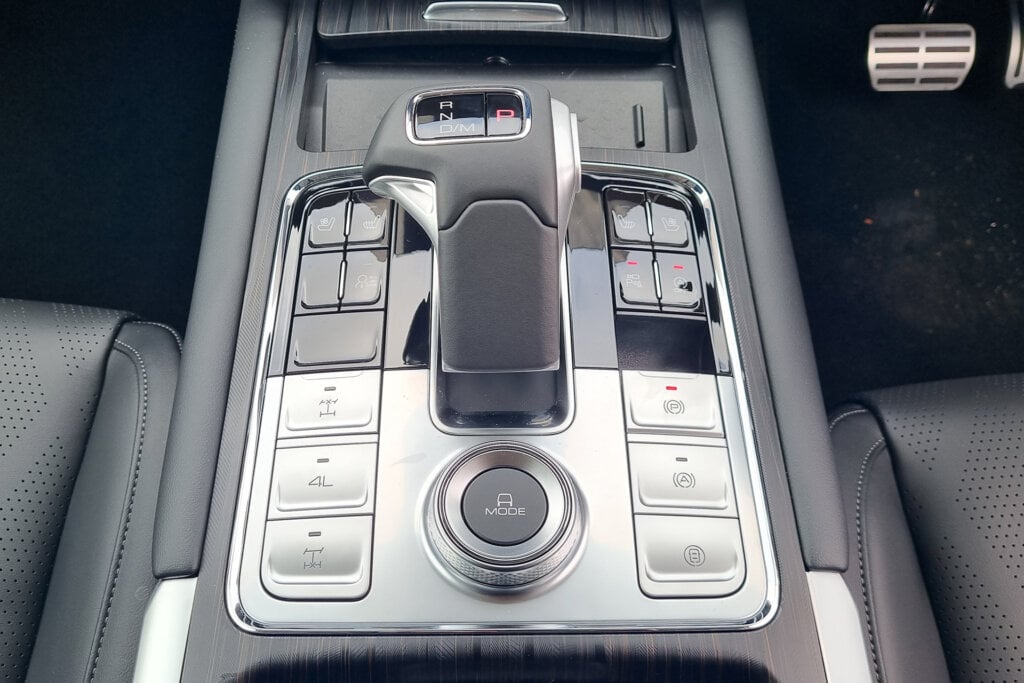
The auto likes to change up into a high gear as quickly as it can, which helps with consumption. It’s not such a big deal, as it has the torque to pull higher gears, while the auto can be encouraged to kick down with a little throttle pedal persuasion.
The 3.0-litre is reasonably refined; there’s the odd vibration, while it’s okay on the noise front, only raising its voice when stretched.
Not that it really matters, but the Vanta 3.0 will hit 100km/h in 10.2s. A Ranger 3.0 V6 will do it in 8.4s. Along with the substantial weight, there’s the fact that the auto isn’t as slick as the 10-speed in the Ford.
The ride is typical of a ute, with a bit of jiggle about the progress over the bumps. We remember the Alpha hybrid being more compliant, but the increased payload figure might have something to do with it. The steering is light and lifeless, but with that extra-long wheelbase, it’s stable in the bends, while the roll isn’t unruly for the class.
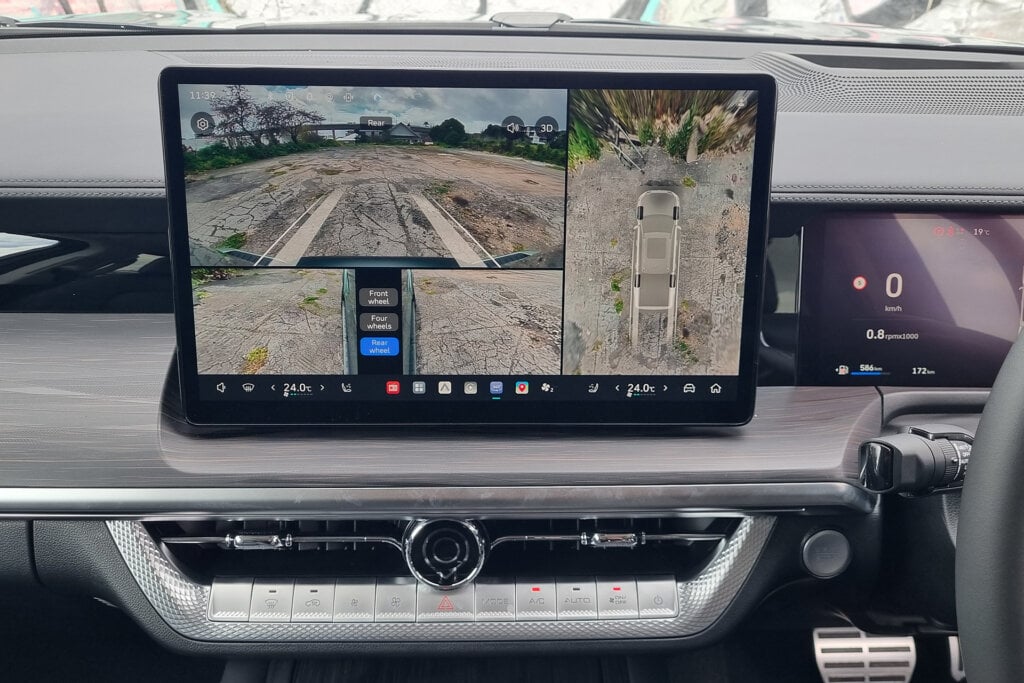
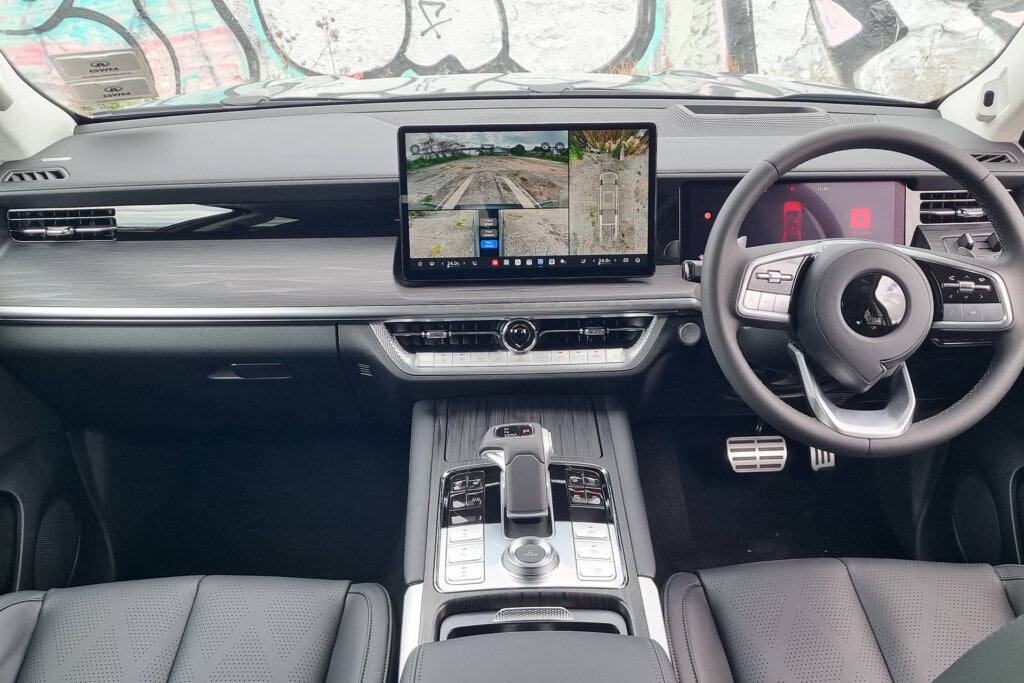
The cabin is quite flash for a ute, being well made with most of the surfaces nicely lined. It has a stellar reversing camera with multiple viewing options that comes in handy for such a large vehicle. As you’d imagine, the turning circle isn’t flash. The Vanta has lots of safety features and, while most are well behaved, the lane-keeping likes a good wrestle.
With more power and torque, the Alpha is now more of a match for the Ranger and Hilux. It’s up there on price, but then so are the V6 Ranger models, the GWM being cheaper than most of them, with a far superior spec. Some of the engine’s muscle is dulled by the Alpha’s substantial weight, but the improved payload figure and promised fuel consumption numbers are impressive. Should GWM slot this engine into the cheaper Cannon, it would have a real beast in the ute market.