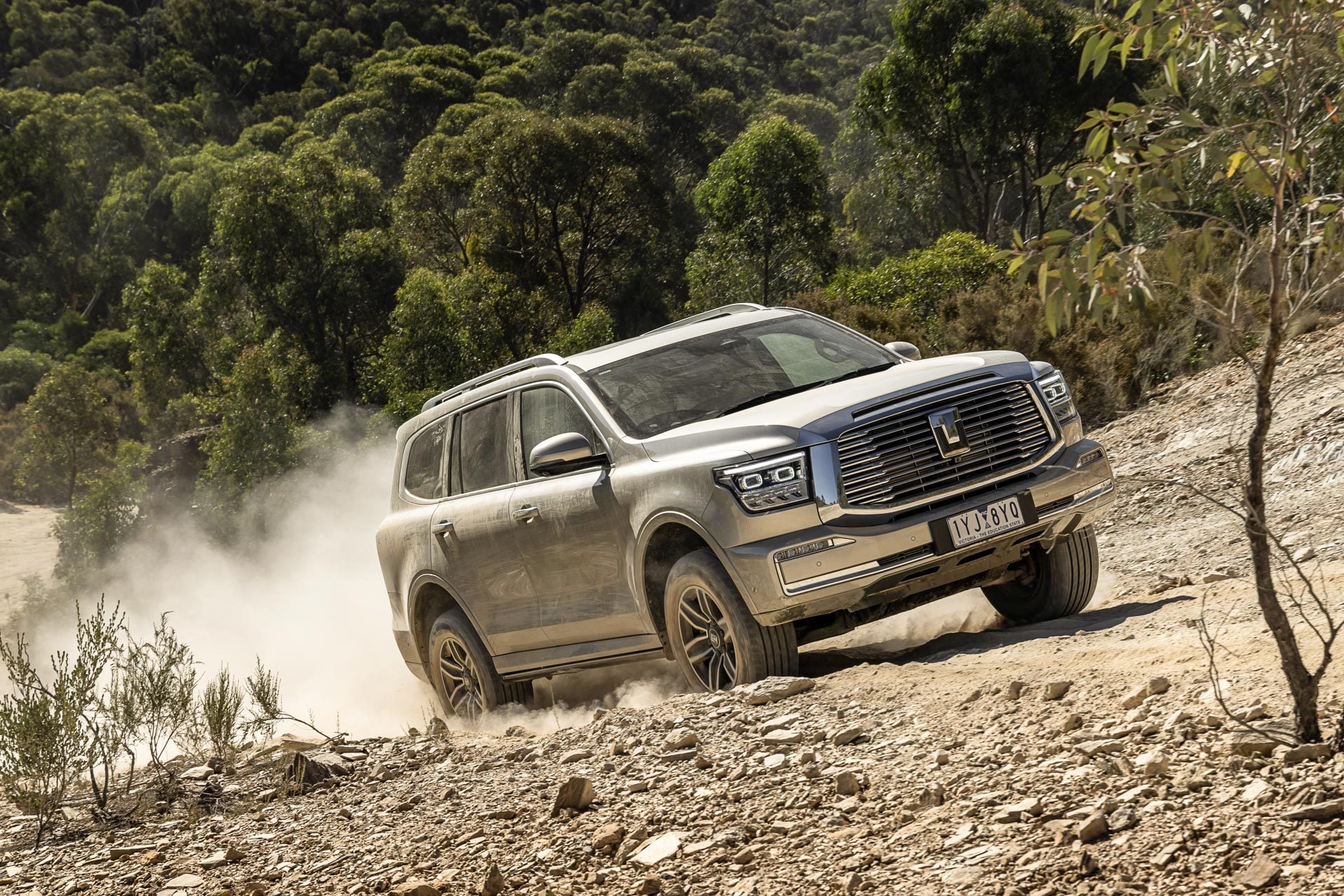
GWM confirms 170kW turbodiesel for Tank 500 and Cannon Alpha mid-year
Richard Edwards
GWM has confirmed outputs for its all-new 3.0-litre turbo-diesel engine, which will arrive in New Zealand and Australia mid-year in the Cannon Alpha ute and Tank 500 large SUV.
The four-cylinder unit produces 170kW and 620Nm, a substantial step up from the 135kW/480Nm 2.4-litre turbo-diesel currently offered in both models, and a clear signal of GWM’s intent to compete with the established large diesel players in both segments.
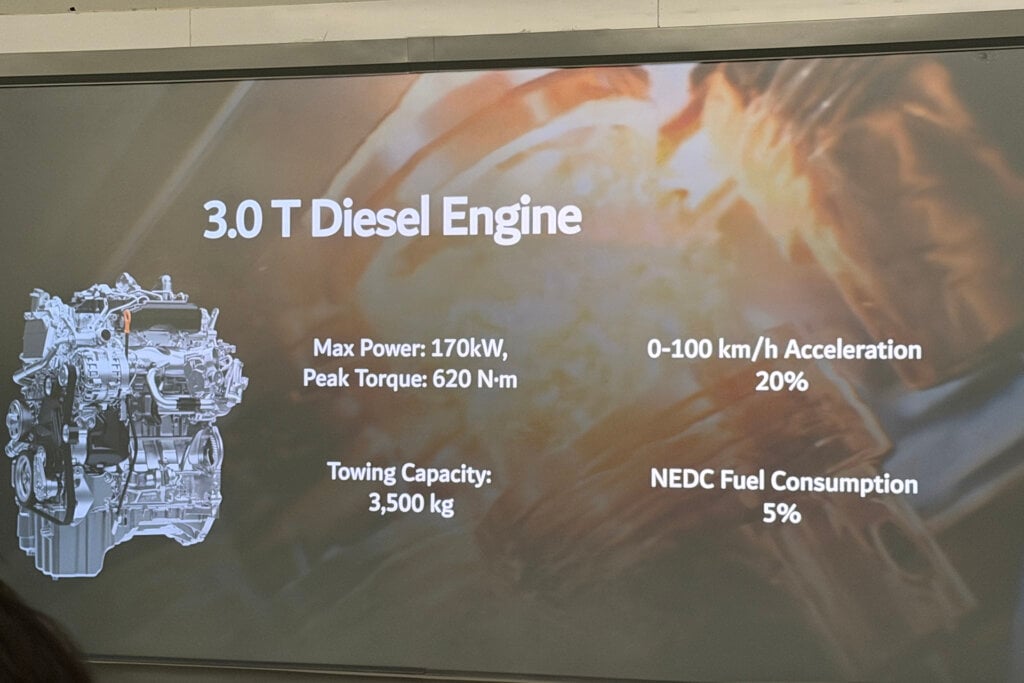
Notably, the new diesel is not the most powerful option in either model range. That title remains with the Hi4-T plug-in hybrid powertrain, a 2.0-litre turbo-petrol PHEV producing 300kW and 750Nm, available in both the Cannon Alpha and Tank 500.
Cannon Alpha takes aim at Ranger V6, and beyond
In the Cannon Alpha, the new engine puts GWM in direct contention with the Ford Ranger 3.0-litre V6 turbo-diesel, which has dominated the upper end of the dual-cab segment since its 2022 launch.
On paper the Ranger retains an edge, with 184kW and 600Nm from its V6, but GWM’s four-cylinder counters with 20Nm more torque. Both vehicles carry a 3500kg braked towing capacity, and both pair with an automatic, the GWM running a nine-speed.
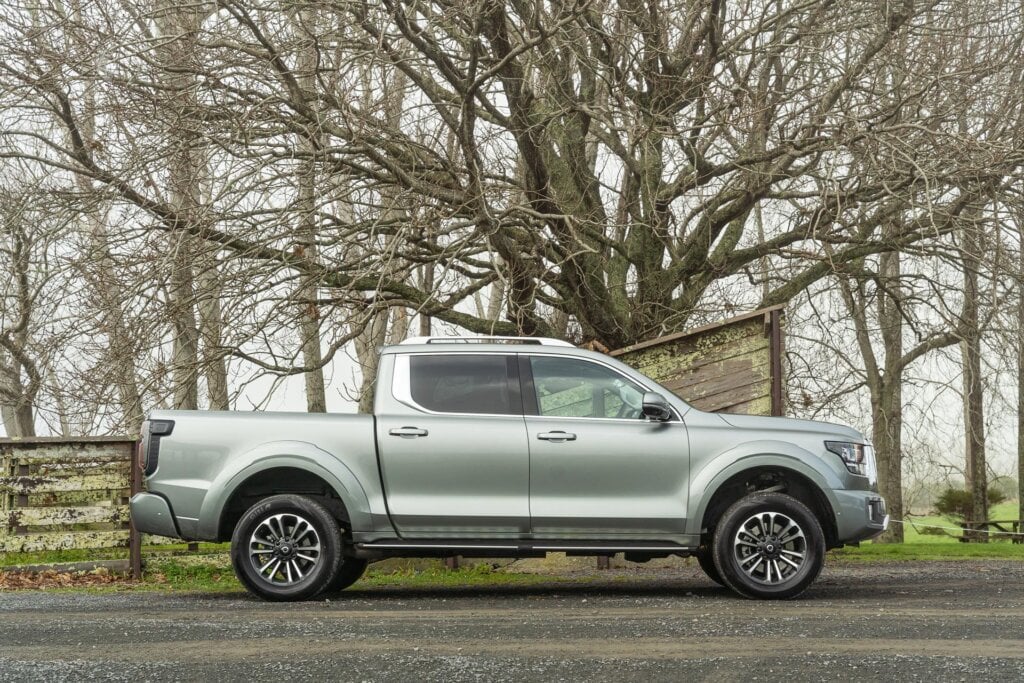
The Cannon Alpha’s larger footprint also means the new engine could draw interest from buyers who have looked at the Ram 1500 or Chevrolet Silverado 1500 but want diesel rather than petrol V8 power. While the GWM does not match those vehicles for sheer cylinder count or sound, it offers a similarly substantial physical presence and the 3500kg tow rating, at a price likely to sit well below either American option.
Read more – GWM Cannon Hi4-T confirmed for NZ, locking in dual PHEV ute strategy
Ford NZ’s Ranger continues to be the country’s top-selling new vehicle, with V6 variants accounting for roughly half of orders. The Cannon Alpha’s value-led pricing strategy, combined with outputs in the same league, gives GWM its first genuine spec-sheet argument against Ranger V6 buyers, particularly with the 2.0-litre bi-turbo four-cylinder no longer offered in the Ford line-up.
Tank 500 squares up to LandCruiser
In the Tank 500, the new diesel positions GWM against the Toyota LandCruiser 300, currently the benchmark large diesel 4WD in both markets.
Crucially, the new engine also lifts the Tank 500’s braked towing capacity by 500kg, taking it from 3000kg to the 3500kg segment benchmark. That brings it into line with the LandCruiser, the Ford Everest V6 and the Nissan Patrol, and removes one of the most frequently cited gaps in the current Tank 500’s specification sheet.
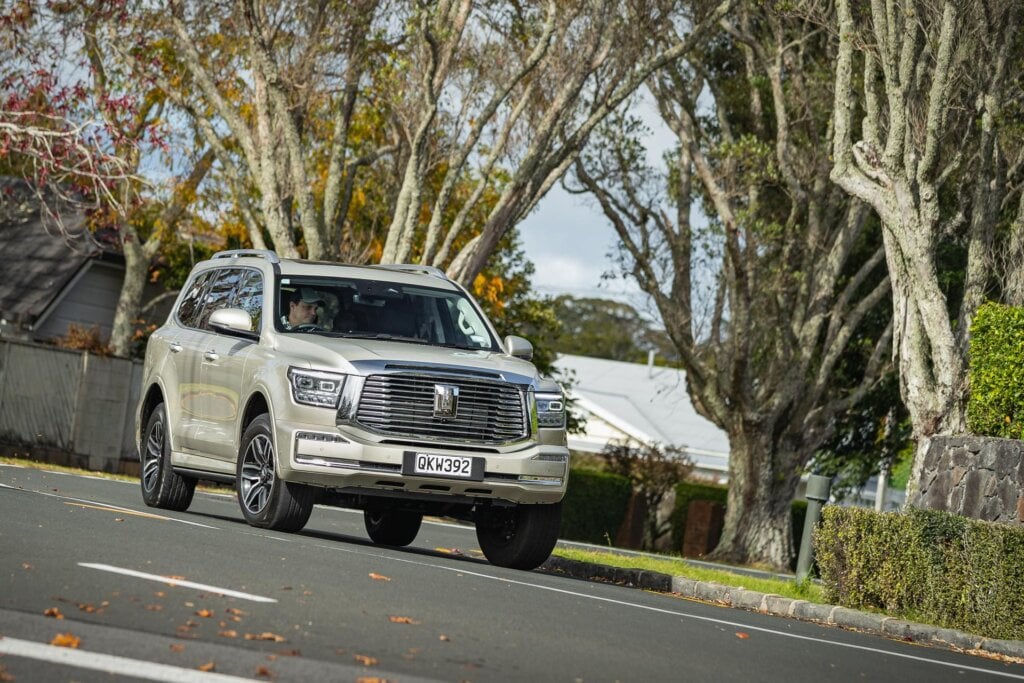
On outputs the LandCruiser retains a clear edge, with its 3.3-litre twin-turbo V6 producing 227kW and 700Nm against the Tank 500’s 170kW and 620Nm. GWM’s pitch will be on price and equipment rather than outright power. The current Tank 500 already undercuts the LandCruiser by a significant margin, and the new engine addresses one of the model’s key weaknesses, namely the underwhelming performance of the 2.4-litre.
Part of a wider 2026 push
The smaller Cannon ute will not receive the new engine in its current generation, retaining its 2.0-litre turbo-diesel. GWM has indicated the larger diesel could feature in the next-generation Cannon, which is expected to grow in size.
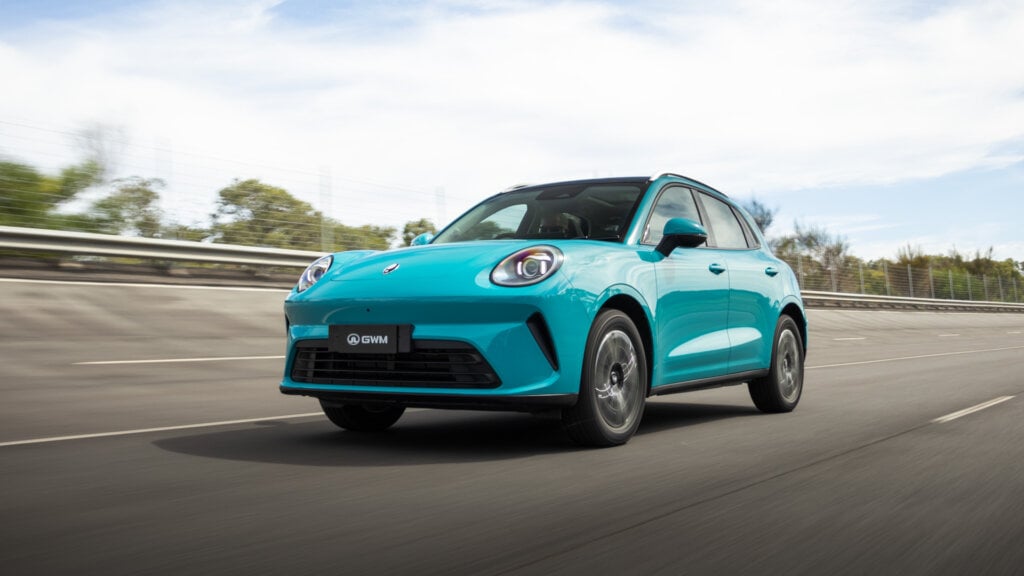
The 3.0-litre forms part of a broader 2026 product rollout for both markets that includes the Cannon Hi4-T petrol PHEV, the Ora 5 EV, and the Haval Jolion Max with hybrid and BEV options later in the year. GWM has also confirmed a diesel hybrid system, expected to wear the Hi4-G badge, is in development for global markets including Australasia, though timing for that powertrain is yet to be announced.
GWM Australia and New Zealand sold more than 52,000 vehicles across its GWM, Haval, Ora and Tank sub-brands in 2025 and is targeting a top-five finish in Australia by the end of 2027.