Hyundai weighs up electric Staria Load for NZ, but price could be a hurdle
Words: Kyle Cassidy
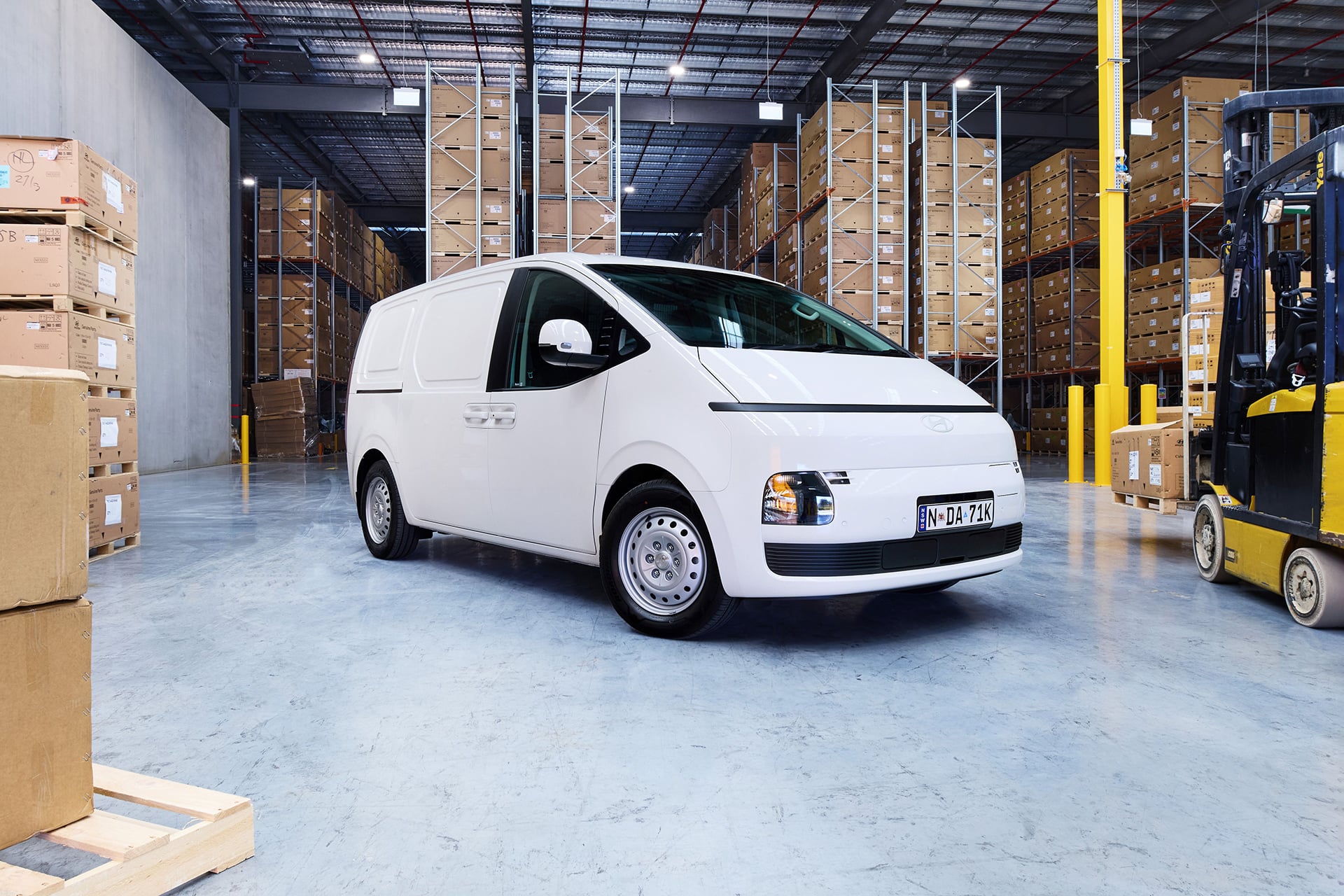
Hyundai’s Staria Load Electric has gone on sale in Australia with a claimed 450km range, a one-tonne payload and rapid charging, but its price could make a New Zealand launch a tougher proposition.
According to a Hyundai NZ spokesperson, the company is currently exploring the viability of the Staria Load Electric for New Zealand.
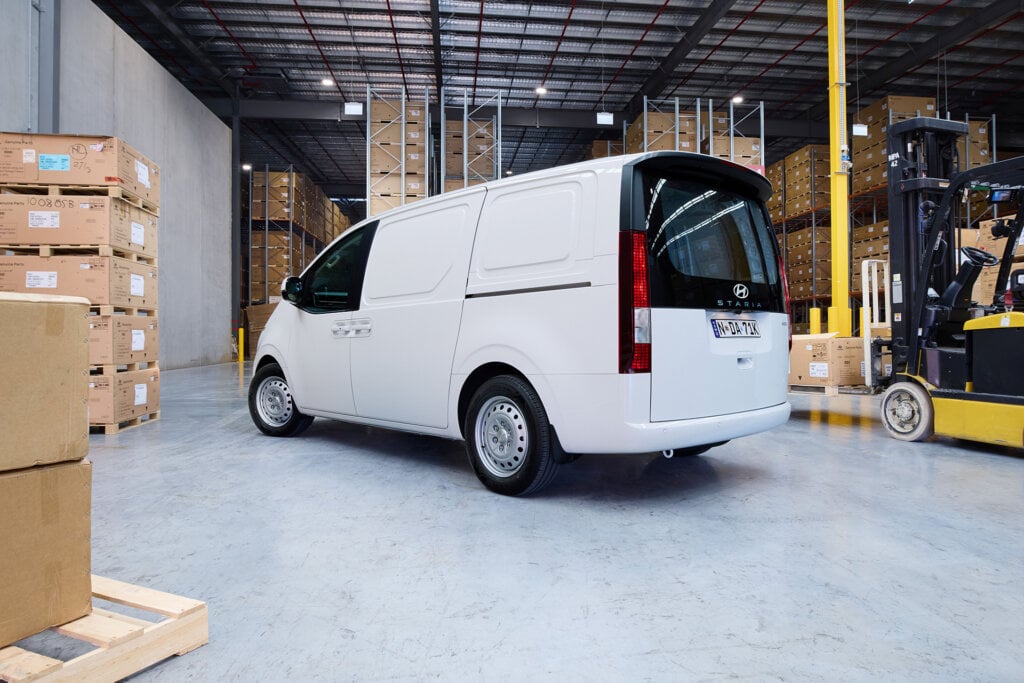
Across the Tasman, the electric van starts at A$70,990 before delivery and on-road costs. Buyers can choose a liftback tailgate or twin swing rear doors for the same price, with both versions offered exclusively as two-seaters.
That Australian price suggests Hyundai would have some work to do to make the numbers stack up here, particularly with Farizon already competing aggressively and Ford’s Chinese-built Transit City on the way.
Range and charging are the drawcards
The Staria Load Electric uses a front-mounted motor producing 160kW and 350Nm, powered by an 84kWh battery. Hyundai quotes up to 450km of WLTP range and combined energy consumption of 20.7kWh/100km.
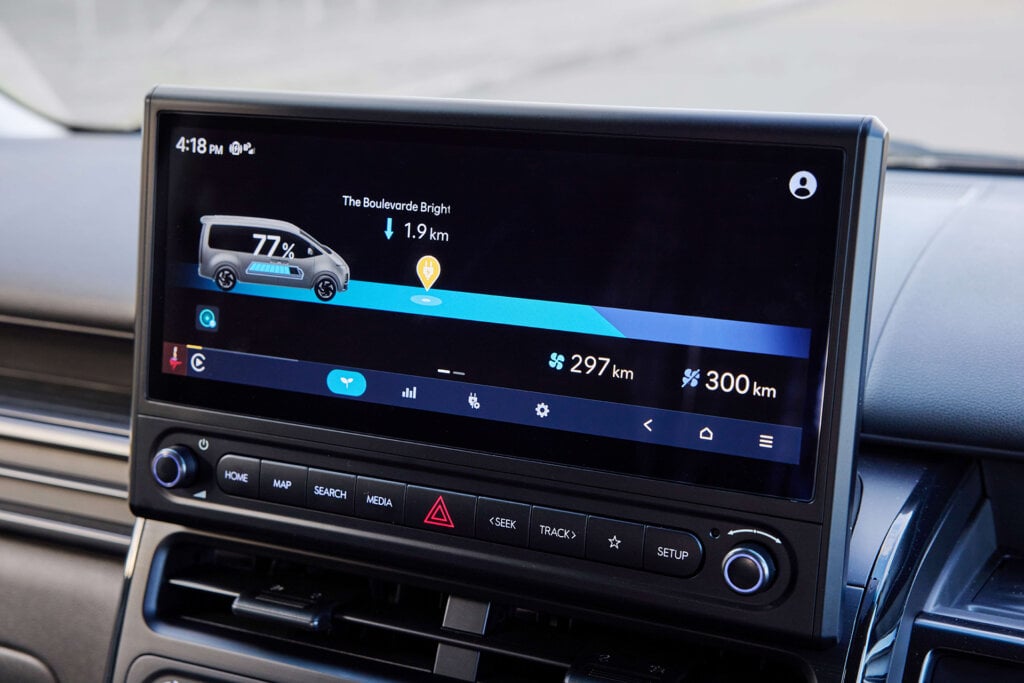
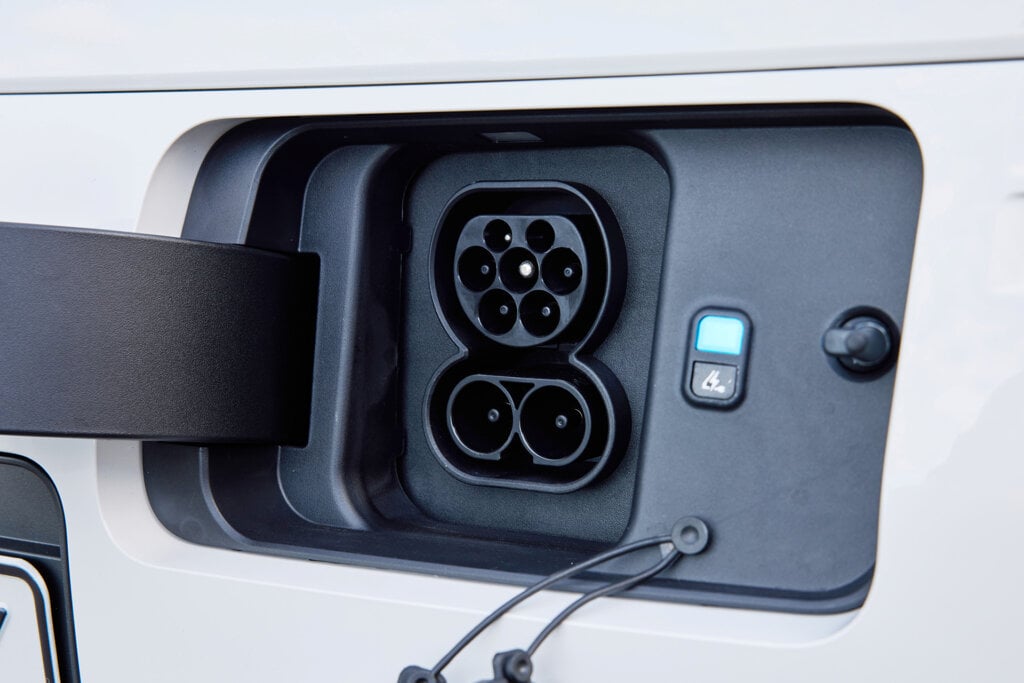
Its 800V electrical architecture is a selling point. Hyundai claims DC charging capability of up to 350kW, with a 10–80 per cent charge taking 20 minutes under suitable conditions.
A battery heating system helps manage cold-weather charging, while a heat pump reduces the energy needed to warm the cabin.
For businesses covering longer routes, or needing to recharge between jobs, that combination of range and charging speed would be valuable.
Work-van practicality retained
Going electric hasn’t reduced the Staria Load’s cargo volume, which remains 4935 litres. The load area measures 2607mm long, 1640mm wide and 1436mm high.
Payload is 1005kg, while towing capacity is rated at 2000kg braked and 750kg unbraked. There’s also a small 23.9-litre storage compartment under the bonnet.
A three-pin vehicle-to-load outlet in the cargo area allows the traction battery to power tools and other electrical equipment.
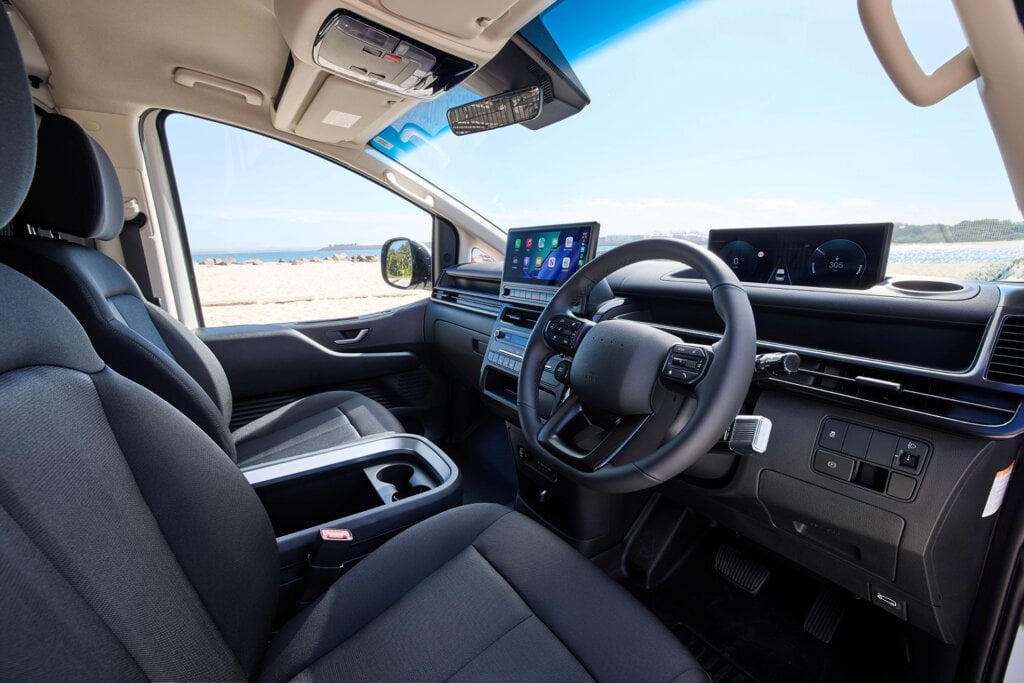
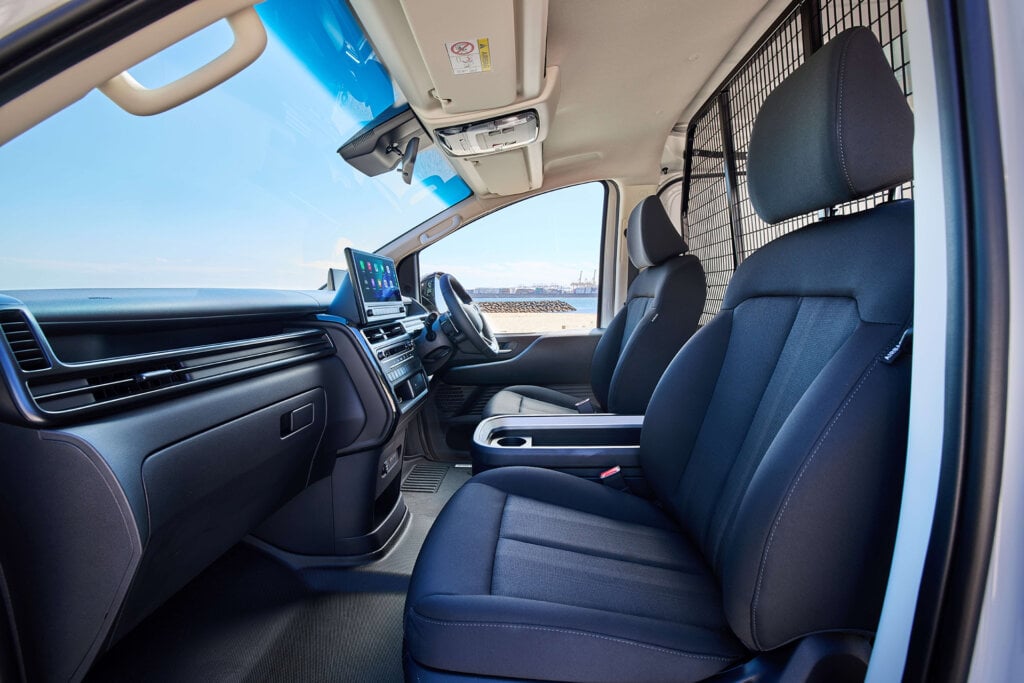
The cabin gets separate 12.3-inch multimedia and instrument displays, navigation and a steering-column drive selector. Australian models also feature Bluelink connected services and over-the-air software updates.
Seven airbags are fitted, alongside adaptive cruise control, autonomous emergency braking, blind-spot collision avoidance, rear cross-traffic collision avoidance and lane-keeping assistance.
Can it compete on price?
Here in NZ, Farizon’s V7E starts at NZ$55,990 including GST but excluding on-road costs. It offers up to 1243kg of payload and seven cubic metres of cargo space.
Ford’s incoming Transit City will start at NZ$58,990 plus on-road costs, with customer deliveries expected in January 2027. Built in China through Ford’s partnership with Jiangling Motors, it adds another established badge to the more affordable end of the electric van market.
Ford quotes a 1085kg payload, around 6.4 cubic metres of load space and 254km of WLTP range.
On its Australian pricing, the Staria Load Electric would probably prove too expensive for many cost-focused Kiwi van buyers unless Hyundai could secure a particularly competitive local deal.
Its longer range, fast charging and two-tonne towing rating provide reasons to pay more. The question for Hyundai NZ is whether enough businesses would value those advantages to justify the likely premium over Farizon and the incoming Ford.