NZ moves closer to 10,000 EV charger goal with second loan round announced
Words: Andrew Sluys
The New Zealand government is hoping a second-round of zero-interest loans for building EV charging infrastructure will get it closer to its goal.
Announced in 2023, the goal was to have 10,000 EV chargers in place by 2030, which is fast approaching.
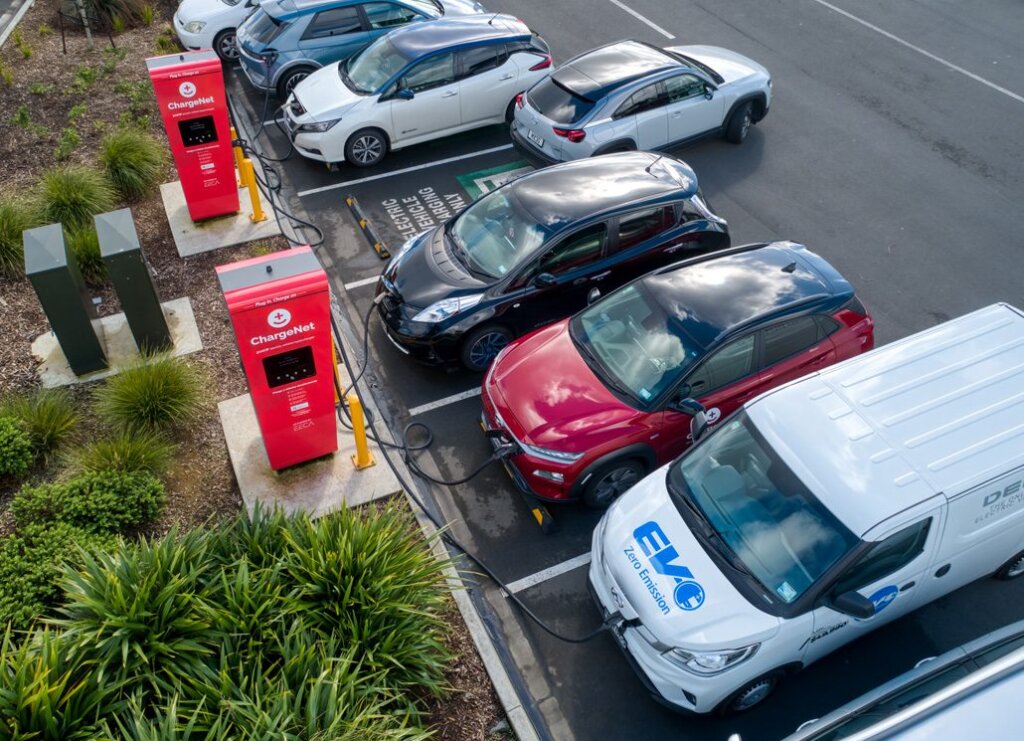
The new funding, announced by Transport Minister Chris Bishop and Energy Minister Simeon Brown, will deliver 2,574 new charge points through partnerships with ChargeNet and Meridian Energy.
“Round one demonstrated strong market demand for the programme and showed concessionary loans can successfully unlock significant private sector investment,” says Bishop.
“The projects already underway will more than double New Zealand’s public charging network and represent a major step towards achieving our long-term infrastructure goals.”
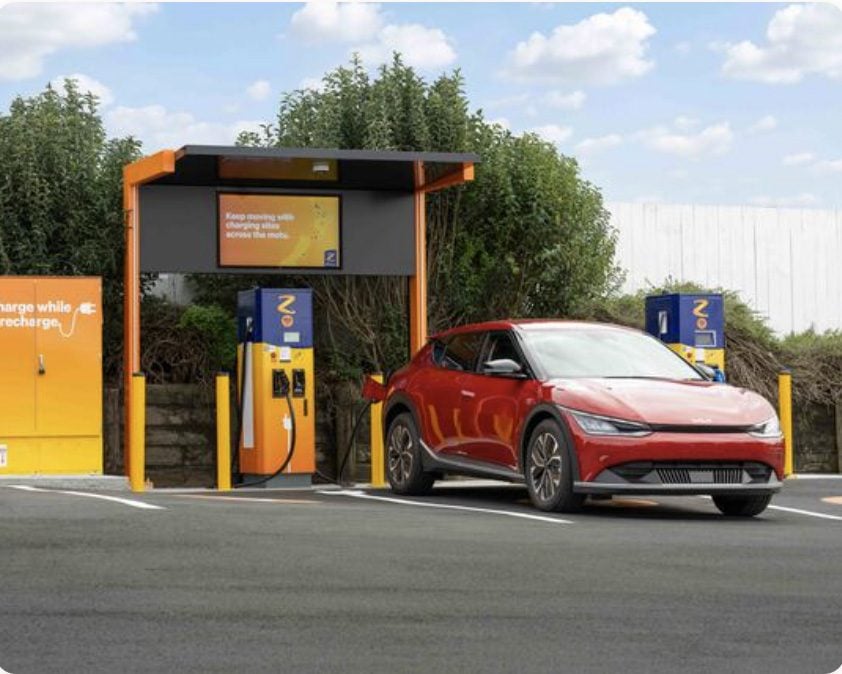
Bishop describes the underlying problem as “a classic chicken-and-egg situation”, with charging companies reluctant to invest until there are more EVs on the road, and buyers hesitant until charging is readily available. The loans fund up to 50% of project capital costs at zero interest over terms of up to 13 years, with applications assessed through an open procurement process.
Brown says the rollout will reduce range anxiety, adding that New Zealanders are switching “without unnecessary subsidies from taxpayers”. At the 10,000 charge point target, the Government expects roughly one public charger for every 40 EVs.
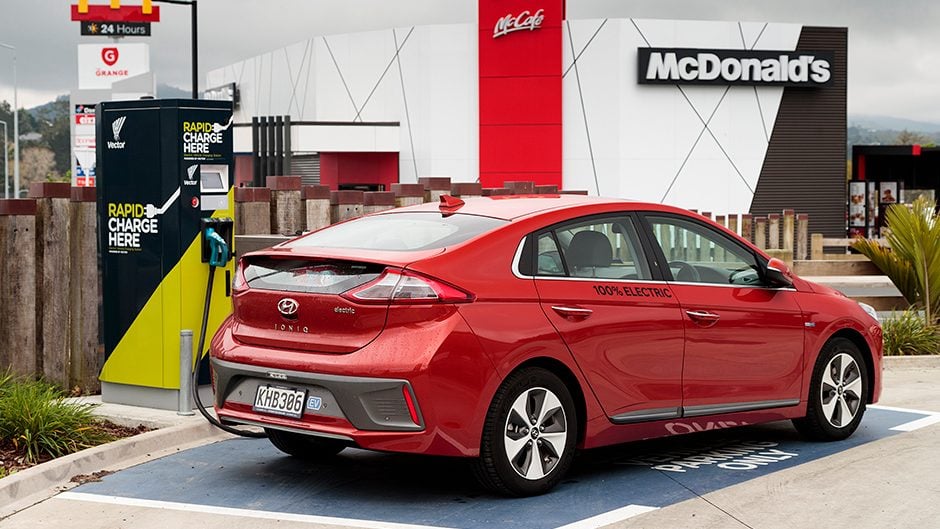
To achieve 10,000 chargers, it is estimated 174 are going to have to be installed each month until then. This is more than what was installed throughout 2025.
Demand has also softened since the target was set. Fully electric and plug-in vehicles made up 27.2% of new light vehicle registrations in 2023, the final year of the Clean Car Discount, before falling to around 10% in 2025 following the discount’s removal and the extension of road user charges to EVs.
The share has recovered ground this year. The one-charger-per-40-EVs ratio implies a fleet of around 400,000 EVs by 2030, close to triple the current light EV fleet.