New Zealand dealer group warns of overcrowding in new car market
Words: Richard Edwards
The Colonial Motor Company expects consolidation among New Zealand vehicle brands as an influx of new entrants intensifies competition and puts dealership margins under pressure.
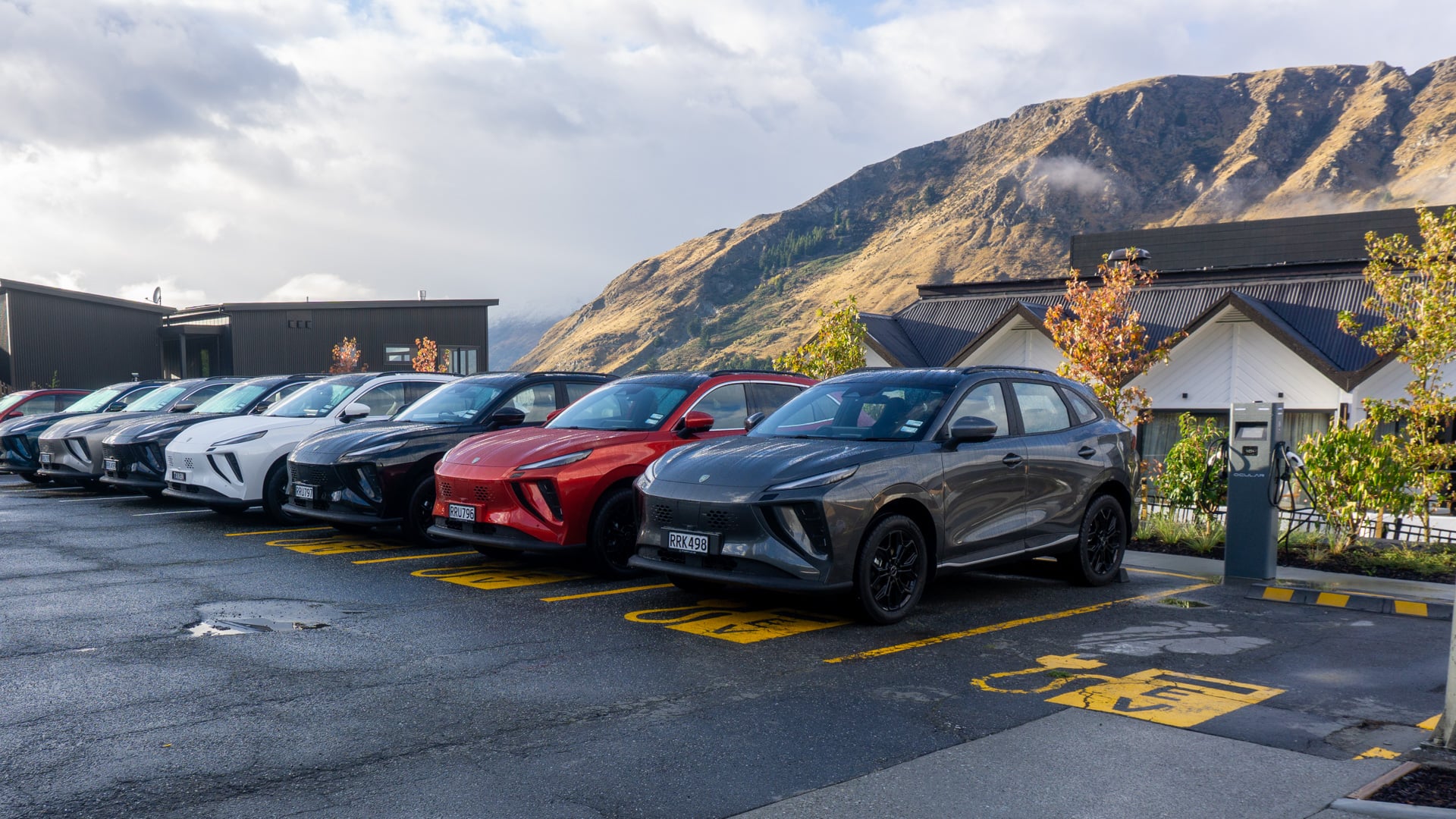
The NZX-listed automotive group says more than a dozen Chinese automotive brands have entered the local market during the past two years, many with aggressive market share ambitions and expanding model ranges.

“The new vehicle market was already considered a competitive environment to operate in,” chief executive Alex Gibbons says in CMC’s latest annual report.
“It would be fair to say this added multi-layer of competition has taken the market to an unsustainable level that will result in brand consolidation for a small market like New Zealand.”
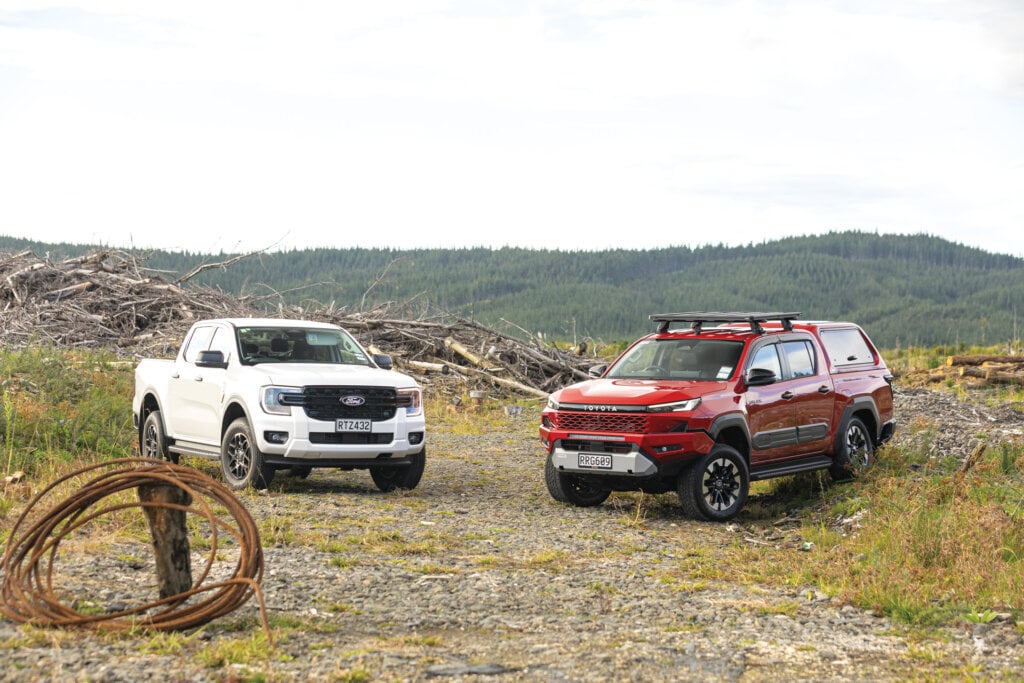
CMC operates automotive businesses throughout New Zealand, representing light vehicle brands including Ford, Mazda, BYD, Kia, Mitsubishi and Nissan.
Its commercial vehicle and agricultural operations include Kenworth, DAF and JAC trucks and Case IH and New Holland tractors.
CMC says three changes are occurring simultaneously across the new light vehicle sector: accelerating demand for new-energy vehicles (NEVs), improving battery technology and Chinese manufacturing capability, and the continuing arrival of new brands.
Affordable small and mid-sized passenger vehicles are at the centre of the competition, with price and electric driving range becoming less significant barriers for buyers.
However, CMC does not expect Chinese brands to dominate every segment, pointing to the reputations and established dealer networks of longer-standing manufacturers.
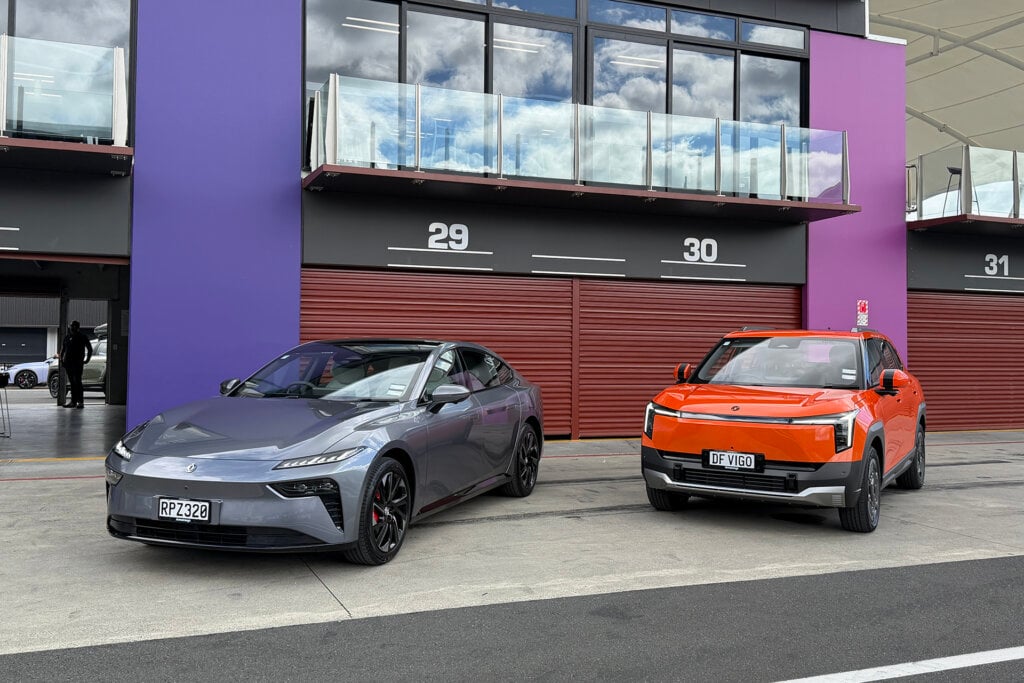
“In our view there are far too many new brands converging on the market at once that are not created equal and it must be a daunting prospect for new vehicle buyers to decide where to place their investment,” Gibbons says.
Fuel shock changes demand
The annual report provides further detail about disruption caused by the Middle East conflict and resulting oil shock during the second half of CMC’s financial year.
It says the disruption accelerated NEV uptake following several years in which demand was frequently influenced by changes in government policy.

“The Middle East conflict changed that narrative and has acted as the catalyst for the recent accelerated adoption of NEVs in our region,” Gibbons says.
“While an NEV may not be the best vehicle for every application, they are playing an increasing part in the evolution of the market.”
The disruption also affected used vehicle demand, which had grown during the first three quarters of the financial year.
Interest subsequently weakened, particularly for large diesel vehicles, putting immediate pressure on margins.
“The impact on margins was swift and the decision was made early to revalue inventory to meet the market, a painful but necessary exercise,” Gibbons says.
CMC continues to see growth potential in used vehicles and is increasing support for used-car departments across its network.