Study suggests driving slowly off-road as thrilling as racing on a track
Words: Kyle Cassidy
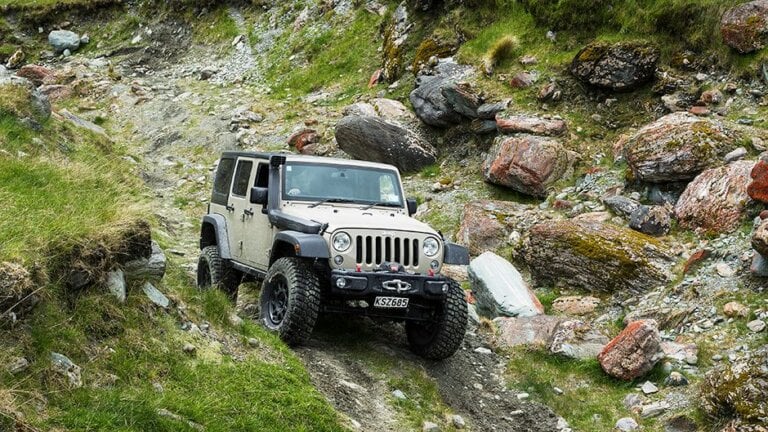
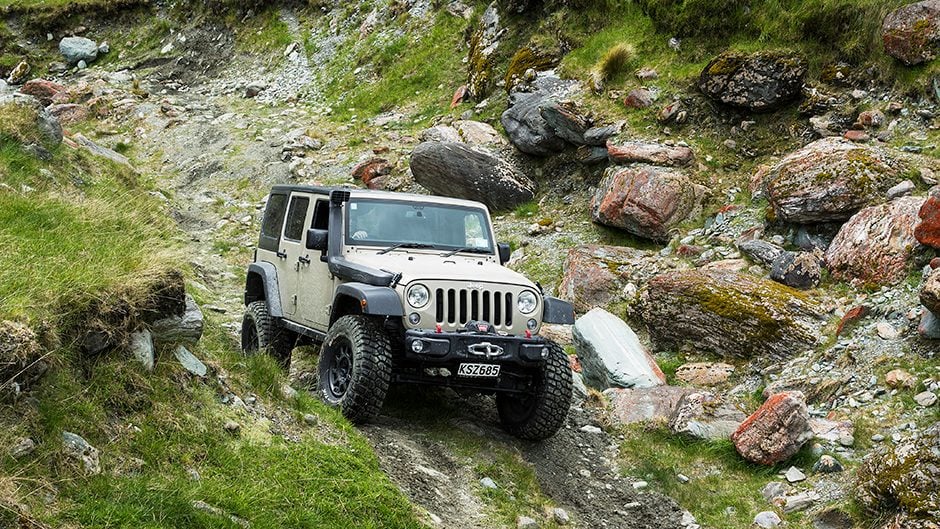
Off-roading at little more than walking pace can deliver high levels of excitement, according to a Castrol study exploring what makes driving enjoyable.
Participants experienced their biggest thrills behind the wheel of a McLaren Artura GT4, but karting and off-road driving at around 8km/h also produced strong responses. Travelling at speed as a passenger, meanwhile, produced signs of anxiety.
The Thrill of Driving investigation, reported by UK Autocar, involved British neuroscience specialist Brainbox and examined how physical stimulation, mental engagement and emotion combine behind the wheel.
Researchers identified three elements: the intensity of the body’s response, how absorbed the mind is in the task, and the balance between excitement and fear.
To explore those factors, participants completed five experiences at PalmerSport’s facility in Bedfordshire, wearing equipment that monitored brain activity, eye movements, heart activity and skin responses.
The programme included low-speed off-roading, karting, laps in a McLaren Artura GT4 and an open racing car, plus a passenger ride in a JP-LM sports prototype driven by a professional racer.
The monitoring equipment allowed researchers to compare several aspects of each participant’s response, rather than relying on a single indicator such as heart rate.
A 30-channel electroencephalography system recorded brain activity associated with focused mental engagement. Heart-rate variability and changes in skin conductance provided further measures of the body’s response.
Eye tracking recorded where participants looked, how often they blinked and how their eyes moved. Examining those readings alongside the other measurements helped researchers distinguish concentrated engagement from more anxious scanning.
Driving the McLaren produced the highest thrill response. However, being a passenger in the JP-LM at similar speeds generated signs of anxiety, which researchers interpreted as participants becoming overwhelmed.
That distinction was central to the findings: physical intensity alone did not necessarily translate into enjoyment. Having control of the vehicle and being mentally involved in the task mattered, too.
The strong responses recorded during karting and slow off-road driving reinforced that point. Both offered a challenge that demanded attention without relying on outright pace.
Researchers linked driving thrills to focus, control and approaching a “flow state”, where the driver becomes deeply absorbed in what they are doing. In the reported tests, a demanding off-road route could provide that engagement at around 8km/h.